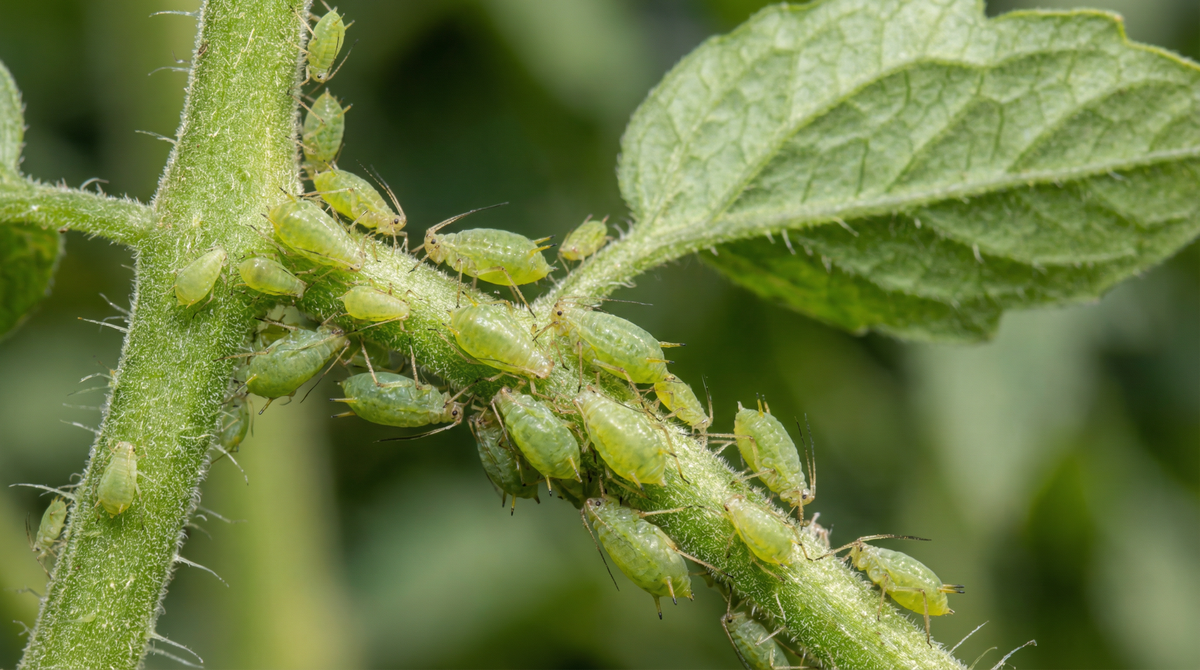
Aphids are among the most common and recognizable garden pests worldwide. These tiny, soft-bodied insects belong to the superfamily Aphidoidea and are found in virtually every temperate and tropical region on Earth.
Despite their small size—typically just 1-10mm in length—aphids can cause significant damage to plants by feeding on sap and transmitting plant viruses. However, they also play important ecological roles, serving as food for beneficial insects like ladybugs, lacewings, and parasitic wasps.
Understanding aphid biology and behavior is essential for any permaculture practitioner seeking to manage these insects through natural, ecosystem-based approaches rather than chemical interventions.
Identification and Biology
Aphids are small, pear-shaped insects that come in a remarkable variety of colors, including green, black, brown, yellow, pink, and even white. They possess long antennae and two tube-like structures called cornicles (or siphunculi) that project from their rear end—a distinguishing feature of the aphid family.
Most aphids have soft, vulnerable bodies, though some species develop a waxy or woolly coating for protection. Their mouthparts are specially adapted for piercing plant tissue and sucking sap from the phloem, the plant's nutrient transport system.
Reproduction and Life Cycle
Aphids have one of the most remarkable reproductive strategies in the insect world. During favorable conditions, females reproduce through parthenogenesis—giving birth to live female clones without mating. This allows populations to explode rapidly, with a single female potentially producing billions of descendants in a single growing season.
As conditions deteriorate (shorter days, cooler temperatures), aphids produce both males and females that mate sexually. The fertilized females then lay overwintering eggs that survive harsh conditions and hatch in spring to restart the cycle.
Many aphid species also alternate between winged and wingless forms. Winged aphids develop when colonies become overcrowded or food quality declines, allowing them to disperse to new host plants.
Signs of Aphid Infestation
Early detection is key to managing aphid populations before they cause significant damage. Look for these telltale signs:
Honeydew and Sooty Mold
As aphids feed on plant sap, they excrete a sticky, sugary substance called honeydew. This glossy residue coats leaves, stems, and anything beneath the infested plant. Honeydew often leads to the growth of sooty mold—a black fungal coating that, while not directly harmful to plants, blocks sunlight and reduces photosynthesis.
Curled and Distorted Growth
Aphid feeding causes leaves to curl, pucker, and become distorted. New growth is particularly vulnerable, often appearing stunted, yellowed, or malformed. Heavy infestations can cause significant leaf drop and reduce plant vigor.
Ant Activity
Many ant species farm aphids, protecting them from predators and moving them to new feeding sites in exchange for honeydew. Increased ant activity on plants often indicates an aphid infestation nearby.
Visible Colonies
Look for clusters of aphids on the undersides of leaves, along stems, and at growing tips. They often congregate in dense groups, making them relatively easy to spot once you know where to look.
Ecological Role
While often viewed purely as pests, aphids serve important functions in garden ecosystems:
- Food source: Aphids are a primary food for ladybugs, lacewings, hoverfly larvae, and parasitic wasps—beneficial insects that also control other pest populations.
- Nutrient cycling: Honeydew provides food for ants, bees, and other insects, while aphid bodies contribute nutrients when they decompose.
- Indicator species: Aphid presence can indicate plant stress, nutrient imbalances, or ecosystem disruption.
Permaculture Management Strategies
Rather than attempting to eliminate aphids entirely, permaculture approaches focus on maintaining populations at acceptable levels through ecosystem design and natural controls.
Encourage Natural Predators
Building populations of beneficial insects is the most effective long-term aphid management strategy:
- Ladybugs: Both adults and larvae are voracious aphid predators, with a single ladybug consuming up to 5,000 aphids in its lifetime.
- Lacewings: Lacewing larvae, sometimes called "aphid lions," can consume 200+ aphids per week.
- Hoverflies: Adult hoverflies pollinate flowers while their larvae feed on aphids.
- Parasitic wasps: Tiny wasps like Aphidius species lay eggs inside aphids, creating distinctive "mummies."
Attract these beneficials by planting diverse flowering plants, especially those in the carrot family (Apiaceae) and daisy family (Asteraceae), which provide nectar and pollen for adult beneficial insects.
Companion Planting
Strategic plant placement can help deter aphids or attract them away from valued crops:
- Trap crops: Plant nasturtiums or mustards to lure aphids away from main crops.
- Repellent plants: Garlic, chives, and other alliums may deter aphids when interplanted with susceptible crops.
- Insectary strips: Create permanent plantings of beneficial insect habitat adjacent to annual gardens.
Cultural Practices
- Avoid excess nitrogen: Over-fertilized plants produce soft, succulent growth that attracts aphids. Use slow-release organic fertilizers.
- Water management: Stressed plants are more vulnerable. Maintain consistent moisture without overwatering.
- Physical removal: Strong water sprays can dislodge aphids from plants. Hand-squishing small colonies is effective for minor infestations.
- Reflective mulches: Silver or aluminum mulches can disorient flying aphids and reduce colonization.
Biological Controls
When populations exceed tolerance levels, consider these organic interventions:
- Insecticidal soaps: Fatty acid-based sprays kill aphids on contact without harming most beneficials.
- Neem oil: Disrupts aphid feeding and reproduction while being relatively safe for beneficial insects.
- Beneficial insect releases: Purchased ladybugs or lacewing eggs can boost predator populations, though establishing permanent habitat is more effective long-term.
Associated Plants
Aphids are remarkably adaptable and can feed on hundreds of different plant species. Some species are generalists that will attack almost any succulent plant tissue, while others are specialists that target specific plant families.
Below are some of the plants in our database that have documented relationships with aphids, including both susceptible host plants and those used in management strategies.