Native Plants of Alabama
Native plants of Alabama are adapted to the state's humid subtropical conditions, requiring less maintenance and providing habitat for native wildlife. These species form the foundation of sustainable permaculture systems in the region.
Alabama Canebreak Pitcher Plant
Sarracenia alabamensis ssp. alabamensis
Indicator species for healthy wetland ecosystems; helps control insect populations.
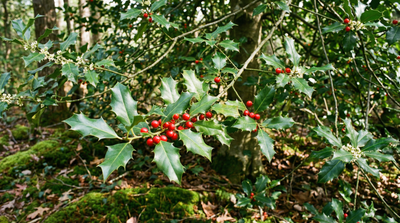
American Holly
Ilex opaca
Provides food and shelter for birds and other wildlife. The berries are a winter food source for many species.
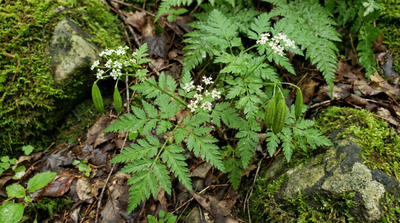
Aniseroot
Osmorhiza longistylis
Provides food for wildlife and contributes to forest biodiversity.
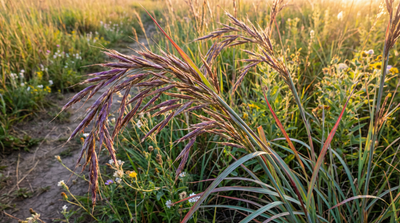
Big Bluestem
Andropogon gerardii
Dominant grass of the tallgrass prairie, provides cover and food for wildlife, and its deep root system helps prevent soil erosion.
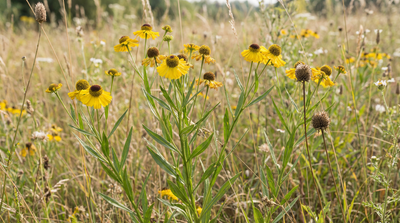
Bitterweed
Helenium amarum
Provides nectar for some pollinators, but can be toxic to livestock.
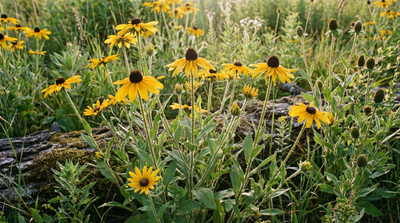
Black-eyed Susan
Rudbeckia hirta
Provides nectar for butterflies and bees, and seeds for birds.
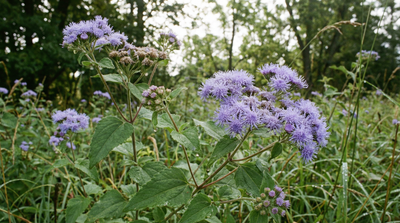
Blue Mistflower
Conoclinium coelestinum
Provides a late-season nectar source for pollinators.
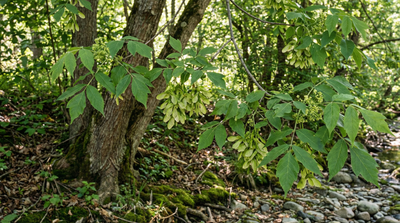
Box Elder
Acer negundo
Provides food and shelter for a variety of wildlife. The seeds are eaten by birds and small mammals.
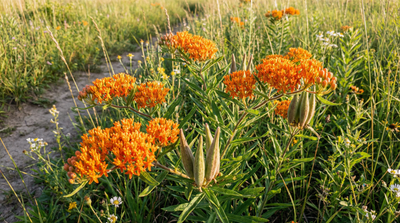
Butterfly milkweed
Asclepias tuberosa
Host plant for Monarch butterfly caterpillars and a nectar source for many other pollinators.
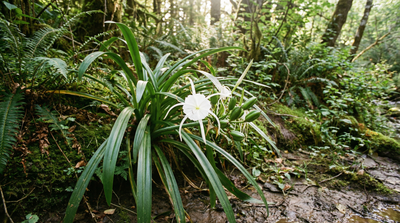
Carolina Spider Lily
Hymenocallis occidentalis
Indicator species for stream health.
Clasping coneflower
Dracopis amplexicaulis
Provides nectar for bees and butterflies.
Coastal Plain Joe Pye Weed
Eutrochium dubium
Attracts a wide variety of pollinators and provides seeds for birds.
Common Anglepod
Gonolobus suberosus
Host plant for the Monarch butterfly.
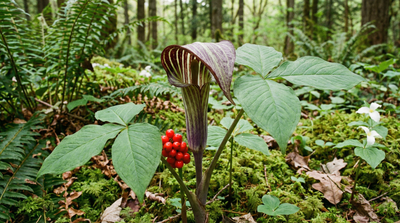
Common Jack-in-the-Pulpit
Arisaema triphyllum
The berries are a food source for birds and small mammals.
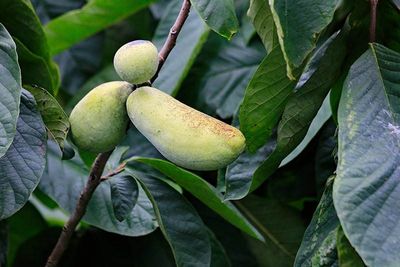
Common Pawpaw
Asimina triloba
Host plant for the Zebra Swallowtail butterfly.
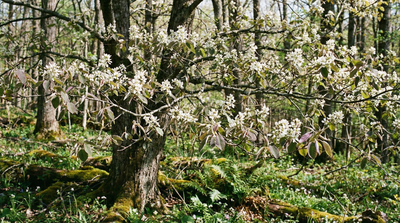
Common Serviceberry
Amelanchier arborea
Early blooming, providing an important food source for emerging insects. The berries are consumed by at least 40 species of birds and numerous mammals.
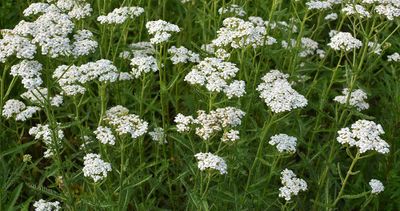
Common Yarrow
Achillea millefolium
Attracts a wide variety of pollinators, including bees and butterflies. It is also a companion plant that can benefit other plants by repelling pests.
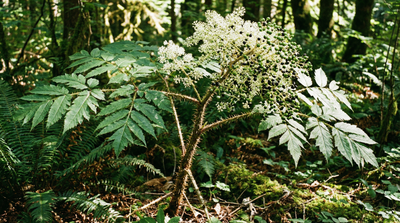
Devil's Walking Stick
Aralia spinosa
Provides food for birds and other wildlife. The flowers are a source of nectar for bees and other insects.
Drummond's Maple
Acer rubrum var. drummondii
Provides habitat for wildlife and its root system helps stabilize soil in wetland areas.
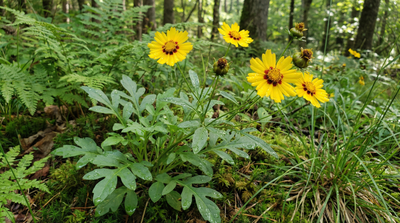
Eared Coreopsis
Coreopsis auriculata
Provides nectar for bees and butterflies.
Eastern Poison Ivy
Toxicodendron radicans
The berries are a food source for many species of birds, and the plant provides cover for small animals.
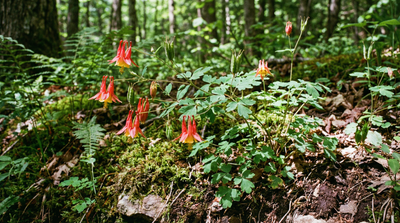
Eastern Red Columbine
Aquilegia canadensis
Provides nectar for hummingbirds, bees, and butterflies. The seeds are eaten by finches and buntings.
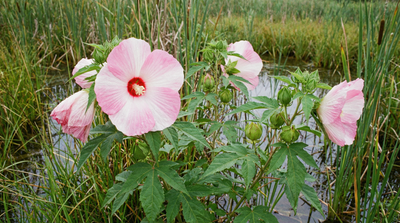
Eastern rosemallow
Hibiscus moscheutos
Provides nectar for hummingbirds, bees, and butterflies.
Eastern smooth penstemon
Penstemon laevigatus
Provides nectar for bees and butterflies.
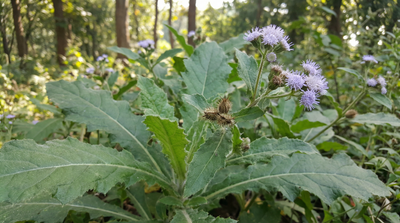
Elephant's Foot
Elephantopus tomentosus
Attracts beneficial insects, including pollinators and predatory species.
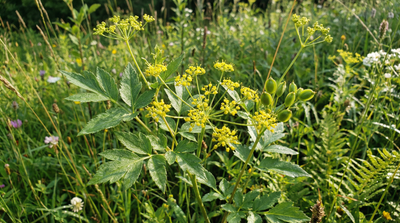
Golden Alexanders
Zizia aurea
Host plant for the Black Swallowtail butterfly and a nectar source for a variety of pollinators.
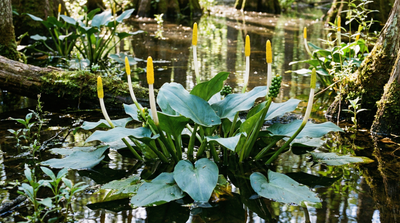
Golden Club
Orontium aquaticum
Provides habitat for various wildlife and contributes to wetland ecosystems.
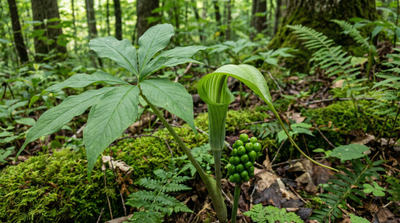
Green Dragon
Arisaema dracontium
Provides habitat and food for local wildlife.
Green Pitcher Plant
Sarracenia oreophila
Controls insect populations and is an indicator species for healthy wetland ecosystems.
Hairy-Jointed Meadow Parsnip
Thaspium barbinode
Larval host for the Black Swallowtail butterfly and attracts pollinators such as bees and butterflies.
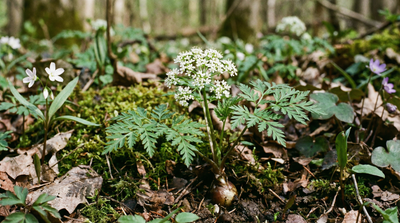
Harbinger of Spring
Erigenia bulbosa
One of the earliest blooming wildflowers, providing an important early nectar source for pollinators.
Hollow Joe-Pye Weed
Eutrochium fistulosum
Host plant and nectar source for a variety of insects.
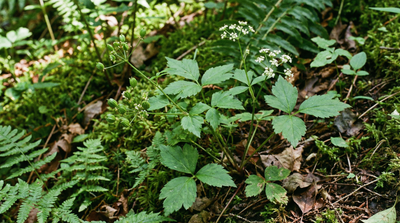
Honewort
Cryptotaenia canadensis
Supports a diverse array of insects, including bees, wasps, flies, and beetles.
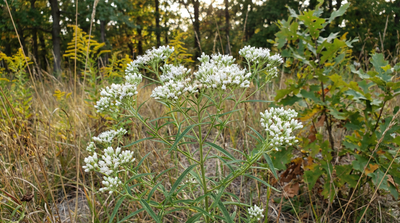
Hyssopleaf Thoroughwort
Eupatorium hyssopifolium
Supports pollinators and contributes to the biodiversity of its native ecosystems.
Lanceleaf coreopsis
Coreopsis lanceolata
Provides nectar and pollen for a wide range of pollinators, including native bees, butterflies, and beetles.
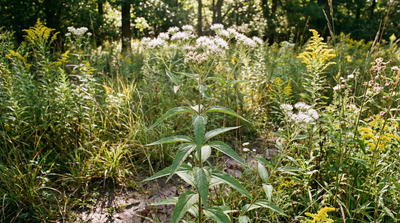
Late Boneset
Eupatorium serotinum
Provides a late-season nectar source for a wide variety of pollinators.
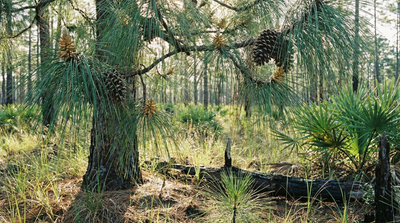
Longleaf Pine
Pinus palustris
Keystone species in its ecosystem, providing habitat for many threatened and endangered species. The ecosystem is maintained by frequent, low-intensity fires.
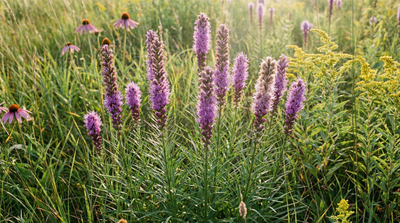
Marsh blazing star
Liatris spicata
Attracts a wide variety of pollinators, including bees, butterflies, and hummingbirds. The seeds are eaten by birds.
Narrowleaf mountain mint
Pycnanthemum tenuifolium
Attracts a wide variety of pollinators, including bees, butterflies, and wasps. The leaves can be used as a mosquito repellent.
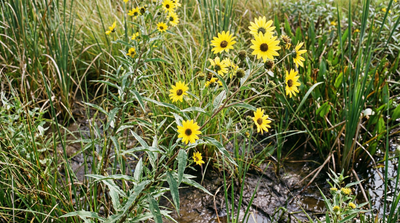
Narrowleaf sunflower
Helianthus angustifolius
Crucial late-season nectar source for bees and butterflies. The seeds are an important food source for birds.
New York ironweed
Vernonia noveboracensis
Provides a late-season nectar source for a variety of pollinators, especially butterflies.
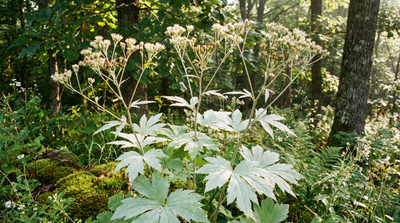
Pale Indian Plantain
Arnoglossum atriplicifolium
Attracts butterflies and other pollinators.
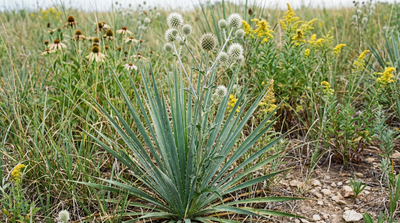
Rattlesnake master
Eryngium yuccifolium
A pollinator magnet, attracting a wide variety of native bees, wasps, butterflies, and beetles.
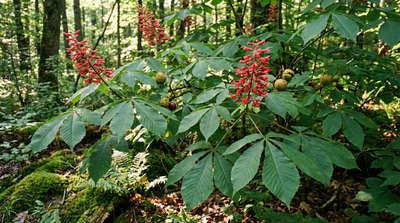
Red Buckeye
Aesculus pavia
Provides an early nectar source for hummingbirds and other pollinators. The seeds are consumed by squirrels and other wildlife.
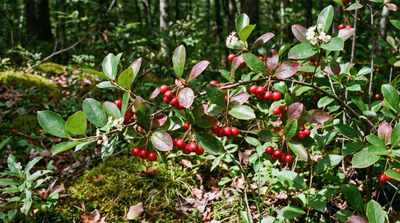
Red Chokeberry
Aronia arbutifolia
Provides food and habitat for a variety of wildlife. The flowers attract pollinators, and the berries are an important food source for birds.
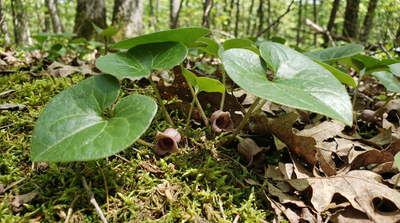
Reflexed Wild Ginger
Asarum reflexum
Host plant for the Pipevine Swallowtail butterfly. The seeds are dispersed by ants.
Smallflower Pawpaw
Asimina parviflora
Host plant for the Zebra Swallowtail butterfly. The fruit is eaten by a variety of wildlife.
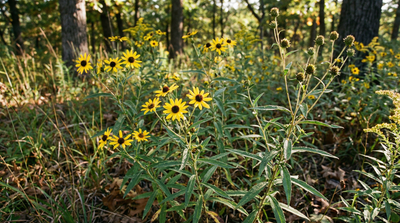
Small Woodland Sunflower
Helianthus microcephalus
Provides nectar for butterflies and other pollinators. The seeds are eaten by birds.
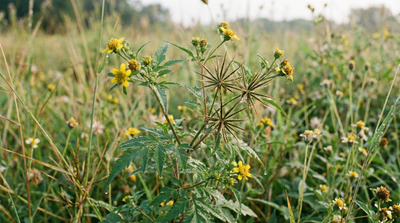
Spanish Needles
Bidens bipinnata
Provides a nectar source for a variety of pollinators, including bees and butterflies.