Native Plants of Arizona
Native plants of Arizona are masters of water conservation, perfectly adapted to the Sonoran and Mojave deserts. These species require minimal irrigation and support native pollinators.
Alkali Sacaton
Sporobolus airoides
Important grass for alkaline site restoration; provides cover for wildlife; tolerates harsh conditions
Arizona Desert-Thorn
Lycium exsertum
Critical early-season nectar source; one of first plants to bloom; berries eaten by birds
Arizona Lupine
Lupinus arizonicus
Important early-season nectar source; improves desert soils through nitrogen fixation; spectacular purple-blue displays
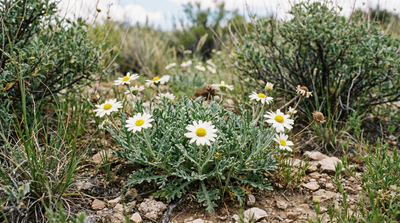
Blackfoot Daisy
Melampodium leucanthum
Important nectar source with long blooming season; drought-tolerant perennial; attracts diverse pollinators
Blue Palo Verde
Parkinsonia florida
Primary nurse plant for saguaro cactus; nitrogen-fixing legume that improves desert soils; critical shade and habitat provider; Arizona's state tree
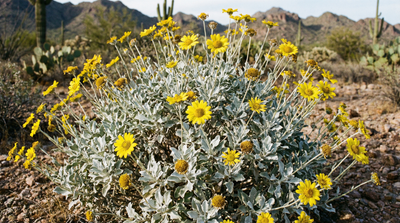
Brittlebush
Encelia farinosa
Dominant spring wildflower of Arizona deserts; covers hillsides with yellow; important early-season nectar source
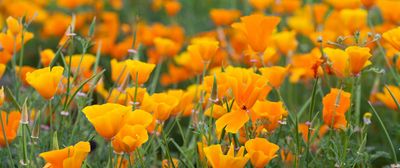
California Poppy
Eschscholzia californica
Important early-season pollen source; carpets desert floors with orange after good rain years; indicator of healthy desert
Chia
Salvia columbariae
Important early-season nectar source; seeds highly nutritious; native superfood plant
Chuparosa
Justicia californica
Premier hummingbird plant of the Sonoran Desert; blooms throughout year providing consistent nectar; name means 'hummingbird sucker' in Spanish
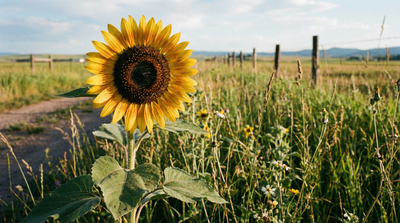
Common Sunflower
Helianthus annuus
Important late-season nectar and pollen source; seeds eaten by birds; supports diverse pollinators
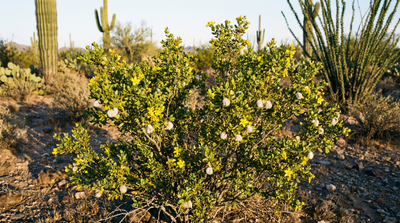
Creosote Bush
Larrea tridentata
Dominant shrub of North American deserts; over 60 insect species depend on it; distinctive 'rain smell' from aromatic resins; indicator of undisturbed desert
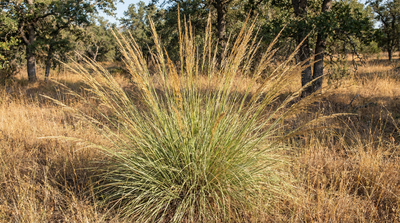
Deer Grass
Muhlenbergia rigens
Important habitat grass; provides cover for wildlife; used in erosion control and restoration
Desert Bells
Phacelia campanularia
Important early-season nectar source; brilliant blue flowers attract diverse pollinators; popular in wildflower seed mixes
Desert Broom
Baccharis sarothroides
Critical late-season nectar source; blooms September-December when few other plants flower; supports migrating butterflies
Desert Globemallow
Sphaeralcea ambigua
Important nectar source for desert pollinators; supports specialist globemallow bees; orange flowers brighten desert landscapes
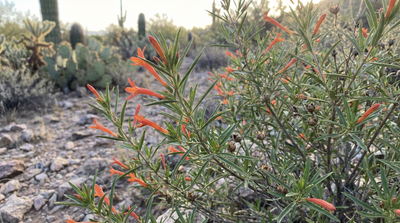
Desert Honeysuckle
Anisacanthus thurberi
Important hummingbird nectar source; year-round bloom provides consistent nectar; supports diverse pollinators
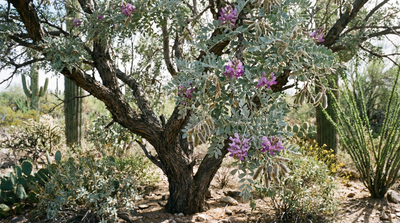
Desert Ironwood
Olneya tesota
Keystone nurse plant supporting over 500 species; creates microhabitats 5-15°F cooler than surrounding desert; nitrogen-fixing legume; extremely dense wood sinks in water
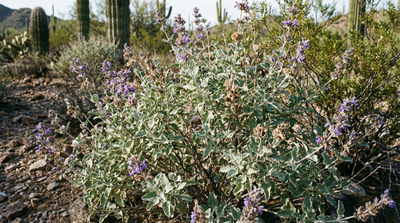
Desert Lavender
Hyptis emoryi
Important nectar source for desert pollinators; aromatic oils deter herbivores; provides year-round forage
Desert Marigold
Baileya multiradiata
One of the most reliable nectar sources in Arizona deserts; bright yellow flowers visible from roadsides; important for desert pollinators
Desert Senna
Senna covesii
Important nectar source; larval host for cloudless sulphur and sleepy orange butterflies
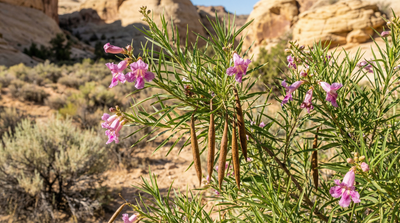
Desert Willow
Chilopsis linearis
Important hummingbird and butterfly nectar source; provides shade in desert washes; supports diverse wildlife
Desert Zinnia
Zinnia acerosa
Long blooming season provides consistent nectar; drought-tolerant perennial; important for desert butterflies
Eastern Mojave Buckwheat
Eriogonum fasciculatum
Premier bee plant of the desert Southwest; supports over 100 species of native bees; important honey plant
Engelmann's Prickly Pear
Opuntia engelmannii
Important food source for wildlife; fruits eaten by javelina, deer, and birds; pads provide emergency water for animals

Fairy Duster
Calliandra eriophylla
Early-season nectar source when few other plants bloom; nitrogen-fixing legume; important for desert butterflies
Firecracker Penstemon
Penstemon eatonii
Important hummingbird nectar source at higher elevations; red color specifically attracts hummingbirds; blooms in early spring
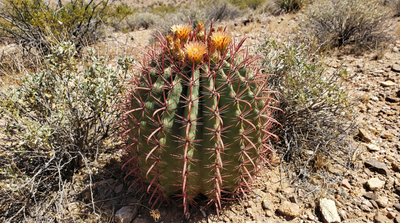
Fishhook Barrel Cactus
Ferocactus wislizenii
Important late-summer nectar source; fruits persist through winter providing food for wildlife; can live over 100 years
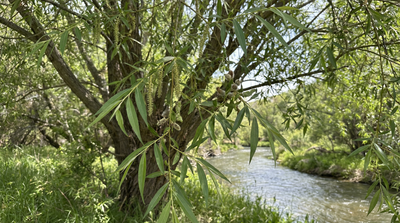
Goodding's Willow
Salix gooddingii
Critical riparian habitat provider; important early-season pollen source for native bees; supports diverse wildlife
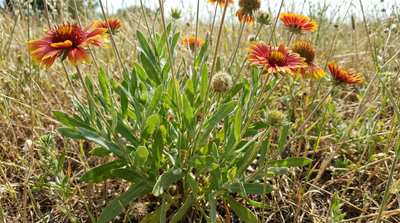
Indian Blanket
Gaillardia pulchella
Important nectar source in grassland ecosystems; long blooming season; attracts diverse pollinators
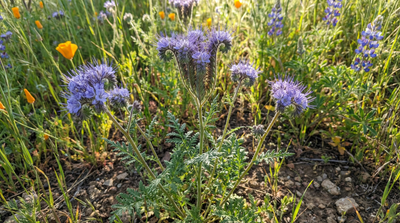
Lacy Phacelia
Phacelia tanacetifolia
One of the most attractive plants to pollinators; used as cover crop to support beneficial insects; high nectar production
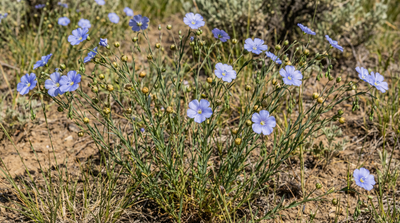
Lewis Flax
Linum lewisii
Beautiful native wildflower; provides pollen for native bees; important for grassland restoration
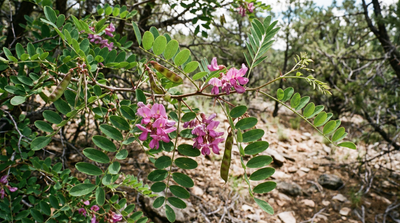
New Mexico Locust
Robinia neomexicana
Important nectar source at higher elevations; nitrogen-fixing improves mountain soils; provides wildlife habitat
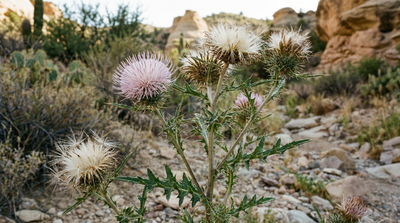
New Mexico Thistle
Cirsium neomexicanum
Important nectar source for butterflies and native bees; seeds eaten by goldfinches; native thistle (not invasive)
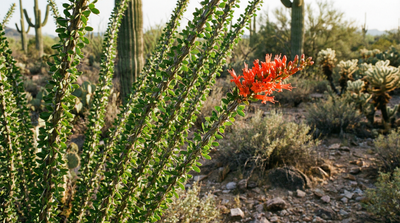
Ocotillo
Fouquieria splendens
Critical hummingbird nectar source during spring migration; brilliant red flowers visible for miles; living fence when planted
Parry's Penstemon
Penstemon parryi
Critical hummingbird nectar source; tubular flowers perfectly adapted for hummingbird pollination; iconic Arizona wildflower
Pine Needle Milkweed
Asclepias linaria
Important monarch and queen butterfly host plant in Arizona sky islands; provides larval food at higher elevations
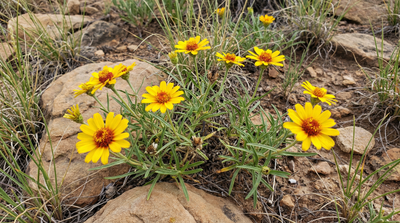
Rocky Mountain Zinnia
Zinnia grandiflora
Important nectar source at higher elevations; long blooming season; forms dense mats
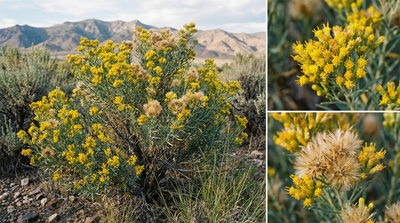
Rubber Rabbitbrush
Ericameria nauseosa
Critical late-season nectar source when few other plants bloom; supports migrating monarchs and native bees
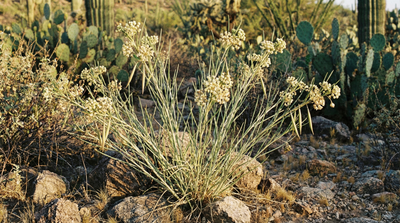
Rush Milkweed
Asclepias subulata
Primary monarch and queen butterfly host plant in desert regions; provides critical larval food in otherwise harsh environment
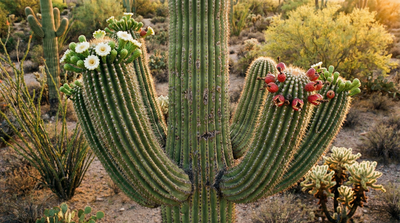
Saguaro
Carnegiea gigantea
Keystone species of the Sonoran Desert; provides food and shelter for over 100 species; iconic symbol of the American Southwest; can live over 200 years and reach 60 feet
Santa Catalina Prairie Clover
Dalea pulchra
Important early-season nectar source; nitrogen-fixing improves desert soils; attractive to diverse pollinators
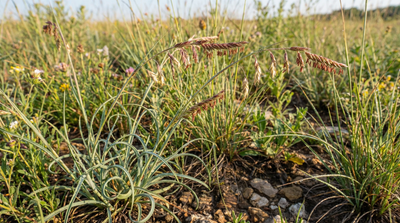
Sideoats Grama
Bouteloua curtipendula
Dominant grass of Arizona grasslands; provides cover and food for wildlife; important for grassland restoration
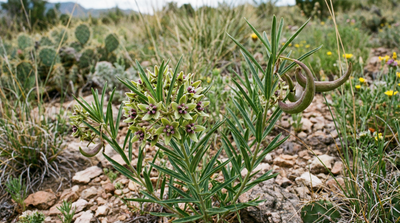
Spider Milkweed
Asclepias asperula
Important monarch and queen butterfly host plant at higher elevations; green-purple flowers attract diverse pollinators
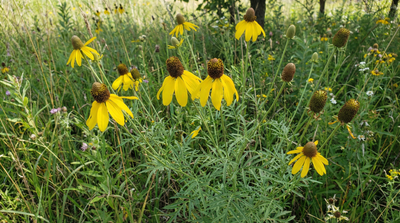
Upright Prairie Coneflower
Ratibida columnifera
Important nectar source in grassland ecosystems; long blooming season; supports diverse pollinators
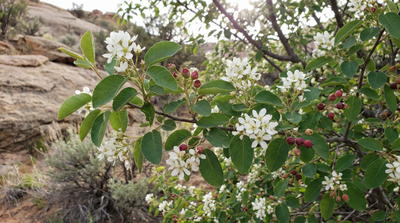
Utah Serviceberry
Amelanchier utahensis
Important early-season nectar source; berries eaten by birds and mammals; supports diverse wildlife
Velvet Mesquite
Prosopis velutina
Keystone species providing food for wildlife; pods eaten by javelina, deer, and rodents; shade tree in desert environments; improves soil fertility
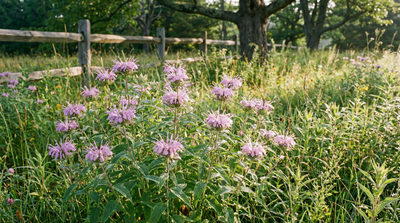
Wild Bergamot
Monarda fistulosa
Important nectar source at higher elevations; aromatic oils attract diverse pollinators; supports native bees and butterflies
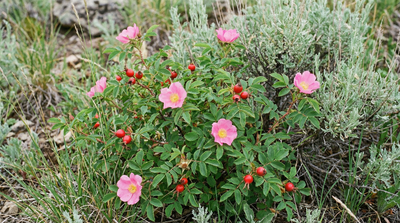
Woods' Rose
Rosa woodsii
Important nectar source; rose hips provide winter food for wildlife; supports diverse pollinators
Wright's Buckwheat
Eriogonum wrightii
Important late-season nectar source; supports diverse native bees; larval host for several butterfly species
Yellow Bells
Tecoma stans
Important hummingbird and butterfly nectar source; long blooming season from spring to fall
Yellow Palo Verde
Parkinsonia microphylla
Important nurse plant for saguaro; nitrogen-fixing legume; provides shade and habitat in harsh desert