Native Plants of Arkansas
Native plants of Arkansas thrive in the state's humid subtropical climate with distinct seasons. These species support local wildlife and require less maintenance than non-natives.
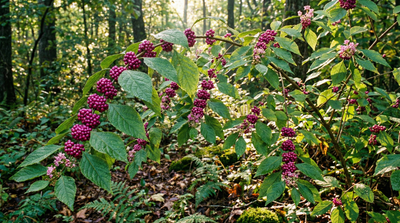
American Beautyberry
Callicarpa americana
The berries are an important food source for birds and other wildlife.
Ashy Sunflower
Helianthus mollis
Provides nectar for bees and butterflies. The seeds are eaten by birds.
Azure Blue Sage
Salvia azurea
Provides nectar for bees and butterflies.
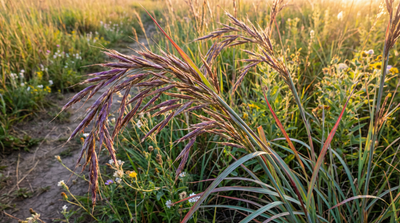
Big Bluestem
Andropogon gerardii
Dominant grass of the tallgrass prairie ecosystem, providing food and cover for wildlife.
Bird's-foot Violet
Viola pedata
Host plant for fritillary butterflies.
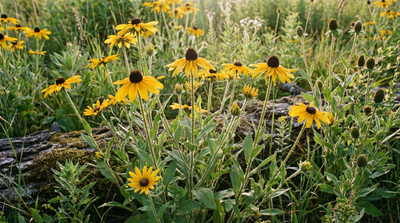
Black-eyed Susan
Rudbeckia hirta
Provides nectar for bees and butterflies. The seeds are eaten by birds.
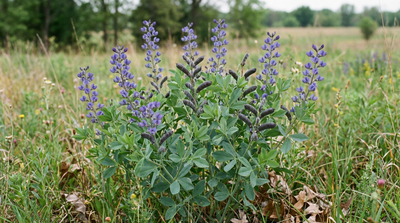
Blue Wild Indigo
Baptisia australis
Host plant for several butterfly species. Provides nectar for bees.
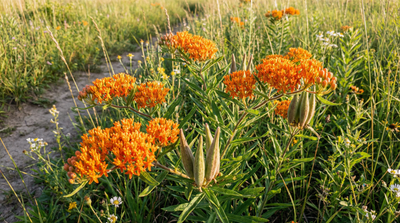
Butterfly Milkweed
Asclepias tuberosa
Host plant for monarch butterfly caterpillars. Provides nectar for a wide variety of pollinators.
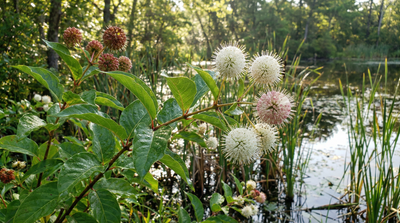
Buttonbush
Cephalanthus occidentalis
Provides nectar for a wide variety of pollinators, including bees, butterflies, and hummingbirds. The seeds are eaten by waterfowl.
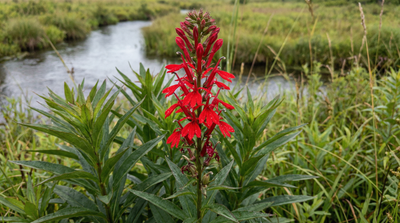
Cardinal Flower
Lobelia cardinalis
Provides nectar for hummingbirds.
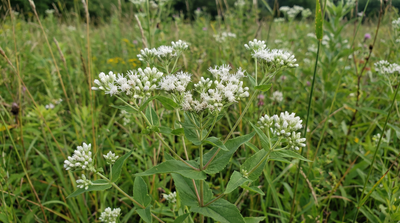
Common Boneset
Eupatorium perfoliatum
Attracts a wide variety of pollinators.
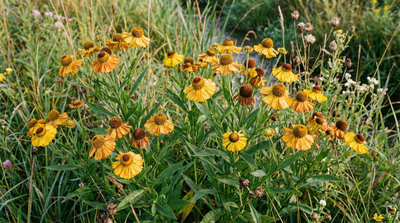
Common Sneezeweed
Helenium autumnale
Provides nectar for late-season pollinators.
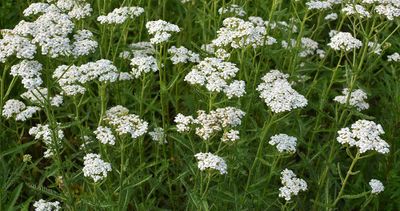
Common Yarrow
Achillea millefolium
Provides nectar and pollen for various pollinators, including bees, beetles, and butterflies. It is also a host plant for some moth species.
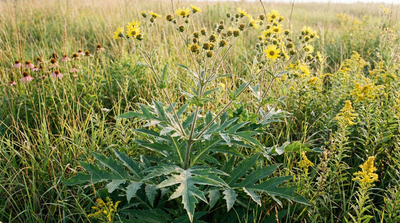
Compass Plant
Silphium laciniatum
Provides nectar for bees and butterflies. The seeds are eaten by birds.
Culver's Root
Veronicastrum virginicum
Attracts a wide variety of pollinators.
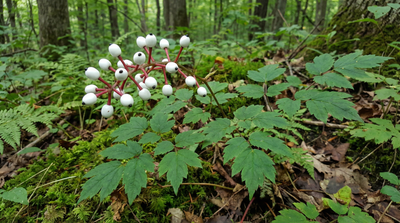
Doll's Eyes
Actaea pachypoda
The berries are poisonous to humans but are eaten by birds, which disperse the seeds. The flowers provide pollen for early-season pollinators.
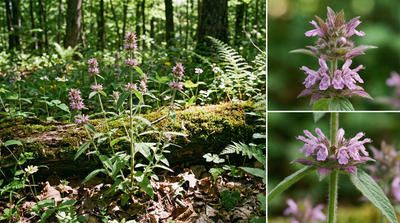
Downy Wood Mint
Blephilia ciliata
Attracts bees and butterflies.
Eastern Bluestar
Amsonia tabernaemontana
Host plant for the coral hairstreak butterfly.
Foxglove Beardtongue
Penstemon digitalis
Provides nectar for bees and hummingbirds.
Fringed Bluestar
Amsonia ciliata
Host plant for the coral hairstreak butterfly.
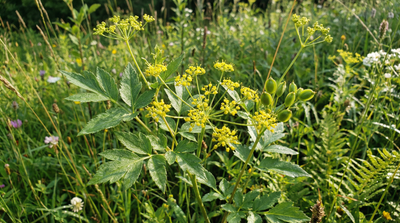
Golden Alexanders
Zizia aurea
Host plant for the black swallowtail butterfly.
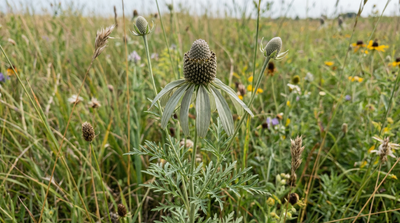
Gray-headed Coneflower
Ratibida pinnata
Provides nectar for bees and butterflies. The seeds are eaten by birds.
Green Milkweed
Asclepias viridis
Host plant for monarch butterfly caterpillars.
Indiangrass
Sorghastrum nutans
Important component of the tallgrass prairie ecosystem, providing food and cover for wildlife.
Indian Pink
Spigelia marilandica
Provides nectar for hummingbirds.
Lanceleaf Coreopsis
Coreopsis lanceolata
Provides nectar for bees and butterflies.
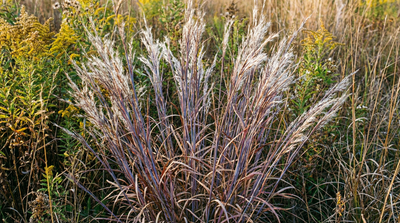
Little Bluestem
Schizachyrium scoparium
Important component of the tallgrass prairie ecosystem, providing food and cover for wildlife.
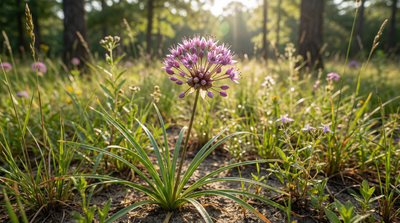
Meadow Garlic
Allium canadense var. mobilense
Provides nectar for early-season pollinators.
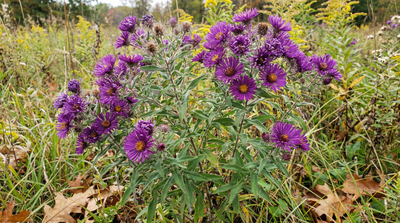
New England Aster
Symphyotrichum novae-angliae
Provides nectar for a wide variety of late-season pollinators.
Obedient Plant
Physostegia virginiana
Provides nectar for bees and hummingbirds.
Ohio Spiderwort
Tradescantia ohiensis
Provides pollen for bees.
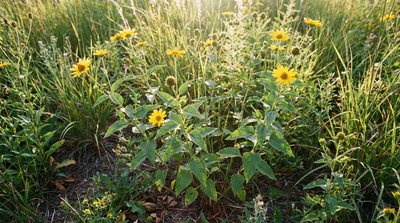
Oxeye Sunflower
Heliopsis helianthoides
Provides nectar for bees and butterflies. The seeds are eaten by birds.
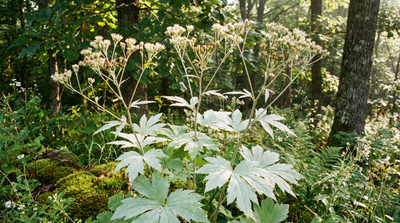
Pale Indian Plantain
Cacalia atriplicifolia
Attracts bees and flies.
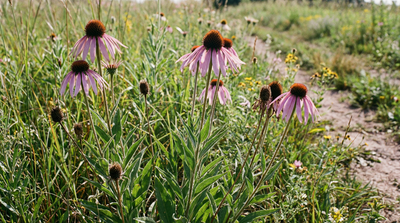
Pale Purple Coneflower
Echinacea pallida
Provides nectar for bees and butterflies. The seeds are eaten by birds.
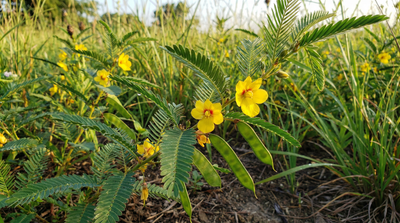
Partridge Pea
Chamaecrista fasciculata
Host plant for the cloudless sulphur butterfly. Provides nectar for bees.
Prairie Blazing Star
Liatris pycnostachya
Attracts a wide variety of pollinators, especially butterflies.
Prairie Ironweed
Vernonia fasciculata
Provides nectar for butterflies and bees.
Prairie Phlox
Phlox pilosa
Provides nectar for butterflies and bees.
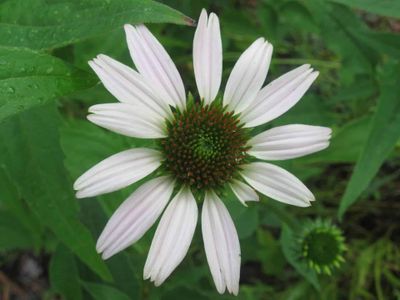
Purple Coneflower
Echinacea purpurea
Provides nectar for bees and butterflies. The seeds are eaten by birds.
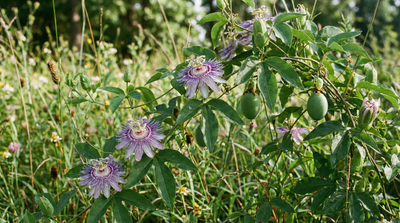
Purple Passionflower
Passiflora incarnata
Host plant for the gulf fritillary and variegated fritillary butterflies.
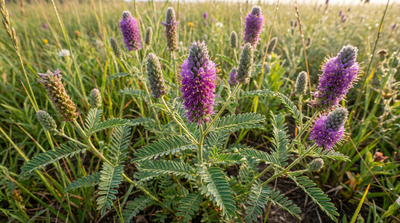
Purple Prairie Clover
Dalea purpurea
Fixes nitrogen in the soil. Provides nectar for bees and butterflies.
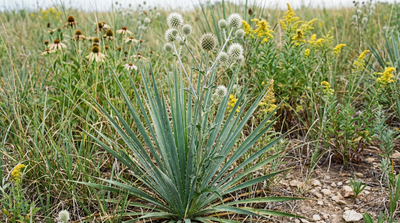
Rattlesnake Master
Eryngium yuccifolium
Attracts a wide variety of pollinators.
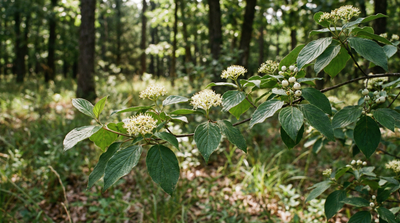
Roughleaf Dogwood
Cornus drummondii
The fruit is eaten by birds and other wildlife.
Showy Goldenrod
Solidago speciosa
Provides nectar for a wide variety of pollinators.
Slender Mountain Mint
Pycnanthemum tenuifolium
Attracts a wide variety of pollinators.
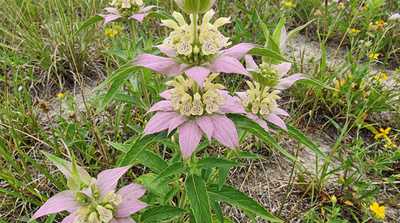
Spotted Beebalm
Monarda punctata
Attracts a wide variety of pollinators, especially wasps.
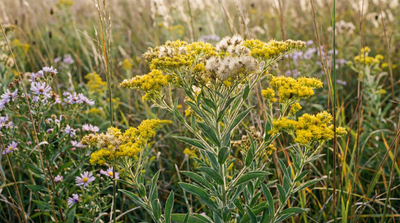
Stiff Goldenrod
Solidago rigida
Provides nectar for a wide variety of late-season pollinators.
Tall Coreopsis
Coreopsis tripteris
Provides nectar for bees and butterflies.
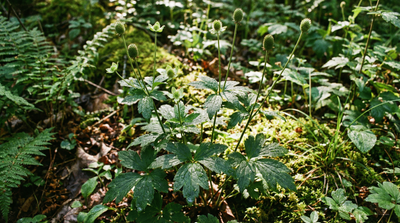
Thimbleweed
Anemone virginiana
Provides pollen for bees.
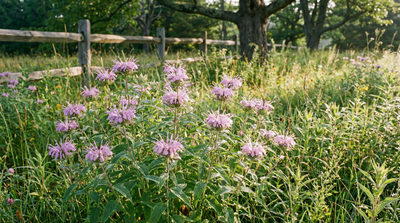
Wild Bergamot
Monarda fistulosa
Attracts a wide variety of pollinators, including bees, butterflies, and hummingbirds.
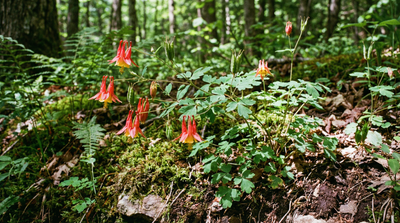
Wild Columbine
Aquilegia canadensis
Provides nectar for hummingbirds and long-tongued insects.
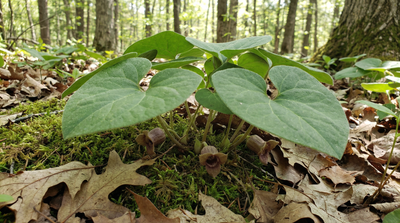
Wild Ginger
Asarum canadense
The flowers are pollinated by small flies and gnats. The seeds are dispersed by ants.
Yellow Giant Hyssop
Agastache nepetoides
Attracts a wide variety of pollinators, including bees, wasps, and butterflies.