Native Plants of Georgia
Native plants of Georgia support the state's rich biodiversity from mountain forests to coastal marshes. These species are adapted to humid subtropical conditions.
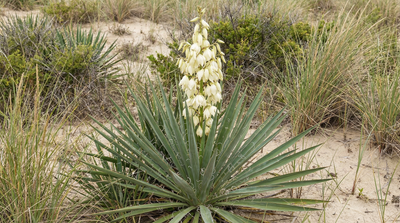
Adam's Needle
Yucca filamentosa
Exclusive pollination relationship with yucca moths; provides nectar for other pollinators; evergreen rosettes provide year-round structure
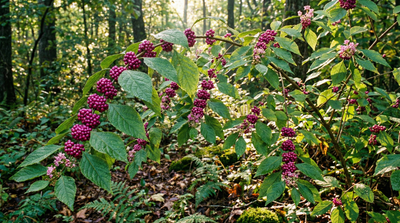
American Beautyberry
Callicarpa americana
Brilliant purple berries provide critical fall food for migrating songbirds, mockingbirds, and bobwhite quail; browsed by deer; excellent wildlife shrub
Bald Cypress
Taxodium distichum
Keystone wetland tree providing critical habitat; nesting sites for herons and egrets; seeds eaten by waterfowl; extremely long-lived (1000+ years)
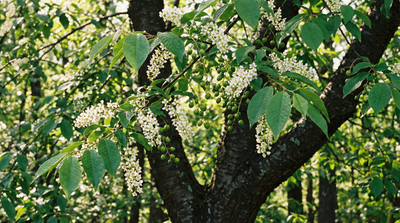
Black Cherry
Prunus serotina
Supports over 400 caterpillar species - critical for bird reproduction; cherries eaten by many bird species; important timber tree
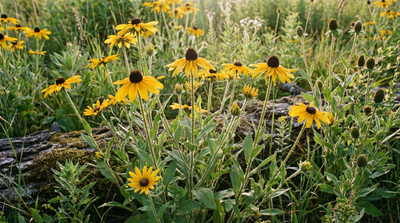
Black-eyed Susan
Rudbeckia hirta
Important pollinator plant with long bloom period; seeds eaten by goldfinches; supports silvery checkerspot butterfly; Maryland state flower
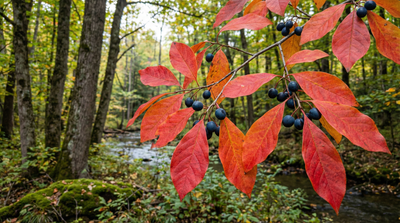
Blackgum
Nyssa sylvatica
Important wildlife tree - berries eaten by many bird species; supports diverse moth caterpillars; early fall color signals seasonal change; honey tree
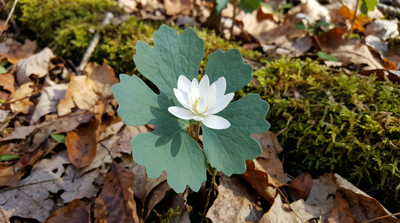
Bloodroot
Sanguinaria canadensis
Important early-spring nectar source; one of first woodland flowers to bloom; supports early-emerging bees; seeds dispersed by ants
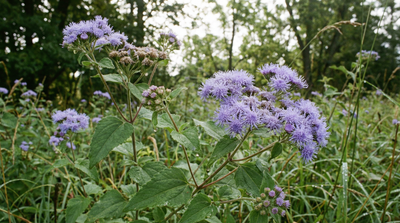
Blue Mistflower
Conoclinium coelestinum
Critical late-season nectar source for migrating butterflies; blue flowers attract diverse pollinators; provides fall color
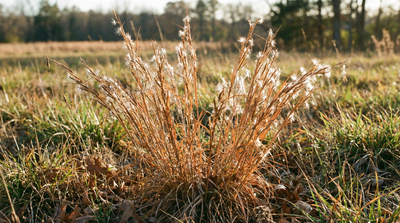
Broomsedge Bluestem
Andropogon virginicus
Important cover for ground-nesting birds and small mammals; larval host for skipper butterflies; provides winter habitat structure
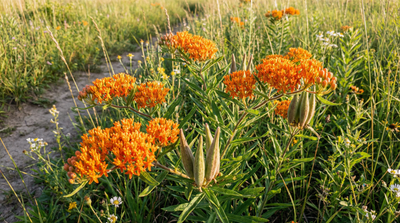
Butterfly Milkweed
Asclepias tuberosa
Critical monarch butterfly larval host plant; unlike other milkweeds, has clear sap rather than milky; drought-tolerant and long-lived; supports specialist milkweed beetles
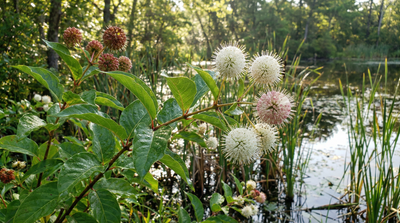
Buttonbush
Cephalanthus occidentalis
Exceptional pollinator shrub with spherical flower heads attracting diverse insects; seeds eaten by waterfowl; provides wetland habitat structure
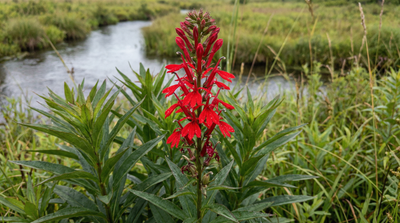
Cardinal Flower
Lobelia cardinalis
Primary hummingbird plant with brilliant red tubular flowers perfectly adapted for hummingbird pollination; critical late-summer nectar source
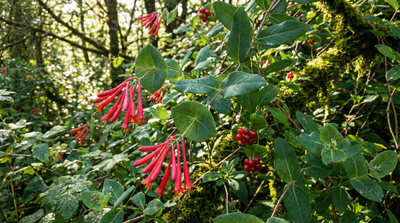
Coral Honeysuckle
Lonicera sempervirens
Primary native honeysuckle; critical hummingbird plant with tubular red flowers; berries eaten by songbirds; non-invasive alternative to Japanese honeysuckle
Crossvine
Bignonia capreolata
Important early-spring nectar source for hummingbirds; tubular flowers attract diverse pollinators; provides cover for wildlife
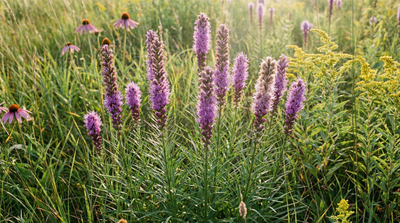
Dense Blazing Star
Liatris spicata
Critical late-summer nectar source for migrating monarchs; attracts diverse native bees and butterflies; unusual bloom pattern - flowers open from top to bottom
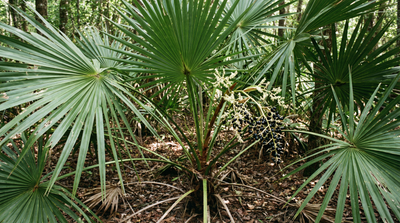
Dwarf Palmetto
Sabal minor
Provides cover and habitat in wetland forests; flowers attract diverse pollinators; berries eaten by wildlife; cold-hardy palm
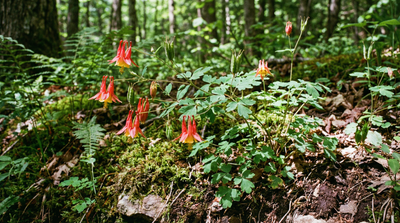
Eastern Columbine
Aquilegia canadensis
Critical early-spring nectar source for ruby-throated hummingbirds; unique flower structure with nectar spurs; supports columbine duskywing butterfly
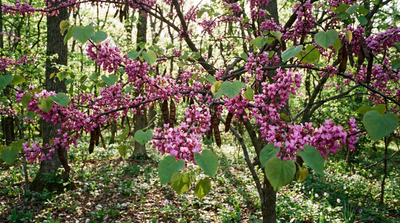
Eastern Redbud
Cercis canadensis
Critical early-spring nectar source for emerging bees; flowers appear before leaves; seeds eaten by birds; henry's elfin butterfly larval host
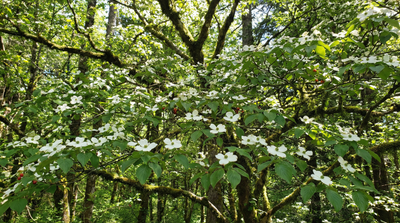
Flowering Dogwood
Cornus florida
Critical wildlife food source - berries eaten by over 40 bird species; high-calcium fruits essential for migrating songbirds; supports spring azure butterfly larvae
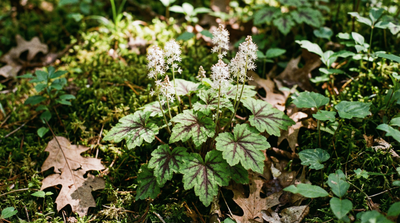
Foamflower
Tiarella cordifolia
Important early-spring nectar source in woodland gardens; supports diverse small pollinators; excellent native groundcover
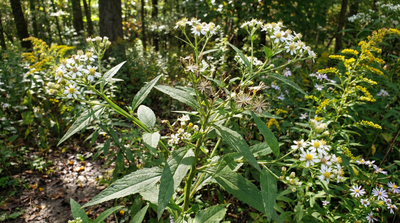
Frostweed
Verbesina virginica
Critical late-season nectar source for migrating butterflies; unique ice formations on stems in winter; supports diverse pollinators
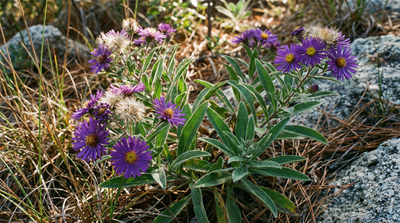
Georgia Aster
Symphyotrichum georgianum
Georgia's only endemic aster; federally listed as candidate for endangered species; critical late-season nectar source; indicator of high-quality post oak woodlands
Georgia Oak
Quercus georgiana
Georgia endemic found nowhere else in the world; adapted to unique granite outcrop ecosystem; provides food and habitat for wildlife in harsh conditions
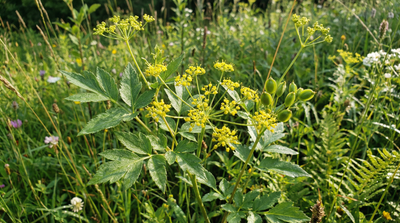
Golden Alexanders
Zizia aurea
Important larval host for black swallowtail butterfly; early-spring bloomer providing critical nectar; supports diverse small pollinators
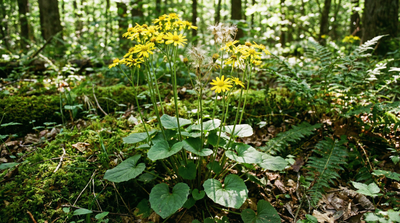
Golden Ragwort
Packera aurea
Important early-spring nectar source; supports diverse small pollinators; excellent groundcover preventing erosion; deer-resistant
Indian Pink
Spigelia marilandica
Outstanding hummingbird plant with red and yellow tubular flowers; blooms in late spring when hummingbirds are nesting; native to the Southeast
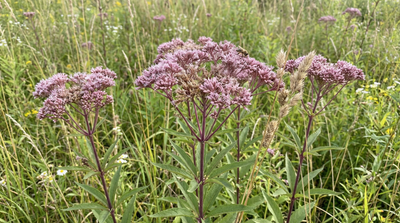
Joe Pye Weed
Eutrochium fistulosum
Critical late-summer nectar source for migrating monarchs and other butterflies; supports diverse native bees; provides vertical structure in wet meadows
Lanceleaf Coreopsis
Coreopsis lanceolata
Important early-summer pollinator plant; supports diverse native bees and butterflies; seeds eaten by songbirds; excellent for meadow plantings
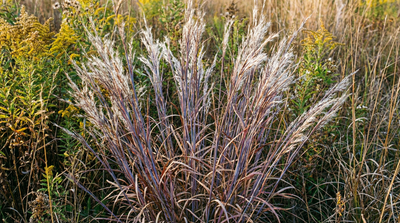
Little Bluestem
Schizachyrium scoparium
Important warm-season grass providing cover for ground-nesting birds; larval host for skipper butterflies; excellent fall and winter color
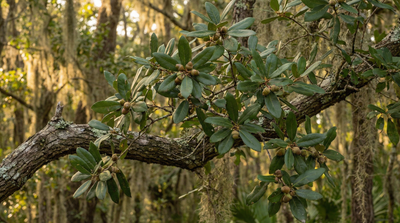
Live Oak
Quercus virginiana
Keystone tree of coastal Georgia supporting over 500 caterpillar species; acorns critical food for wildlife; provides habitat structure for resurrection fern and Spanish moss; hurricane-resistant
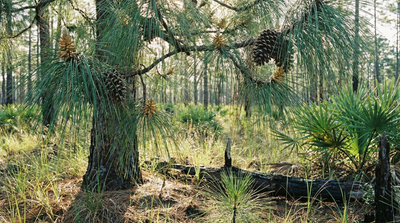
Longleaf Pine
Pinus palustris
Keystone species supporting over 600 plant and animal species; fire-dependent ecosystem; provides critical habitat for red-cockaded woodpecker, gopher tortoise, and indigo snake; historically covered 60% of Georgia
Narrowleaf Mountainmint
Pycnanthemum tenuifolium
One of the best native plants for pollinators; supports extraordinary diversity of bees, wasps, and butterflies; aromatic foliage deer-resistant
New York Ironweed
Vernonia noveboracensis
Critical late-season nectar source for migrating butterflies; deep purple flowers attract diverse pollinators; provides vertical structure in wet meadows
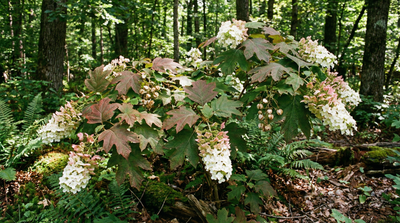
Oakleaf Hydrangea
Hydrangea quercifolia
Native hydrangea providing nectar for pollinators; large flower clusters attract diverse insects; excellent fall color and winter interest
Ohio Spiderwort
Tradescantia ohiensis
Important early-summer nectar source; supports diverse native bees; flowers only last one day but produced continuously
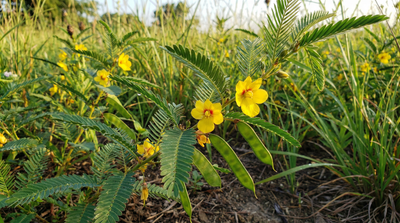
Partridge Pea
Chamaecrista fasciculata
Important legume supporting sulfur butterflies; seeds eaten by bobwhite quail and other gamebirds; nitrogen-fixing improves soil
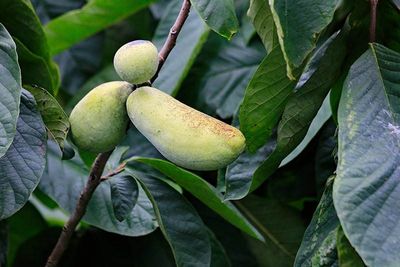
Pawpaw
Asimina triloba
Sole larval host for zebra swallowtail butterfly; largest edible native fruit; provides food for wildlife; unique tropical-looking foliage
Piedmont Azalea
Rhododendron canescens
Important early-spring nectar source; fragrant pink flowers attract early pollinators; native azalea providing habitat in understory
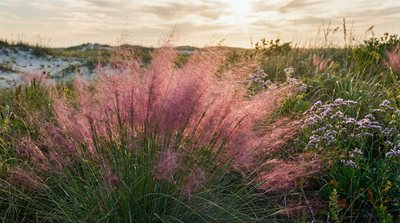
Pink Muhly Grass
Muhlenbergia capillaris
Provides cover for ground-nesting birds; seeds eaten by sparrows; spectacular pink fall flower display; important in longleaf pine ecosystem
Plumleaf Azalea
Rhododendron prunifolium
Rarest native azalea in North America; blooms July-August when no other native azaleas flower; Georgia endemic providing critical late-summer nectar
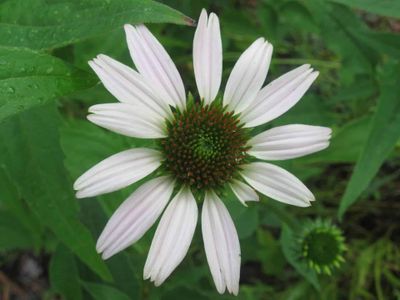
Purple Coneflower
Echinacea purpurea
Important pollinator plant supporting specialist bees; seeds eaten by goldfinches; long bloom period provides sustained nectar; supports silvery checkerspot butterfly
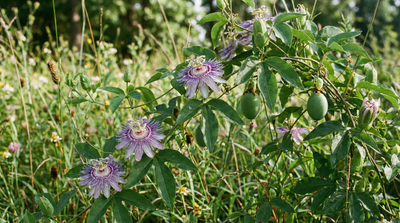
Purple Passionflower
Passiflora incarnata
Sole larval host for Gulf fritillary and variegated fritillary butterflies; unique flower structure attracts diverse pollinators; fruit (maypop) eaten by wildlife
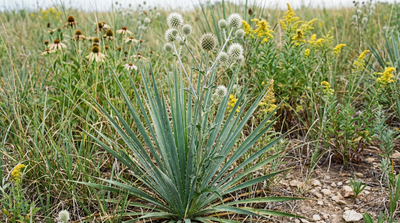
Rattlesnake Master
Eryngium yuccifolium
Outstanding pollinator plant attracting diverse insects; supports rattlesnake master borer moth (specialist); unusual appearance adds interest
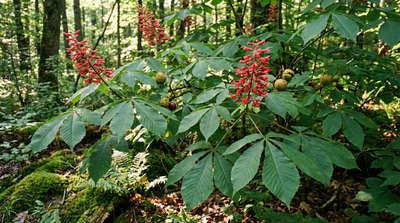
Red Buckeye
Aesculus pavia
Critical early-spring nectar source for ruby-throated hummingbirds arriving from migration; one of first trees to leaf out and bloom; all parts toxic to mammals
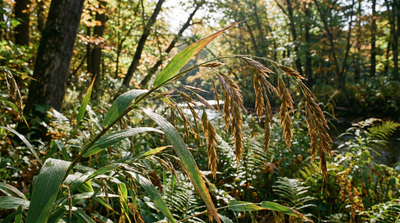
River Oats
Chasmanthium latifolium
Seeds eaten by songbirds; provides cover in woodland settings; attractive seed heads persist through winter; erosion control on stream banks
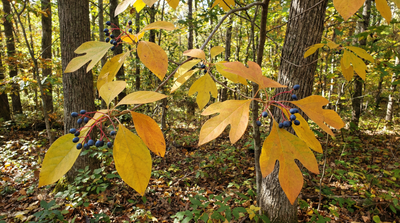
Sassafras
Sassafras albidum
Larval host for spicebush swallowtail and promethea moth; fruits eaten by many bird species; excellent fall color; important early-successional tree
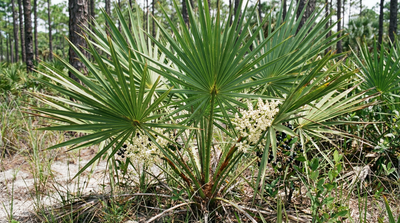
Saw Palmetto
Serenoa repens
Keystone species of Coastal Plain; provides critical cover for gopher tortoise and indigo snake; flowers support diverse pollinators; berries eaten by black bears
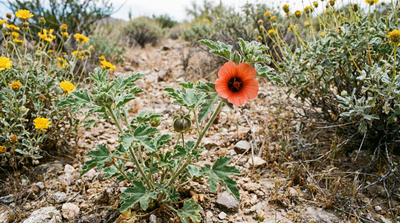
Scarlet Rosemallow
Hibiscus coccineus
Spectacular red flowers attract hummingbirds and butterflies; provides nectar in mid-summer; supports specialist bees
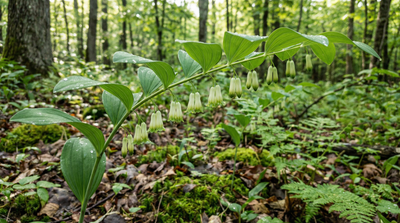
Solomon's Seal
Polygonatum biflorum
Provides nectar for bumblebees and native bees; berries eaten by thrushes and other woodland birds; elegant woodland plant
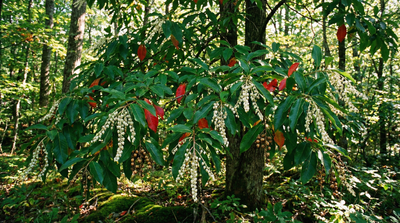
Sourwood
Oxydendrum arboreum
Premier honey tree - sourwood honey is prized delicacy; summer flowers provide nectar when few trees bloom; excellent fall color
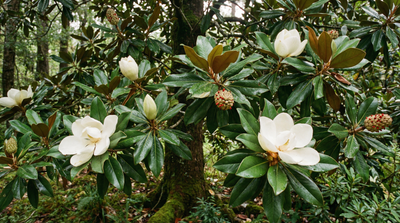
Southern Magnolia
Magnolia grandiflora
Iconic Southern tree providing year-round habitat; seeds eaten by birds and small mammals; large flowers provide nectar and pollen; evergreen foliage provides winter cover
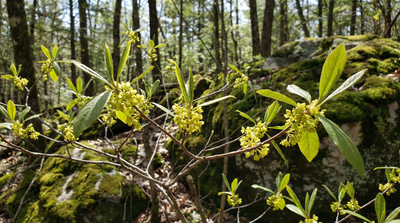
Spicebush
Lindera benzoin
Sole larval host for spicebush swallowtail butterfly; early-spring flowers provide critical nectar; red berries eaten by migrating songbirds
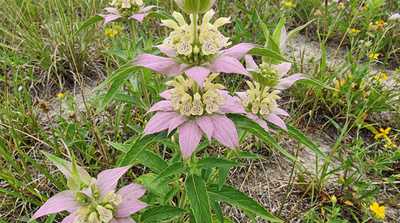
Spotted Beebalm
Monarda punctata
Exceptional bee plant supporting numerous specialist bees; unusual spotted flowers attract diverse pollinators; important in longleaf pine ecosystem
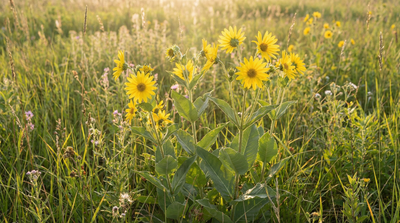
Starry Rosinweed
Silphium asteriscus
Important pollinator plant with long bloom period; seeds eaten by goldfinches; provides nectar for diverse insects
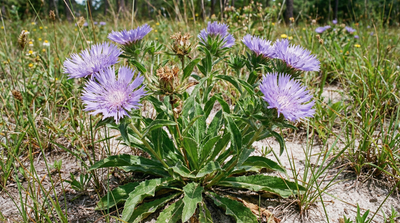
Stokes' Aster
Stokesia laevis
Native to the Southeast; large blue flowers attract diverse pollinators; long bloom period from summer to fall
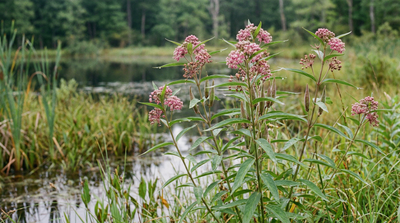
Swamp Milkweed
Asclepias incarnata
Critical monarch butterfly larval host; important wetland milkweed; pink flowers attract diverse pollinators; supports specialist bees
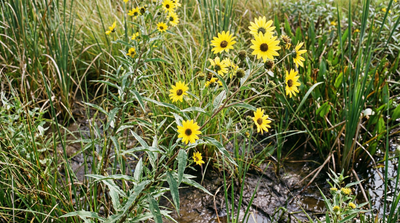
Swamp Sunflower
Helianthus angustifolius
Critical late-fall nectar and pollen source; blooms October-November when few other flowers available; seeds eaten by goldfinches and sparrows
Sweet Betsy
Trillium cuneatum
Important spring ephemeral; flowers attract early pollinators; seeds dispersed by ants (myrmecochory); indicator of high-quality woodland
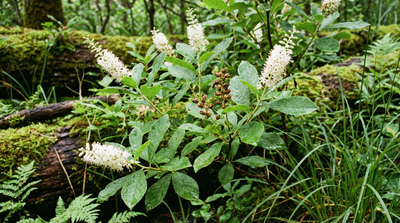
Sweet Pepperbush
Clethra alnifolia
Outstanding pollinator shrub with intensely fragrant flowers; blooms in mid-summer when few other shrubs flower; attracts diverse bees and butterflies
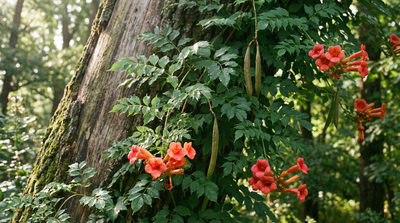
Trumpet Creeper
Campsis radicans
Primary hummingbird vine with large orange-red tubular flowers; blooms mid-summer when hummingbirds raising young; supports trumpet vine sphinx moth
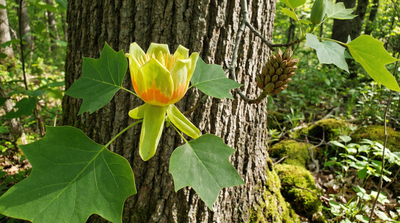
Tulip Poplar
Liriodendron tulipifera
Important honey tree; large tulip-shaped flowers provide abundant nectar; supports tiger swallowtail butterfly; provides nesting cavities for wildlife
Virginia Blue Flag
Iris virginica
Important wetland plant providing nectar for pollinators; provides habitat structure in wetlands; seeds eaten by waterfowl
Virginia Sweetspire
Itea virginica
Important early-summer nectar source; fragrant white flower spikes attract diverse pollinators; excellent fall color; good for rain gardens
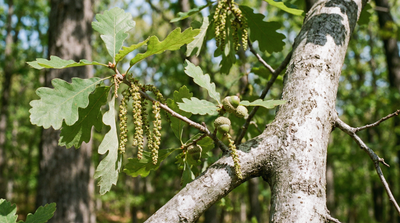
White Oak
Quercus alba
Keystone tree supporting over 500 caterpillar species; acorns critical food for wildlife; provides habitat structure for centuries; carbon sequestration champion
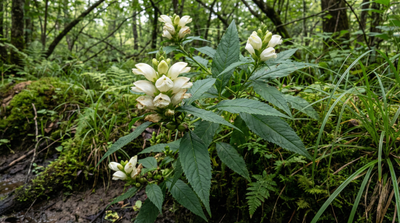
White Turtlehead
Chelone glabra
Sole larval host for Baltimore checkerspot butterfly; late-summer bloomer providing nectar when few flowers available
White Wild Indigo
Baptisia alba
Important larval host for wild indigo duskywing and other butterflies; nitrogen-fixing legume improving soil; attractive seed pods persist through winter
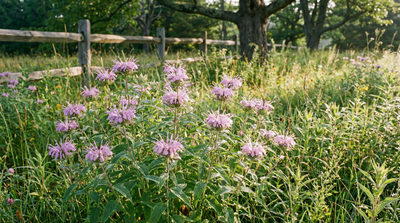
Wild Bergamot
Monarda fistulosa
Critical pollinator plant attracting diverse bees and butterflies; aromatic foliage deer-resistant; supports specialist bees; long bloom period
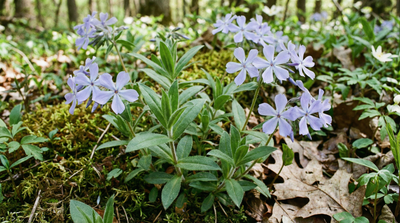
Wild Blue Phlox
Phlox divaricata
Important spring nectar source for butterflies and long-tongued bees; fragrant flowers attract diverse pollinators
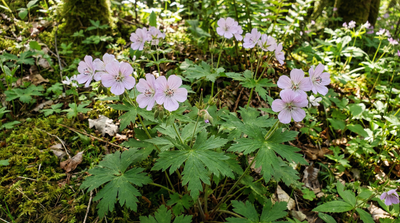
Wild Geranium
Geranium maculatum
Important spring nectar source; supports diverse native bees; attractive to early-emerging butterflies; deer-resistant
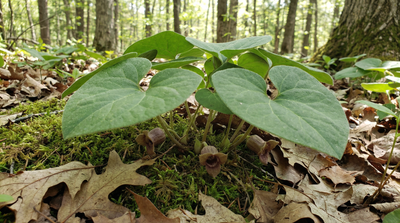
Wild Ginger
Asarum canadense
Larval host for pipevine swallowtail butterfly; unusual ground-level flowers pollinated by beetles and flies; excellent native groundcover
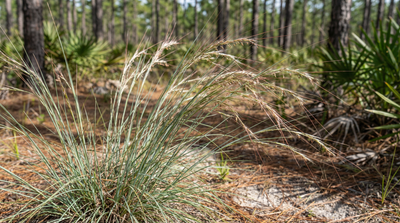
Wiregrass
Aristida stricta var. beyrichiana
Signature groundcover of longleaf pine ecosystem; provides fine fuels that carry fire essential for ecosystem health; habitat for gopher tortoise; indicator of high-quality longleaf habitat
Wrinkleleaf Goldenrod
Solidago rugosa
Critical fall nectar source for migrating monarchs and native bees; supports specialist bees; does NOT cause hay fever (wind-pollinated ragweed is the culprit)
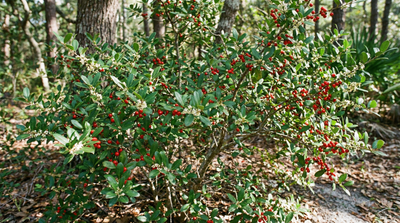
Yaupon Holly
Ilex vomitoria
Critical winter food source - berries persist through winter feeding cedar waxwings and other birds; dense evergreen foliage provides year-round cover; supports holly leafminer
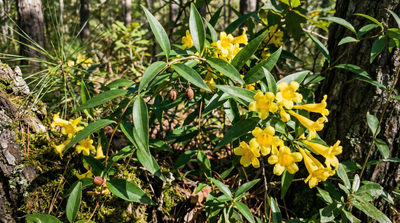
Yellow Jessamine
Gelsemium sempervirens
Georgia State Flower; one of the first spring bloomers providing critical early nectar; all parts toxic to mammals but important for pollinators