Native Plants of Illinois
Native plants of Illinois include remnants of the great tallgrass prairie ecosystem. These species support pollinators and require minimal maintenance once established.
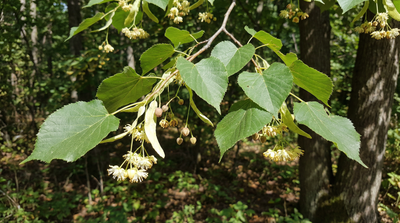
American Basswood
Tilia americana
Outstanding nectar source producing abundant honey; supports many caterpillar species; soft wood used by cavity-nesting birds
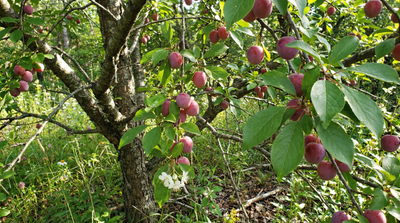
American Plum
Prunus americana
Important early-season nectar source; larval host for many butterfly and moth species; fruit eaten by wildlife
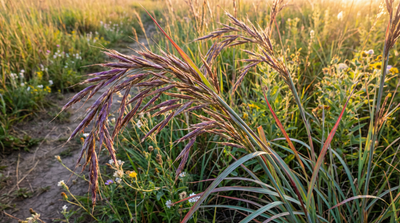
Big Bluestem
Andropogon gerardii
Illinois State Grass; dominant species of tallgrass prairie providing critical habitat structure for grassland birds; deep roots (10-15 feet) sequester carbon and build prairie soil; prevents erosion
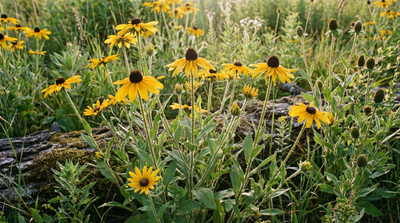
Black-eyed Susan
Rudbeckia hirta
Important mid-summer nectar source for many pollinators; seeds eaten by goldfinches; easy to establish in restorations
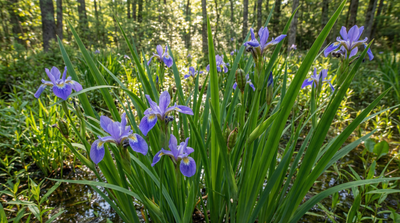
Blue Flag Iris
Iris versicolor
Important wetland plant; provides habitat for wildlife; visited by bumble bees and butterflies
Blue Vervain
Verbena hastata
Important late-summer nectar source; supports many native bees and butterflies; indicator of moist habitat
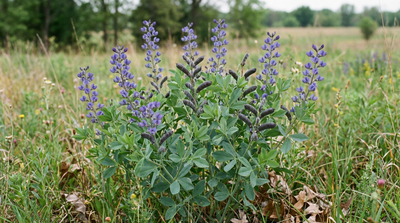
Blue Wild Indigo
Baptisia australis
Larval host for wild indigo duskywing and other butterflies; nitrogen-fixing legume; important early-season nectar source
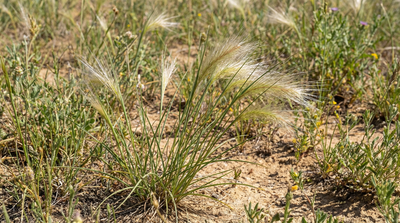
Bottlebrush Grass
Elymus hystrix
Important woodland grass; larval host for some skipper butterflies; seeds eaten by birds
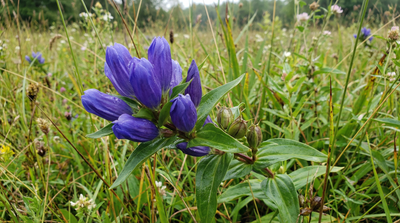
Bottle Gentian
Gentiana andrewsii
Indicator of high-quality wet prairie; pollinated only by strong bumble bees that can force open flowers
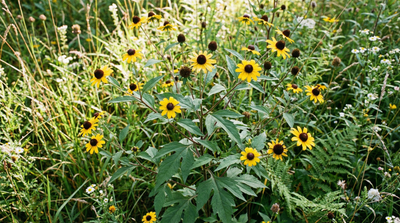
Brown-eyed Susan
Rudbeckia triloba
Important late-summer nectar source; seeds eaten by goldfinches; prolific bloomer with many small flowers
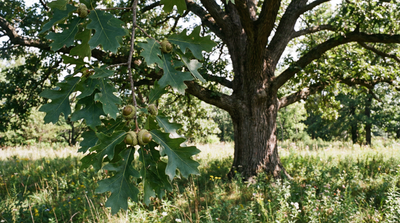
Bur Oak
Quercus macrocarpa
Keystone species supporting 500+ caterpillar species; acorns critical food for wildlife; signature tree of Illinois oak savanna
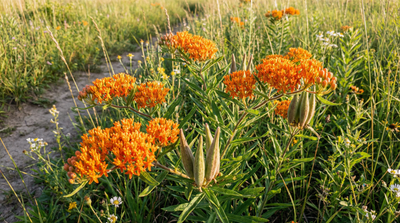
Butterfly Milkweed
Asclepias tuberosa
Larval host plant for monarch butterflies; important nectar source; bright orange flowers highly attractive to many pollinators
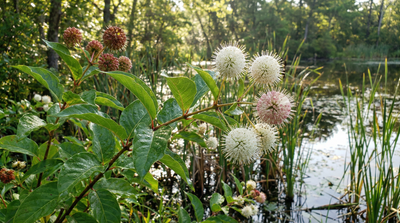
Buttonbush
Cephalanthus occidentalis
Outstanding pollinator plant with spherical flower heads; important for wetland wildlife; seeds eaten by waterfowl
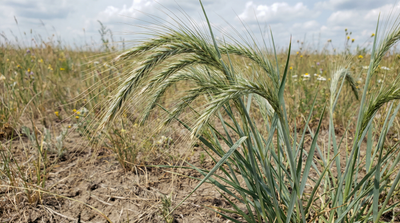
Canada Wild Rye
Elymus canadensis
Important cool-season grass providing early cover; seeds eaten by birds; good for erosion control
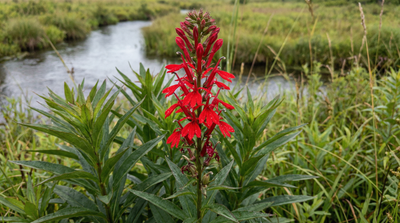
Cardinal Flower
Lobelia cardinalis
Primary hummingbird plant in Illinois; also visited by swallowtail butterflies; indicator of high-quality wetland habitat
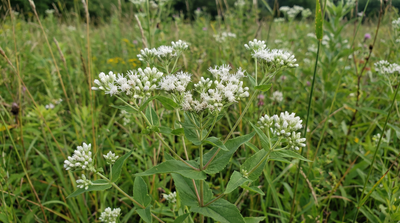
Common Boneset
Eupatorium perfoliatum
Important late-summer nectar source; supports many native bees and butterflies; indicator of moist habitat
Common Ironweed
Vernonia fasciculata
Important late-summer nectar source; supports many native bees and butterflies; indicator of moist prairie
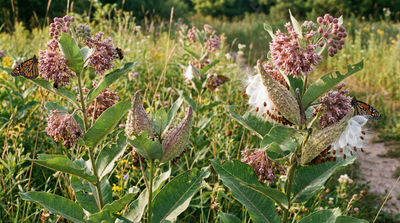
Common Milkweed
Asclepias syriaca
Primary larval host plant for monarch butterflies in Illinois; supports entire milkweed insect community; important nectar source
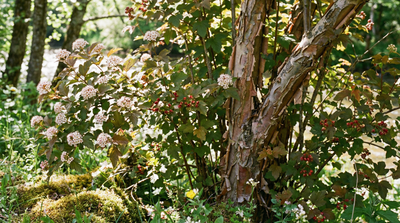
Common Ninebark
Physocarpus opulifolius
Important early-summer nectar source; provides nesting habitat for birds; supports many native bees; berries eaten by birds
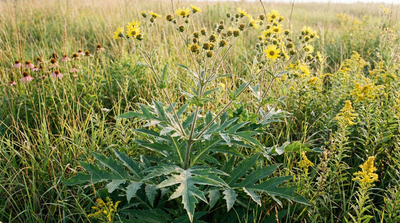
Compass Plant
Silphium laciniatum
Iconic prairie plant with leaves that orient north-south (hence 'compass'); deep taproot (15+ feet); important nectar source; seeds eaten by birds
Culver's Root
Veronicastrum virginicum
Top pollinator plant supporting incredible diversity of bees, wasps, and butterflies; indicator of high-quality prairie
Cup Plant
Silphium perfoliatum
Unique water-holding cups provide drinking water for birds and insects; important late-summer nectar source; seeds eaten by goldfinches
Downy Sunflower
Helianthus mollis
Important late-summer nectar source; seeds eaten by birds; supports many native bees and butterflies
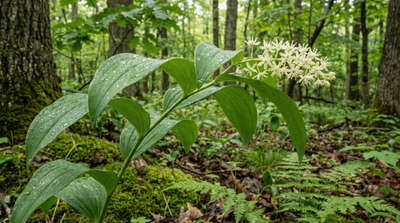
False Solomon's Seal
Maianthemum racemosum
Important woodland plant; berries eaten by birds; supports woodland ecosystem
Foxglove Beardtongue
Penstemon digitalis
Important early-summer nectar source; supports native bees and hummingbirds; white tubular flowers attract long-tongued pollinators
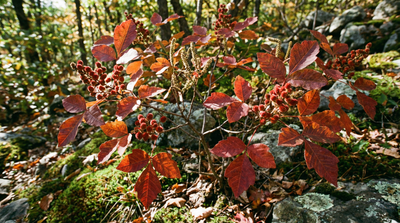
Fragrant Sumac
Rhus aromatica
Early-season nectar source; berries eaten by birds; provides cover for wildlife; excellent for erosion control
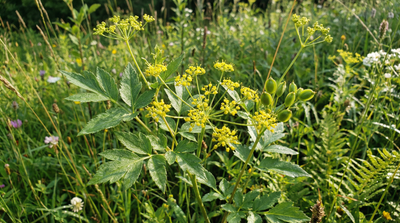
Golden Alexanders
Zizia aurea
Critical early-season nectar source when few other flowers bloom; larval host for black swallowtail butterfly; supports many native bees
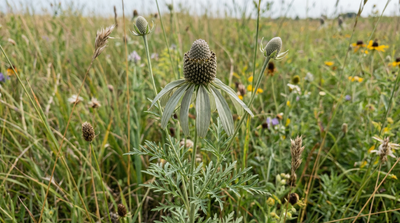
Gray-headed Coneflower
Ratibida pinnata
Important mid-summer nectar source; seeds eaten by goldfinches; distinctive drooping yellow petals and gray cone
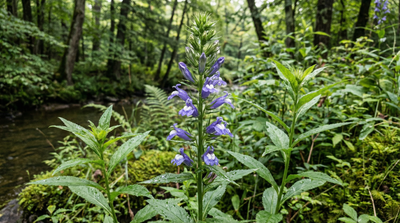
Great Blue Lobelia
Lobelia siphilitica
Important late-summer nectar source; visited by bumble bees and butterflies; often grows with cardinal flower
Hoary Vervain
Verbena stricta
Important pollinator plant for dry sites; supports many native bees and butterflies
Indian Grass
Sorghastrum nutans
Major component of tallgrass prairie providing food and cover for wildlife; seeds eaten by songbirds and gamebirds; deep roots improve soil structure
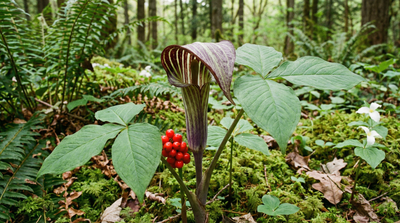
Jack-in-the-Pulpit
Arisaema triphyllum
Important woodland plant; berries eaten by birds; supports woodland ecosystem
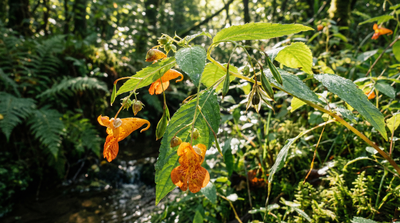
Jewelweed
Impatiens capensis
Important hummingbird plant; supports native bees; sap used to treat poison ivy
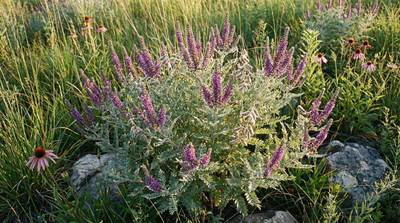
Leadplant
Amorpha canescens
Nitrogen-fixing legume; larval host for dogface butterfly and silver-spotted skipper; indicator of never-plowed prairie; supports many pollinators
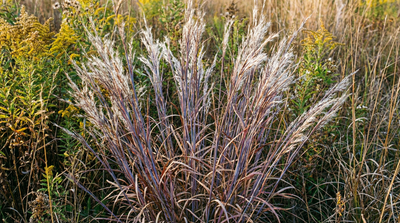
Little Bluestem
Schizachyrium scoparium
Important warm-season bunch grass providing winter cover and nesting habitat for grassland birds; host plant for skipper butterflies; excellent for erosion control on slopes
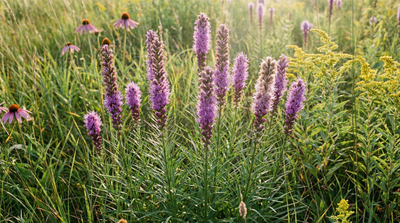
Marsh Blazing Star
Liatris spicata
Important late-season nectar source for monarchs during migration; supports many native bees; indicator of wet prairie habitat
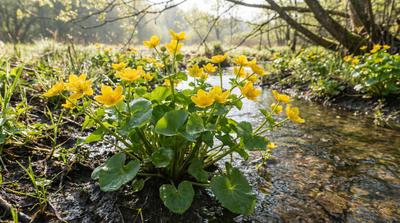
Marsh Marigold
Caltha palustris
Important early-season nectar source; supports native bees; indicator of high-quality wetland
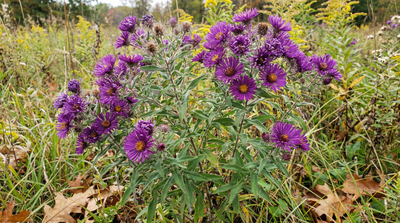
New England Aster
Symphyotrichum novae-angliae
Critical late-season nectar source for migrating monarchs and other butterflies; supports many native bees
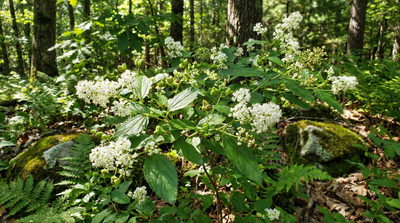
New Jersey Tea
Ceanothus americanus
Nitrogen-fixing shrub; important nectar source; larval host for spring azure and mottled duskywing butterflies
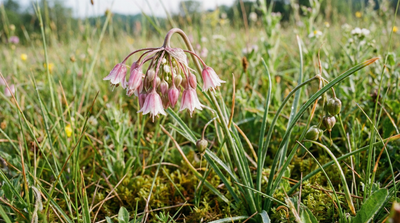
Nodding Wild Onion
Allium cernuum
Important mid-summer nectar source; supports many native bees and butterflies; edible bulb
Obedient Plant
Physostegia virginiana
Important late-summer nectar source; supports bumble bees and butterflies; spreads to form colonies
Ohio Spiderwort
Tradescantia ohiensis
Important early-season nectar source; supports many native bees; flowers open only in morning
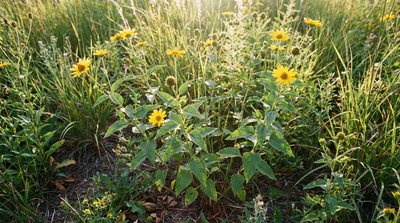
Ox-eye Sunflower
Heliopsis helianthoides
Important mid-summer nectar source; supports many native bees and butterflies; long bloom period
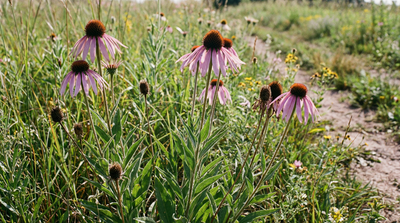
Pale Purple Coneflower
Echinacea pallida
Important pollinator plant providing nectar for many bee species; supports specialist bees (Andrena helianthiformis); seeds eaten by goldfinches; medicinal plant
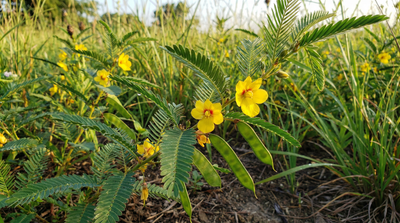
Partridge Pea
Chamaecrista fasciculata
Larval host for cloudless sulphur and sleepy orange butterflies; nitrogen-fixing; seeds eaten by gamebirds
Prairie Blazing Star
Liatris pycnostachya
Critical nectar source for monarch butterflies during fall migration; supports many native bees and butterflies; larval host for blazing star borer moth
Prairie Cordgrass
Spartina pectinata
Important wetland grass providing cover for wildlife; excellent for erosion control; tolerates flooding
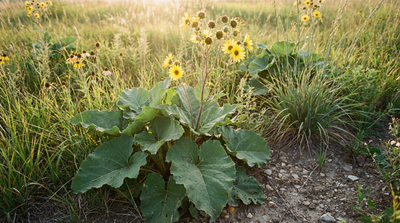
Prairie Dock
Silphium terebinthinaceum
Important nectar source for pollinators; deep taproot (14+ feet) accesses deep water and nutrients; large leaves provide shelter for wildlife
Prairie Dropseed
Sporobolus heterolepis
Indicator of high-quality prairie; extremely long-lived (potentially 100+ years); provides excellent wildlife habitat; seeds eaten by songbirds; aromatic when in bloom
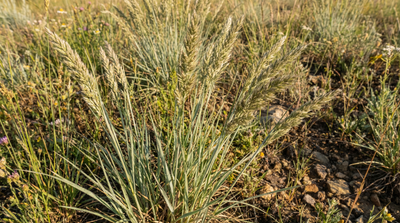
Prairie Junegrass
Koeleria macrantha
Important cool-season grass for dry sites; provides early cover; seeds eaten by birds
Prairie Phlox
Phlox pilosa
Important early-season nectar source; supports butterflies and native bees; fragrant flowers
Prairie Willow
Salix humilis
Early-season pollen and nectar source; larval host for viceroy butterfly and mourning cloak; supports many native bees
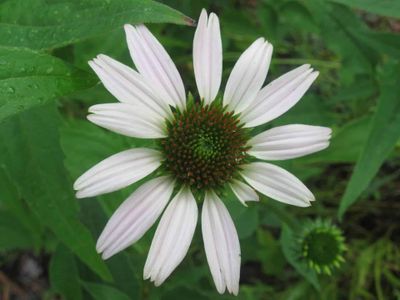
Purple Coneflower
Echinacea purpurea
Important pollinator plant; supports wide variety of native bees and butterflies; seeds eaten by goldfinches; widely cultivated for gardens and medicine
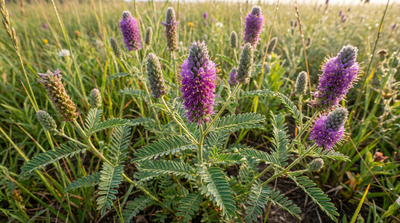
Purple Prairie Clover
Dalea purpurea
Important pollinator plant; nitrogen-fixing improves soil; indicator of high-quality prairie; supports many native bees
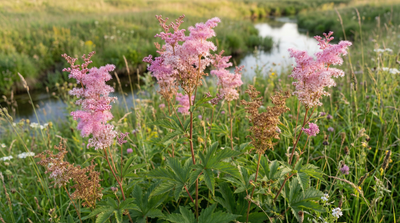
Queen of the Prairie
Filipendula rubra
Indicator of high-quality wet prairie; supports many native bees and butterflies; spectacular flowering display
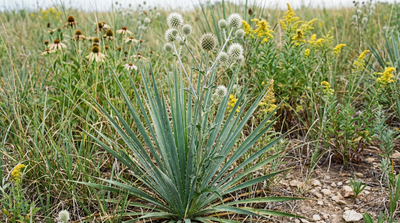
Rattlesnake Master
Eryngium yuccifolium
Important pollinator plant supporting diverse native bees; larval host for rattlesnake master borer moth (Papaipema eryngii); indicator of undisturbed prairie
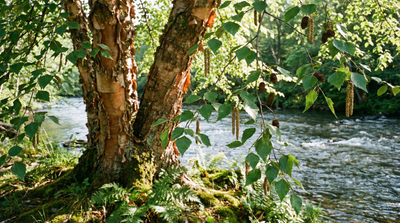
River Birch
Betula nigra
Important riparian tree; seeds eaten by birds; supports many caterpillar species; excellent for streambank stabilization
Rough Blazing Star
Liatris aspera
Important late-season nectar source for monarchs and other butterflies; supports native bees; indicator of dry prairie habitat
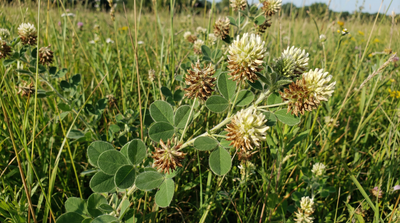
Round-headed Bush Clover
Lespedeza capitata
Nitrogen-fixing legume; seeds eaten by gamebirds; supports native bees; indicator of prairie habitat
Sand Coreopsis
Coreopsis lanceolata
Important pollinator plant for sandy habitats; supports many native bees and butterflies; easy to establish
Shooting Star
Dodecatheon meadia
Important early-season nectar source; pollinated by buzz-pollinating bees; indicator of high-quality prairie
Showy Goldenrod
Solidago speciosa
Important late-season nectar source; supports many native bees and butterflies; does not cause allergies
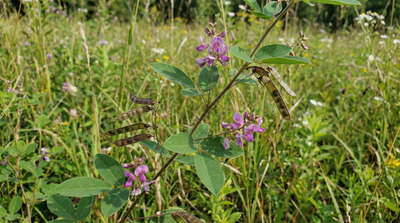
Showy Tick Trefoil
Desmodium canadense
Nitrogen-fixing legume; larval host for several butterfly species; supports many native bees
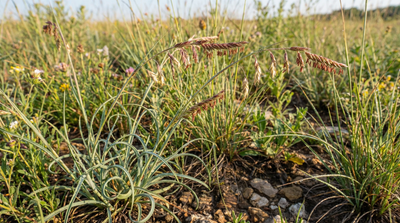
Side-oats Grama
Bouteloua curtipendula
Important grass for dry prairie restoration; provides food and cover for grassland birds; excellent for erosion control on slopes; indicator of high-quality dry prairie
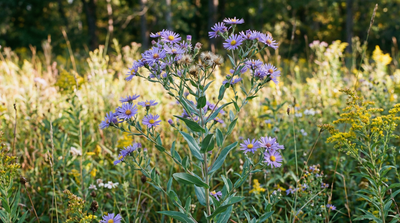
Smooth Blue Aster
Symphyotrichum laeve
Important late-season nectar source; supports many native bees and butterflies; indicator of dry prairie
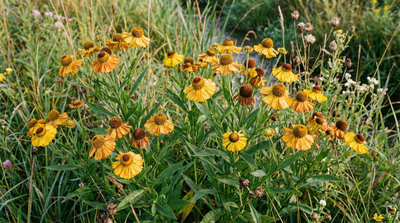
Sneezeweed
Helenium autumnale
Critical late-season nectar source when few other flowers bloom; supports many native bees and butterflies
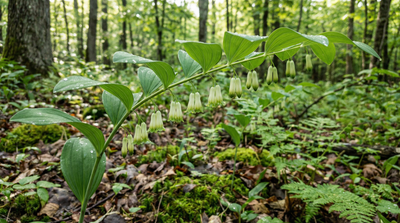
Solomon's Seal
Polygonatum biflorum
Important woodland plant; berries eaten by birds; supports woodland ecosystem; spreads by rhizomes
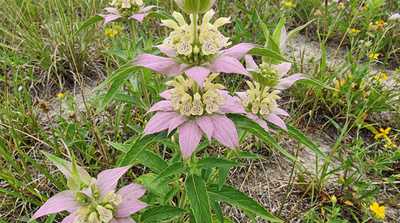
Spotted Bee Balm
Monarda punctata
Important pollinator plant for sandy habitats; supports many native bees; distinctive spotted flowers with showy bracts
Spotted Joe-Pye Weed
Eutrochium maculatum
Important late-summer nectar source for butterflies; supports many native bees; indicator of wet prairie habitat
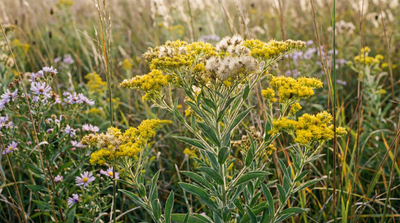
Stiff Goldenrod
Oligoneuron rigidum
Important late-season nectar source; supports many native bees and butterflies; indicator of prairie habitat
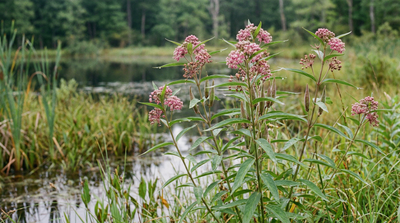
Swamp Milkweed
Asclepias incarnata
Critical larval host plant for monarch butterflies; important nectar source for many pollinators; supports specialist milkweed insects
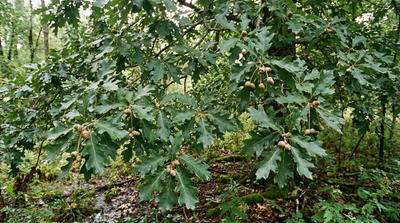
Swamp White Oak
Quercus bicolor
Important wetland tree supporting many caterpillar species; acorns eaten by waterfowl and other wildlife; provides habitat in wet areas
Sweet Black-eyed Susan
Rudbeckia subtomentosa
Important late-summer nectar source; seeds eaten by goldfinches; fragrant foliage; indicator of moist prairie habitat
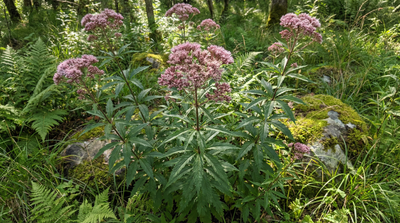
Sweet Joe-Pye Weed
Eutrochium purpureum
Important late-summer nectar source for butterflies; supports many native bees; indicator of moist woodland habitat
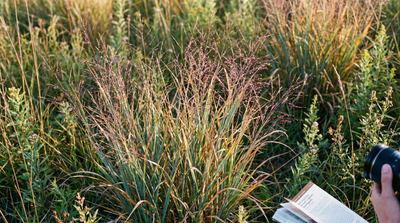
Switchgrass
Panicum virgatum
Important prairie grass for wildlife cover and erosion control; seeds provide food for songbirds and gamebirds; studied as biofuel crop due to high biomass production
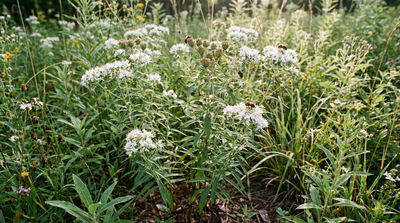
Virginia Mountain Mint
Pycnanthemum virginianum
One of the best pollinator plants; supports incredible diversity of native bees, wasps, and butterflies; aromatic foliage
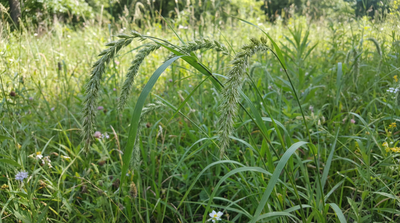
Virginia Wild Rye
Elymus virginicus
Important woodland grass; seeds eaten by birds; tolerates shade; good for woodland restoration
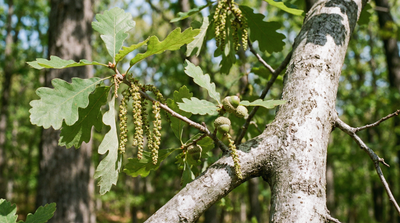
White Oak
Quercus alba
Keystone species supporting 500+ caterpillar species; sweet acorns critical food for wildlife; important timber tree
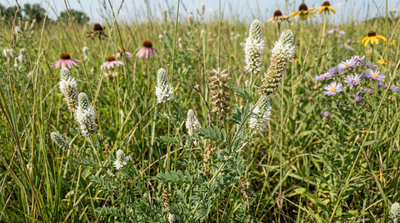
White Prairie Clover
Dalea candida
Important pollinator plant; nitrogen-fixing improves soil; often found with purple prairie clover; supports many native bees
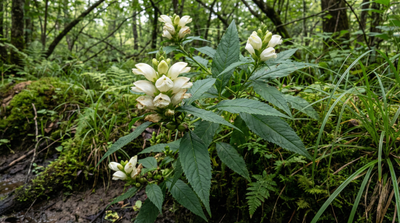
White Turtlehead
Chelone glabra
Larval host for Baltimore checkerspot butterfly; important late-season nectar source; indicator of high-quality wetland
White Wild Indigo
Baptisia alba
Larval host for wild indigo duskywing and other butterflies; nitrogen-fixing legume improves soil; important early-season nectar source
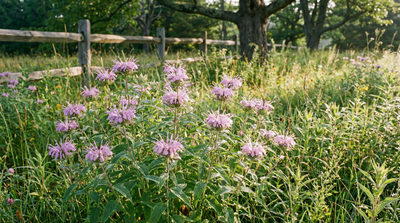
Wild Bergamot
Monarda fistulosa
Top pollinator plant supporting wide diversity of native bees and butterflies; aromatic foliage deters deer; spreads to form colonies
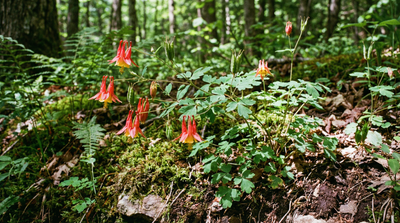
Wild Columbine
Aquilegia canadensis
Primary hummingbird plant in spring; supports native bees; indicator of rocky woodland habitat
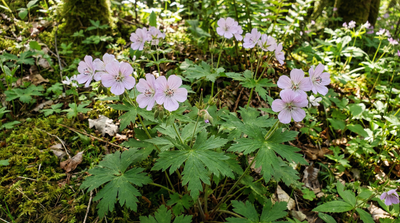
Wild Geranium
Geranium maculatum
Important early-season nectar source; supports many native bees; indicator of quality woodland
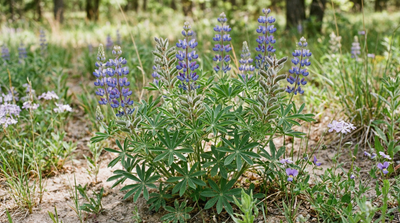
Wild Lupine
Lupinus perennis
Critical larval host for endangered Karner blue butterfly; nitrogen-fixing; indicator of sand prairie habitat
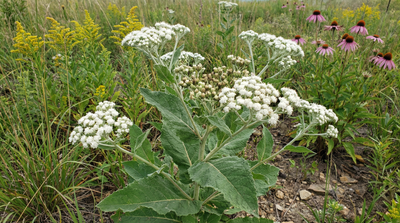
Wild Quinine
Parthenium integrifolium
Important pollinator plant; supports many native bees and beneficial wasps; indicator of prairie habitat