Native Plants of Indiana
Native plants of Indiana support the state's forest and prairie ecosystems. These species provide food and habitat for native wildlife.
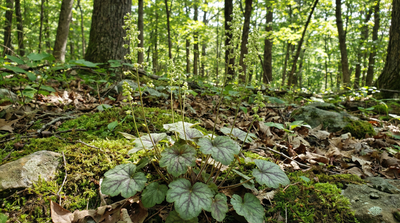
American Alumroot
Heuchera americana
American bellflower
Campanulastrum americanum
Host plant for 5 species of Lepidoptera larvae. Attracts hummingbirds and native bees.
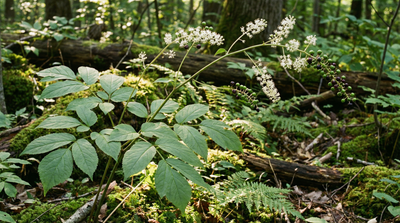
American Spikenard
Aralia racemosa
Provides cover in forest understories. The berries provide a valuable food source for birds and small mammals.
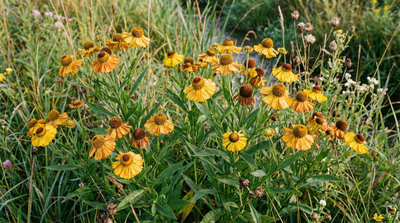
Autumn Sneezeweed
Helenium autumnale
Beak Grass
Diarrhena americana
Bicknell’s Sedge
Carex bicknellii
Provides food for several types of insects and birds. Many species of grasshoppers feed on the plant, and upland gamebirds and granivorous songbirds eat the seeds. Helps suppress weeds and stabilize soils.
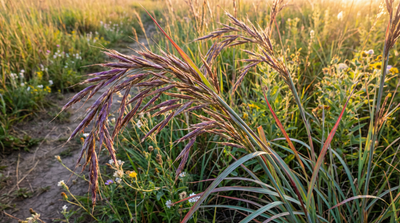
Big Bluestem
Andropogon gerardii
Provides shelter and nesting material for birds and insects. Attracts butterflies and beneficial insects.
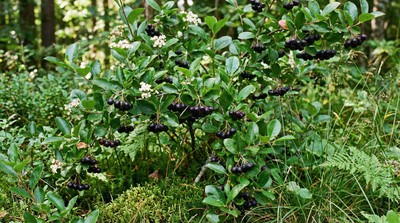
Black Chokeberry
Aronia melanocarpa
Provides food and habitat for wildlife. Used for soil erosion control and windbreaks.
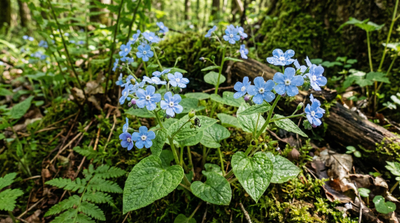
Blue-Eyed Mary
Collinsia verna
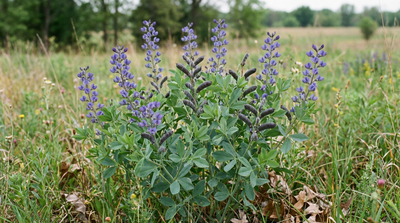
Blue False Indigo
Baptisia australis
Enriches the soil by fixing nitrogen and provides important habitat value for pollinators.
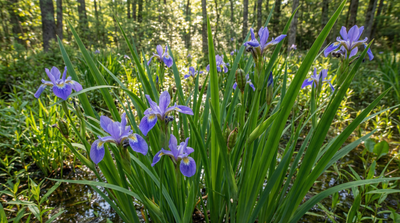
Blue Flag Iris
Iris virginica shrevei
Blue-Joint Grass
Calamagrostis canadensis
Stabilizes stream banks, filters stormwater, and provides forage and habitat for wildlife. Waterfowl and other birds feed on the seeds.
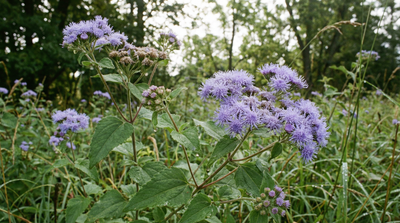
Blue Mist Flower
Conoclinium coelestinum
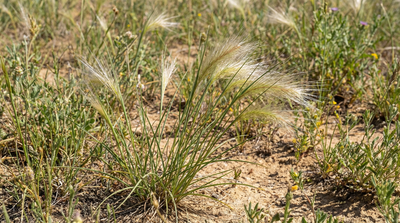
Bottlebrush Grass
Elymus hystrix v. hystrix
Bottlebrush Sedge
Carex hystericina
Stabilizes soil, manages stormwater, and supports wildlife habitat. Amphibians, including frogs and salamanders utilize Carex for feeding, shade, and protection. Important buffer species against nutrient runoff.
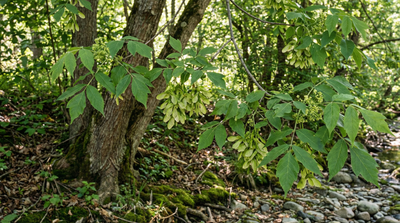
Boxelder
Acer negundo
Provides habitat for wildlife and helps stabilize stream banks.
Bracted Oak Sedge
Carex cephalophora
Improves soil structure, prevents erosion, and supports wildlife.
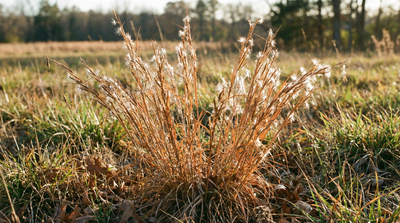
Broomsedge Bluestem
Andropogon virginicus
Pioneer grass species and indicator of poor soil. Provides grazing in spring and early summer. Provides food/cover for wildlife.
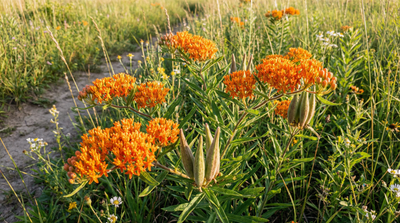
Butterfly milkweed
Asclepias tuberosa
Host plant for Monarch butterfly larvae and nectar source for various pollinators.
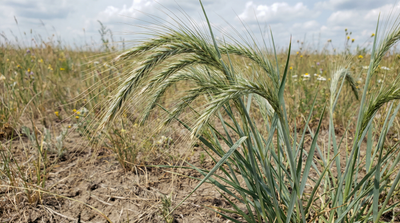
Canada Wild Rye
Elymus canadensis
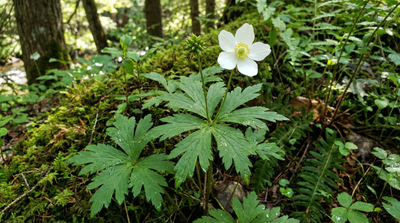
Canadian Anemone
Anemone canadensis
Provides habitat and food for various wildlife species. Effective ground cover prevents soil erosion.
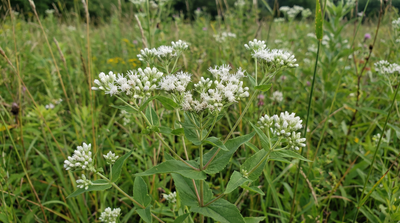
Common Boneset
Eupatorium perfoliatum
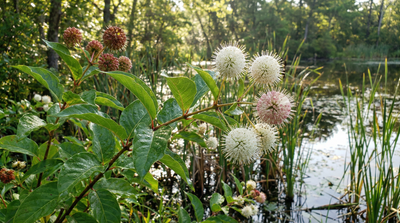
Common buttonbush
Cephalanthus occidentalis
Provides nectar for pollinators, seeds for waterfowl and shorebirds, and helps with erosion control.
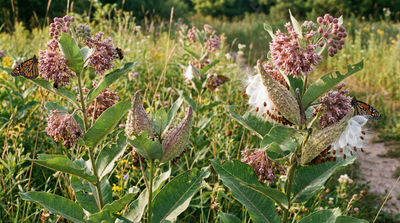
Common milkweed
Asclepias syriaca
Host plant for Monarch butterfly caterpillars and provides nectar for a wide range of insects.
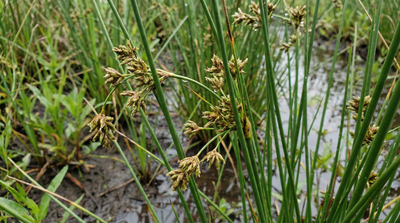
Common Rush
Juncus effusus
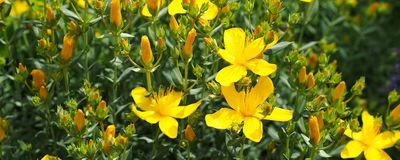
Common St. John’s Wort
Hypericum perforatum
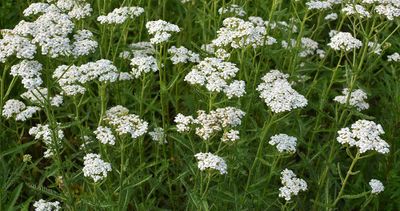
Common Yarrow
Achillea millefolium
Attracts pollinators and provides winter forage for birds.
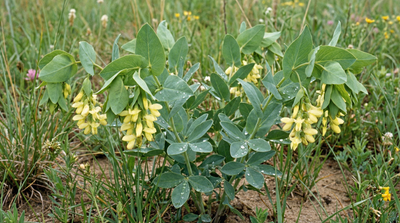
Cream False Indigo
Baptisia bracteata
Provides an important early food source for queen bumblebees as they emerge from hibernation. Has special value to native bees of the region, especially bumblebees.
Crested Sedge
Carex cristatella
Provides food and shelter for grassland wildlife.
Cross Vine
Bignonia capreolata
Provides nesting and shelter for squirrels and birds. Attracts butterflies, hummingbirds, and other pollinators. Foliage is eaten by white-tailed deer and beavers.
Cut-Leaved Toothwort
Cardamine concatenata
Important early season nectar source for native bees and early butterflies. Larval host to the West Virginia White butterfly.
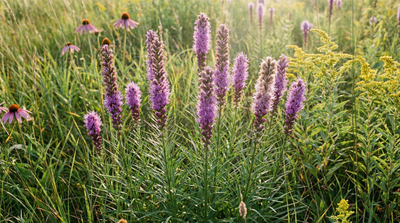
Dense Blazing Star
Liatris spicata
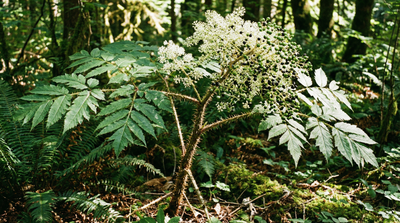
Devil’s Walkingstick
Aralia spinosa
The flowers provide nectar for bees and butterflies. The fruits are used as food by many birds.
Downy Sunflower
Helianthus mollis
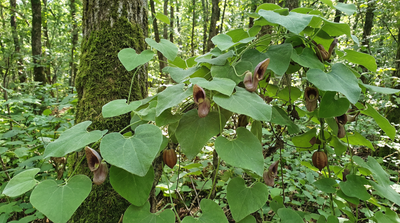
Dutchman’s Pipe
Aristolochia tomentosa
Larval host for the pipevine swallowtail and polydamas swallowtail butterflies. Pollinated by flies.
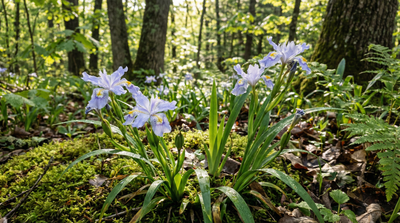
Dwarf Crested Iris
Iris cristata
Eastern Bluestar
Amsonia tabernaemontana
Provides an important early-season nectar source for pollinators.
Eastern Star Sedge
Carex radiata
Host for Lepidoptera larvae. Its dense root system plays a crucial role in stabilizing soil and preventing erosion.
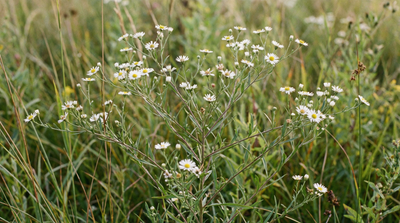
False Aster
Boltonia asteroides recognita
Important late-season nectar and energy source for pollinators including butterflies, bees, and songbirds.
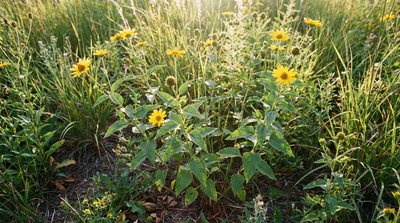
False Sunflower
Heliopsis helianthoides
Field Pussytoes
Antennaria neglecta
Host for the American Painted Lady butterfly caterpillar. Allelopathic properties can reduce the height of surrounding plants.
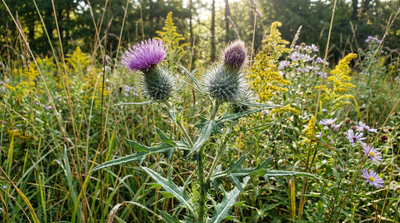
Field thistle
Cirsium discolor
The large flowers and abundant nectar are very attractive to many species of butterflies, hummingbirds, bees and moths. After flowering, its seeds become a major food source for goldfinches and other seed-eating birds in late summer and fall.
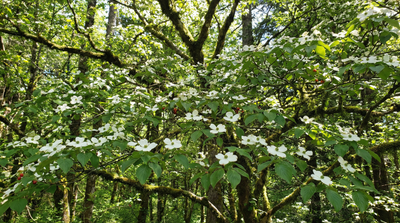
Flowering Dogwood
Cornus florida
Fox Sedge
Carex vulpinoidea
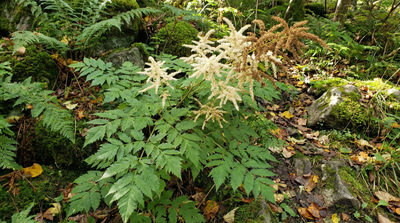
Goat’s Beard
Aruncus dioicus
Attracts a variety of small pollinators. Stabilizes streambanks and aids in erosion control.
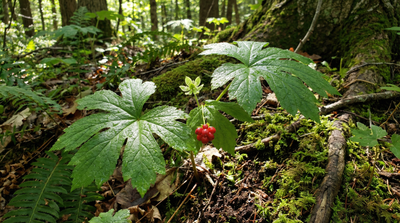
Goldenseal
Hydrastis canadensis
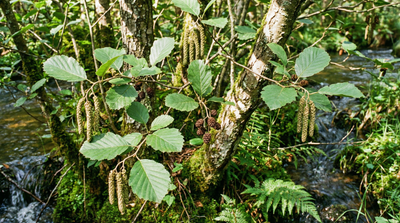
Gray Alder
Alnus incana
Greater Straw Sedge
Carex normalis
Provides habitat and food for wildlife, contributes to soil stabilization, nutrient cycling, and water filtration. Seeds are valuable food for birds and small mammals.
Grey Dogwood
Cornus racemosa
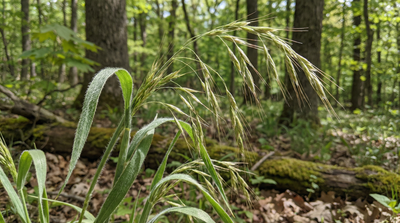
Hairy Woodland Brome
Bromus pubescens
Disturbance-adapted colonizer of bare ground. Can provide erosion control and restores degraded soils. Food and habitat for insects. Stabilizes thin, rocky soils of upland woods.
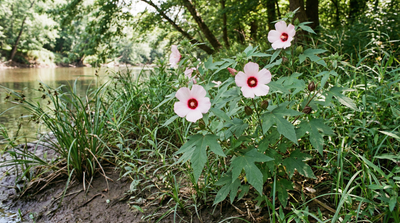
Halberdleaf Hibiscus
Hibiscus laevis
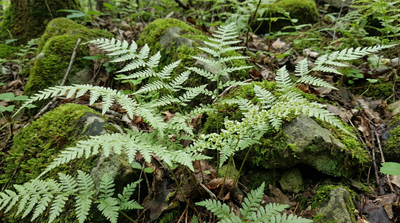
Hayscented Fern
Dennstaedtia punctilobula
Hollow Joe-Pye Weed
Eutrochium fistulosum
Honeyvine Milkweed
Cynanchum laeve
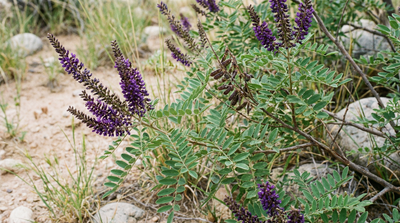
Indigo Bush
Amorpha fruticosa
Important food source for bees and other insects. Its extensive root system helps prevent soil erosion and is valuable for shoreline stabilization.
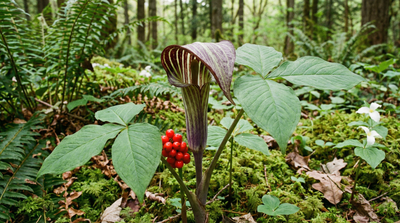
Jack-in-the-Pulpit
Arisaema triphyllum
Provides habitat and food for various wildlife, with its bright red berries being eaten by birds and mammals.
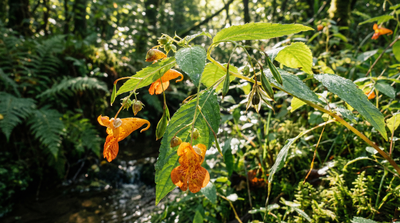
Jewelweed
Impatiens capensis
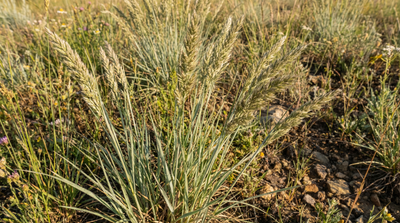
June Grass
Koeleria macrantha
Lance-Fruited Oval Sedge
Carex scoparia
Host plant for various insects, including several species of skippers and moths. Seeds are a food source for birds, including ducks. Provides valuable nesting cover for ground-dwelling birds and helps stabilize streambanks and drainage areas with its fibrous root system.
Lance-Leaf Coreopsis
Coreopsis lanceolata
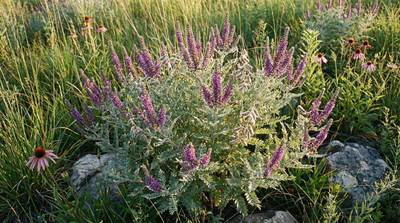
Leadplant
Amorpha canescens
Nitrogen fixer, provides forage for wildlife and livestock
Leatherflower
Clematis viorna
Longhair Sedge
Carex comosa
The dense root system helps prevent soil erosion while providing protective cover for small wildlife. Offers cover and nesting material for wildlife.
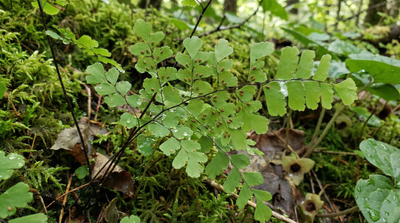
Maidenhair Fern
Adiantum pedatum
Provides cover for small wildlife.
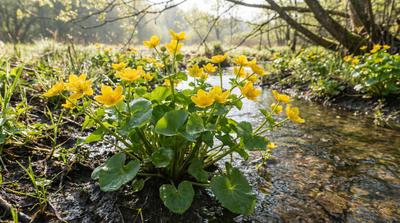
Marsh Marigold
Caltha palustris
Provides protection for many small aquatic creatures and assists in water clarifying by absorbing nutrients. Stabilizes soil along streambanks and supports aquatic and semi-aquatic food chains.
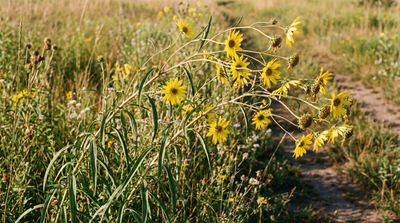
Maximilian Sunflower
Helianthus maximiliani
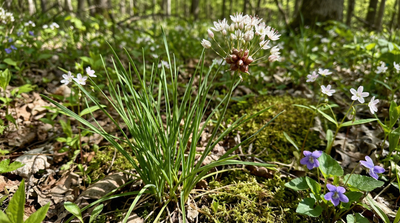
Meadow Garlic
Allium canadense
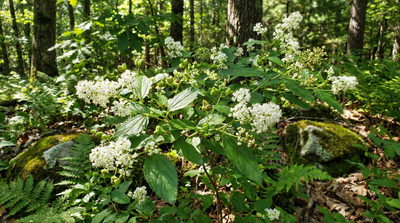
New Jersey tea
Ceanothus americanus
Nitrogen-fixing species. Host plant for several species of butterflies and moths.
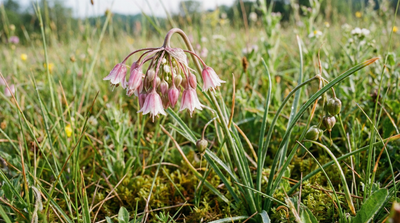
Nodding Onion
Allium cernuum
Provides a food source for pollinators and other wildlife.
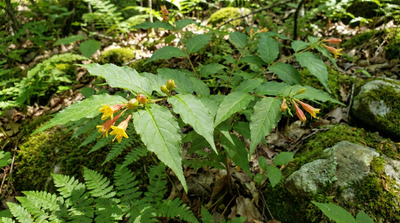
Northern Bush Honeysuckle
Diervilla lonicera
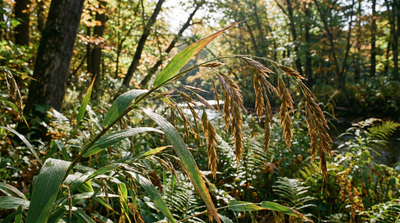
Northern Sea Oats
Chasmanthium latifolium
Northern Sweetgrass
Hierochloe hirta ssp. arctica
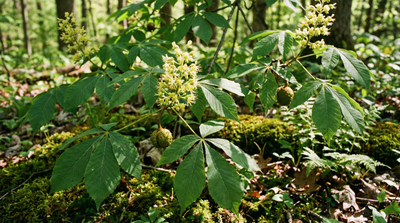
Ohio Buckeye
Aesculus glabra
Provides habitat and food for various wildlife, including squirrels and birds that feed on its seeds and flowers.
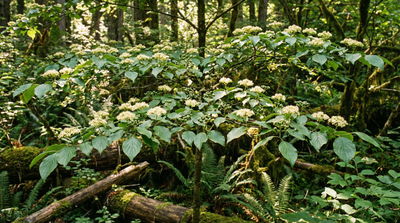
Pagoda Dogwood
Cornus alternifolia
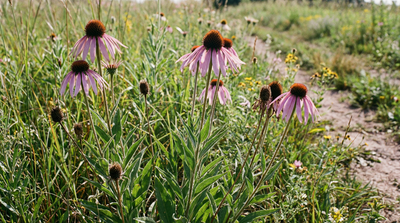
Pale Purple Coneflower
Echinacea pallida
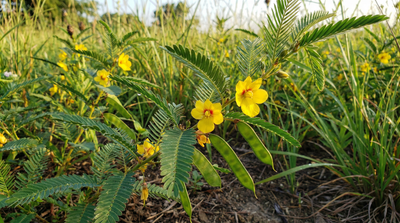
Partridge pea
Chamaecrista fasciculata
Nitrogen-fixing plant. Seeds are an important food source for birds like quail.
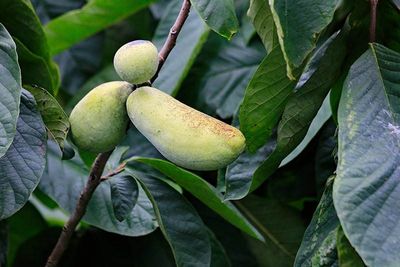
Pawpaw
Asimina triloba
Produces the largest edible fruit native to North America. Supports riparian and forest ecosystems. Deters deer browsing.
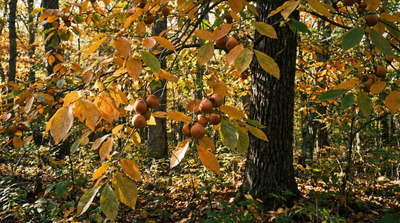
Persimmon
Diospyros virginiana
Pink Turtlehead
Chelone obliqua
Plantain-Leaved Sedge
Carex plantaginea
Provides early season food for insects.
Poke Milkweed
Asclepias exaltata
Larval host plant for the Monarch butterfly. The flowers are an excellent nectar source for native bees, bumblebees, and the Great Spangled Fritillary butterfly.
Prairie Blazing Star
Liatris pycnostachya
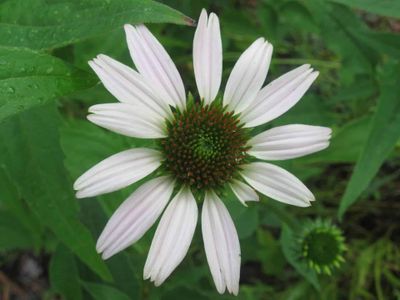
Purple Coneflower
Echinacea purpurea

Purple Giant Hyssop
Agastache scrophulariifolia
Provides a nectar source for a wide variety of pollinators.
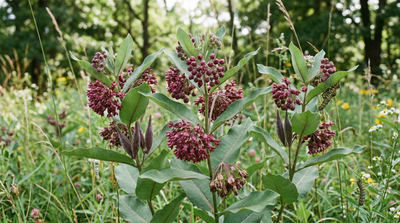
Purple Milkweed
Asclepias purpurascens
Host plant for Monarch butterfly caterpillars and supports other milkweed-feeding insects. Attracts a wide range of pollinators.
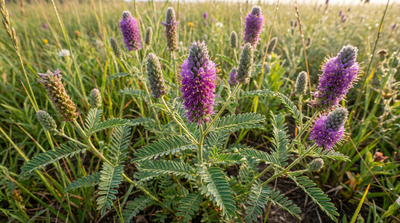
Purple prairie clover
Dalea purpurea
Nitrogen-fixing plant that provides excellent forage for livestock and wildlife. It is also a food plant for the larvae of the Dogface Sulphur butterfly.
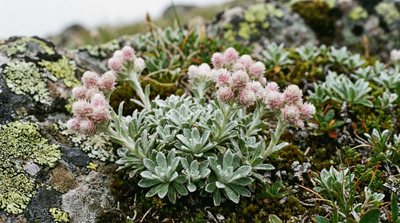
Pussytoes
Antennaria plantaginifolia
Host plant for the American Painted Lady butterfly. Provides a good ground cover for dry areas and rock gardens, helping with erosion control.
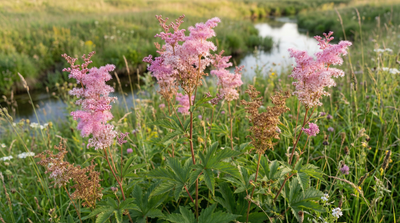
Queen of the Prairie
Filipendula rubra
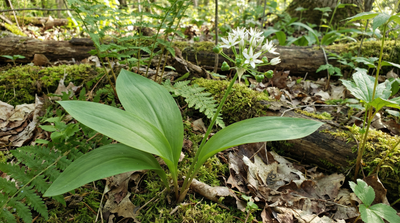
Ramp
Allium tricoccum
Plays a key role in nutrient cycling in forest ecosystems.
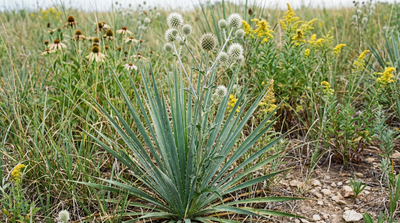
Rattlesnake Master
Eryngium yuccifolium
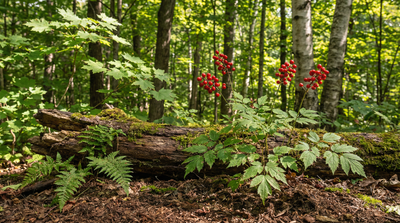
Red Baneberry
Actaea rubra
Provides food for birds and other wildlife that consume the berries.
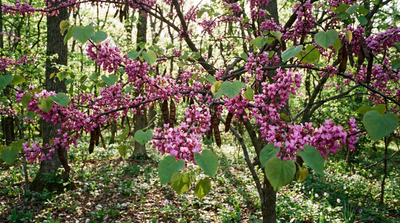
Redbud
Cercis canadensis
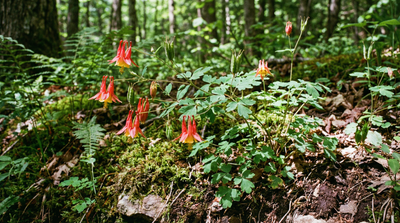
Red columbine
Aquilegia canadensis
Early-season nectar source for pollinators.
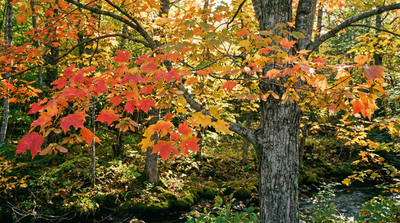
Red Maple
Acer rubrum
Keystone species that supports approximately 238 species of caterpillars. Provides early spring nectar for pollinators, and seeds for birds and small mammals.
Riverbank Wildrye
Elymus riparius
Rough Blazing Star
Liatris aspera
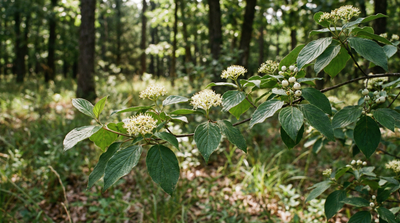
Roughleaf Dogwood
Cornus drummondii
Savanna Blazing Star
Liatris scariosa nieuwlandii
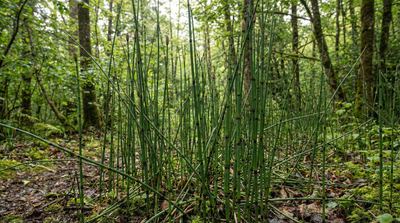
Scouringrush Horsetail
Equisetum hyemale
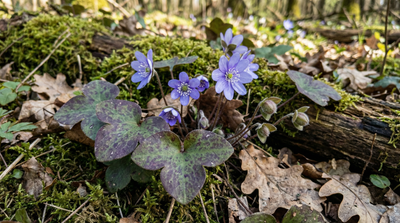
Sharplobe Hepatica
Hepatica nobilis
Shooting Star
Dodecatheon meadia
Short’s Sedge
Carex shortiana
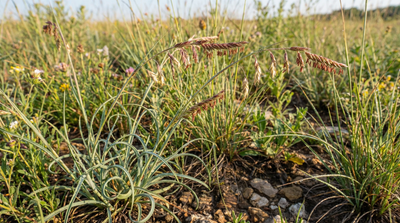
Side-Oats Grama
Bouteloua curtipendula
Provides habitat, nesting material, and food for birds and insects. Its dense root system helps stabilize soil on slopes and disturbed sites.
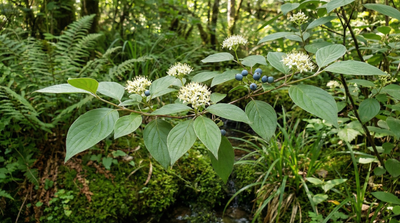
Silky Dogwood
Cornus amomum
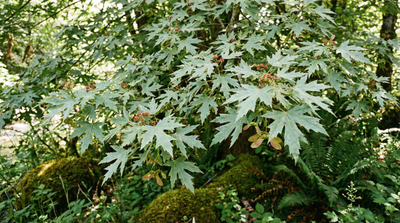
Silver Maple
Acer saccharinum
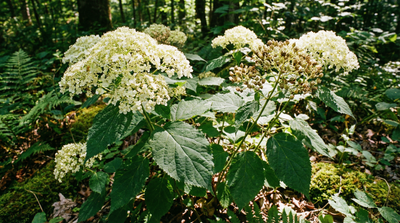
Smooth Hydrangea
Hydrangea arborescens
Spotted Joe-Pye Weed
Eutrochium maculatum
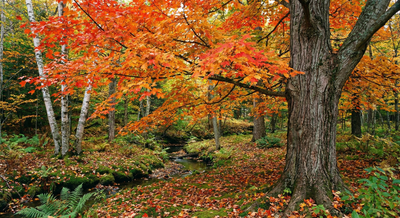
Sugar Maple
Acer saccharum
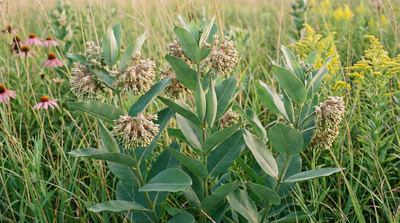
Sullivant’s Milkweed
Asclepias sullivantii
Vital host plant for Monarch butterflies and a rich nectar source for pollinators.
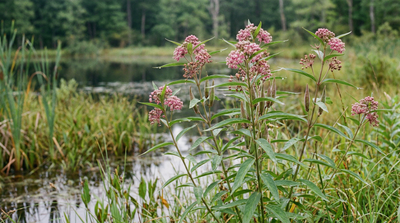
Swamp milkweed
Asclepias incarnata
Host plant for Monarch butterfly caterpillars and provides nectar for a wide range of insects.
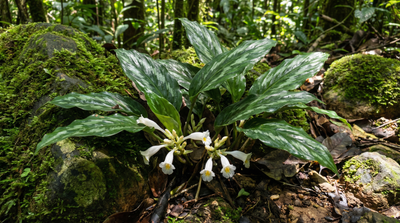
Sweet Flag
Acorus americanus
Provides habitat and shelter for wetland insects, amphibians, and small aquatic animals. Helps with shoreline stabilization.
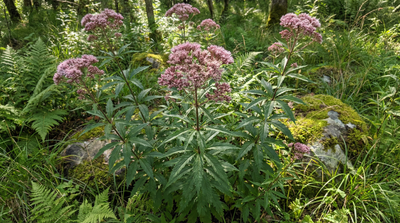
Sweet Joe-Pye Weed
Eutrochium purpureum
Tall Coreopsis
Coreopsis tripteris
Tickseed Sunflower
Bidens aristosa
Important species for sustaining pollinators during the seasonal nectar gap between summer and frost. Seeds provide food for birds in the fall and winter.
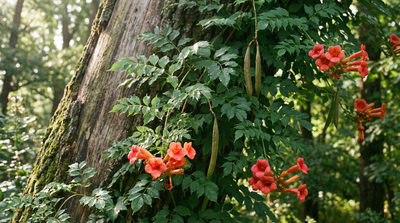
Trumpet Creeper
Campsis radicans
Attracts a wide variety of pollinators such as hummingbirds, butterflies, and bees. Foliage is eaten by white-tailed deer and rabbits.
Tussock Sedge
Carex stricta
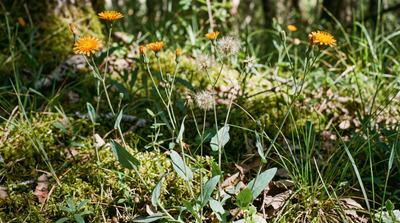
Two-Flowered Cynthia
Krigia biflora
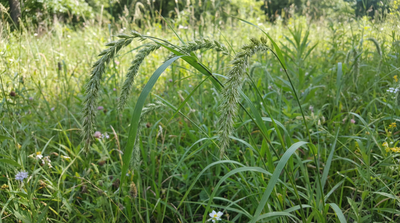
Virginia Wildrye
Elymus virginicus
Virgin’s Bower
Clematis virginiana
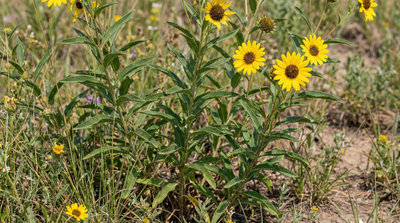
Western Sunflower
Helianthus occidentalis
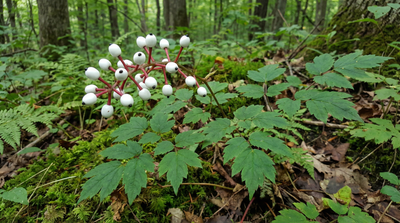
White Baneberry
Actaea pachypoda
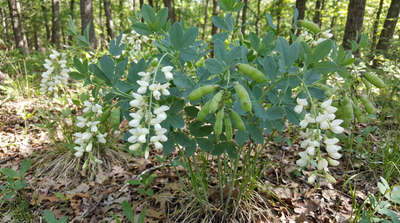
White False Indigo
Baptisia alba var. macrophylla
Attracts butterflies and serves as a host plant for certain native insects. Its nitrogen-fixing roots improve soil fertility.
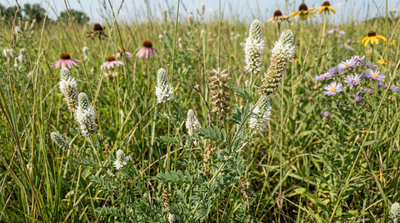
White prairie clover
Dalea candida
Nitrogen-fixing plant that is a valuable resource for a wide variety of pollinators and wildlife.
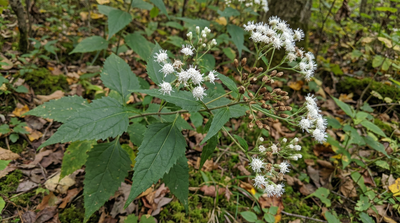
White Snakeroot
Ageratina altissima
Provides a late-season nectar source for bees, moths, and flies.
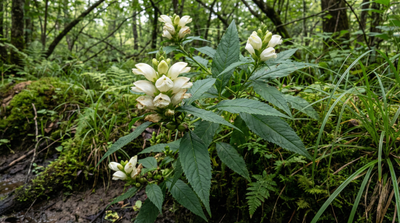
White Turtlehead
Chelone glabra
White wild indigo
Baptisia alba
Nitrogen fixer, host plant for several insect species.
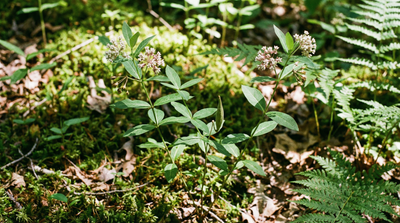
Whorled Milkweed
Asclepias verticillata
Valuable food source for the adult and larval stages of Monarch Butterflies, as well as many other butterflies, moths, bees and beneficial insects.
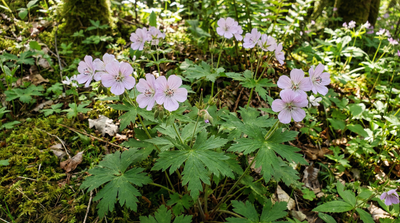
Wild Geranium
Geranium maculatum
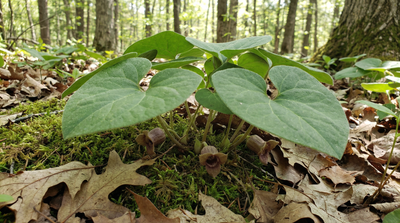
Wild Ginger
Asarum canadense
Host plant for the Pipevine Swallowtail butterfly. Forms dense colonies that create a protective carpet on the forest floor, helping to control erosion and providing habitat for various small creatures.
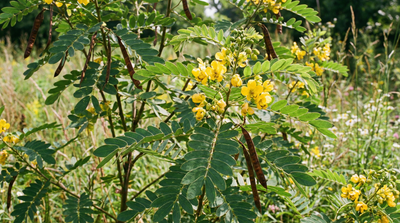
Wild Senna
Cassia hebecarpa
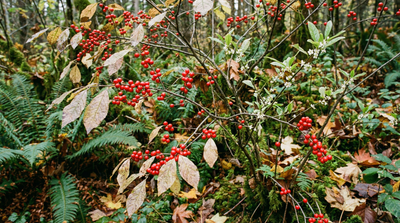
Winterberry
Ilex verticillata
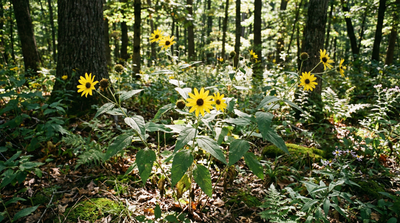
Woodland Sunflower
Helianthus divaricatus
Yellowfruit Sedge
Carex annectens
Essential habitat and food for insects, birds, and other wildlife. Useful in rain gardens and for erosion control.
Yellow Giant Hyssop
Agastache nepetoides
Supports and attracts a wide variety of pollinators. Its deep root system stabilizes soil and prevents erosion.