Native Plants of Louisiana
Native plants of Louisiana are adapted to high humidity, flooding, and hurricanes. These resilient species support the state's incredible biodiversity.
Abbeville iris
Iris x nelsonii
Provides nectar for pollinators.
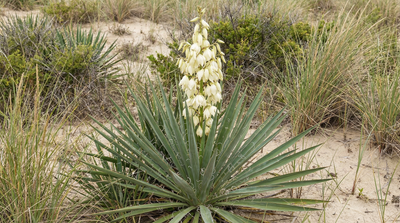
Adam's needle
Yucca filamentosa
Provides nectar for yucca moths.
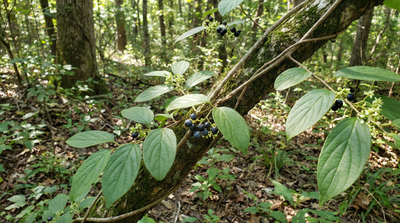
Alabama supplejack
Berchemia scandens
Provides cover and food for wildlife.
Allegheny monkeyflower
Mimulus ringens
Provides nectar for pollinators.
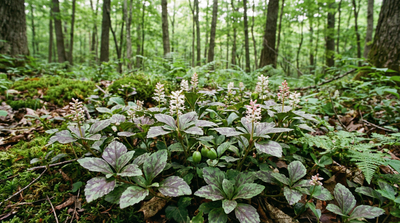
Allegheny-spurge
Pachysandra procumbens
Groundcover.
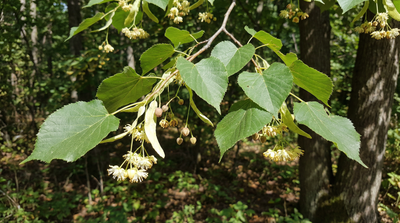
American basswood
Tilia americana
Provides nectar for pollinators.
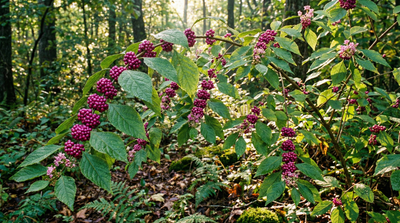
American beautyberry
Callicarpa americana
Berries are a food source for birds and other wildlife.
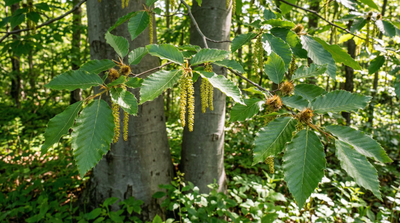
American beech
Fagus grandifolia
Provides nuts for wildlife.
American bellflower
Campanula americana
Provides nectar for pollinators.
American elm
Ulmus americana
Host plant for several butterfly species.
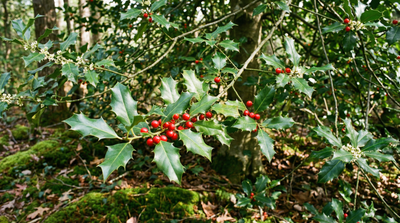
American holly
Ilex opaca
Provides berries for birds.
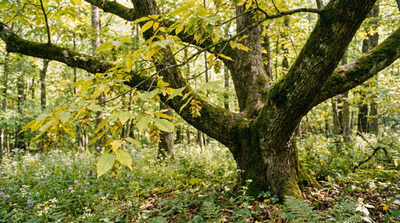
American hornbeam
Carpinus caroliniana
Provides cover for wildlife.
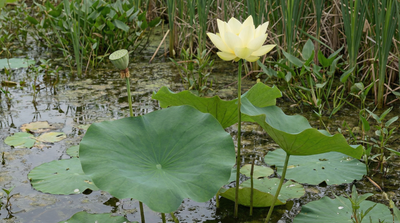
American lotus
Nelumbo lutea
Provides seeds for waterfowl.
American sycamore
Platanus occidentalis
Provides habitat for wildlife.
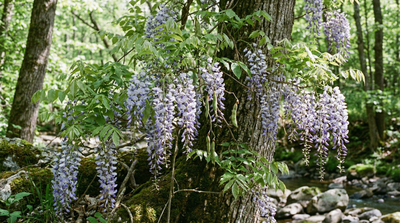
American wisteria
Wisteria frutescens
Provides nectar for pollinators.
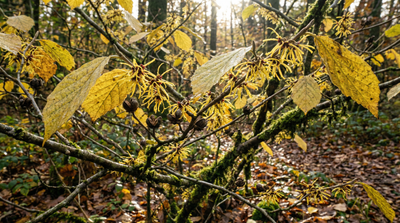
American witchhazel
Hamamelis virginiana
Provides seeds for birds.
Aquatic milkweed
Asclepias perennis
Host plant for Monarch butterflies.
Atamasco lily
Zephyranthes atamasca
Provides nectar for pollinators.
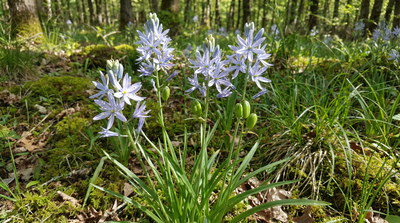
Atlantic camas
Camassia scilloides
Provides nectar for pollinators.
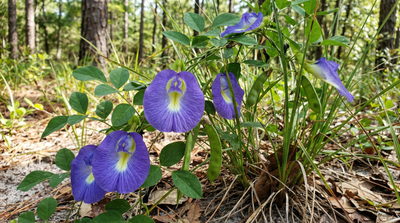
Atlantic pigeonwings
Clitoria mariana
Provides nectar for pollinators.
Azure blue sage
Salvia azurea
Provides nectar for pollinators.
Bald cypress
Taxodium distichum
Dominant tree in many swamps, providing habitat for many species.
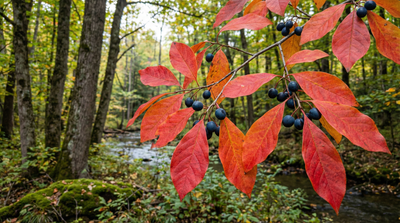
Blackgum
Nyssa sylvatica
Provides fruit for birds and other wildlife.
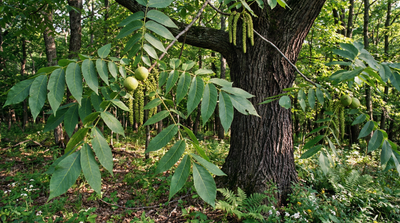
Black walnut
Juglans nigra
Provides nuts for wildlife and humans.
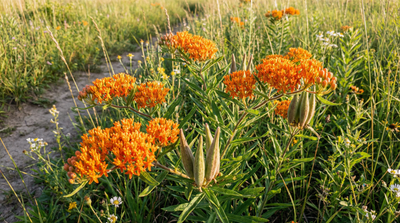
Butterfly milkweed
Asclepias tuberosa
Host plant for Monarch and Queen butterflies.
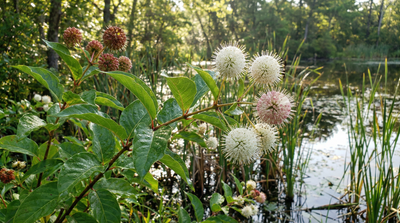
Buttonbush
Cephalanthus occidentalis
Provides nectar for pollinators and seeds for waterfowl.
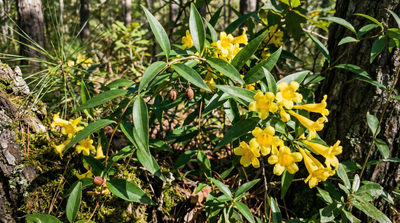
Carolina jessamine
Gelsemium sempervirens
Provides nectar for early pollinators.
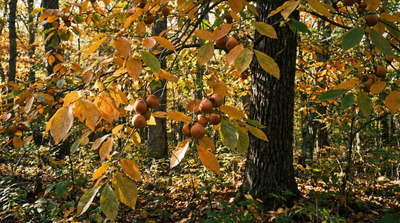
Common persimmon
Diospyros virginiana
Provides fruit for wildlife.
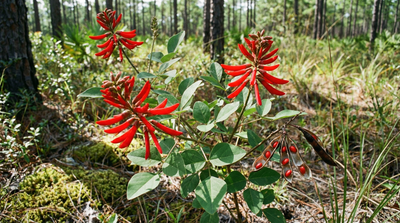
Coral bean
Erythrina herbacea
Provides nectar for hummingbirds.
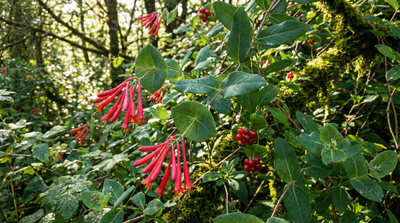
Coral honeysuckle
Lonicera sempervirens
Provides nectar for hummingbirds and butterflies.
Crossvine
Bignonia capreolata
Provides nectar for hummingbirds.
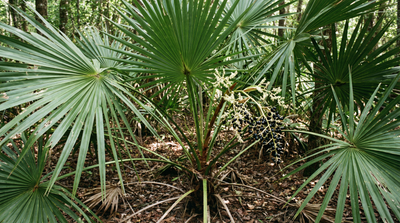
Dwarf palmetto
Sabal minor
Provides cover for wildlife.
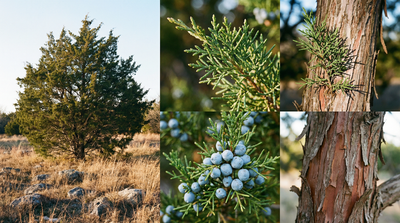
Eastern redcedar
Juniperus virginiana
Provides berries for birds and cover for wildlife.
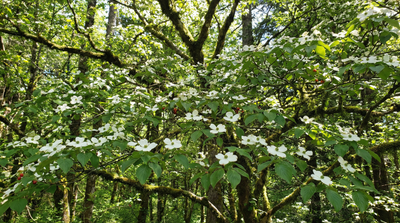
Flowering dogwood
Cornus florida
Provides berries for birds.
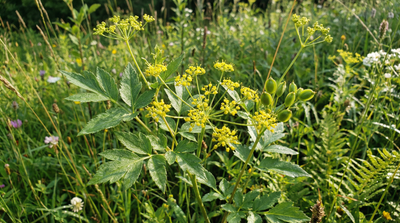
Golden Alexanders
Zizia aurea
Host plant for the Black Swallowtail butterfly.
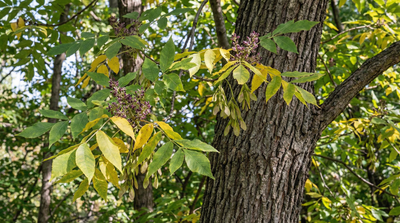
Green ash
Fraxinus pennsylvanica
Host plant for several moth species.
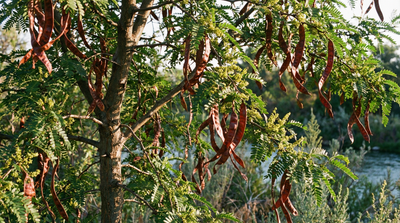
Honeylocust
Gleditsia triacanthos
Provides seed pods for wildlife.
Laurel oak
Quercus laurifolia
Acorns are a food source for wildlife.
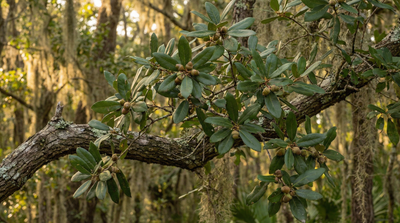
Live oak
Quercus virginiana
Acorns are a food source for wildlife and it provides excellent shade.
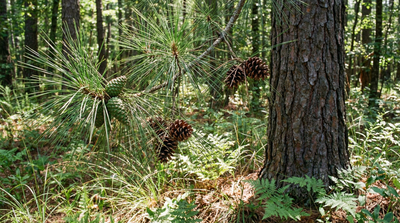
Loblolly pine
Pinus taeda
Important timber tree and provides habitat for wildlife.
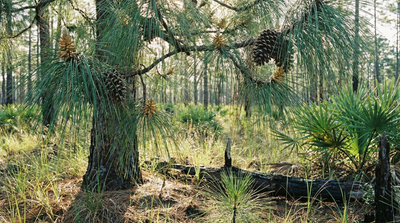
Longleaf pine
Pinus palustris
Key species in the longleaf pine ecosystem.
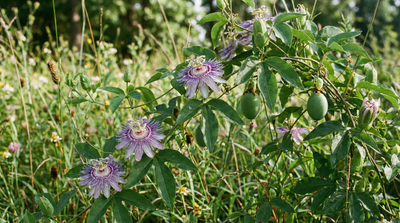
Maypop
Passiflora incarnata
Host plant for Gulf Fritillary and other butterflies.
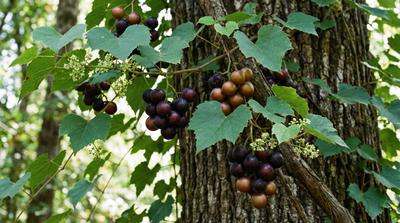
Muscadine
Vitis rotundifolia
Provides grapes for wildlife.
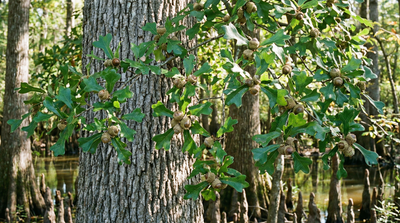
Overcup oak
Quercus lyrata
Acorns are a food source for wildlife.
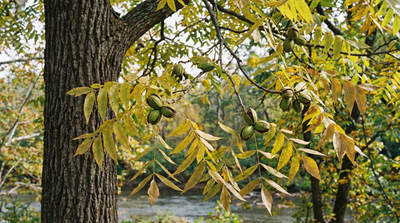
Pecan
Carya illinoinensis
Provides nuts for wildlife and humans.
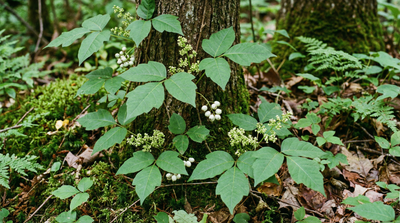
Poison ivy
Toxicodendron radicans
Provides berries for birds.
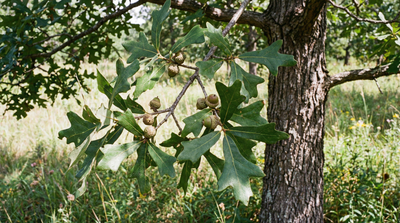
Post oak
Quercus stellata
Acorns are a food source for wildlife.
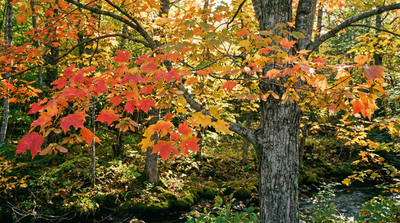
Red maple
Acer rubrum
Provides seeds for wildlife and is a host plant for several moth species.
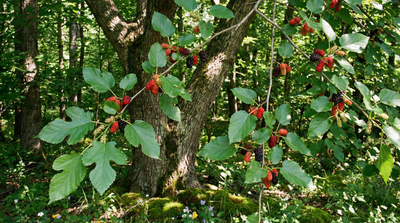
Red mulberry
Morus rubra
Provides fruit for birds and other wildlife.
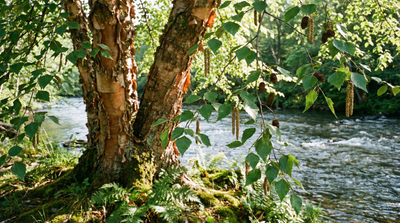
River birch
Betula nigra
Provides seeds for birds and is a host plant for several butterfly species.
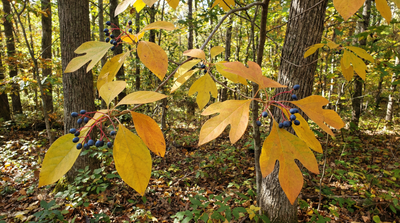
Sassafras
Sassafras albidum
Host plant for the spicebush swallowtail butterfly.
Saw greenbrier
Smilax bona-nox
Provides cover and food for wildlife.
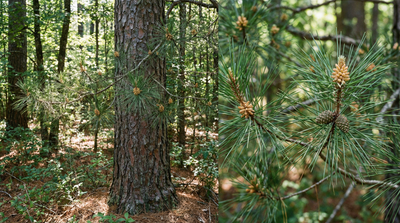
Shortleaf pine
Pinus echinata
Provides cover and nesting sites for wildlife.
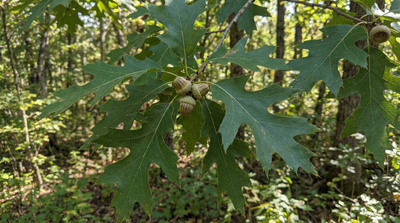
Shumard oak
Quercus shumardii
Acorns are a food source for wildlife.
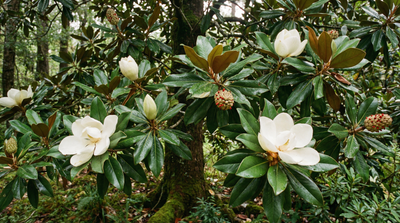
Southern magnolia
Magnolia grandiflora
Provides seeds for birds and other wildlife.
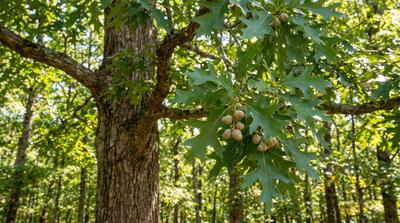
Southern red oak
Quercus falcata
Acorns are a food source for wildlife.
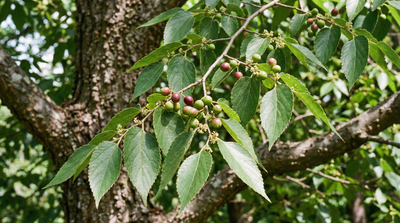
Sugarberry
Celtis laevigata
Provides berries for birds and is a host plant for several butterfly species.
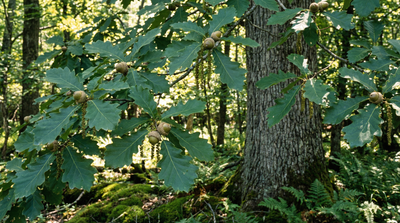
Swamp chestnut oak
Quercus michauxii
Acorns are a food source for wildlife.
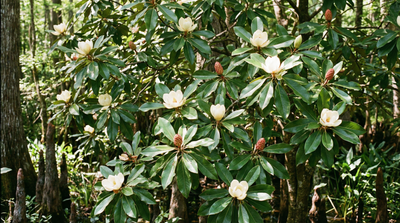
Sweetbay magnolia
Magnolia virginiana
Provides seeds for birds and is a host plant for the sweetbay silkmoth.
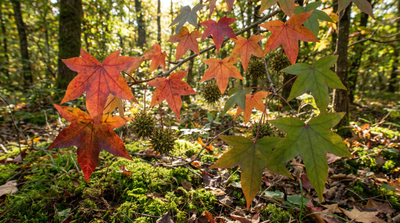
Sweetgum
Liquidambar styraciflua
Provides seeds for birds and is a host plant for several moth species.
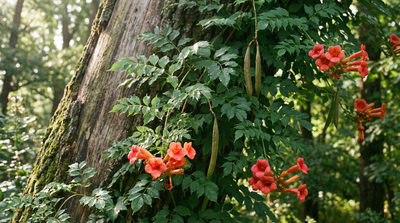
Trumpet creeper
Campsis radicans
Provides nectar for hummingbirds.
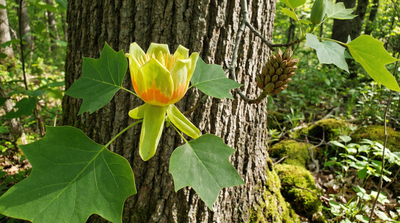
Tulip-poplar
Liriodendron tulipifera
Provides nectar for pollinators and is a host plant for several butterfly species.
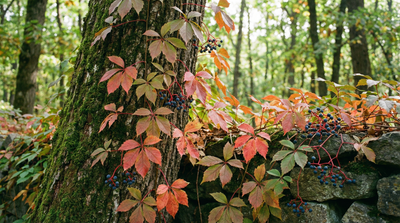
Virginia creeper
Parthenocissus quinquefolia
Provides berries for birds.
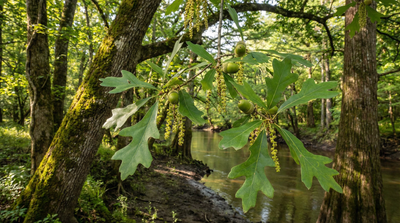
Water oak
Quercus nigra
Acorns are a food source for wildlife.
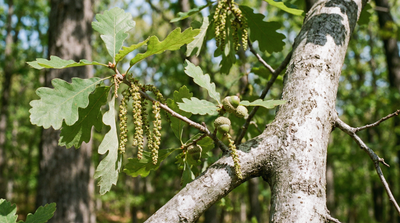
White oak
Quercus alba
Acorns are a food source for many wildlife species.
White wild indigo
Baptisia alba
Host plant for several butterfly species.
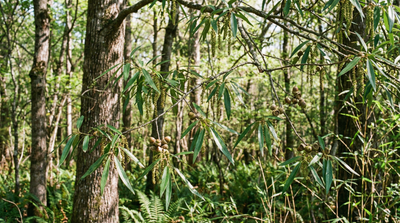
Willow oak
Quercus phellos
Acorns are a food source for wildlife.