Native Plants of Michigan
Native plants of Michigan are adapted to the state's unique Great Lakes climate with cold winters and moderate summers. These species support rich forest ecosystems.
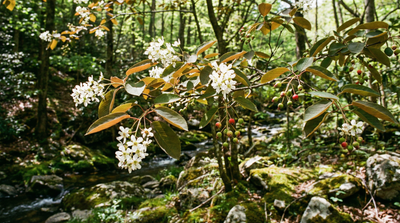
Allegheny Serviceberry
Amelanchier laevis
Early-spring flowers provide crucial nectar for emerging pollinators; berries eaten by over 40 bird species; larval host for several moths
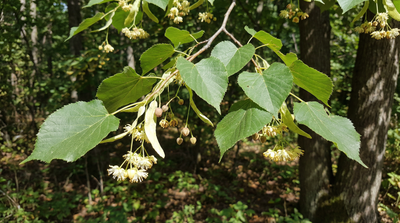
American Basswood
Tilia americana
Premier bee tree - fragrant flowers produce abundant nectar; supports specialist basswood bees; soft wood used by cavity-nesting birds
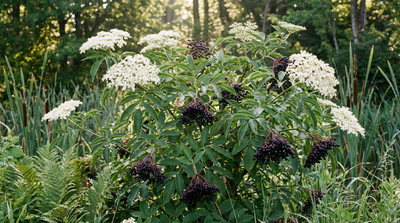
American Elderberry
Sambucus canadensis
Important wildlife shrub; berries eaten by over 50 bird species; flowers provide nectar; thicket-forming habit provides cover
American Highbush Cranberry
Viburnum trilobum
Red berries persist through winter providing food for birds; white flower clusters attract pollinators; excellent fall color
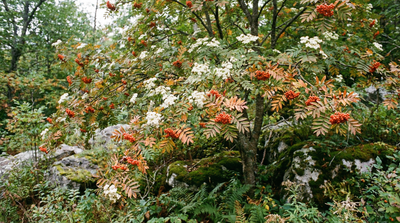
American Mountain Ash
Sorbus americana
Red-orange berries persist through winter providing critical food for cedar waxwings, thrushes, and grouse; white flowers attract pollinators
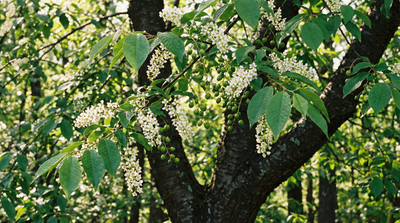
Black Cherry
Prunus serotina
Supports over 450 caterpillar species - more than almost any other native tree; cherries eaten by many bird species; important timber tree
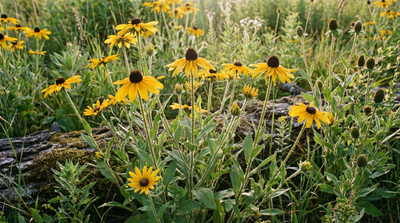
Black-eyed Susan
Rudbeckia hirta
Important mid-summer pollinator plant; seeds eaten by goldfinches and other songbirds; indicator of prairie and meadow habitats
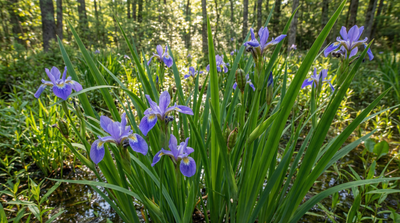
Blue Flag Iris
Iris versicolor
Important wetland plant for shoreline stabilization; distinctive blue flowers attract pollinators; provides cover for wildlife
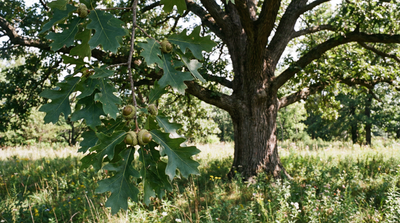
Bur Oak
Quercus macrocarpa
Keystone savanna species; largest acorns of any North American oak; supports diverse wildlife; fire-adapted
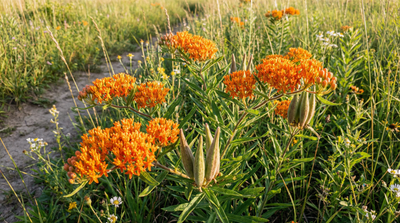
Butterfly Weed
Asclepias tuberosa
Monarch butterfly larval host; brilliant orange flowers attract diverse pollinators; drought-tolerant prairie species important for dry site restoration
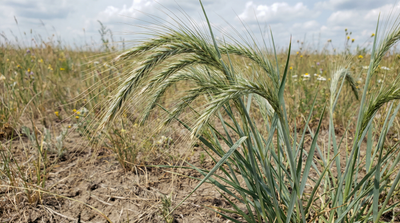
Canada Wild Rye
Elymus canadensis
Important native grass for restoration; provides early cover while warm-season grasses establish; seeds eaten by birds
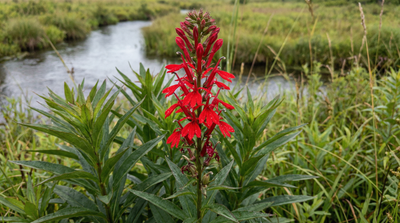
Cardinal Flower
Lobelia cardinalis
Primary hummingbird plant in Michigan; brilliant red flowers evolved for hummingbird pollination; important for riparian restoration
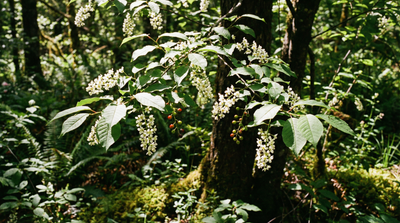
Chokecherry
Prunus virginiana
Important wildlife tree; fruits eaten by many bird species; larval host for eastern tiger swallowtail and other butterflies
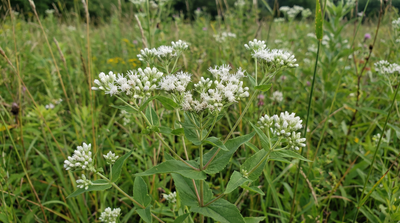
Common Boneset
Eupatorium perfoliatum
Important late-summer nectar source; distinctive perfoliate leaves; supports diverse pollinators; larval host for several moths
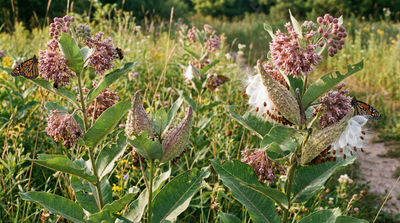
Common Milkweed
Asclepias syriaca
Most abundant monarch butterfly host plant in Michigan; supports specialist milkweed bees and beetles; fragrant flowers provide nectar for diverse pollinators
Culver's Root
Veronicastrum virginicum
Elegant white flower spikes attract diverse pollinators; important for prairie restoration; supports specialist bees
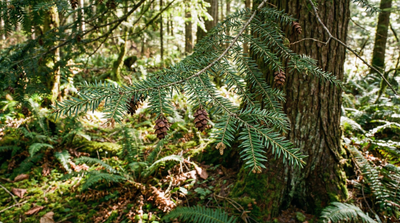
Eastern Hemlock
Tsuga canadensis
Foundation species creating unique microhabitats; provides critical winter cover; supports diverse bird and mammal species
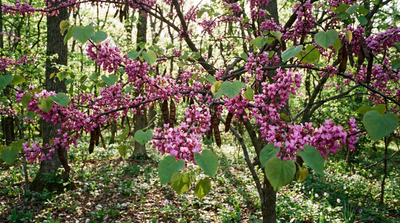
Eastern Redbud
Cercis canadensis
Early-spring flowers provide crucial nectar for emerging pollinators; larval host for Henry's elfin butterfly; nitrogen-fixing legume
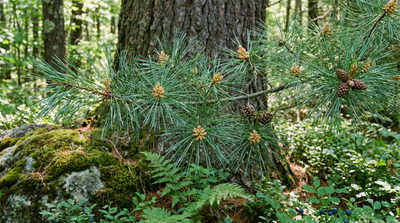
Eastern White Pine
Pinus strobus
Michigan's state tree; seeds eaten by many bird species; provides winter cover; historically dominant tree in Michigan forests
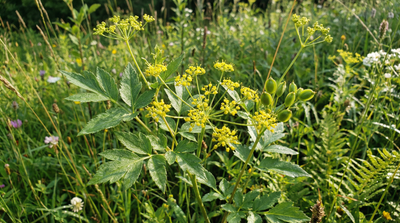
Golden Alexanders
Zizia aurea
Larval host for black swallowtail butterfly; early-blooming yellow flowers provide spring nectar; important for diverse small pollinators
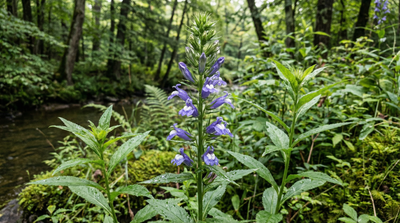
Great Blue Lobelia
Lobelia siphilitica
Important late-summer pollinator plant; blue flowers complement red cardinal flower; supports bumblebees and butterflies
Indian Grass
Sorghastrum nutans
Important tallgrass prairie grass; golden seed heads provide fall interest; seeds eaten by songbirds; provides winter cover
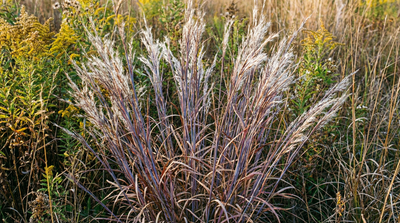
Little Bluestem
Schizachyrium scoparium
Dominant grass of tallgrass prairie; larval host for skipper butterflies; provides winter cover and seeds for birds; spectacular bronze-red fall color
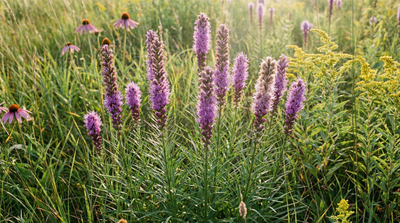
Marsh Blazing Star
Liatris spicata
Critical late-summer nectar source for migrating monarch butterflies; supports specialist Liatris bees; unusual top-down blooming pattern extends pollinator value
Nannyberry
Viburnum lentago
Important wildlife shrub; blue-black berries eaten by many bird species; white flower clusters attract pollinators; provides cover
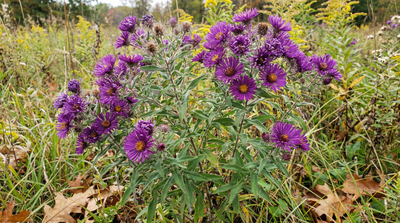
New England Aster
Symphyotrichum novae-angliae
Critical late-season nectar source for migrating monarchs; supports specialist aster bees; one of the last major nectar sources before frost
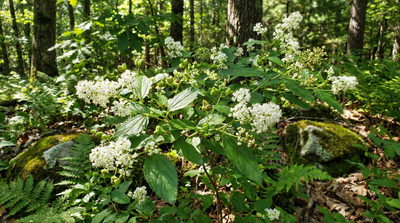
New Jersey Tea
Ceanothus americanus
Nitrogen-fixing shrub that improves soil; larval host for spring azure and mottled duskywing butterflies; important early-summer nectar source
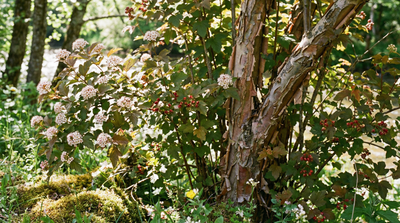
Ninebark
Physocarpus opulifolius
Important native shrub for pollinators; white flower clusters attract diverse bees; provides cover and nesting sites for birds
Northern White Cedar
Thuja occidentalis
Critical winter cover for white-tailed deer; seeds eaten by birds; provides habitat in cedar swamps; rot-resistant wood
Ohio Spiderwort
Tradescantia ohiensis
Early summer bloomer with three-petaled blue flowers; supports diverse pollinators; flowers open in morning and close by afternoon
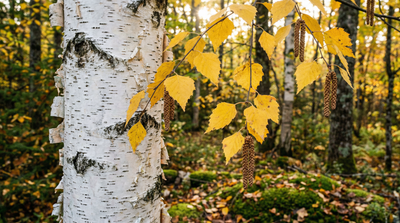
Paper Birch
Betula papyrifera
Important food source for many bird species; catkins provide early pollen; supports diverse moth larvae; iconic northern forest tree
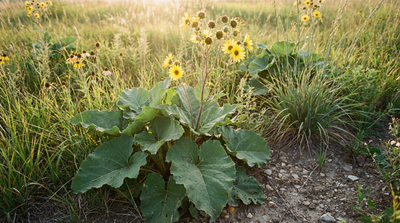
Prairie Dock
Silphium terebinthinaceum
Massive basal leaves provide shelter for wildlife; tall flower stalks (up to 10 feet) provide late-summer nectar; deep roots improve soil structure
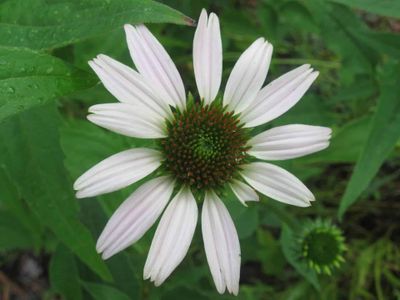
Purple Coneflower
Echinacea purpurea
Important mid-summer pollinator plant; seeds eaten by goldfinches; long bloom period extends pollinator value; supports specialist bees
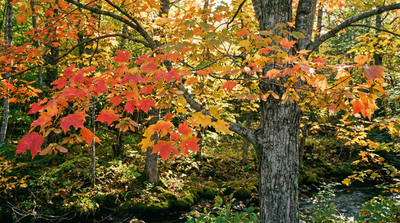
Red Maple
Acer rubrum
Early-spring flowers provide critical pollen and nectar for emerging bees; seeds eaten by many birds and mammals; brilliant fall color
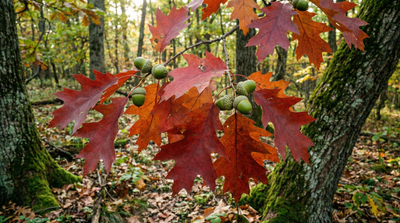
Red Oak
Quercus rubra
Supports hundreds of caterpillar species; acorns important wildlife food; provides habitat for many bird and mammal species
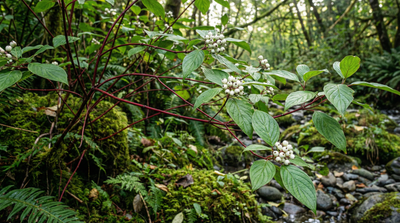
Red-osier Dogwood
Cornus sericea
Important wildlife shrub; white berries eaten by over 90 bird species; red stems provide winter interest; excellent for streambank stabilization
Rough Blazing Star
Liatris aspera
Important late-season nectar source for migrating monarchs and native bees; supports specialist Liatris bees; indicator of high-quality prairie remnants
Showy Goldenrod
Solidago speciosa
Premier fall nectar source; supports specialist goldenrod bees; does not cause hay fever (wind-pollinated ragweed is the culprit); important for late-season pollinators
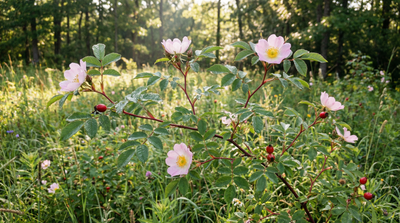
Smooth Wild Rose
Rosa blanda
Important native rose for pollinators; rose hips provide winter food for birds; larval host for rose-feeding moths
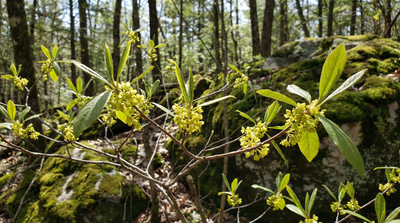
Spicebush
Lindera benzoin
Larval host for spicebush swallowtail butterfly; early-spring flowers provide nectar; red berries eaten by birds; aromatic foliage
Spotted Joe-pye Weed
Eutrochium maculatum
Premier late-summer pollinator plant; massive flower heads attract butterflies and bees; important for wetland restoration
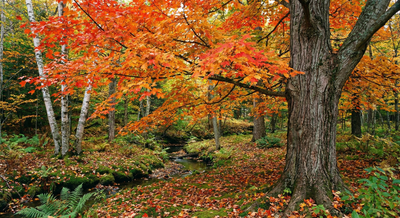
Sugar Maple
Acer saccharum
Dominant canopy tree in northern hardwood forests; supports diverse moth and butterfly larvae; seeds eaten by many birds and mammals
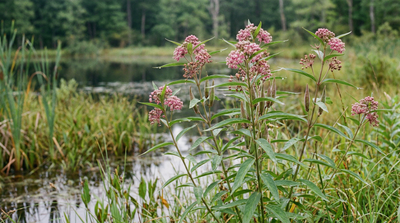
Swamp Milkweed
Asclepias incarnata
Primary monarch butterfly larval host plant in wetland habitats; supports specialist milkweed bees; provides nectar for diverse pollinators during critical summer months
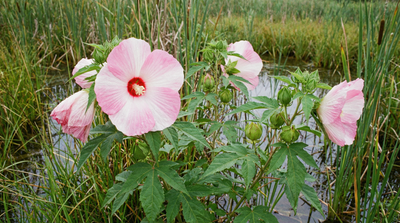
Swamp Rose Mallow
Hibiscus moscheutos
Spectacular large pink flowers up to 8 inches across; important Great Lakes coastal plant; provides nectar for large pollinators
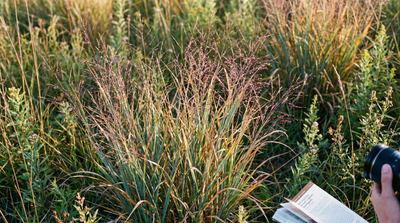
Switchgrass
Panicum virgatum
Dominant tallgrass prairie grass; larval host for skipper butterflies; provides winter cover and seeds for birds; important for biofuel research
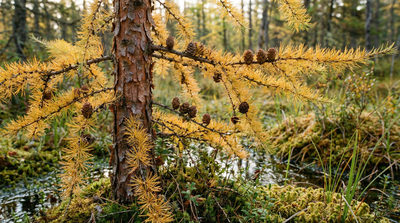
Tamarack
Larix laricina
Unique deciduous conifer; golden fall color; provides habitat in wetlands; seeds eaten by birds
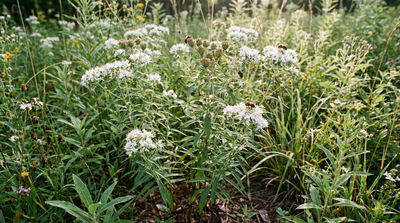
Virginia Mountain Mint
Pycnanthemum virginianum
Premier pollinator plant supporting specialist mountain mint bees; aromatic foliage deters deer and rabbits; important for prairie restoration
White Meadowsweet
Spiraea alba
Important native shrub for pollinators; white flower spikes attract diverse bees and butterflies; provides cover for wildlife
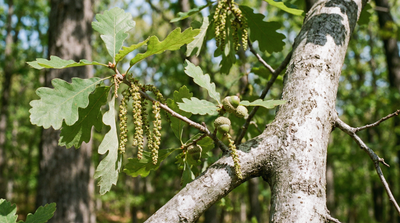
White Oak
Quercus alba
Keystone species supporting over 500 caterpillar species; acorns critical food for deer, turkey, and squirrels; provides habitat for cavity-nesting birds
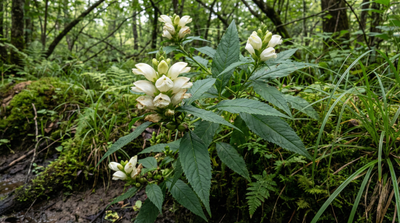
White Turtlehead
Chelone glabra
Larval host plant for Baltimore checkerspot butterfly; late-blooming flowers provide nectar when few other plants bloom; important wetland indicator
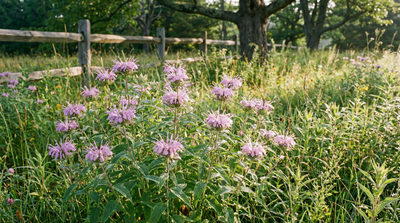
Wild Bergamot
Monarda fistulosa
Premier pollinator plant with extended bloom period; supports specialist bees; aromatic foliage deters deer; important for prairie and savanna restoration
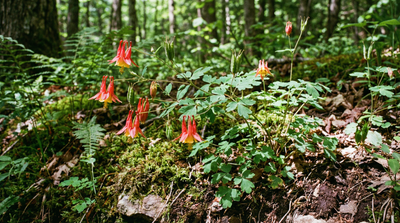
Wild Columbine
Aquilegia canadensis
Early-spring nectar source for ruby-throated hummingbirds; red and yellow flowers perfectly adapted for hummingbird pollination; important woodland wildflower
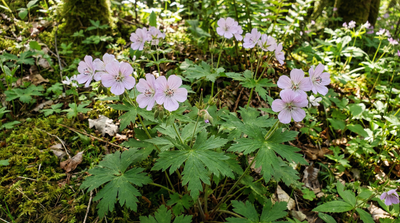
Wild Geranium
Geranium maculatum
Important spring wildflower for woodland pollinators; supports specialist geranium bees; attractive pink-purple flowers
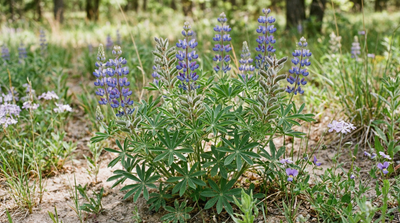
Wild Lupine
Lupinus perennis
Critical host plant for the federally endangered Karner blue butterfly (Lycaeides melissa samuelis); Michigan is a stronghold for Karner blue recovery; nitrogen-fixing legume that improves soil fertility
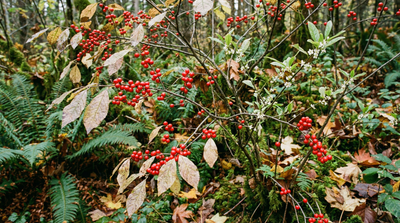
Winterberry
Ilex verticillata
Brilliant red berries persist through winter providing critical food for birds; important for wetland restoration; dioecious (male and female plants needed)
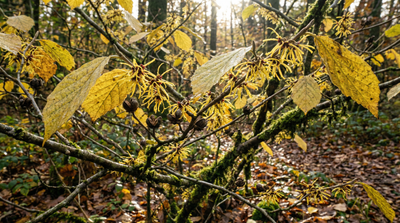
Witch Hazel
Hamamelis virginiana
Unique late-fall bloomer (October-November) providing nectar when few other plants flower; supports late-season pollinators
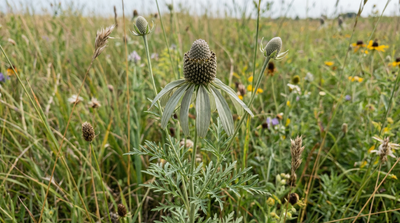
Yellow Coneflower
Ratibida pinnata
Important prairie indicator species; drooping yellow petals distinctive; supports diverse pollinators; seeds eaten by songbirds