Native Plants of Minnesota
Native plants of Minnesota include prairie, wetland, and boreal forest species. These cold-hardy plants support diverse wildlife and build healthy ecosystems.
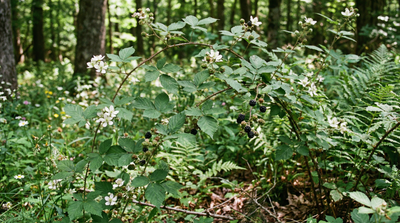
Allegheny Blackberry
Rubus allegheniensis
Provides food for birds and small mammals, and provides excellent cover for wildlife. It also shades the soil, reducing ground temperatures and increasing water for other plants.
American Brooklime
Veronica americana
Contributes to riparian vegetation.
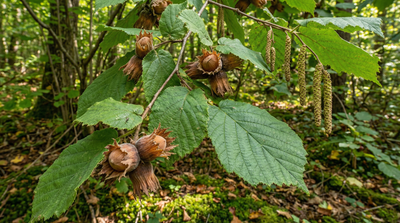
American Hazelnut
Corylus americana
The nuts are a valuable food source for a wide range of wildlife, including squirrels, turkeys, and woodpeckers. The shrub provides cover for wildlife.
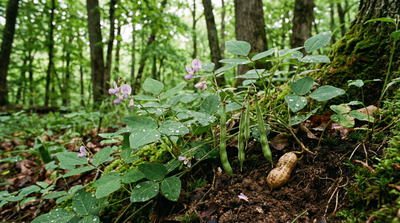
American Hog Peanut
Amphicarpaea bracteata
A good soil cover, helping to prevent erosion and improve the fertility of the soil. It is a larval host for the silver-spotted skipper and other butterflies.
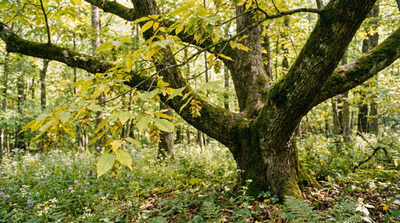
American Hornbeam
Carpinus caroliniana
Provides important nesting habitat and shelter for a variety of wildlife. The tree's greenery serves as important cover and nourishment for small animals.
American Pasqueflower
Anemone patens
Provides an early-season food source for pollinators.
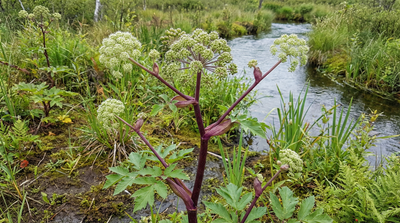
Angelica
Angelica atropurpurea
Provides nectar and pollen for a wide range of pollinators. It is a host plant for swallowtail butterflies.
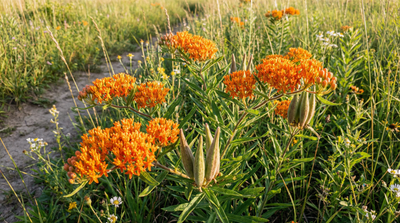
Butterfly Weed
Asclepias tuberosa
Host plant for Monarch and Queen butterflies. The flowers provide nectar for many other butterflies and hummingbirds.
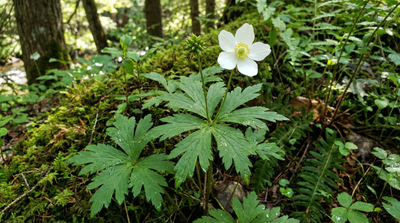
Canada Anemone
Anemone canadensis
Effective ground cover that prevents soil erosion. Provides habitat and food for various wildlife species.
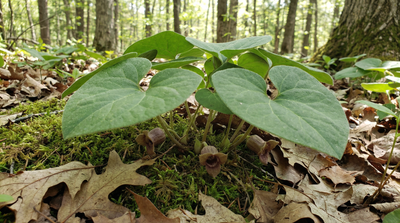
Canadian Wild Ginger
Asarum canadense
Host plant for the Pipevine Swallowtail butterfly. The plant forms dense colonies that create a protective carpet on the forest floor, helping to control erosion and providing habitat for various small creatures.
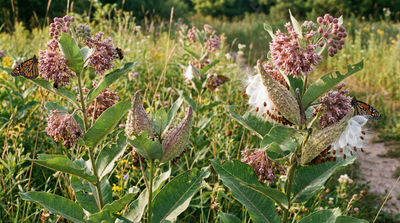
Common Milkweed
Asclepias syriaca
Larval host plant for monarch butterflies. Its sap, leaves and flowers also provide food for other insects.
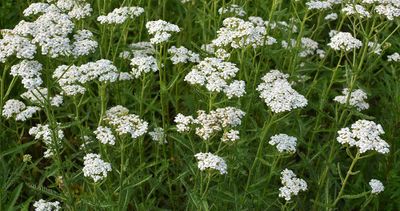
Common Yarrow
Achillea millefolium
Knits together the living ground layer of meadows and forest margins. Provides pollen and nectar for a variety of insects.
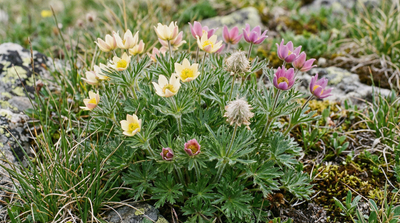
Cut-leaved Anemone
Anemone multifida
Provides a food source for various wildlife species.
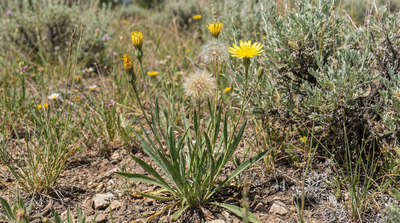
False Dandelion
Agoseris glauca
Provides nectar and pollen for pollinators and early-season fluff for bird nests.
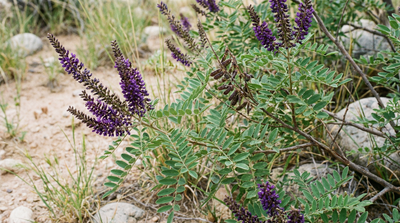
False Indigo
Amorpha fruticosa
Fixes atmospheric nitrogen, improving soil fertility. It is a larval host for several butterflies including sulphurs, hairstreaks, blues, and skippers.
Field Pussytoes
Antennaria neglecta
Host plant for the American painted lady butterfly caterpillar. The plant is considered to be allelopathic and reduces the height of surrounding plants.
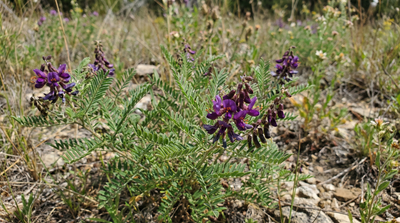
Fragrant False Indigo
Amorpha nana
The plant has a strong spreading root system and this makes it useful for controlling soil erosion. It is a food source for wildlife.
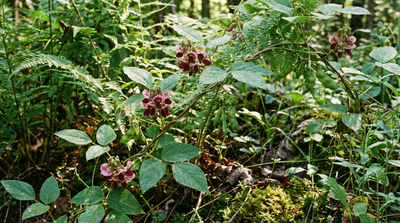
Groundnut
Apios americana
Contributes to soil shading and the stabilization of riparian ecosystems due to its developed root system, which helps prevent erosion.
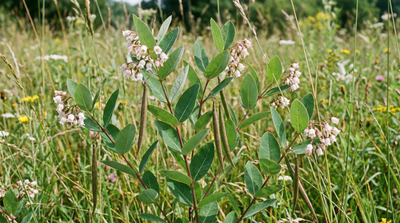
Indian Hemp
Apocynum cannabinum
Excellent for stabilizing slopes and controlling erosion. It is a larval host for the snowberry clearwing moth.
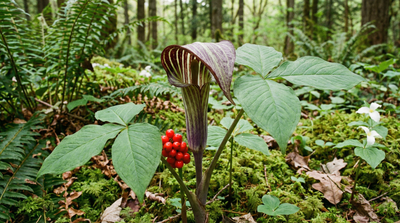
Jack-in-the-Pulpit
Arisaema triphyllum
Provides habitat and food for various wildlife. The plant has a rare ability to change its sex based on the area it is in, which contributes to biodiversity.
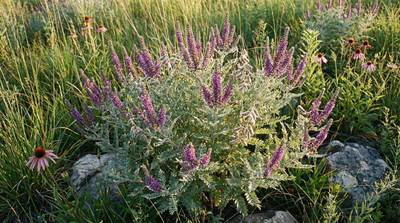
Lead Plant
Amorpha canescens
As a nitrogen-fixing legume, it plays a vital ecological role in prairie restoration and soil improvement. Its deep, extensive root system helps with drought tolerance and soil stabilization.
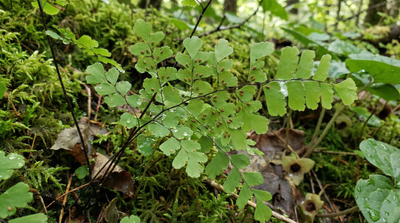
Maidenhair Fern
Adiantum pedatum
Provides cover and shelter for small wildlife and insects. It can provide an excellent soft landing habitat for pupating moths and butterflies.
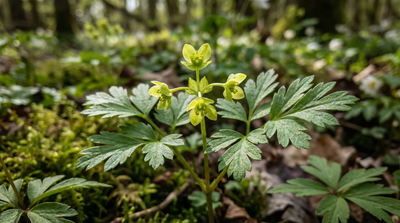
Moschatel
Adoxa moschatellina
Its presence in a woodland can be an indication of the age and ecological value of the woodland. It offers shelter and food sources for wildlife.
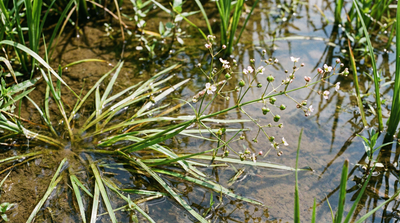
Narrow-leaved Water Plantain
Alisma gramineum
Provides habitat and food for aquatic wildlife. Helps in restoring degraded wetlands and improving water quality.
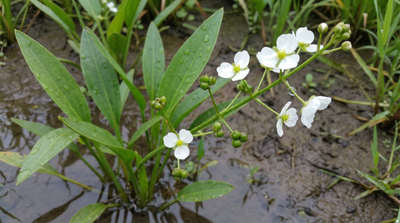
Northern Water Plantain
Alisma triviale
Seeds are eaten by waterfowl and other birds. The plants are foraged by muskrats and beavers.
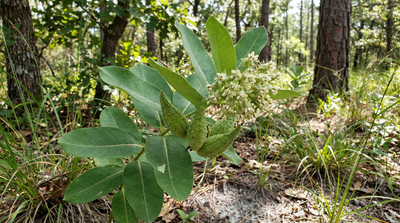
Oval-leaf Milkweed
Asclepias ovalifolia
Larval host plant for the monarch butterfly. Provides food, shelter, and breeding grounds for numerous species.
Parlin's Pussytoes
Antennaria parlinii
Host plant for the American Lady butterfly. Provides early season nectar for pollinators.
Plantain-leaved Pussytoes
Antennaria plantaginifolia
Excellent for erosion control and pollinator support. The leaves are consumed by White-tailed deer, Ruffled Grouse and Greater Prairie Chicken in early spring.
Poke Milkweed
Asclepias exaltata
Host plant for caterpillars of the Monarch butterfly. The flowers are an excellent nectar source for a wide variety of native pollinators.
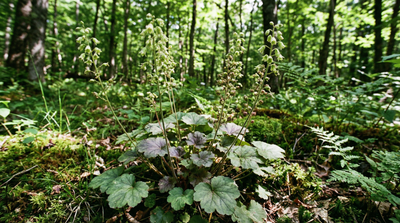
Prairie Alumroot
Heuchera richardsonii
Provides nectar and pollen for small native bees, flies, and early-season pollinators.
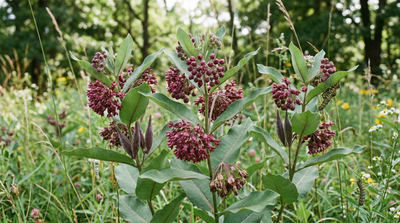
Purple Milkweed
Asclepias purpurascens
Host plant for Monarch butterfly caterpillars and supports the larvae of other milkweed-feeding species.
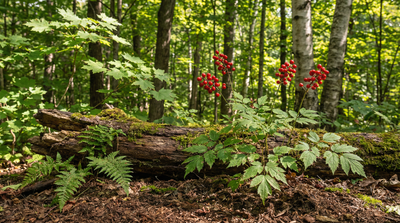
Red Baneberry
Actaea rubra
Berries feed small mammals and birds. Its extensive root system stabilizes the soil.
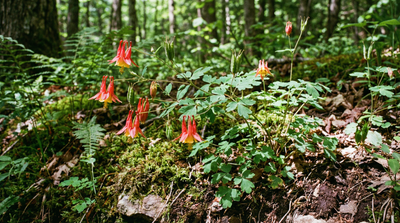
Red Columbine
Aquilegia canadensis
Valuable nectar source to spring insects and hummingbirds. The caterpillar of the columbine duskywing moth feeds on the leaves.
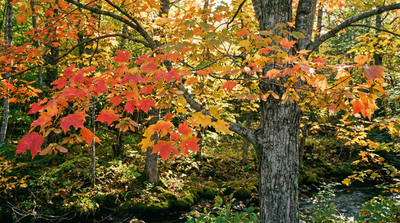
Red Maple
Acer rubrum
Keystone species supporting approximately 287 species of caterpillars. Provides early spring nectar for pollinators, and seeds for birds and small mammals. Young growth is a desirable browse food for deer and moose.
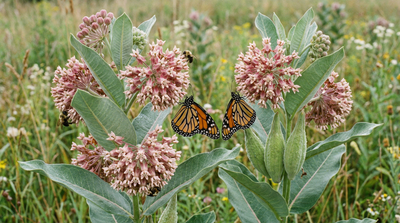
Showy Milkweed
Asclepias speciosa
Larval host plant for the Monarch butterfly. Supports a variety of pollinators.
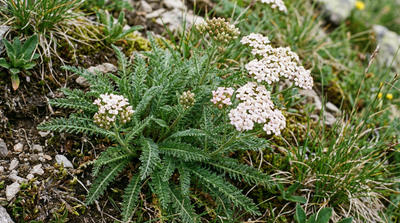
Siberian Yarrow
Achillea alpina
The flowers are visited by bees and butterflies. The plant is a food source for some insect larvae.
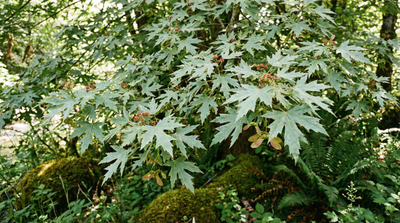
Silver Maple
Acer saccharinum
Buds are an important food for squirrels. The dense canopy provides valuable shade.
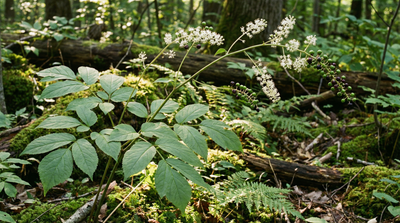
Spikenard
Aralia racemosa
Provides cover in forest understories, contributing to biodiversity in deciduous hardwood forests. The berries provide a valuable food source for birds and small mammals.
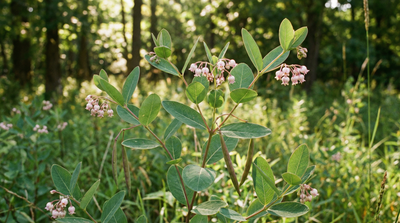
Spreading Dogbane
Apocynum androsaemifolium
An important food source for some insects. Dead stems are used by stem-nesting bees.
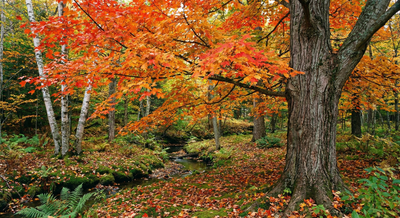
Sugar Maple
Acer saccharum
Provides nutrient-rich litter to forest soils. Its dense canopy provides shelter for various wildlife species. It is a food source for mammals and insects and is a key component of the breeding habitat for a wide variety of birds.
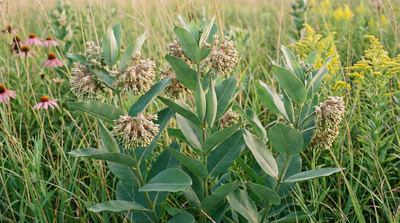
Sullivant's Milkweed
Asclepias sullivantii
Host plant for Monarch butterfly caterpillars and also supports the larvae of Queen and Soldier butterflies.
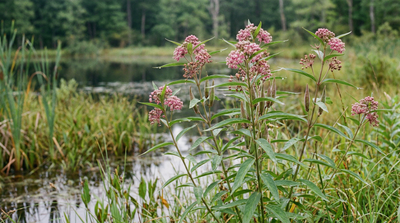
Swamp Milkweed
Asclepias incarnata
Host plant for caterpillars of the Monarch butterfly. The flowers are an excellent nectar source for a wide variety of native pollinators.
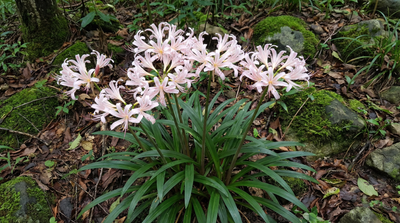
Sweet-flag
Acorus americanus
Provides habitat and shelter for wetland insects, amphibians, and small aquatic animals. The dense clumps offer protective cover. Its root system helps with soil stabilization.
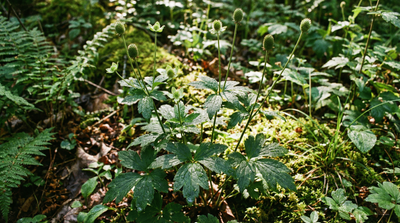
Tall Thimbleweed
Anemone virginiana
The foliage contains a chemical that repels insects and mammalian browsers.
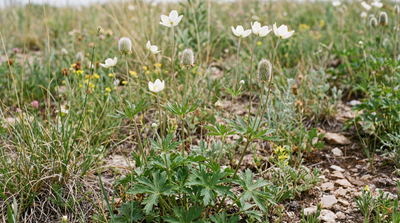
Thimbleweed
Anemone cylindrica
Excellent for stabilizing slopes and preventing soil erosion.
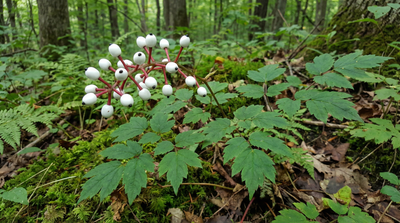
White Baneberry
Actaea pachypoda
Supports biodiversity by attracting various pollinators. The berries are eaten by a variety of birds.
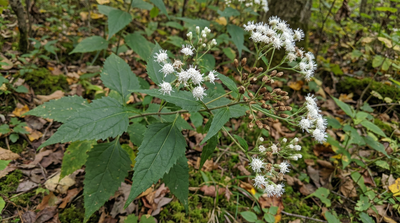
White Snakeroot
Ageratina altissima
Provides a late-season nectar source for pollinators. It is deer-resistant.
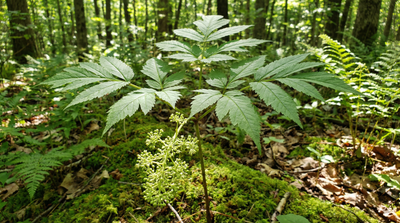
Wild Sarsaparilla
Aralia nudicaulis
Provides forage for wildlife such as white-tailed deer. The fruits attract several bird species.
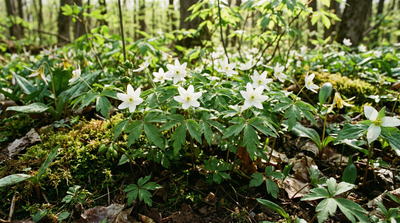
Wood Anemone
Anemone quinquefolia
Provides food and habitat for a variety of native invertebrates. Its nectar and pollen attract early-season pollinators.
Woolly Milkweed
Asclepias lanuginosa
Larval host plant for the monarch butterfly. Supports a variety of native pollinators.