Native Plants of New Mexico
Native plants of New Mexico are adapted to the state's arid climate with hot days and cool nights. These species require minimal irrigation and support desert wildlife.
Annual Agoseris
Agoseris heterophylla
Colonizer of disturbed habitats. Provides forage for sage grouse.
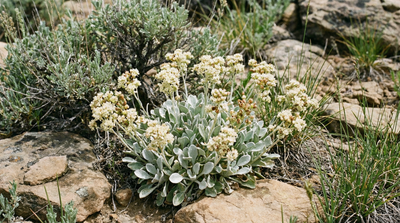
Antelope-Sage Buckwheat
Eriogonum jamesii
Pioneer species that improves soil quality for other plants. Forage for deer and other grazing animals.
Arizona Alder
Alnus oblongifolia
Plays a vital role in nutrient cycling and soil stabilization through its symbiotic association with nitrogen-fixing bacteria. Its spreading root system can prevent or reduce erosion on riverbanks.
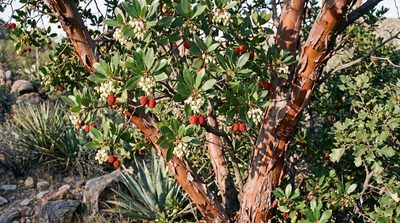
Arizona Madrone
Arbutus arizonica
Important species within the oak-pine woodland. Provides food and shelter for many animals.
Arizona Threeawn
Aristida arizonica
Important component of prairie and grassland ecosystems.
Beautiful Gilia
Aliciella formosa
Supports a community of organisms like fungi, bacteria, and insects.
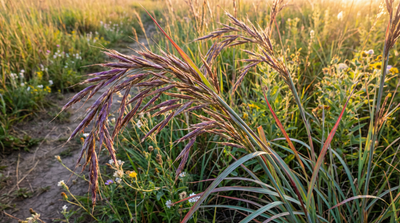
Big Bluestem
Andropogon gerardii
Dominant grass of the tallgrass prairie. Provides shelter and nesting material for birds and insects. Host plant for several butterfly species.
Bigelow's Onion
Allium bigelovii
Attracts and supports local pollinators.
Bigelow's Sagebrush
Artemisia bigelovii
Provides important shelter and food for a number of wildlife species.
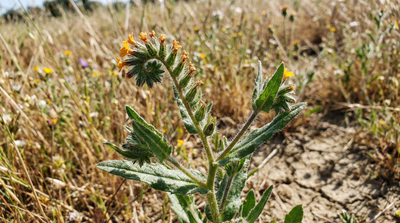
Bristly Fiddleneck
Amsinckia tessellata
One of the first plants to return after soil disturbance.
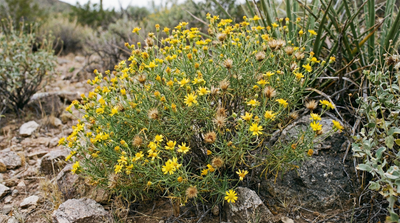
Broom Snakeweed
Gutierrezia sarothrae
Provides winter browse for some wildlife and is a food source for jackrabbits.
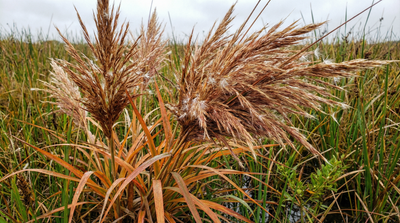
Bushy Bluestem
Andropogon glomeratus
Food source and cover for birds and other wildlife. Host plant for several butterfly and moth larvae.
Carruth's Sagewort
Artemisia carruthii
Serves as a critical habitat and food resource for many animals and invertebrates.
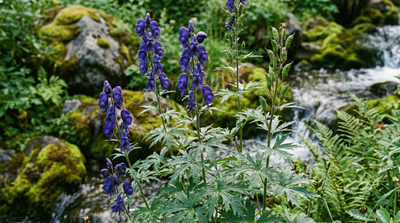
Columbian Monkshood
Aconitum columbianum
The plant is highly toxic, which deters most herbivores.
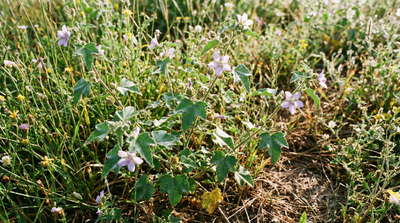
Crested Anoda
Anoda cristata
Opportunistic species that can be a weed in agricultural settings.
Desert Columbine
Aquilegia desertorum
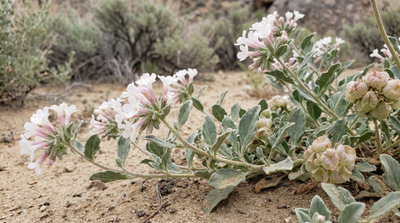
Fragrant Sand-verbena
Abronia fragrans
Seeds are consumed by a wide variety of granivorous birds and small mammals.
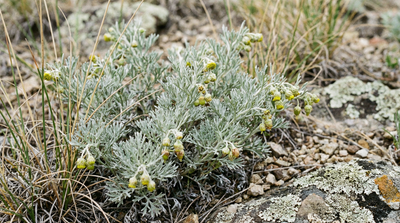
Fringed Sagebrush
Artemisia frigida
Stabilizes soils, supports prairie biodiversity, and provides food for small mammals and birds. Host plant for several species of butterflies and moths.
Golden Columbine
Aquilegia chrysantha
Provides shelter and a food source for local fauna.
Goodding's Onion
Allium gooddingii
Host plant for the Hairstreak butterfly.
Greene's Trefoil
Acmispon neomexicanus
Host plant for various butterfly and moth species.
Havard's Threeawn
Aristida havardii
Provides habitat and food for a variety of wildlife.
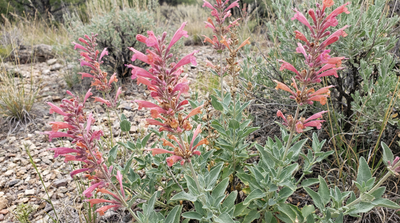
Hummingbird Mint
Agastache cana
Attracts a wide variety of pollinators.
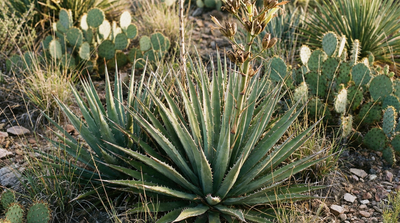
Lechuguilla
Agave lechuguilla
Indicator species for the Chihuahuan Desert. Stabilizes soil, preventing erosion. Provides forage and habitat for wildlife like mule deer, but is poisonous to domestic livestock.
Mexican Yellowshow
Amoreuxia palmatifida
The plant is a food source for fauna and domestic livestock.
Northern Rockjasmine
Androsace septentrionalis
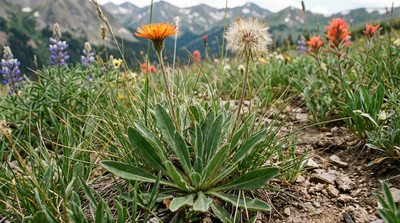
Orange Agoseris
Agoseris aurantiaca
Important nectar source for many butterfly species.
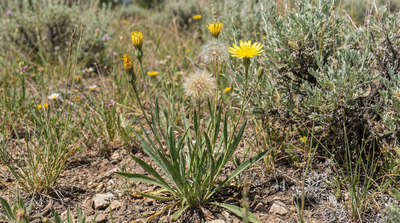
Pale Agoseris
Agoseris glauca
Provides nectar and pollen for a variety of pollinators. Provides early-season fluff for bird nests.
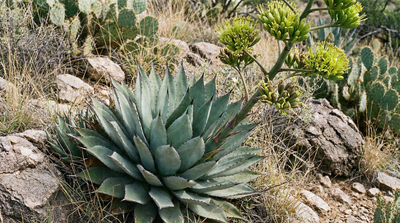
Palmer's Agave
Agave palmeri
Keystone species that provides a crucial nectar source for the endangered lesser long-nosed bat and other wildlife. It is also a larval host for the Arizona giant-skipper butterfly.
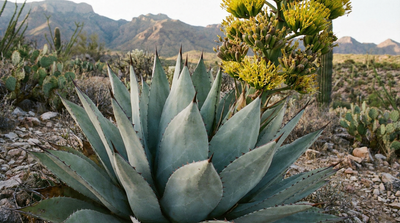
Parry's Agave
Agave parryi
Keystone species that supports many pollinators, providing habitat and food.
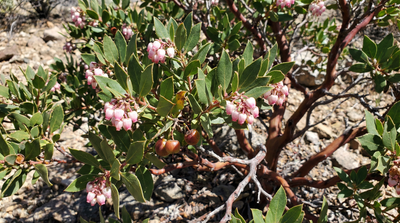
Pointleaf Manzanita
Arctostaphylos pungens
Provides critical cover and habitat structure for wildlife, including deer, quail, and bears. Berries are eaten by small mammals and ground birds.
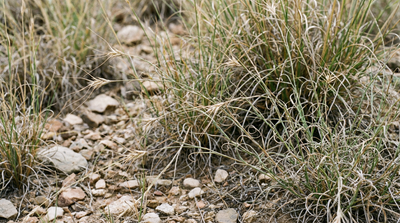
Poverty Threeawn
Aristida divaricata
Useful for erosion control.
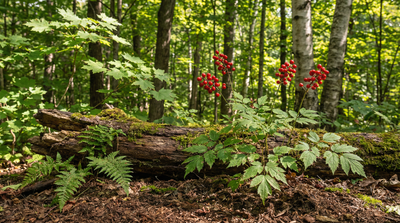
Red Baneberry
Actaea rubra
Berries are a food source for birds and small mammals. The plant's root system helps to stabilize soil.
Rhizome Onion
Allium rhizomatum
The plant is said to repel insects.
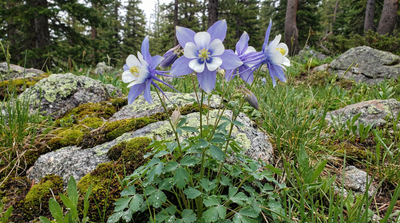
Rocky Mountain Columbine
Aquilegia coerulea
Supports pollinator diversity.
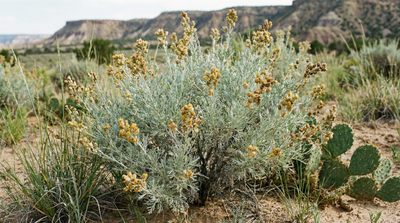
Sand Sagebrush
Artemisia filifolia
Stabilizes sandy soils and provides habitat and forage for wildlife, including browsing by deer and shelter for birds. It is an important habitat for lesser prairie-chickens.
Schott's Century Plant
Agave schottii
Keystone species that provides food and habitat for a variety of wildlife.
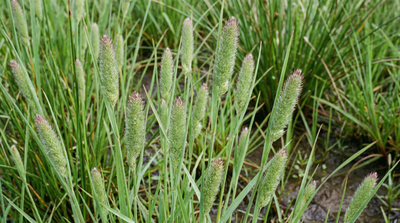
Shortawn Foxtail
Alopecurus aequalis
Valuable food source for many species of birds and small mammals. It can also help prevent soil erosion.
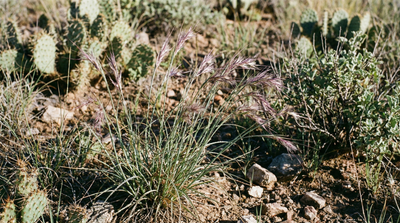
Sixweeks Threeawn
Aristida adscensionis
Pioneering species that easily colonizes bare ground, waste and disturbed lands. It is useful for erosion control.
Small-leaf Pussytoes
Antennaria parvifolia
Serves as an early successional colonizer on disturbed sites. The dense mats they form help stabilize the soil and reduce erosion. It is a larval host plant for the painted lady butterfly.
Southwestern Prickly Poppy
Argemone pleiacantha
Contributes to the biodiversity and ecological health of the areas where it grows.
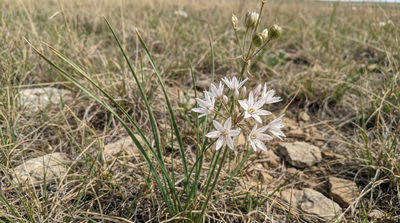
Textile Onion
Allium textile
Emerge early in the spring when other forage is limited and is readily grazed by livestock.
Thurber's Desertpeony
Acourtia thurberi
Larval host for the Snout butterfly. Its roots help stabilize soils, reducing erosion.
Tuber Anemone
Anemone tuberosa
Contributes to understory diversity in arid and semi-arid rangeland restoration projects.
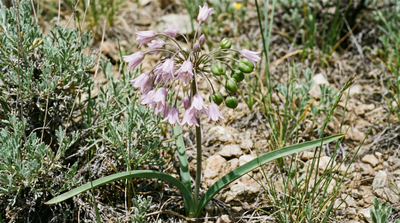
Twincrest Onion
Allium bisceptrum
The juice of the plant is a moth repellent. The whole plant is said to repel insects and moles.
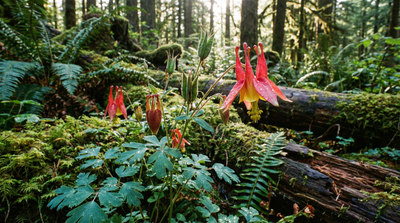
Western Columbine
Aquilegia formosa
Good nectar source for hummingbirds, bees, and butterflies. Seeds are consumed by finches.
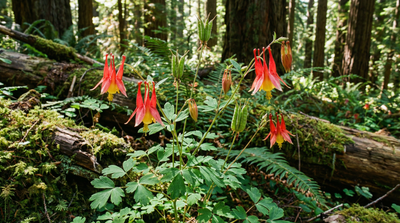
Western Red Columbine
Aquilegia elegantula
Early spring nectar source for hummingbirds. Foliage serves as a food source for the caterpillars of several butterflies and moths.
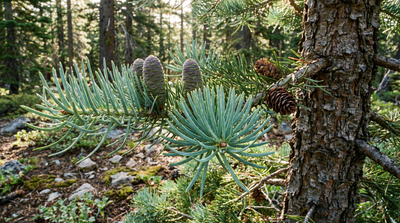
White Fir
Abies concolor
Provides food, cover, and nesting sites for various mammals and birds.
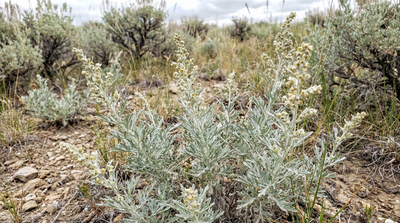
White Sagebrush
Artemisia ludoviciana
Stabilizes soils against erosion and provides forage and cover for wildlife, including pronghorn, elk, and grasshoppers. Provides nesting material for native bees.
Woolly Bluestar
Amsonia tomentosa
Supports pollinators and is a host plant for several butterfly and moth caterpillars.
Wright's Dogweed
Adenophyllum wrightii
Provides habitat for a variety of desert wildlife.