Native Plants of New York
Native plants of New York support ecosystems from mountain forests to coastal plains. These species are adapted to cold winters and humid summers.
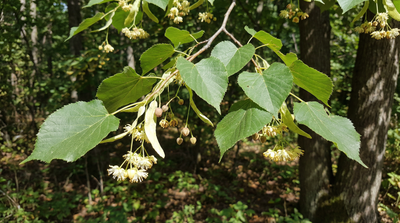
American Basswood
Tilia americana
Premier bee tree producing abundant nectar; basswood honey is prized; supports diverse insect community
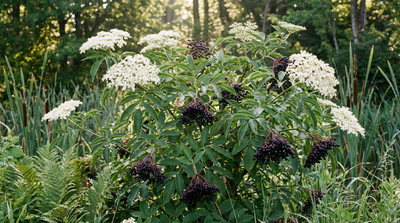
American Elderberry
Sambucus nigra ssp. canadensis
Produces abundant berries eaten by many bird species; flowers provide nectar for diverse pollinators
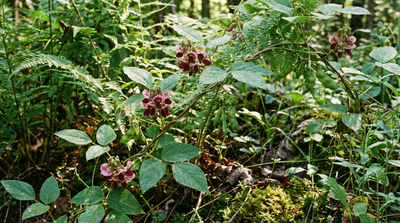
American Groundnut
Apios americana
Nitrogen-fixing legume; fragrant flowers attract pollinators; edible tubers provide wildlife food
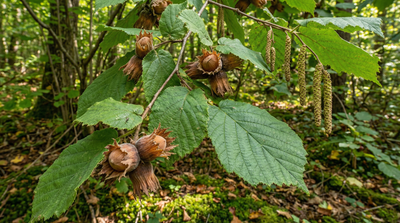
American Hazelnut
Corylus americana
Produces edible nuts eaten by many wildlife species; important early pollen source; provides dense cover
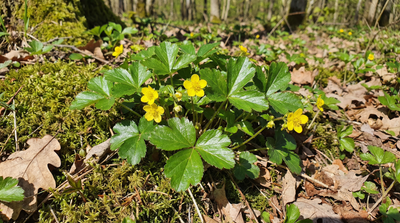
Barren Strawberry
Waldsteinia fragarioides
Native groundcover alternative to invasive species; yellow flowers in spring; spreads by stolons
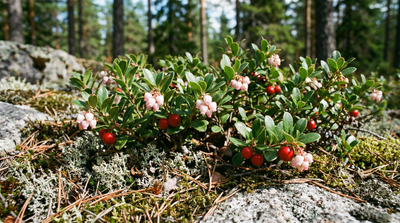
Bearberry
Arctostaphylos uva-ursi
Evergreen groundcover providing year-round cover; berries eaten by bears, birds, and other wildlife
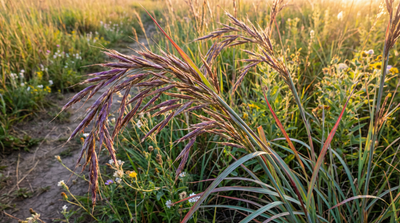
Big Bluestem
Andropogon gerardii
Dominant grass of tallgrass prairie; provides cover and seeds for birds; deep roots improve soil structure
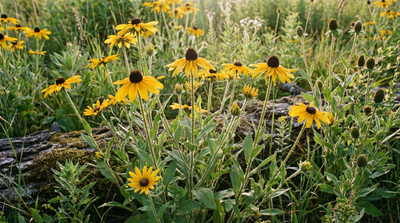
Black-eyed Susan
Rudbeckia hirta
Prolific bloomer providing sustained nectar through summer; seeds eaten by goldfinches and other birds
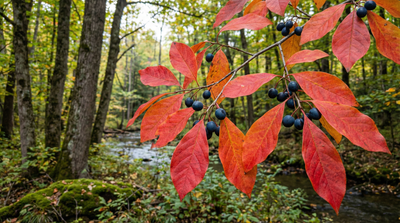
Black Gum
Nyssa sylvatica
Spectacular fall color; fruit eaten by many bird species; excellent nectar source for bees; very long-lived
Blackhaw
Viburnum prunifolium
Produces abundant berries eaten by many bird species; important spring nectar source; larval host for spring azure
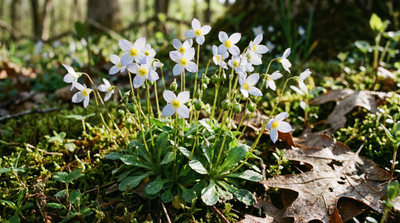
Bluets
Houstonia caerulea
Tiny spring wildflower forming delicate carpets of pale blue; early nectar source for small pollinators
Blue Vervain
Verbena hastata
Long-blooming summer flower supporting diverse pollinators; candelabra-like flower spikes bloom progressively
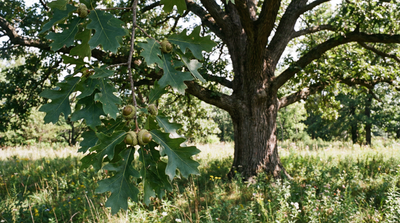
Bur Oak
Quercus macrocarpa
Keystone species supporting over 500 species of caterpillars; acorns critical food for wildlife; very long-lived
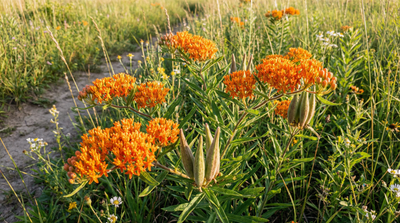
Butterfly Milkweed
Asclepias tuberosa
Monarch host plant adapted to dry conditions; brilliant orange flowers attract diverse pollinators; deep taproot makes it drought tolerant
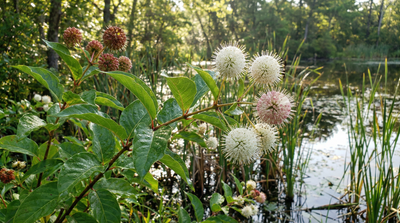
Buttonbush
Cephalanthus occidentalis
Unique spherical flowers attract diverse pollinators; important wetland shrub; seeds eaten by waterfowl
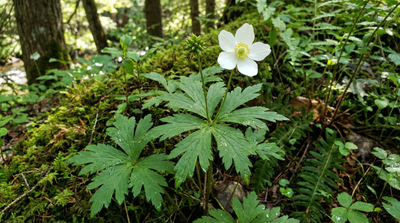
Canada Anemone
Anemone canadensis
Early summer bloomer providing pollen for native bees; forms dense colonies that stabilize soil
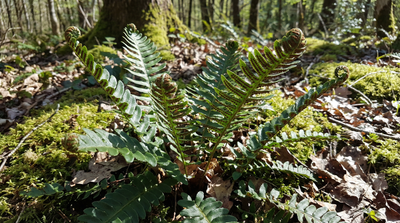
Christmas Fern
Polystichum acrostichoides
Evergreen fern providing year-round cover; fronds used by birds for nesting material; indicator of rich woods
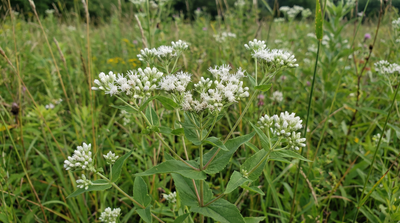
Common Boneset
Eupatorium perfoliatum
Important late-summer nectar source; distinctive perfoliate leaves make it easy to identify; supports diverse pollinators
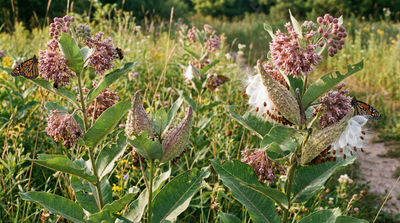
Common Milkweed
Asclepias syriaca
Essential host plant for monarch butterfly caterpillars; keystone species for pollinator conservation in the Northeast; provides critical nectar for dozens of bee and butterfly species
Culver's Root
Veronicastrum virginicum
Elegant spires of white flowers attract diverse pollinators; important component of tallgrass prairie restoration
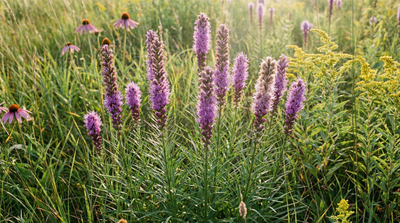
Dense Blazing Star
Liatris spicata
Distinctive purple spikes bloom from top to bottom; critical nectar source for monarch butterflies during migration
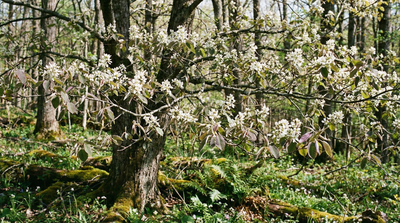
Downy Serviceberry
Amelanchier arborea
Very early bloomer providing critical nectar for emerging bees; edible berries eaten by many bird species
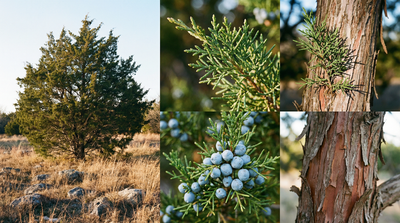
Eastern Red Cedar
Juniperus virginiana
Important wildlife tree; berry-like cones eaten by cedar waxwings and many birds; provides winter cover
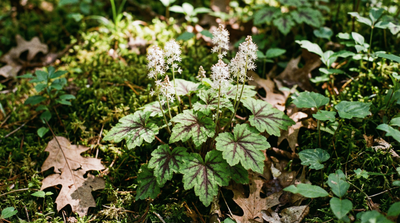
Foamflower
Tiarella cordifolia
Important spring ephemeral providing early nectar for woodland pollinators; spreads to form attractive groundcover
Foxglove Beardtongue
Penstemon digitalis
Important early summer nectar source for native bees; tubular flowers perfectly shaped for bumble bee pollination
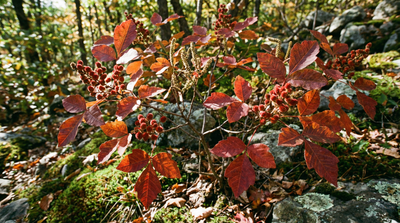
Fragrant Sumac
Rhus aromatica
Very early bloomer providing nectar for emerging bees; berries eaten by birds; excellent fall color
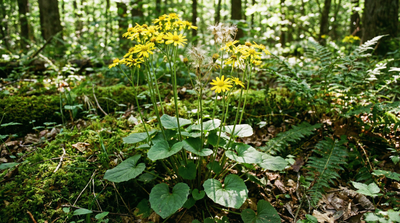
Golden Ragwort
Packera aurea
Very early bloomer providing critical nectar for emerging spring pollinators; semi-evergreen groundcover
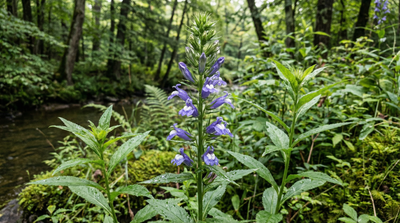
Great Blue Lobelia
Lobelia siphilitica
Late summer bloomer providing nectar when many other flowers have finished; important bumble bee plant
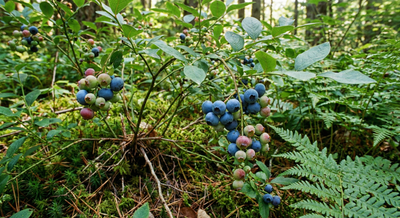
Highbush Blueberry
Vaccinium corymbosum
Produces abundant berries eaten by many bird and mammal species; important early nectar source; spectacular fall color
Joe-Pye Weed
Eutrochium fistulosum
Towering late-summer bloomer providing critical nectar for migrating monarchs and other butterflies; supports numerous specialist pollinators
Lanceleaf Coreopsis
Coreopsis lanceolata
Long-blooming summer flower providing sustained nectar; cheerful yellow flowers attract diverse pollinators
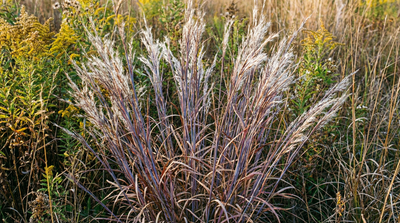
Little Bluestem
Schizachyrium scoparium
Important warm-season grass providing cover and seeds for birds; beautiful bronze-red fall color
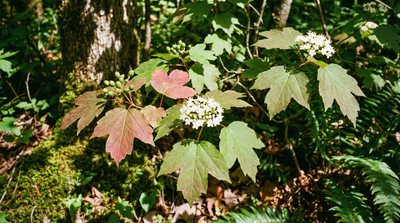
Maple-leaved Viburnum
Viburnum acerifolium
Important understory shrub providing berries for birds; maple-like leaves turn pink to purple in fall
Nannyberry
Viburnum lentago
Produces abundant berries persisting into winter; important food source for birds; supports diverse insect community
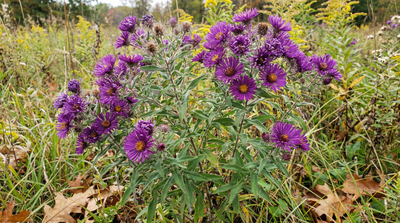
New England Aster
Symphyotrichum novae-angliae
Critical late-season nectar source for migrating monarchs and other pollinators preparing for winter; one of the last major bloom events of the season
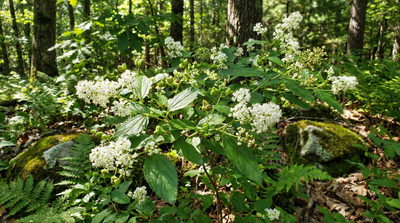
New Jersey Tea
Ceanothus americanus
Important nitrogen-fixing shrub; supports diverse pollinator community; larval host for spring azure and mottled duskywing
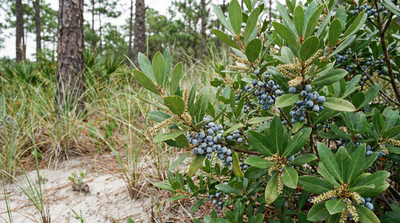
Northern Bayberry
Morella caroliniensis
Important coastal shrub; waxy berries eaten by yellow-rumped warblers and other birds; nitrogen-fixing
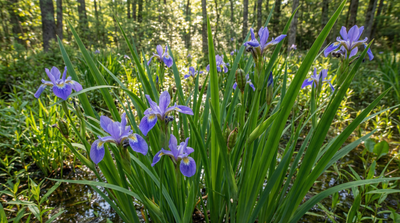
Northern Blue Flag
Iris versicolor
Important wetland plant providing structure and nectar; sword-shaped leaves remain attractive all season
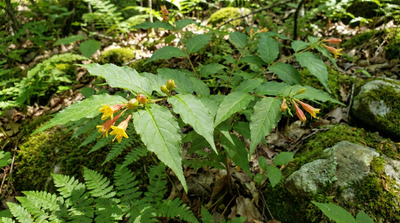
Northern Bush Honeysuckle
Diervilla lonicera
Native alternative to invasive honeysuckles; yellow flowers attract pollinators; spreads to form colonies
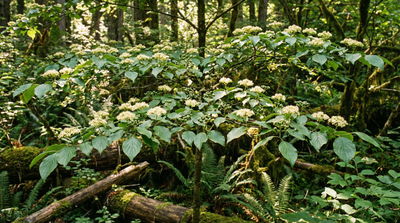
Pagoda Dogwood
Cornus alternifolia
Distinctive horizontal branching pattern; berries eaten by many bird species; supports diverse insect community
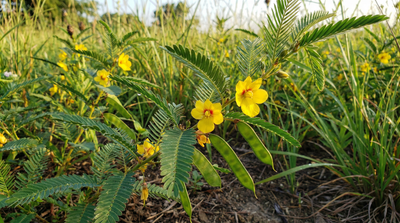
Partridge Pea
Chamaecrista fasciculata
Annual legume that fixes nitrogen; important larval host for sulfur butterflies; provides late-season nectar
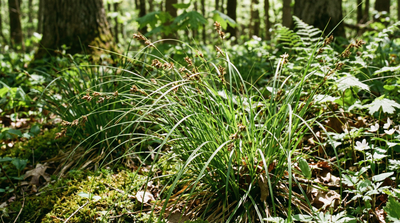
Pennsylvania Sedge
Carex pensylvanica
Important native groundcover providing habitat for ground-nesting insects; good lawn alternative
Prairie Dropseed
Sporobolus heterolepis
Elegant bunch grass with fragrant seed heads; important component of prairie restoration; very long-lived
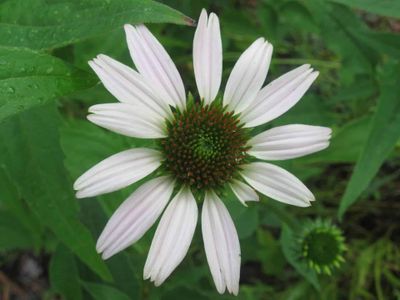
Purple Coneflower
Echinacea purpurea
Long-blooming summer flower supporting diverse pollinators; seeds provide winter food for goldfinches
Pussy Willow
Salix discolor
Very early bloomer providing critical pollen and nectar for emerging bees; fuzzy catkins appear before leaves
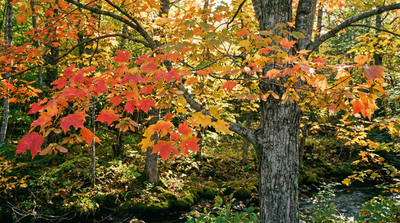
Red Maple
Acer rubrum
Very early bloomer providing critical pollen and nectar for emerging bees; brilliant fall color; seeds eaten by wildlife
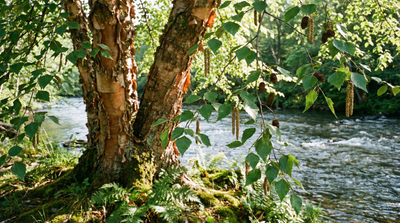
River Birch
Betula nigra
Fast-growing native tree for wet sites; exfoliating bark provides winter interest; supports diverse insect community
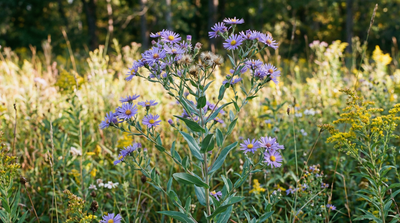
Smooth Blue Aster
Symphyotrichum laeve
Important late-season pollinator plant; smooth, waxy leaves make it more drought tolerant than other asters
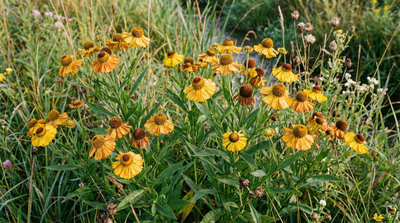
Sneezeweed
Helenium autumnale
Late summer to fall bloomer providing nectar when many other flowers have finished; important for migrating butterflies
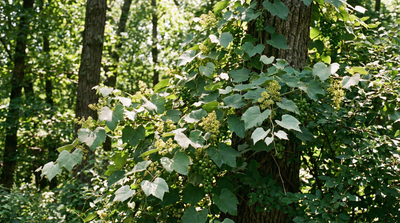
Summer Grape
Vitis aestivalis
Grapes eaten by many bird and mammal species; provides cover; parent of several wine grape varieties
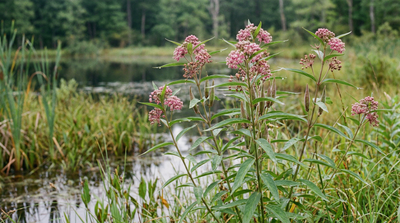
Swamp Milkweed
Asclepias incarnata
Critical monarch butterfly host plant for wetland habitats; clumping growth habit makes it ideal for rain gardens and restoration projects
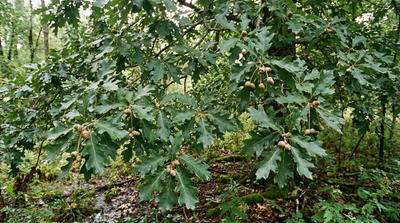
Swamp White Oak
Quercus bicolor
Important wetland tree supporting diverse wildlife; acorns eaten by waterfowl, deer, and other animals
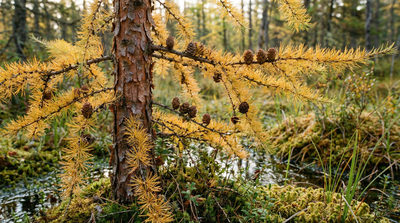
Tamarack
Larix laricina
Deciduous conifer with brilliant yellow fall color; supports specialized bog ecosystem; seeds eaten by birds
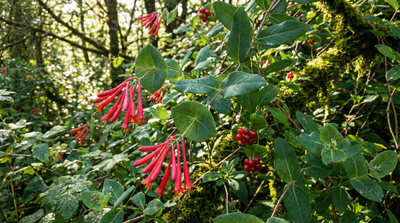
Trumpet Honeysuckle
Lonicera sempervirens
Premier hummingbird plant; native alternative to invasive honeysuckles; long bloom period
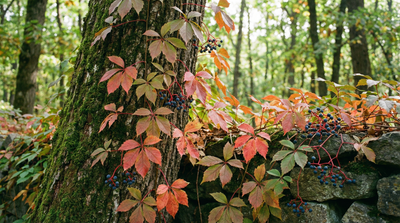
Virginia Creeper
Parthenocissus quinquefolia
Berries eaten by many bird species; spectacular red fall color; provides cover for wildlife
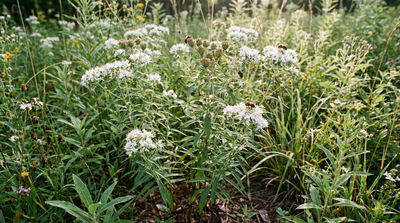
Virginia Mountain Mint
Pycnanthemum virginianum
One of the best native plants for pollinators; aromatic foliage deters deer and rabbits; supports specialist bees
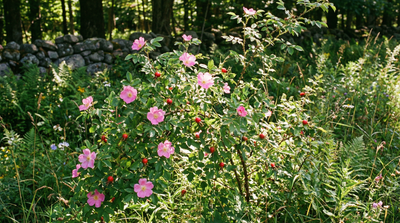
Virginia Rose
Rosa virginiana
Provides nectar for pollinators, rose hips for birds, and cover for wildlife; larval host for many moths
Virgin's Bower
Clematis virginiana
Abundant white flowers in late summer; fluffy seed heads persist into winter; supports diverse pollinators
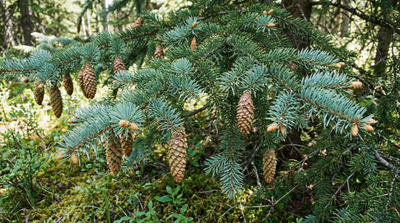
White Spruce
Picea glauca
Important component of northern forest ecosystem; provides year-round cover for wildlife; seeds eaten by birds
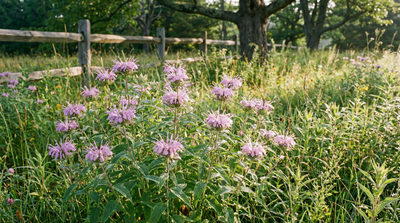
Wild Bergamot
Monarda fistulosa
Premier pollinator plant supporting over 100 species of native bees; aromatic foliage deters deer; spreads to form colonies that provide sustained bloom
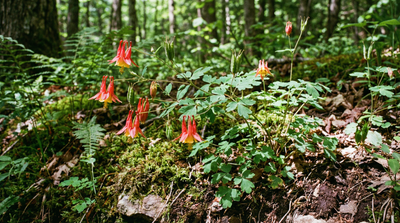
Wild Columbine
Aquilegia canadensis
Critical early-season nectar source for ruby-throated hummingbirds returning from migration; also supports early bees
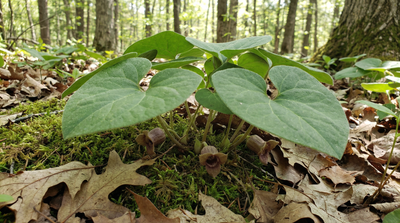
Wild Ginger
Asarum canadense
Important woodland groundcover; heart-shaped leaves create dense cover; pollinated by ground-dwelling insects
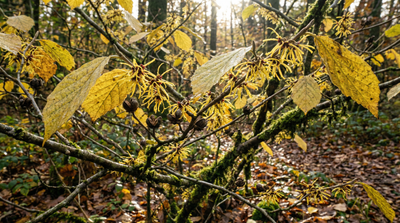
Witch Hazel
Hamamelis virginiana
Unique late fall bloomer providing nectar when almost nothing else is flowering; supports specialized moth pollinators
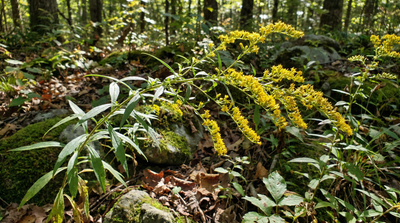
Wreath Goldenrod
Solidago caesia
Important shade-tolerant pollinator plant; provides late-season nectar in woodland habitats where few other flowers bloom
Wrinkleleaf Goldenrod
Solidago rugosa
Critical late-season nectar and pollen source; supports over 100 species of insects including specialist bees