Native Plants of North Carolina
Native plants of North Carolina support incredibly diverse ecosystems from mountain coves to coastal marshes. These species are adapted to the state's humid climate.
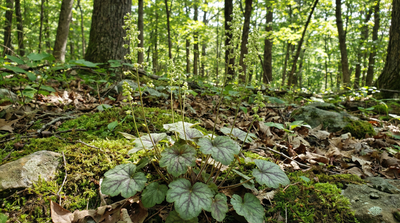
Alumroot
Heuchera americana
Evergreen foliage provides year-round interest; small flowers attract diverse small pollinators; excellent for rock gardens
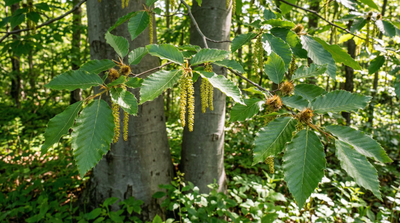
American Beech
Fagus grandifolia
Beechnuts critical food for wildlife including bears, turkeys, and squirrels; smooth bark distinctive; forms clonal colonies
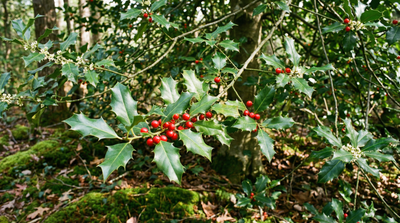
American Holly
Ilex opaca
Red berries critical winter food for birds; evergreen foliage provides year-round cover; dioecious (male and female plants needed)
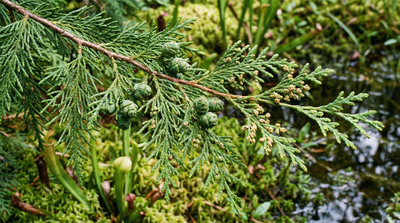
Atlantic White Cedar
Chamaecyparis thyoides
Provides critical habitat for Hessel's hairstreak butterfly (specialist); important component of pocosin ecosystems unique to North Carolina
Bald Cypress
Taxodium distichum
Provides critical habitat for prothonotary warblers and other cavity nesters; stabilizes wetland soils; extremely long-lived (1,000+ years)
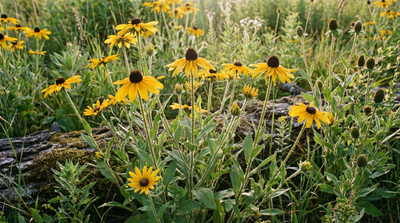
Black-Eyed Susan
Rudbeckia hirta
Long bloom period from June through frost; seeds eaten by goldfinches; supports diverse pollinator community; excellent for meadow restoration
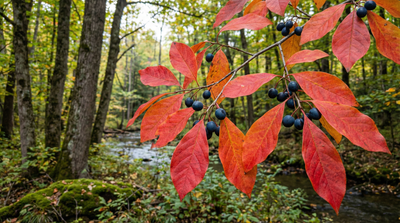
Black Tupelo
Nyssa sylvatica
Berries eaten by over 30 bird species; important honey tree; spectacular scarlet fall color; provides nesting cavities
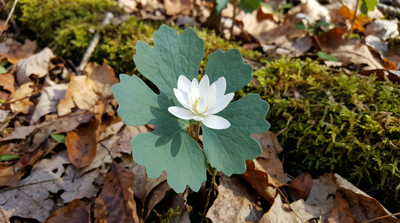
Bloodroot
Sanguinaria canadensis
Early spring ephemeral providing nectar when few other flowers bloom; unique wrapped leaf emergence; seeds dispersed by ants
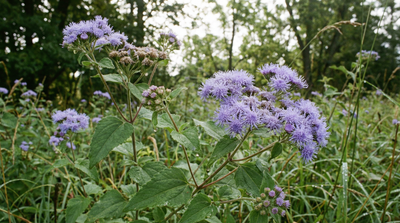
Blue Mistflower
Conoclinium coelestinum
Late summer to fall bloomer providing critical nectar for migrating butterflies; native alternative to invasive Ageratum
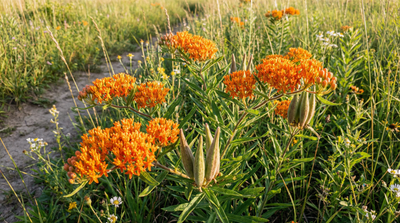
Butterfly Milkweed
Asclepias tuberosa
Critical monarch butterfly larval host plant; unlike other milkweeds, has clear sap rather than milky; supports specialist milkweed beetles and bugs
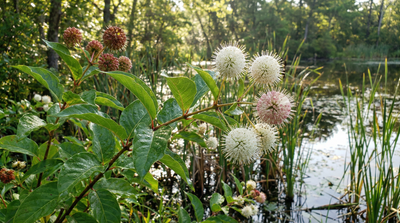
Buttonbush
Cephalanthus occidentalis
Unique spherical flower heads attract diverse pollinators; seeds eaten by waterfowl; provides cover for wetland wildlife; excellent for rain gardens
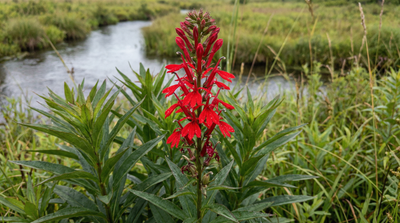
Cardinal Flower
Lobelia cardinalis
Primary hummingbird plant with brilliant red tubular flowers; blooms during fall hummingbird migration; short-lived perennial that reseeds
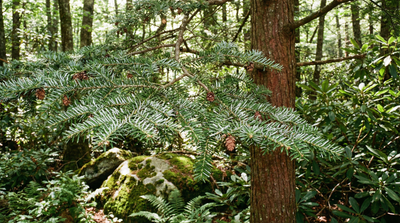
Carolina Hemlock
Tsuga caroliniana
North Carolina endemic found nowhere else in the world; provides critical year-round cover for wildlife; seeds eaten by crossbills and siskins; one of the rarest conifers in eastern North America
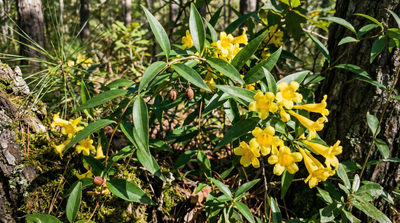
Carolina Jessamine
Gelsemium sempervirens
One of the first spring bloomers providing critical early nectar; all parts toxic to mammals but important for pollinators; state flower of South Carolina
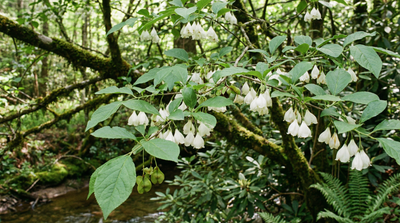
Carolina Silverbell
Halesia tetraptera
Beautiful spring-blooming understory tree; bell-shaped flowers provide early nectar; winged fruits eaten by squirrels; important component of diverse cove forests
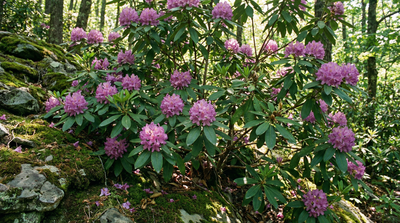
Catawba Rhododendron
Rhododendron catawbiense
Iconic Southern Appalachian species creating spectacular June blooms; provides critical cover for wildlife; evergreen foliage offers winter shelter; defines the character of high-elevation Southern Appalachian forests
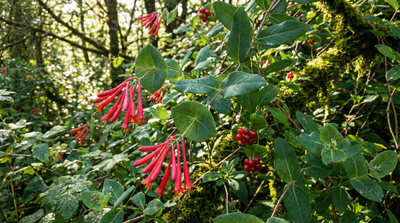
Coral Honeysuckle
Lonicera sempervirens
Primary hummingbird vine with tubular red flowers; blooms spring through fall; berries eaten by birds; non-invasive native alternative to Japanese honeysuckle
Cross Vine
Bignonia capreolata
Early spring bloomer providing nectar for hummingbirds; tubular flowers attract diverse pollinators; semi-evergreen foliage
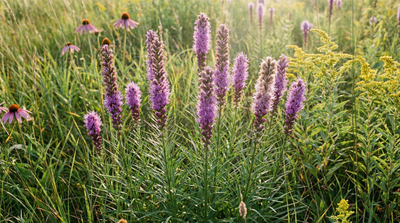
Dense Blazing Star
Liatris spicata
Unique top-down blooming attracts diverse pollinators over extended period; corms eaten by wildlife; important late-summer nectar source
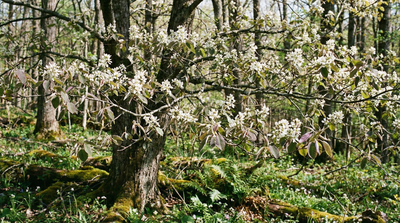
Downy Serviceberry
Amelanchier arborea
Early spring bloomer providing critical nectar; berries eaten by over 40 bird species; larval host for striped hairstreak and viceroy butterflies
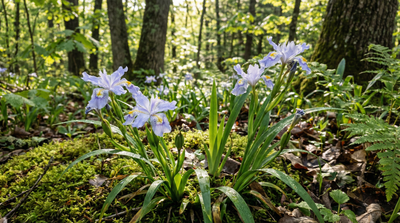
Dwarf Crested Iris
Iris cristata
Early spring bloomer in woodland settings; provides nectar for emerging bees; excellent groundcover for shaded areas
Eastern Bluestar
Amsonia tabernaemontana
Steel-blue flowers in spring; excellent fall foliage; deer-resistant; long-lived perennial
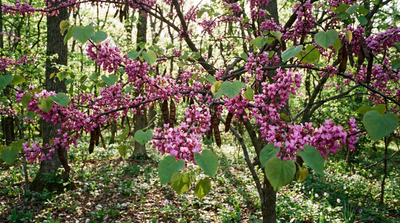
Eastern Redbud
Cercis canadensis
Early spring bloomer providing critical nectar for emerging bees; flowers edible; nitrogen-fixing legume; supports Henry's elfin butterfly
Eastern Smooth Beardtongue
Penstemon laevigatus
Tubular flowers attract diverse pollinators; important late spring nectar source; supports specialist bees
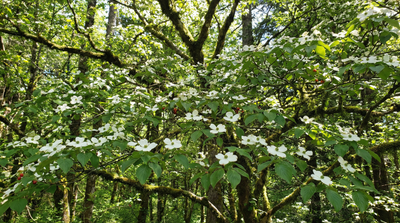
Flowering Dogwood
Cornus florida
North Carolina State Flower; red berries critical fall food for migrating birds; supports 117 caterpillar species; calcium-rich leaves improve soil fertility
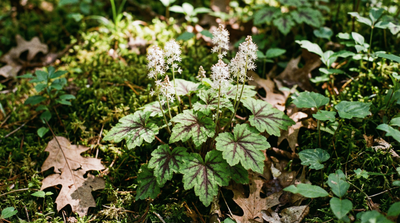
Foamflower
Tiarella cordifolia
Early spring bloomer with foam-like white flower spikes; excellent woodland groundcover; supports diverse small pollinators
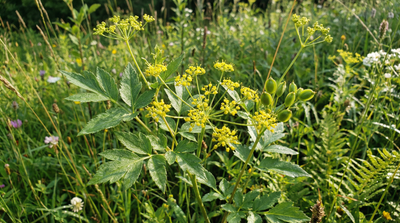
Golden Alexanders
Zizia aurea
Critical larval host for black swallowtail butterfly; early spring bloomer providing nectar when few other sources available; supports diverse small pollinators
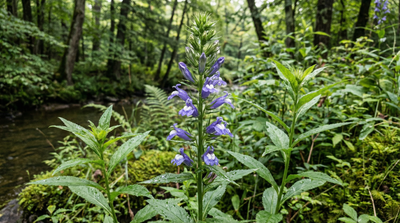
Great Blue Lobelia
Lobelia siphilitica
Complements cardinal flower with blue blooms; important late-summer nectar source; attracts diverse bee species
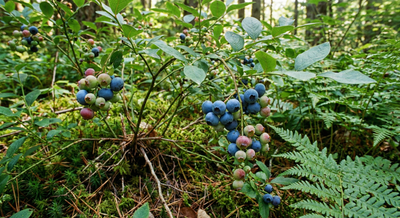
Highbush Blueberry
Vaccinium corymbosum
Supports specialist bees; berries critical food for birds and mammals; larval host for striped hairstreak butterfly; parent of cultivated blueberries
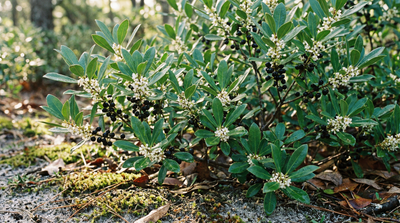
Inkberry
Ilex glabra
Black berries persist through winter providing food for birds; evergreen foliage provides year-round cover; excellent for wet sites
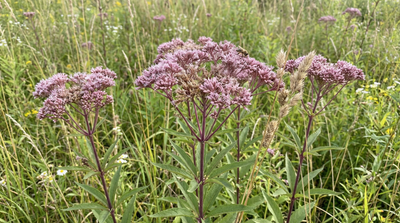
Joe Pye Weed
Eutrochium fistulosum
Towering late-summer bloomer reaching 7+ feet; critical nectar source for migrating monarchs; supports diverse pollinator community
Large-Flowered Trillium
Trillium grandiflorum
Iconic spring wildflower of Southern Appalachian cove forests; seeds dispersed by ants; indicator of high-quality forest
Large Fothergilla
Fothergilla major
Fragrant white bottlebrush flowers in spring; spectacular fall color; native to Southern Appalachians; supports diverse pollinators
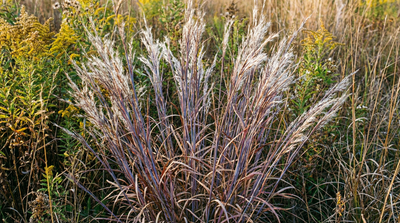
Little Bluestem
Schizachyrium scoparium
Larval host for skipper butterflies; provides cover and nesting sites for ground-nesting birds; seeds eaten by sparrows; beautiful fall color
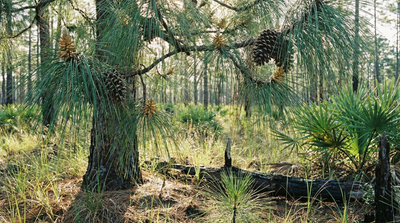
Longleaf Pine
Pinus palustris
Keystone species of the longleaf pine ecosystem supporting 900+ plant and animal species; provides habitat for red-cockaded woodpecker (endangered) and many rare plants
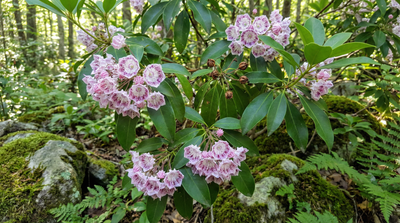
Mountain Laurel
Kalmia latifolia
Evergreen shrub providing year-round cover; unique spring-loaded pollen mechanism ensures pollinator contact; toxic to livestock but important wildlife cover
Narrowleaf Mountain Mint
Pycnanthemum tenuifolium
Premier pollinator plant supporting over 50 species of native bees; aromatic foliage deer-resistant; provides sustained summer bloom
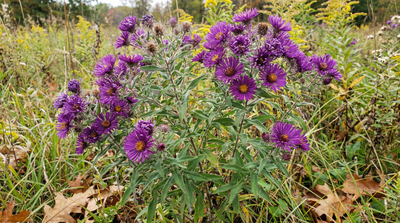
New England Aster
Symphyotrichum novae-angliae
Late-blooming aster providing critical fall nectar; deep purple flowers attract diverse pollinators; important for migrating butterflies
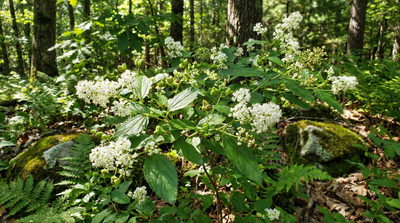
New Jersey Tea
Ceanothus americanus
Nitrogen-fixing shrub improving soil fertility; supports specialist bees; larval host for spring azure and mottled duskywing butterflies
New York Ironweed
Vernonia noveboracensis
Late-summer bloomer providing critical nectar for migrating butterflies; deep purple flowers attract diverse pollinators; seeds eaten by songbirds
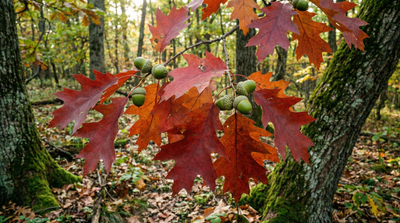
Northern Red Oak
Quercus rubra
Supports over 500 caterpillar species; acorns important wildlife food; provides habitat structure; important timber tree
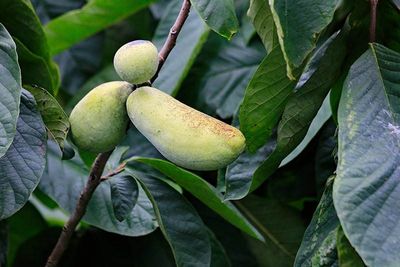
Pawpaw
Asimina triloba
Sole larval host for zebra swallowtail butterfly; largest native fruit in North America; forms clonal colonies
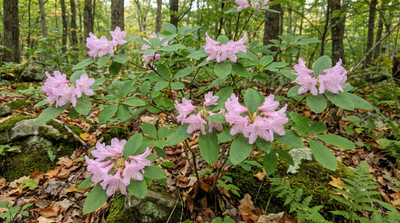
Pink Azalea
Rhododendron periclymenoides
Early spring bloomer providing nectar before leaves emerge; fragrant flowers attract diverse pollinators; important component of Piedmont and mountain forests
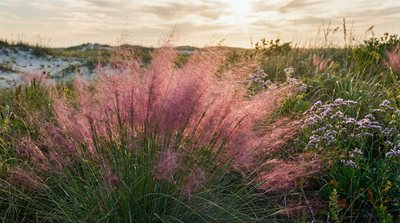
Pink Muhly Grass
Muhlenbergia capillaris
Spectacular pink flower plumes in fall; provides cover for ground-nesting birds; seeds eaten by sparrows
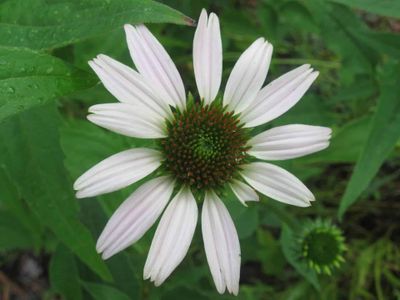
Purple Coneflower
Echinacea purpurea
Supports specialist bees; seeds eaten by goldfinches; long bloom period provides sustained nectar source; important for late-summer pollinators
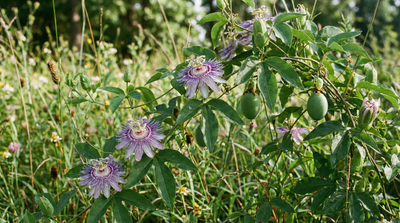
Purple Passionflower
Passiflora incarnata
Sole larval host for Gulf fritillary and variegated fritillary butterflies; unique intricate flowers; edible fruit (maypops)
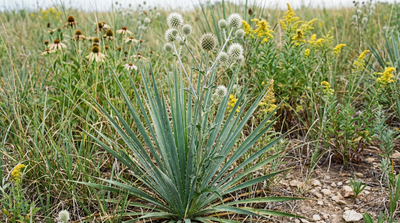
Rattlesnake Master
Eryngium yuccifolium
Unique yucca-like foliage with spherical flower heads; supports specialist bees; larval host for rattlesnake master borer moth
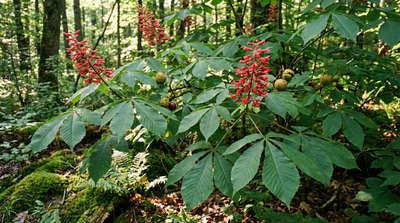
Red Buckeye
Aesculus pavia
Critical early spring nectar source for ruby-throated hummingbirds; one of first trees to leaf out; all parts toxic to livestock
Seashore Mallow
Kosteletzkya virginica
Pink hibiscus-like flowers attract diverse pollinators; tolerates challenging coastal conditions; important coastal wetland plant
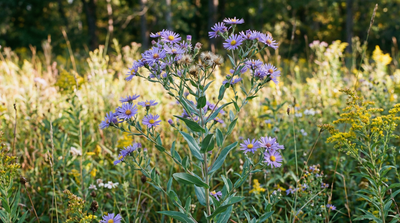
Smooth Blue Aster
Symphyotrichum laeve
Late-blooming aster with smooth, waxy foliage; provides fall nectar for migrating butterflies; supports diverse bee community
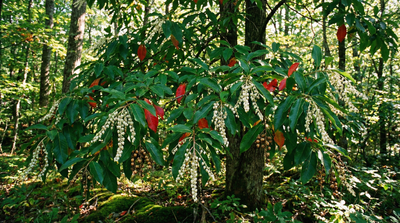
Sourwood
Oxydendrum arboreum
Premier honey tree of the Southern Appalachians producing highly prized sourwood honey; spectacular fall color; provides nectar during summer gap when few other trees bloom
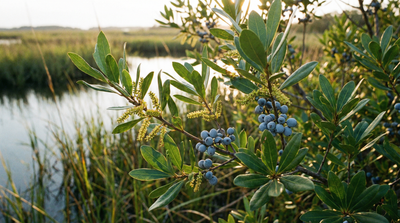
Southern Wax Myrtle
Morella cerifera
Nitrogen-fixing shrub improving soil fertility; waxy berries eaten by yellow-rumped warblers and other birds; provides cover for wildlife
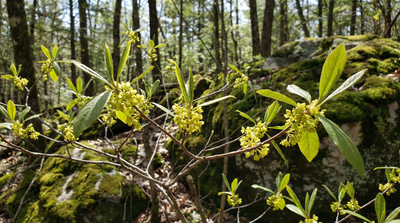
Spicebush
Lindera benzoin
Larval host for spicebush swallowtail butterfly; early spring flowers provide nectar when few other sources available; red berries eaten by birds
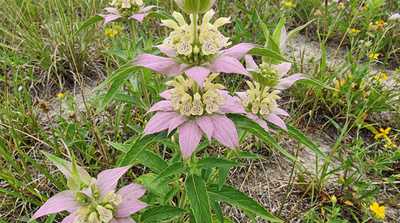
Spotted Beebalm
Monarda punctata
Supports specialist bees; whorled flower heads with showy bracts; excellent for sandy, difficult sites; important fall nectar source
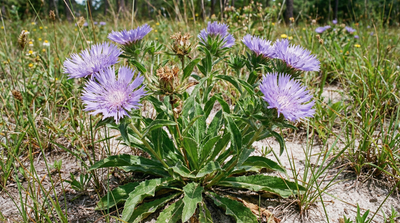
Stokes' Aster
Stokesia laevis
Large showy flowers attract diverse pollinators; long bloom period; evergreen foliage in mild winters
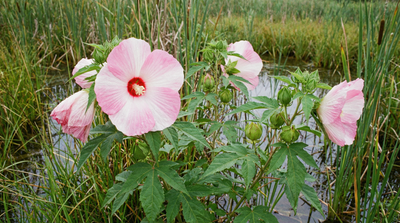
Swamp Rose Mallow
Hibiscus moscheutos
Spectacular dinner-plate sized flowers attract diverse pollinators; supports specialist bees; important wetland plant
Sweet Azalea
Rhododendron arborescens
Highly fragrant white flowers in late spring; blooms after most other azaleas; important component of Southern Appalachian riparian zones
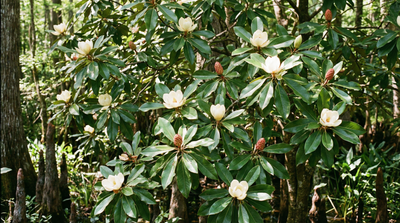
Sweetbay Magnolia
Magnolia virginiana
Fragrant white flowers attract diverse pollinators; red seeds eaten by birds; larval host for sweetbay silkmoth and tiger swallowtail
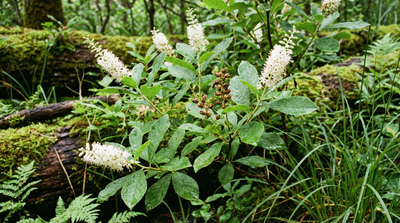
Sweet Pepperbush
Clethra alnifolia
Fragrant summer flowers attract diverse pollinators; provides cover and nesting sites for birds; important component of coastal wetlands
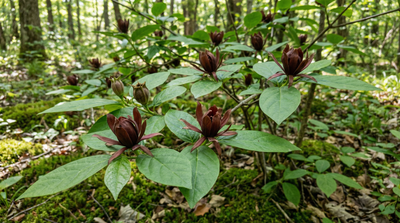
Sweetshrub
Calycanthus floridus
Unique maroon flowers with fruity fragrance; pollinated by beetles; provides cover for wildlife; interesting seed pods
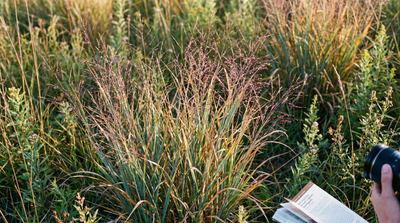
Switchgrass
Panicum virgatum
Larval host for skipper butterflies; provides cover for ground-nesting birds; deep roots improve soil structure; biofuel crop
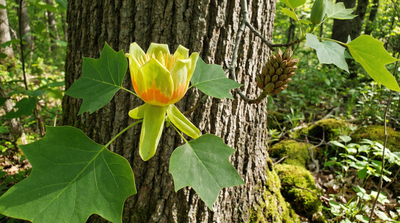
Tulip Poplar
Liriodendron tulipifera
Tallest eastern hardwood reaching 150+ feet; major nectar producer; seeds eaten by songbirds and squirrels; fast-growing pioneer species important for forest succession
Venus Flytrap
Dionaea muscipula
World-famous carnivorous plant found only in North Carolina and a tiny area of South Carolina; captures insects to supplement nutrients in poor soils; indicator of high-quality longleaf pine savanna
Virginia Spiderwort
Tradescantia virginiana
Long bloom period from spring through fall; flowers open in morning and close by afternoon; supports diverse bee community
Virginia Sweetspire
Itea virginica
Fragrant white flower spikes attract diverse pollinators; excellent fall color; spreads by suckers to form colonies
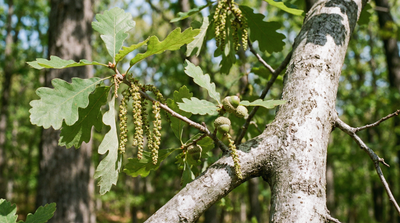
White Oak
Quercus alba
Keystone tree supporting over 500 caterpillar species; sweet acorns critical food for wildlife; provides habitat structure for countless organisms
White Wild Indigo
Baptisia alba
Nitrogen-fixing legume improving soil fertility; larval host for wild indigo duskywing and frosted elfin butterflies; long-lived perennial
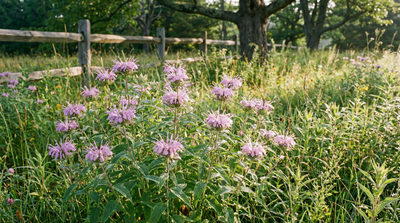
Wild Bergamot
Monarda fistulosa
Supports specialist bees; aromatic foliage deer-resistant; spreads to form colonies providing sustained bloom; important late-summer nectar source
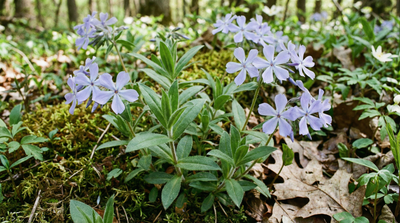
Wild Blue Phlox
Phlox divaricata
Early spring bloomer providing nectar for emerging butterflies; fragrant flowers attract diverse pollinators; excellent woodland groundcover
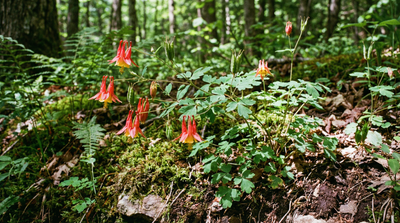
Wild Columbine
Aquilegia canadensis
Critical early spring nectar source for ruby-throated hummingbirds; unique spurred flowers; supports columbine duskywing butterfly
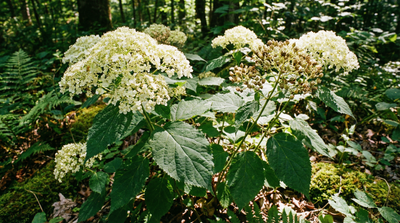
Wild Hydrangea
Hydrangea arborescens
Native alternative to Asian hydrangeas; white flower clusters attract diverse pollinators; provides cover for wildlife
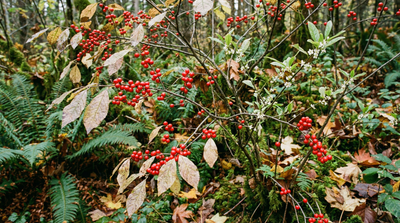
Winterberry
Ilex verticillata
Brilliant red berries persist through winter providing critical food for birds; larval host for Henry's elfin butterfly; dioecious (male and female plants needed)
Wrinkleleaf Goldenrod
Solidago rugosa
Critical fall nectar source for migrating monarchs and native bees; supports specialist goldenrod bees; does NOT cause hay fever (ragweed does)
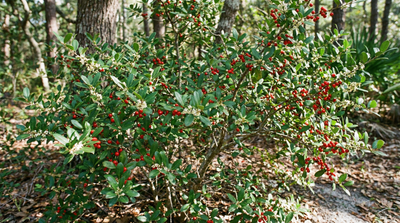
Yaupon Holly
Ilex vomitoria
Red berries important winter food for birds; evergreen foliage provides year-round cover; only native North American plant containing caffeine
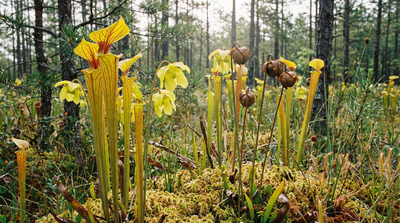
Yellow Pitcher Plant
Sarracenia flava
Carnivorous plant capturing insects in modified leaves; provides habitat for specialized insects that live inside pitchers; indicator of high-quality wetland habitat