Native Plants of North Dakota
Native plants of North Dakota include mixed grass prairie species adapted to harsh winters and dry summers. These tough plants support grassland ecosystems.
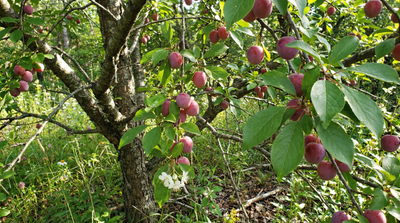
American plum
Prunus americana
Provides vital support to local ecosystems, attracting pollinators with its spring blossoms and offering essential food and shelter to wildlife. The canopy provides cover for nesting birds and the fruits are fed on by mammals such as red and gray foxes.
American vetch
Vicia americana
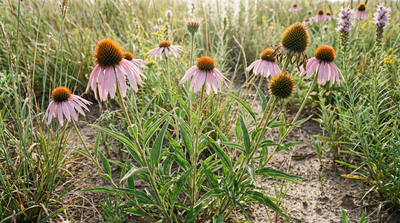
Blacksamson echinacea
Echinacea angustifolia
Supports Wavy-lined Emerald (Synchlora aerata) larvae. Native bees and butterflies are attracted to the nectar in the flowers.
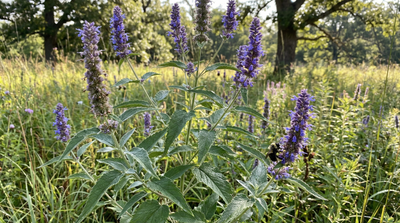
Blue giant hyssop
Agastache foeniculum
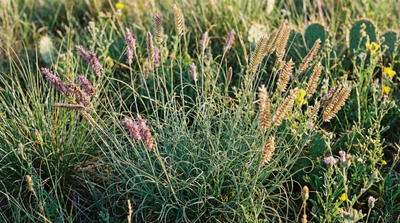
Blue grama
Bouteloua gracilis
Important soil binder, helps prevent erosion. Host plant for several species of skipper butterflies.
Broadbeard beardtongue
Penstemon angustifolius
Aids in erosion control.
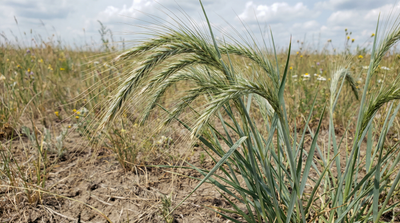
Canada wildrye
Elymus canadensis
Valuable grass species that can help to stabilize soil, provide wildlife habitat and enhance the beauty of a variety of landscapes. It also provides nesting, brood, winter, and escape cover.
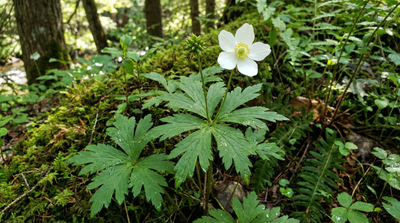
Canadian anemone
Anemone canadensis
Provides habitat and food for various wildlife species. Eaten by deer and pronghorn.
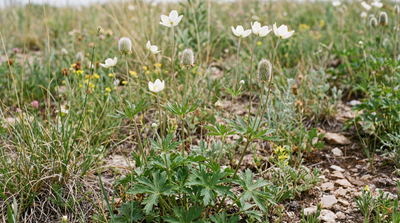
Candle anemone
Anemone cylindrica
Provides pollen for small bees and hoverflies.
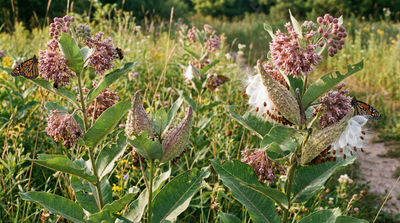
Common milkweed
Asclepias syriaca
Larval host plant for monarch butterflies. Provides nectar for butterflies, bees, and other pollinators.
Cup plant
Silphium perfoliatum
Important pollen and nectar source for several species of bees, flies and butterflies. Birds commonly perch on the plant and eat its seeds.
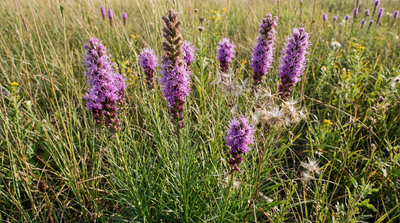
Dotted blazing star
Liatris punctata
Pollinator magnet, attracting butterflies, bees, and other beneficial insects, while providing a vital late-season nectar source for migrating monarchs. Serves as food for various herbivores.
Eastern pasqueflower
Anemone patens
Provides an early-spring pollen source for pollinators.
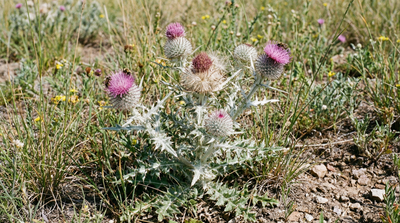
Flodman's thistle
Cirsium flodmanii
Provides resources for pollinators, and their seeds are nutritious wildlife food.
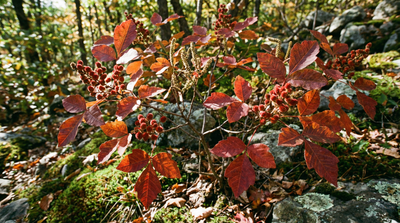
Fragrant sumac
Rhus aromatica
High ecological importance for wildlife through the interconnected food web. 98 species of migrating and overwintering birds rely on the fruit. It serves as a host plant for 54 species of caterpillars and its blooms support native pollinators and attract predatory insects that help control pests.
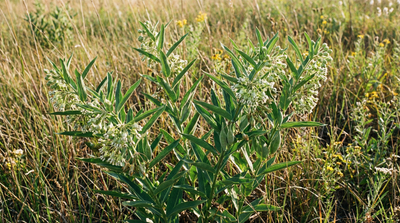
Green comet milkweed
Asclepias viridiflora
Larval host for monarch butterflies. Nectar from this plant attracts bumblebees.
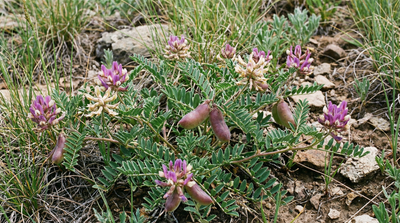
Groundplum milkvetch
Astragalus crassicarpus
Nitrogen-fixing legume, contributes to soil nitrogen. Host plant for butterflies.
Hoary verbena
Verbena stricta
Lanceleaf figwort
Scrophularia lanceolata
Host plant for the caterpillars of many Checkerspot butterflies. Nectar-rich native perennial draws in native bees, honeybees, butterflies, and even hummingbirds.
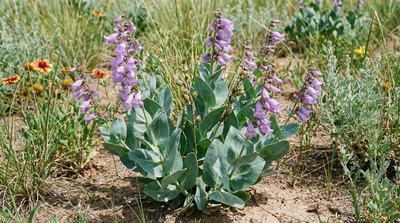
Large beardtongue
Penstemon grandiflorus
Provides food for a number of pollinators, including bumblebees who crawl into the tubular flowers. Great nectar source for both hummingbirds and native bumblebees.
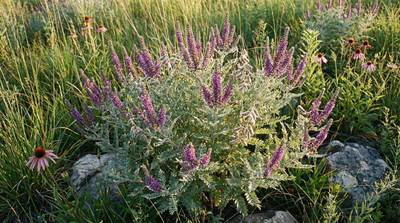
Leadplant
Amorpha canescens
Nitrogen-fixing legume, improves soil health. Valuable pollinator conservation species.
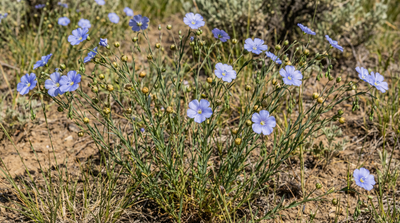
Lewis flax
Linum lewisii
Supports pollinators including bees (for nectar) and muscoid flies (for pollen), while its seeds provide food for deer mice and other small mammals.
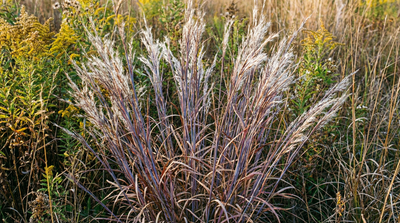
Little bluestem
Schizachyrium scoparium
Important food source for a number of species of caterpillars, butterflies, birds, and small mammals. From cattle and bison to elk, many animals rely on this grass for forage.
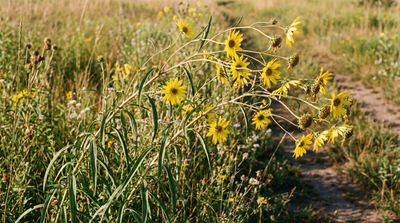
Maximilian sunflower
Helianthus maximiliani
Provides high quality forage for livestock, and food and cover for wildlife. Larval host plant that supports Silvery Checkerspot butterflies.
Missouri goldenrod
Solidago missouriensis
Plays a crucial role in supporting biodiversity. Its flowers provide a vital source of nectar and pollen for pollinators.
novae-angliae
Symphyotrichum
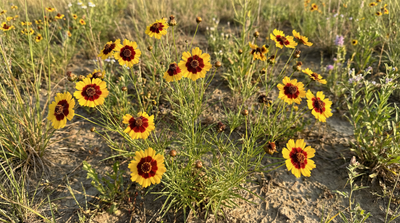
Plains coreopsis
Coreopsis tinctoria
Provides pollen and nectar to bees, butterflies, and hummingbirds.
Prairie dropseed
Sporobolus heterolepis
Provides seed for birds and other animals to feed on throughout the winter. Its dense mounds offer cover for insects and small animals. Its deep, dense roots help stabilize soil, thus reducing erosion.
Prairie ironweed
Vernonia fasciculata
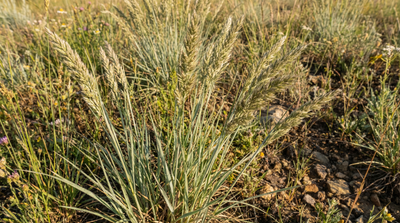
Prairie Junegrass
Koeleria macrantha
Provides important habitat for various wildlife, including ground-nesting birds. The seeds are a food source for birds and small mammals.
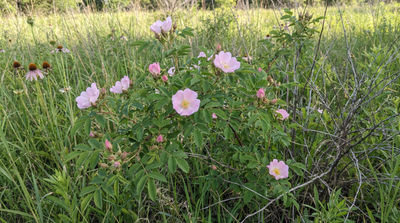
Prairie rose
Rosa arkansana
Important food source for birds and other wildlife.
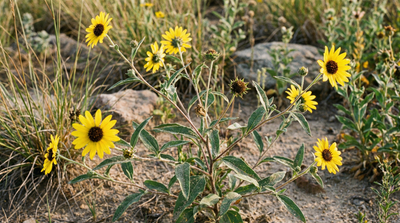
Prairie sunflower
Helianthus petiolaris
Provides habitat for wildlife species seeking protective cover during all seasons. Seeds are valuable food sources for many wildlife species and their young leaves and flower buds/blossoms are quality forage.
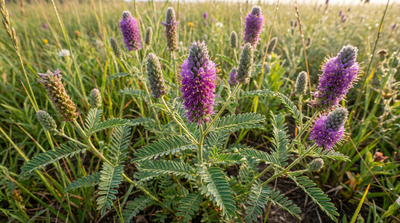
Purple prairie clover
Dalea purpurea
Nitrogen-fixing legume. Source of protein for mammalian herbivores, pollinator nectar source, food plant to larvae of the Dogface Sulphur (Colias cesonia).
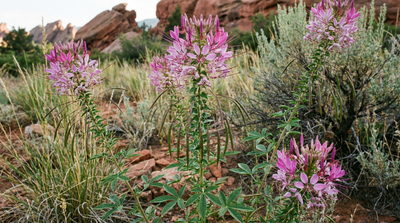
Rocky Mountain beeplant
Peritoma serrulata
Important food source for Native Americans in the Southwest. Good source of calcium and vitamin A.
Rocky Mountain blazing star
Liatris ligulistylis
Provides nectar for native bees, butterflies, and hummingbirds, while its small, hairy-fruited cypselae serve as food for birds.
Shortbeak sedge
Carex brevior
Host plant for certain moth and butterfly species. Improves soil and water quality and prevents erosion.
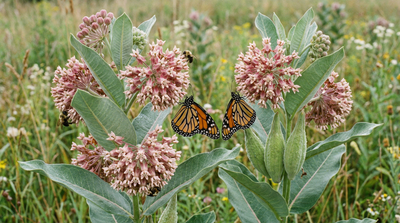
Showy milkweed
Asclepias speciosa
Host plant for monarch butterflies. Supports a variety of pollinators including bees and hummingbirds.
Silver buffaloberry
Shepherdia argentea
Provides ideal cover and nesting sites for many birds. It is a preferred food source of many songbirds and sharp-tailed grouse.
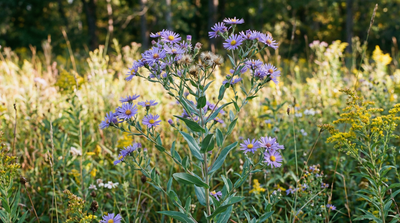
Smooth blue aster
Symphyotrichum laeve
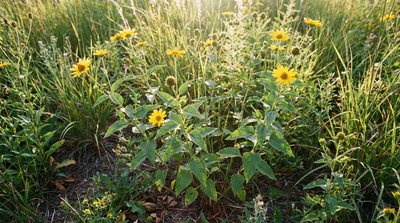
Smooth oxeye
Heliopsis helianthoides
Supports pollinators by providing nectar and pollen throughout its long bloom period. Its seeds offer a valuable food source for birds.
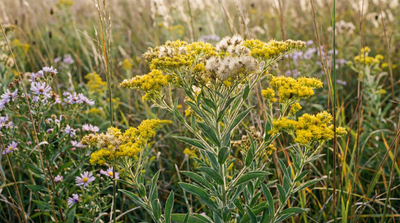
Stiff goldenrod
Solidago rigida
Pollen rich flowers play a key ecological role in providing a late season food source for native bees to prepare them for a long winter. Its deep, fibrous roots help prevent erosion and improve soil structure, especially in degraded or disturbed areas.
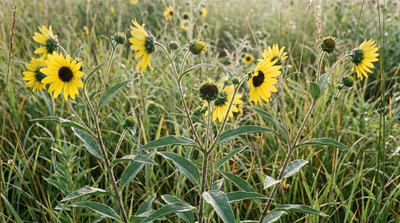
Stiff sunflower
Helianthus pauciflorus
Provides habitat for wildlife species seeking protective cover during all seasons. Produces nectar and pollen that attract and sustain pollinators.
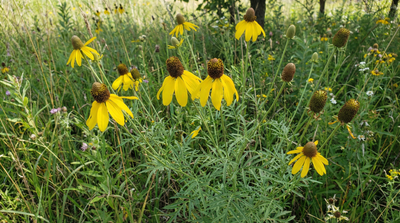
Upright prairie coneflower
Ratibida columnifera
Nectar for butterflies and bees. Critical resource for pollinators, helping to sustain local ecosystems.
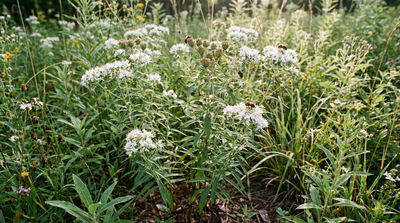
Virginia mountainmint
Pycnanthemum virginianum
Valued nectar source for pollinators, including native bees and wasps, as well as beneficial insects.
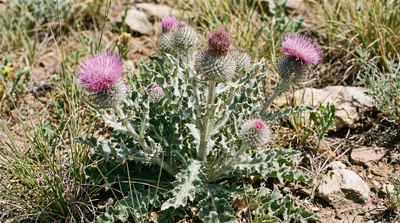
Wavyleaf thistle
Cirsium undulatum
Provides nectar for pollinators and seeds for wildlife.
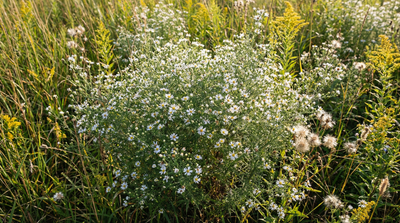
White heath aster
Symphyotrichum ericoides
White penstemon
Penstemon albidus
Provides nectar and pollen for native bees and bumblebees. Larval host for some butterfly species.
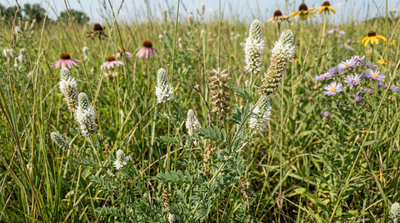
White prairie clover
Dalea candida
Native legume, high in protein and palatable to livestock. Provides nectar and pollen for bees.
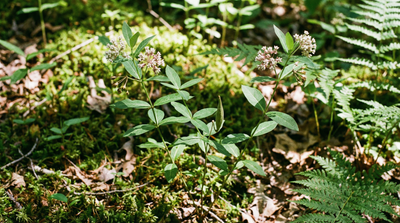
Whorled milkweed
Asclepias verticillata
Host plant for Monarch Butterfly larvae. Attracts a variety of pollinators including bees, butterflies, and hummingbirds.
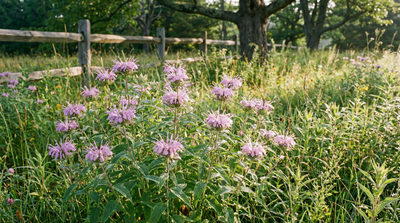
Wild bergamot
Monarda fistulosa
Highly valued for its role in supporting pollinators such as bees, butterflies, and hummingbirds. Its flowers, seeds, and shoots provide forage and habitat for many species.