Native Plants of Ohio
Native plants of Ohio support rich forest and wetland ecosystems. These species are adapted to the state's humid climate with cold winters and warm summers.
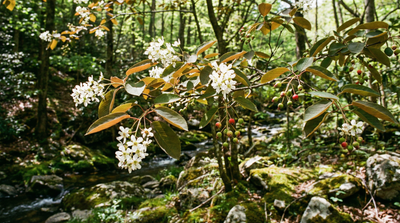
Allegheny Serviceberry
Amelanchier laevis
Early-blooming tree providing critical nectar for emerging pollinators; berries eaten by many bird species; beautiful spring flowers
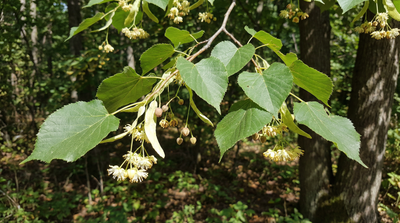
American Basswood
Tilia americana
Premier bee tree; fragrant flowers produce abundant nectar supporting entire bee colonies; soft wood provides cavity nesting sites
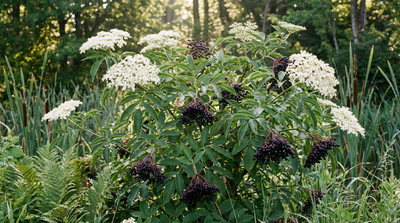
American Elderberry
Sambucus canadensis
Outstanding wildlife shrub; berries eaten by over 50 bird species; flowers support diverse pollinators; provides cover for wildlife
American Elm
Ulmus americana
Historic street tree; provides food and habitat for wildlife; seeds eaten by birds; host plant for question mark butterfly
American Sycamore
Platanus occidentalis
Massive tree providing habitat for cavity-nesting birds; seeds eaten by finches; distinctive white bark visible from distance
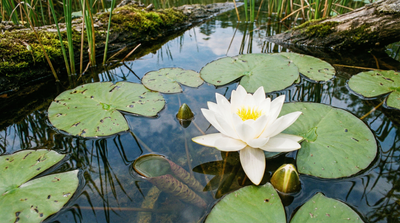
American White Water Lily
Nymphaea odorata
Provides shade and cover for fish and amphibians; leaves used by frogs and turtles; fragrant flowers attract pollinators
Arrowwood Viburnum
Viburnum dentatum
Outstanding wildlife shrub; berries eaten by many bird species; host plant for spring azure butterfly; provides cover and nesting sites
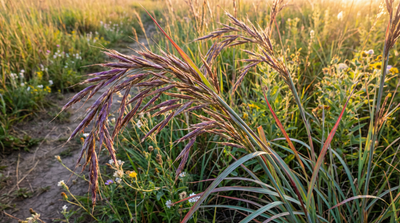
Big Bluestem
Andropogon gerardii
Signature grass of the tallgrass prairie; provides critical habitat structure for grassland birds; deep roots (10+ feet) sequester carbon and improve soil health; prevents erosion
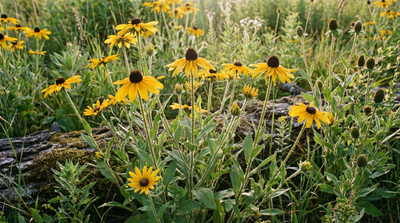
Black-eyed Susan
Rudbeckia hirta
Important pollinator plant with extended bloom period; provides nectar for diverse bees and butterflies; seeds eaten by goldfinches
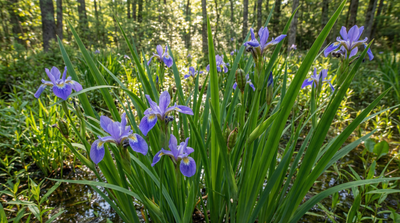
Blue Flag Iris
Iris versicolor
Important wetland species providing habitat structure; early-season nectar source; helps stabilize shorelines
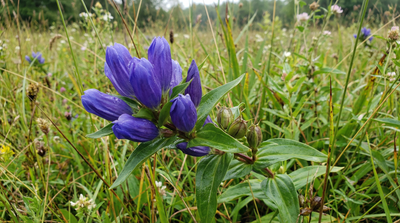
Bottle Gentian
Gentiana andrewsii
Late-blooming wildflower; flowers remain closed, requiring strong bees to force entry; indicator of remnant wetland prairie
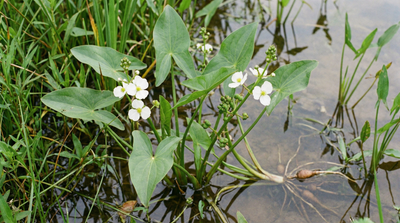
Broadleaf Arrowhead
Sagittaria latifolia
Important wetland plant providing food for waterfowl (tubers eaten by ducks); stabilizes sediments; water quality indicator
Broadleaf Cattail
Typha latifolia
Keystone wetland species providing critical habitat for red-winged blackbirds, marsh wrens, and other wildlife; filters water and stabilizes sediments
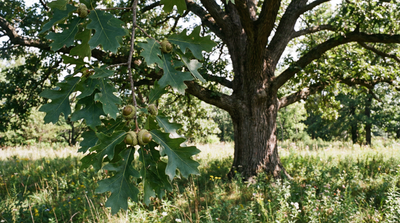
Bur Oak
Quercus macrocarpa
Keystone tree supporting over 500 species of caterpillars; acorns critical food for wildlife; massive size provides habitat structure
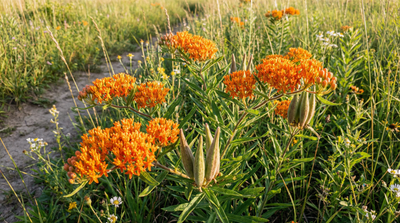
Butterfly Milkweed
Asclepias tuberosa
Monarch host plant adapted to dry conditions; brilliant orange flowers attract diverse pollinators; deep taproot excellent for restoration
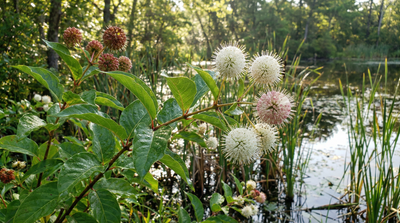
Buttonbush
Cephalanthus occidentalis
Outstanding pollinator shrub with spherical flower heads; provides food for waterfowl; important wetland habitat structure
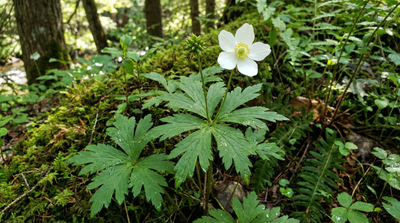
Canada Anemone
Anemone canadensis
Early-season nectar source; spreads to form colonies providing ground cover; supports diverse pollinator community
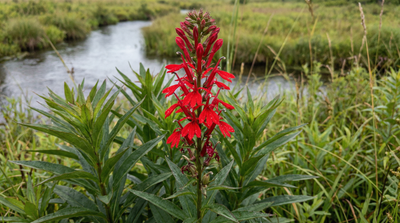
Cardinal Flower
Lobelia cardinalis
Primary nectar source for ruby-throated hummingbirds; brilliant red flowers attract attention; important wetland indicator species
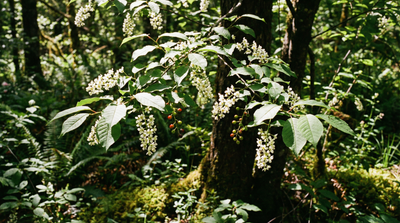
Chokecherry
Prunus virginiana
Important wildlife tree; fruits eaten by many bird species; host plant for eastern tiger swallowtail and other butterflies
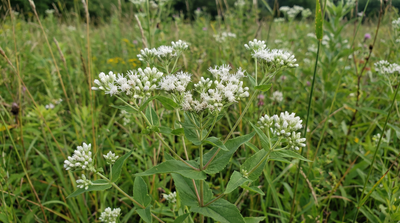
Common Boneset
Eupatorium perfoliatum
Important late-season pollinator plant; distinctive perfoliate leaves; supports diverse pollinator community including many native bees
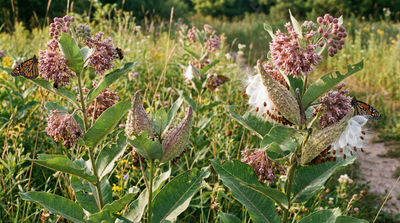
Common Milkweed
Asclepias syriaca
Essential host plant for monarch butterfly caterpillars; keystone species for pollinator conservation; provides critical nectar for dozens of bee and butterfly species
Culver's Root
Veronicastrum virginicum
Outstanding pollinator plant with tall spikes of white flowers; supports diverse bee and butterfly communities
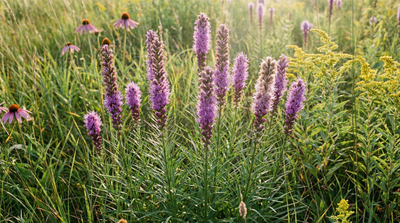
Dense Blazing Star
Liatris spicata
Outstanding pollinator magnet; unusual top-down flowering pattern extends bloom period; important late-summer nectar source for migrating monarchs
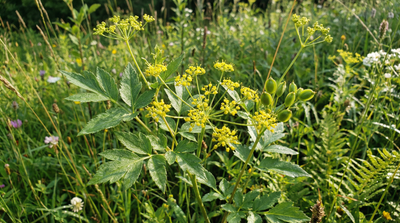
Golden Alexanders
Zizia aurea
Critical early-season nectar source when few other flowers bloom; host plant for black swallowtail butterfly caterpillars
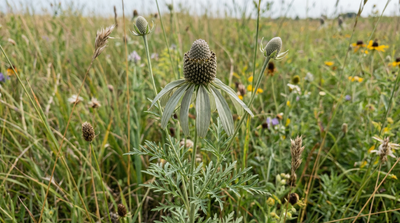
Gray-headed Coneflower
Ratibida pinnata
Important prairie forb providing nectar for pollinators; seeds eaten by goldfinches and other songbirds; drooping yellow petals distinctive in summer prairie
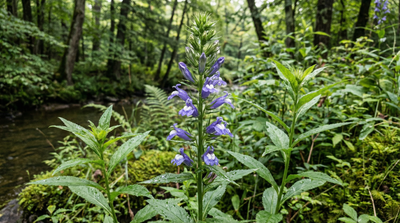
Great Blue Lobelia
Lobelia siphilitica
Important late-summer pollinator plant; blue flowers complement cardinal flower; supports diverse bee community
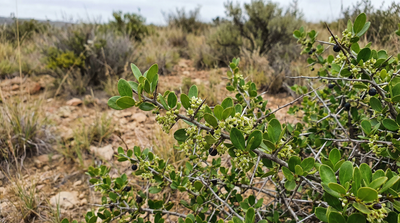
Hawthorn
Crataegus spp.
Important wildlife tree; fruits eaten by many bird species; thorny branches provide nesting cover; host plant for many moth species
Indian Grass
Sorghastrum nutans
Major component of tallgrass prairie providing food and cover for wildlife; seeds eaten by songbirds; deep roots improve soil structure and water infiltration
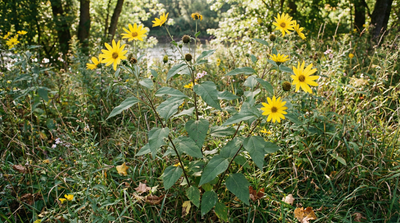
Jerusalem Artichoke
Helianthus tuberosus
Late-season pollinator plant; tubers eaten by wildlife; provides cover and food for many species
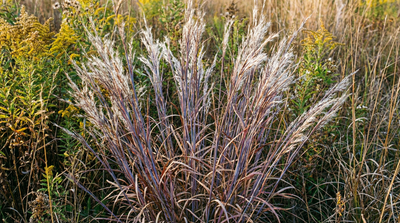
Little Bluestem
Schizachyrium scoparium
Important warm-season bunch grass providing winter cover and nesting habitat for grassland birds; host plant for skipper butterflies; excellent for erosion control
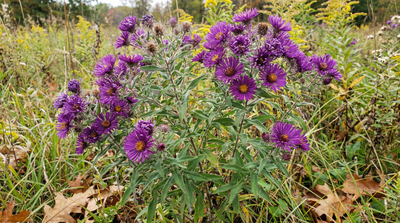
New England Aster
Symphyotrichum novae-angliae
Premier fall pollinator plant; provides critical late-season nectar for migrating monarchs; showy purple flowers brighten autumn landscapes
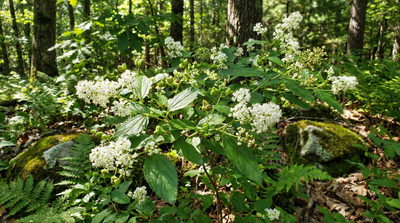
New Jersey Tea
Ceanothus americanus
Important pollinator shrub; nitrogen-fixing roots improve soil; host plant for spring azure and summer azure butterflies
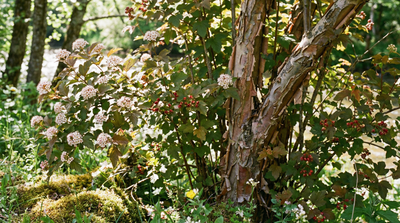
Ninebark
Physocarpus opulifolius
Excellent pollinator shrub with clusters of white flowers; exfoliating bark provides winter interest; provides cover for wildlife
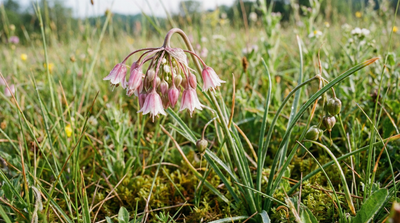
Nodding Onion
Allium cernuum
Important pollinator plant; distinctive nodding flower heads; supports diverse bee community
Ohio Spiderwort
Tradescantia ohiensis
Early-season nectar source for native bees; flowers open in morning and close by afternoon; Ohio's namesake native wildflower
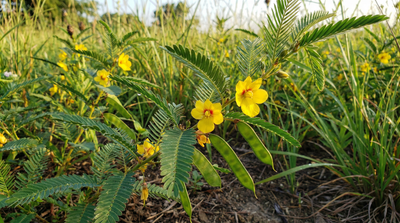
Partridge Pea
Chamaecrista fasciculata
Important nitrogen-fixing annual; seeds eaten by quail and other ground birds; provides late-season nectar
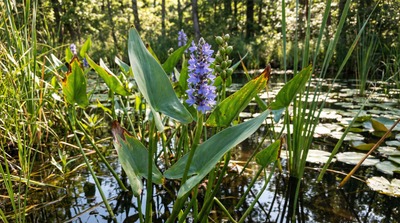
Pickerelweed
Pontederia cordata
Important wetland pollinator plant; provides cover for fish and amphibians; seeds eaten by waterfowl
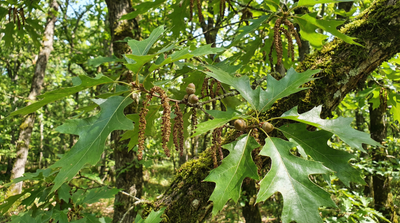
Pin Oak
Quercus palustris
Important wildlife tree; acorns eaten by waterfowl and other wildlife; supports hundreds of caterpillar species
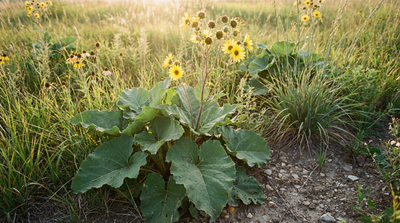
Prairie Dock
Silphium terebinthinaceum
Iconic prairie plant with massive basal leaves; deep taproot (15+ feet) accesses deep water and nutrients; provides nectar for many pollinators
Prairie Phlox
Phlox pilosa
Important early-season nectar source for butterflies; fragrant flowers attract diverse pollinators
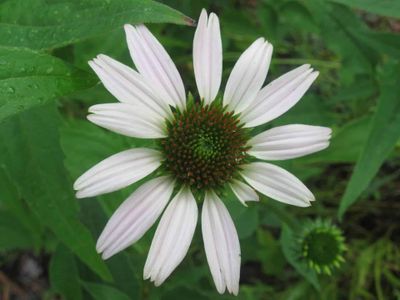
Purple Coneflower
Echinacea purpurea
Premier pollinator plant attracting diverse bees and butterflies; seeds eaten by goldfinches; long bloom period provides sustained nectar source
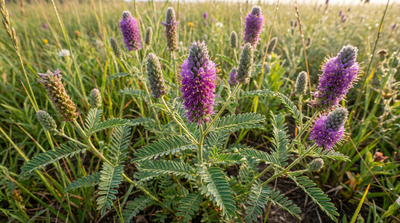
Purple Prairie Clover
Dalea purpurea
Nitrogen-fixing legume improving soil fertility; important pollinator plant; supports specialist bees; indicator of remnant prairie
Pussy Willow
Salix discolor
Critical early-season pollen and nectar source for emerging bees; fuzzy catkins among first signs of spring; host plant for viceroy butterfly
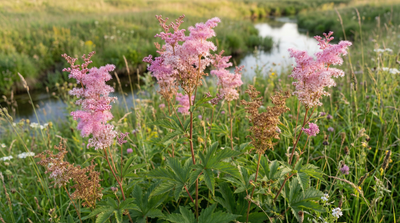
Queen-of-the-Prairie
Filipendula rubra
Spectacular native wildflower; important pollinator plant; indicator of remnant wet prairie and fen habitats
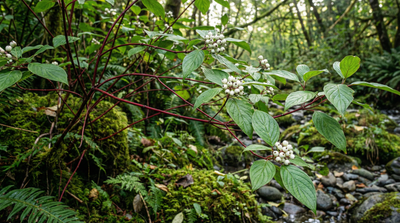
Red-osier Dogwood
Cornus sericea
Important wildlife shrub; berries eaten by many bird species; red stems provide winter interest; stabilizes stream banks
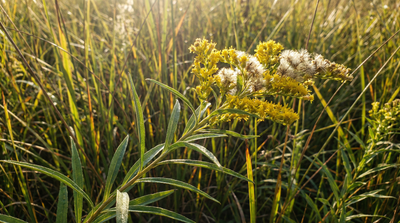
Riddell's Goldenrod
Solidago riddellii
Indicator species for high-quality wet prairies and fens; important late-season pollinator plant; distinctive arching leaves
Rough Blazing Star
Liatris aspera
Important late-season nectar source for migrating monarchs and other pollinators; supports specialist Liatris bees
Sawtooth Sunflower
Helianthus grosseserratus
Important late-season pollinator plant; seeds eaten by goldfinches and other birds; spreads to form colonies
Shooting Star
Dodecatheon meadia
Beautiful early-spring wildflower; buzz-pollinated by bumble bees; indicator of high-quality habitat
Showy Goldenrod
Solidago speciosa
Premier fall pollinator plant; provides critical late-season nectar for migrating monarchs; supports over 100 species of insects
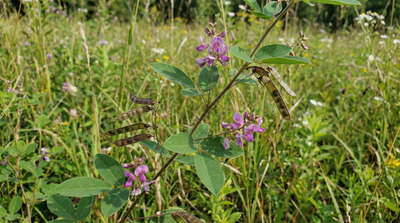
Showy Tick-trefoil
Desmodium canadense
Important nitrogen-fixing legume; host plant for eastern tailed-blue and other butterflies; seeds eaten by wildlife
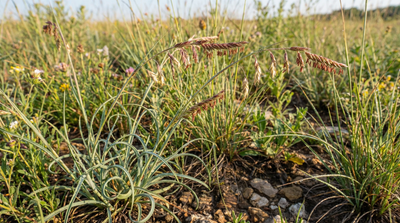
Sideoats Grama
Bouteloua curtipendula
Important warm-season grass for prairie restoration; provides food for songbirds; drought-tolerant and excellent for dry site restoration
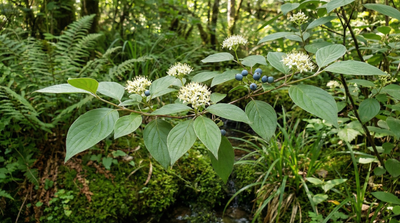
Silky Dogwood
Cornus amomum
Important wildlife shrub; blue berries eaten by many bird species; provides cover and nesting sites; stabilizes stream banks
Spotted Joe-Pye Weed
Eutrochium maculatum
Towering late-summer pollinator magnet; provides critical nectar for migrating monarchs; supports diverse bee and butterfly communities
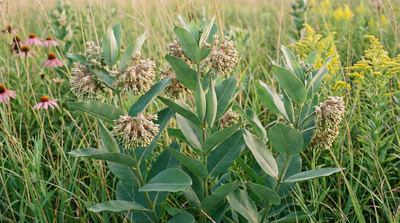
Sullivant's Milkweed
Asclepias sullivantii
Ohio's signature prairie milkweed; critical monarch host plant; named for Columbus botanist who first described it; indicator of remnant prairie
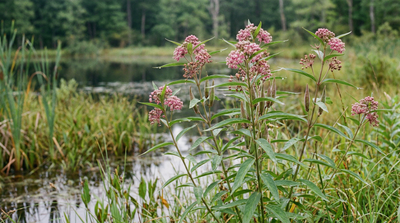
Swamp Milkweed
Asclepias incarnata
Critical monarch butterfly host plant for wetland habitats; provides nectar for diverse pollinator communities; helps stabilize streambanks
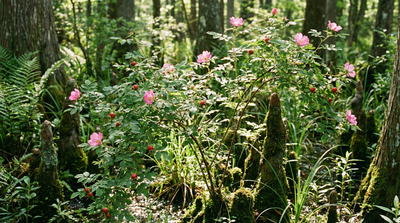
Swamp Rose
Rosa palustris
Native rose providing nectar for pollinators and rose hips for wildlife; thorny stems provide cover for birds
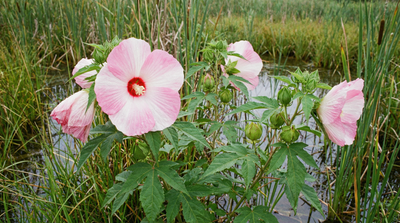
Swamp Rose Mallow
Hibiscus moscheutos
Spectacular large flowers attract diverse pollinators; provides habitat structure in wetlands; important Lake Erie marsh species
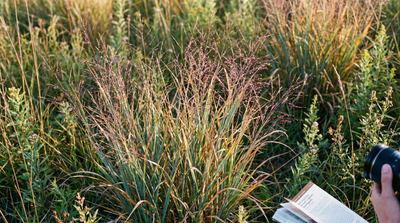
Switchgrass
Panicum virgatum
Versatile native grass providing cover for wildlife; excellent for erosion control and biofuel production; deep roots filter runoff and improve water quality
Tall Ironweed
Vernonia gigantea
Striking late-summer pollinator plant with deep purple flowers; provides critical nectar for migrating monarchs and other late-season pollinators
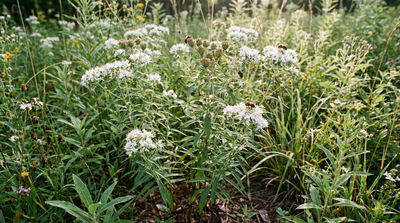
Virginia Mountain Mint
Pycnanthemum virginianum
One of the most important pollinator plants in Ohio; supports beneficial predatory wasps that control pest insects; aromatic foliage deters herbivores
White Meadowsweet
Spiraea alba
Important pollinator shrub with long bloom period; provides nectar for diverse bees and butterflies; forms thickets providing wildlife cover
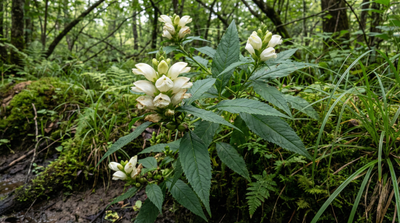
White Turtlehead
Chelone glabra
Host plant for Baltimore checkerspot butterfly; late-season nectar source; distinctive turtle-shaped flowers
White Wild Indigo
Baptisia alba
Important host plant for wild indigo duskywing butterfly; nitrogen-fixing legume; long-lived perennial
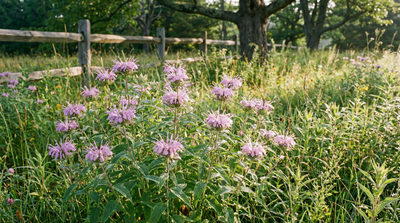
Wild Bergamot
Monarda fistulosa
Premier pollinator plant supporting over 100 species of native bees; aromatic foliage deters deer; spreads to form colonies providing sustained bloom
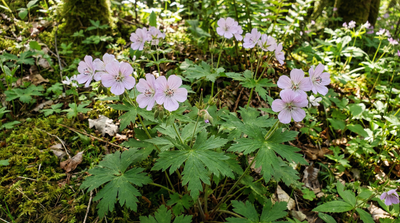
Wild Geranium
Geranium maculatum
Important early-spring nectar source; supports diverse native bee community; seeds dispersed by explosive mechanism
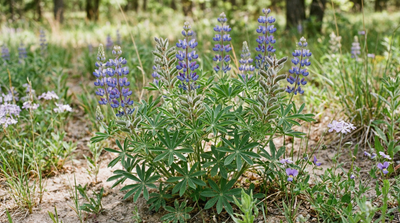
Wild Lupine
Lupinus perennis
ONLY host plant for federally endangered Karner blue butterfly; nitrogen-fixing legume; critical for oak savanna restoration
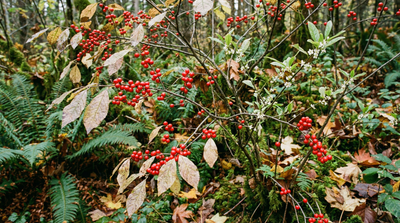
Winterberry
Ilex verticillata
Outstanding wildlife shrub; bright red berries persist through winter providing food for birds; important for cedar waxwings and robins
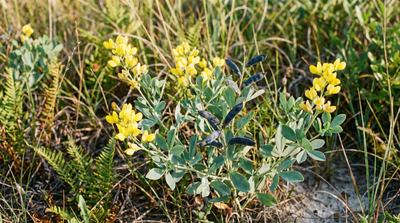
Yellow Wild Indigo
Baptisia tinctoria
Host plant for wild indigo duskywing and frosted elfin butterflies; nitrogen-fixing legume; long-lived perennial