Native Plants of Oregon
Native plants of Oregon are adapted to diverse conditions from wet coastal areas to dry eastern plateaus. These species support rich ecosystems and native wildlife.
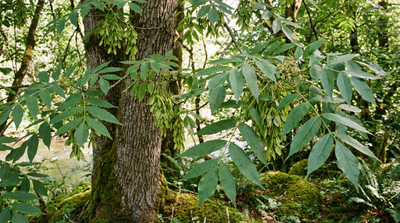
ash, Oregon
Fraxinus latifolia
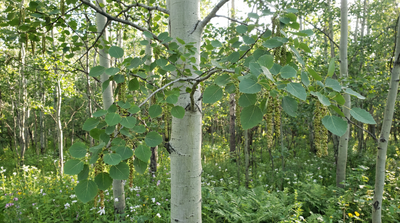
aspen, quaking
Populus tremuloides
aster, great northern
Canadanthus modestus
azalea, western
Rhododendron occidentale
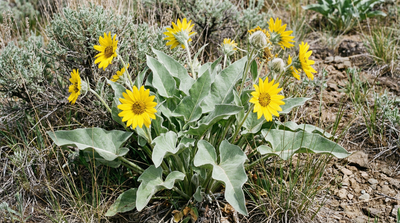
balsamroot, arrowleaf
Balsamorhiza sagittata
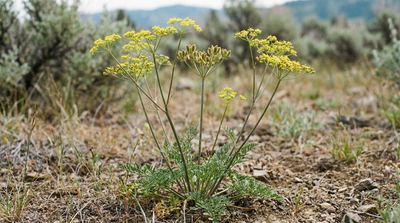
barestem lomatium
Lomatium nudicaule
barley, meadow
Hordeum brachyantherum
bear-grass
Xerophyllum tenax
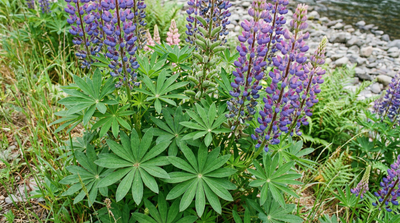
Bigleaf lupine
Lupinus polyphyllus
Nitrogen fixation, wildlife uses, attracts pollinators. Host plant for various blue butterflies (Icaricia spp.), and Karner blue butterfly.
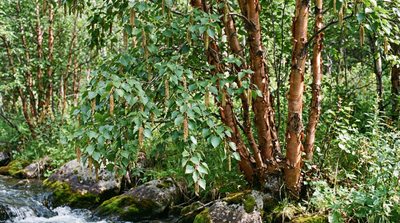
birch, water
Betula occidentalis
biscuitroot, butterfly-bearing
Lomatium papilioniferum
bitterbrush
Purshia tridentata
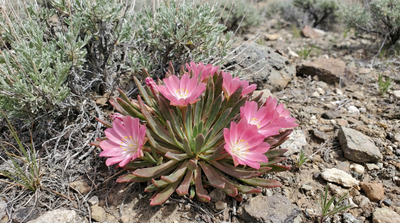
bitterroot
Lewisia rediviva
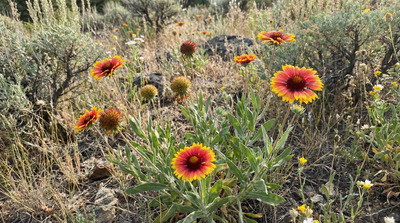
blanket flower
Gaillardia aristata
blazingstar, smooth-stem
Mentzelia laevicaulis
bleeding heart, Pacific
Dicentra formosa
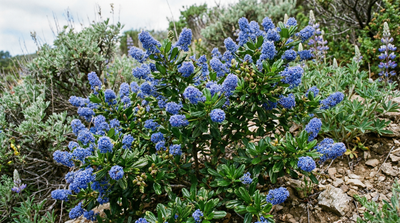
Blueblossom
Ceanothus thyrsiflorus
Fast-growing evergreen, prefers partial shade, establish from seed or cuttings, a host plant for the pale tiger swallowtail (P. eurymedon)
blue-eyed grass, Idaho
Sisyrinchium idahoense
blue-eyed grass, western
Sisyrinchium bellum
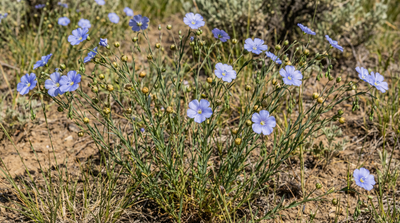
blue flax, wild
Linum lewisii
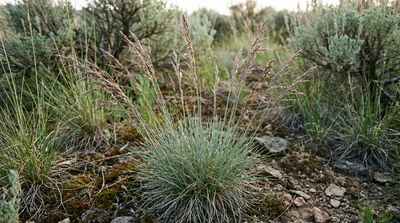
bluegrass, secund
Poa secunda
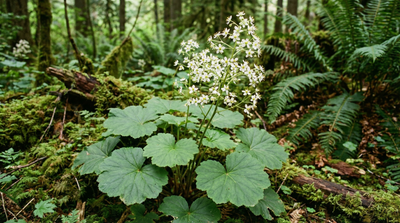
boykinia, large
Boykinia major
brooklime, American
Veronica americana
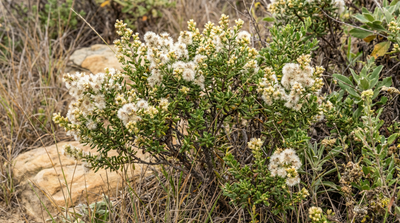
broom, chaparral
Baccharis pilularis
buckwheat, arrowleaf
Eriogonum compositum
buckwheat, oval-leaved
Eriogonum ovalifolium
buckwheat, snow
Eriogonum niveum
buckwheat, strict
Eriogonum strictum
buckwheat, whorled
Eriogonum heracleoides
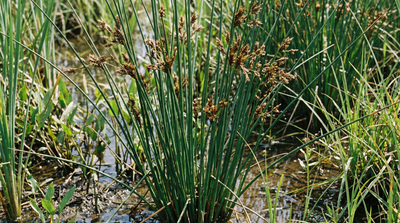
bulrush, hardstem
Schoenoplectus acutus
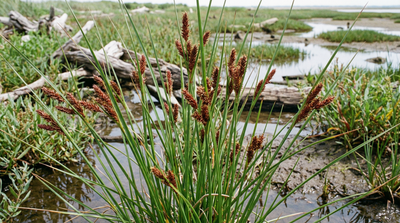
bulrush, seacoast
Bolboschoenus maritimus
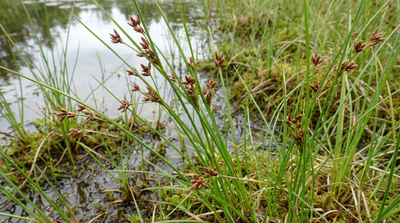
bulrush, small-fruited
Scirpus microcarpus
bunchberry, western
Cornus unalaschkensis
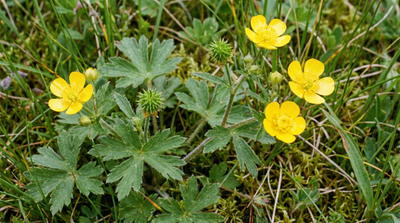
buttercup, western
Ranunculus occidentalis
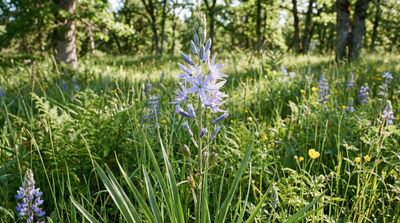
camas, great
Camassia leichtlinii
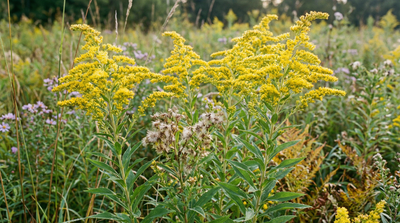
Canada goldenrod
Solidago canadensis
Slow-growing, rhizomatous plant, significant resource for honey bees and late-season native bees, such as bumble bees (pictured)
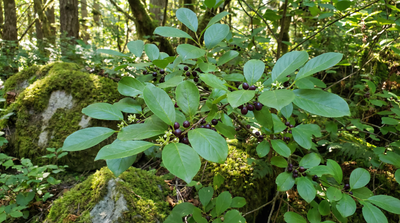
cascara
Rhamnus purshiana
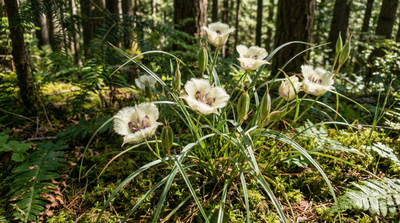
cat’s ear, Tolmie’s
Calochortus tolmiei
cattail, broad-leaf
Typha latifolia
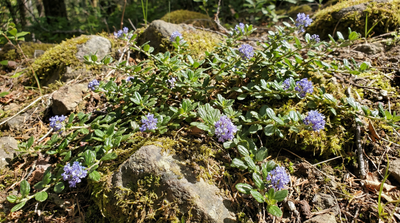
ceanothus, prostrate
Ceanothus prostratus
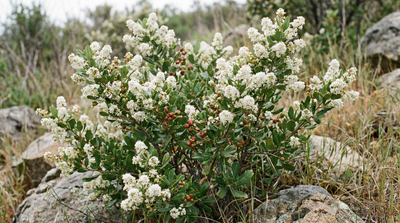
ceanothus, wedgeleaf
Ceanothus cuneatus
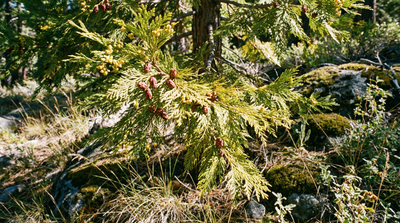
cedar, incense-
Calocedrus decurrens
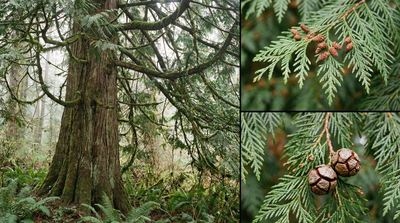
cedar, Port Orford
Chamaecyparis lawsoniana
checkermallow, Oregon
Sidalcea oregana
cherry, bitter
Prunus emarginata
cinquefoil, slender
Potentilla gracilis
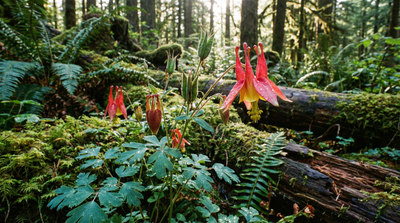
columbine, western
Aquilegia formosa
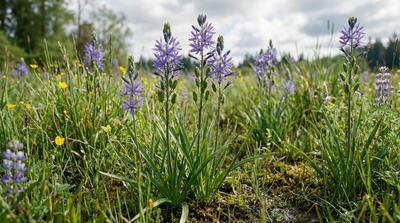
Common camas
Camassia quamash
Ecologically important plant in wet prairies. Cultural resource.
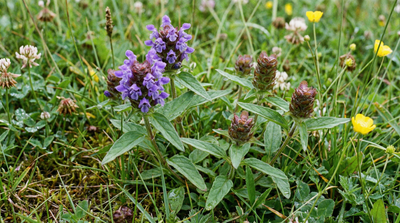
common self-heal
Prunella vulgaris
common three-square
Schoenoplectus pungens
Douglas aster
Symphyotrichum subspicatum
Establishes better from transplant, visitors include leafcutter bees and the woodland skipper butterfly (Ochlodes sylvanoides) (pictured)
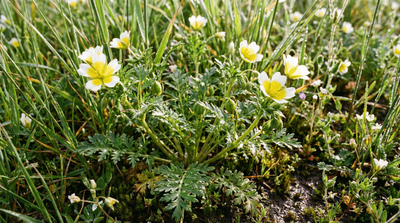
Douglas meadowfoam
Limnanthes douglasii
Easy to establish from seed, highly attractive to syrphid flies, mining bees, and mason bees, color variable among subspecies
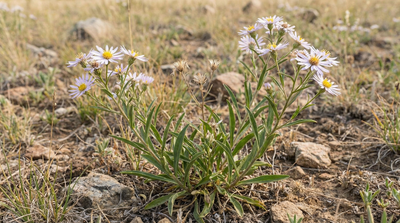
Hall's aster
Symphyotrichum hallii
Establishes better from transplant, drought-tolerant rhizomatous plant, one of the latest fall-blooming plants
Large flowered collomia
Collomia grandiflora
A very showy native that prefers partial shade and dry soils, bees collect bright blue pollen from the blossoms
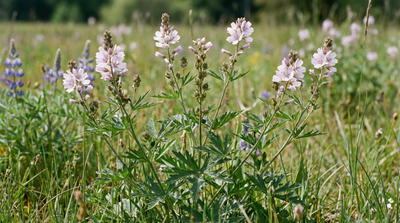
Meadow checkermallow
Sidalcea campestris
Hardy, long-lived plant; a host plant numerous butterflies and skippers, including west coast lady (Vanessa annabella)
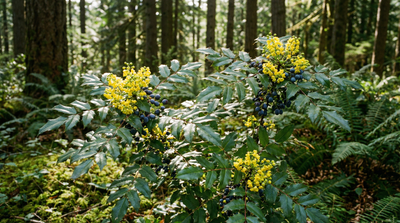
Oregon grape
Berberis aquifolium
Evergreen; protect growth points at tips during pruning; attracts long-tongued bee species, such as mason and bumble bees
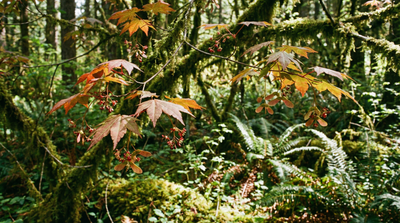
Oregon vine maple
Acer circinatum
Prefers shade; primarily attracts mason and bumble bees; a host plant for the western tiger swallowtail (Papilio rutulus) butterfly
Puget Sound gumweed
Grindelia integrifolia
Long-lasting flowers, blooms year-round in warm weather, tolerates poor soils, highly attractive to green metallic sweat bees (cover)
Riverbank lupine
Lupinus rivularis
Attracts native bees and other pollinators, stabilizes soils, and plays a key role in early successional plant communities and riparian restoration. Nitrogen fixation.
Selfheal
Prunella vulgaris ssp. lanceolata
Easy to establish from seed, fast-growing ground cover that will tolerate mowing or grazing, highly attractive to various pollinators
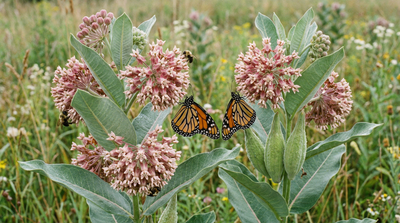
Showy milkweed
Asclepias speciosa
Slow to establish from seed, host plant for the monarch butterfly and a high-quality nectar source for a wide variety of floral visitors
Slender clarkia
Clarkia gracilis
Fast-growing easy to establish from seed, highly variable with numerous subspecies, prefers open, well-drained sites