Native Plants of Pennsylvania
Native plants of Pennsylvania support diverse forest and wetland ecosystems. These species are adapted to cold winters and humid summers.
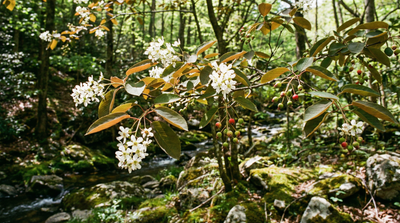
Allegheny Serviceberry
Amelanchier laevis
Larger tree form of serviceberry; sweet berries highly valued by wildlife; early spring nectar source
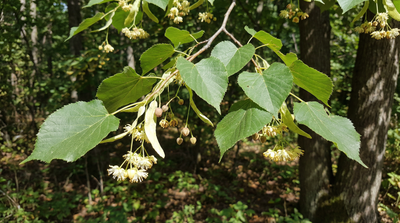
American Basswood
Tilia americana
Major honey tree producing abundant nectar; fragrant flowers attract diverse pollinators; soft wood provides cavities for wildlife
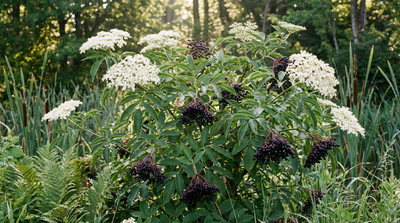
American Elderberry
Sambucus canadensis
White flower clusters attract diverse pollinators; dark purple berries eaten by over 50 bird species; fast-growing colonizer
American Sycamore
Platanus occidentalis
Massive native tree providing habitat for cavity-nesting birds; distinctive white bark; fast-growing for riparian restoration
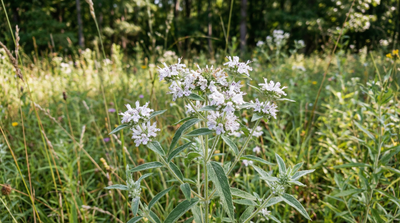
Appalachian Mountain Mint
Pycnanthemum flexuosum
Clump-forming species ideal for smaller gardens; supports diverse pollinator communities; deer resistant due to aromatic foliage
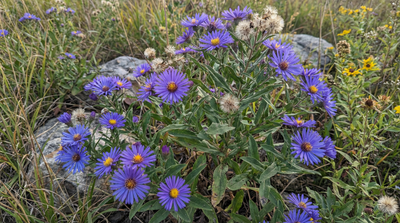
Aromatic Aster
Symphyotrichum oblongifolium
One of the latest-blooming asters, providing nectar into November; aromatic foliage deters deer; excellent for dry, difficult sites
Arrowwood Viburnum
Viburnum dentatum
White flower clusters attract diverse pollinators; blue-black berries eaten by many bird species; host plant for spring azure butterfly
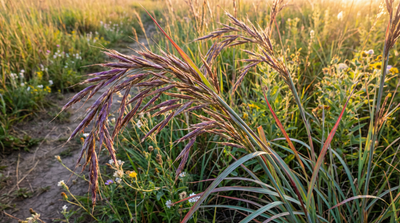
Big Bluestem
Andropogon gerardii
Dominant grass of tallgrass prairies; provides cover and seeds for wildlife; deep roots sequester carbon and improve soil
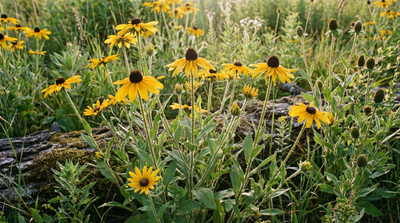
Black-eyed Susan
Rudbeckia hirta
Prolific bloomer providing abundant nectar and pollen; seed heads persist through winter for bird food; excellent for meadow establishment
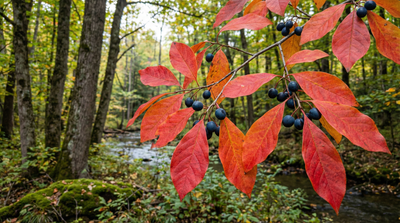
Black Gum
Nyssa sylvatica
Outstanding fall color; blue-black berries eaten by many bird species; flowers provide nectar; long-lived native
Blackhaw Viburnum
Viburnum prunifolium
White flower clusters attract pollinators; blue-black berries eaten by birds and mammals; excellent fall color
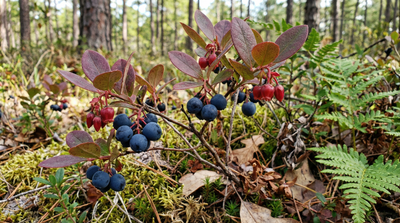
Black Huckleberry
Gaylussacia baccata
Berries eaten by numerous wildlife species; early spring flowers provide nectar; important component of Pennsylvania's mountain ecosystems
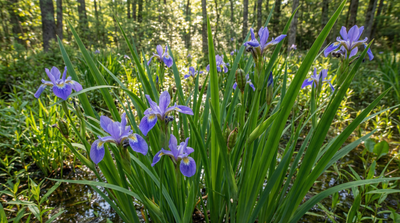
Blue Flag Iris
Iris versicolor
Important wetland plant for erosion control; provides nectar for long-tongued pollinators; rhizomes stabilize stream banks
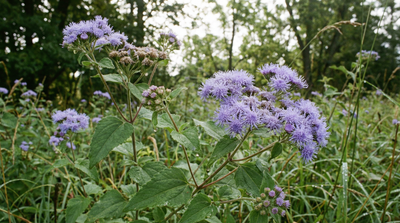
Blue Mistflower
Conoclinium coelestinum
Late-season nectar source with fuzzy blue flowers; attracts diverse butterflies and bees; excellent for rain gardens
Blue Vervain
Verbena hastata
Long bloom period from summer through fall; candelabra-like flower spikes attract diverse pollinators; seeds eaten by birds
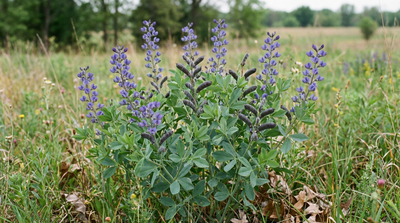
Blue Wild Indigo
Baptisia australis
Nitrogen-fixing legume; host plant for wild indigo duskywing; attractive blue flower spikes; extremely long-lived
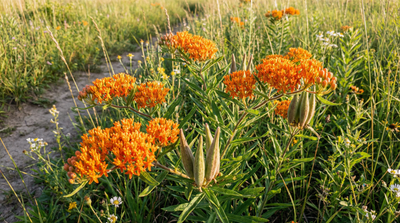
Butterfly Milkweed
Asclepias tuberosa
Monarch host plant adapted to dry conditions; brilliant orange flowers attract diverse pollinators; deep taproot makes it drought tolerant and excellent for restoration
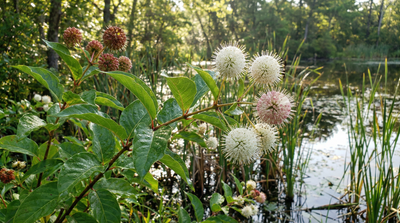
Buttonbush
Cephalanthus occidentalis
Distinctive spherical white flowers attract diverse pollinators; seeds eaten by waterfowl; excellent for rain gardens and wetland restoration
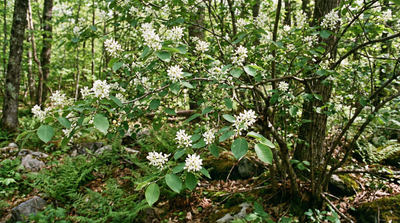
Canadian Serviceberry
Amelanchier canadensis
Early spring blooms provide critical nectar; berries eaten by over 40 bird species; host plant for various moths
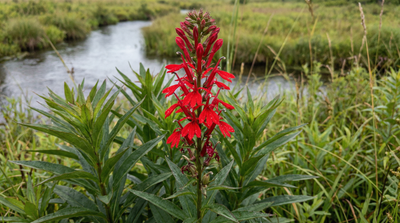
Cardinal Flower
Lobelia cardinalis
Primary hummingbird plant in Pennsylvania; brilliant red tubular flowers perfectly adapted for hummingbird pollination; provides late-season nectar
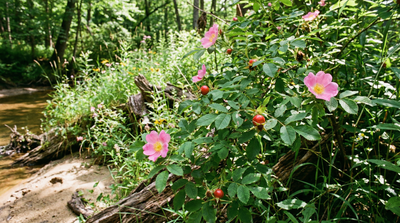
Carolina Rose
Rosa carolina
Pink flowers attract diverse pollinators; rose hips provide winter food for birds; host plant for various moths
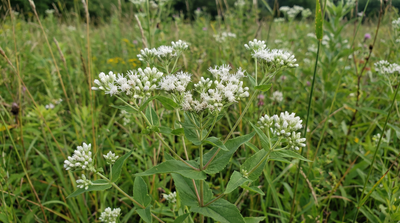
Common Boneset
Eupatorium perfoliatum
Important late-summer nectar source; distinctive perfoliate leaves; supports diverse pollinator community
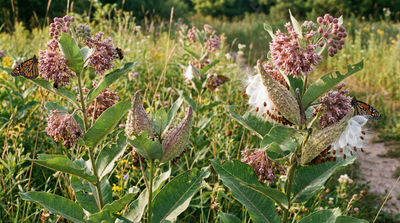
Common Milkweed
Asclepias syriaca
Essential host plant for monarch butterfly caterpillars; keystone species for pollinator conservation; provides critical nectar for dozens of bee and butterfly species
Culver's Root
Veronicastrum virginicum
Elegant white flower spires attract diverse pollinators; provides architectural interest in native plantings; important nectar source for specialist bees
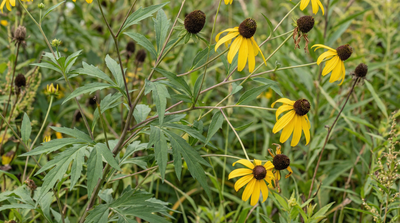
Cutleaf Coneflower
Rudbeckia laciniata
Tall stature provides late-season nectar; distinctive drooping yellow petals; supports diverse pollinator community
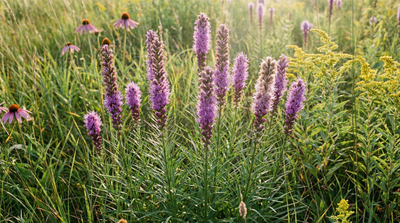
Dense Blazing Star
Liatris spicata
Distinctive purple flower spikes bloom from top down; critical nectar source for migrating monarchs; supports specialist Liatris bees
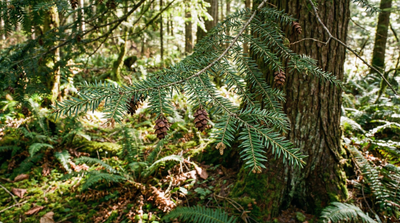
Eastern Hemlock
Tsuga canadensis
Keystone species providing critical winter cover and cooling shade for streams; state tree of Pennsylvania; supports unique plant communities
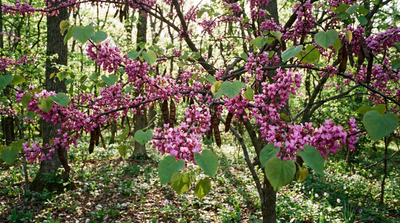
Eastern Redbud
Cercis canadensis
Critical early spring nectar source; pink flowers appear before leaves; host plant for Henry's elfin butterfly
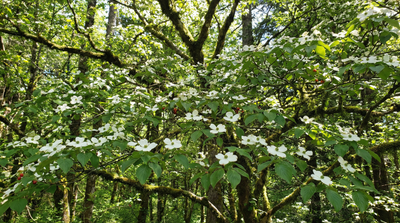
Flowering Dogwood
Cornus florida
Critical wildlife food source; red berries high in fat for migrating birds; host plant for spring azure butterfly; iconic spring bloomer
Foxglove Beardtongue
Penstemon digitalis
Important early summer nectar source; tubular white flowers perfectly shaped for bumble bee pollination; semi-evergreen foliage
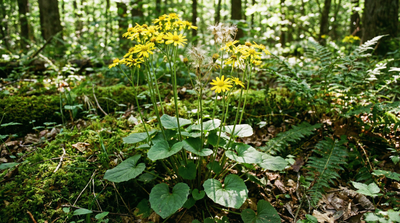
Golden Ragwort
Packera aurea
Important early spring nectar source when few other flowers bloom; evergreen basal rosettes provide winter interest; spreads to form groundcover
Gray Goldenrod
Solidago nemoralis
Short stature makes it ideal for small gardens; gray-green foliage distinctive; important late-season pollinator resource
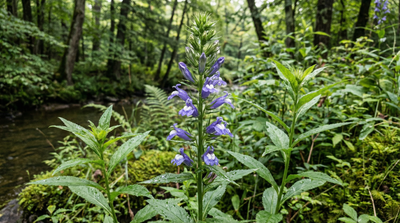
Great Blue Lobelia
Lobelia siphilitica
Important late-summer nectar source; blue flowers complement cardinal flower in mixed plantings; supports diverse pollinator community
Hairy Beardtongue
Penstemon hirsutus
Adapted to challenging Appalachian sites; lavender-pink flowers attract diverse pollinators; excellent for rock gardens
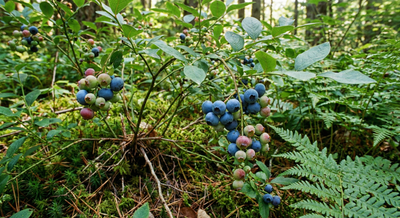
Highbush Blueberry
Vaccinium corymbosum
Edible berries eaten by numerous bird and mammal species; early spring flowers provide nectar; excellent fall color
Indian Grass
Sorghastrum nutans
Beautiful golden fall color; provides seeds for birds and cover for wildlife; important component of prairie restorations
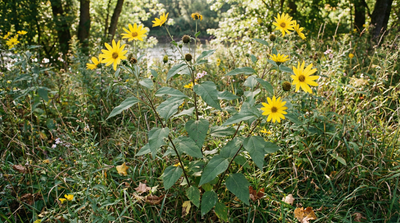
Jerusalem Artichoke
Helianthus tuberosus
Late-season nectar source; tubers provide food for wildlife; tall stature provides cover
Lanceleaf Coreopsis
Coreopsis lanceolata
Long bloom period from late spring through summer; cheerful yellow flowers attract diverse pollinators; excellent for meadow establishment
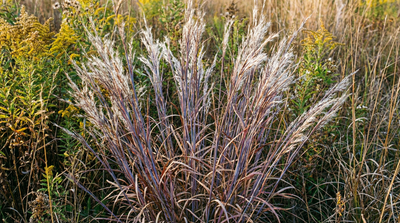
Little Bluestem
Schizachyrium scoparium
Dominant grass of eastern prairies; provides cover and seeds for birds; beautiful bronze-red fall color; host plant for various skippers
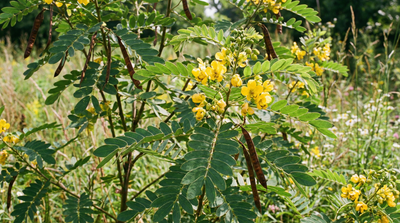
Maryland Senna
Senna marilandica
Host plant for cloudless sulphur and sleepy orange butterflies; yellow flowers attract diverse pollinators; seeds eaten by birds
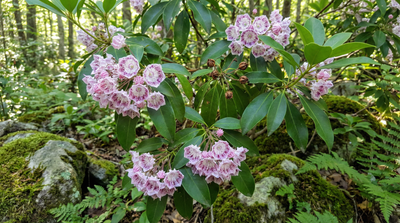
Mountain Laurel
Kalmia latifolia
State flower of Pennsylvania; distinctive cup-shaped flowers with unique pollination mechanism; provides cover for wildlife
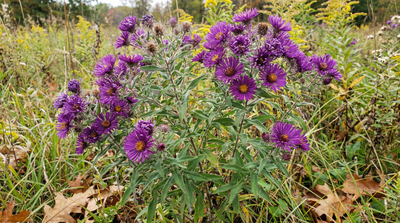
New England Aster
Symphyotrichum novae-angliae
Critical late-season nectar source for migrating monarchs and other butterflies; one of the last flowers to bloom before frost; supports overwintering native bees
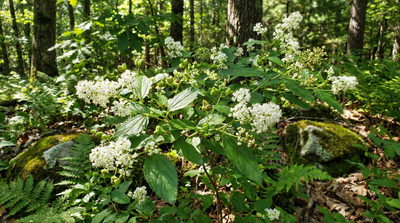
New Jersey Tea
Ceanothus americanus
Nitrogen-fixing shrub that improves soil; host plant for spring azure and mottled duskywing butterflies; white flowers attract diverse pollinators
New York Ironweed
Vernonia noveboracensis
Late-season nectar source critical for migrating butterflies; deep purple flowers provide color when many plants have finished blooming
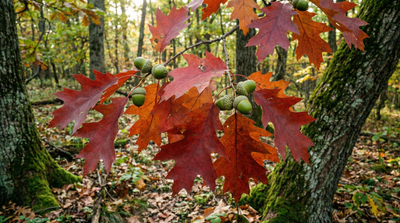
Northern Red Oak
Quercus rubra
Major wildlife food source; supports hundreds of caterpillar species; fast-growing for an oak; excellent fall color
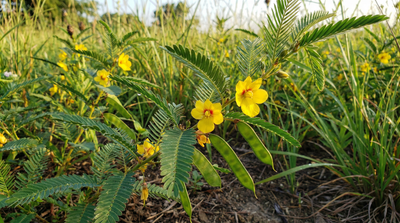
Partridge Pea
Chamaecrista fasciculata
Annual legume that fixes nitrogen; host plant for cloudless sulphur and sleepy orange butterflies; seeds eaten by bobwhite quail and other birds
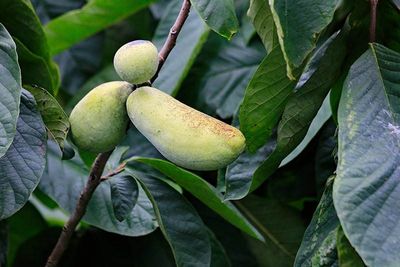
Pawpaw
Asimina triloba
Host plant for zebra swallowtail butterfly; largest edible native fruit; unique tropical-looking foliage
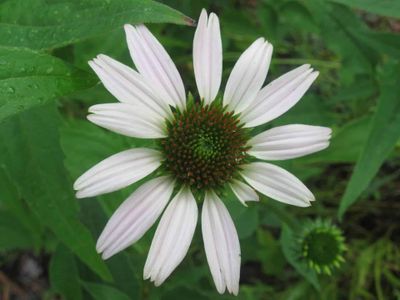
Purple Coneflower
Echinacea purpurea
Long bloom period provides sustained nectar; seed heads feed goldfinches through winter; supports diverse pollinator community
Pussy Willow
Salix discolor
One of the earliest spring bloomers, providing critical pollen and nectar for emerging bees; fuzzy catkins iconic sign of spring
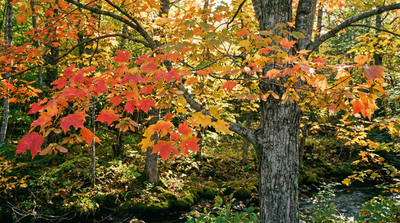
Red Maple
Acer rubrum
One of the first trees to bloom in spring, providing critical early pollen and nectar; brilliant fall color; seeds eaten by wildlife
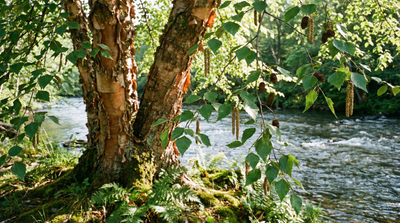
River Birch
Betula nigra
Fast-growing native for wet sites; distinctive peeling bark; seeds eaten by birds; stabilizes stream banks
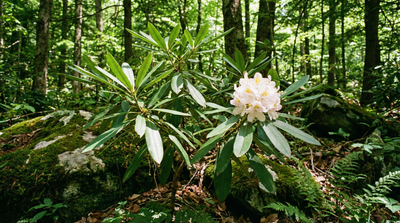
Rosebay Rhododendron
Rhododendron maximum
Provides critical winter cover for wildlife; late-blooming flowers provide nectar; evergreen foliage year-round
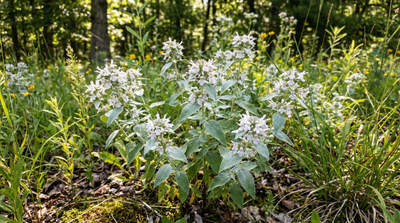
Short-toothed Mountain Mint
Pycnanthemum muticum
One of the most important pollinator plants in the eastern US; silvery bracts attract attention; supports beneficial predatory wasps that control pest insects
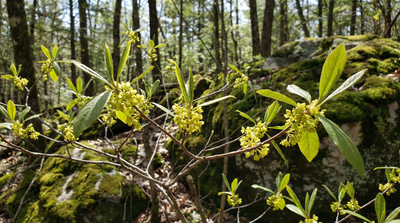
Spicebush
Lindera benzoin
Host plant for spicebush swallowtail butterfly; early spring flowers provide nectar; red berries eaten by migrating birds; aromatic foliage
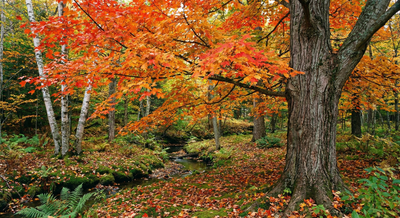
Sugar Maple
Acer saccharum
Keystone species of Pennsylvania's northern hardwood forests; provides food and habitat for numerous wildlife species; spectacular fall color
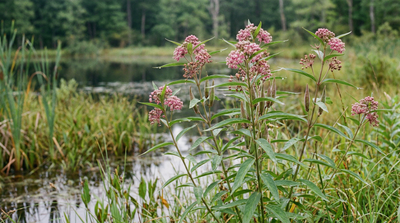
Swamp Milkweed
Asclepias incarnata
Critical monarch butterfly host plant for wetland habitats; provides nectar for diverse pollinator communities; helps stabilize streambanks and filter runoff
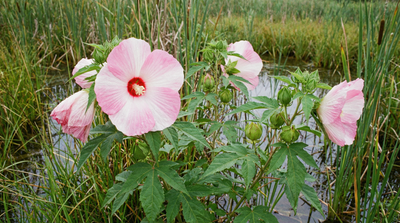
Swamp Rose Mallow
Hibiscus moscheutos
Spectacular large flowers attract diverse pollinators; supports specialist hibiscus bees; provides late-season nectar
Sweet-scented Joe-Pye Weed
Eutrochium purpureum
Towering late-summer blooms provide critical nectar for migrating monarchs and other butterflies; vanilla-scented flowers attract diverse pollinators
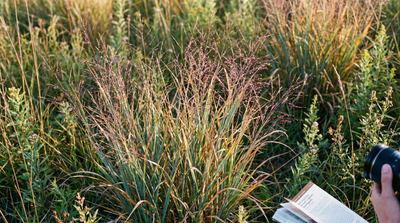
Switchgrass
Panicum virgatum
Important warm-season grass providing cover and seeds for wildlife; deep roots improve soil and prevent erosion; biofuel crop
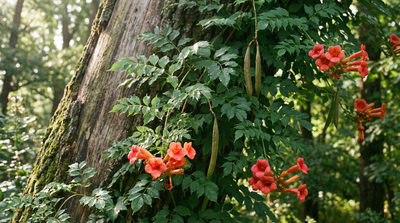
Trumpet Vine
Campsis radicans
Primary hummingbird vine in Pennsylvania; orange-red tubular flowers perfectly adapted for hummingbird pollination; provides cover
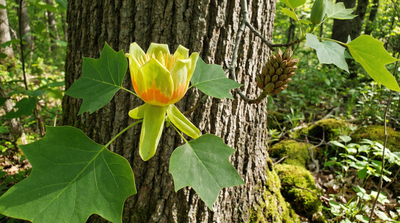
Tulip Tree
Liriodendron tulipifera
State tree of Pennsylvania (unofficial); major nectar producer for bees; distinctive tulip-shaped flowers; fast-growing native
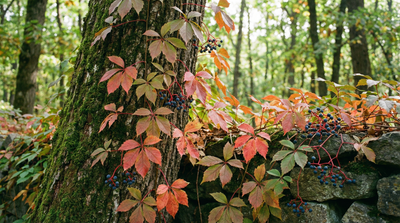
Virginia Creeper
Parthenocissus quinquefolia
Blue-black berries eaten by many bird species; brilliant red fall color; provides cover for wildlife; host plant for sphinx moths
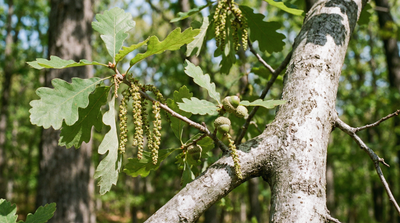
White Oak
Quercus alba
Keystone species supporting over 500 species of caterpillars; acorns critical food source for wildlife; long-lived (300+ years)
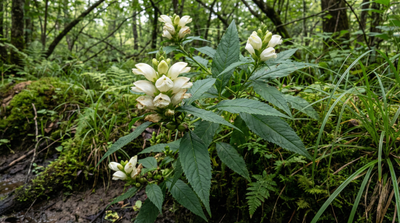
White Turtlehead
Chelone glabra
Host plant for Baltimore checkerspot butterfly; late-season nectar source; distinctive turtle-shaped flowers
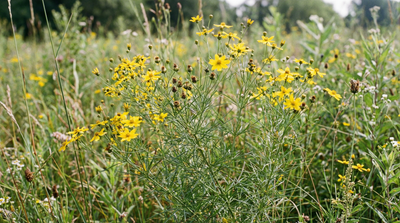
Whorled Tickseed
Coreopsis verticillata
Delicate appearance belies tough constitution; long bloom period; spreads to form attractive colonies
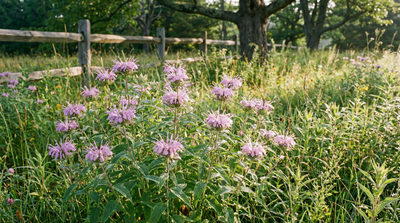
Wild Bergamot
Monarda fistulosa
Premier pollinator plant supporting over 100 species of native bees; aromatic foliage deters deer; spreads to form colonies providing sustained bloom through summer
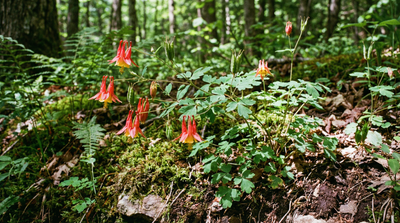
Wild Columbine
Aquilegia canadensis
Critical early-season nectar source for ruby-throated hummingbirds; distinctive red and yellow flowers; seeds eaten by birds
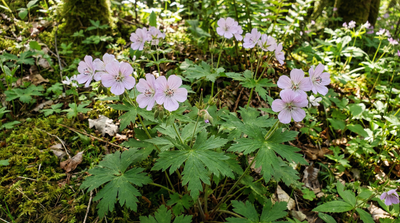
Wild Geranium
Geranium maculatum
Important spring wildflower for woodland pollinators; provides early-season nectar and pollen; spreads to form attractive colonies
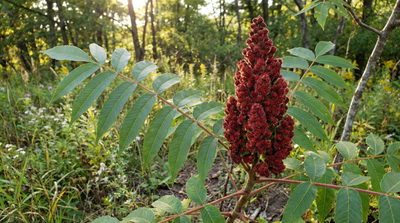
Winged Sumac
Rhus copallinum
Red fruit clusters persist through winter, providing critical food for birds; excellent fall color; host plant for various moths
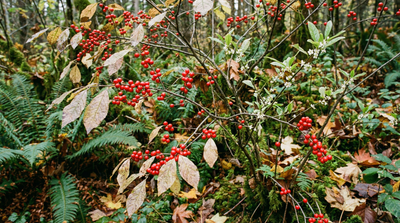
Winterberry Holly
Ilex verticillata
Brilliant red berries persist through winter, providing critical food for birds; dioecious (separate male and female plants needed)
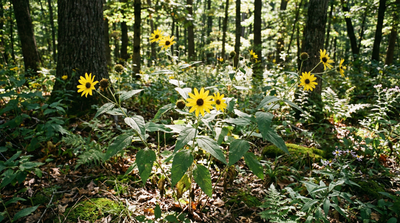
Woodland Sunflower
Helianthus divaricatus
Late-summer bloomer providing nectar and seeds; spreads to form colonies; supports diverse pollinator and bird communities
Wrinkleleaf Goldenrod
Solidago rugosa
Fireworks-like flower display attracts diverse pollinators; spreads to form attractive colonies; excellent for meadow restorations
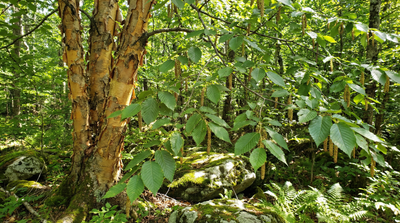
Yellow Birch
Betula alleghaniensis
Important component of Pennsylvania's northern hardwood forests; seeds eaten by birds; bark provides winter food for deer
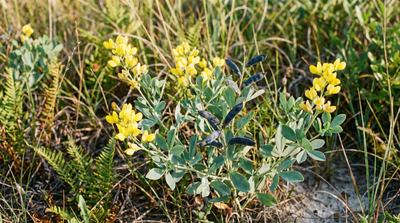
Yellow Wild Indigo
Baptisia tinctoria
Nitrogen-fixing legume that improves soil; host plant for wild indigo duskywing and other butterflies; long-lived perennial
Zigzag Goldenrod
Solidago flexicaulis
Important late-season nectar source for woodland pollinators; zigzag stem is distinctive identification feature; supports specialist goldenrod bees