Native Plants of Rhode Island
Native plants of Rhode Island support coastal and woodland ecosystems. These species are adapted to maritime influences and provide habitat for wildlife.
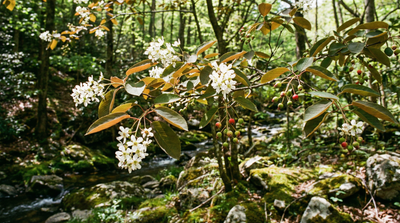
Allegheny Serviceberry, Smooth Serviceberry
Amelanchier laevis
Provides early season nectar and pollen for pollinators. Berries are a food source for birds and other wildlife.
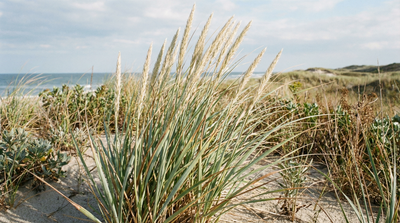
American Beachgrass
Ammophila breviligulata
Stabilizes sand dunes and helps control erosion.
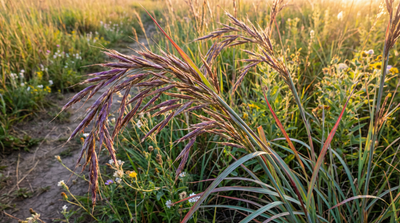
Big Bluestem
Andropogon gerardii
Dominant grass species of the Midwestern tallgrass prairie. Provides habitat for many insects, small mammals, and birds. Host plant for Delaware Skipper and Dusted Skipper butterflies. Nesting site for more than 23 species of birds.
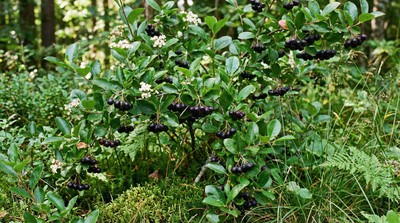
Black Chokeberry
Aronia melanocarpa
Flowers provide nectar and pollen for bees. Berries are a food source for birds.
Blunt-lobed Hepatica, Round-lobed Hepatica, Liverleaf
Anemone americana
Provides early spring pollen for pollinators.
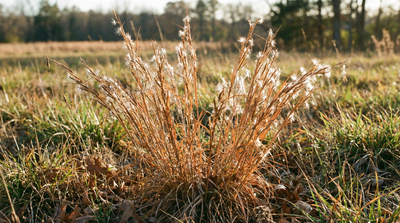
Broomsedge Bluestem
Andropogon virginicus
Primary native meadow grass in the northeast. Host for butterfly and moth larvae (caterpillars), including Zabulon Skipper. Provides shelter for pollinating insects, and the seeds are a food source for many birds.
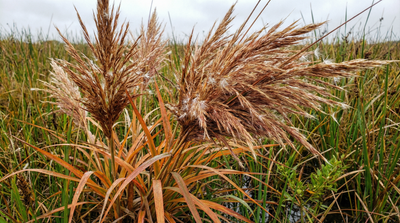
Bushy Bluestem
Andropogon glomeratus
Seeds are eaten by various small birds and other wildlife. Host plant for butterfly and moth larvae (caterpillars), including Skippers and Satyrs. Provides shelter and food for a variety of insects, particularly pollinators like bees and butterflies.
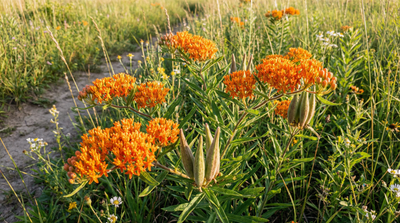
Butterfly Weed
Asclepias tuberosa
Host plant for Monarch and Queen butterflies. Provides nectar for a variety of pollinators.
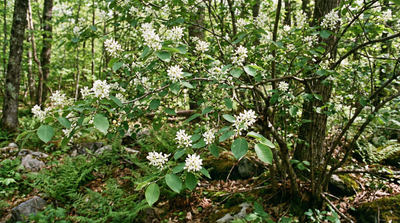
Canadian Serviceberry, Eastern Shadbush
Amelanchier canadensis
Host plant for over 120 species of Lepidoptera, including the Red Spotted Purple Butterfly and the Viceroy. Provides food and shelter for a high number of pollinating insects, birds, and small mammals.
Clasping Milkweed, Blunt-leaved Milkweed
Asclepias amplexicaulis
Host plant for the Monarch butterfly. Provides nectar for bees and other pollinators.
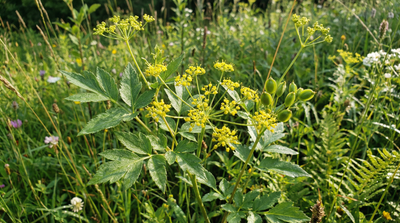
Common Golden Alexanders
Zizia aurea
Host plant for the Black Swallowtail butterfly. Provides an early nectar source for pollinators.
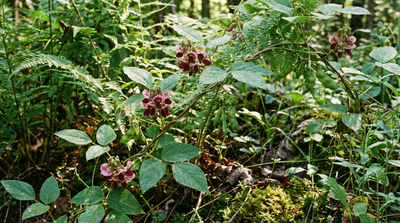
Common Groundnut, Indian-potato, Hopniss
Apios americana
Provides nectar and pollen to pollinators.
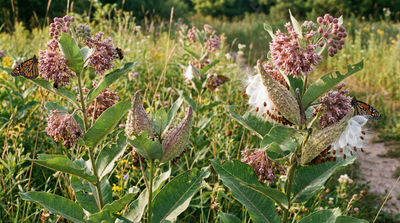
Common Milkweed
Asclepias syriaca
Host plant for the monarch butterfly. Supports a variety of pollinators.
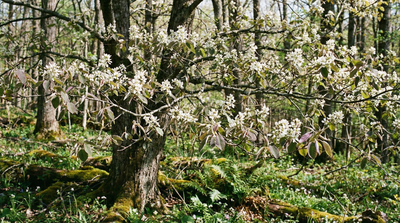
Common Serviceberry, Downy Shadbush
Amelanchier arborea
Early blooms are a vital nectar and pollen source for native bees, flies, and early-emerging butterflies. Berries are consumed by a variety of birds and mammals.
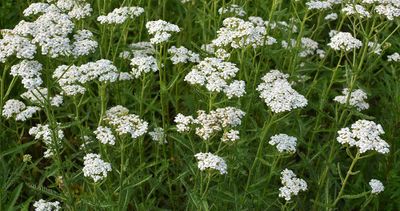
Common Yarrow
Achillea millefolium
Attracts a variety of pollinators and beneficial predatory insects, while repelling some pest insects.
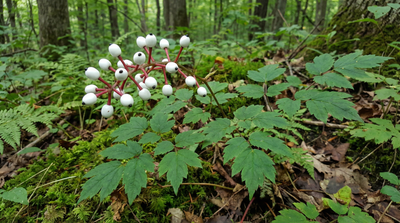
Doll's Eyes, White Baneberry
Actaea pachypoda
Berries are eaten and dispersed by birds.
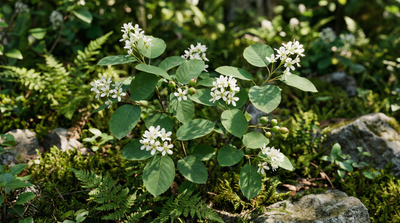
Dwarf Serviceberry, Dwarf Shadbush
Amelanchier spicata
Attracts a wide variety of early-season pollinators. Fruit is eaten by over 40 species of birds.
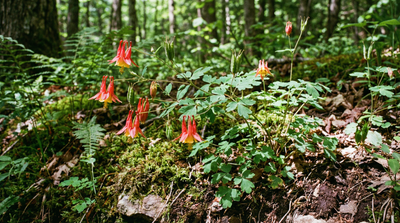
Eastern Red Columbine, Wild Columbine
Aquilegia canadensis
Provides nectar for a variety of pollinators, including hummingbirds, bees, and butterflies. Host plant for the columbine duskywing butterfly.
Ebony Spleenwort
Asplenium platyneuron
Not specified.
Flowering Big-Bracted-Dogwood
Benthamidia florida
Berries provide food for birds. Supports over 100 species of butterflies and moths.
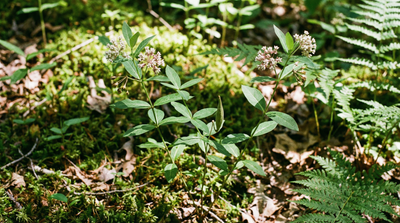
Four-leaved Milkweed
Asclepias quadrifolia
Host plant for Monarch butterflies and the Milkweed Tussock Moth. Supports a variety of pollinators.
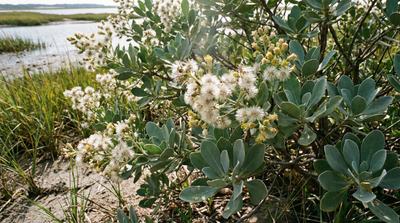
Groundsel-Tree, Eastern False Willow
Baccharis halimifolia
Nectar attracts a variety of pollinators, especially monarch butterflies. Birds and other wildlife eat its seeds.
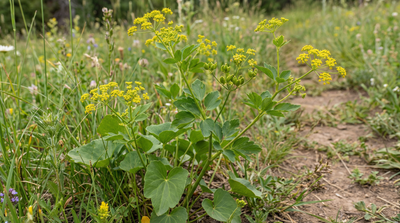
Heart-leaved Golden Alexanders
Zizia aptera
Host plant for caterpillars of the Painted Lady and Black Swallowtail butterflies. Provides nectar and pollen for bees, pollinating flies, butterflies, beetles, and other plant insects.
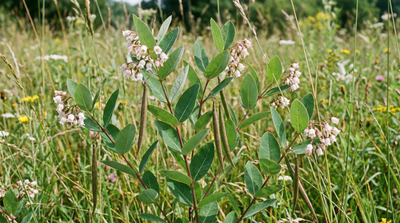
Hemp Dogbane, Indian Hemp
Apocynum cannabinum
Nectar-rich flowers feed moths, butterflies, bats, and bees. Host plant for the dogbane beetle.
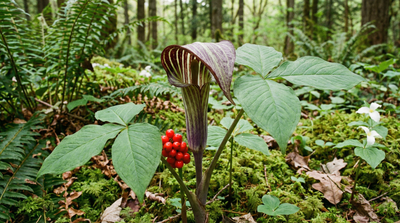
Jack-in-the-Pulpit
Arisaema triphyllum
Fruit is consumed by birds and other wildlife.
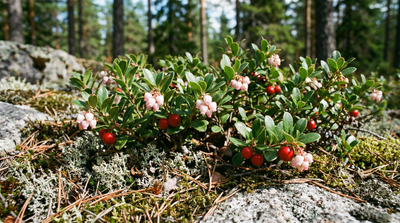
Kinnikinnick, Red Bearberry
Arctostaphylos uva-ursi
Host plant for a number of butterfly larvae. Flowers attract native pollinators, and berries sustain birds and other wildlife.
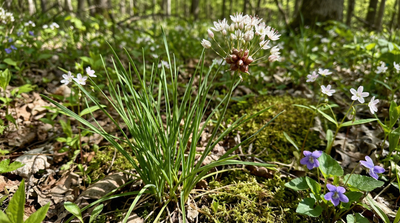
Meadow Garlic, Wild Garlic, Wild Onion
Allium canadense
Attracts a variety of pollinators.
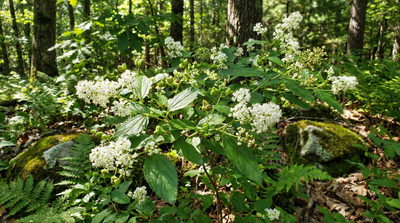
New Jersey Tea, Jersey Tea Ceanothus
Ceanothus americanus
Nitrogen-fixing species. Provides abundant nectar and pollen for native bees, butterflies, and wasps. Host plant for several butterfly and moth larvae.
Northern Lady Fern
Athyrium angustum
Not specified.
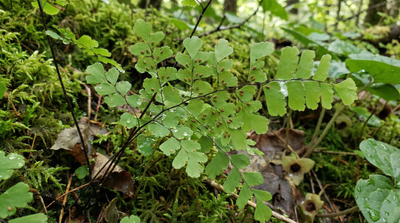
Northern Maidenhair Fern
Adiantum pedatum
Provides cover for small animals.
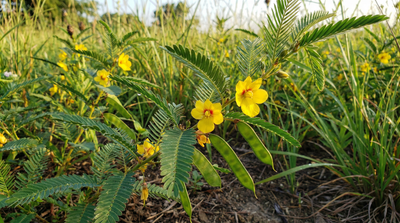
Partridge Pea, Partridge Sensitive-Pea
Chamaecrista fasciculata
Host plant for various species of Sulfur butterfly larvae. Provides nectar for butterflies, beneficial wasps, and native bees.
Poke Milkweed
Asclepias exaltata
Host to monarch caterpillars and other specialist insects. Flowers feed other pollinators.
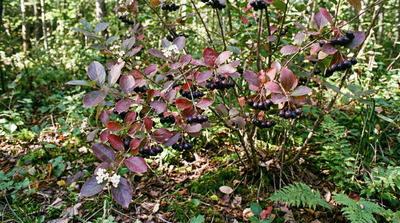
Purple Chokeberry
Aronia floribunda
Flowers provide nectar and pollen for bees. Berries are a food source for birds.
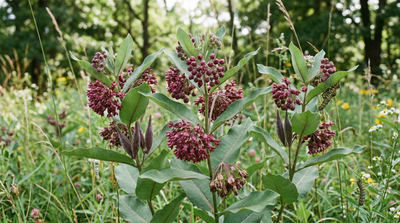
Purple Milkweed
Asclepias purpurascens
Host plant for Monarch butterflies. Provides nectar and pollen for various pollinators.
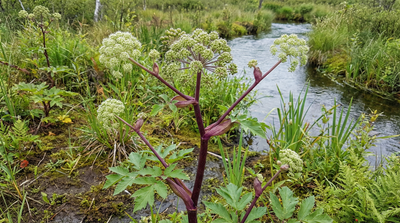
Purple-stemmed Angelica
Angelica atropurpurea
Host plant for the Black Swallowtail butterfly. Attracts a variety of pollinators.
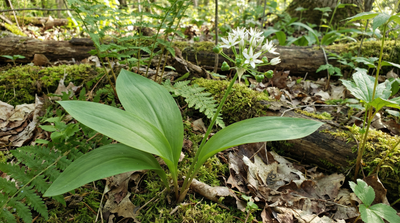
Ramps, Wild Leek
Allium tricoccum
Attracts native bees.
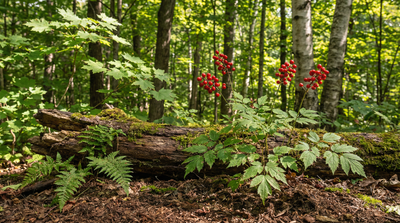
Red Baneberry
Actaea rubra
Berries are eaten by birds and small mammals.
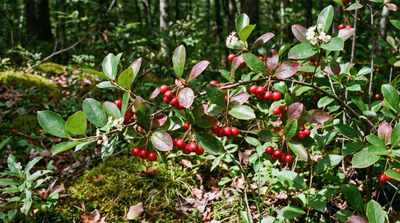
Red Chokeberry
Aronia arbutifolia
Flowers provide nectar and pollen for bees. Berries are a food source for birds.
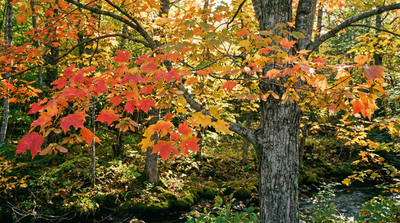
Red Maple
Acer rubrum
Provides early season nectar and pollen for pollinators. Host plant for approximately 287 species of butterflies and moths. Seeds are a food source for birds and chipmunks.
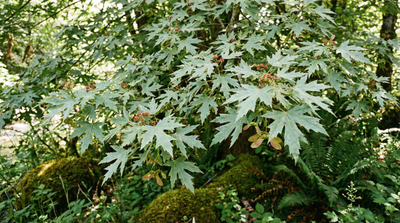
Silver Maple
Acer saccharinum
Provides food for many birds and small mammals. Keystone species.
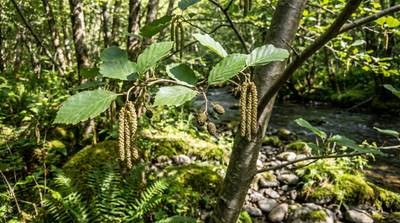
Smooth Alder, Hazel Alder
Alnus serrulata
Nitrogen-fixing species. Catkins and fruits are eaten by birds and small animals. Provides cover and nesting sites.
Southern Lady Fern
Athyrium asplenioides
Provides cover for toads and anoles. Supports up to 3 species of lepidoptera.
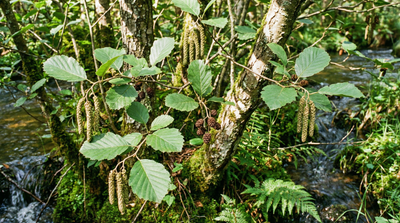
Speckled Alder, Gray Alder
Alnus incana
Nitrogen-fixing species. Provides an early blooming pollen source for bees and is a host plant for multiple insects eaten by birds. Seeds, buds, and catkins are eaten by songbirds. Beavers use it to build dams and lodges.
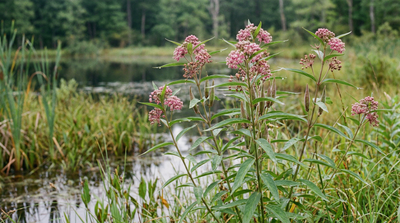
Swamp Milkweed, Rose Milkweed
Asclepias incarnata
Host plant for monarch, grey hairstreak, and queen butterflies. Attracts a large number of pollinators.
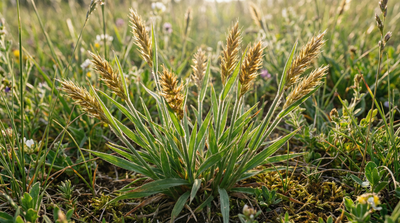
Sweetgrass, Vanilla Sweet Grass
Anthoxanthum nitens
Provides shelter and structure for pollinators and beneficial insects.
Walking Fern, Walking Spleenwort
Asplenium rhizophyllum
Not specified.
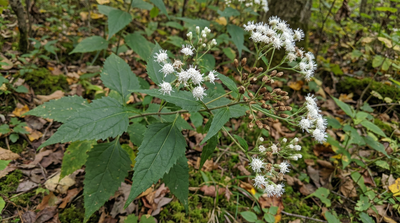
White Snakeroot
Ageratina altissima
Provides late-season nectar for pollinators.
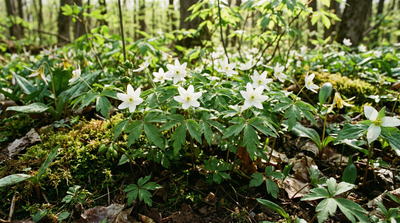
Wood Anemone, Wood Windflower
Anemone quinquefolia
Attracts bees to a native pollinator garden.
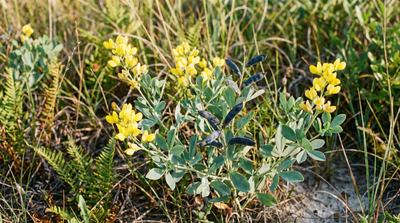
Yellow Wild Indigo, Horseflyweed
Baptisia tinctoria
Host plant for the Wild Indigo Duskywing butterfly. Flowers attract native bees and butterflies.