Native Plants of Tennessee
Native plants of Tennessee support incredibly diverse ecosystems including some of the most biodiverse temperate forests in the world. These species thrive in humid conditions.
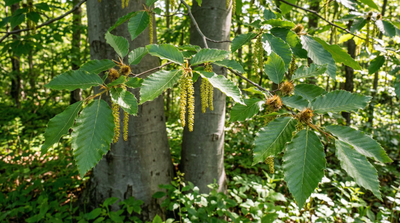
American Beech
Fagus grandifolia
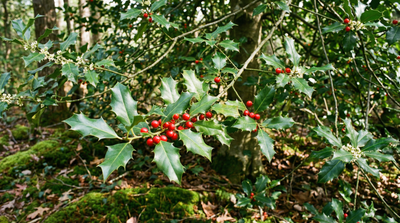
American Holly
Ilex opaca
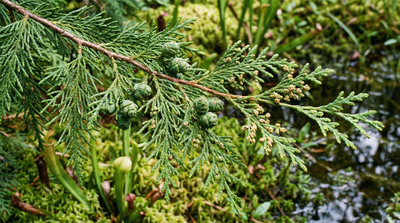
Atlantic Whitecedar
Chamaecyparis thyoides
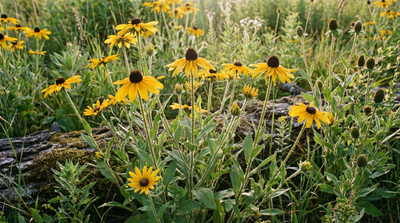
Black-eyed Susan
Rudbeckia hirta
Provides habitat and food sources for a variety of wildlife. The plant's roots are also known to help stabilize soil and prevent erosion.
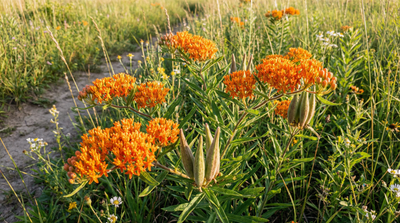
Butterfly milkweed
Asclepias tuberosa
Host plant for Monarch butterfly larvae and provides nectar for many pollinators.
Canada Violet
Viola canadensis
Contributes to soil health, supports pollinators, and provides habitat for wildlife.
Clasping coneflower
Dracopis amplexicaulis
Common Blue Violet
Viola sororia
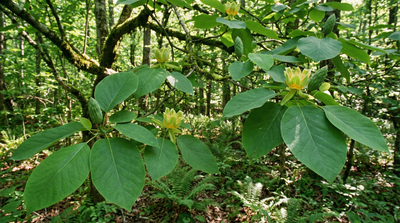
Cucumber Tree
Magnolia acuminata
Dark Throat Shooting Star
Dodecatheon pulchellum
Attracts certain species of solitary bees, as well as native bumble bees.
Downy Yellow Violet
Viola pubescens
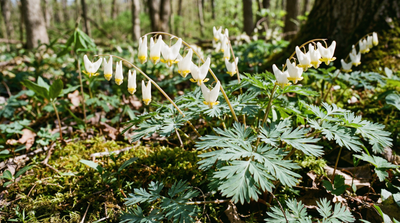
Dutchman's Breeches
Dicentra cucullaria
Provides early food for pollinators and improving soil health.
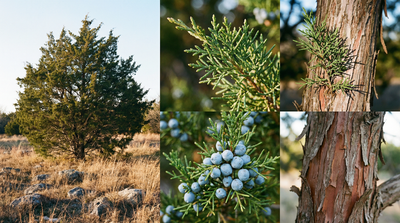
Eastern Redcedar
Juniperus virginiana
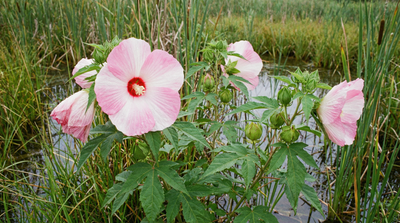
Eastern rosemallow
Hibiscus moscheutos
Provides a protective habitat for wetland insects and amphibians. Its deep roots stabilize marshy terrain, preventing erosion.
Eastern smooth penstemon
Penstemon laevigatus
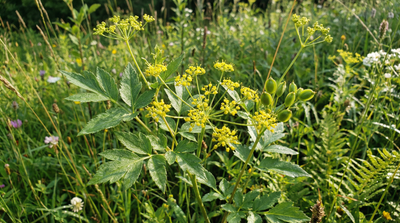
Golden Alexanders
Zizia aurea
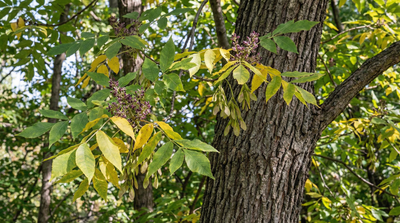
Green Ash
Fraxinus pennsylvanica
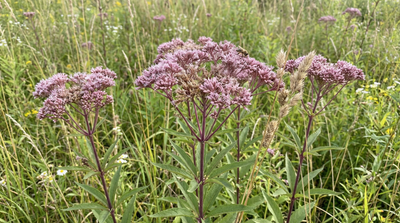
Joe Pye weed
Eutrochium fistulosum
Provides nectar for pollinators, hosts Pearl Crescent butterflies, and is a food source for songbirds.
Lanceleaf coreopsis
Coreopsis lanceolata
Provides food for a large number of native bees, butterflies, and moths.
Loblolly Bay
Gordonia lasianthus
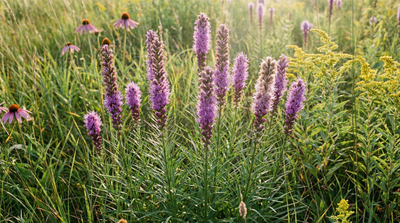
Marsh blazing star
Liatris spicata
Attracts a variety of pollinators.
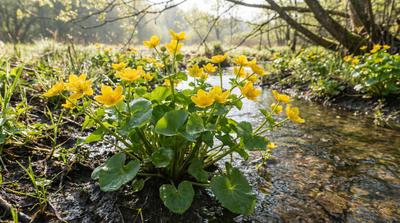
Marsh Marigold
Caltha palustris
Stabilizes soil along streambanks and supports aquatic and semi-aquatic food chains.
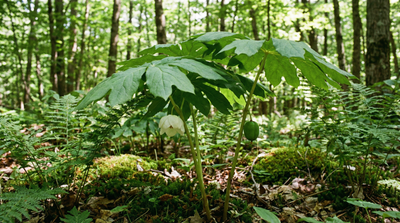
May-apple Mandrake
Podophyllum peltatum
Helps stabilize soil and create microhabitats for insects, amphibians, and forest floor species. Provides early-season ground cover.
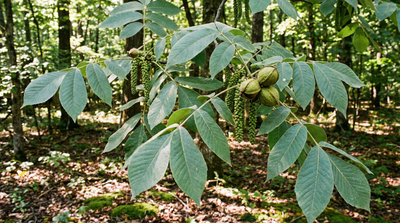
Mockernut Hickory
Carya tomentosa
Narrowleaf mountain mint
Pycnanthemum tenuifolium
One of the top pollinator-supporting native plants, offering nectar and pollen to a remarkable diversity of bees, butterflies, and other insects.
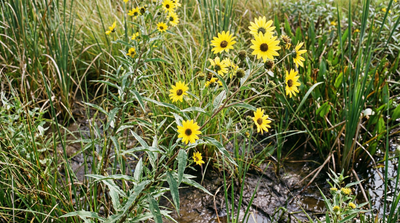
Narrowleaf sunflower
Helianthus angustifolius
Important ecological resource for many pollinators and birds. Supports up to 73 species of butterflies and moths.
New York ironweed
Vernonia noveboracensis
Powerhouse pollinator plant. Valuable food source for pollinators when other flowers have ceased blooming.
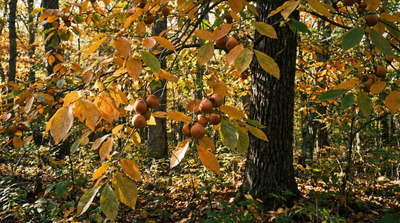
Persimmon
Diospyros virginiana
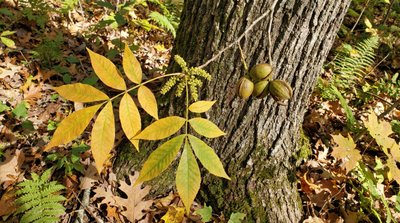
Pignut Hickory
Carya glabra
Prairie Trillium
Trillium recurvatum
Sustaining local biodiversity, providing food and shelter for a variety of creatures.
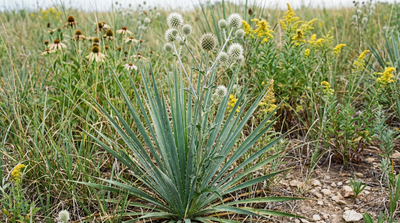
Rattlesnake master
Eryngium yuccifolium
Pollinator magnet for butterflies, bees, moths, flies, beetles, and wasps. Host plant for the caterpillars of two relatively rare moth species.
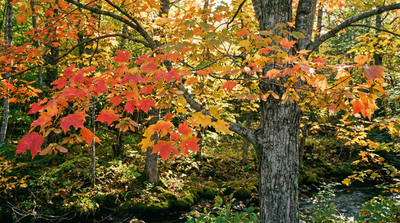
Red Maple
Acer rubrum
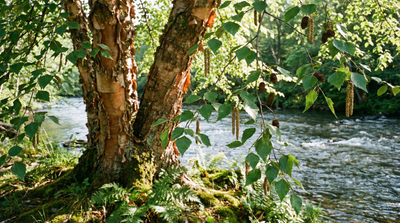
River Birch
Betula nigra
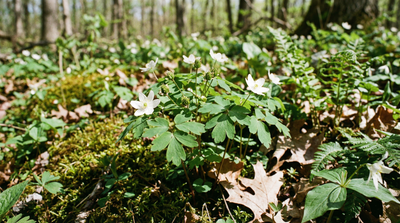
Rue Anemone
Thalictrum thalictroides
Provides pollen to a wide range of native pollinators.
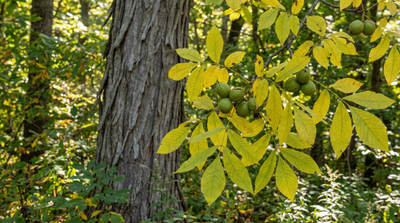
Shagbark Hickory
Carya ovata
Southern Sugar Maple
Acer barbatum
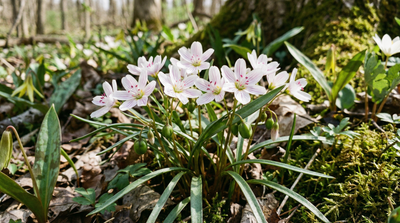
Spring Beauty
Claytonia virginica
Source of food for various animals.
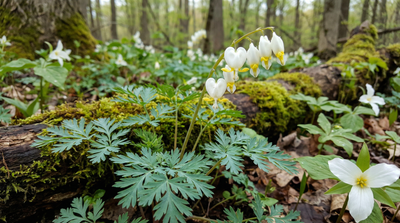
Squirrel Corn
Dicentra canadensis
Enhances biodiversity in gardens by attracting pollinators.
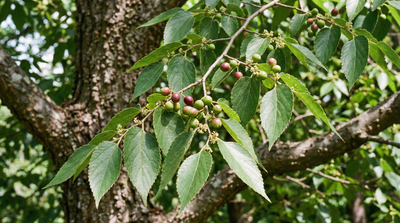
Sugarberry
Celtis laevigata
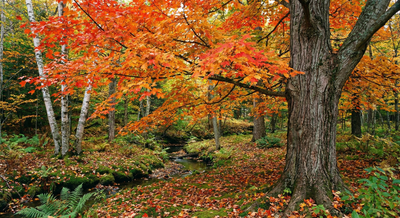
Sugar Maple
Acer saccharum
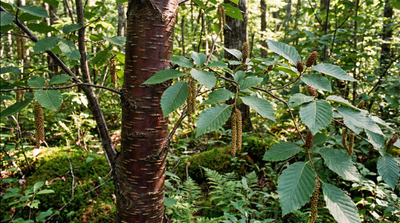
Sweet Birch
Betula lenta
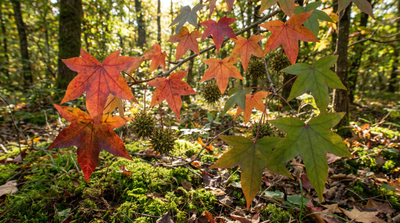
Sweetgum
Liquidambar styraciflua
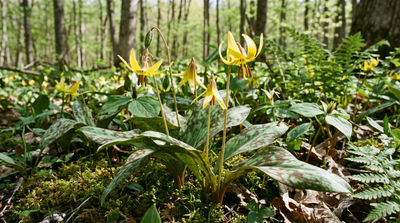
Trout Lily
Erythronium americanum
May reduce losses of potassium and nitrogen from the ecosystem during the period of maximum removal.
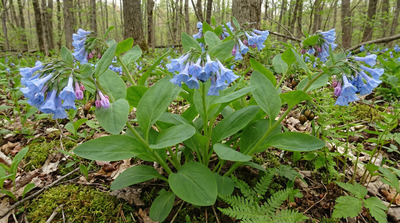
Virginia Bluebells
Mertensia virginica
Supports biodiversity and creates more resilient ecosystems. Provides food and habitat for various insects.
Virginia Spiderwort
Tradescantia virginiana
Attractive to native pollinators and beneficial insects. Larval host for some butterfly and moth species.
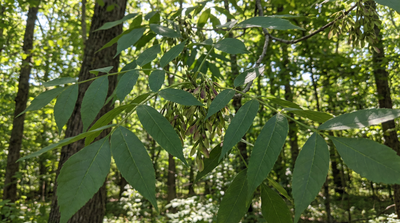
White Ash
Fraxinus americana
White wild indigo
Baptisia alba
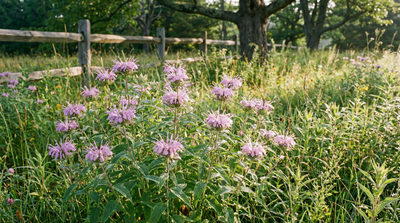
Wild bergamot
Monarda fistulosa
Provides forage and habitat for many species. Attracts a large array of pollinators.
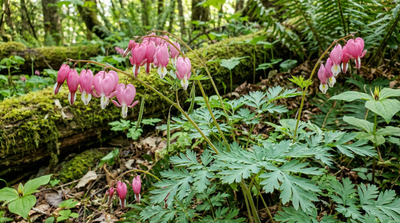
Wild Bleeding Heart
Dicentra eximia
Provides shelter and food for various insects.
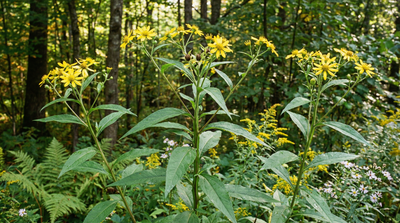
Wingstem
Verbesina alternifolia
Supports a great diversity of bees and wasps.
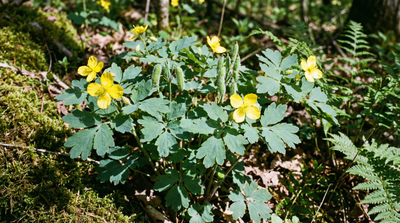
Wood or Celandine Poppy
Stylophorum diphyllum
Attracts pollinators, including bees, butterflies, and other beneficial insects.
Wrinkleleaf goldenrod
Solidago rugosa
Keystone species, supporting a considerable amount of wildlife. Host plant for the caterpillars of over 100 species of butterflies and moths. Seeds provide food for birds and shelter for overwintering insects.
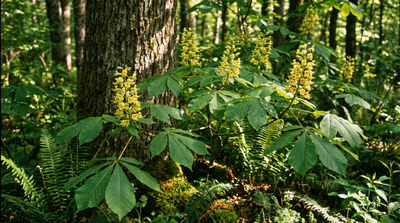
Yellow Buckeye
Aesculus flava
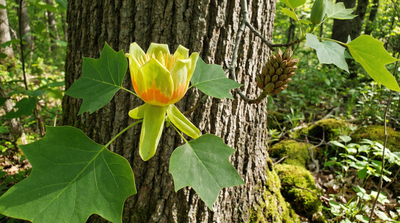
Yellow-Poplar
Liriodendron tulipifera