Native Plants of Utah
Native plants of Utah are adapted to the state's arid climate with hot summers and cold winters. These water-wise species support desert and mountain ecosystems.
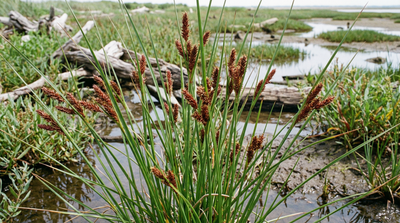
Alkali Bulrush
Bolboschoenus maritimus
Provides food and habitat for wildlife. Waterfowl eat the seed and use the stems for nesting cover. Muskrats and beaver will eat the rootstocks and young shoots.
Alkali Cordgrass
Spartina gracilis
Excellent for erosion control along rivers and streams. Its foliage is coarse but readily grazed by cattle and horses.
Alkali Sacaton
Sporobolus airoides
Excellent grass for erosion control. It is fair to good forage for cattle and horse, poor for sheep and wildlife while actively growing, poor for all animals when dry, makes fair hay when cut during or before flowering.
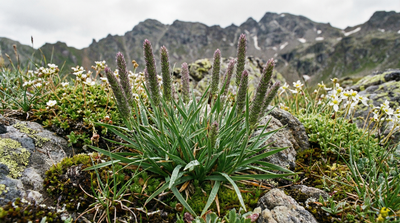
Alpine Timothy
Phleum alpinum
Not specified
American Vetch
Vicia americana
Provides habitat for wildlife, pollinators, big game, songbirds, and upland games.
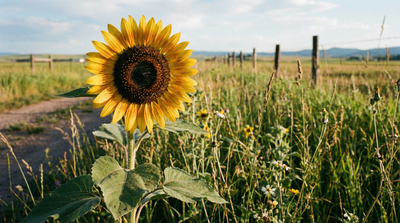
Annual Sunflower
Helianthus annuus
Provides habitat for wildlife, pollinators, songbirds, and upland games.
Antelope Bitterbrush
Purshia tridentata
An important browse species for big game animals.
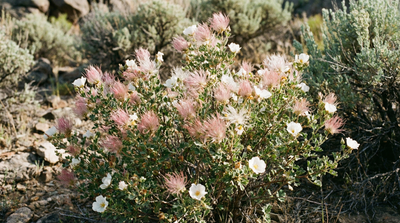
Apache Plume
Fallugia paradoxa
Attracts bees, birds, and butterflies.
Arizona Fescue
Festuca arizonica
Arizona fescue has an extensive root system making it a valuable plant for soil stabilization. It has moderate drought and shade tolerance.
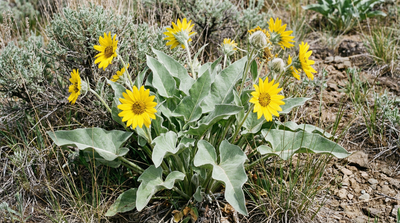
Arrowleaf Balsamroot
Balsamorhiza sagittata
A wide variety of wildlife utilizes arrowleaf balsamroot. Deer, elk, bighorn sheep and pronghorn eat the leaves, stems and flowers.
Aspen Fleabane
Erigeron speciosus
Not specified
Basin Wildrye
Leymus cinereus
Provides excellent surface erosion control and soil stabilization and can be a valuable restoration species wherever moisture is adequate. It provides important cover and winter forage for elk and deer. It also provides habitat for upland game birds and food for songbirds and small mammals.
Bear River Fleabane
Erigeron ursinus
Not specified
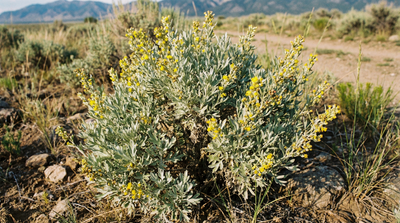
Big Sagebrush
Artemisia tridentata
It is a vital food source outside the growing season for Sage grouse, elk, mule deer, pronghorn, and pygmy rabbit, among others.
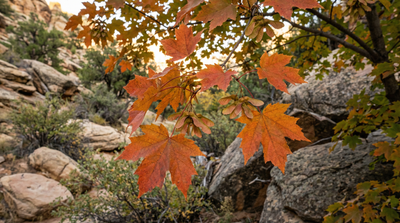
Bigtooth Maple
Acer grandidentatum
It is a fair source of food for browsing wildlife and domestic livestock. The seeds, buds, and flowers provide food for numerous species of birds and small mammals.
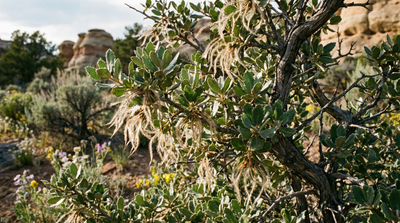
Birchleaf Mountain Mahogany
Cercocarpus montanus
It is a good source of cover for livestock, big game, and many small mammals and birds.
Bluebunch Wheatgrass
Pseudoroegneria spicata
The forage value of Bluebunch wheatgrass is excellent for cattle and horse, good for sheep, elk, and deer. It cures well and makes good standing winter feed.
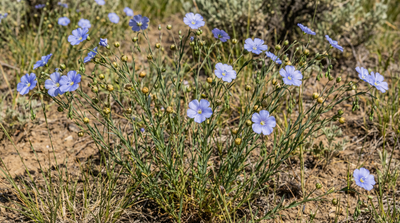
Blue Flax
Linum lewisii
Birds use the seeds and capsules in fall and winter.
Bluestem Willow
Salix irrorata
Not specified
Blunt-pod milkvetch
Astragalus anserinus
Not specified
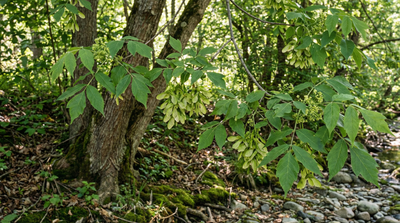
Boxelder
Acer negundo
Boxelder provides ground cover, streambank protection, and shade for livestock and recreation areas in lower portions of Utah canyons.
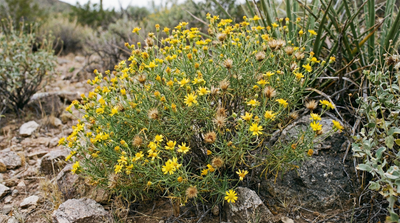
Broom Snakeweed
Gutierrezia sarothrae
Snakeweed provides little browse for domestic livestock. It is of minimal value to cattle and horses, but does provide fair quality winter browse for domestic sheep when green forage is scarce or lacking.
Buffaloberry
Shepherdia argentea
Provides ideal cover and nesting sites for many birds. It is a preferred food source of sharp-tailed grouse and many other birds and small mammals.
Canyon Maple
Acer grandidentatum
It is a fair source of food for browsing wildlife and domestic livestock. The seeds, buds, and flowers provide food for numerous species of birds and small mammals.
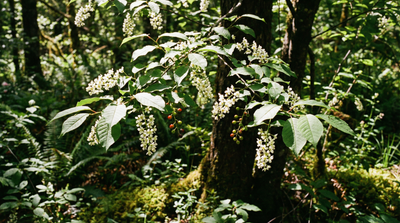
Chokecherry
Prunus virginiana
Widely regarded as an important wildlife food plant and provides habitat, watershed protection, and species diversity. Fruits, leaves, and twigs are utilized. Large mammals including bears, moose, coyotes, bighorn sheep, pronghorn, elk, and deer use chokecherry as browse. Chokecherry is also a food source for small mammals. The fruits are an important food for many birds.
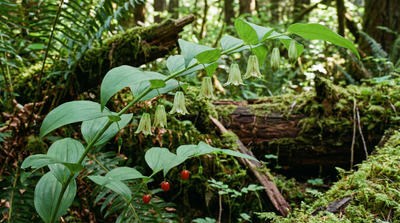
Clasping-leaf Twisted-stalk
Streptopus amplexifolius
Not specified
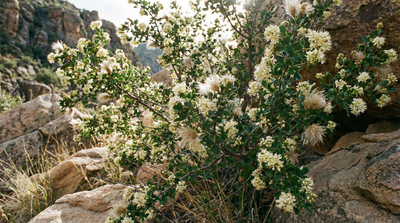
Cliffrose
Purshia stansburyana
The drought resistant plant is a very important plant for wildlife browsing for animals such as deer, pronghorn and elk. Cliffrose is commonly used for restoration projects and erosion control.
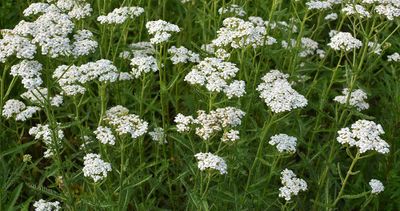
Common Yarrow
Achillea millefolium
Yarrow provides poor to fair cattle forage and fair to good sheep forage, especially the inflorescence. It is usually grazed only when its green, and it may contain toxic alkaloids and glycosides.
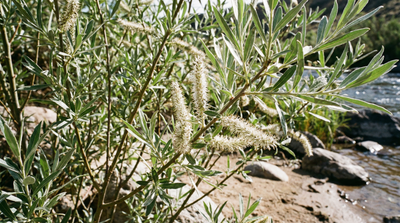
Coyote Willow
Salix exigua
Coyote willow is an important food source for many wildlife species. In the Great Basin it has been reported as a favorite food of beaver. Willows (Salix spp.) in general are a preferred food of moose, and coyote willow occurs in riparian and flood plain habitats that these animals frequent. It also is browsed heavily by elk but is of only slight importance as browse for mule deer. Dense stands provide hiding cover for wildlife but at the same time limit access for livestock.
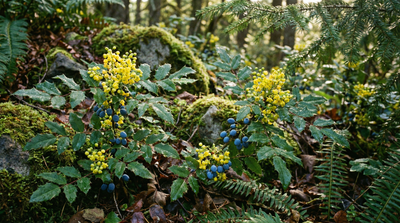
Creeping Oregon Grape
Mahonia repens
Resistant to deer and attracts pollinators when in bloom.
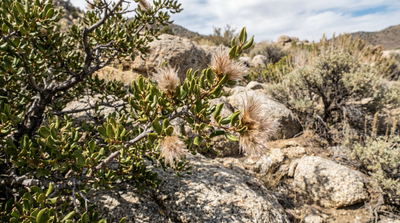
Curl-leaf Mountain Mahogany
Cercocarpus ledifolius
Curlleaf mountain-mahogany is good forage for all classes of browsing animals in both summer and winter; it is one of the few browse species that meets or exceeds the protein requirements for wintering big game animals.
Cushion Phlox
Phlox pulvinata
One of the earliest species to flower as temperatures warm in spring.
Desert Marigold
Baileya multiradiata
Wildlife habitat, Pollinator habitat, Tortoise habitat, Drought resilience, Bumblebee habitat
Desert Paintbrush
Castilleja chromosa
Hemi-parasitic plant, commonly parasitizing Asteraceae, especially Chrysothamnus greenei, Gutierrezia, and various species of Artemisia.
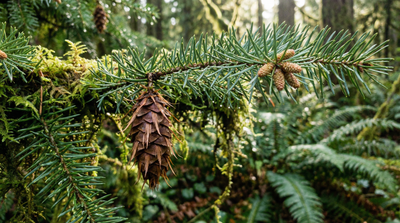
Douglas Fir
Pseudotsuga menziesii
Douglas fir provides cover and habitat for both wildlife and livestock. The seeds are an important food source for birds and small mammals. The needles (leaves) are eaten by blue grouse and spruce grouse.
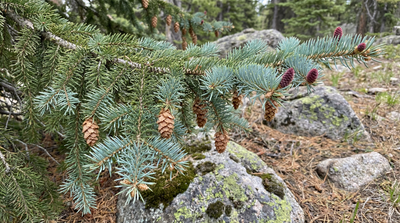
Engelmann Spruce
Picea engelmannii
Engelmann spruce has no value as a forage species, but the seeds are eaten by several species of small mammals and birds. It does provide excellent hiding and thermal cover for deer, elk, moose, bighorn sheep, and bear.
Firecracker Penstemon
Penstemon eatonii
Hummingbirds love the red flowers of this plant. Species of the penstemon genus are host plants to several types of butterflies including the Arachne checkerspot, Chalcedon checkerspot, and common buckeye.
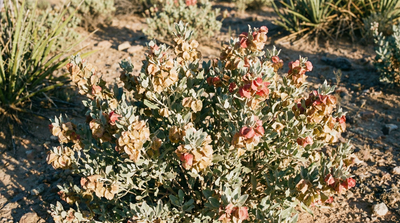
Four-wing Saltbush
Atriplex canescens
Important native browsing plant for wildlife and domestic livestock, and is also used in reclamation projects
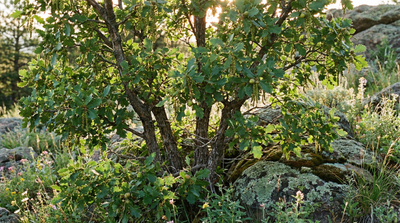
Gambel Oak
Quercus gambelii
Provides valuable food and cover to wildlife such as deer, birds, and squirrels. It is also a great choice for watershed protection.
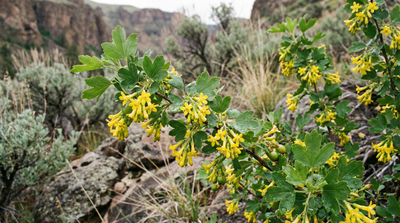
Golden Currant
Ribes aureum
Golden currant is a small to medium-sized shrub. Berries can be orange, red, or black when ripe. The flowers are fragrant and the fruit is edible. It is an easy to grow plant that is valuable to hummingbirds, butterflies, and bees and other wildlife that consume the berries. It is deer-resistant.
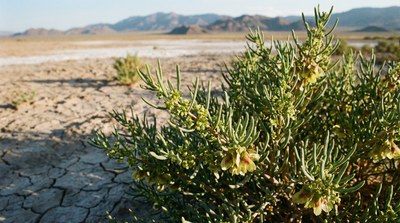
Greasewood
Sarcobatus vermiculatus
Greasewood is an important source of food for small mammals and birds. It provides fair forage for livestock and big game during the winter, being rich in carotene (vitamin A) and phosphorus.
Hooker's Sandwort
Arenaria hookeri
Attracts bees to their nectar.
Horsebrush
Tetradymia canescens
Poor to worthless as forage for cattle, sheep, goats, and big game. It is consumed only when other forage is unavailable.
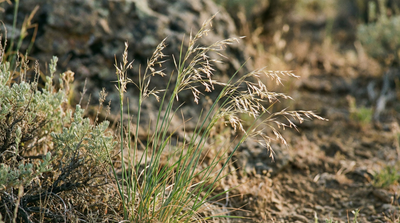
Indian Ricegrass
Achnatherum hymenoides
Valuable to livestock and wild game of all varieties, providing good foraging during the winter months. The seeds of this plant, while used by many animals, were also used historically by Native American tribes who would mash up the seeds to create all sorts of food like flour, cakes, and tortillas.
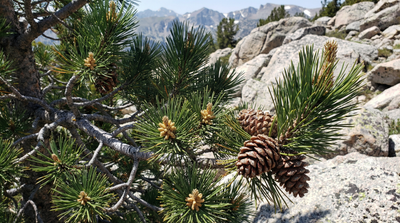
Limber Pine
Pinus flexilis
The large, wingless seeds of limber pine have high energy content. Pine "nuts" provide critical food for rodents and birds, which cache the seeds for later use. Other small mammals and birds benefit from these caches. Bears also feed from caches. Bighorn sheep use open stands on ridges. Difficult access and low grass production result in low forage value of limber pine stands for livestock.
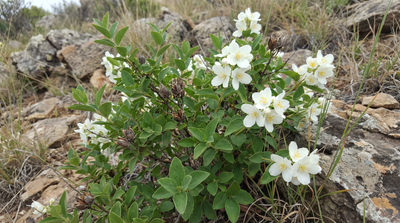
Littleleaf Mock Orange
Philadelphus microphyllus
It is browsed by mule deer and also provides shelter for native birds.
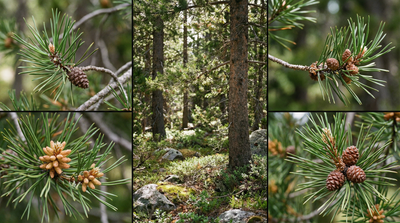
Lodgepole Pine
Pinus contorta
Lodgepole pine's importance to big game animals is as cover and habitat. Lodgepole forests cover extensive areas that serve as deer and elk summer ranges. Although these forests typically have sparse understories and provide very little forage, they provide important cover for ungulates that forage in associated nonforested communities.
Longleaf Phlox
Phlox longifolia
The pink, lilac, and white blossoms bring life and color to barren landscapes.
Low Penstemon
Penstemon humilis
Not specified
Mountain Mahogany
Cercocarpus ledifolius
Good forage for all classes of browsing animals in both summer and winter; it is one of the few browse species that meets or exceeds the protein requirements for wintering big game animals. In mature stands, much of curlleaf mountain-mahogany foliage is out of reach of browsing animals but provides excellent winter cover.
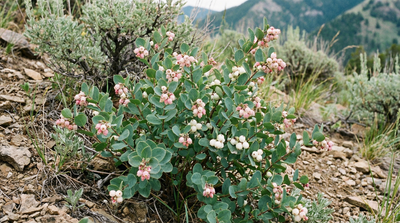
Mountain Snowberry
Symphoricarpos oreophilus
Because of its abundance and wide distribution, mountain snowberry is an important source of forage on many mountain ranges. Although not highly nutritious or palatable, mountain snowberry is frequently one of the first species to leaf out, making it a highly sought after food in the early spring. Use by livestock and big game is moderate throughout the summer and declines in fall. Small mammals and birds utilize the fruits. Mountain snowberry's low growth form makes its foliage easily available. Plants withstand browsing well and produce numerous basal sprouts following browsing.
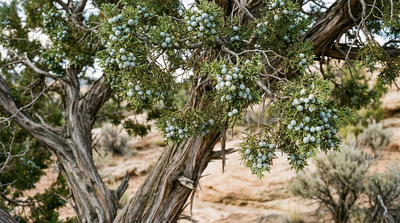
Utah Juniper
Juniperus osteosperma
Juniper "berries," or berry-cones, are eaten by jackrabbits, foxes, and coyotes. Many bird species depend on juniper berry-cones for fall and winter food. The foliage is grazed by mule deer when other foliage is scarce and during periods of deep snow.