Native Plants of Virginia
Native plants of Virginia support diverse ecosystems from mountain forests to coastal marshes. These species are adapted to the state's humid subtropical climate.
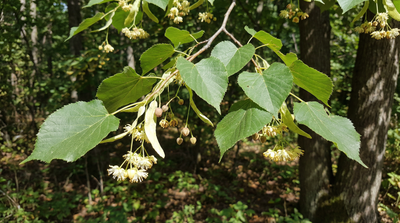
American Basswood
Tilia americana
Premier bee tree producing abundant nectar; fragrant flowers attract diverse pollinators; soft wood used by cavity-nesting birds; supports specialist bees
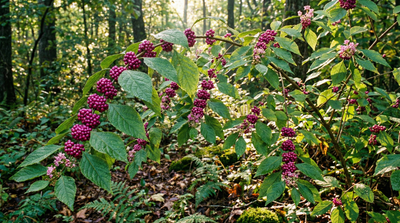
American Beautyberry
Callicarpa americana
Striking magenta berries in fall; berries eaten by many birds including mockingbirds and cardinals; provides cover in understory
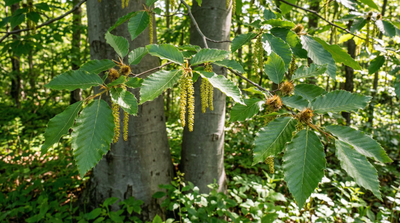
American Beech
Fagus grandifolia
Beechnuts eaten by many birds and mammals; smooth gray bark distinctive; important food source for black bears and wild turkeys; long-lived climax species
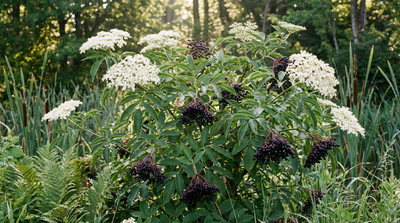
American Elderberry
Sambucus canadensis
Large white flower clusters attract diverse pollinators; dark purple berries eaten by 50+ bird species; fast-growing pioneer species; important wildlife food
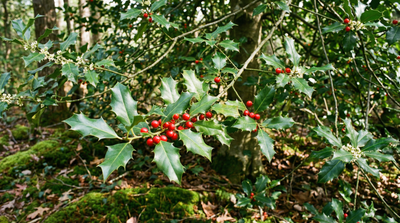
American Holly
Ilex opaca
Evergreen providing year-round cover; red berries eaten by many birds in winter; dioecious (male and female plants needed); important winter food source
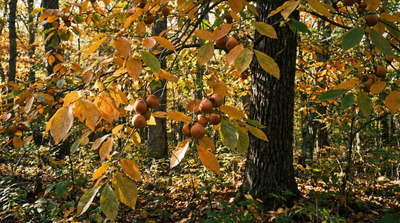
American Persimmon
Diospyros virginiana
Edible fruits eaten by many mammals and birds; important food for opossums, deer, and raccoons; named for Virginia; unique bark pattern
American Sycamore
Platanus occidentalis
Largest native tree in eastern North America; distinctive mottled bark; seeds eaten by birds; provides nesting cavities; important riparian species
Arrowwood Viburnum
Viburnum dentatum
White flower clusters attract diverse pollinators; blue-black berries eaten by many birds; provides cover and nesting sites; important wildlife shrub
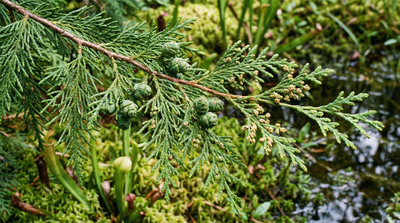
Atlantic White Cedar
Chamaecyparis thyoides
Provides critical habitat for Hessel's hairstreak butterfly (obligate specialist); seeds eaten by many birds; evergreen cover important for wildlife; indicator of high-quality wetlands
Bald Cypress
Taxodium distichum
Iconic wetland tree providing critical habitat; seeds eaten by wood ducks and other waterfowl; hollow trunks used by nesting birds; can live over 1,000 years
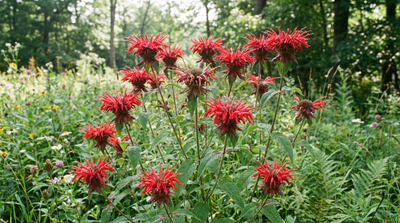
Bee Balm
Monarda didyma
Brilliant red flowers attract hummingbirds; important late-summer nectar source; aromatic foliage deer resistant; spreads to form colonies
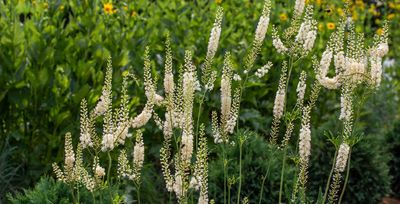
Black Cohosh
Actaea racemosa
Tall white flower spikes attract diverse pollinators; important medicinal plant; provides structure in woodland gardens; seeds eaten by birds
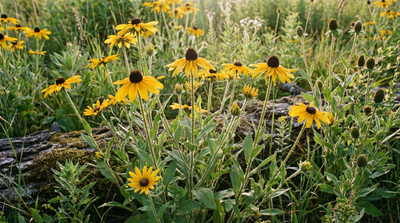
Black-eyed Susan
Rudbeckia hirta
Long-blooming native wildflower; seeds eaten by goldfinches and other birds; provides nectar throughout summer; self-seeds readily
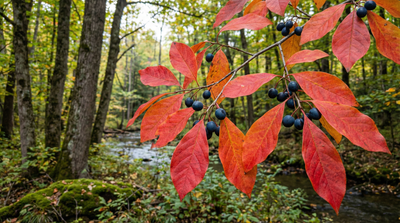
Black Gum
Nyssa sylvatica
Outstanding fall color (brilliant scarlet); fruits eaten by over 30 bird species including wood ducks; hollow trunks provide nesting cavities; excellent bee tree
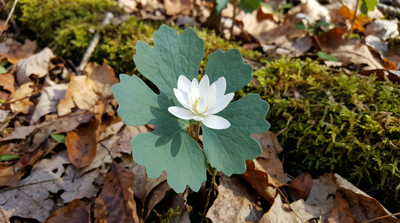
Bloodroot
Sanguinaria canadensis
Early spring bloomer providing pollen for emerging bees; distinctive white flowers with orange sap; spreads by rhizomes to form colonies; seeds dispersed by ants
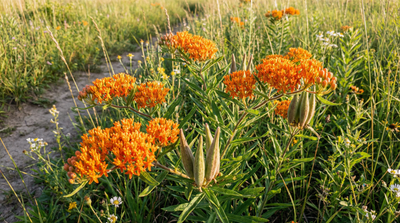
Butterfly Milkweed
Asclepias tuberosa
Critical monarch butterfly host plant; unlike other milkweeds, lacks milky sap; brilliant orange flowers attract diverse pollinators; seeds with silky hairs disperse on wind
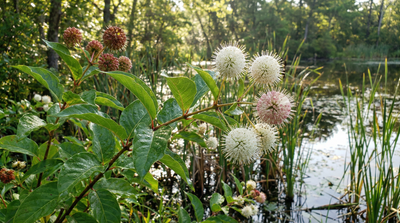
Buttonbush
Cephalanthus occidentalis
Unique spherical white flowers attract diverse pollinators; seeds eaten by waterfowl; provides cover for fish and wildlife; important wetland shrub
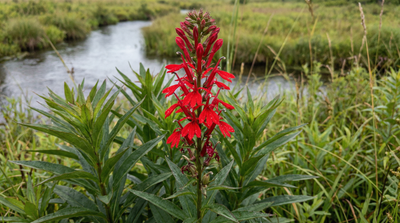
Cardinal Flower
Lobelia cardinalis
Primary hummingbird plant in Virginia; brilliant red flowers perfectly adapted for hummingbird pollination; provides late-summer nectar; short-lived perennial that self-seeds
Cross Vine
Bignonia capreolata
Early spring bloomer providing nectar for hummingbirds; tubular orange-red flowers; semi-evergreen providing winter cover; named for cross-shaped pith
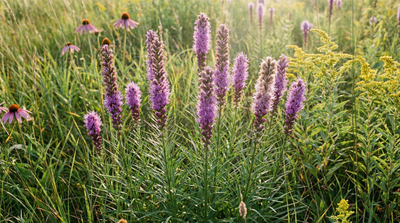
Dense Blazing Star
Liatris spicata
Unique top-down blooming pattern; critical late-summer nectar source; attracts monarchs during migration; corms eaten by wildlife
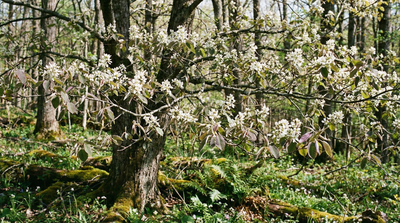
Downy Serviceberry
Amelanchier arborea
Early spring bloomer providing nectar and pollen; edible berries eaten by many birds; important food for wildlife; one of first trees to bloom
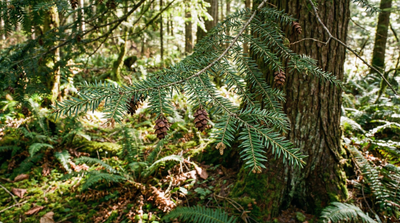
Eastern Hemlock
Tsuga canadensis
Foundation species creating unique cool, moist microclimates; provides critical winter cover for deer and birds; seeds eaten by crossbills and siskins; supports diverse invertebrate communities
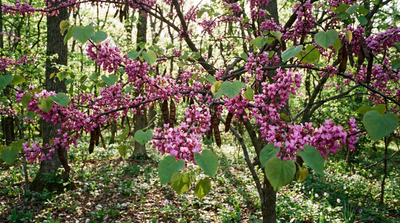
Eastern Redbud
Cercis canadensis
Early spring blooms provide crucial nectar before most flowers emerge; nitrogen-fixing legume improves soil; seeds eaten by birds; host plant for Henry's elfin butterfly
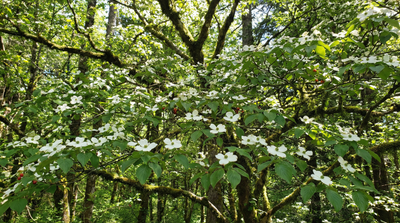
Flowering Dogwood
Cornus florida
Virginia's state flower and tree; high-calcium fruits critical for migratory birds; provides food for over 90 bird species; fall foliage and berries make it a keystone species for wildlife
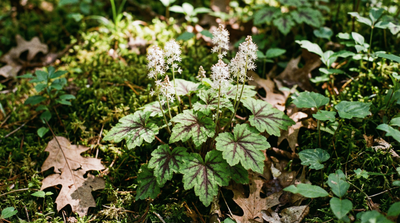
Foamflower
Tiarella cordifolia
Delicate white flower spikes in spring; spreads by stolons to form groundcover; provides early nectar; heart-shaped leaves attractive year-round
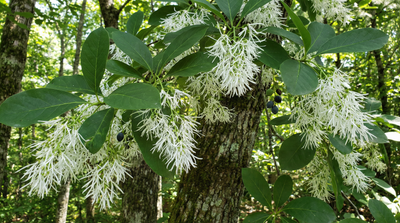
Fringe Tree
Chionanthus virginicus
Fragrant white fringe-like flowers in spring; dark blue fruits eaten by many birds; dioecious (male and female plants); named for Virginia
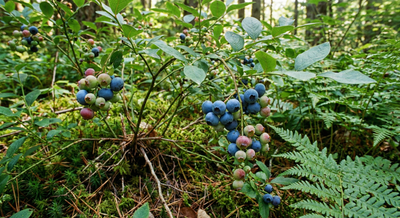
Highbush Blueberry
Vaccinium corymbosum
Edible berries eaten by many birds and mammals; supports specialist bees; brilliant fall color; important food source for black bears
Indian Grass
Sorghastrum nutans
Tall native grass with golden fall color; provides cover and seeds for birds; important for prairie restoration; host plant for pepper and salt skipper
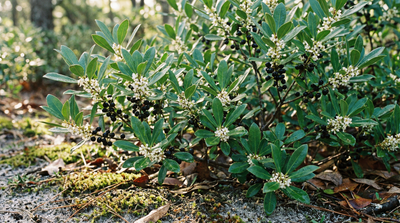
Inkberry
Ilex glabra
Evergreen providing year-round cover; black berries eaten by birds in winter; spreads by suckers to form colonies; important wetland shrub
Large Fothergilla
Fothergilla major
Fragrant white bottlebrush flowers in spring; brilliant fall color (orange, red, yellow); provides cover for wildlife; Appalachian endemic
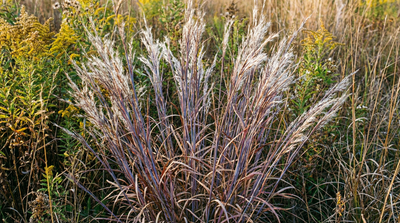
Little Bluestem
Schizachyrium scoparium
Dominant grass of eastern prairies; provides cover and seeds for birds; brilliant copper-bronze fall color; host plant for many skipper butterflies
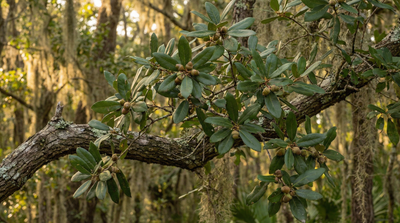
Live Oak
Quercus virginiana
Iconic Southern coastal tree; evergreen providing year-round cover; acorns eaten by many wildlife species; supports diverse insect communities
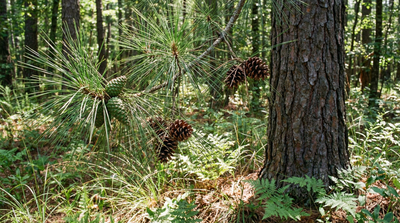
Loblolly Pine
Pinus taeda
Important timber tree; seeds eaten by many birds; provides cover for wildlife; dominant pine in Virginia's southeastern forests
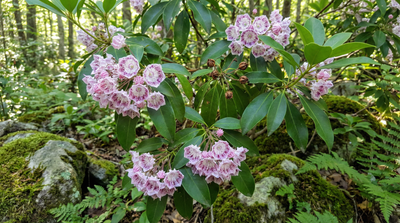
Mountain Laurel
Kalmia latifolia
Evergreen shrub providing year-round cover; unique spring-loaded pollen mechanism; toxic to livestock but important wildlife cover; state flower of Connecticut and Pennsylvania
Narrowleaf Mountain Mint
Pycnanthemum tenuifolium
Premier pollinator plant - one of the best native plants for supporting diverse pollinators; aromatic foliage deer resistant; provides nectar throughout summer
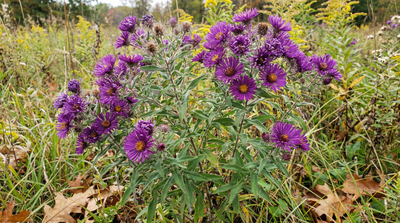
New England Aster
Symphyotrichum novae-angliae
Critical late-season nectar source for migrating monarchs; one of the last flowers to bloom; supports diverse pollinators; seeds eaten by birds
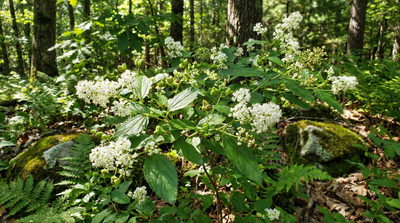
New Jersey Tea
Ceanothus americanus
White flower clusters attract diverse pollinators; nitrogen-fixing improves soil; host plant for spring azure and mottled duskywing butterflies; important for prairie restoration
New York Ironweed
Vernonia noveboracensis
Tall late-summer bloomer with deep purple flowers; critical nectar source for butterflies; supports diverse pollinators; seeds eaten by birds
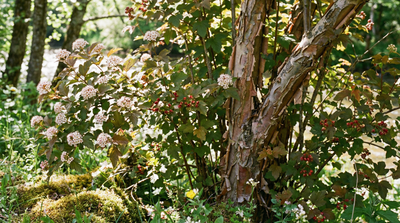
Ninebark
Physocarpus opulifolius
White flower clusters attract diverse pollinators; exfoliating bark provides winter interest; provides cover for wildlife; native alternative to invasive shrubs
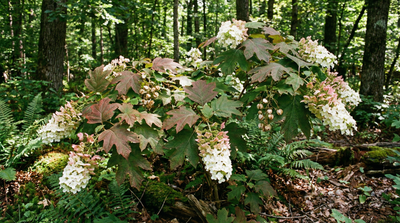
Oakleaf Hydrangea
Hydrangea quercifolia
Large white flower panicles attract pollinators; oak-shaped leaves turn burgundy in fall; provides cover for wildlife; exfoliating bark adds winter interest
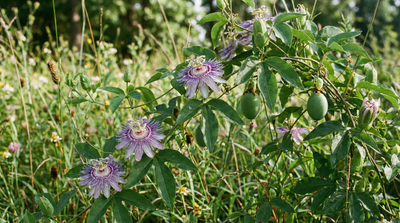
Passionflower
Passiflora incarnata
Host plant for Gulf fritillary and variegated fritillary butterflies; intricate flowers attract diverse pollinators; edible fruits called maypops
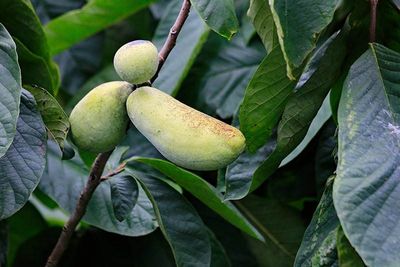
Pawpaw
Asimina triloba
Largest edible fruit native to North America; host plant for zebra swallowtail butterfly; tropical-looking foliage; unique maroon flowers pollinated by flies
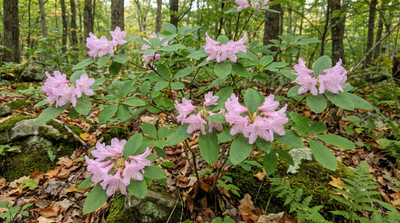
Pink Azalea
Rhododendron periclymenoides
Early spring bloomer before leaves emerge; fragrant pink flowers attract butterflies and hummingbirds; deciduous azalea providing wildlife cover
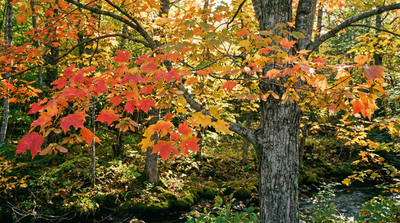
Red Maple
Acer rubrum
Early spring flowers provide critical pollen and nectar; seeds eaten by many birds and mammals; brilliant fall color; increasing in abundance across eastern forests
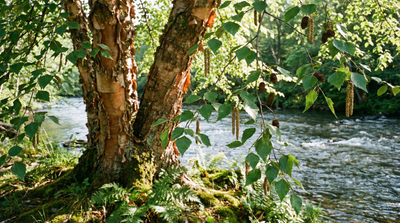
River Birch
Betula nigra
Attractive peeling bark; seeds eaten by birds; provides habitat along streams; fast-growing native for wet areas; resistant to bronze birch borer
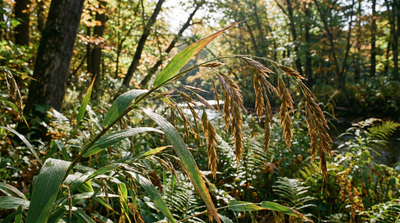
River Oats
Chasmanthium latifolium
Attractive drooping seed heads persist into winter; provides seeds for birds; tolerates shade unlike most grasses; good for erosion control along streams
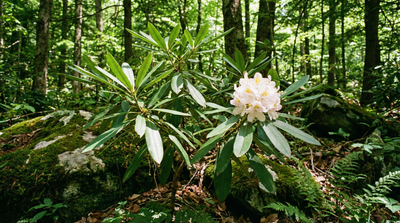
Rosebay Rhododendron
Rhododendron maximum
Largest native rhododendron; evergreen cover critical for wildlife; late-blooming white to pink flowers; creates unique forest understory
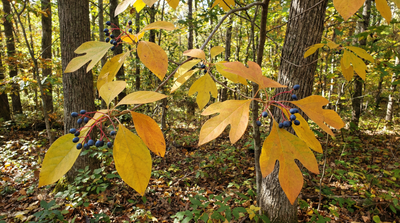
Sassafras
Sassafras albidum
Host plant for spicebush swallowtail butterfly; fruits eaten by many birds; brilliant fall color (orange, red, purple); aromatic foliage
Seaside Goldenrod
Solidago sempervirens
Critical late-season nectar source for migrating monarchs along the coast; salt-tolerant native for coastal restoration; supports diverse pollinators
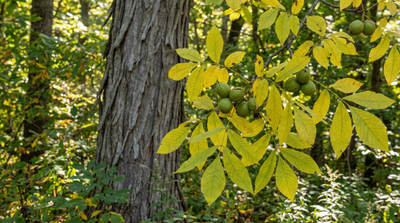
Shagbark Hickory
Carya ovata
Edible nuts eaten by many mammals; distinctive shaggy bark; important food source for squirrels and other wildlife; supports hickory horned devil moth
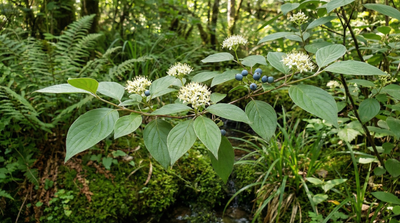
Silky Dogwood
Cornus amomum
White flower clusters attract pollinators; blue berries eaten by many birds; provides cover along streams; important for stream bank stabilization
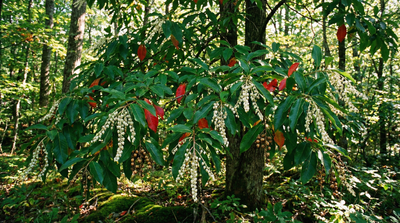
Sourwood
Oxydendrum arboreum
Premier honey tree producing highly prized sourwood honey; drooping white flower clusters attract numerous pollinators; brilliant fall color; only member of its genus
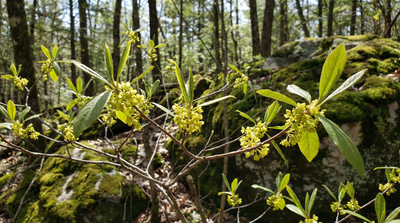
Spicebush
Lindera benzoin
Host plant for spicebush swallowtail butterfly; early spring flowers provide nectar; red berries eaten by migrating birds; aromatic foliage deer resistant
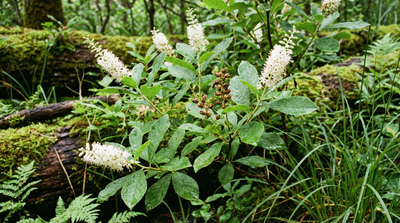
Summersweet
Clethra alnifolia
Fragrant white flowers in summer attract diverse pollinators; provides nectar when few shrubs are blooming; spreads by suckers to form colonies
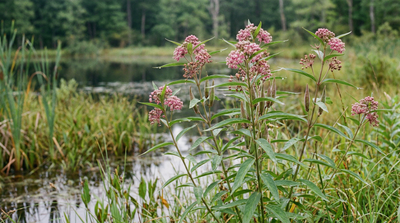
Swamp Milkweed
Asclepias incarnata
Critical monarch butterfly host plant for wet habitats; pink flowers attract diverse pollinators; provides nectar throughout summer; supports specialist milkweed beetles
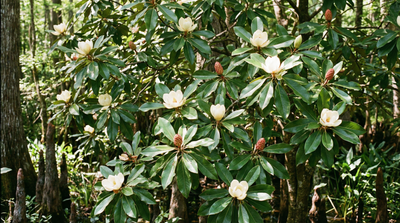
Sweetbay Magnolia
Magnolia virginiana
Fragrant white flowers attract beetles (ancient pollination relationship); red seeds eaten by birds; provides cover in wetland areas; host plant for sweetbay silkmoth
Sweet Joe Pye Weed
Eutrochium purpureum
Tall late-summer bloomer providing critical nectar; vanilla-scented flowers attract diverse pollinators; seeds eaten by birds; forms impressive stands
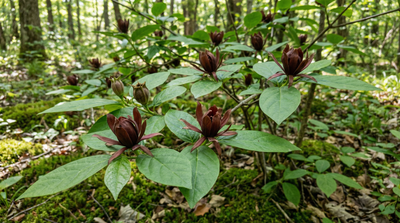
Sweetshrub
Calycanthus floridus
Fragrant maroon flowers in spring; unique fruity fragrance; provides cover for wildlife; interesting seed pods persist into winter
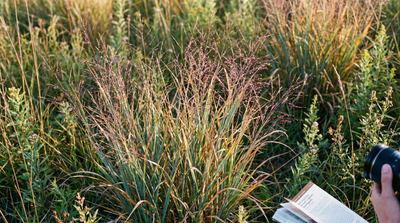
Switchgrass
Panicum virgatum
Tall native grass providing cover and seeds for birds; important for prairie restoration; studied as biofuel crop; host plant for skipper butterflies
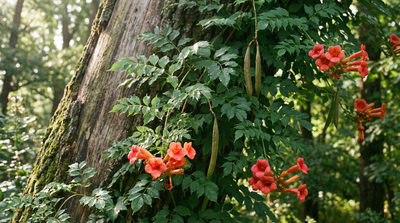
Trumpet Creeper
Campsis radicans
Important hummingbird plant; large orange-red trumpets provide abundant nectar; attracts hummingbirds from long distances; can be aggressive in gardens
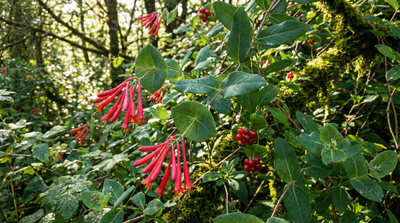
Trumpet Honeysuckle
Lonicera sempervirens
Primary hummingbird vine in Virginia; tubular red flowers perfectly adapted for hummingbird pollination; red berries eaten by birds; native alternative to invasive Japanese honeysuckle
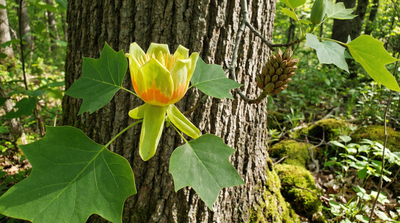
Tulip Poplar
Liriodendron tulipifera
Virginia's tallest native tree (can exceed 150 feet); tulip-shaped flowers produce abundant nectar; seeds eaten by finches and squirrels; important timber tree
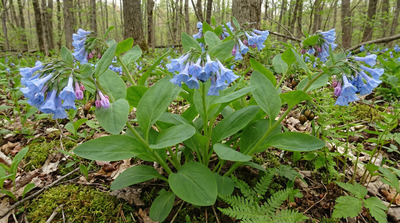
Virginia Bluebells
Mertensia virginica
Named for Virginia where first described; critical early spring nectar source; pink buds open to blue flowers; entire plant disappears by summer
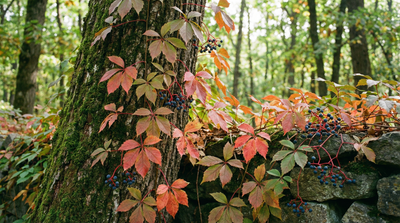
Virginia Creeper
Parthenocissus quinquefolia
Named for Virginia; brilliant red fall color; berries eaten by many birds; provides cover for wildlife; important food source for migrating birds
Virginia Sweetspire
Itea virginica
Fragrant white flower spikes in early summer; brilliant red fall color; provides cover in wetland areas; named for Virginia
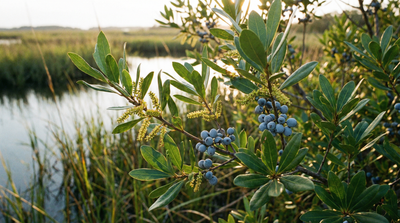
Wax Myrtle
Morella cerifera
Evergreen providing year-round cover; waxy berries eaten by yellow-rumped warblers and other birds; nitrogen-fixing improves soil; important coastal species
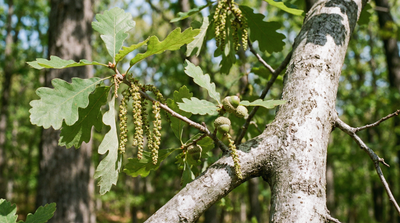
White Oak
Quercus alba
Keystone species supporting over 500 caterpillar species; acorns are primary food source for deer, turkey, bear, and squirrels; long-lived trees (300+ years) provide critical wildlife habitat
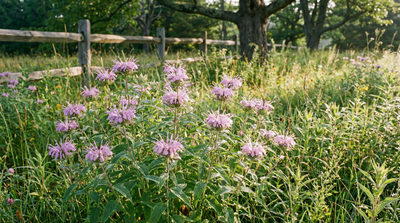
Wild Bergamot
Monarda fistulosa
Premier pollinator plant attracting diverse bees and butterflies; aromatic foliage deer resistant; provides nectar throughout summer; host plant for several moth species
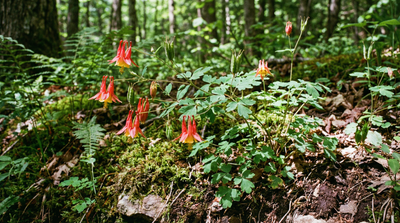
Wild Columbine
Aquilegia canadensis
Early spring nectar source for hummingbirds; red and yellow flowers attract long-tongued pollinators; self-seeds readily; host plant for columbine duskywing
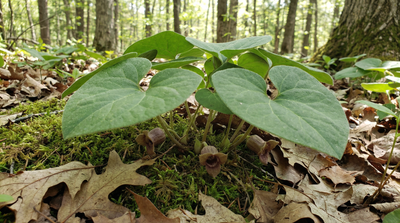
Wild Ginger
Asarum canadense
Groundcover in rich forests; unusual ground-level flowers pollinated by beetles and flies; host plant for pipevine swallowtail; ginger-scented rhizomes
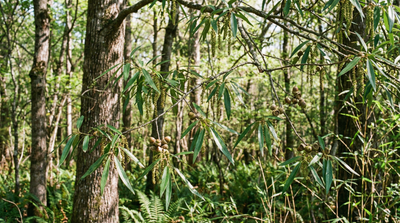
Willow Oak
Quercus phellos
Fast-growing oak; small acorns eaten by many birds and mammals; willow-like leaves; important urban tree; supports numerous caterpillar species
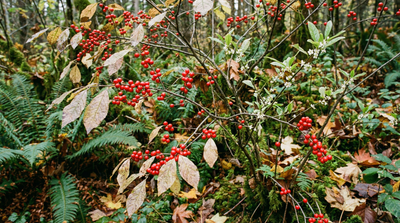
Winterberry
Ilex verticillata
Brilliant red berries persist into winter providing critical food for birds; deciduous holly; dioecious (male and female plants needed); berries eaten by 48 bird species
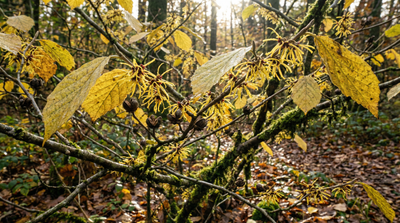
Witch Hazel
Hamamelis virginiana
Unique fall-blooming shrub; yellow flowers appear after leaves drop; provides late-season nectar; seeds dispersed explosively