Native Plants of Washington
Native plants of Washington are adapted to conditions from wet coastal areas to dry inland regions. These species support diverse ecosystems and native wildlife.
Antelope Bitterbrush
Purshia tridentata
Yellow flowers attract native bees; critical winter browse for deer and elk; nitrogen-fixing improves soils
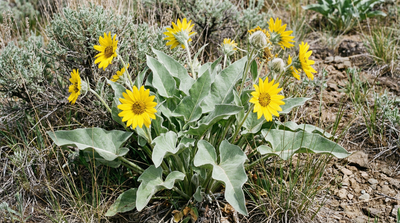
Arrowleaf Balsamroot
Balsamorhiza sagittata
Large yellow flowers attract diverse pollinators; deep taproot accesses water unavailable to other plants; important for shrub-steppe restoration
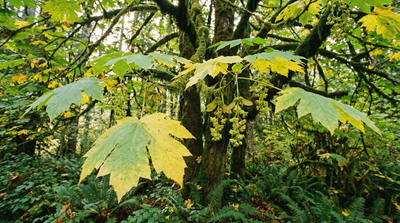
Bigleaf Maple
Acer macrophyllum
Early-blooming flowers provide nectar for pollinators; supports diverse epiphyte communities; important wildlife tree
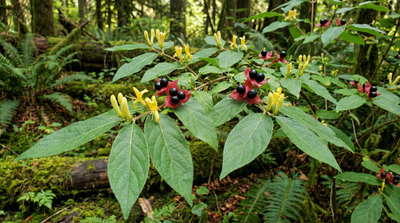
Black Twinberry
Lonicera involucrata
Yellow tubular flowers attract hummingbirds; black berries eaten by birds; important riparian species
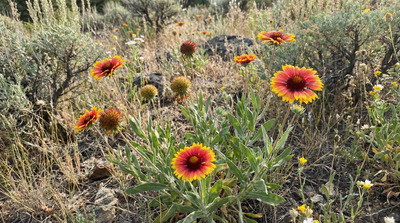
Blanketflower
Gaillardia aristata
Showy red and yellow flowers attract diverse pollinators; long bloom period provides extended nectar source
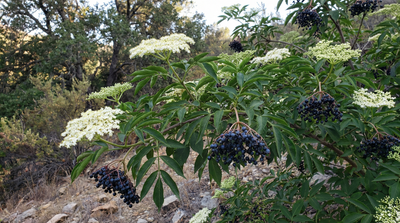
Blue Elderberry
Sambucus nigra ssp. cerulea
Flat-topped flower clusters attract diverse pollinators; blue berries highly valued by birds; important wildlife food
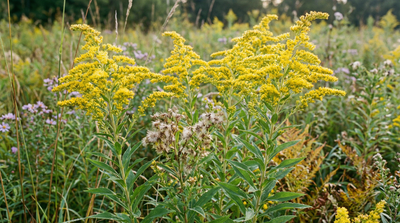
Canada Goldenrod
Solidago canadensis
Critical late-season nectar and pollen source; supports diverse pollinators and beneficial insects; wrongly blamed for hay fever (wind-pollinated ragweed is culprit)
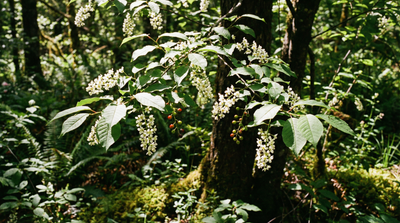
Chokecherry
Prunus virginiana
White flower clusters attract diverse pollinators; fruits eaten by birds and mammals; important wildlife food
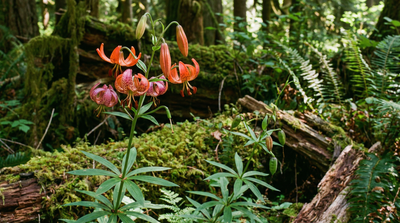
Columbia Lily (Tiger Lily)
Lilium columbianum
Nodding orange flowers attract hummingbirds and large bees; important for native lily conservation
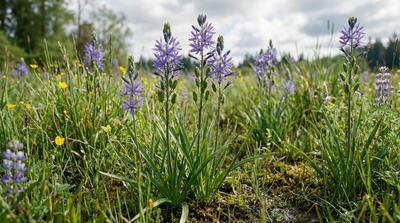
Common Camas
Camassia quamash
Keystone species of Pacific Northwest prairies; bulbs were primary food source for indigenous peoples; indicator of high-quality prairie habitat; supports early-season pollinators
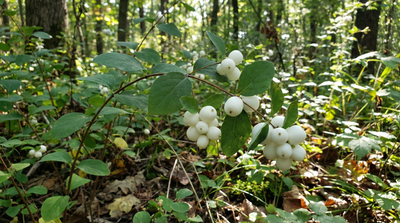
Common Snowberry
Symphoricarpos albus
White berries persist through winter providing food for birds; important cover for wildlife; excellent for erosion control
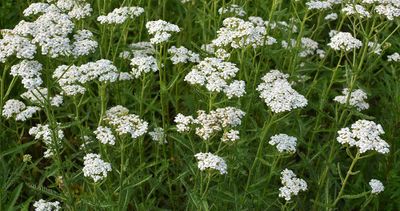
Common Yarrow
Achillea millefolium
Flat-topped flower clusters attract diverse beneficial insects including predatory wasps and parasitoid flies; important for integrated pest management
Cooley's Hedge-Nettle
Stachys cooleyae
Tubular pink-purple flowers attract hummingbirds and bumblebees; important mid-summer nectar source
Douglas' Aster
Symphyotrichum subspicatum
Critical late-season nectar source; one of last flowers to bloom before frost; supports migrating butterflies
Douglas' Spiraea (Hardhack)
Spiraea douglasii
Important late-summer nectar source; provides cover for wetland wildlife; helps stabilize stream banks
Evergreen Huckleberry
Vaccinium ovatum
Berries highly valued by birds and mammals; evergreen cover for wildlife; commercially harvested for floral industry
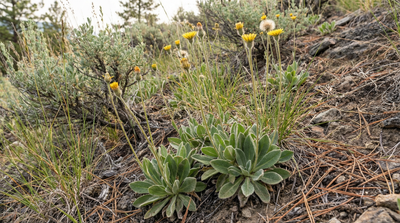
Fireweed
Chamerion angustifolium
Premier late-summer nectar source; first colonizer after fire; important for honey production; provides erosion control
Fringecup
Tellima grandiflora
Early-blooming shade plant; fringed flowers attract small bees; provides groundcover in forest understory
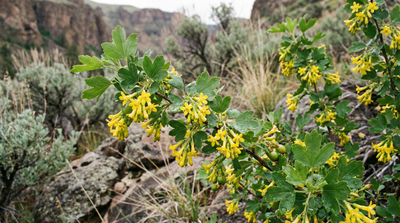
Golden Currant
Ribes aureum
Fragrant yellow flowers attract hummingbirds and bees; berries eaten by birds; important riparian species
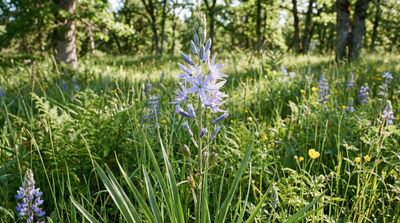
Great Camas
Camassia leichtlinii
Tall blue flower spikes attract diverse pollinators; bulbs important food source; indicator of high-quality prairie
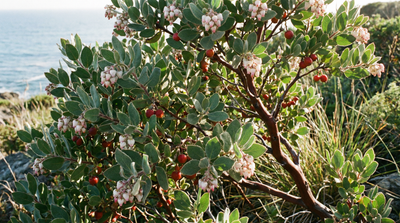
Hairy Manzanita
Arctostaphylos columbiana
Early-blooming flowers critical for bumblebees; berries eaten by birds; evergreen cover for wildlife
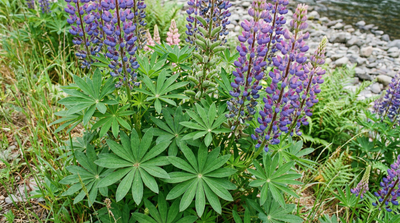
Large-leaved Lupine
Lupinus polyphyllus
Nitrogen-fixing improves soil fertility; tall flower spikes attract diverse pollinators; important for meadow restoration
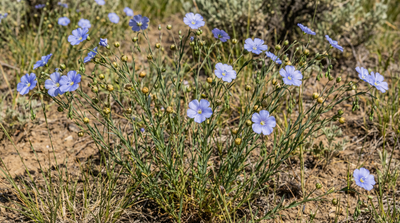
Lewis' Flax
Linum lewisii
Sky-blue flowers attract native bees; important component of native seed mixes; named for Meriwether Lewis
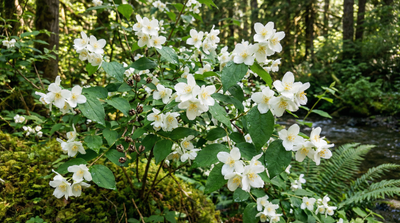
Lewis' Mock Orange
Philadelphus lewisii
Fragrant white flowers attract diverse pollinators; provides cover for wildlife; important for native bee conservation
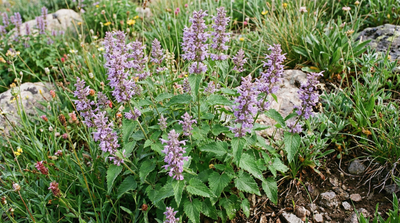
Nettleleaf Giant Hyssop
Agastache urticifolia
Tall flower spikes attract diverse pollinators; important for native bee conservation; aromatic foliage
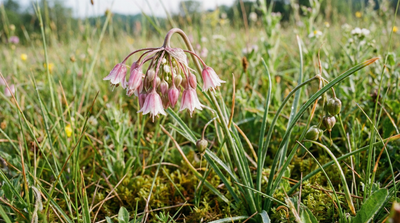
Nodding Onion
Allium cernuum
Pink flower clusters attract native bees; important for dry site pollinator gardens
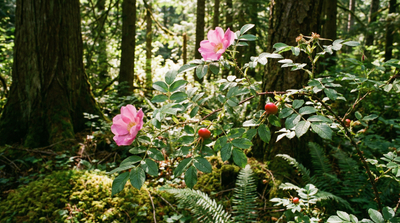
Nootka Rose
Rosa nutkana
Large pink flowers attract diverse pollinators; rose hips provide winter food for birds; important wildlife cover
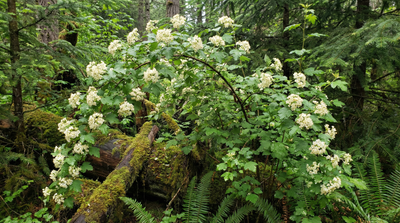
Oceanspray
Holodiscus discolor
Cascading white flower clusters attract diverse pollinators; provides cover and nesting sites for birds; important for slope stabilization
Oregon Checkermallow
Sidalcea oregana
Pink hollyhock-like flowers attract native bees; important for prairie restoration; supports specialist bees
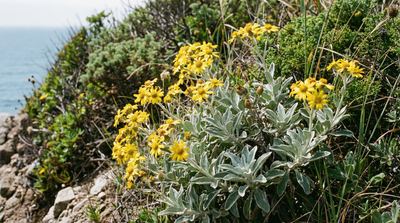
Oregon Sunshine (Woolly Sunflower)
Eriophyllum lanatum
Bright yellow flowers attract diverse pollinators; important for dry site restoration; long bloom period
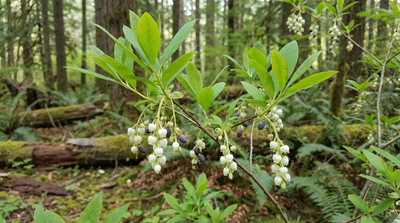
Osoberry (Indian Plum)
Oemleria cerasiformis
First native shrub to bloom (February-March); critical early nectar for emerging pollinators; fruits eaten by birds
Pacific Bleeding Heart
Dicentra formosa
Heart-shaped flowers attract bumblebees; early-blooming shade plant; important for woodland gardens
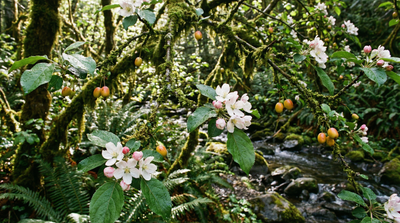
Pacific Crabapple
Malus fusca
Fragrant white flowers attract diverse pollinators; small apples eaten by birds and mammals; important riparian species
Pacific Ninebark
Physocarpus capitatus
White flower clusters attract diverse pollinators; provides cover for wildlife; excellent for stream bank stabilization
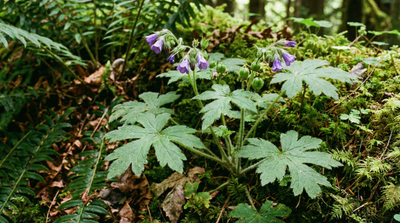
Pacific Waterleaf
Hydrophyllum tenuipes
Clusters of white to lavender flowers attract diverse pollinators; important spring nectar source in forests
Parsnip-flowered Buckwheat
Eriogonum heracleoides
Buckwheats support more specialist bees than almost any other plant group; critical for native bee conservation
Red Elderberry
Sambucus racemosa
Flowers attract diverse pollinators; red berries important for band-tailed pigeons and other birds; rapid colonizer of disturbed sites
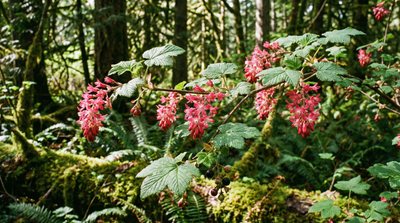
Red-flowering Currant
Ribes sanguineum
Critical early-spring nectar source for hummingbirds and bumblebees; flowers coincide with rufous hummingbird migration; berries for birds
Red Huckleberry
Vaccinium parvifolium
Berries highly valued by birds and mammals; provides understory structure; indicator of old-growth forest conditions
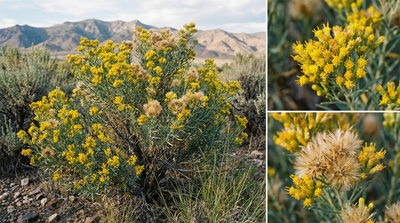
Rubber Rabbitbrush
Ericameria nauseosa
Critical late-season nectar source when little else blooms; supports migrating butterflies and native bees; important for fall pollinators
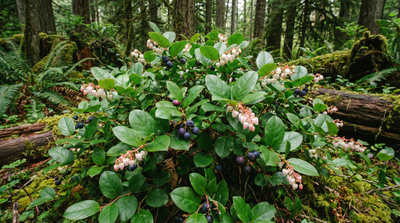
Salal
Gaultheria shallon
Provides year-round cover for wildlife; berries important for birds and mammals; evergreen foliage harvested commercially for floral industry
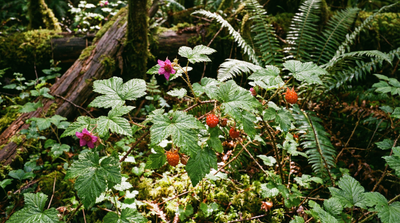
Salmonberry
Rubus spectabilis
Critical early-season nectar for bumblebees; berries ripen with salmon runs, providing food for bears and birds; important riparian species
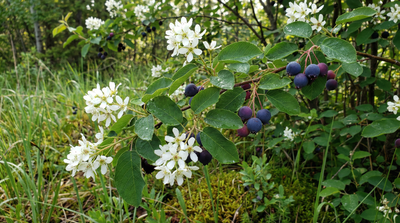
Saskatoon Serviceberry
Amelanchier alnifolia
Early white flowers provide nectar for pollinators; berries highly valued by birds and mammals; important wildlife food source
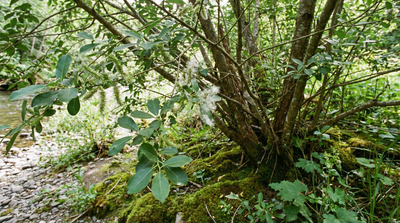
Scouler's Willow
Salix scouleriana
Very early catkins provide critical pollen and nectar; supports specialist willow bees; important for early-season pollinators
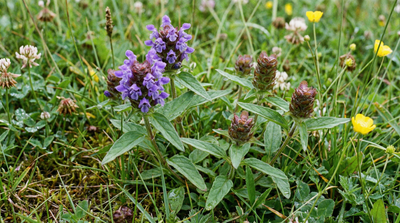
Self-Heal (Heal-All)
Prunella vulgaris
Purple flower spikes attract diverse pollinators; tolerates foot traffic; good for pollinator lawns
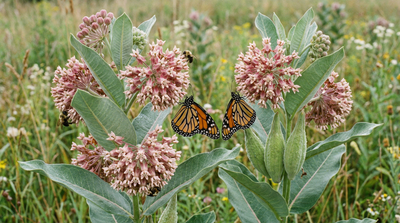
Showy Milkweed
Asclepias speciosa
Primary monarch butterfly host plant in Washington; supports specialist milkweed bees; critical for monarch conservation
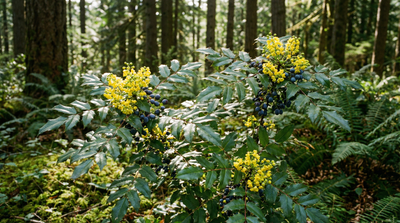
Tall Oregon Grape
Mahonia aquifolium
Critical early-season nectar source when few other plants bloom; berries provide food for birds and mammals; evergreen cover for wildlife
Thimbleberry
Rubus parviflorus
Large white flowers attract pollinators; soft red berries eaten by birds and mammals; large leaves provide cover
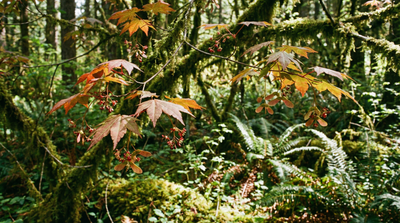
Vine Maple
Acer circinatum
Early spring flowers provide nectar; seeds eaten by birds and mammals; important understory structure
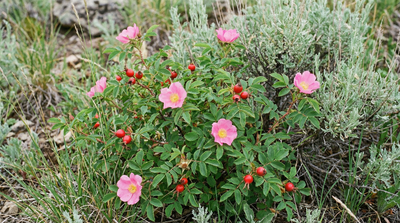
Woods' Rose
Rosa woodsii
Pink flowers attract diverse pollinators; rose hips provide winter food for birds; important wildlife cover