Native Plants of Wisconsin
Native plants of Wisconsin include prairie, wetland, and forest species adapted to cold winters. These plants support diverse ecosystems and native wildlife.
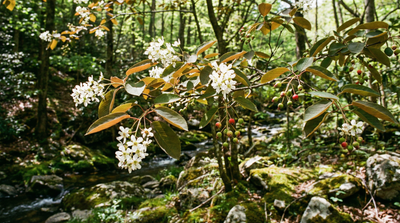
Allegheny Serviceberry
Amelanchier laevis
Provides food and habitat for a wide variety of wildlife.
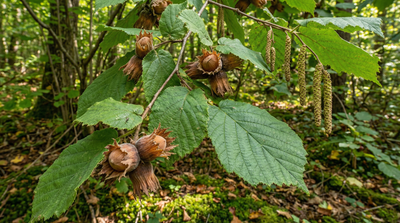
American Hazelnut
Corylus americana
Provides food and cover for a wide variety of wildlife.
American Highbush Cranberry
Viburnum opulus L. subsp. trilobum
Provides food and habitat for a variety of wildlife, including birds and mammals.
Arrow-leaved Aster
Aster sagittifolius
Provides food for wild turkey, ruffed grouse, white-tailed deer, cottontail rabbits and groundhogs.
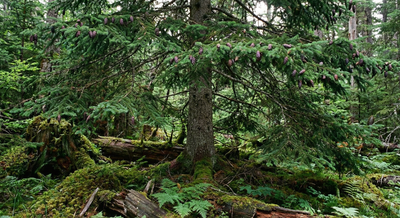
Balsam Fir
Abies balsamea
Provides food, cover, and shelter for a variety of wildlife, especially in winter.
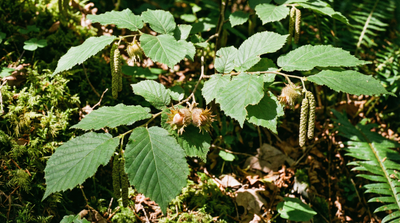
Beaked Hazelnut
Corylus cornuta
Provides excellent cover for various kinds of wildlife and ideal nesting habitat for many songbirds and game birds.
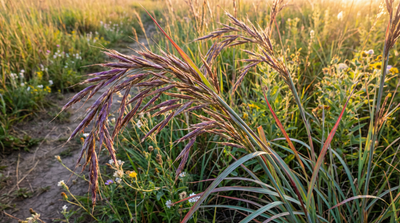
Big Bluestem
Andropogon gerardii
Provides important cover and shelter for grassland birds and many small mammals for nesting and escape cover in summer and winter.
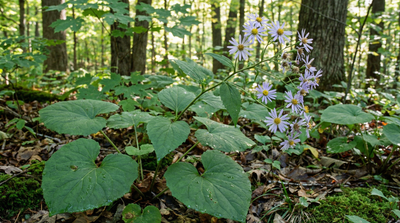
Big-leaved Aster
Aster macrophyllus
Provides food for ruffed grouse, wild turkey, white-tailed deer and cottontail rabbits.
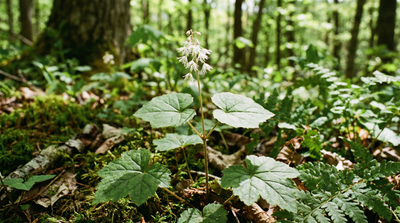
Bishop's Cap/Two-leaf Miterwort
Mitella diphylla
The flowers are pollinated by Syrphid flies and small short-tongued bees.
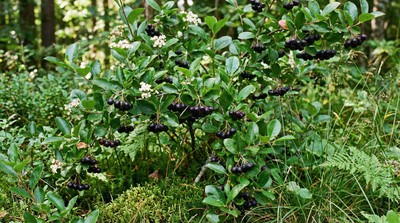
Black Chokeberry
Aronia melanocarpa
Provides cover for a variety of birds, small mammals, and insects.
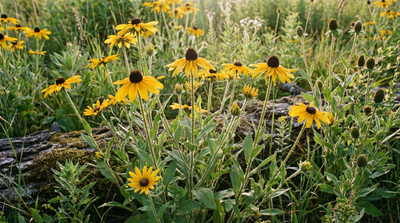
Black-eyed Susan
Rudbeckia hirta
Provides protection and food to several song and game birds.
Blue Vervain
Verbena hastata
Provides food for a variety of birds and mammals.
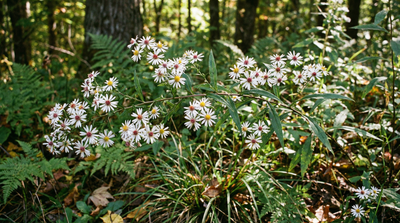
Calico Aster
Aster lateriflorus
Provides food for white-tailed deer and cottontail rabbits.
Common Ironweed
Vernonia fasciculata
The bitter foliage of ironweed deters consumption by mammalian herbivores.
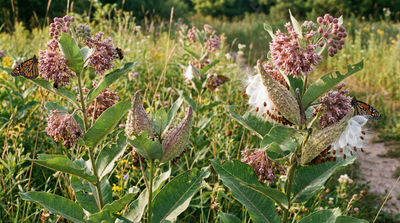
Common Milkweed
Asclepias syriaca
Favorite of monarch caterpillars as nectar and larval host plant.
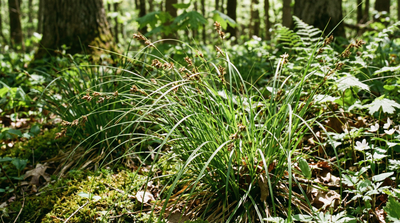
Common Oak Sedge
Carex pensylvanica
Provides food for various birds and small mammals.
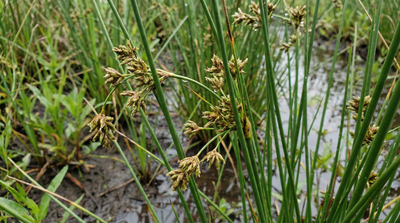
Common Rush
Juncus effusus
Provides significant cover and nesting habitat for wetland birds and other kinds of wildlife.
Culver's Root
Veronicastrum virginicum
The seeds are too tiny to be of much interest to birds.
Cup-plant
Silphium perfoliatum
Provides good cover for birds, which often lurk among the leaves during the heat of the day, searching for insects or pausing to rest.
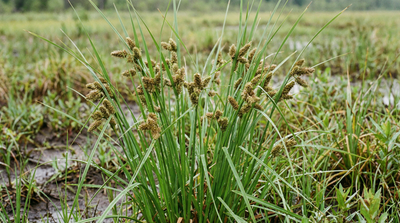
Dark-green Bulrush
Scirpus atrovirens
Provides wildlife cover and nesting materials for many species at the water’s edge.
Downy Arrowwood Viburnum
Viburnum rafinesquianum
Provides food, cover, and nesting habitat for a variety of wildlife.
Early Meadow Rue
Thalictrum diocum
White-tailed deer browse may browse on the foliage sparingly.
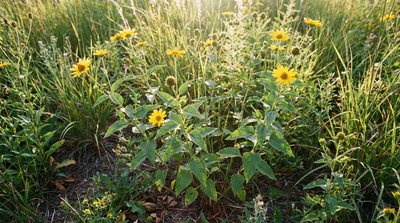
False Sunflower/Ox Eye Daisy
Heliopsis helianthoides
Provides nesting habitat and cover for beneficial insects and perches for feeding birds in winter.
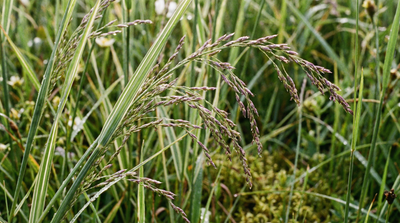
Fowl Manna Grass
Glyceria striata
Provides good cover for wetland birds, frogs, salamanders, turtles, frogs, damselfly and dragonfly larvae, and spawning habitat for fish.
Fox Sedge
Carex vulpinoidea
Provides valuable spawning and breeding habitat for fish, amphibians, aquatic insects, ducks, and other wildlife.
Fringed Sedge
Carex crinita
Provides valuable spawning and breeding habitat for fish, amphibians, aquatic insects, ducks, and other wildlife.
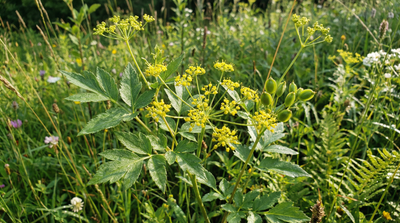
Golden Alexanders
Zizia aurea
Larval host for black swallowtails.
Grass-leaved Goldenrod
Euthamia graminifolia
Provides food for American goldfinches, black-capped chickadees, swamp sparrows, greater prairie chickens, cottontail rabbits, and white-tailed deer.
Gray Goldenrod
Solidago nemoralis
Provides food for American goldfinches, sparrows, black-capped chickadees, greater prairie chickens, groundhogs, cottontail rabbits, and white-tailed deer.
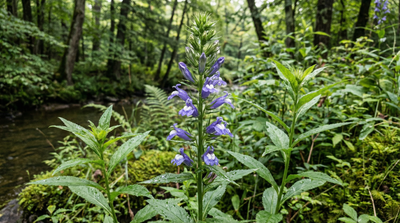
Great Blue Lobelia
Lobelia siphilitica
Deters herbivores like white-tailed deer.
Great St. John's Wort
Hypericum pyramidatum
The foliage is somewhat toxic to mammalian herbivores and usually avoided.
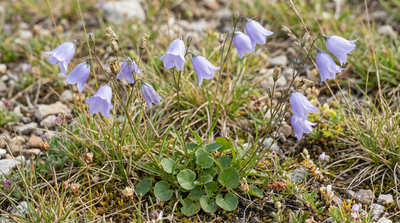
Harebell
Campanula rotundifolia
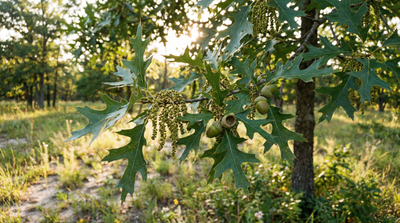
Hill's Oak/Northern Pin Oak
Quercus ellipsoidalis
Provides an important food source for wildlife and nesting sites for a variety of birds.
Hoary Vervain
Verbena stricta
Provides food for various songbirds.
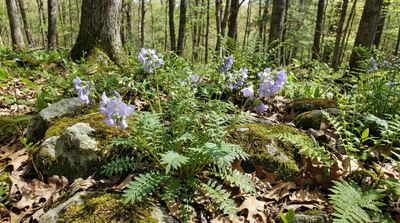
Jacob's Ladder
Polemonium reptans
Meadowsweet
Spiraea alba
Provides food and habitat for a variety of wildlife.
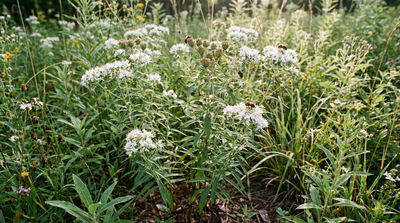
Mountain Mint
Pycnanthemum virginianum
The mint fragrance of the leaves and stems is repugnant to mammalian herbivores and many leaf-chewing insects.
Nannyberry
Viburnum lentago
Provides food, cover, and nesting habitat for a variety of wildlife.
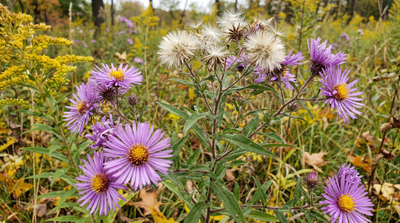
New England Aster
Aster novae-angliae
Provides food for wild turkey, white-tailed deer and cottontail rabbits. The nectar of the flower provides an excellent source for monarch and other butterflies late into the fall.
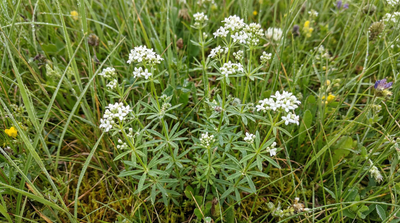
Northern Bedstraw
Galium boreale
Provides food for white-tailed deer and cottontail rabbits.
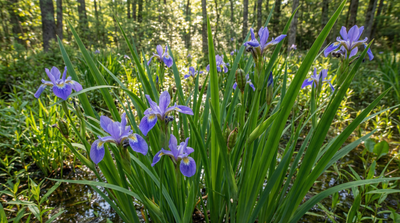
Northern Blue Flag Iris
Iris versicolor
Provides great cover for wetland birds, waterfowl, small mammals, frogs, turtles, and aquatic insects; gives vertical structure for emerging insects like dragonflies and damselflies.
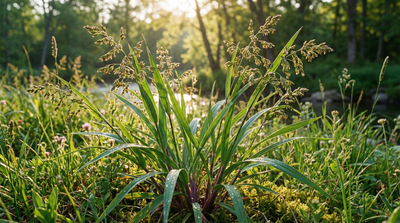
Northern Sweet Grass
Hierochloe odorata
Provides cover and food for grassland birds, mice, squirrels, amphibians and reptiles, and assorted small mammals.
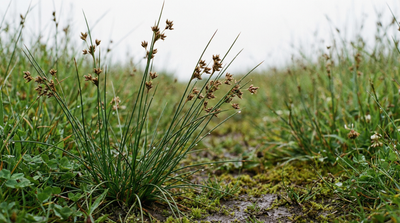
Path Rush
Juncus tenuis
Provides significant cover and nesting habitat for wetland birds and other kinds of wildlife.
Prairie Brome Grass
Bromus kalmii
Provides good wildlife cover and habitat during all seasons.
Prairie Cord Grass
Spartina pectinata
Provides an important source of protective cover and nesting habitat for many wetland birds and other kinds of wildlife.
Prairie Dropseed
Sporobolus heterolepis
Provides cover, shelter, and food for birds, mice, squirrels, and other small mammals.
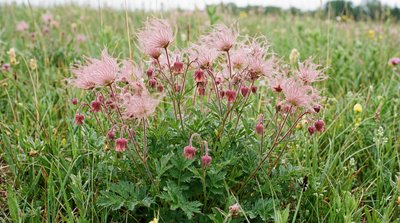
Prairie Smoke
Geum triflorum
Attracts upland game birds and songbirds.

Purple Giant Hyssop
Agastache scrophulariaefolia
Provides nesting habitat and cover for beneficial insects and perches for feeding birds.
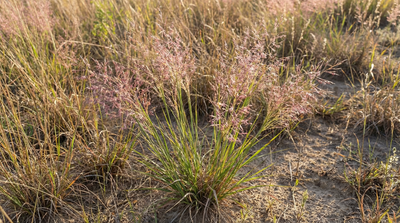
Purple Love Grass
Eragrostis spectabilis
Provides cover, nesting material, and shelter on drier lake, stream and river edges for birds, amphibians, insects, small mammals, and other critters.
Purple Meadow Rue
Thalictrum dasycarpum
Provides tall and expansive cover for ground nesting birds.
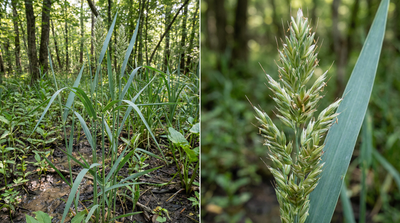
Rattlesnake Grass
Glyceria canadensis
Provides good cover for wetland birds, turtles, frogs, damselfly and dragonfly larvae, and spawning habitat for fish.
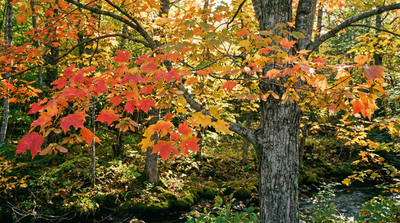
Red Maple
Acer rubrum
Provides food, cover, and nesting habitat for a variety of wildlife.
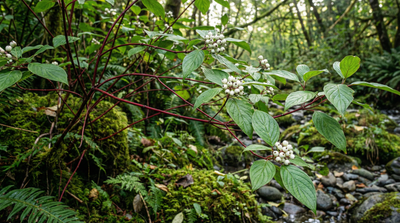
Red Osier Dogwood
Cornus sericea
Provides food, cover, and nesting habitat for a variety of wildlife.
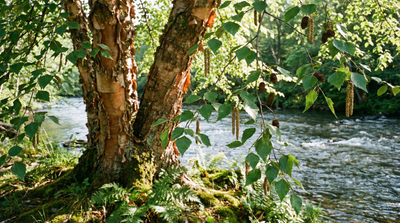
River Birch
Betula nigra
Provides food, cover, and nesting habitat for a wide variety of wildlife.
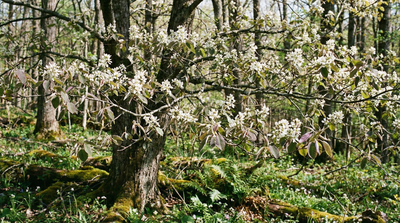
Shadblow/Downy Serviceberry
Amelanchier arborea
Provides food and habitat for a wide variety of wildlife.
Southern Blue Flag Iris
Iris virginica
Provides cover for wetland birds, waterfowl, frogs, turtles, and aquatic mammals; provides vertical structure for emerging insects like dragonflies and damselflies.
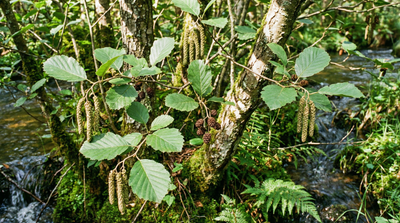
Speckled Alder
Alnus incana
Provides food, cover, and nesting habitat for a wide variety of wildlife.
Steeplebush/Hard-hack
Spiraea tomentosa
Provides food and habitat for a variety of wildlife.
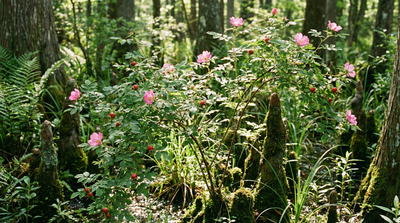
Swamp Rose
Rosa palustris
Provides food, cover, and nesting habitat for a wide variety of wildlife.
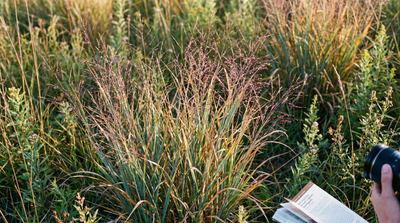
Switch Grass
Panicum virgatum
Provides excellent nesting and fall and winter cover for pheasants, quail, and cottontail rabbits.
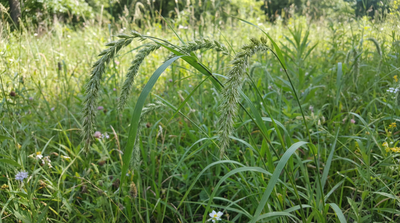
Virginia Wild Rye
Elymus virginicus
Provides food and nesting material for birds and small mammals.
Virgin's Bower
Clematis virginiana
Provides significant cover and nesting habitat for many songbirds.
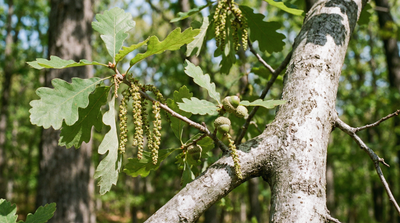
White Oak
Quercus alba
Provides an important source of food for many birds and mammals, and nesting and denning sites.
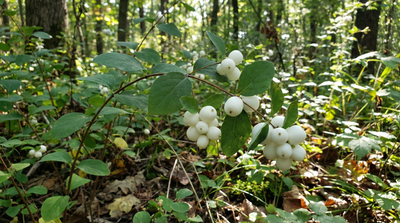
White Snowberry
Symphoricarpos albus
Provides food and shelter for small mammals.
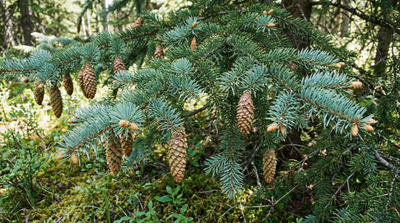
White Spruce
Picea glauca
Provides nesting sites and shelter for different wildlife.
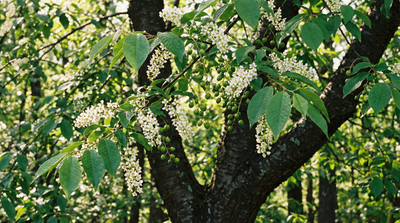
Wild Black Cherry
Prunus serotina
Provides an important source of food to many upland gamebirds and songbirds.