Native Plants of Wyoming
Native plants of Wyoming are adapted to extreme cold, high altitude, and variable precipitation. These tough species thrive where many plants cannot survive.
American Alpine Lady Fern
Athyrium distentifolium
Provides cover for small wildlife and contributes to soil formation.
American Trailplant
Adenocaulon bicolor
Provides ground cover.
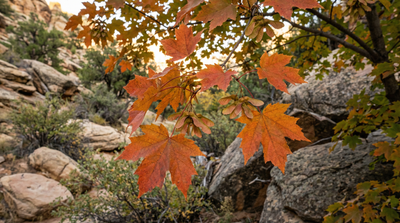
Bigtooth Maple
Acer grandidentatum
Provides food and cover for a variety of wildlife.
Blunt-leaf Spike-moss
Selaginella mutica
Provides ground cover and helps prevent soil erosion.
Bolander's Quillwort
Isoetes bolanderi
Provides habitat and food for aquatic organisms.
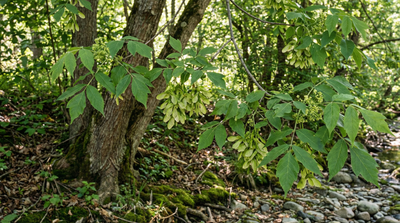
Boxelder
Acer negundo
Provides food and cover for a variety of wildlife. It is a browse species of secondary importance for deer.
Brandegee's Onion
Allium brandegeei
Provides nectar for a variety of pollinators.
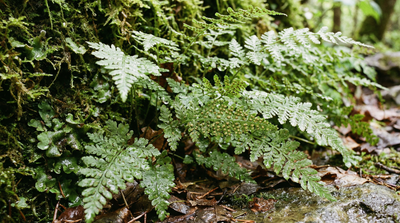
Brittle Bladderfern
Cystopteris fragilis
Provides cover for small wildlife and contributes to soil formation on rocky outcrops.
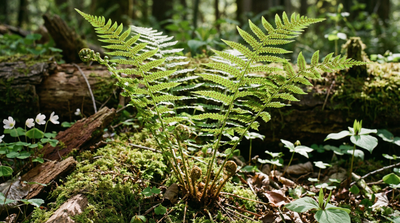
Common Ladyfern
Athyrium filix-femina
Provides cover for small wildlife and contributes to soil formation.
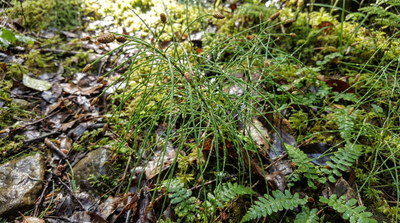
Dwarf Scouring Rush
Equisetum scirpoides
Provides cover for small wildlife and can help stabilize soil in moist areas.
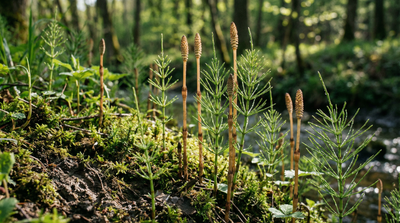
Field Horsetail
Equisetum arvense
It can be weedy and aggressive, but also provides some cover for small wildlife.
Green Spleenwort
Asplenium viride
Provides cover for small wildlife and contributes to soil formation on rocky outcrops.
Lesser Spikemoss
Selaginella densa
Provides ground cover and helps prevent soil erosion.
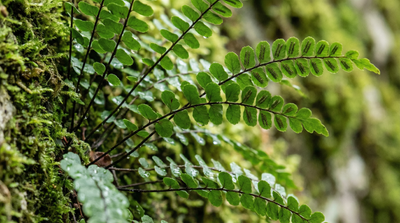
Maidenhair Spleenwort
Asplenium trichomanes
Provides cover for small wildlife and contributes to soil formation on rocky outcrops.
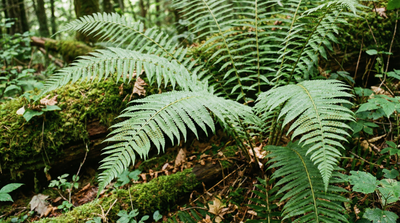
Male Fern
Dryopteris filix-mas
Provides cover for small wildlife and contributes to soil formation.
Mountain Hollyfern
Polystichum scopulinum
Provides cover for small wildlife and contributes to soil formation.
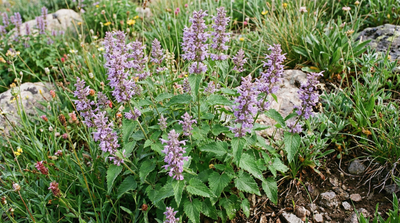
Nettleleaf Giant Hyssop
Agastache urticifolia
Provides nectar for a variety of pollinators, including bees, butterflies, and hummingbirds.
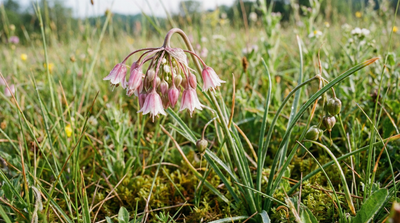
Nodding Onion
Allium cernuum
Provides nectar for a variety of pollinators.
Northern Ground-cedar
Diphasiastrum complanatum
Provides ground cover and helps prevent soil erosion.
Northern Hollyfern
Polystichum lonchitis
Provides cover for small wildlife and contributes to soil formation.
Northern Spikemoss
Selaginella selaginoides
Provides ground cover and helps prevent soil erosion.
Northern Spleenwort
Asplenium septentrionale
Provides cover for small wildlife and contributes to soil formation on rocky outcrops.
One-cone Club-moss
Lycopodium lagopus
Provides ground cover and helps prevent soil erosion.
Pacific Clubmoss
Huperzia continentalis
Provides ground cover and helps prevent soil erosion.
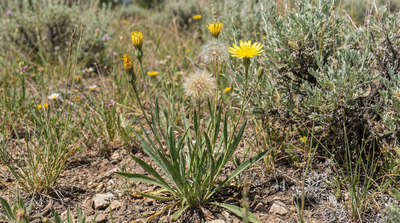
Pale Agoseris
Agoseris glauca
Provides nectar and pollen for a variety of pollinators.
Prickly Tree-clubmoss
Dendrolycopodium dendroideum
Mats of clubmoss hold soil in place, preventing erosion, especially on slopes.
Pygmyflower Rockjasmine
Androsace septentrionalis
Provides nectar for a variety of pollinators.
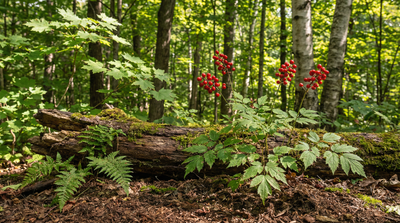
Red Baneberry
Actaea rubra
The berries are poisonous to humans but are eaten by some species of birds.
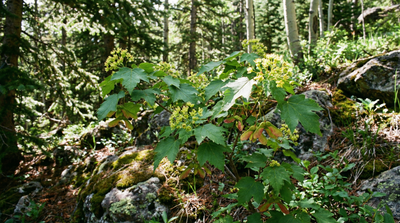
Rocky Mountain Maple
Acer glabrum
Provides food and cover for a variety of wildlife. It is a food source for deer, elk, and moose.
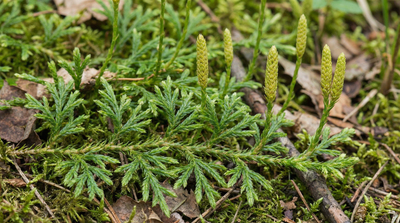
Running Clubmoss
Lycopodium clavatum
Provides ground cover and helps prevent soil erosion.
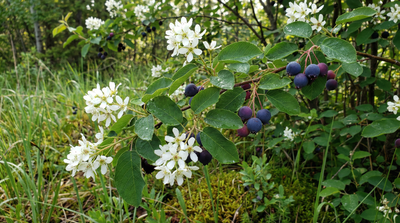
Saskatoon Serviceberry
Amelanchier alnifolia
The berries are an important food source for a variety of birds and mammals. The plant also provides cover and nesting sites for birds.
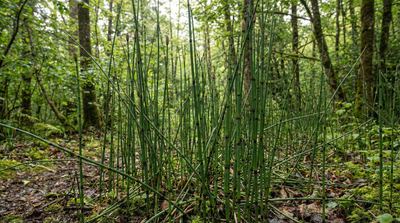
Scouring Rush Horsetail
Equisetum hyemale
Provides cover for small wildlife and can help stabilize soil in moist areas.
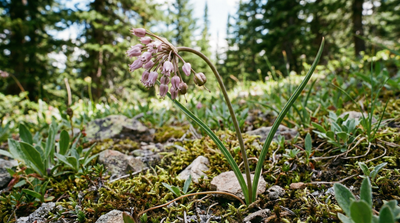
Shortstyle Onion
Allium brevistylum
Provides nectar for a variety of pollinators.
Smooth Scouring Rush
Equisetum laevigatum
Provides cover for small wildlife and can help stabilize soil in moist areas.
Spiny-spore Quillwort
Isoetes echinospora
Provides habitat and food for aquatic organisms.
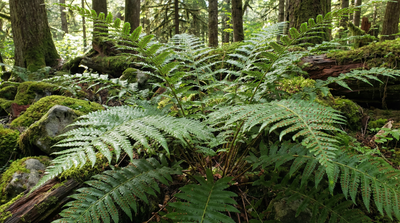
Spreading Woodfern
Dryopteris expansa
Provides cover for small wildlife and contributes to soil formation.
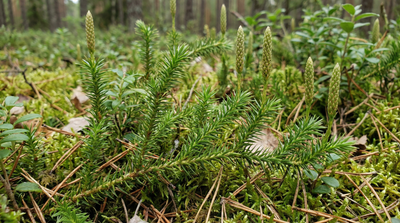
Stiff Clubmoss
Lycopodium annotinum
Provides ground cover and helps prevent soil erosion.
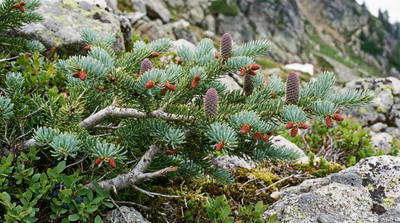
Subalpine Fir
Abies lasiocarpa
Provides habitat and food for a variety of wildlife, including birds, mammals, and insects. It is also an important component of high-elevation watersheds.
Tall Hairy Agrimony
Agrimonia gryposepala
Provides nectar for bees and other insects.
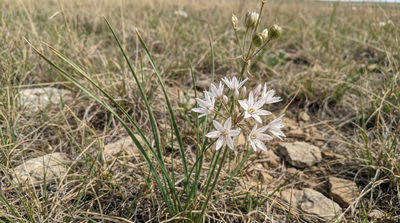
Textile Onion
Allium textile
Provides nectar for a variety of pollinators.
Underwood's Spikemoss
Selaginella underwoodii
Provides ground cover and helps prevent soil erosion.
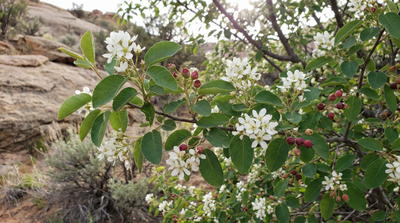
Utah Serviceberry
Amelanchier utahensis
The berries are an important food source for a variety of birds and mammals. The plant also provides cover and nesting sites for birds.
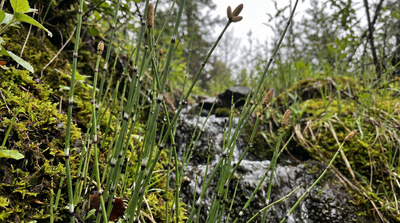
Variegated Scouring Rush
Equisetum variegatum
Provides cover for small wildlife and can help stabilize soil in moist areas.
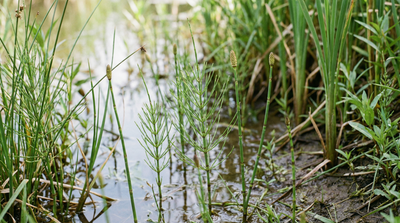
Water Horsetail
Equisetum fluviatile
Aquatic birds and muskrats eat this plant. It can form dense colonies.
Watson's Spikemoss
Selaginella watsonii
Provides ground cover and helps prevent soil erosion.
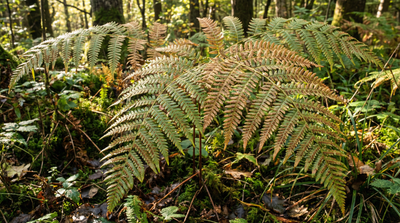
Western Brackenfern
Pteridium aquilinum
Provides cover for a variety of wildlife. Can be weedy or aggressive.
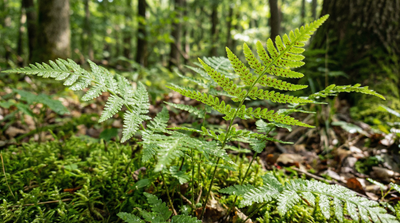
Western Oakfern
Gymnocarpium dryopteris
Provides ground cover and contributes to soil formation.
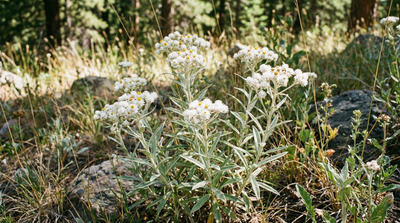
Western Pearly Everlasting
Anaphalis margaritacea
Provides nectar for a variety of pollinators, including bees and butterflies. It is also a host plant for the American Lady butterfly.
Western Quillwort
Isoetes occidentalis
Provides habitat and food for aquatic organisms.
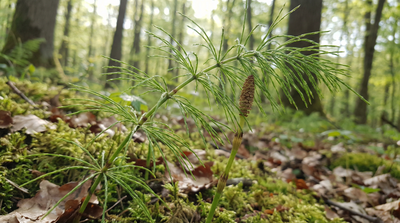
Woodland Horsetail
Equisetum sylvaticum
Provides cover for small wildlife and can help stabilize soil in moist areas.