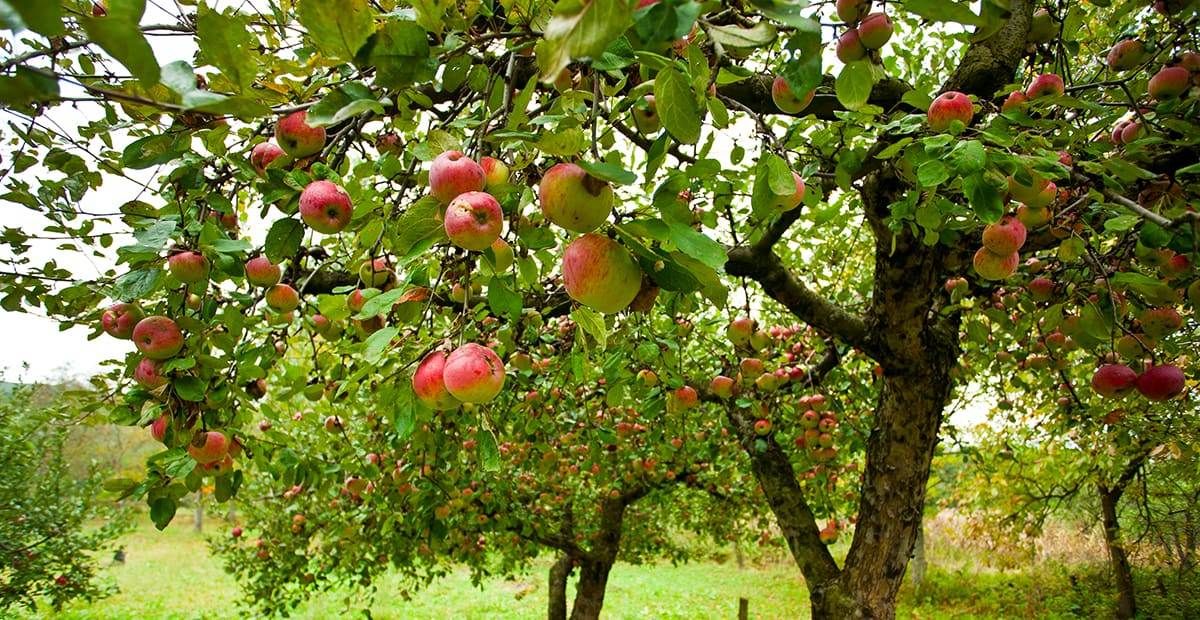
Every apple you've ever eaten was, in a very real sense, a genetic orphan. Plant a seed from your favorite variety and what grows back almost certainly won't be that variety at all; it'll be something entirely its own, shaped by thousands of years of wild promiscuity in the Tian Shan mountains of Kazakhstan, where Malus sieversii still grows in ancient forests that look nothing like an orchard.[1] I keep a Gravenstein tree in my front food forest and people stop to ask if they can grow one from the seeds. I tell them they can, but what they'd get is a mystery, probably bitter, probably small, possibly beautiful in its own right. That's the apple's oldest secret: it resists copying itself.
We think of apples as the most familiar, most domestic of fruits. Grocery store staples. Lunch-box fillers. But underneath that tame reputation is a plant with a genuinely strange biology, a mythology that spans Norse gods and Arthurian legend, and an ecological relationship with landscapes and pollinators that most people who grow them never fully reckon with. I've sited apple trees in cold maritime climates, high desert edges, and humid temperate zones, and the plant never stops teaching me something I thought I already knew.
Origin and History of the Apple
Botanical Background of Malus domestica
Every apple you've ever eaten traces back to one mountain range. The domestic apple, Malus domestica, originated from its wild ancestor Malus sieversii, native to the Tian Shan mountains spanning modern-day Kazakhstan, Kyrgyzstan, Uzbekistan, and Tajikistan.[2][3][4] Domestication began somewhere between 4,000 and 6,500 years ago, with the earliest archaeological evidence of cultivation dating to roughly 3500-3000 BCE.[5][6] The wild fruit those first cultivators were working with would have been small, bitter, and nothing like what we know today. Thousands of years of selection, spread, and cross-pollination built everything since.
As a plant, Malus domestica is a deciduous perennial tree with a typical lifespan of 30 to 100 years, with some specimens living well over 200 years under the right conditions.[7][8] It follows a polycarpic reproductive strategy, meaning it flowers and fruits every year once mature, and there are documented cases of century-old trees still setting fruit reliably.[8] In commercial orchards, though, trees are often replaced after just 25 to 35 years as yields decline.[9] That gap between biological potential and commercial reality says a lot about how we've chosen to grow food at scale.
One of the most consequential decisions any apple grower makes is rootstock selection, and I wish more people understood this before they planted. Dwarf rootstocks like M.9 have productive lifespans of only 15 to 20 years; semi-dwarf types such as M.26 stretch that to 20 to 30; and standard rootstocks can carry a tree for 50 years or more.[10] Seed-grown trees take 5 to 10 years to first fruit, while grafted trees typically produce within 2 to 5 years.[11] In my experience designing food forests in warmer climates, this calculus shifts further: low-chill cultivars on appropriate rootstocks often behave quite differently from what the standard research suggests for cooler zones, sometimes shortening productive windows even with ideal care. Rootstock isn't a detail; it's the backbone of your entire long-term investment. The Malus genus, incidentally, has remarkable adaptive breadth. The Siberian crab apple (Malus baccata), native to Central Asia, Siberia, and the Russian Far East, tolerates temperatures down to -50°F and thrives in USDA zones 2 through 7,[12] a useful reminder that cold hardiness far beyond domestica's range exists within the same family tree.
Visual Characteristics and Identification
Apple trees are unmistakably structured plants once you know what to look for. Standard trees reach 20 to 30 feet, semi-dwarf types settle around 12 to 15 feet, and dwarf trees stay compact at 8 to 10 feet.[13][14] Mature bark is grayish-brown and becomes fissured and scaly with age, and the root system is notably shallow and fibrous rather than deep-taproot in structure.[15] That shallow root habit changed how I plant young apples: I stopped digging deep holes and started digging wide, well-amended ones, which gives those lateral roots somewhere useful to go right from the start.
Leaves are simple, ovate to elliptical, 1.5 to 4 inches long with serrated margins and alternate arrangement.[16] Spring flowers have five petals, white with a pinkish blush, forming cup-shaped blooms 1 to 1.5 inches across,[17] and the display alone justifies growing an apple tree even in a smaller garden. The fruit itself is a pome, typically spherical to slightly oblong, 2 to 4 inches in diameter, with small, kidney-shaped, dark-brown seeds roughly a quarter inch in length.[18] Cultivar diversity makes color identification nearly useless as a species marker: the 'Carol' apple, for instance, carries a yellow-green base with 40 to 60 percent red blush coverage,[19] while other cultivars run deep crimson, pale gold, or fully russeted.
Traditional, Cultural, and Mythological Significance
From those Central Asian mountains, apples moved west along the Silk Road starting around 2000 BCE, reaching the Mediterranean and then spreading rapidly through Europe under Roman influence. Agronomists like Cato and Pliny documented varieties and propagation methods, and European colonists carried the tree to the Americas in the 16th and 17th centuries.[20][21] Every stop along that journey layered new meaning onto the fruit.
Mythology claimed the apple early and held on hard. In Norse lore, Idunn's golden apples granted immortality to the gods.[22] Welsh tradition placed Avalon, Ynys Afallen, as an Island of Apples representing paradise and healing.[23] The biblical forbidden fruit of Eden, so often depicted as an apple, became a symbol of temptation and the double-edged gift of knowledge,[24] and Celtic Samhain traditions incorporated apple-bobbing as a divination game for predicting future spouses.[25] Few fruits have carried that much symbolic weight across so many unconnected traditions.
Medieval European texts described apples as balancing humors and aiding digestion, and Native American communities adopted the fruit after European introduction, incorporating it into food, dyes, and healing practices.[21][26] Those medicinal instincts weren't wrong, but that's a story for another section. What concerns me more right now is the modern sustainability picture, because the apple's global success has come with serious costs: monoculture farming drives pesticide use and water consumption, wild relatives face biodiversity loss from overharvesting, and labor exploitation persists in parts of the global supply chain.[27][28][29] In my own design work, I prioritize heritage and disease-resistant cultivars specifically to reduce pesticide dependence, and I've started being more deliberate in workshops about acknowledging the Central Asian origins of the fruit we're propagating. Knowing where something comes from changes how you relate to growing it.
Fun Facts About Apples
There are approximately 8,000 distinct cultivated apple varieties in existence,[30] ranging from deep crimson to pale yellow to full russet, with flavors that swing from intensely tart to honeyed sweet, sometimes with notes of spice, stone fruit, or caramel. The world record for heaviest apple stands at 1.849 kg (just over 4 pounds), grown by Peter Glazebrook in 2005.[31] And yes, the Isaac Newton falling-apple story is almost certainly apocryphal, originating in 18th-century biographies rather than Newton's own accounts.[32] I find it charming anyway; a single fruit dropping at the right moment has a way of focusing the mind, and I've had my own versions of that in the orchard, watching ripening cues and testing gravity-assisted harvest timing in ways that feel genuinely instructive.
Ecologically, apples pull their weight in ways that go well beyond the fruit. Malus domestica is primarily pollinated by honeybees, mason bees, bumblebees, hoverflies, and butterflies,[33] and the fruit feeds a broad range of wildlife, from cedar waxwings and robins to deer, squirrels, and bears.[34] Fruit ripening is regulated by ethylene, a plant hormone that triggers the climacteric ripening process,[35] which is why storing a ripe apple next to unripe fruit speeds things along considerably. Preservation work at institutions like Kew Gardens and ongoing breeding programs that cross Malus domestica with wild relatives like Malus sieversii are actively working to bring traits like scab resistance back into cultivated lines[36][37] — a reminder that the wild origins of this fruit aren't just history. They're still the gene bank we're drawing on today.
Apple Varieties and Sourcing
Popular Apple Cultivars for Home Growers
With hundreds of recognized cultivars under formal horticultural registration[38][39] and over 7,500 apple varieties documented globally,[40] choosing where to start can feel paralyzing. It helps to know that cultivars fall into three clean categories: dessert types for fresh eating, culinary types built for pies and sauces, and cider types engineered for fermentation.[41] Once you know which one you're after, the shortlist gets manageable fast.
After years of trialing apples in my own small orchard, I almost always recommend Honeycrisp to beginners. Developed at the University of Minnesota in 1991,[42] it has that explosive crunch and sweet-tart balance you notice the moment you bite into a tree-ripened fruit[42] in a way a supermarket apple never quite delivers. For something with more complexity, Braeburn (New Zealand, 1952) brings firm texture and a distinctive pear-like aroma alongside its sweet-tart base.[43] Pink Lady, the trademarked name for Cripps Pink developed in Australia in the 1970s, rounds out the trio with striking pink-red skin, very firm flesh, and a floral sweetness that stores remarkably well on the shelf.[44]
Disease-Resistant and Climate-Adapted Selections
If you garden in a humid climate and want to avoid spraying every week, look seriously at Liberty, Enterprise, and Goldrush. All three show high resistance to apple scab and fire blight.[45] I rarely touch my Liberty or Enterprise trees with any spray program during wet summers, whereas some heirlooms I've grown nearby needed weekly attention just to get to harvest. Liberty offers a mid-season sweet-tart fruit with red blush; Enterprise comes in late season with large, firm, red fruit; Goldrush runs very late with complex-flavored yellow fruit that improves in storage.[45][46] The flavor payoff from a well-chosen heirloom is real, but modern hybrids like these earn their place by delivering consistent yields and disease tolerance that heirlooms often can't match, especially when storage matters.[47][48]
Climate adaptation matters as much as disease resistance. In warm regions with fewer than 500 chilling hours, low-chill varieties like 'Anna' and 'Ein Shemer' are the practical answer.[49] At the other extreme, breeding programs at Cornell and the University of Minnesota have used marker-assisted selection against the sequenced Malus genome to push cold hardiness further,[50][51] while the non-browning Arctic apple uses RNA interference to suppress oxidative browning entirely, a glimpse at where commercial breeding is heading.[52]
Rootstocks, Heirlooms, and the Broader Malus Genus
Rootstock choice shapes the whole tree, not just its size. Dwarfing types map perfectly onto tight garden footprints, while standard, full-size rootstocks comfortably serve as large canopy anchors.[53][54] I've grown both M.9-dwarfed trees in containers and full-standard trees on seedling rootstock, and the size difference completely changes how I design a permaculture guild around them. The dwarf fits under a canopy edge; the standard becomes the canopy anchor itself.
Siberian crabapple (Malus baccata) deserves a mention here, not as a fruit tree in the usual sense but as a rootstock parent and breeding resource of remarkable toughness. Native to Siberia and northern Asia, it tolerates temperatures down to -40°F[55] and performs in USDA zones 2-7,[56] bringing dwarfing, disease resistance, and early fruiting when used as a graft partner for Malus domestica.[57] For northern growers trying to push their climate envelope, that cold hardiness changes what's possible. Yes, the small fruits are edible, though their tartness is something to reckon with (more on that in the preparation section).
Where and How to Buy Apple Trees
University extensions consistently recommend purchasing from certified nurseries to ensure you're getting disease-free, regionally appropriate stock,[58][59] and I'd add one piece of earned advice on top of that: check your state's quarantine rules before you order from anywhere out of state. California, Washington, and New York all have strict regulations on incoming fruit trees, and USDA APHIS requires proper inspection and certification for interstate nursery stock movement.[60][61] I've had shipments held up and trees arrive in poor condition because that step got skipped. Order from the right source the first time.
For most home growers, sourcing domestically from a well-regarded nursery covers everything you need. Stark Bro's, Raintree Nursery, Cummins Nursery, and Fedco Seeds are all solid starting points; One Green World and Burnt Ridge Nursery are worth bookmarking for less common selections and scionwood.[62][63][64][65] Seed Savers Exchange is the go-to for heirloom scion material and genetic diversity.[66] Bare-root trees run $20-30 for smaller stock and are the most cost-effective option, though specialized rootstocks like M.9 or MM106 add 20-50% to the price of a grafted tree.[67][68] Have your planting hole ready the day bare-root trees arrive; they don't like to sit.
Apple Propagation and Planting
Why Apples Are Grafted Instead of Grown from Seed
A seed planted directly from a grocery store apple almost certainly won't produce a tree with fruit anything like the one you ate. Malus domestica is extraordinarily heterozygous, and because every bloom is cross-pollinated, seeds represent entirely new genetic combinations rather than copies of the parent.[69][70][71] I've raised apple seedlings myself for rootstock trials and the fruit variation was genuinely startling, ranging from pleasant surprises to near-inedible astringency. Breeding programs rely on exactly this variability. Backyard orchardists generally don't want it.
Grafting solves that problem by joining a scion cut from a known cultivar onto a rootstock selected for size, disease resistance, and soil adaptability.[70][72] Whip-and-tongue and cleft grafts are done in late winter or early spring while the scion wood is still dormant; T-budding and chip budding work in midsummer when bark slips easily.[73] My own success rate with whip-and-tongue grafts went from around 40% the first season to well over 80% once I started matching cambium layers with more precision and wrapping consistently with parafilm. The learning curve is real but short. Hardwood cuttings are technically possible but root at only 20-50% even with hormone treatment, so they're rarely worth the trouble for home growers.
Rootstock choice drives the whole orchard plan. Dwarfing M.9 produces trees 6-10 feet tall that can be planted intensively; semi-dwarf M.26 and MM.106 reach 8-15 feet; standard rootstocks yield full-sized trees of 15-30 feet.[74][75] Siberian crabapple (Malus baccata) also shows up in rootstock breeding programs for its exceptional cold hardiness and disease resistance, qualities breeders keep pulling back into the cultivated pool.[76]
Seed Storage, Stratification, and Germination
If you're working on a breeding project and actually want to grow apple trees from seed, the timeline is the first thing to reckon with. Seed-grown trees typically take 5-10 years to reach bearing age, averaging a first meaningful harvest somewhere around year six to eight.[71][74] Grafted trees on dwarfing rootstocks, by contrast, can fruit in 2-3 years.[77] That difference alone explains most of the commercial industry.
Apple seeds are orthodox, meaning they tolerate drying and cold storage well.[78] Dried to 5-8% moisture and sealed in an airtight container at 0-5°C, home-stored seed stays viable for 2-3 years; genebank conditions at -18 to -20°C can preserve viability for 20-50 years.[79][80] Before sowing, seeds need 60-120 days of cold moist stratification at 0-5°C to break physiological dormancy.[81][11] After that, germination takes 2-4 weeks at 15-20°C soil temperature with up to 90% success under ideal conditions. Label everything carefully; apple seedlings in their first month look remarkably like carrot or parsley seedlings and the flats get confusing fast.
Soil, Site Selection, and pH Requirements for Apple Trees
Getting soil and site right before planting an apple tree is one of those investments that pays back every single season for the next forty years. Apple trees want well-drained loamy or sandy-loam soil, pH 6.0-7.0, at least 60 cm of rootable depth (90-120 cm is better), and around 3-5% organic matter.[82][83] Compaction can reduce yields by 20-50%, waterlogging invites Phytophthora root rot, and pH straying too far in either direction causes real problems: aluminum and manganese toxicity at low pH, iron chlorosis at high pH.[84] I learned that lesson the hard way with a planting in slightly alkaline soil that turned chlorotic yellow within a season and needed two years of chelated iron and sulfur applications to recover. Test before you plant.
Gentle slopes up to 8-10% improve natural drainage and reduce frost-pocket risk. Full sun, 6-8 hours daily, is non-negotiable for fruit quality and disease prevention.[85][86] Amend the bed before planting based on your soil test, using lime to raise pH, sulfur to lower it, and 2-4 inches of compost worked into the top horizon. Where soils are poor, compacted, or cold, Siberian crabapple's wider tolerance of pH 4.5-8.0 and rockier conditions makes it a useful rootstock option or a standalone planting for challenging spots, provided drainage is still adequate.[55][87]
Spacing, Planting Technique, and Initial Care
Rootstock determines spacing before anything else does. Dwarf trees on M.9 can be planted 3-5 feet apart in rows 10-12 feet wide, fitting 300-600 trees per acre. Semi-dwarf types on M.26 or MM.106 need 10-15 feet in-row with 15-20 feet between rows. Standards want 20-25 feet in every direction.[88][89] I once planted a dwarf spur-type on M.9 only four feet from a fence, thinking I'd train it flat. What I got instead was a shading problem and a chronic disease pressure from reduced airflow that I managed for years. The rootstock charts exist for good reason; consult them early and plan the entire layout before you order trees.
Plant bare-root stock in late winter to early spring, February through April, while the tree is still dormant.[85] Dig the hole twice as wide as the root system and set the graft union 2-4 inches above the final soil surface; burying it risks the scion rooting and bypassing your rootstock entirely.[90][11] Spread the roots naturally, backfill without amendments in the planting hole itself, water thoroughly, and apply 4-6 inches of mulch kept a few inches away from the trunk. Stake young trees on windy sites, and if you're in a cold climate, wrap trunks with hardware cloth cylinders before the ground freezes. Voles took out a young tree of mine one winter before I started doing that routinely, and it's not a lesson you want to repeat.
Apple Tree Care Guide
Caring for an apple tree well is less about following a rigid schedule and more about learning to read the tree across seasons. Get the foundational needs right, stay observant, and a well-sited apple will reward you for decades.
Sunlight Requirements for Healthy Growth and Fruit Production
Six to eight hours of direct sun daily is the baseline for a productive apple tree. Less than that and you'll see the consequences: spindly, etiolated growth, pale leaves, reduced fruit set, and fruit that never fully colors up -- plus greater pressure from fungal diseases because the canopy stays damp longer.[91][92] In my own designs, the first fix I reach for when a tree is underperforming is canopy opening through pruning -- more on that later -- because it's faster than relocating a tree and often solves 60% of the problem. In hot, exposed sites, a 20-50% shade cloth can cut sunburn damage on fruit and foliage by 30-70% during peak summer heat.[93]
Watering Needs and Drought Tolerance
Mature apple trees need roughly 1-2 inches of water per week through the growing season, delivered deeply enough to reach the root zone at 18-24 inches; that translates to about 20-50 gallons per tree per week depending on size and conditions.[71] Young trees in their first couple of seasons need more frequent deep watering to push roots down, not a light daily sprinkle that keeps roots hovering near the surface. Soil texture shapes your schedule: loam every 7-10 days, sandy soils every 4-7 days, and a 2-4 inch mulch layer across the drip line helps hold moisture between those waterings.[94]
I always tell people to check soil moisture at 6-12 inches before reaching for the hose. Overwatering looks a lot like underwatering at first glance -- wilting leaves, yellowing -- but the give-away is wet soil alongside those symptoms, often followed by Phytophthora root rot. Underwatering shows as leaf scorch, premature fruit drop, and smaller fruit overall.[95] Standard cultivars can handle about 2-4 weeks without supplemental water before visible stress appears; in practice, once established, the Siberian crabapples I've grown bounce back faster after a 4-week dry spell than many domesticated varieties, reflecting that species' genuinely broader drought adaptation.[96]
Feeding and Nutrient Management
I never recommend a specific NPK rate without a current soil test. The university extension ranges are excellent starting points -- target nitrogen at 30-60 ppm, phosphorus at 30-60 ppm, potassium at 100-200 ppm -- but your site's biology writes the final prescription.[97] After years of watching bitter pit devastate clients' fruit, I now insist on annual tissue tests and foliar calcium sprays beginning at petal fall; no amount of soil-applied calcium moves fast enough through the fruit development window to prevent it reliably.
For most established trees, a balanced fertilizer applied at roughly 0.1-0.2 lb of nitrogen per year of tree age (up to about 5-6 lb for a mature tree) split across two or three spring applications covers the basics.[98] Potassium drives fruit size and skin color; boron deficiency quietly worsens bitter pit and creates corky patches inside fruit; interveinal chlorosis on young leaves usually points to iron limitation, especially on high-pH soils.[99] Avoid nitrogen applications in fall -- pushing tender late-season growth is a reliable way to invite winter damage and increase fire blight susceptibility the following year.[100] Organic systems can cover most needs with compost, aged manure, bone meal, and fish emulsion, keeping soil pH in the 6.0-6.5 sweet spot where nutrient availability peaks.[100]
Frost Tolerance and Cold Protection
Most Malus domestica cultivars handle down to -20°F to -30°F (USDA zones 4-8), with cold-hardy types like Honeycrisp, McIntosh, and Haralson pushing to -40°F in zone 3. Siberian crabapple tolerates -40°F or lower, reflecting its zone 2-7 range and genuinely extraordinary cold adaptation.[101] The more practical cold threat for most growers isn't a brutal January low but a late-spring frost after the tree has already pushed into bloom. Dormant buds tolerate down to around -25°C, but swollen buds and open flowers are damaged below -2°C to -4°C -- that's a very narrow window, and losing a bloom means losing a harvest.[102]
Site selection is your first line of defense: avoid frost pockets where cold air pools. When a late-spring frost event catches you anyway, overhead sprinkling through the frost event forms a protective ice layer that holds tissue temperature just at 0°C -- I've used this on a row of young trees and saved the bloom when ambient temps dropped to -3°C. Beyond that, row covers, horticultural fleece, and 2-4 inches of mulch kept back from the trunk all help insulate roots and reduce heaving in marginal winters.[103]
Heat Tolerance and Summer Stress Management
Apples are happiest between 59-77°F (15-25°C) and can tolerate short spikes to around 100°F if nights cool below 70°F. Sustained heat above 86-95°F during bloom or fruit development is genuinely damaging: pollen viability drops, blossoms fall prematurely, fruit sizing stalls, and skin sunburn becomes a real loss.[104] In warmer climates, consistent nighttime cooling is the variable that matters most; a hot day followed by a cool night recovers far better than sustained warmth through the night. Heat-tolerant cultivars like Fuji, Gala, and Granny Smith handle these conditions better than most, and 30-50% shade cloth combined with 5-10 cm of organic mulch (which can lower root-zone temperatures by about 3°C) gives you practical mitigation without abandoning an otherwise good site.[105]
Pruning, Training, and Ongoing Maintenance
Dormant pruning in late winter, before bud swell, is the highest-leverage single task in apple care. It reduces disease entry points, opens the canopy to the light the sunlight section already stressed, and shapes the tree for decades of productive structure. Remove no more than 20-30% of the canopy in any one year; I learned this the hard way after over-pruning a young tree early in my career and watching it pour all its energy into vegetative regrowth instead of fruit for the next two seasons.[106]
Spur-type varieties generally respond well to central-leader training, while vigorous spreading types suit an open-center (vase) form that gets light into the middle of the tree. Year-round maintenance rounds out the pruning work: keep 2-4 inches of organic mulch to the drip line (never piled against the trunk), use trunk wraps where sunscald or rodent pressure is an issue, and do a thorough fall cleanup removing dropped fruit and fallen leaves before dormancy sets in.[107][108]
Seasonal Rhythm and Yearly Care Calendar
Everything above lands more usefully when you map it to the tree's actual phenological cycle. Apples need 500-1500 chill hours below 45°F to break dormancy properly; without that accumulated cold, flowering is erratic and fruit set suffers.[109] From there, the year unfolds predictably: bud break in early spring, flowering through April-May, active fruit development through summer, harvest from late summer into fall, then leaf senescence and a return to dormancy.
In practice, spring means consistent moisture and frost vigilance during bloom. Summer is peak irrigation demand, the window to watch for heat stress, and the time to thin fruit if the tree has set heavily. Fall brings reduced watering, sanitation cleanup, and the start of your mulching and trunk-wrap preparations. Winter is pruning season and the time for any structural decisions you want the coming year's growth to reflect.[110] No calendar replaces consistent observation -- a grower who walks their trees weekly through the season will catch nutrient shifts, moisture stress, and pest pressure earlier than any prescribed schedule can. That observation, accumulated over years on your specific site and cultivars, is ultimately what turns general guidance into a care routine that actually fits the tree in front of you.
Apple Harvesting and Storage
The difference between a great apple harvest and a mediocre one is usually made weeks before you pick a single fruit. In my experience, most home orchardists focus all their attention on harvest day itself and underestimate everything that happens beforehand.
Harvest Timing and Maturity Indicators
No single test tells you an apple is ready. The most reliable approach combines four signals at once: skin color reaching 60-80% of its mature hue, flesh firmness measured at 12-15 lb on a penetrometer, soluble solids sitting at 12-15° Brix or higher, and the starch pattern index.[111][112][113] I run a starch-iodine test on a few sample fruits each season, cutting through the equator and painting the face with iodine solution. Once I started waiting until the starch had cleared to the level my extension service recommends, the flavor in my climate improved noticeably over picking by color alone.
Calendar-wise, harvest runs from August through November in the northern hemisphere, depending heavily on cultivar and region. Early varieties like Gala finish in 90-120 days from bloom, mid-season types need 120-150 days, and late keepers like Granny Smith push 150-200 days.[114][115] If you're also growing or foraging Siberian crab apple, expect ripe fruit from late August through October when the color is fully developed and Brix reaches 10-12%, though the fruit will be considerably smaller and sharper than any dessert variety.[116][117]
Harvesting Technique, Thinning, and Fruit Protection
I mark the June drop on my calendar every year because missing the thinning window almost guarantees a boom-and-bust cycle. After the tree naturally sheds some fruitlets, you need to finish the job by hand, spacing remaining fruits 4-6 inches apart and leaving no more than 2-3 fruitlets per cluster, with 6-8 inches being the target for the best fruit size.[118][119] It feels brutal to knock perfectly healthy fruitlets off the tree, but the alternative is small, crowded apples one year and almost nothing the next.
If insect damage or scab has been a recurring problem, bagging individual fruitlets 2-4 weeks after petal fall with paper or mesh bags significantly cuts down on both without any spray.[120] When it's finally time to pick, twist and lift upward gently so the stem separates cleanly from the spur. Pulling straight down tears the spur, and that spur is next year's fruit bud.[121]
Get the fruit cold fast. I once lost most of a bushel of Honeycrisp to bitter pit because I left the boxes sitting in a warm garage for two days, thinking I had time. The field heat needs to come out quickly: long-term storage means 30-32°F with 90-95% relative humidity, and even short-term holding is better at 40-45°F than at room temperature.[122][121] Most home growers won't have controlled-atmosphere storage, but a cool root cellar or dedicated refrigerator does the job at backyard scale.
Flavor, Aroma, and Post-Harvest Storage
Apple flavor is a moving target, shaped by cultivar genetics, climate, and harvest date. Fuji sits at the sweet end, running 15-18° Brix with malic acid around 0.2-0.4%; Granny Smith sits at the opposite pole with 12-14° Brix and 0.6-0.8% acidity.[123] Waiting for full maturity pulls the sweetness up in almost every variety, which is one more reason not to rush the pick.
The aroma side is equally worth understanding. Ripe apples produce more than 300 volatile compounds, but the pattern is predictable: the peel delivers the grassy, green-cut notes from compounds like (E)-2-hexenal, while the flesh carries the classic candy-sweet aroma from fruity esters like butyl and hexyl acetate.[124] Cooler growing regions tend to preserve higher acidity and a more complex volatile profile.[125] A freshly picked apple from your own tree smells nothing like a supermarket apple of the same variety, and that gap is almost entirely explained by harvest timing and how quickly the fruit was cooled afterward.
Siberian crab apples, by contrast, run 0.6-1.0% malic acid with only 8-15° Brix and pronounced ester and aldehyde aromas.[117][126] That's why they're at their best cooked into jellies, preserves, or cider rather than eaten out of hand, and why trying to judge their readiness by sweetness alone will leave you perpetually disappointed.
Apple Preparation, Culinary Uses, and Non-Food Applications
Edibility, Safety, and Proper Preparation of Apples
The fruit flesh is what you're here for, and it's freely edible and nutritious. Everything else on the tree is a different story. Leaves, stems, bark, and seeds all contain cyanogenic compounds that can release hydrogen cyanide in significant quantities, so they stay off the plate.[127][128][129][130] I've pruned apple trees for years and I'm calm about it: a curious nibble of blossom isn't going to hurt anyone, but seeds and bark need to stay away from children and livestock. Knowing that line clearly is what lets you enjoy everything else the tree offers without anxiety.
Before eating, wash your apples. A baking soda solution, one teaspoon per two cups of water, with a 12-15 minute soak, removes up to 96% of surface pesticide residues.[131] I do this even with my homegrown fruit and the difference in how the skin feels afterward is noticeable compared to a store-bought apple straight out of the bag. Cornell and the Royal Horticultural Society both recommend coring and peeling for raw consumption if you're cautious, though the skin is genuinely edible and worth keeping when you can.[132][11]
Safe preservation is straightforward. Dried apple slices dehydrate well at 140-160°F for 6-12 hours, which reliably prevents bacterial growth.[133] Pickled apples need a 5% acetic acid solution and a 10-minute boiling water bath.[134] For home cider, keep equipment clean, ferment at 60-70°F, and give it 1-2 weeks.[135] I've done all three with backyard surplus and the cider, in particular, rewards patience.
Flavor is where things get genuinely interesting. Apple taste comes from the interplay of sugars (sucrose, fructose, and glucose), malic acid for tartness, and a complex aromatic signature of esters, aldehydes, alcohols, and terpenes. Crispness itself is structural, built from turgor pressure and pectin.[136][137][138] I grow both Honeycrisp and Granny Smith, and through repeated kitchen tests I've learned that Honeycrisp's low acidity and high sweetness caramelize beautifully in a traditional pie, while Granny Smith's sharp bite holds its texture in fresh salads and baked pasties where you want the fruit to stay distinct.[136][137] Gala runs mild and honey-like; McIntosh layers acidity with floral character; Jonagold builds sweet, tart, and vanilla notes together in a way that works wonderfully in apple pierogi recipes where complexity matters.[136][137][138]
Preparation method transforms the fruit entirely. Raw eating preserves volatile aromatics and crunch; baking softens the flesh, caramelizes sugars, and pulls back tartness; juicing concentrates sugars and acids; drying amplifies sweetness; fermentation develops layered alcoholic complexity.[136][137] The apple pairs naturally with cheddar, brie, pork, walnuts, cinnamon, and ginger, which gives you a lot of directions from a single harvest. Apple blossoms make occasional appearances in salads and as garnishes for their mild scent, though that use is pretty limited in practice.[139]
If you grow or forage native crabapples, Malus coronaria or M. angustifolia, they're edible but small and tart enough to be challenging raw.[127] Siberian crabapple (Malus baccata) is another matter entirely: high pectin, high phenolics, and the kind of astringency that reminds me of quince. It works beautifully once cooked into jams, wines, ciders, and preserves, and Siberian indigenous peoples have used it that way for generations.[140][141] Think of crab apple tree recipes as the cooking school that teaches you how much heat and sugar can tame even the most puckering fruit. For foragers: hawthorns (with their thorns and lobed leaves), mountain ash (whose clustered red berries are toxic raw), and common buckthorn (small black drupes) are the look-alikes to rule out before you pick anything wild.[127][55][142][143][144]
Traditional and Modern Medicinal Preparations
Apple leaves have a quiet medicinal history that most growers walk right past. In traditional European herbalism, they were brewed as a tea for diarrhea and digestive complaints. Traditional Chinese Medicine uses the fruit itself for coughs, sore throats, and what practitioners describe as moistening the lungs. Apple leaves can be made into a mild herbal tea at home, and I've tried it a handful of times with fresh leaves from late-season pruning: the flavor is gentle and slightly astringent, nothing dramatic.[139] Any deeper claims about efficacy belong in the health benefits discussion rather than here. Malus baccata takes this further: Siberian and Manchurian traditions use bark and leaf decoctions as astringents for wounds, inflammation, and gastrointestinal conditions, typically 5-10g of dried material per cup, no more than three cups daily.[145] For the home grower, the practical takeaway is that pruning season yields more than just compost material.
Non-Food Uses of Apple Trees and Byproducts
A well-managed apple tree generates almost no true waste. The wood is dense, fine-grained, and historically valued for carving utensils, furniture, and musical instruments.[146] I've turned a couple of fallen limbs into simple kitchen spoons over the years, and apple wood takes a beautiful finish. Siberian crabapple wood is lighter (around 0.5-0.6 g/cm³) but equally useful for tool handles, small furniture, and fuelwood.[147] Bark has traditional roles in fabric dyeing and tannin production. Annual prunings and fallen leaves go straight into my compost, and apple pomace from juicing or cider pressing makes excellent livestock feed, being fiber-rich and something chickens will happily work through. Nothing from a healthy apple tree has to leave the system.
Apple Health Benefits
I've been growing apples for long enough to know that the old saying gets the mechanism right even if it oversimplifies the science. The fruit has been used as food-medicine on essentially every continent it reached, and the modern clinical literature is unusually supportive of those traditional claims. What makes apples compelling isn't any single compound but the cumulative effect of a whole-fruit polyphenol package that shows up in human trials, not just petri dishes.
Traditional and Folk Medicinal Uses of Apples
Centuries before anyone knew what quercetin was, healers on opposite sides of the world were reaching for apples with remarkably similar intentions. European herbalists used bark tannins as an astringent for diarrhea and applied grated raw apple poultices to wounds.[148][149] Apple juice and syrups soothed sore throats and loosened mucus, and medieval herbals recorded uses for fever and skin conditions.[148] Meanwhile, Traditional Chinese Medicine classified Malus domestica as cooling and sweet-sour, using it to tonify the spleen and address digestive weakness and mild diarrhea.[150] Cherokee and Iroquois peoples made decoctions from leaves and fruit for stomach cramps and diarrhea.[151] The Dakota, Iowa, Omaha, and Chippewa peoples applied prairie crabapple (Malus ioensis) bark in teas for digestive issues, respiratory ailments, and as an antiseptic.[152]
The consistency across cultures is striking. Digestion, wounds, respiratory support — these themes repeat because they reflect real pharmacological activity. Siberian crabapple (Malus baccata) fills a similar role in Chinese and Siberian medicine, valued for liver and kidney tonification, stopping vomiting, and wound healing via bark decoctions.[153][154] I rarely grow crabapples for fresh eating, but I deeply value them in preserves and as pollinator-support plants in a food forest guild, and knowing their traditional medicinal depth makes me appreciate them even more.
Key Phytochemicals and Their Properties
The skin is where the good stuff lives. Peel an apple and you lose 50–70% of its polyphenols.[155] That's not a minor loss — it's the difference between a genuinely functional food and a pleasant source of sugar. The main actors in Malus domestica are chlorogenic acid (the dominant phenolic acid, ranging from 9–119 mg per 100g fresh weight), quercetin glycosides concentrated heavily in the peel, and ursolic acid, a triterpenoid found almost exclusively in the skin at up to 1–2 mg per gram dry weight.[156][157] These compounds scavenge free radicals, disrupt bacterial cell membranes, and suppress inflammatory signaling through the NF-κB pathway.[158][159]
Total phenolic content varies considerably by cultivar and growing conditions — red-skinned varieties run higher in anthocyanins than green ones, and UV exposure, drought stress, and soil composition all shift the numbers.[160][161] Apples I harvest at peak ripeness from a sunny spot in my garden smell noticeably more aromatic than their grocery-store equivalents, and that's not just romance — it reflects actual cultivar and ripeness effects on phytochemical density. Siberian crabapple pushes the ceiling even higher, with total phenolics of 1,200–2,500 mg GAE per 100g and vitamin C up to 25 mg per 100g, far outpacing most domesticated varieties.[162] The same amygdalin caution that applies to domesticated apple seeds applies across the genus, which I'll address in the safety section below.
Nutritional Profile of Apples
A whole raw apple with skin clocks in at about 52 kcal per 100g, with 85.6g water, 2.4g dietary fiber, 107mg potassium, and modest amounts of vitamin C (4.6mg), vitamin K, and B vitamins.[163] It's not a vitamin megasource on any single nutrient. What makes apples nutritionally compelling is the combination: soluble fiber (especially pectin), potassium, and that peel-concentrated polyphenol payload working together. Apple juice, by contrast, retains only 10–20% of the original polyphenols after processing.[155] I always eat the skin on apples I've grown myself, and for store-bought fruit, thorough washing handles pesticide residues well enough that peeling shouldn't be necessary just for safety. The pectin and polyphenols together feed beneficial gut bacteria — Bifidobacterium populations increase with regular apple consumption in human intervention trials[164] — so the cumulative benefits of eating an apple most days genuinely add up.
Modern Research on Apple's Health Effects
The traditional uses hold up surprisingly well under clinical scrutiny. Human trials show that regular apple consumption increases plasma antioxidant capacity, reduces LDL oxidation, improves endothelial function, and delivers modest blood pressure reduction.[165][166] Randomized controlled trials link daily apple consumption to reduced inflammatory markers including CRP and IL-6.[167] Glycemic control also improves, consistent with the NF-κB and Nrf2 pathway modulation seen in cellular models.[168] Systematic reviews and meta-analyses connect apple polyphenol intake to reduced cardiovascular disease and diabetes risk.[169] Preliminary human cohort data also suggests slower cognitive decline among regular consumers, though results across studies are inconsistent enough that I'd call this promising rather than proven.[170][164] Siberian crabapple adds an interesting footnote — in vitro studies show cytotoxic effects against HepG2 and MCF-7 cancer cell lines via flavonoid-induced apoptosis[171] — but human trials are absent, so I'd treat that as genus breadth data rather than a clinical claim.
Safety Considerations and Potential Side Effects
The fruit flesh of Malus domestica is safe for humans, dogs, and cats in normal quantities.[172] The same is true for Siberian and prairie crabapple flesh, though the tartness and astringency usually make cooking or preserving them more practical.[173]
The seeds are a different matter, though still not the emergency some sources imply. Apple seeds contain amygdalin, a cyanogenic glycoside that releases hydrogen cyanide when chewed or crushed — each seed holds up to 0.6 mg of potential cyanide.[174][175] An adult would need to thoroughly chew roughly 150–200 seeds to approach toxic levels; swallowing seeds whole passes them through intact.[130] Children face higher risk due to lower body weight, so caution there is warranted. My personal practice is simple: I always discard the core and seeds when processing apples for my family or pets. It takes two seconds and eliminates the question entirely. The same amygdalin chemistry applies across Malus baccata and Malus ioensis, though no documented poisonings from any of these species' fruit flesh exist.[130]
If you have birch-pollen allergies, raw apples may trigger oral allergy syndrome (OAS) — mild mouth or throat itching caused by cross-reactivity between the apple allergen Mal d 1 and birch pollen proteins.[176] I've seen this in friends who had no idea why raw apples bothered them. The fix is easy: Mal d 1 is heat-labile, so cooked or baked apples typically cause no reaction at all.[177] Apple consumption is generally safe during pregnancy and for most medications — the vitamin K content is low enough (around 2–4 mcg per apple) to pose no meaningful interaction with anticoagulants like warfarin, though the high fiber content may marginally reduce absorption of certain antibiotics if taken simultaneously, so a 1–2 hour separation is sensible.[178][179] The only genuine look-alike danger worth flagging is the manchineel tree (Hippomane mancinella), whose small apple-like fruits are extremely toxic[180] — not a risk in temperate orchards, but worth knowing if you're foraging in subtropical climates.
Apple Pests and Diseases: Identification, Resistance, and Integrated Management
Apples are not low-maintenance trees by default. The cultivated apple carries real vulnerability, and understanding why means understanding the weather windows that diseases actually need to take hold.
Major Diseases and Environmental Triggers
The three diseases you'll hear about most -- apple scab, fire blight, and powdery mildew -- all have specific environmental triggers that make them predictable once you know what to watch for. Scab (Venturia inaequalis) needs humid conditions between 55-75°F with at least nine hours of leaf wetness to establish.[181][182] Fire blight (Erwinia amylovora) peaks during warm, wet weather between 65-85°F, which in most temperate climates lines up uncomfortably with bloom time.[183] Powdery mildew thrives at 60-75°F with humidity above 70%.[184] If you've had a humid spring, you've already had the conditions for all three.
Soil pH between 6.0 and 7.0 supports better disease resistance; drop below 5.5 or climb above 7.5 and you're compounding the problem.[185] Cultural practices matter just as much as genetics: pruning for airflow, removing infected leaves and debris in fall, and choosing fire-blight-tolerant rootstocks like B.9 can cut overwintering inoculum by up to 50%.[186][187][188] I've seen proper pruning alone make a dramatic difference in scab pressure during wet years. Good airflow is unglamorous but genuinely effective.
Disease-Resistant Cultivars and Rootstocks
The most empowering thing breeding programs have given home growers is real multi-disease resistance. Liberty and Enterprise are the ones I keep coming back to: Liberty carries high resistance to scab and mildew with moderate fire blight tolerance, and Enterprise stacks high resistance across all three.[189][190] Growing Liberty side-by-side with a susceptible heritage variety in a humid season makes the difference obvious -- the spray schedule on the resistant trees drops significantly. GoldRush, Freedom, and Williams' Pride round out the list of cultivars developed through Cornell, University of Minnesota, and USDA programs.[191]
One caveat worth knowing: the Vf (Rvi6) gene that underpins scab resistance in many of these cultivars has broken down in parts of the eastern and midwestern US as the pathogen adapts.[192] I've seen single-gene resistance fail after a few wet seasons, which is exactly why I now prioritize cultivars with stacked, multi-gene resistance rather than relying on any single trait. Siberian crabapple (Malus baccata) has contributed significantly to these breeding efforts, bringing strong scab and cedar-apple rust resistance alongside impressive cold hardiness.[76] Its fire blight tolerance is less reliable, but its leaf chemistry and tougher skin translate into genuinely lower disease pressure in test plantings. Malus coronaria offers moderate tolerances across the board -- scoring around 7-8 out of 10 for general disease resistance -- making it a useful contrast in the wild species picture.[76]
Key Insect Pests and Natural Resistance Mechanisms
The main insect threats home growers encounter are codling moth (larvae boring into fruit), apple maggot, plum curculio, aphids, and mites.[193] These are recognizable problems with recognizable damage, and the good news is that apple genetics offer real, if partial, defenses. Physical barriers like trichomes and tough skin, along with chemical defenses including phenolics and volatile compounds, deter feeding and egg-laying while also attracting natural predators.[194] Malus sieversii, the wild Central Asian ancestor, carries robust versions of these defenses that breeders continue to mine.[194] Siberian crabapple shows this in practice: its smaller fruit and tougher skin result in moderate aphid and codling moth resistance compared to domestic varieties, making it genuinely useful in low-input systems.[195] Some disease-resistant cultivars like Liberty and Enterprise carry reduced susceptibility to certain insects as well, so the investment in a good cultivar often pays dividends in more than one direction.[196]
Integrated Pest Management (IPM) Strategies for Apple Trees
Genetic resistance works best when it's part of a larger system. IPM for apples pulls together monitoring, cultural practices, biological controls, host-plant resistance, and targeted chemistry to reduce spray dependency rather than eliminate it.[197] The Miller scab forecast model is a practical tool that tracks infection periods based on temperature and leaf wetness, so you're responding to actual risk rather than a calendar.[198] My own habit is weekly sticky-trap checks for codling moth starting at petal fall; catching a population spike early changes what you do next and how urgently. No resistant cultivar, however well-bred, replaces consistent monitoring, good sanitation, and a site that allows sunlight and airflow to reach every branch. Resistance is a head start, not a finish line.
Apple in Permaculture Design
Apples reward thoughtful placement more than almost any other fruit tree I grow. Get the site right and you have a productive, self-sustaining canopy anchor for decades. Get it wrong and you'll spend years puzzling over straggly bloom and hollow harvests before you trace the problem back to a decision you made on planting day.
Climate and Zones for Growing Apples
Malus domestica is generally hardy across USDA zones 4-8, with cold-hardy cultivars pushing into zone 3 and low-chill selections stretching the range to zone 9.[199][71][200] But zone designation is almost secondary to chilling hours. Most apple cultivars need somewhere between 500 and 1,000 hours below 45°F to break dormancy and set fruit reliably; the full range across the genus runs from 400 to 1,600 hours depending on variety.[201][202] I've grown standard mid-chill varieties in a location that sat about 200 hours short of their requirement, and the result was exactly what the research predicts: patchy bud break, uneven bloom, and a fraction of the expected crop. Matching your cultivar to your actual chilling accumulation is the single most important site-selection call you'll make.
Beyond chilling, apples perform best in the 59-77°F range during the growing season.[203] Sustained heat above 86°F stresses the tree, scorches developing fruit, and tanks pollen viability.[204] Water needs sit at 30-40 inches of annual rainfall distributed fairly evenly through the season, with a hard floor around 25-30 inches before irrigation becomes non-negotiable.[205] Humidity is a double-edged variable: relative humidity above 70-80% combined with prolonged leaf wetness creates ideal conditions for fungal disease, so good air circulation through pruning and smart site selection matters as much as the rainfall number itself.[181][11] South-facing slopes earn their reputation: they improve warmth, accelerate drainage, and generally push the microclimate a half-zone warmer than flat ground nearby.[206]
For growers in zones 2 and 3 where standard Malus domestica simply won't survive, Siberian crabapple (Malus baccata) changes the conversation entirely. Its exceptional resilience bridges the gap for northern growers, and it readily tolerates a soil pH range of 6.0-7.5.[12][207] One of the first things I do on any new site is run a soil pH test, and if I'm working in the colder end of the apple range, knowing whether Malus baccata rootstock or species planting is on the table shapes every other decision that follows.
Ecosystem Functions and Benefits
A mature apple tree in a well-designed system does a lot more than produce fruit. It anchors soil on slopes, buffers wind for more tender plants downwind, contributes organic matter through leaf litter, and supports carbon sequestration through root activity and above-ground biomass.[208] I think of the apple as a community hub: the tree feeds people, but it also feeds the system around it.
The pollination story is where that community function becomes most visible. Apples are self-incompatible, meaning they need cross-pollination from a genetically distinct variety to set fruit. Honeybees handle 80-90% of pollination visits, and recommendations typically call for 2-3 hives per acre during bloom, with pollinizer varieties making up 10-20% of any planting.[209][210] The flowers earn their visitors: 3-5 cm blooms with white to pink petals, nectar running at 20-40% sugar concentration, and a scent profile built from fruity esters and linalool that pollinators find genuinely hard to resist.[211] Optimal pollination weather sits at 60-70°F with 50-70% humidity and light winds. I've started timing hive placement to local bloom forecasts rather than calendar dates, and the difference in fruit set has been noticeable.
Beyond pollinators, the fruit itself feeds robins, thrushes, cedar waxwings, deer, and squirrels through fall and into winter.[212] Malus baccata amplifies this function in colder climates: its small red fruits persist through winter as a reliable wildlife food source, and the dense growth habit makes it effective as both a windbreak and an insectary hedge.[213] One thing I always flag with clients: apples do not fix nitrogen. The tree gives you a lot, but this function has to come from your guild plants, not the apple itself.[212]
Forest Layer and Guild Design
Rootstock choice determines where an apple tree actually sits in the food forest stack. Standard rootstocks produce trees reaching 20-30 feet, firmly in the canopy layer. Semi-dwarf selections come in at 12-18 feet, occupying the sub-canopy.[214] That distinction shapes every other design decision: spacing, understory selection, light penetration, and maintenance access all hinge on it.
I learned the spacing lesson the hard way early in my food-forest work. I planted semi-dwarfs at 12 feet because it felt generous at the time, and within five years the root competition was choking the guild plants I'd counted on to support the trees. Now I hold semi-dwarfs to at least 18 feet apart and treat that spacing as a minimum rather than a target. Espalier is worth mentioning here too: trained flat against a wall or wire frame, even a standard variety can occupy a fraction of the footprint while still producing well.[215]
Apples form mycorrhizal associations that improve nutrient uptake and release root exudates that shape the soil microbiome, which means a well-chosen guild actively supports the tree's underground partnerships.[216] My go-to companion plant list for apple tree guilds built around these functions: comfrey as a dynamic accumulator that I chop and drop twice a season as a living mulch; clover as the nitrogen-fixer the apple can't provide for itself; garlic and chives for pest deterrence; and yarrow as an insectary plant that keeps beneficial insects in the zone through the season. That combination of plants addresses every functional gap the apple leaves open without overwhelming the root zone.
For growers in zones 2-7 where Malus domestica struggles, Malus baccata fits naturally into the shrub or sub-canopy layer at 20-40 feet, functioning as a pioneer species that stabilizes soil, provides wildlife food, and supports pollinators while the broader system matures.[217][218] The apple genus, across both species, offers more design flexibility than most people realize when they're standing in the nursery trying to pick one tree.
The Tree I Keep Designing Around
I've planted a lot of trees, but the apple is the one I catch myself orienting everything else toward, even when I don't mean to. There's a Roxbury Russet in my oldest guild that was already there when I started; it's gnarled and lopsided and drops half its crop for the wildlife before I get to it. I've never once resented that.
Sources
- USDA ARS: Origin of the Domesticated Apple ↩
- Malus sieversii ↩
- The Domestication History of Apples ↩
- Genetic Evidence for the Ancestral Role of Malus sieversii ↩
- Kew Plants of the World Online: Malus domestica ↩
- Archaeological Evidence of Early Apple Cultivation in Central Asia ↩
- Malus domestica - USDA PLANTS Database ↩
- Missouri Botanical Garden Plant Finder ↩
- Apple Production and Orchard Management ↩
- Apple Rootstocks ↩
- Growing Apples from Seed vs. Grafting ↩
- Malus baccata ↩
- Malus domestica - Missouri Botanical Garden Plant Finder ↩
- Apple Tree Sizes and Rootstocks ↩
- USDA Plants Database - Malus domestica ↩
- Malus domestica - Plant Finder ↩
- Missouri Botanical Garden Plant Finder: Malus domestica ↩
- USDA Plants Database - Malus domestica ↩
- Royal Horticultural Society Apple Cultivar Database ↩
- The Role of Trade Routes in the Spread of Cultivated Plants ↩
- Apples in Ancient Rome and Medieval Europe ↩
- Apples in Mythology ↩
- The Mabinogion ↩
- Biblical Apples and the Garden of Eden ↩
- The Sacred Tree: Ancient and Medieval Manifestations ↩
- Medicinal Uses of Apples for Digestion ↩
- Sustainability in Apple Production ↩
- Biodiversity and Overharvesting of Malus Species ↩
- Ethical Issues in Fruit Farming ↩
- RHS Plant Finder: Apples (Malus domestica) ↩
- Heaviest apple ↩
- The Newton Apple Myth ↩
- Apple Pollination Management ↩
- Wildlife Use of Apples ↩
- Ethylene in Apple Fruit Ripening ↩
- National Fruit Collection at Kew Gardens ↩
- Hybridization and Introgression in Malus ↩
- Missouri Botanical Garden Plant Finder - Malus domestica ↩
- Royal Horticultural Society - Apple Classes Revealed ↩
- RHS Apple Heritage ↩
- Royal Horticultural Society - Apple Varieties Guide ↩
- University of Minnesota - Honeycrisp Apple ↩
- New Zealand Apples - Braeburn ↩
- Pink Lady Apples - Cripps Pink Description ↩
- Disease-Resistant Apple Cultivars ↩
- University of Minnesota Apple Varieties ↩
- FAO - Heirloom Apple Genetic Diversity ↩
- Cornell University Apple Breeding Program ↩
- Apple Breeding for Low-Chill Environments ↩
- Cornell Apple Breeding Program Overview ↩
- University of Minnesota Apple Breeding ↩
- Arctic Apple: Non-Browning Technology ↩
- RHS Fruit Tree Rootstocks ↩
- Apple Rootstocks for the U.S. ↩
- Malus baccata (Siberian Crabapple) ↩
- Malus baccata - USDA PLANTS Database ↩
- QTL analysis - Malus domestica x Malus baccata hybrid ↩
- Selecting and Planting Apple Trees ↩
- Apple Cultivars for the Home Orchard ↩
- Nursery Stock Regulations ↩
- State Plant Quarantine Resources ↩
- Fruit Tree Rootstocks ↩
- Fruit Trees - Apple Trees ↩
- Apple Scions ↩
- Scionwood Catalog ↩
- Seed Savers Exchange Catalog ↩
- Apple Trees for Sale ↩
- Rootstock Selection and Costs in Fruit Trees ↩
- University of California ANR Catalog - Grafting and Budding Nursery Crops ↩
- Cornell University - Apple Rootstocks ↩
- University of Minnesota Extension - Growing Apples ↩
- Royal Horticultural Society - Why Graft Fruit Trees? ↩
- Royal Horticultural Society - Propagation of Deciduous Fruit and Ornamental Trees ↩
- Washington State University Tree Fruit - Apple Rootstocks ↩
- Cornell University - Apple Rootstocks for the Northeast ↩
- University of Minnesota Extension - Crabapple Propagation Techniques ↩
- Cornell University - Orchard Establishment ↩
- Royal Botanic Gardens Kew - Seed Information Database ↩
- USDA Forest Service - Seed Storage Handbook ↩
- FAO Genebank Standards ↩
- University of Minnesota Extension - Propagating Fruit Trees from Seed ↩
- Penn State Extension - Apple Orchard Soil Management ↩
- University of Minnesota Extension - Growing Apples: Soil Management ↩
- Missouri Botanical Garden - Malus domestica ↩
- University of Minnesota Extension - Growing Apples ↩
- Royal Horticultural Society - Apples: Planting ↩
- USDA FEIS - Malus baccata ↩
- Washington State University Tree Fruit - Orchard Planning ↩
- Cornell University - High-Density Apple Orchards ↩
- Missouri Botanical Garden - Planting Fruit Trees ↩
- Apple Tree Care: Light Requirements ↩
- Effects of Shade on Fruit Trees ↩
- Apple Sunburn Management - USDA ARS ↩
- Irrigation Management for Apples ↩
- Apple Tree Care: Watering, Fertilizing, and Pruning ↩
- Missouri Botanical Garden Plant Finder ↩
- UC Agriculture & Natural Resources: Apple Nutrition Management for California Orchards ↩
- Fertilizer Recommendations for Apple Orchards ↩
- Nutrient Deficiencies in Apples ↩
- Fertilizing Crabapples ↩
- Cold Hardiness of Fruit Trees ↩
- Frost Injury to Tree Fruit Buds ↩
- Frost Protection for Orchard Crops ↩
- Heat Stress in Apple Trees: Symptoms and Management ↩
- Managing Heat Stress in Apple Orchards ↩
- University of California Integrated Pest Management: Apple Pruning and Training ↩
- Mulching in Orchards ↩
- Royal Horticultural Society: How to Prune Apple Trees ↩
- Apple Tree Phenology and Growth Stages ↩
- Malus domestica Cultivation Guide ↩
- Determining Apple Harvest Maturity ↩
- Apple Maturity and Harvest Indicators ↩
- When to Pick Apples: Maturity Guide ↩
- Apple Harvest Seasons by Variety ↩
- Days from Bloom to Harvest for Apple Varieties ↩
- Siberian Crabapple (Malus baccata) Fact Sheet ↩
- Biochemical Composition of Crabapple Fruits ↩
- Fruit Thinning in Apples ↩
- Apple Thinning ↩
- Apple (Malus domestica) PEST CONTROL GUIDE ↩
- How to Store Apples ↩
- University of California Apple Harvest and Storage Guide ↩
- Flavor Profiles of Apple Cultivars ↩
- Aroma-Active Compounds in Apple Peel and Flesh ↩
- Influence of Region on Apple Quality ↩
- Volatile Composition of Malus baccata Fruit: GC-MS Analysis ↩
- Malus domestica - USDA Plants Database ↩
- Toxicity of Apple Tree Parts ↩
- Kew Royal Botanic Gardens: Malus domestica ↩
- Apple Seeds and Cyanide ↩
- How to Wash Pesticides from Apples ↩
- Cornell Cooperative Extension: Apple Safety and Preparation ↩
- University of California: Drying Fruits and Vegetables ↩
- USDA Complete Guide to Home Canning: Pickled Apples ↩
- USDA Food Safety for Fermented Cider ↩
- Royal Horticultural Society: Apple Varieties & Uses ↩
- University of Minnesota Extension: Apple Variety Descriptions ↩
- Missouri Botanical Garden: Malus domestica Fact Sheet ↩
- Edible Uses of Apple Leaves and Blossoms ↩
- Traditional Uses of Wild Fruits in Siberia ↩
- PFaf.org - Malus baccata ↩
- Poisonous Plants of North America - Cornell University ↩
- Mountain Ash Toxicity - Wildflowers of the United States ↩
- Invasive Buckthorn Identification - Minnesota DNR ↩
- Ethnobotany of the Siberian Crab Apple (Malus baccata) ↩
- Wood Identification and Use Handbook ↩
- Useful Tropical Plants - Malus baccata ↩
- CRC World Dictionary of Medicinal and Aromatic Plants ↩
- A Comprehensive Review of Apples and Apple Components and Their Relationship to Human Health ↩
- USDA Plants Database, Malus domestica ↩
- Ethnobotany Research and Applications, Participatory ethnobotany study of Malus domestica uses in North America ↩
- Ethnobotany of the Prairie Crabapple (Malus ioensis) - USDA Wildflowers ↩
- Traditional Uses of Malus Species in Chinese Medicine ↩
- Phytochemical and Pharmacological Profile of Malus baccata ↩
- Apples, raw, without skin - USDA FoodData Central ↩
- Phytochemical profiles of different apple (Malus x domestica Borkh.) and pear (Pyrus communis L.) cultivars ↩
- Phenolic Compounds in Apple (Malus x domestica Borkh.) and Their Health Benefits ↩
- Antioxidant Activity of Apple Phenolics: A Review ↩
- Anti-Inflammatory and Antimicrobial Properties of Apple Polyphenols ↩
- Assessing Antioxidant Properties and Phenolic Compound Profiles in Malus domestica Cultivars ↩
- Profiling of Phenolic Compounds and Triterpene Acids of Twelve Apple Cultivars ↩
- Phenolic Profile and Antioxidant Activity of Siberian Crabapple (Malus baccata) ↩
- USDA FoodData Central - Apples, raw, with skin ↩
- Health Benefits of Apples: A Review ↩
- Effects of apple consumption on plasma and erythrocyte antioxidant parameters in elderly subjects ↩
- Apple Polyphenols and Cardiovascular Health ↩
- Daily apple consumption reduces plasma inflammatory biomarkers in adults: randomized controlled trial ↩
- Targeting Nrf2 and NF-kB Signaling Pathways in Cancer Prevention: The Role of Apple Phytochemicals ↩
- Systematic Review and Meta-Analysis of Apple Polyphenols ↩
- Neuroprotective Effects of Apple Polyphenols Against Aluminum-Induced Cognitive Impairment ↩
- Cytotoxic Flavonoids from Malus baccata Against Cancer Cell Lines ↩
- Apple Toxicity for Dogs and Cats - ASPCA ↩
- Malus ioensis - Prairie Crabapple ↩
- Cyanogenesis in Plants: Apple Seeds ↩
- Apple Seed Toxicity - Amygdalin Content ↩
- Mal d 1, the major apple allergen, is a good diagnostic tool for birch pollinosis ↩
- Oral Allergy Syndrome - Mayo Clinic ↩
- Apples and their health benefits - Harvard Health ↩
- Food-Drug Interactions - PMC ↩
- Manchineel - Wikipedia ↩
- Apple Scab Management Guide ↩
- Environmental Factors in Apple Diseases ↩
- Fire Blight of Apples and Pears ↩
- Powdery Mildew on Apples ↩
- Soil pH for Fruit Trees ↩
- Apple Scab Management Guidelines ↩
- USDA Apple Disease Management Guidelines ↩
- Rootstock Info: Fire Blight Resistance ↩
- Fire Blight Resistant Apple Varieties ↩
- Apple Scab Resistant Varieties - Cornell University ↩
- Disease-Resistant Apple Varieties ↩
- Apple Scab Resistance: The Past, Present, and Future of the Vf Gene ↩
- Insect Pests of Apple ↩
- Wild Apple Species and Pest Resistance ↩
- Disease and Pest Resistance in Crabapples ↩
- Apple Cultivars for Disease Resistance - USDA ARS ↩
- University of California Integrated Pest Management (UC IPM) - Apple IPM ↩
- Miller Scab Forecast Model ↩
- USDA Plant Hardiness Zone Map ↩
- Low-Chill Apple Varieties ↩
- Chilling Requirements of Apple Cultivars ↩
- Chilling Requirements for Apples - UC Davis ↩
- Apple Tree Temperature Requirements ↩
- Heat Stress in Fruit Trees: Apples ↩
- Apple Orchards Water Requirements - Penn State Extension ↩
- Elevation and Apple Production - FAO ↩
- Malus baccata Plant Profile ↩
- Role of Trees in Erosion Control ↩
- Apple Pollination Management ↩
- USDA Apple Pollination Best Management Practices ↩
- Floral Biology of Malus domestica ↩
- USDA PLANTS Database - Malus domestica ↩
- Malus baccata (Siberian Crabapple) ↩
- Malus domestica ↩
- Pruning and Canopy Management for Apples ↩
- Apple Tree Guild ↩
- Crabapples in Permaculture ↩
- Agroforestry Species: Crabapples ↩
About the Author
Lucas is a writer and researcher focused on sustainable agriculture and permaculture practices.