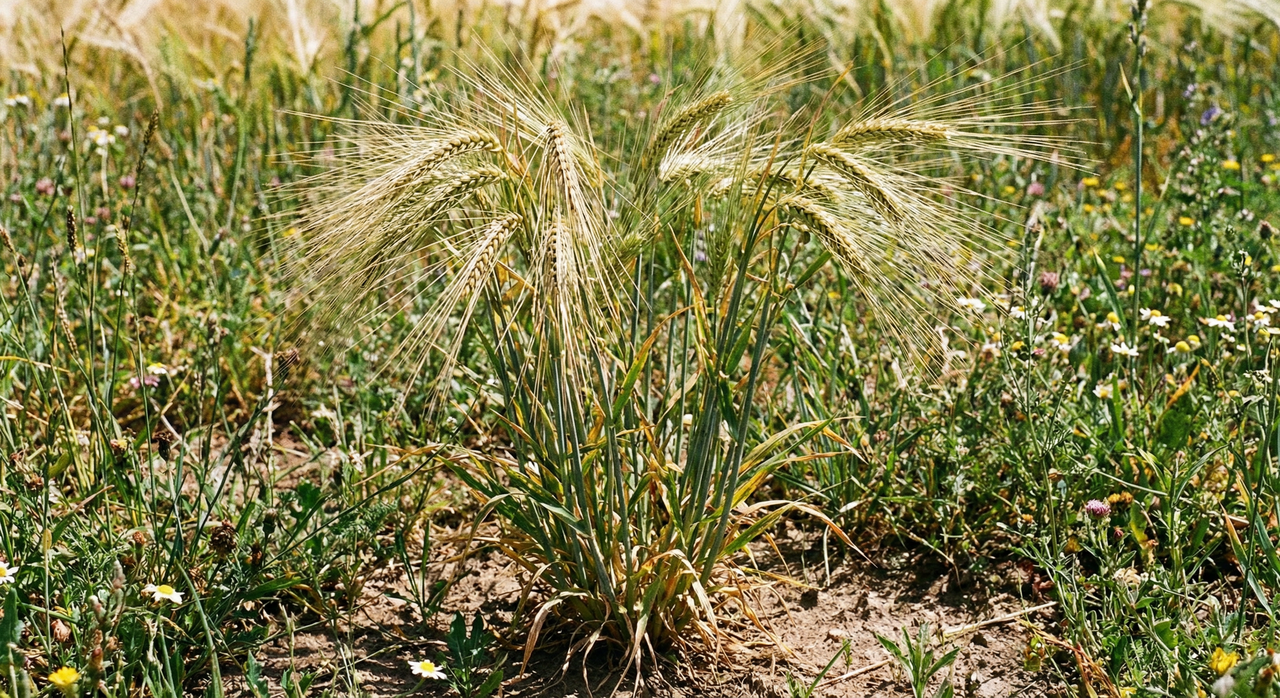
Barley is the oldest cultivated grain on Earth, and somehow we've collectively decided it belongs mostly in beer and livestock feed. I've had conversations with experienced permaculture growers who've never once grown it intentionally, who think of it as a commodity crop, something for industrial fields in the Palouse, not for a backyard food forest or a kitchen garden. That assumption has always puzzled me, because the barley I've grown has been one of the most quietly competent plants I've ever put in the ground: drought-tolerant, fast-establishing, generous with biomass, and genuinely delicious in ways that most people have simply never experienced.
Here's what reoriented me. Barley was the grain that fed ancient Egypt, sustained Norse settlements through brutal winters, and appeared in Mesopotamian wage records 5,000 years before anyone thought to refrigerate the malt.[1] It was civilization's workhorse grain for millennia before wheat displaced it in our cultural imagination. And yet in my garden, it still behaves exactly like it was bred for hardship: it germinates in cold soil, it scavenges nitrogen, it builds tilth in a single season. That gap between what barley actually is and what most gardeners think it is feels like the most interesting place to start.
Origin and History of Barley (Hordeum vulgare)
There's something quietly humbling about growing a plant that fed the first cities. Barley was already ancient when the pyramids were built, already storied when the first alphabets were scratched into clay, and I find that whenever I'm walking a row of it in late spring, watching the heads fill out and the awns catch the light, that context makes the whole thing feel less like gardening and more like participation in something much longer than me.
Botanical Background and Life Cycle
Barley's scientific name is Hordeum vulgare, and taxonomically it sits as a cool-season annual bunch grass that completes its entire monocarpic life cycle in a single growing season.[2][3] Spring types finish in roughly 90-120 days; winter types stretch to 240-300 calendar days because they need a cold vernalization period before they'll flower.[4][5] I've grown both in my own beds, and the spring types consistently hit that 90-120 day window in my climate, which makes them genuinely useful as a quick-turnaround cover or grain crop before summer heat arrives. It's native to the Fertile Crescent and eastern Mediterranean, originating in temperate-Mediterranean and adjacent semi-arid climate zones[2][6] -- which explains a lot about how well it handles dry winters and why it can struggle if you push it into a hot, humid summer.
Visual Characteristics of Barley
In the garden, barley reads as an upright, tidy bunch grass growing 0.5-1.2 meters tall, with hollow cylindrical stems carrying five to eight nodes and a dense fibrous root system that does real work pulling minerals from the soil profile.[2][7] The leaves are alternate, linear-lanceolate, 20-30 cm long, and here's something I always point out to visitors: run your fingers from base to tip and you'll feel them turn sandpaper-rough near the margins. That texture comes from silica phytoliths embedded in the leaf surface, and it's the fastest way I know to identify young barley among similar grasses.[8][9]
The inflorescence is a dense spike, 5-12 cm long, with greenish or purplish spikelets that mature into pale yellow to reddish-brown caryopsis grains 6-10 mm long.[10][11] Those long hygroscopic awns are worth watching: they literally twist and untwist with changes in humidity, a restless mechanical movement that aids seed dispersal.[12] It's also why volunteer barley shows up in unexpected corners of the garden, carried there by its own awns working through the mulch. Cultivar variation is significant -- two-row versus six-row spikes, hulled versus hulless grain, dwarf versus tall stature -- but the core morphology is stable across the species, with environment doing most of the modulating of size and vigor.[13][14]
Traditional and Cultural Uses Across Civilizations
Barley was domesticated approximately 10,000-13,000 years ago in the Fertile Crescent, across sites in modern Syria, Turkey, Iraq, and the Jordan Valley including Jericho and Ain Ghazal. Wild exploitation goes back even further, with archaeological evidence at Ohalo II in Israel suggesting humans were harvesting wild barley as far back as 23,000 years ago.[15][16] By around 3500 BCE, Mesopotamian civilization had built barley into the foundation of its economy: bread, porridge, beer, and literally currency, all documented in Sumerian texts. Egypt adopted it by 5000 BCE, where it fed people, brewed ritual beer, appeared as offerings to Osiris, and was recorded in the Ebers Papyrus for medicinal purposes.[8][17]
The cross-cultural reach of this grain is something I find genuinely moving. Ancient Greece used barley in the kykeon drink central to the Eleusinian Mysteries and awarded barley crowns at the Heraea games. Biblical tradition called it the poor man's grain and wove it into Levitical ritual purity codes. Norse mythology credited Odin with the gift of barley beer. Tibetan Buddhist practitioners ground roasted barley into tsampa flour for both daily sustenance and ritual offering. Ethiopian highland communities built entire food traditions around it through porridge, bread, and tella beer.[18] Celtic Iron Age sites show barley in ale and porridge, and post-colonization, the grain traveled to the Americas where indigenous communities folded it into soups and chicha beer alongside native crops.[19]
I think a lot about the genetic erosion side of this story. Modern hybrid reliance, water scarcity in its native range, and soil degradation from monoculture are real threats to the diversity that 13,000 years of cultivation produced.[20] In my permaculture community, we prioritize saving and sharing open-pollinated varieties precisely because those older genetics carry resilience we don't fully understand yet and can't afford to lose to a patent system that rarely benefits the communities who stewarded them.
Fun Facts and Modern Production
The same grain that Sumerian brewers fermented around 3500 BCE is still driving one of the world's largest agricultural commodities. Global barley production reached 150.1 million metric tons in 2022, and U.S. growers averaged 73.0 bushels per acre in 2023.[21][22] Beer still accounts for a huge share of that demand, a direct line from ancient Mesopotamia to the modern craft brewing shelf. For me, those numbers aren't just statistics -- they're proof that a 10,000-year-old relationship between humans and a grass is still very much alive, and that growing even a small patch of it in a food forest guild connects you to something far older than any garden trend.
Barley Varieties and Sourcing
Before you order a pound of seed or pick a variety out of a catalog, the single most useful thing you can understand about barley is the difference between two-row and six-row types. Everything else flows from there.
Two-Row vs. Six-Row Barley: Kernel Size, Protein, and End Uses
The names describe the spike itself. Two-row barley has only the central floret fertile on each node, producing two rows of kernels per spike; six-row has all three florets fertile, giving you six rows of smaller, more numerous grains.[23][24] That structural difference has enormous downstream consequences. Two-row types produce plumper, more uniform kernels with higher starch and lower protein, typically 9-12%, which is exactly what brewers want for clean enzymatic activity and high extract yield.[25][26] Six-row types run 11-15% protein, which makes them better suited for animal feed, food products, and ethanol production where starch-to-protein ratios matter less.[26] In my experience, the two-row types I source for small-batch home malting consistently give cleaner extracts than the higher-protein six-row feed barleys I've tried. The difference is noticeable even at home scales.
Geographically, two-row varieties dominate in cooler climates like Europe and Canada and align with European brewing traditions, while six-row types are the workhorses of the US Midwest with their broader adaptability to variable soils and hotter summers.[26][24] If you're growing barley primarily as a green manure or biomass crop in a permaculture system and aren't worried about malt quality, six-row's denser yield and forgiving nature make it an easy choice. If you're malting at home or cooking for the table, two-row is worth the extra sourcing effort. Two-row management also requires more attention to nitrogen rates since excess protein degrades malt quality, while six-row management leans toward maximizing yield with denser planting and less fuss over grain chemistry.[26][24]
Notable Cultivars: From Malting Favorites to Disease-Resistant Feed Types
USDA variety trials show yields ranging from about 50 to 90 bushels per acre depending on region, with maturity falling somewhere between 90 and 120 days from planting; two-row types generally come in earlier (90-110 days) than six-row types (100-120 days).[27][28] Within those ranges, specific cultivars tell a more interesting story. Harrington, a two-row malting barley developed in Canada, consistently delivers 70-90 bushels per acre in North American trials and has been a benchmark for malt quality for decades.[29] AC Metcalfe offers moderate resistance to Fusarium head blight, rated around 5-6 on a 1-9 scale, which matters a great deal in humid climates.[29][28] I've noticed real differences between resistant and susceptible varieties in my own plots during wet years; those resistance ratings aren't just numbers on a page.
On the Pacific Northwest side, Steptoe (a six-row type from Washington State University) yields around 60-80 bushels per acre, while North Dakota State's Dakota (two-row) hits roughly 70-90 bushels per acre in northern plains conditions.[30] From Europe, Barke is a respected two-row malting variety with yield potential up to 80-100 bushels per acre and strong brewing credentials.[31] Westminster, evaluated in UK trials, shows good Fusarium resistance in the 4-5 range, making it a sensible choice where disease pressure is a recurring concern.[32] Kernel colors span amber (by far the most common), red, purple, and black, which opens up some interesting options for the visually-minded garden or market grower.[27]
Hulled vs. Hulless Barley: Maturity, Harvest, and Processing Differences
Hulled barley dominates US production for both feed and malt; hulless (or naked) barley is a niche category, but a genuinely useful one for home growers.[33][34] Hulless types tend to reach physiological maturity 10-20 days earlier than hulled varieties under similar conditions, with heading often 5-10 days sooner.[35][36] When I trialed hulless types in my Central Florida plots, that earlier maturity was genuinely valuable. Getting grain off before summer humidity peaks meant less disease pressure and dramatically less post-harvest processing time compared to hulled types, where threshing the hull adds a whole extra step.
The harvest management differences are real and worth knowing before you plant. Hulled barley should be harvested at 14-18% moisture; hulless types shed the hull naturally but need to come in earlier, at 12-15%, and they're more prone to lodging in the meantime.[37] That lodging tendency has taught me to tuck hulless barley into more sheltered spots in the garden or pair it with sturdier companions that provide some physical support. It's a small adaptation, but it pays off. For the permaculture grower specifically, the processing simplicity of hulless types (no hull to remove before the grain is kitchen-ready, which is essentially whole grain hulled barley minus the hull removal step) makes them a strong candidate for anyone growing barley as actual food rather than cover crop biomass.
Where to Buy Barley Seeds and Starts
Barley seed is easy to find in the US. Johnny's Selected Seeds, Burpee, and True Leaf Market all carry Hordeum vulgare in various forms, from hulless grain types suited for the kitchen to ornamental selections like bearded varieties grown for their striking seed heads.[38][39][40] Prices for common varieties typically run $2-6 per pound, with availability peaking in early spring for spring planting and fluctuating seasonally after that.[41] I routinely buy in bulk from Johnny's, and once you're ordering a few pounds at a time for a larger guild planting, the per-pound price usually drops comfortably under $3.
Hulless varieties are worth the extra hunting if kitchen use is your goal. They command higher prices in specialty markets because supply is genuinely limited and demand from health-focused buyers keeps pricing elevated.[42][43] For malting barleys specifically, sourcing the right cultivar sometimes means going directly to a specialty grain seed company rather than a general garden catalog. Importing seed from outside the US requires navigating USDA APHIS regulations under the Federal Plant Protection Act and Federal Seed Act, so for most home growers, sticking with domestic suppliers is simply the easier path.[44][45] The bottom line: if you want standard hulled types for feed or green manure, any of the major seed companies will serve you fine. If you're after specific malting cultivars or hulless types for whole grain barley cooking, plan to do a bit more targeted searching.
Barley Propagation and Planting (Hordeum vulgare)
Barley has been grown from seed for roughly 10,000 years, and that simple fact tells you almost everything you need to know about how to propagate it: you sow it, it grows. But there's real craft in doing it well, and the difference between a patchy, struggling stand and a dense, productive one almost always comes down to a handful of decisions made before the seed hits the ground.
Understanding Barley Seed: Morphology, Varieties, and Pollination
Pick up a barley seed and look at it closely. What you're holding is a caryopsis, the dry, one-seeded fruit characteristic of all grasses, with an elongated oval to fusiform shape, a prominent ventral crease running its length, and dimensions of roughly 7 to 10 mm long and 2.5 to 3.5 mm wide.[46][47] Inside, it's mostly endosperm, starch and protein packed around a single embryo, with a thin pericarp fused to the seed coat.[46] That monoembryonic structure, one embryo per seed, means there's no twin-seedling confusion at emergence.
Whether your seed is hulled or hulless changes how you handle it. Hulled barley has a lemma and palea tightly fused to the kernel; hulless (naked) varieties lack that adhesion due to mutations at the nud locus.[48][49] The first time I grew a hulless variety, I manhandled the seed during planting and lost a noticeable number of seedlings to mechanical damage. The exposed embryo is genuinely more fragile. Now I handle hulless seed gently, plant it shallower than I would a hulled type, and my establishment rates are much more consistent.
Barley's pollination biology makes it an ideal plant for seed saving. It's cleistogamous, meaning the flowers self-fertilize before they even open, with a self-pollination rate above 99%.[50][51] Combined with its orthodox seed behavior, tolerating drying to low moisture content and cold storage without losing viability,[52] you get a seed that reliably produces true-to-type plants and stores well between seasons. I keep leftover seed in a sealed glass jar in my basement at around 50 to 55°F and routinely get 85% or better germination two years later, which takes the pressure off buying fresh commercial seed every spring.
Laboratory methods like tissue culture exist,[53] but these are strictly breeding-program tools. Vegetative propagation by cuttings or grafting is essentially a non-starter; barley is a monocot with no vascular cambium, and nodal cuttings succeed less than 20% of the time even with hormone treatment.[54][55] For anyone growing barley at home or in a permaculture system, direct seeding is the only method that makes sense.
Site Selection and Soil Preparation for Barley
Barley is more forgiving about soil type than many people expect, but it does have clear preferences. Deep, well-drained loamy or sandy loam soils with 2 to 5% organic matter are ideal, and the plant is notably sensitive to waterlogging and compaction; bulk density above 1.7 g/cm³ alone can reduce yield by 10 to 30%.[56][57] Heavy clay, peaty ground, and poorly drained low spots are worth avoiding entirely.
The single highest-leverage thing you can do before planting is a soil test and, if needed, a lime application. Barley's target pH is 6.0 to 7.5, with 6.5 to 7.0 being the sweet spot.[56] Below 5.5, aluminum becomes toxic and phosphorus locks up, producing root necrosis and stunted growth. Above 7.5, micronutrient deficiencies show up as interveinal chlorosis and reduced tillering.[58][59] Getting pH right within that 6.0 to 7.5 window can increase yields 15 to 20% with no other changes to the program.[58] I saw this firsthand in my own test plots after liming a bed from around 5.5 to 6.5: the difference in plant color, tillering density, and final grain weight was unmistakable, roughly 15% more grain from the same seed and the same water.
If your pH is low, plan to apply 1 to 2 tons per acre of lime; sodic soils benefit from gypsum at 1 to 3 tons per acre, and compost or organic matter at 5 to 10 tons per acre improves structure and water retention in both sandy and heavier soils.[60][61] For site selection, barley needs full sun, a minimum of 6 to 8 hours of direct light daily, and it's a long-day plant that requires 14 to 16 hours of daylight to trigger reproductive development.[62][63] It tolerates partial shade better than most cereals, but shade will cost you yield and disease resistance, so don't compromise if you can help it.
Sowing, Spacing, and Germination Timeline
Spring barley goes in from late February through early May; winter types are sown from late August through October in the northern US.[56][64] I've learned to ignore the calendar and watch the soil thermometer instead. Germination is optimal at 50 to 65°F, with the minimum around 41°F and slowed rates above 68°F.[65] Planting into soil that hasn't reached a consistent 50°F produces uneven emergence, and uneven emergence means a weedy, low-yielding stand that frustrates you for the rest of the season. That 55°F mark, confirmed with a simple probe thermometer, is where I've found emergence becomes reliably uniform.
Target seeding rates of 80 to 150 kg per hectare to achieve a stand of 200 to 400 plants per square meter, building toward 800 to 1,000 tillers per square meter by jointing.[56][64] Hitting that plant density is, in my experience, the single biggest lever for a thick stand that outcompetes weeds and fills in efficiently. Row spacing of 15 to 20 cm closes the canopy faster and suppresses weeds better; wider rows of 20 to 30 cm improve airflow and reduce disease pressure in humid climates.[66][56] Sow at 1 to 2 inches deep, staying toward the shallower end for hulless types.[67]
Under good conditions, germination happens in 5 to 10 days, with water uptake triggering radicle emergence followed by the shoot.[65] One thing worth knowing: young barley seedlings look remarkably like wheat or ordinary lawn grass in the first two weeks. I always label my rows because an unlabeled planting is a guessing game. Spring barley matures in 90 to 120 days from sowing; winter barley, which requires vernalization through cold exposure, runs a full 240 to 300 days with harvest arriving in early to mid-summer the following year.[56][68] Temperature, precipitation, and management practices can all shift that timeline by plus or minus 10 to 20 days, so treat those numbers as a planning range rather than a guarantee.
Advanced Propagation Methods (Research Use Only)
For completeness: tissue culture and micropropagation are used in barley breeding programs for rapid multiplication and producing virus-free stock, achieving callus induction at 60 to 85% and shoot regeneration at 30 to 50% depending on genotype and media.[53][69] These methods require sterile laboratory conditions, specialized growth media, and considerable technical skill. They are fascinating if you're a plant scientist; they are irrelevant if you're a grower. Every practical application of barley from the kitchen garden to the grain field starts with seed.
Seed Storage and Viability
Because barley is an orthodox seed, it stores exceptionally well when kept dry and cool. Target 5 to 12% moisture content, temperatures of 10 to 15°C, and 50 to 60% relative humidity in airtight containers like sealed glass jars, foil bags, or metal tins.[70][71] Under those conditions, viability can exceed 80 to 90% after 20 years, and genebank collections stored at -18°C have maintained viable seed for 50 years or more.[70] Hulled types hold up better in storage than hulless because the hull provides a physical buffer against moisture and mechanical stress.[72]
New seed from harvest carries 1 to 6 months of dormancy that breaks through after-ripening.[56] In practice, this means seed you saved at last year's harvest and stored through winter will often germinate more uniformly than fresh commercial seed planted immediately after purchase, because the dormancy has already broken naturally. If you're ever unsure about viability, a simple germination test on a damp paper towel at room temperature will tell you what you need to know before you commit to planting a full bed.
Barley Care Guide: Growing Hordeum vulgare Successfully
Barley rewards growers who think in growth stages rather than calendar weeks. Every major management decision, from how much nitrogen to apply to when to pull back on irrigation, traces back to where the plant sits in its 90-180 day cycle. Get that sequencing right and you'll have a crop that largely looks after itself. Miss it, and you'll be watching lodged stems or empty florets and wondering what went wrong.
Fertility and Nutrient Management
Barley is a moderate to heavy nitrogen feeder. At field scale, that means budgeting roughly 1.0-1.5 lbs of N per bushel of expected yield, or 80-150 lbs N per acre total, with phosphorus at 40-80 lbs P₂O₅/acre if soil tests below 20 ppm P, and potassium at 30-100 lbs K₂O/acre if K reads below 100 ppm.[73][56] For a home bed or guild planting, those numbers scale down considerably, but the principle holds: soil test first, then feed to a target rather than broadcasting a generic dose.
Timing matters more than total rate. Split applications consistently outperform single pre-plant doses: put 20-30% of your N at planting or spring green-up, the largest portion (40-50%) at tillering when the plant is at Feekes 3-5, and hold the remainder for jointing or heading only if the crop looks like it needs it.[73][74] I learned this the hard way. A few seasons back I over-applied nitrogen at tillering in a fertile guild bed that already had good organic matter, and watched lodging take roughly 30% of my yield before I could do anything about it. I now wait until I can clearly count 4-5 leaves and time the second dose strictly to that visual cue. Success rate climbed immediately.
Soil pH in the 6.5-7.0 range is the sweet spot for nutrient availability; the acceptable window stretches to 6.0-7.5.[75] In alkaline or calcareous soils, watch for micronutrient deficiencies: boron, zinc, and iron can all lock up above pH 7.5 and require targeted correction rather than broadcast fertilizer.[76] Yellowing from the older leaf tips usually signals nitrogen shortage; purplish lower leaves point to phosphorus; marginal leaf scorch paired with weak stems is a potassium problem and a lodging risk waiting to happen.[77] For organic systems, a well-timed legume cover crop or aged manure can deliver 50-100 lbs N/acre, which in my guild rotations gets barley most of the way there without any synthetic inputs.[78]
Water Requirements and Irrigation
Over a full season, barley needs 15-25 inches of water, but that number is unevenly distributed.[79] During establishment, 0.5-1 inch per week is plenty. Once tillering kicks in and through heading, bump that to 1-2.5 inches weekly. As the grain fills and dries down, back off to around 0.5 inches per week.[80] The practical target is keeping soil at 50-70% of field capacity through the critical stages, irrigating every 7-14 days at roughly 1-2 inches per event and adjusting for soil texture (sandier soils need smaller, more frequent applications).[80]
Barley handles dry spells reasonably well in the vegetative period, surviving 3-6 weeks of drought with modest yield impact if the prior soil moisture was adequate.[81] That window shrinks to 2-4 weeks during reproduction before sterility and yield loss become serious. In my Central Florida trials I've watched barley hold together through short dry spells better than wheat, but once leaf rolling starts and soil drops below roughly 40% moisture, tip burn follows fast. The flip side is just as damaging: waterlogging causes lower-leaf chlorosis, wilting despite wet soil, and root rot, with yield losses reaching 50% in severe cases.[82] Avoid excess water at ripening; wet conditions late in the season increase lodging risk and degrade grain quality. Barley can tolerate irrigation water salinity up to 3 dS/m, but above that yield begins declining at about 16% per additional dS/m.[83]
Sunlight and Light Requirements
Barley is a long-day plant and needs full sun, both in terms of daily intensity (a minimum of 6-8 direct hours) and seasonal daylength (14-16 hours to trigger heading).[84] In my food forest trials, plants growing under even light fruit-tree canopy tiller poorly and head noticeably later than those in open ground. Low light produces etiolated, spindly stems and reduced tillering; excessive reflected heat and intense summer radiation can scorch and bleach leaves through photoinhibition.[85] For most temperate gardens, barley belongs in the most open, unshaded spot available, not tucked under a canopy layer the way some herbs tolerate.
Frost Tolerance and Cold Protection
Winter barley is genuinely cold-hardy, surviving down to -15°C to -25°C (-5°F to -13°F) with adequate snow cover and proper vernalization; it fits USDA zones 3-9. Spring types are less tough, tolerating light frost to about -5°C (23°F) but showing seedling injury below -2°C to -3°C.[86] The real vulnerability is at reproduction: floret sterility begins at just -1°C to -4°C, and a well-timed frost at heading can cut yields 20-50%.[87]
For protection, row covers can add 2-5°C of warmth; on larger plantings I prefer overhead sprinkling because it forms a protective ice shell that stabilizes tissue temperature and, in my experience, barley greens back up faster afterward than wheat does under the same treatment.[88] Straw mulch at 2-4 tons per acre improves overwintering survival 20-50%, and simply choosing a well-drained slope over a low-lying frost pocket makes a meaningful difference.[89]
Heat Tolerance and Summer Stress Management
Barley's comfort zone is 59-68°F (15-20°C). Sustained temperatures above 86°F (30°C) cause stress in vegetative growth; during reproduction, trouble starts closer to 77°F (25°C), with pollen sterility and measurable yield loss the result.[90] In my Central Florida trials, leaf rolling is the earliest warning sign, and I've learned to mulch immediately when I see it rather than waiting for tip scorch to confirm the diagnosis. Catching that moment early matters.
Management in warm climates comes down to timing. Winter sowing lets barley complete reproduction before peak summer heat arrives. Irrigating in early morning or evening (roughly 20-30 mm every 5-7 days) reduces canopy stress during the day.[91] A 2-4 inch organic mulch layer can drop soil temperature 5-10°C, and 30-50% shade cloth reduces canopy heat by another 3-5°C in the most critical windows.[92] I've also had better results in warm microclimates with hulless and short-season varieties; the research on specific heat-stable lines is still developing, so I'd encourage anyone in a warm-summer climate to trial a few candidates locally before committing to a single cultivar.
Pruning, Maintenance, and Seasonal Rhythm
Barley isn't pruned. Maintenance here means managing tiller density and lodging risk rather than cutting anything back. The target stand is 300-500 tillers per square meter, achieved through seeding rate and variety selection rather than any post-emergence intervention.[93] Strong-straw varieties combined with disciplined nitrogen timing (keeping total N below the 80-100 lb/acre threshold in fertile or high-rainfall situations) are the main lodging prevention tools.[94] A light straw mulch (1-2 tons/acre) serves double duty for moisture conservation and weed suppression; staking or support netting is rarely necessary except on exposed windy sites.[95]
The seasonal arc runs 90-180 days depending on type: germination in 7-14 days, tillering over the following 2-4 weeks, stem elongation for another 4-6 weeks, heading and flowering across 2-3 weeks, then grain fill to maturity over 4-8 final weeks.[4] Winter types are sown in fall, overwinter under whatever protection the site provides, and complete their cycle the following summer after fulfilling their vernalization requirement. Spring types go in after the last frost and hit maturity by midsummer. Heat or drought at heading causes the sterility problems covered above; manage light, water, and nutrients to stay aligned with those critical windows. In my permaculture guilds I rotate barley with legumes so that its cool-season growth fills the understory while summer perennials are dormant or establishing. Its fibrous roots leave behind a noticeably improved soil structure in a single season. One thing I'd tell any new grower: label your rows carefully in the first three weeks, because barley seedlings look almost identical to weedy grasses before they start to tiller, and it's easy to weed out exactly what you planted.
Barley Harvesting: Timing, Technique, Yield, and Flavor
Of all the grain crops I've grown, barley has the narrowest forgiveness window at harvest. Miss it by a week in either direction and you're either dealing with shriveled, weather-damaged kernels or shattering losses in the field. Getting it right is mostly a matter of reading the plant carefully, because the signals are genuinely unmistakable once you know what you're looking for.
When to Harvest Barley: Visual Cues, Moisture Targets, and Regional Calendars
Barley reaches physiological maturity 30 to 50 days after anthesis, with grain filling accounting for roughly a quarter to a third of the total crop cycle.[65][96][97] Spring types hit that finish line in 90 to 120 days from planting; winter types take 240 to 300 days, including their cold vernalization requirement. The visual cues at that point are consistent and readable: spikes turn golden brown, lower leaves go yellow and dry, the flag leaf begins yellowing, and the kernels enter the hard-dough stage. That last one is my go-to field check. Press a kernel firmly with your thumbnail; if it dents but resists, you're there. If it squishes, wait. Early in my growing years I harvested too soon and the grain was starchy and flat-tasting. Now I wait for that hard resistance, and the flavor difference is real.[98][99][100]
Grain moisture at harvest should be 14 to 18% for direct combining, with a target below 14% for long-term storage.[98] On the calendar, winter barley in the US generally comes in June through July; spring barley runs July into August, with southern states running earlier and the Northern Plains pushing later.[21][101] Temperature and precipitation from season to season can shift that window by up to 20 days in either direction, which is why I always watch the plant rather than the calendar. Hulless types typically hit physiological maturity at 35 to 40 days post-anthesis versus 40 to 45 days for hulled forms.[35] Worth factoring in if you're growing both in the same season.
Harvest Techniques and Post-Harvest Handling for Grain, Forage, and Silage
For grain harvest, the practical target is dry weather above 50°F, ideally early morning when dew has dried but heat hasn't peaked, combining at 12 to 14% moisture for grain headed to storage or up to 18% if you're drying immediately after.[102][103][104] I hand-harvest my small plots with a sickle and achieve the same quality results as commercial combines; the moisture targets apply regardless of scale. After cutting, thresh at 15 to 20% moisture to avoid cracking kernels, clean the grain to remove debris, then dry down to 12 to 14% before storing barley grain in cool, well-ventilated conditions.[105][106][107] For my small batches, a dehydrator and a kitchen scale get the job done reliably. I've never had a mold problem staying under that 14% threshold.
Forage and silage use completely different moisture targets. If you're cutting for forage, harvest at early heading to milk stage, around 30% dry matter. Barley silage needs 65% moisture for proper fermentation.[108][109] These targets are essentially the opposite of grain harvest requirements, so be clear with yourself before the crop approaches maturity about which direction you're heading.
Expected Yield and the Flavor Profile of Freshly Harvested Barley
The form you harvest for shapes everything about what ends up on the plate. Hulled barley delivers a chewy, earthy, nutty flavor with subtle sweetness; pearled is milder and softer; hulless types have a cleaner, more intense malty-nutty character.[110][111] Raw grain is grassy and cereal-forward; boiling develops toasty, malty, and umami notes through starch gelatinization and glutamate release, and malting pushes that even further into caramel and biscuity territory via Maillard reactions.[112][113][114] The first time I tasted home-malted barley from grain I'd grown myself, the caramel depth was noticeably richer than anything I'd bought at a homebrew shop. That experience made getting the harvest moisture right feel worth the extra attention.
Texture differences are significant too. Hulled barley stays chewy after 45 to 60 minutes of cooking; pearled softens to a tender, fluffy consistency in 25 to 30 minutes.[110][115] Full sun through the growing season is non-negotiable for maximizing both yield and flavor development; shade above 50% can cut yield by 10 to 20% and the grain shows it.[116] Everything from site selection to harvest timing compounds into what you taste at the table.
Barley Preparation and Uses
Edible Parts and Culinary Preparation
Barley gives you two distinct edible yields: the mature grain used in breads, soups, and brewing, and the young leaves harvested as barley grass for juicing or drying into powder.[8][117][118] I harvest barley grass around 7 to 10 days post-germination, when the leaves are sweetest and still vibrant green. The mature grain is a completely different proposition and requires real preparation before it hits the table.
Raw barley contains phytic acid and other anti-nutritional factors that inhibit mineral absorption, so eating it unprocessed is a mistake I only made once.[119][120] Soaking overnight, sprouting, malting, or simply cooking all reduce these compounds significantly and develop that characteristic nutty flavor. Sprouted barley is fine eaten raw in moderation, provided your grain source is clean.[121] Roasted barley brewed into mugicha-style barley tea is perfectly safe and genuinely delicious cold in summer.[122]
In the kitchen, keeping the bran layer intact changes how the grain behaves.[117] When I grind my own hulled barley into flour, I cook it into flatbreads or porridge rather than using it raw, because the bran makes uncooked applications impractical. In the pot, hulled barley has a satisfying chew that pearled simply can't match, and its beta-glucans are what give a beef barley soup or Scotch broth that thick, silky body.[123][124] It pairs beautifully with mushrooms, root vegetables, thyme, lamb, and beef. Barley grain recipes stretch across cultures too: Middle Eastern shorbet el shair, Asian-style congee, and risotto-style preparations all use the same grain's starch-releasing properties to entirely different effect.[125][126]
Malting is where barley's culinary range really expands. The malting process converts starches into fermentable sugars for beer and whiskey while simultaneously reducing anti-nutritional factors.[127][128] I've experimented with home malting small batches and noticed that my warmer growing conditions tend to produce a slightly more caramelized malt character than what I get from store-bought commercial malt. Beyond brewing, malted barley shows up in malt extract, malted milk, and even sushi rice seasonings.
Medicinal Preparations from Barley
The simplest traditional preparation is barley water: simmer whole grains in water, strain, and drink the liquid.[129] I keep a batch in the fridge through summer and find it genuinely soothing. Traditional medicine systems from Chinese to Ayurvedic have long used barley decoctions and leaf infusions to address digestive discomfort and urinary complaints,[130][131] and barley grass juice is still widely consumed as a nutritional supplement. The deeper clinical story on these uses belongs in the health benefits section, but as a home remedy, barley water is about as low-effort and low-risk as kitchen medicine gets.
Non-Food and Permaculture Uses
Barley is one of the world's most important cereal crops globally, valued for food, animal feed, and malt,[2] but from a permaculture design standpoint, its biomass is where the real loop-closing happens. After I brew a batch from home-malted grain, the spent grains go straight into the compost or out to chickens. Barley straw works beautifully as garden mulch, and historically the hulls and straw have been woven into hats, mats, and corn dollies as part of European harvest traditions.[2] High starch content also makes barley a candidate for ethanol production as a biofuel feedstock.[132] Roots and stems don't have much culinary application, though roots occasionally appear in traditional teas, and stems feed livestock.[130] Every part of this plant has somewhere useful to go, which is exactly the kind of yield stacking that makes it worth growing beyond the grain itself.
Barley Health Benefits and Medicinal Uses
Growing barley connects you to one of the oldest documented medicinal plants on earth. What I find genuinely compelling about it, though, isn't the antiquity. It's that the same compounds barley evolved to protect itself from drought, UV-B radiation, and microbial attack turn out to be the ones doing meaningful work in the human body. That's whole-plant synergy at its most elegant, and it's why I think barley deserves a lot more attention than it typically gets as a functional food.
Phytochemicals in Barley: Beta-Glucans, Phenolics, Flavonoids, and More
The bioactive chemistry here is genuinely diverse. Cooked hulled barley delivers 2.4 to 2.9 grams of beta-glucan per 100 grams, alongside phenolic acids (ferulic, p-coumaric, sinapic), flavonoids including C-glycosylflavones like saponarin and lutonarin, and anthocyanins in the pigmented varieties I love growing for their visual drama in the garden.[133][134][135] There are also alkaloids like gramine and hordenine, saponins, tannins, phytosterols, and alkylresorcinols. These aren't uniformly distributed through the plant. Leaves concentrate flavonoids, while bound phenolics pile up in the bran and hull layers, and phenolic acids actually exude from the roots into the surrounding soil.[133][136] That distribution matters practically: hulled varieties retain far more of those phenolics than pearled grain, which is one reason I cook with hulled barley from my own harvest whenever I can.
The concentrations aren't fixed, either. Genetics, growing environment, and processing all shift the balance. Wild Hordeum spontaneum types and varieties grown under UV stress or drought tend to push harder on flavonoid and phenolic production, basically because the plant is under pressure.[133][136] Mechanistically, the strongest evidence links beta-glucans to bile acid binding and gut microbiota modulation, ferulic acid to Nrf2 pathway activation (the body's core antioxidant response), and flavonoids like lutonarin to NF-κB inhibition (a key inflammatory signaling hub).[137][138] The alkaloids and benzoxazinoids are primarily plant-defensive compounds; their relevance to human health is of secondary interest and far less studied than the beta-glucan and phenolic fractions.
Evidence-Based Health Benefits from Clinical Research
The cardiovascular and glycemic evidence for barley beta-glucan is about as solid as it gets in nutrition science. Multiple randomized controlled trials and a 2018 meta-analysis of 14 trials show that 3 to 10 grams of beta-glucan daily reduces LDL cholesterol, improves HbA1c and fasting glucose in people with type 2 diabetes, and offers modest blood pressure benefits.[139][140][141] Practically, that's achievable through diet. I aim for a bowl of barley porridge or a hearty grain soup most weeks during my Florida cool season, and I've personally noticed more stable energy levels and less mid-afternoon drag, which tracks with what the glycemic-control research would predict. I'm not making a clinical claim from that, but it makes me more committed to actually eating what I grow.
The anti-inflammatory picture is compelling too. A 2019 RCT with 30 knee osteoarthritis patients found that barley supplementation significantly reduced CRP and IL-6, and a 2020 RCT with 50 healthy adults showed measurable increases in plasma antioxidant capacity after just four weeks.[142][143][144][145] Anticancer activity has been demonstrated in vitro through apoptosis induction, and barley leaves appear in phytotherapy traditions for immune support and detoxification. But those findings remain preliminary. The human trial evidence is thin, and compounds like saponins and alkylresorcinols still need larger-scale clinical investigation before anyone should be treating barley as a cancer-prevention strategy.[146]
The traditional medicine record is genuinely rich and spans multiple independent systems. Ancient Egyptians, Greeks, and Romans used it for dysentery and as a nutritive tonic. Ayurvedic medicine knew it as yava, prescribed for digestive disorders, fever, urinary complaints, and skin conditions, often as a barley water preparation. TCM lists it as mai ya in its roasted form for food stagnation, digestion, and promoting lactation. Middle Eastern and African folk traditions reach for it as a cooling demulcent, a wound treatment, and a remedy for boils and urinary tract infections.[147][148][149][150] I occasionally make a simple barley water during hot Florida summers, simmering whole grain in plenty of water, straining it, and drinking it cool. It's mild, slightly soothing, lightly diuretic, and about as close as I get to following a multi-thousand-year recipe. Modern trials have focused heavily on metabolic markers, so the evidence base is still catching up to many of those traditional digestive and dermatological claims, but the cardiovascular and glycemic work validates the metabolic instincts those ancient systems clearly had.
Nutritional Profile of Barley
A 100-gram serving of cooked hulled barley comes in around 123 calories, with 2.3 grams protein, 28.2 grams carbohydrates, 3.8 grams total dietary fiber (including those 2.4 to 2.9 grams of beta-glucan), and very little fat.[151][117] The B vitamin lineup is respectable: niacin, thiamin, riboflavin, B6, and folate are all present in meaningful amounts, along with iron, magnesium, phosphorus, potassium, and zinc.[151] It doesn't supply vitamins A, C, or D, so it's not a nutritional complete picture on its own, but as a whole-grain staple it earns its place.
Processing makes a real difference. The hulled (whole-grain) form retains bran and germ, giving you higher fiber, more phenolics, and better antioxidant activity than pearled barley, which has had the bran polished away.[152][134] Hull-less types push the protein figure up slightly further (13 to 15 grams per 100 grams dry weight) and are easier to process at home without a thresher.[46] When I cook my home-grown hulled barley alongside store-bought pearled, the flavor difference alone tells you something: the hulled grain is nuttier, more complex, and it holds its texture. That retained bran is doing a lot of work, culinarily and nutritionally. The FDA has formally authorized the health claim that diets low in saturated fat and cholesterol that include soluble fiber from barley may reduce the risk of heart disease, and USDA Dietary Guidelines recommend barley as a whole grain specifically for its fiber and nutrient density.[153][154] That's a high bar to clear, and barley clears it.
Safety Considerations and Potential Side Effects
Barley itself, grown and processed under normal conditions, is non-toxic and safe for most people. The real hazards come from outside the plant. Darnel rye (Lolium temulentum), a toxic weed whose alkaloids can cause serious central nervous system effects, has historically contaminated barley crops, and Fusarium fungi can produce deoxynivalenol (DON) mycotoxins, especially in warm, humid storage conditions, causing nausea, vomiting, and immune suppression.[155][156][157] Ergot alkaloids from Claviceps purpurea are another contamination risk in poorly managed stands.[158] I buy seed from reputable suppliers, manage for clean stands during the growing season, and store harvested grain cool and dry. These aren't extra steps I've added reluctantly. They're just good grain stewardship, and they eliminate most of these risks before they become problems.
Gluten is the non-negotiable issue. Barley contains hordein prolamins and is categorically unsafe for anyone with celiac disease, non-celiac gluten sensitivity, or wheat allergy. Hulless varieties still contain gluten. Isolated beta-glucan supplements may be processed to remove gluten, but whole barley grain must be avoided entirely by people in these groups.[159][160] After years of growing mixed grain crops, I label my barley beds and storage containers separately from anything gluten-free, and I keep dedicated tools for each. If you have family members with celiac, cross-contamination is a real concern that starts at the garden bed, not just in the kitchen. For people without gluten issues, the main adjustment is digestive: the high fiber content, particularly the beta-glucan and fructans, can cause bloating and gas when you add a lot of barley to your diet quickly. Gradual introduction handles that easily.[161] Finally, if you're managing blood sugar with medication, the beta-glucan's glucose-lowering effect is real enough that substantially increasing your barley intake warrants monitoring your levels, since there's a theoretical additive effect with antidiabetic drugs.[162][155]
Barley Pests and Diseases: Resistance, Management, and IPM
Before I plant any barley cultivar, the first thing I do is check its disease resistance ratings. The standardized 0-9 scale used by USDA and extension programs gives you a quick, practical lens: scores of 0-3 indicate high resistance, 4-6 moderate, and 7-9 low resistance or outright susceptibility.[163][164] It's not a perfect system, and I'll tell you right now that the same variety can perform very differently in Central Florida's humidity versus a dry northern climate. But it's the fastest way to narrow down your choices before you ever break ground.
Disease Resistance Ratings and Major Pathogens
Powdery mildew is where modern barley breeding really shines. Varieties carrying mlo mutant alleles or Mla resistance genes can rate high to immune, and I've grown side-by-side plots comparing older susceptible lines with mlo-based cultivars under high humidity conditions. The difference is startling; the resistant plants looked practically clean while the susceptible ones were flocked white by mid-season, with no fungicide input at all.[165] Rust is trickier. Barley can be highly susceptible to leaf rust (Puccinia hordei) and moderate to highly susceptible to stem rust, though the Rpg1 gene has been a workhorse in stem rust management for decades.[166][167]
Barley yellow dwarf virus warrants its own attention because resistance here is genetically specific. Tolerant varieties carrying Yd2, Ryd2, Ryd3, or Ryd4 genes offer meaningful protection, but susceptible plants that pick up BYDV through aphid feeding can deteriorate fast.[168][169] On the fungal side, barley actually handles Fusarium head blight better than wheat does, though resistance is polygenic, spread across QTL on chromosomes 2H, 3H, and 6H, with no single dominant gene to lean on.[170] I've grown both grains side by side and watched barley produce consistently cleaner heads in wet springs. Net blotch responds well to variety selection, with cultivars like 'AC Metcalfe' showing high resistance, while bacterial leaf streak remains a weak point overall, though 'CDC Copeland' holds moderate ground.[171][172]
One thing those ratings won't tell you is how conditions shift resistance expression in the field. Temperatures between 68-80°F, soil pH around 6.0-7.5, and soil moisture at 60-80% field capacity all support stronger defense gene expression.[173] Push outside those ranges and a variety rated "high resistance" can underperform significantly. That's real-world expertise the seed catalog doesn't mention.
Insect Pests and Natural Defense Mechanisms
Aphids are the pest I watch most carefully, specifically the Russian wheat aphid and bird cherry-oat aphid, because they're both direct feeders and virus vectors.[174] I've learned to catch the characteristic leaf yellowing early, which is when I start actively encouraging ladybugs and lacewings rather than waiting to see how bad it gets. Hessian fly is the other pest that demands respect; susceptible varieties can take up to a 50% yield hit, though cultivars like 'Montezuma' and 'Post-90' carry meaningful resistance.[175][176] Cereal leaf beetle larvae skeletonize leaves and cause real yield losses; 'Atlas 57' shows resistance there, while 'Dura' and 'Gallium' hold up well against cyst nematode.[177][178]
What I find genuinely fascinating is how barley defends itself at the biochemical level. It produces benzoxazinoid compounds like DIMBOA, builds silica into leaf tissue as a physical barrier, and hosts endophytic fungi that generate insect-deterring alkaloids.[179][180][181] Antibiosis and antixenosis mechanisms in resistant lines actively reduce aphid populations and slow BYDV transmission, and nematode-resistant varieties can cut cyst counts by up to 70%.[182][183] In my guild plantings, I've found that vigorous seedlings growing in a diverse polyculture seem to shrug off early pest pressure better than isolated stands, regardless of genetics.
Integrated Pest and Disease Management Strategies
The most reliable system I've seen, in my own plots and on other small farms, layers resistant variety selection with sensible cultural practices. Start with certified, treated seed to eliminate seedborne pathogens from the equation; after one season of erratic germination from saved seed with latent disease, I now always source clean, treated seed for direct-sowing barley in a new guild.[184] Rotate away from corn and wheat to break pathogen cycles, and prioritize well-drained soil to suppress Fusarium and root rots.[185] When chemical intervention makes sense, seed treatments with tebuconazole or difenoconazole protect against early seedborne diseases, and foliar fungicides like propiconazole applied from tillering through flag leaf stage can protect yield in high-pressure years.[186][187] For most home-scale growers, though, early monitoring and smart variety selection do more heavy lifting than any spray program ever will, and ongoing USDA and university breeding programs are continuing to pyramid resistance genes that make those choices increasingly powerful.[188]
Barley in Permaculture Design
Of all the annual grains I've worked with in food forest establishment, barley is the one I keep returning to precisely because it doesn't demand much while quietly delivering a lot. Its origins in the Fertile Crescent grasslands and rocky slopes of the Levant tell you something important about its temperament: this is a plant evolved for marginal, variable conditions, not coddled garden beds. That adaptability is what makes it so useful in designed landscapes today.
Climate Adaptability and Hardiness Zones
Barley thrives across a surprisingly wide climate envelope, from temperate-oceanic and humid continental regions to semi-arid steppes and subtropical highlands, cultivated globally from sea level up to around 1,500 meters elevation.[189][190][191] In USDA terms, that translates to zones 3 through 9, with the sweet spot for grain production sitting in zones 4 through 7.[192][193] When I'm designing for a client, the first decision I make about barley is whether to go with a winter type or a spring type, and that hinges almost entirely on their frost dates and microclimates. Winter varieties go in the ground September through November in zones 6-9; spring types get sown March through April in zones 3-6, with both needing 90 to 120 frost-free days to complete their cycle.[192]
Winter barley is genuinely cold-hardy stuff. Under a good snow cover, which insulates soil near 0°C and prevents frost heaving, some varieties survive down to -34°C.[194][195][196] On the heat side, it's less forgiving: grain filling suffers above 30°C, and anything over 35°C hits productivity hard.[27][197][198] That's a real constraint in warmer zones, and it shapes where in a site I place it.
One thing I've noticed in my own test plots: when a dry spell hits, barley's leaves roll visibly, a physical response to moisture stress that tells you immediately the plant is in conservation mode.[199] It's a practical cue I use to fine-tune irrigation timing rather than going by calendar alone. Those deep roots, reaching one to two meters down, give it genuine drought resilience, and it manages well on as little as 200mm of seasonal precipitation, though 500mm is closer to ideal for grain yields.[199][200] Waterlogging is a different story; barley really dislikes wet feet. For marginal or stressed sites, I consistently reach for hulled varieties over hulless types, since hulled forms generally show better abiotic stress tolerance across the board, while wild barley (Hordeum vulgare subsp. spontaneum) represents the outer edge of that cold and drought hardiness if you're working with breeding stock.[201][202]
Ecosystem Functions and Services
Barley doesn't need you to plant a pollinator garden around it. Over 99% of fertilization happens through cleistogamy, with florets pollinating inside closed structures before they even open, typically a one-to-two-hour window, and wind accounts for only 0.5 to 2% outcrossing under normal conditions.[203][204] From a seed-saving standpoint, I've found this self-pollinating habit far easier to manage than cross-pollinating grains like rye; barley stays true to type without any isolation gymnastics, which matters a lot when I'm saving seed for clients who want to carry a specific variety forward year after year.
Temperature and humidity still influence seed set. Pollen viability drops outside 10 to 30°C or when relative humidity wanders below 40% or above 80%, and aphids vectoring Barley Yellow Dwarf Virus can reduce seed set by anywhere from 20 to 70%.[205][206] That aphid-virus connection is worth keeping in mind for guild design, but I'll leave the full pest picture for later in this profile.
As a cover crop or green manure, barley earns its place through sheer functional density. Its fibrous root system stabilizes soil and sequesters carbon; it scavenges available nitrogen to reduce leaching; it accumulates silica and potassium as a dynamic accumulator; and its allelopathic compounds actively suppress weed germination.[207][208][209] I've used it repeatedly as a nurse crop in the first year of perennial guild establishment, and the difference it makes is tangible. Its rapid canopy closes gaps before slower perennials fill in, and the root activity seems to loosen and enliven the top meter of soil in a way that shows up in the plant health of whatever comes next. Beyond soil functions, barley supports birds, small mammals, insects, and ground-level habitat as a rapid pioneer in early succession.[210][211][2]
One caveat I take seriously: while barley is a powerhouse cover crop in my designs east of the Rockies, I don't recommend it for restoration projects in western rangelands, where it can naturalize and outcompete native grasses, reducing local biodiversity.[212] The USDA data on naturalization is clear, and responsible permaculture design means naming that honestly.
Role in Forest Layers and Guilds
Barley sits in the herbaceous layer of a food forest or agroforestry planting, a bunch-forming annual graminoid that typically reaches 0.6 to 1.2 meters tall with roots driving 0.6 to 2.4 meters into the soil profile.[2][213] That root depth is part of what makes its mineral-accumulating function worth designing around; it's reaching zones that shallower-rooted annuals simply don't access.
The rhizosphere biology adds another layer. Barley forms symbiotic partnerships with arbuscular mycorrhizal fungi that improve phosphorus and water uptake, associates with free-living nitrogen-fixing bacteria like Azospirillum, and exudes organic acids from its roots to solubilize phosphate.[214] Compared to other annual grasses I've used in guild systems, barley's mycorrhizal responsiveness is one of its underappreciated strengths, particularly in younger soils where phosphorus availability is still being built.
Pairing barley with legumes like peas or beans is one of my favorite intercropping combinations. The nitrogen dynamic is well-documented,[215] but what I notice on the ground is how much the texture and microclimate at soil level changes with that pairing. The legume and barley canopies braid together in a way that shades the soil surface, holds moisture longer, and visibly reduces weed pressure compared to either planted alone. Its dynamic accumulation of silica and potassium makes it a useful complement to legumes focused primarily on nitrogen fixation.
For zone placement, barley lands most naturally in Zone 2 or 3, where it can serve as grain crop, living mulch, green manure, or weed-suppressing cover, sometimes all in rotation within a single season.[216][207] Site preferences point toward well-drained soils in the pH 6.0 to 7.5 range (with tolerance extending to 5.5-8.0), full sun, and temperate conditions.[217][218] Partial shade will reduce yield noticeably, so I use it in open guild patches or alleys rather than under established tree canopy. When I'm reviewing a client's soil map and see neutral to slightly alkaline ground in a sunny Zone 2-3 corridor, barley is often the first annual I reach for to bridge the gap while slower perennials establish.
The Grain That Made Me Take Annual Crops Seriously
I came to permaculture as a perennial evangelist, honestly a little dismissive of anything that needed replanting every year. Then I watched a patch of barley stabilize a bare slope over a single winter, feed the soil, and still give me grain for the soup pot. It didn't argue its case. It just grew. That quiet usefulness, older than writing, is why there's always a bed of it somewhere in my system.
Sources 218
- Barley: A Resilient Crop for Climate Change ↩
- USDA Plants Database - Hordeum vulgare ↩
- Kew Science - Plants of the World Online - Hordeum vulgare ↩
- Barley Growth Stages and Life Cycle - FAO ↩
- Barley Growth and Maturity - University of Minnesota Extension ↩
- Kew Science - Hordeum vulgare ↩
- Missouri Botanical Garden - Plant Finder - Hordeum vulgare ↩
- Barley - Wikipedia ↩
- Morphology of Barley Plant ↩
- Barley - FAO ↩
- Hordeum vulgare - Kew Science ↩
- The Role of Awns in the Adaptation of Barley to Mediterranean Environments ↩
- USDA PLANTS Database ↩
- Kew Gardens: Plants of the World Online ↩
- Archaeobotanical Evidence for Barley Domestication at Ain Ghazal ↩
- Wild Barley at Ohalo II: Earliest Evidence of Cultivation? ↩
- Cultural Importance of Barley - Kew Gardens ↩
- Traditional Uses of Barley in Ethiopia ↩
- Barley in Celtic Culture ↩
- Genetic Evidence for a Single Domestication of Barley ↩
- Crop Production 2023 Summary ↩
- Barley production data ↩
- Barley: Two-Row vs. Six-Row ↩
- Barley Varieties and Characteristics - University of Minnesota Extension ↩
- Two-Row vs. Six-Row Barley – Craft Beer & Brewing ↩
- Barley Production - FAO ↩
- Barley Production Handbook - USDA ↩
- USDA National Small Grains Evaluation Program Reports ↩
- Barley Variety Performance in Canada - Harrington and AC Metcalfe ↩
- North Dakota State University Barley Breeding - Dakota and Steptoe ↩
- European Brewery Convention - Barke Barley Specifications ↩
- AHDB Barley Variety Descriptions - Propinion and Westminster ↩
- USDA National Agricultural Statistics Service - Barley Reports ↩
- Hulled vs. Hulless Barley: Agronomic Considerations ↩
- Barley Hulless vs. Hulled: Agronomic Traits and Maturity Differences ↩
- Naked Barley: Breeding for Early Maturity and Yield ↩
- Barley Production Guide ↩
- Barley Seeds ↩
- Hulless Barley Seeds ↩
- Organic Barley Seeds ↩
- Hulless Forage Barley Seed ↩
- USDA PLANTS Database: Hordeum vulgare L. ↩
- University of Nebraska-Lincoln Extension: Barley Production and Marketing ↩
- Importation of Seeds and Seedling Bulbs ↩
- Federal Seed Act Regulations ↩
- Barley Seed Morphology and Anatomy ↩
- Morphology of Cereal Grains: Barley Caryopsis ↩
- Hulless Barley: Traits and Applications ↩
- Barley: Production, Improvement, and Uses ↩
- Barley: Production, Improvement, and Uses ↩
- Self-Pollination and Cross-Pollination in Barley ↩
- Seed Storage Behaviour ↩
- In vitro regeneration of barley (Hordeum vulgare L.) from immature embryos ↩
- Vegetative Propagation of Cereals: A Review with Focus on Barley ↩
- Grafting in Monocots: A Review ↩
- Barley Production Guide ↩
- Soil Compaction Effects on Barley Root Growth and Yield ↩
- Barley Yield Response to Soil pH ↩
- Aluminum Toxicity in Barley ↩
- Lime and Gypsum for Soil Amendment ↩
- Soil Management for Barley Production ↩
- Barley Production Guide ↩
- Photoperiod Sensitivity in Barley ↩
- Barley Production in North Dakota ↩
- Barley Growth and Development ↩
- FAO Barley Production Guidelines ↩
- Planting and Seeding Guidelines for Barley ↩
- Small Grains Growth Stages and Development ↩
- Micropropagation of Barley (Hordeum vulgare L.) ↩
- FAO Seed Storage Guidelines ↩
- USDA Grain Storage Handbook ↩
- International Rules for Seed Testing ↩
- Barley Fertilization Guidelines - University of California Agriculture and Natural Resources ↩
- Barley Fertilization - University of Illinois Extension ↩
- Barley Production Guide - University of Idaho Extension ↩
- Barley Production Guide - Nutrient Management - Montana State University Extension ↩
- Barley Nutrient Management Guide - University of Minnesota Extension ↩
- Nutrient Management for Barley - USDA NRCS ↩
- Crop Water Requirements - FAO ↩
- Barley Irrigation Management - University of Minnesota Extension ↩
- Drought Tolerance Mechanisms in Barley ↩
- Barley Waterlogging and Management - University of Minnesota Extension ↩
- Salt-Affected Soils and their Management - FAO ↩
- Light Requirements for Barley Growth - Western Australia Agriculture ↩
- High Light Stress in Cereals: Barley Leaf Damage ↩
- Barley Cold Tolerance and Hardiness - University of Minnesota Extension ↩
- Frost Injury to Small Grains - University of Minnesota Extension ↩
- Frost Protection for Small Grains - Montana State University Extension ↩
- Overwintering Strategies for Small Grains - Penn State Extension ↩
- Barley Growth Stages and Development Guide - Montana State University ↩
- Irrigation Scheduling for Barley in Hot Climates - FAO ↩
- Shade Cloth Effects on Barley Under High Temperatures ↩
- Small Grains Production Guide - USDA NRCS ↩
- Growing Barley in Colorado - Colorado State University Extension ↩
- Barley Production Handbook - USDA NASS ↩
- Phenology and Growth Stages of Barley ↩
- Grain Filling Duration in Barley: A Review ↩
- Barley Harvest Management ↩
- Small Grains in North Dakota ↩
- Harvesting Barley: Timing and Techniques ↩
- Barley: Harvesting ↩
- Small Grains Harvesting Guidelines ↩
- Harvesting Barley to Minimize Losses ↩
- Optimal Harvest Moisture for Small Grains ↩
- Barley Post-Harvest Handling ↩
- Grain Storage: Barley ↩
- Barley Harvest and Storage Guidelines ↩
- Forage Barley Production and Harvest ↩
- Silage Making from Barley ↩
- Barley: Chemistry and Technology ↩
- Hulled vs. Pearled Barley Nutritional and Sensory Profiles ↩
- Sensory Evaluation of Barley Grains ↩
- Nutritional and Sensory Profile of Hordeum vulgare ↩
- Journal of the Institute of Brewing & Distilling - Barley Malting Biochemistry ↩
- Texture Profile Analysis of Cooked Barley ↩
- Light Requirements for Cereal Crops - FAO Guidelines ↩
- Barley, hulled - USDA FoodData Central ↩
- Barley Grass: Benefits, Uses and Side Effects ↩
- Phytic Acid in Barley and Its Reduction Methods ↩
- University Extension: Cooking Whole Grains ↩
- Sprouting Grains for Better Nutrition ↩
- Barley Tea Preparation and Benefits ↩
- Barley: A Versatile Grain for Soups and Stews ↩
- USDA Barley Recipes and Nutrition ↩
- Traditional Middle Eastern Barley Dishes ↩
- Whole Grain Cooking Guide: Barley ↩
- Barley in Beer Production and Malting ↩
- Barley Flavor and Processing Effects ↩
- Hordeum vulgare - Traditional Uses and Pharmacology ↩
- Traditional Uses of Barley in Herbal Medicine ↩
- Barley Uses in Traditional Medicine - NCBI ↩
- Permaculture Design with Grains like Barley ↩
- Phenolic Compounds of Barley: A Review ↩
- Phytochemical Composition of Hulled Barley Varieties and Effects of Processing on Antioxidant Activity ↩
- USDA FoodData Central: Barley, hulled, cooked ↩
- Distribution of Phenolics in Barley Plant Parts ↩
- Phenolic Compounds in Barley: Structures, Types and Health Effects ↩
- Beta-Glucans from Barley: Health Benefits ↩
- Effects of barley beta-glucan on serum lipids: A systematic review and meta-analysis ↩
- Barley Beta-Glucans for Glycemic Control: Meta-Analysis ↩
- Barley beta-glucan and glycemic control: A randomized controlled trial ↩
- Anti-inflammatory effects of barley (Hordeum vulgare L.) leaf and root extracts in vitro and in vivo ↩
- Antioxidant and antiradical activity of the extracts of barley grain (Hordeum vulgare L.) ↩
- Effects of Barley Supplementation on Inflammatory Markers in Osteoarthritis: A Randomized Trial ↩
- Antioxidant Capacity of Barley in Healthy Adults: RCT Results ↩
- Pharmacological Activities of Barley (Hordeum vulgare L.) ↩
- Barley in Traditional Chinese Medicine ↩
- Ayurvedic Uses of Yava (Hordeum vulgare) ↩
- Ethnobotany of Barley in Folk Medicine ↩
- Historical Medicinal Uses of Barley ↩
- USDA FoodData Central - Barley, pearled, cooked ↩
- USDA FoodData Central - Barley, hulled ↩
- FDA Health Claim for Barley Beta-Glucan ↩
- USDA Dietary Guidelines for Americans - Whole Grains ↩
- Nutritional compounds and toxic elements in dietary supplements from young green barley (Hordeum vulgare L.) ↩
- Lolium temulentum (darnel) | CABI Compendium ↩
- Mycotoxins in Cereals: Fusarium Toxins in Barley ↩
- Ergot Alkaloids in Cereals ↩
- Barley and Gluten - Celiac Disease Foundation ↩
- Gluten in Barley and Celiac Disease ↩
- BARLEY: Overview, Uses, Side Effects, Precautions, Interactions, Dosing and Reviews ↩
- Beta-glucans and cardiovascular health ↩
- Barley Disease Identification and Management ↩
- Review of Disease Resistance in Barley Cultivars ↩
- Barley Powdery Mildew Resistance Genes ↩
- Barley Diseases and Management ↩
- Cereal Rusts and Powdery Mildew ↩
- Resistance to Barley Yellow Dwarf Virus ↩
- Ryd3 gene and BYDV tolerance in barley cultivars ↩
- Quantitative trait loci for Fusarium head blight resistance in barley ↩
- Fungal Pathogens of Barley ↩
- Bacterial Leaf Streak of Barley ↩
- University of Minnesota Extension ↩
- Barley Insect Pests - USDA ARS ↩
- Barley Pest Management Guidelines ↩
- Hessian Fly Resistance in Barley ↩
- USDA ARS - Barley Pest Resistance ↩
- Barley Cyst Nematode Resistance in Cultivars ↩
- Benzoxazinoids in Root Exudates of Maize and Wheat ↩
- Silica in Grasses as a Defense Against Insects ↩
- Endophyte Effects on Insects in Grasses ↩
- Varietal Resistance to Aphids in Barley - Crop Science Journal ↩
- Cereal Cyst Nematode Resistance in Barley Varieties ↩
- Barley Seed Treatment Guide ↩
- Barley Disease Management - USDA ARS ↩
- Integrated Pest Management for Small Grains - University of Minnesota Extension ↩
- Integrated Pest Management for Small Grains ↩
- Barley Pest Management Guidelines ↩
- Encyclopedia of Life - Hordeum vulgare ↩
- Kew Science - Plants of the World Online ↩
- USDA PLANTS Database Profile ↩
- Barley Production Guide - USDA NRCS ↩
- Small Grains Production Handbook - University of Minnesota Extension ↩
- Barley Cold Tolerance - Journal of Experimental Botany ↩
- Barley Cold Tolerance - University of Minnesota Extension ↩
- Barley Cold Hardiness - Montana State University Extension ↩
- Heat Stress Effects on Barley Yield - Crop Science Society ↩
- Temperature Tolerance in Barley - FAO Crop Calendar ↩
- Drought Tolerance in Barley - FAO Crop Water Requirements ↩
- Barley Production in California ↩
- Hulless Barley Production Guide - North Dakota State University ↩
- Wild Barley Tolerance Traits - Plant Breeding Reviews ↩
- Pollination in Barley (Hordeum vulgare L.): A Review ↩
- Barley Pollination and Fertilization ↩
- Barley Yellow Dwarf Virus: A Persistent Threat ↩
- Environmental Effects on Cereal Pollination ↩
- Barley as a Cover Crop in Sustainable Agriculture ↩
- Dynamic Accumulators in Permaculture ↩
- Allelopathy in Barley for Weed Management ↩
- Barley as a Food Source for Wildlife in Agricultural Landscapes ↩
- Biodiversity and Nutrient Cycling in Barley-Dominated Habitats ↩
- Invasive Potential of Barley in North America - USDA ARS ↩
- Root system architecture and nitrogen acquisition efficiency of barley ↩
- Arbuscular mycorrhizal fungi and the phosphorus economy of barley ↩
- Intercropping Barley with Legumes: A Review ↩
- Permaculture Zones and Crop Placement ↩
- Wild Barley (Hordeum spontaneum): The Ancestor of Domesticated Barley ↩
- Hordeum vulgare L. ↩