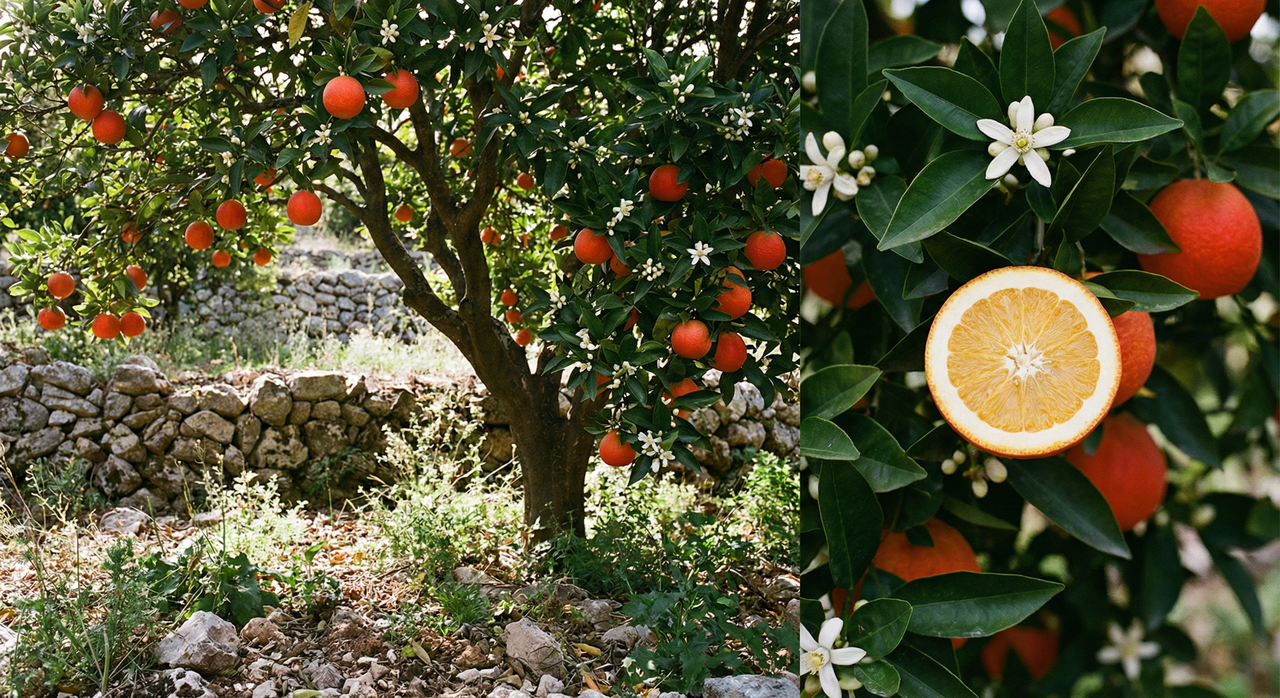
Most people who've tasted a bitter orange have done it without knowing it. That slug of Cointreau in a margarita, the thin-cut Seville marmalade on your morning toast, the unsettling floral depth in a bottle of Campari: all of it traces back to a fruit that almost nobody eats raw, because eating it raw is, frankly, a mistake I've watched visitors make exactly once in my food forest. One bite and their face says everything. It's not unpleasant the way unripe fruit is unpleasant; it's a full-sensory assault, bitter and sour simultaneously, with an aromatic intensity that lingers on the palate for minutes. And yet this is the same tree that perfumers have spent centuries celebrating, that Arab traders carried halfway around the world before the 10th century, that became the rootstock backbone of the modern citrus industry.
What fascinates me most about bitter orange isn't its history or its chemistry, though both are genuinely wild. It's the way the plant keeps defying the simple categories we try to put it in. It's a weed in Florida and a luxury ingredient in France. It's a medicine chest and a landscape liability. It smells transcendent while its fruit punishes the unprepared. I've grown it in Central Florida's humid subtropical chaos, and every season it teaches me something new about the gap between a plant's reputation and its reality.
Bitter Orange Origin, History, and Botanical Background
Few plants have traveled as far and served as many masters as bitter orange. Most people know it as the source of Seville orange marmalade or the floral perfume note called neroli, but the tree itself is far older and stranger than those associations suggest. Citrus aurantium is a thorny evergreen in the Rutaceae family, reaching 6 to 10 meters tall with a trunk that can exceed 80 centimeters in diameter, and it's not a species in the wild-type sense at all. It's a hybrid, born from a cross between citron (Citrus medica) and pomelo (Citrus maxima) somewhere in the subtropical forests of Southeast Asia.[1][2][3] Because it's an ancient hybrid, plants can be quite variable; the oldest specimen I've worked around was still producing heavy crops at an estimated 75 years, which fits well within the 50 to 100 year productive lifespan researchers document for cultivated trees.[4][5]
Botanical Characteristics of Bitter Orange
Native populations of bitter orange occur across a broad arc of Southeast Asia, from southern China and northeast India through Myanmar and into the Malay Archipelago and parts of the Indo-Chinese peninsula, where the trees grow in subtropical and tropical forests and mountainous terrain.[6][7] Domestication began roughly 4,000 years ago, and from there the tree followed the Silk Road and maritime trade routes westward, arriving in the Mediterranean basin around the 10th century, largely through Arab traders. Spanish and Portuguese explorers carried it to the Americas in the late 15th and early 16th centuries.[8][9]
That talent for travel hasn't stopped. In regions outside its native range, bitter orange has naturalized so thoroughly it's now considered invasive in Florida, Hawaii, Australia, South Africa, and parts of the Mediterranean, spreading via bird-dispersed seeds and hybridizing with native citrus relatives along the way.[10][11] I've pulled volunteer bitter orange seedlings from restoration sites myself, and I now recommend fruitless or sterile cultivars when using this tree ornamentally near natural areas. Climatically, it's suited to USDA zones 9 through 11 and needs protection from hard freezes.[12]
Visual Features and Identification
The tree announces itself. Prominent straight spines 2 to 5 centimeters long line the leaf axils of the grayish-brown furrowed branches, making bitter orange immediately distinct from its sweeter relatives.[12][13] The leaves are glossy dark green, elliptical to ovate, leathery, and 5 to 12 centimeters long, with oil glands embedded throughout the tissue.[12] Crush one, and you get a distinctly bitter, resinous scent that's quite different from sweet orange. That crushed-leaf aroma is a quick field ID trick I use regularly when consulting on older Florida landscapes where the label has long since disappeared.
Flowers are white, bisexual, about 2 to 3 centimeters across, and intensely fragrant, appearing primarily in spring in small axillary clusters.[14] The fruit is a classic hesperidium, roughly 5 to 10 centimeters in diameter, with a tough, deep-orange pebbled rind and segmented pulp that is decidedly sour and bitter rather than sweet.[15] The root system is primarily fibrous and wide-spreading, rarely exceeding 1 to 2 meters in depth, which has real implications for companion planting and irrigation design.[16]
Traditional and Cultural Uses Across Civilizations
The same tree turns up in remarkably different cultural contexts, which tells you something about how useful it genuinely is. In Traditional Chinese Medicine, bitter orange has been used for over a thousand years under two names: Zhi Shi (immature fruit) and Zhi Qiao (dried mature fruit), primarily to regulate qi, resolve phlegm, and support digestion. The fruit also carries symbolic weight as a sign of luck, prosperity, and protection, which is why you'll see it in Chinese New Year arrangements.[17][18] Avicenna documented its use in Arabic medicine for stomach ailments and skin conditions, Dioscorides mentioned it for fevers in the 1st century CE, and Ayurvedic traditions incorporated it for both digestive and respiratory complaints.[19]
European history added its own chapters. The peel's high pectin content and sour punch made it the foundation of British Seville orange marmalade, a tradition that solidified in the 16th and 17th centuries and persists today.[20] I make a small batch every winter, and what strikes me is that the same bitter rind prized in TCM for moving qi is precisely what gives the marmalade its character; the food and medicine traditions are describing the same chemistry from different angles. The flowers, meanwhile, became the raw material for neroli oil in French perfumery, while the dried peel found its way into Curaçao, Grand Marnier, and similar liqueurs.[21] That commercial flower harvest does come with a cost: overharvesting for neroli production raises real concerns about biodiversity and the long-term integrity of citrus genetic resources.[22]
Fascinating Facts About Bitter Orange
The peel's commercial value makes more sense once you understand what's in it. Cold-pressing or steam distillation yields essential oil at 0.3 to 1.5 percent of peel weight, and this dominant volatile fraction provides the powerful aromatics that define the fruit's commercial value.[23][24] That linalool fraction is part of why the spring flowers are so irresistible to bees, butterflies, moths, and hawkmoths. When I'm weighing where to tuck a citrus relative into a guild, that pollinator pull is genuinely significant. The tree also serves as a larval host for swallowtail butterflies, which is a real ecological asset.[25]
The ecological picture isn't entirely rosy, though. Bitter orange can support the Asian citrus psyllid, the vector for the devastating citrus greening disease, as well as Mediterranean fruit fly.[25] The tree has real drought adaptations, including thick waxy leaves and stomatal control, but it remains susceptible to citrus canker and aphids under stress.[26] And the traditional claims for anxiety relief and digestive support from extracts and essential oil, while deeply embedded in folk practice, still lack robust clinical trial evidence.[27] That gap between centuries of use and modern verification is something worth holding in mind whenever the plant comes up in herbal circles.
Bitter Orange Varieties and Where to Buy
Notable Cultivars of Citrus aurantium
People often assume bitter orange is just a sour version of what they buy at the grocery store, but Citrus aurantium is a genetically distinct species from the sweet orange (Citrus sinensis).[28] That distinction matters practically: the fruit's intensely bitter, acidic flavor isn't an accident of poor growing conditions, it's the whole point.[29] The cultivars that exist within this species were selected specifically because their bitterness and aromatics are useful.
The two you'll encounter most often are 'Seville' and 'Bigarade.' The Seville sour orange is the primary choice for marmalade production, its high pectin content and sharp bite giving traditional Seville bitter orange marmalade that irreplaceable intensity no sweet orange can replicate.[30][31] 'Bigarade' is the perfumer's cultivar; neroli oil is distilled from its flowers and petitgrain oil from its leaves and twigs.[30][32] I've grown both, and what I can tell you from direct experience is that the Bigarade-type produces flowers with a noticeably richer, more complex scent than any sweet orange I've grown alongside it. It's what convinced me this tree earns a place in any serious edible landscape on fragrance alone. Other cultivars in the species include 'Bitter Sweet,' 'Cabosse,' 'Chinotto,' 'Portugal,' and 'Bicartra,' each with its own specialized history.[30][32]
One sourcing confusion worth flagging: names like 'Valencia,' 'Moro,' and 'Jaffa' belong to sweet orange cultivars entirely.[33] If you see those names at a nursery, you're looking at a different species. The plant you want is an evergreen reaching 15 to 25 feet tall with a 15 to 20 foot spread, armed with thorns, and bearing spherical 2 to 4 inch fruits that ripen to bright orange, sometimes with a reddish blush.[29][32] In spring, the white flowers open in clusters and the scent carries across an entire garden.
Sourcing Bitter Orange Trees and Seeds
Bitter orange is genuinely available in the United States. Specialty nurseries including Four Winds Growers in California, Everglades Farm in Florida, FastGrowingTrees.com, and BrighterBlooms.com carry grafted trees, seedlings, and sometimes mature specimens.[34][35][36] I've ordered from Four Winds and found their stock reliably healthy and well-labeled. Container trees typically run $20 to $35 for a 1-gallon, $35 to $50 for a 2-gallon, and $45 to $65 for a 3-gallon, though seasonal availability and shipping costs shift those numbers.[37][38] Seeds are also widely available from U.S. vendors in packets of 10 to 50 for $5 to $15, and the USDA National Clonal Germplasm Repository in Riverside, California maintains research-grade germplasm for those with more specific needs.[39][40]
Before you order anything, though, you need to understand the regulatory landscape. Federal quarantine rules apply to all Citrus aurantium material nationwide, and states like California, Florida, Texas, and Arizona layer on additional restrictions governing interstate movement.[41][42] Fresh fruit imports face strict USDA APHIS controls to prevent the spread of citrus greening, citrus canker, and Asian citrus psyllid.[43][44] Every citrus tree I've brought onto my property has come with the proper paperwork; skipping that step is simply not worth the risk of spreading HLB. A quick call to your state department of agriculture before you place an order takes ten minutes and prevents real headaches later.
Hardy in USDA zones 8 through 11, bitter orange sits comfortably in the southern United States as a landscape specimen, typically maintained at 10 to 15 feet as a semi-dwarf.[29] It's a niche plant commercially, grown in Florida and California primarily for ornamental use, rootstock, marmalade, and essential oil production rather than volume fruit production.[34] For marmalade makers, perfume gardeners, and anyone who wants an edible landscape tree that pulls serious duty across multiple functions, that niche is exactly where it belongs.
Bitter Orange Propagation and Planting Guide
Propagation Methods for Bitter Orange
Most fruit trees grown from seed are a genetic lottery. Bitter orange is a rare exception. Citrus aurantium is polyembryonic, meaning its seeds contain multiple embryos, and the ones that typically dominate are nucellar embryos developed from the mother plant's own tissue rather than from fertilization.[45][16][46] Those nucellar seedlings are genetic clones of the parent, which is exactly why growers have used bitter orange as a rootstock for centuries. I grew out a batch of seedlings a few years back and was genuinely surprised by how uniform they were, nothing like the wild variation you get with, say, an apple seedling bed.
Starting from seed is straightforward if you use fresh material. The seeds themselves are small and brown, roughly 10-18 mm long with a slightly ridged surface and a darker hilum.[47] Give them a 24-hour soak in water before sowing, keep your germination medium at 70-85°F, and you can expect sprouts in two to four weeks with fresh seed germinating at 80-95%.[48][49] One thing I've learned the hard way: citrus seeds are recalcitrant, meaning they cannot be dried down for storage the way you would with beans or tomatoes.[50] If you need to hold seed over, keep it at 50-60% moisture and somewhere between 41-59°F, but even under ideal conditions germination rates fall noticeably after the second year.[51] I now sow fresh whenever possible and rarely carry seed past one season.
For home growers who want a specific cultivar, grafting is the practical standard. T-budding or chip budding onto seedling rootstock succeeds 80-95% of the time when you work in spring or early summer with temperatures in the 70-85°F range and humidity around 70-80%.[52][53] Cuttings are possible but finicky, sitting at 20-50% success without treatment; IBA rooting hormone at 1000-3000 ppm improves that to 50-70%.[16] Air-layering is my go-to when I want a clone of a particular branch without the wait for grafting stock, wrapping a wounded section with moist sphagnum under plastic and getting 60-80% rooting success.[16] Tissue culture is the one method I'll mention but not recommend for home scale; it yields near-100% disease-free plants, but it belongs in a laboratory.[54]
Soil, Site Selection, and Planting Technique
Bitter orange is genuinely unforgiving about drainage. It wants well-drained loamy or sandy loam at pH 6.0-7.5, good oxygen at the root zone, consistent but not saturated moisture, and ideally 90-120 cm of workable soil depth.[55][16] Phytophthora root rot moves fast in compacted or waterlogged ground. I've seen a young tree go from healthy to badly yellowed in under a week during a heavy Central Florida summer rain event on a site with poor drainage. That's not slow decline; that's a tree in crisis. If your soil holds water after rain, amend it with perlite, coarse grit, or sand before planting, or build a raised mound.[56][57] For containers, I've had good results with a 2:1:1 mix of loam-based potting soil, coarse sand, and perlite in a large tub with ample drainage holes, overwintering the pot in a bright greenhouse when temperatures threaten the mid-20s°F.
Sun is non-negotiable. Bitter orange needs 6-8 hours of direct light daily, and trees that don't get it tell you quickly through pale, smaller leaves, weak leggy growth, and reduced flowering.[58][59] Choose your site before you choose your method; all the careful propagation work in the world won't save a tree planted in the wrong spot.
Spacing, Timing, and What to Expect
Mature bitter orange trees reach 20-30 feet tall with a spread of 15-25 feet, and they sucker.[60][61] Budget space accordingly. Standard recommendations put trees 15-25 feet apart with 20-30 feet between rows.[32] Tighter spacing works for hedging or windbreaks, but for a fruiting specimen you want the airflow. Early on I made the mistake of not watching rootstock suckers closely on a grafted tree, and by the time I caught it, the sucker had outgrown the scion. Now I check the base of every grafted tree through the first three years and remove anything below the graft union immediately.
Plant in spring once frost risk has passed, stake young trees for the first year or two against wind, water consistently at about 1-2 inches per week while they establish, and mulch 2-4 inches deep keeping mulch clear of the trunk.[62][32] Then comes the part nobody loves to hear: seed-grown trees take 7-15 years to fruit, often 8-12 under realistic garden conditions, while grafted trees typically bear in 2-5 years.[16][63][52] Full sun, good drainage, and proper feeding can shorten either timeline a little, but not dramatically. For anyone planting a Seville orange tree with fruit production in mind, grafted stock is simply the realistic choice. The seed route makes sense for rootstock production, where that polyembryonic uniformity is the whole point.
Bitter Orange Care Guide
Growing bitter orange well means understanding the tree's natural preferences and working with them rather than against them. It wants sun, it wants drainage, it wants to be fed consistently, and it will tell you clearly when something is off. I've found that trees sited correctly from the start need far less intervention than those coaxed into marginal spots with remedial care.
Sunlight Requirements
Bitter orange needs at least 6-8 hours of direct sun daily to flower and fruit well and to develop the intense essential oil content in its peel and blossoms.[64] I've noticed the fragrance from a tree in full sun is noticeably stronger than one shaded even a couple of hours per day. Shade isn't just a yield problem; it genuinely reduces oil accumulation and opens the door to more pest pressure.[58][65]
That said, intense afternoon sun above about 90°F can tip into scorching territory. Sunburn shows as bleached white or brown patches on exposed fruit and bark, while heat scorch presents as leaf edge browning and wilting.[66][67] In Central Florida summers, I've draped 30% shade cloth over young trees during the worst weeks and seen them hold their foliage far better. Established trees handle it more gracefully, but no bitter orange is immune to a sustained heat spike.
Watering Needs and Soil Moisture Management
Drainage is non-negotiable. Bitter orange wants sandy loam or loamy soil with a pH of 6.0-7.5, and it will sulk in anything that holds water around its roots.[56][12] It's also moderately salt-sensitive, with yield decline starting above around 1.0-1.5 dS/m EC, so irrigation water quality matters if you're in a high-sodium area.[68]
Young trees need more frequent attention: roughly 20-30 liters per week for the first year or two while roots establish.[62][69] Mature trees settle into a rhythm of deep watering every 7-10 days in summer, somewhere in the range of 20-40 gallons per week depending on tree size and heat.[70][71] I check soil moisture 6-8 inches down with a probe before deciding; the surface can look dry while the root zone is still fine. Letting the top inch or two dry slightly between waterings is the right rhythm. Once established, bitter orange handles a short dry stretch of a week or two without drama, but consistent moisture during fruiting is important for holding the crop.[72][73]
Overwatering is the more common mistake. Chlorosis, wilting, leaf drop, and Phytophthora root rot are all signs you've gone too far.[74] Underwatering reads differently: leaves curl, fruit drops early, and growth stalls.[75] A good layer of mulch helps buffer both extremes, and it's one of the easiest things you can do for the tree's long-term health.
Feeding and Nutrient Management
Bitter orange is a genuine heavy feeder. Its shallow, fibrous root system needs consistent access to macronutrients and micronutrients, with mature trees requiring around 0.5-1 lb of actual nitrogen per year, typically in an NPK ratio of 3:1:2 or similar citrus-specific formulation.[16][60][76] I base my applications on canopy size rather than calendar dates alone; a 10-foot bitter orange in my yard gets roughly 8-10 pounds of citrus blend split across the year, applied three to four times through the growing season.
The schedule I follow: a balanced application in early spring before new growth pushes, a nitrogen-focused feed post-bloom, then lighter applications in mid-summer and early fall.[77][78][79] Organic options like compost and aged manure build soil biology over time; synthetic fertilizers let you dial in precision when a deficiency shows up mid-season. I use both depending on the situation.
Micronutrient deficiencies are where diagnosis gets interesting. Iron deficiency shows as interveinal chlorosis on new leaves, which is the classic yellowing between green veins, and it's most common when soil pH creeps above 7.5.[80][81] I've seen it on my own trees and on gardenias in the same bed; the pattern is unmistakable once you know it. Zinc deficiency produces mottled yellowing and small, narrow leaves; manganese shows similar interveinal patterns; boron deficiency causes fruit breakdown internally.[82] On the toxicity side, I've seen tip burn appear after an overzealous micronutrient spray. The research is clear that citrus is sensitive to excess boron, so I always soil-test first and apply conservatively.[83] Leaf tissue analysis beats soil testing for catching deficiencies early; target ranges are nitrogen 2.2-2.8%, phosphorus 0.12-0.25%, potassium 1.0-1.8%.[84][85]
Frost Tolerance and Cold Protection
Bitter orange is more cold-hardy than sweet orange, which is part of why it became such a valued rootstock. Mature trees can briefly handle temperatures down to 20-25°F, but the practical protection threshold is 28-30°F; below that, damage accumulates fast.[86][87][88] Young trees, flowers, and developing fruit are the most vulnerable parts. I've seen first-year bitter orange seedlings look genuinely alarming after a cold snap, drooping and sulking through January, then explode with new growth once the soil warmed in March.
Frost damage announces itself clearly: water-soaked translucent patches on leaves that turn brown or black, wilting and drop, darkened brittle shoots, and on fruit, necrotic patches that lead to early drop.[89][90][91] For protection, frost cloth alone buys 4-8°F of warmth.[92][56] A south-facing block wall combined with frost cloth bought my trees an extra 4-5°F on a marginal freeze night compared to trees in an open spot with blankets alone. Mulch, windbreaks, and early-morning overhead irrigation (which releases latent heat as water freezes) round out the toolkit for serious cold events.
Heat Tolerance and Summer Stress Management
Bitter orange is adapted to subtropical heat and handles temperatures up to around 40°C reasonably well, but sustained heat above 35°C starts to cause real problems: leaf scorch, wilting, fruit cracking, reduced photosynthesis, and flower and fruit drop.[93][94][95] The tree has genuine physiological resilience, accumulating antioxidant enzymes, heat shock proteins, and proline to manage osmotic stress, and its deeper roots with mycorrhizal associations help maintain water uptake when surface soils dry out.[96][97] As a rootstock, it actually confers heat tolerance to grafted varieties by maintaining better stomatal conductance than sweet orange under stress.[98]
In practice, I manage summer stress with 30-50% shade cloth during the peak weeks, 2-4 inches of mulch over the root zone, and deep watering scheduled for early morning or evening rather than midday.[16][56] Heat stress and drought compound each other quickly, so keeping moisture consistent through July and August is just as important as the shade.
Pruning, Maintenance, and Seasonal Rhythm
Bitter orange doesn't need heavy pruning to stay productive, and it shouldn't get it. The rule I follow is never removing more than 25-30% of the canopy at once; major cuts stress the tree and invite disease entry.[99] I prune lightly in late winter or early spring before the main flush, removing dead, diseased, or crossing wood, and do a lighter pass after harvest in summer if the canopy has gotten congested. For young trees, the structural work matters most: select 3-4 scaffold branches with wide 45-60° crotch angles and remove crowded growth early to set up good light penetration for the tree's long life ahead.
Flowering runs mainly from March through May, with possible secondary blooms in autumn, and the tree can bloom up to four times yearly in favorable conditions.[100][101] Thinning fruit clusters to one or two per cluster after set improves size and quality significantly. Bitter orange is evergreen but shows semi-deciduous dormancy in cooler temperate areas during winter, and that dormant period is actually when the tree is consolidating energy for the spring push. Given proper siting and care, these trees can live 50-100 years or more, though disease pressures like citrus tristeza virus and citrus greening can shorten that considerably.[102] Attentive seasonal pruning, consistent feeding, and good airflow through the canopy are the simplest ways to keep those pressures at bay and give a bitter orange the long, productive life it's capable of.
Harvesting Bitter Orange: Timing, Technique, and Flavor
When to Harvest Bitter Orange: Maturity Indicators and Seasonal Windows
Bitter orange asks for patience. From the moment those fragrant white blossoms fall, you're looking at 8-12 months of development before the fruit is ready, typically 200-250 days post-bloom depending on your climate and cultivar.[32][100] I've grown Seville-type bitter oranges in Central Florida for several seasons now, and the cue I trust most isn't a refractometer reading -- it's watching for that full color break from green to deep orange alongside a sudden intensification of the peel's limonene and linalool aroma. When the fruit smells powerfully citrus-spicy just from brushing against it, that's the signal. A refractometer confirming 10-12° Brix and fruit diameter around 6-8 cm confirms what your nose already told you.[32][103]
In subtropical regions like Florida, the Seville orange season runs roughly October through April, with the peak window landing in the cooler months from December to March when temperatures between 50-70°F sharpen the peel oil quality.[104][101] Mediterranean growers often harvest in late autumn instead, a reminder that exact timing shifts with your climate rather than the calendar.[32]
How to Harvest and Handle Bitter Orange for Best Quality
Cut fruit in the early morning while temperatures are still cool, using clean pruners or clippers rather than pulling by hand, which tears the stem end and opens a decay pathway. For flowers destined for neroli production, collect at full bloom in the early morning as well; leaves for petitgrain can be picked year-round but harvest them on dry days to minimize moisture on the cut surfaces.[16][105]
Post-harvest handling matters more than most home growers expect. In my first years I skipped the curing step entirely and lost more fruit to decay than I should have, especially in humid subtropical winters. Now I always wash the fruit gently in lightly chlorinated water, then cure at 15-20°C and 85-90% relative humidity for 3-7 days to let any harvest wounds heal before storage.[106][107] After curing, rapid cooling and storage at 5-10°C with maintained humidity extends shelf life to 4-6 weeks, which gives you a comfortable window to batch your marmalade or process the peel for drying.[106][107]
Bitter Orange Flavor Profile and Yield at Harvest
A healthy mature tree in a good subtropical site reliably yields 200-400 fruits per season,[32] enough for a winter's worth of marmalade and enough blossoms to make a small batch of neroli water. The flavor profile is not subtle: bitterness rated around 7-9 on a 10-point scale driven by naringin and limonoids like limonin, with a sharp, persistent aftertaste that lingers for several minutes alongside woody, resinous undertones.[108][109] The peel carries a powerful sweet-bitter-spicy citrus scent dominated by limonene and linalool; the blossoms yield something entirely different, that delicate floral honey character known as neroli.[110]
I've noticed that fruit from my hotter, sunnier microclimate develops noticeably sharper bitterness and more intense peel oils than fruit from shaded trees, which tracks with research on volatile compound accumulation under higher light exposure. Unlike sweet oranges that I pick at 8-10° Brix for fresh eating, bitter orange needs to hit 10-12° to develop the full aromatic profile that makes dried Seville orange peel or a good marmalade worthwhile.[101] The bitterness is the point. It's what separates this fruit from everything else in the citrus family, and harvesting at peak maturity is how you capture it at its most useful.[111][108]
Bitter Orange Preparation and Uses
The first time I tasted a raw bitter orange straight off the tree, I did not expect to like it. I was right. The pulp hit with a wall of citric acid and a lingering bitter finish that no amount of optimism could call pleasant. What surprised me was how quickly I became addicted to that same intensity once I started cooking with it. Bitterness is the feature here, not a flaw to work around, and understanding that changes everything about how you approach this fruit.
Culinary Uses: Transforming Bitterness into Flavor
The pulp and juice carry high concentrations of citric acid, limonin, and naringin, which is why raw consumption stays uncommon but the fruit thrives in marmalade, sauces, braises, and cocktails where intensity is exactly what you want.[112][108][109] Despite the flavor, the nutritional profile is genuinely impressive: around 53 mg vitamin C per 100 g alongside hesperidin and naringin in meaningful quantities.[113][114] The juice cuts through rich meats beautifully; I use it in duck braises and pork marinades the way other cooks reach for verjuice.
The fragrant peel is exactly where this plant earns its profound culinary reputation. Its essential oils run 90-95% limonene alongside linalool and citral, which is why the aroma hits you like a wave the moment you start zesting.[5][115] Raw peel is punishingly bitter, but blanching it two or three times in fresh water before cooking in sugar syrup tempers that sharpness while keeping the fragrance intact. Through trial and error in my own kitchen, I've landed on three blanches as the sweet spot for Seville orange marmalade: bitter enough to balance the sugar, bright enough to taste alive. Grand Marnier, Curaçao, Cointreau, and Triple Sec all owe their signature character to this peel's oils.[28][116] A good bitter Seville orange marmalade on sourdough has that same complex, slightly medicinal finish you get from a well-made Campari cocktail; once you taste it, supermarket marmalade feels flat.
The flowers are something else entirely. Harvesting orange blossoms on a warm Florida morning, when the scent hangs in the air almost thick enough to taste, is genuinely one of my favorite garden experiences. Those blossoms produce neroli tea, orange blossom water, and honey, and they anchor desserts across the Middle East and Mediterranean.[117] Leaves brewed into a mild herbal infusion have a calming, faintly citrusy quality that works well as an evening tea.[117] The seeds are a different story: they contain cyanogenic glycosides and shouldn't be eaten.[117] I always compost them rather than take any chances. The fruit pairs naturally with chocolate, mint, rosemary, pork, and game, and those pairings feel intuitive once you've cooked with it a few times.[118]
Medicinal Preparations and Dosages
Traditional phytotherapy guidelines suggest a tincture at 2-4 mL two to three times daily, a dried peel infusion at 1-2 g per cup two to three times daily, or powdered preparations at 500 mg to 2 g daily, staying within a total dried fruit equivalent of around 3 g per day; essential oil is for topical or aromatherapy use only, never internal.[119][18] These are conservative EMA-informed levels, and I'd treat them as ceilings rather than targets, especially given the cardiovascular considerations covered in the health benefits section. Standardized commercial extracts are increasingly common and easier to dose accurately than home preparations; if you're working with home-dried peel, sourcing and quality control matter more than many people realize.[120] Consult a qualified practitioner before using bitter orange medicinally, full stop.
Non-Food Applications: Aromatherapy, Repellents, and More
Neroli oil, steam-distilled from the flowers, sits at the prestige end of fine perfumery, prized for its complex floral depth.[121] The peel's essential oil, rich in limonene and linalool, shows up in aromatherapy blends, cosmetics, and cleaning products as well.[121] I've also noticed what seems like reduced mosquito activity near trees in heavy bloom in my Central Florida garden, and that tracks with research showing the peel oil has genuine insect repellent activity against mosquitoes.[122] Pruning waste and spent wood aren't dead ends either; the dense hardwood is workable for small crafts and tool handles, and a mature tree generates substantial biomass annually from prunings and fruit drop alone. For a permaculture system, that's the kind of multi-directional yield that justifies giving a plant its square footage.
Bitter Orange Health Benefits and Medicinal Uses
Every claim you'll encounter about bitter orange, whether it's a weight-loss supplement label or a traditional Chinese medicine text, ultimately traces back to a single question: which part of the plant, and how was it prepared? The fruit, peel, flower, leaf, and seed each carry a distinct chemical fingerprint, and the difference between a calming neroli tea and a cardiovascular risk isn't really about the species. It's about the compounds concentrated in each fraction.
Key Phytochemicals in Bitter Orange
Citrus aurantium is chemically complex in a way that sweet orange simply isn't. The plant synthesizes flavonoids, terpenoids, coumarins, limonoids, alkaloids, phenolics, and saponins, with concentrations that shift dramatically depending on plant part, cultivar, growing conditions, and extraction method.[123][124] The peel's essential oil runs 85-95% limonene,[125] while neroli oil from the flowers shifts entirely, leading with linalool (up to 40%) and geraniol (15-30%).[125] That's not a subtle difference; those are practically two different aromatic medicines from the same tree.
The peel concentrates hesperidin at 2-8% of dry weight (which is higher than in sweet orange), along with naringin at up to 5-10% of dry peel. These flavonoids are what drive bitter orange's antioxidant and anti-inflammatory properties.[123][126] Then there's p-synephrine, the protoalkaloid that generates most of the controversy: 0.2-1% in dried peel extracts, up to 0.5-3% in leaves, and highest of all in immature fruit.[127][128] I've noticed over several seasons of growing that fruits harvested after a hot, dry stretch have noticeably more pungent, resinous peel, which aligns with research showing that stress conditions, soil pH around 6-7, and organic cultivation all tend to push secondary metabolite production higher.[129] The bitterness from limonoids like limonin (0.02-0.1%) and the photosensitizing furanocoumarins like bergapten round out a phytochemical profile that makes Seville-type cultivars especially potent compared to the breakfast oranges most people know.[130]
Traditional and Modern Medicinal Research
Traditional Chinese medicine prescribes the plant based on its harvest stage: the immature fruit is used to relieve abdominal distension, and break digestive stagnation; and dried ripe peel (Zhi Qiao) specifically for anxiety and emotional soothing. European herbalists and Mediterranean traditions converge on similar territory, using the fruit for indigestion and bloating and neroli aromatherapy for calm.[131][132] The consistency across independent traditions is one of the more compelling things about this plant.
Modern research has done the most to validate the anti-inflammatory and antioxidant picture. Hesperidin and naringin scavenge free radicals, activate Nrf2 pathways, and suppress NF-κB-mediated inflammation by reducing TNF-α, IL-6, and COX-2 expression. Animal models show effects comparable to some pharmaceutical anti-inflammatories, and preclinical data also points toward improved insulin sensitivity in diabetic models and anxiolytic activity via GABAergic pathways.[133][134][135] The limonene-rich essential oils also show antimicrobial activity against Staphylococcus aureus and preclinical cytotoxic effects against certain cancer cell lines,[136][137] though human evidence for both remains limited.
The weight-loss claim deserves an honest read. Synephrine does promote lipolysis and increase metabolic rate through alpha-1 and beta-3 adrenergic receptor activation, and it acts as a mild appetite suppressant. Clinical trials using 20-50 mg synephrine per day in multi-ingredient supplements have shown modest losses of around 1-2 kg over six weeks.[124][138] But results are mixed, confounded by caffeine and other co-ingredients, and nowhere near dramatic. I'd call the weight-management research promising but not yet convincing as a standalone claim.
Nutritional Profile of Bitter Orange
The raw pulp is nutritionally respectable without being spectacular: around 45-47 kcal per 100g, about 50 mg vitamin C (roughly 56% of the daily value), and meaningful mineral content including 161 mg calcium and 181-212 mg potassium.[139] I rarely eat the fresh pulp straight because the bitterness is genuinely difficult, but dried peel is a different story: calorically dense at around 310 kcal per 100g, about 25g of dietary fiber per 100g, and heavily concentrated in hesperidin, synephrine, and furanocoumarins.[140][130] The peel is where the bioactives live; the pulp is where the everyday nutrition is. Those furanocoumarins are worth flagging here as a bridge to the safety discussion: they inhibit the liver enzyme CYP3A4, raising plasma levels of certain drugs, including statins, calcium channel blockers, and immunosuppressants, much the way grapefruit does.[141]
Safety Considerations and Potential Risks
The cardiovascular risks from synephrine are real, and I tell friends who are considering weight-loss supplements containing bitter orange to talk to their doctor first, especially if they're on blood pressure medication or caffeine-heavy diets. Synephrine acts as a sympathomimetic through alpha-1 adrenergic agonism and norepinephrine release, which can increase heart rate, raise blood pressure, and trigger arrhythmias, particularly at doses above 50 mg per day or when combined with caffeine.[142][143] The studied safe range is 20-50 mg synephrine per day; EFSA places the upper safety limit around 2 mg per kg of body weight daily.[144] Adverse events documented in humans include hypertension, tachycardia, anxiety, and nausea, with rare but more severe cardiovascular episodes on record.[145]
Higher-risk groups include people with cardiovascular disease or hypertension, pregnant or breastfeeding individuals, children, and the elderly. The drug interaction picture extends beyond CYP3A4: concurrent use with MAOIs carries a hypertensive crisis risk, and any medication metabolized by CYP3A4 deserves scrutiny before adding peel extracts or supplements to the mix.[132][146] The FDA considers the plant GRAS for food use in small culinary amounts, but warns explicitly against concentrated extracts in supplements. That distinction matters. A tablespoon of marmalade and a 500 mg peel extract capsule are not the same thing.
For topical use, the essential oils carry furanocoumarin-related photosensitivity risk; IFRA limits leave-on cosmetic applications to 0.7% concentration.[147] I label my neroli-scented preparations carefully and always warn people not to use them before sun exposure. Skin sensitization and allergic contact dermatitis are also documented.[148] And if you have dogs or cats, keep them away from any part of this plant; citrus is toxic to both species, causing GI upset, vomiting, and potential CNS effects.[149] The same phytochemical richness that makes bitter orange so medicinally interesting is exactly what demands that you treat it, especially in concentrated forms, with genuine respect.
Bitter Orange Pests and Diseases
No citrus is bulletproof, and bitter orange is no exception. But its resistance profile is genuinely interesting, because the picture looks very different depending on whether you're talking about it as a rootstock or as the tree standing on its own roots bearing fruit in your garden. Understanding that distinction saves a lot of frustration.
Notable Pest Resistance in Citrus aurantium
The most notable physical resistance is against the Asian citrus psyllid (Diaphorina citri), the vector responsible for huanglongbing. Bitter orange produces limonoids like limonin and nomilin, plus essential oils including limonene and citral, that act as antifeedants and disrupt insect development.[150] Combine that with a waxy cuticle and pubescent leaf undersides that physically impede movement and oviposition, and you get measurably lower psyllid populations than you'd see on sweet orange.[151][152] Field trials show 20 to 40 percent lower overall pest pressure compared to sweet orange, particularly for psyllid incidence and citrus leafminer oviposition.[153] I've noticed it myself: young bitter orange leaves have a noticeably tougher, glossier surface than sweet orange, and in side-by-side plantings that difference correlates with visibly less leafminer tunneling.
That said, I still scout weekly through humid summers. A 20 to 40 percent reduction is meaningful, but it is not immunity.[16][154] Aphids, particularly Toxoptera aurantii, and citrus rust mite (which causes the bronze russeting you'll see on otherwise healthy-looking fruit) are the pests that slip past the plant's defenses most reliably, along with mealybugs in humid conditions.[155][156] My approach follows the permaculture logic of building resistance first: encourage predatory wasps and lacewings, use good air circulation through pruning, and reach for targeted horticultural oils only when population thresholds are actually breached rather than as a calendar spray.[157][158]
Disease Resistance and Susceptibilities
As a rootstock, bitter orange has a genuinely strong disease profile. Its resistance to Phytophthora root rot and citrus nematode (Tylenchulus semipenetrans), combined with better tolerance to citrus tristeza virus than sweet orange, made it the dominant rootstock in citrus production for much of the 20th century.[159][160] I learned this distinction the hard way in early trials: sour orange rootstock performed beautifully against soil-borne pressure, but a wet spring brought canker exploding across the grafted scion. The rootstock's strengths do not protect what's grafted onto it above the bud union.
Grown as a fruiting tree, bitter orange is susceptible to citrus canker (Xanthomonas citri subsp. citri), HLB (caused by Candidatus Liberibacter spp.), citrus black spot, exocortis viroid, and several leaf spot diseases.[161][162][163] For canker, windbreaks to reduce rain-splash spread and copper sprays during wet periods are the practical front line, along with strict sanitation after pruning.[164] HLB management centers entirely on starting with certified disease-free stock, controlling psyllid populations aggressively, and removing infected trees promptly since there is no cure.[165] Micronutrient programs emphasizing manganese and zinc can support overall resilience, and the peel's antimicrobial oils offer some supplementary benefit, but neither replaces consistent monitoring and cultural hygiene as the foundation.[166] In my experience with citrus relatives, no single intervention outperforms the combination of proper spacing, clean tools, and eyes on the tree every week.
Bitter Orange in Permaculture Design
Any permaculture design decision with bitter orange has to start in the same place: climate. Get this wrong and nothing else matters. I've watched people in zone 8 lose young trees to a single hard freeze and wonder what happened, and the honest answer is they skipped the foundational homework.
Climate Adaptation and Hardiness Zones
Bitter orange is reliably at home in USDA zones 9-10, with mature trees capable of shrugging off brief dips to around 20°F (-6.7°C) before serious damage sets in.[86][14][16] Young trees are considerably more vulnerable; sustained cold below 28°F can do real damage to new growth even on established plants. In my Central Florida experience, it survives a few degrees colder than most sweet orange varieties I've grown, which gives it a slight edge in marginal sites, but I wouldn't count on that buffer without a good microclimate behind it.
The sweet spot for growth and fruiting is daytime temperatures of 70-85°F with nights staying above 55°F; fruit set peaks somewhere in that 77-86°F window.[16] On the heat end, it handles up to 100°F without major complaint, though prolonged exposure past 104°F starts to push it into stress territory.[167][168] That combination of moderate cold tolerance and solid heat resilience is part of what makes it so well-suited to the humid subtropics of Florida, California, Texas, and Arizona, where most commercial production happens.[169][170]
Rainfall needs are reasonable: 800-1,200 mm annually is ideal, with moderate humidity of 40-60% preferred and solid drought tolerance once the tree is established.[169][171] It wants full sun (6-8 hours minimum), well-drained soil with a pH of 6.0-7.5, and some protection from strong wind, especially when young.[172][173] Zone 8 growers can push the boundaries using south-facing walls, frost blankets, heavy mulching, and cold-hardy rootstocks like Poncirus trifoliata, but the tree will need babying through hard winters and I'd treat any success there as a bonus rather than a baseline.[174]
Position in the Forest Garden and Suitable Guilds
In the permaculture forest garden, bitter orange sits in the low-to-mid canopy layer, typically reaching 5-10 m when unpruned, though it responds well to pruning and can be kept as a large, productive shrub if space demands it.[175][176] Its origins in Southeast Asian forest edges and disturbed sites tell you something useful about where it wants to be: bright, open positions with good drainage, not tucked under a dense canopy.[177]
I like to position it on a sunny edge where it can do multiple jobs at once: partial windbreak, visual boundary, pollinator beacon, and productive tree. For the understory I reach for comfrey and yarrow; their deep roots and mineral-rich leaves complement bitter orange's own dynamic-accumulator tendencies, and their long bloom season provides continuous forage for the same bees that will work the citrus flowers in spring. Borage and clover strips nearby noticeably increase pollinator visitation in my guilds. For a living fence application, the tree's thorns are a genuine asset, though that's also where you need to think carefully about where seeds might travel.
Ecological Functions and Design Considerations
The flowers are where the ecosystem story really starts. They're strongly fragrant with linalool and nerol, opening in spring and pulling in honeybees, bumblebees, solitary bees, and flies with a reliability I find genuinely impressive.[178][13] The flowers are self-compatible but protandrous, meaning bee visitation still matters: cross-pollination can push fruit retention from around 50% up to 80%.[179][180] Commercial orchards aim for 2-4 hives per hectare; in a home food forest, planting that borage or clover I mentioned is often enough to do the same work.[181]
Beyond pollination, the tree earns its keep through leaf litter and fallen fruit that cycle potassium and phosphorus back into the soil, and its root system does real work stabilizing slopes and reducing erosion.[182] It's also a classic rootstock choice, valued for its tolerance to Phytophthora and variable soil conditions, and it provides shade and windbreak functions year-round as an evergreen.[16][12]
In several warm-climate regions, bitter orange has become an invasive species; seed-dispersing wildlife spread it easily, and the tree can form dense thickets that crowd out native vegetation.[182] I use it in local landscapes but I site it deliberately, away from natural areas and with an eye toward managing any seedlings that appear. The other pressure I take seriously is citrus greening (Huanglongbing): bitter orange is susceptible, and in heavily affected regions I avoid over-planting it unless I'm working with certified clean nursery stock.[16] An otherwise resilient tree can decline fast once greening takes hold, and that's a reality any permaculture design in the Southeast needs to account for from the start.
The Tree That Taught Me Bitterness Is a Feature
I remember the first time I crushed a bitter orange leaf between my fingers in my Central Florida garden, that sharp, resinous hit that made me pull my hand back a little. It wasn't unpleasant; it was just unapologetically itself. That's what I keep coming back to with this tree. In a gardening culture obsessed with sweetness and ease, bitter orange refuses to perform for anyone, and somehow that's exactly why it belongs.
Sources 182
- Citrus aurantium - USDA PLANTS Database ↩
- Citrus aurantium - CABI Compendium ↩
- Citrus Taxonomy and Hybrid Origins ↩
- Citrus Production Manual ↩
- Bitter orange ↩
- Citrus aurantium - Plants of the World Online | Kew Science ↩
- Origin and Domestication of Citrus: New Insights from Molecular Markers ↩
- University of Florida IFAS Extension - Bitter Orange ↩
- The Citrus Industry: History, World Production and Distribution ↩
- Invasive Potential of Citrus aurantium in Mediterranean Ecosystems ↩
- Bitter Orange (Citrus aurantium) - Invasive Plant Atlas of the United States ↩
- Citrus aurantium - Missouri Botanical Garden Plant Finder ↩
- Citrus aurantium - Kew Royal Botanic Gardens ↩
- Bitter Orange (Citrus aurantium) - Plant Profile ↩
- Kew Gardens Fact Sheet ↩
- Citrus Root Systems - University of Florida IFAS Extension ↩
- Bitter Orange (Citrus aurantium) in Traditional Chinese Medicine ↩
- Bitter Orange (Citrus aurantium) - Review of Historical and Modern Uses ↩
- Ethnobotany of Citrus in Ayurveda ↩
- The History of Marmalade ↩
- Ethnobotany of Citrus in Mexico ↩
- Sustainability of Neroli Oil Production ↩
- Chemical Composition and Yield of Essential Oils from Bitter Orange Peel ↩
- Bitter Orange (Citrus aurantium L.) Essential Oil: From Flower to Fruit ↩
- Asian Citrus Psyllid: Biology and Management ↩
- Drought Tolerance in Citrus aurantium: Physiological Adaptations ↩
- Bitter orange ↩
- Citrus aurantium - Wikipedia ↩
- Citrus aurantium (Bitter Orange) Plant Profile - Gardenia.net ↩
- Bitter Orange Cultivars - University of California Agriculture ↩
- Seville Orange Cultivation - RHS Gardening ↩
- Bitter Orange (Citrus aurantium) - University of Florida IFAS Extension ↩
- Citrus Cultivars - University of California Agriculture and Natural Resources ↩
- Bitter Orange (Citrus aurantium) Plant Profile ↩
- Citrus aurantium Availability ↩
- Seville Orange Trees for Sale ↩
- Citrus Trees for Sale ↩
- Sour Orange Tree - Citrus aurantium ↩
- Citrus aurantium L. - GRIN-Global ↩
- National Clonal Germplasm Repository for Citrus & Dates ↩
- Citrus Quarantine Information ↩
- Citrus Diseases and Pests ↩
- Fruits and Vegetables Import Requirements (FAVIR) ↩
- Subpart - Fruits and Vegetables ↩
- Polyembryony in Citrus: Implications for Propagation ↩
- Polyembryony in Citrus: Origin and Commercial Importance ↩
- Citrus aurantium ↩
- Seed Propagation of Bitter Orange ↩
- Germination and Viability of Citrus Seeds ↩
- Seed Storage Behaviour of Citrus Species ↩
- Viability of Citrus Seeds Under Different Storage Conditions ↩
- Citrus Propagation and Production ↩
- Citrus Propagation Techniques ↩
- Micropropagation of Citrus Species ↩
- Missouri Botanical Garden - Citrus aurantium ↩
- Citrus growing guide ↩
- University of Florida IFAS Extension: Citrus Soil Management ↩
- Missouri Botanical Garden Plant Finder ↩
- Citrus Light Requirements and Deficiency Symptoms ↩
- Citrus Production Guide ↩
- Missouri Botanical Garden Plant Finder ↩
- Growing Citrus from Seed ↩
- Growing Citrus from Seed ↩
- Missouri Botanical Garden Plant Finder: Orange Tree (Citrus aurantium) ↩
- Missouri Botanical Garden Plant Finder: Orange Tree (Citrus aurantium) ↩
- Sunburn and Sunscald in Citrus ↩
- University of Florida Citrus Management Guide ↩
- Irrigation Water Quality for Citrus - University of California Agriculture ↩
- Citrus Cultivation Guide: Pruning and Irrigation ↩
- USDA Citrus Irrigation Manual ↩
- Citrus Water Requirements and Drought Tolerance ↩
- Citrus Water Requirements ↩
- Bitter Orange Cultivation Guide ↩
- Phytophthora Root Rot in Citrus ↩
- Citrus Water Stress Symptoms ↩
- Fertilizing Citrus Trees - UC ANR ↩
- Fertilizing Citrus Trees ↩
- Citrus Production Guide - Fertilization ↩
- Nutrition and Fertilization of Citrus Trees in Florida ↩
- Iron Chlorosis in Citrus ↩
- Citrus Nutrient Management Handbook - University of Florida IFAS Extension ↩
- Micronutrient Deficiencies in Citrus ↩
- Boron in Citrus Production ↩
- University of Florida IFAS Extension: Citrus Fertilizer Management ↩
- Citrus Nutrition Guide - Soil and Leaf Analysis ↩
- USDA Plant Hardiness Zone Map ↩
- University of California Agriculture and Natural Resources - Citrus Variety Rootstocks ↩
- University of California Agriculture and Natural Resources - Citrus Frost Protection ↩
- Citrus aurantium Plant Care, Growing Guide & Info (Missouri Botanical Garden) ↩
- University of Florida IFAS Extension ↩
- Texas A&M AgriLife Extension - Citrus Cold Hardiness ↩
- University of California Agriculture and Natural Resources - Frost Protection for Citrus ↩
- AHS Heat Zone Map ↩
- Physiological Responses of Citrus to High Temperature Stress ↩
- Heat Stress Impacts on Flowering and Fruit Set in Citrus aurantium ↩
- Thermotolerance Mechanisms in Sour Orange (Citrus aurantium) Under Hot Climate Conditions ↩
- Physiological Responses of Citrus Rootstocks to Heat Stress ↩
- Rootstock Effects on Heat and Drought Tolerance in Citrus ↩
- Pruning Citrus Trees ↩
- Citrus aurantium - Bitter Orange ↩
- Bitter Orange (Citrus aurantium) Production Guide ↩
- Factors Affecting Citrus Tree Longevity ↩
- Maturity Indices for Citrus Harvest ↩
- Florida Citrus Production Guide: Harvesting and Marketing ↩
- Essential Oil Extraction from Citrus Flowers and Leaves ↩
- Postharvest Technology of Perishable Horticultural Commodities ↩
- USDA Postharvest Handling Guidelines for Citrus ↩
- Bitter Orange (Citrus aurantium L.): Nutritional Composition and Health Effects ↩
- Bitter compounds in citrus species ↩
- Citrus aurantium: Chemical Composition ↩
- Missouri Botanical Garden Plant Finder ↩
- Bitter Orange - Citrus aurantium ↩
- USDA FoodData Central - Bitter Orange, Raw ↩
- Phytochemical Profile of Citrus aurantium Fruits ↩
- Essential Oil Composition of Citrus aurantium Peel ↩
- Royal Horticultural Society - Citrus aurantium Plant Profile ↩
- Citrus aurantium (Bitter Orange) ↩
- Citrus aurantium - Plant Finder (Missouri Botanical Garden) ↩
- European Medicines Agency (EMA) Assessment Report on Citrus aurantium L., folium ↩
- Quality Control of Herbal Medicines: Citrus aurantium ↩
- Ethnobotany of Citrus aurantium ↩
- Insecticidal Activity of Citrus aurantium Essential Oil - PubMed Study ↩
- Phytochemical and Pharmacological Review of Citrus aurantium ↩
- Pharmacological Potential of Citrus aurantium: A Review ↩
- Essential Oil Composition of Citrus aurantium Plant Parts ↩
- Flavonoids in Bitter Orange Peel ↩
- Synephrine Content in Citrus aurantium: Distribution and Analysis ↩
- Synephrine: from trace concentrations to massive consumption in weight-loss products ↩
- Organic vs. Conventional Cultivation: Impact on Citrus aurantium Metabolites ↩
- Phytochemical Composition of Citrus aurantium ↩
- Ethnopharmacological Review of Citrus aurantium ↩
- Bitter Orange (Citrus aurantium) - Uses and Safety ↩
- Hesperidin: A Review of its Pharmacology and Therapeutic Applications ↩
- Antioxidant and Anti-inflammatory Activities of Citrus aurantium Extracts ↩
- Anxiolytic-like Effect of Citrus aurantium in Mice ↩
- Antimicrobial mechanisms of Citrus aurantium essential oil and limonene against biofilms ↩
- Cytotoxic Activity of Citrus aurantium Against Cancer Cell Lines ↩
- Synephrine and Citrus aurantium: Safety and Efficacy in Weight Loss ↩
- USDA FoodData Central - Oranges, bitter, raw ↩
- USDA FoodData Central - Orange peel, raw ↩
- Mayo Clinic - Bitter Orange Interactions ↩
- Pharmacology of synephrine and its applications in weight loss ↩
- Safety Assessment of Citrus aurantium and Synephrine Alkaloids ↩
- EFSA Opinion on the Safety of Synephrine ↩
- Bitter Orange (Citrus aurantium) Case Reports of Toxicity ↩
- FDA on Bitter Orange ↩
- IFRA Standards for Citrus aurantium Oils ↩
- Allergic Contact Dermatitis from Citrus Fruits ↩
- Citrus - ASPCA Animal Poison Control ↩
- Limonoids from Citrus as Insect Antifeedants ↩
- Asian Citrus Psyllid Host Plant Preferences ↩
- Susceptibility of Citrus Rootstocks to Diaphorina citri ↩
- Pest Interactions in Bitter Orange Orchards: Field Study ↩
- Citrus Rootstocks: Characteristics and Performance ↩
- Insect Pests of Citrus in Florida ↩
- Citrus Rust Mite Biology and Control ↩
- University of Florida IFAS Extension - Management of Major Insect Pests of Citrus ↩
- University of California IPM Program - Resource Guide for Key Pests of Home Citrus ↩
- Citrus Rootstocks: Description and Performance in the Field ↩
- Citrus Tristeza Virus and Rootstock Tolerance ↩
- Susceptibility of Citrus aurantium to Citrus Canker ↩
- Huanglongbing: A Destructive Disease of Citrus ↩
- Huanglongbing (Citrus Greening) ↩
- Citrus Canker ↩
- Citrus Greening (HLB) Management ↩
- Integrated Pest Management for Citrus ↩
- Missouri Botanical Garden Plant Finder ↩
- University of Florida IFAS Extension - Edis.EFAS.UFL.edu ↩
- USDA Plants Database: Citrus aurantium ↩
- Citrus Cultivation in California - UC Agriculture and Natural Resources ↩
- Bitter Orange Cultivation Guide - FAO ↩
- Royal Horticultural Society - Citrus aurantium Growing Guide ↩
- Seville Orange Growing Guide - University of Florida IFAS Extension ↩
- Growing Citrus in Texas ↩
- USDA PLANTS Database ↩
- Kew Gardens Plants of the World Online ↩
- Citrus aurantium - Plants of the World Online (Kew Science) ↩
- Pollination Requirements of Citrus ↩
- Fruit Set and Pollinators in Bitter Orange ↩
- Bee Pollination in Citrus Orchards ↩
- Enhancing Pollinator Habitats in Orchards ↩
- Bitter Orange (Citrus aurantium) - USDA Forest Service ↩