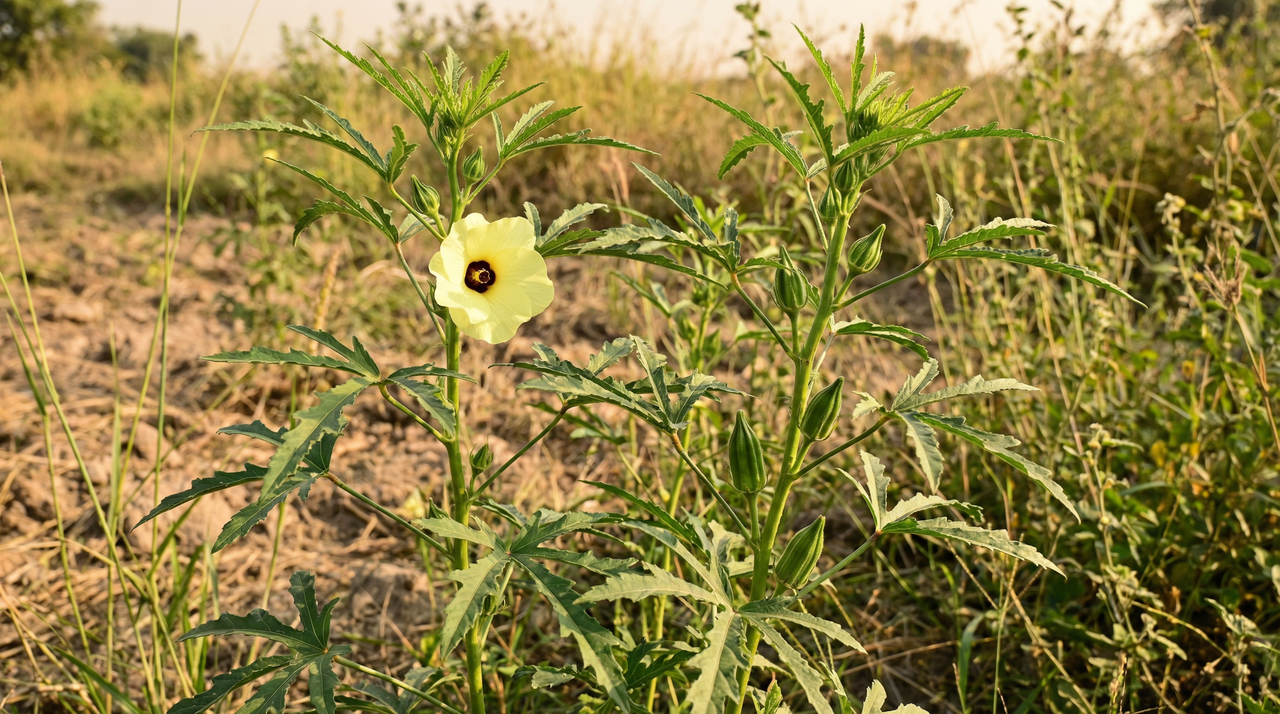
The scent hits you before you even see the flower. I've planted gardenias near dozens of entryways over the years, and without fail, visitors stop mid-sentence and look around like they're trying to catch someone wearing perfume. That fragrance is doing something almost unfair, neurologically speaking, and yet here's the thing nobody seems to mention when they're waxing poetic about this plant: if you go looking for "Gardenia esculenta" online or in a nursery catalog, you're almost certainly going to end up confused, misled, or holding the wrong plant entirely. The name is a taxonomic ghost, a synonym that's been trailing the well-known Gardenia jasminoides for over a century, and it's caused real problems for gardeners trying to figure out what they're actually growing, eating, or dosing themselves with.[1]
I want to untangle that before anything else, because it genuinely matters here. The fruit has a reputation as edible, the dried version has a serious role in Traditional Chinese Medicine, and there are safety considerations that only make sense once you know exactly which plant is on the table. Getting the identity right isn't botanical pedantry; it's the difference between a rewarding addition to your food forest guild and a trip to the emergency vet with your dog.
Gardenia Origin, History, and Botanical Background
Taxonomic Clarification: Gardenia esculenta as Synonym of Gardenia jasminoides
Before anything else, let's get the plant sorted out, because this is one of those cases where the name confusion can send you down a completely wrong path. Gardenia esculenta is not a currently accepted species in standard botanical nomenclature; Kew's Plants of the World Online and The Plant List both treat it as a heterotypic synonym of Gardenia jasminoides, the fragrant evergreen shrub most gardeners know as Cape jasmine.[2][3][4] I've seen clients arrive at consultations convinced they need to source some rare edible species, when what they really want is a plant that's been sitting in every nursery for decades under a different label. Getting the ID right at the start saves everyone a lot of frustration. And if you've seen "Kenaf gardenia" floating around anywhere online, that's a separate mix-up entirely: Kenaf is Hibiscus cannabinus, an annual fiber crop in the Malvaceae family that has nothing to do with Gardenia at all.[5]
So the plant we're really talking about is Gardenia jasminoides, also recorded historically under the synonyms Gardenia augusta and Gardenia florida, sitting in the Rubiaceae family within the order Gentianales.[2] It's a bushy, upright to rounded evergreen shrub, typically reaching one to two meters tall in cultivation, though in ideal conditions it can push closer to three and a half meters.[6][7] Native to humid subtropical forests of southern China, Vietnam, Japan, and Taiwan, it grows naturally along riverbanks, in open woodlands, and in moist forested areas from sea level up to about 1,500 meters, with annual rainfall in its native range running between 1,000 and 2,500 mm.[8][9] Under those conditions, with patience and good care, this plant can live fifty years or more; from seed it takes two to three years just to reach first flower.[10] Compare that to a rose, which typically blooms in its first season, and you start to understand why gardenia rewards long-term thinking.
Visual Characteristics of Gardenia
The foliage alone would earn this plant a place in the garden. The leaves are opposite, glossy, dark green, and leathery, lanceolate to elliptic or ovate, typically five to ten centimeters long with prominent veining.[6][11] I've used it in partially shaded spots where that high-gloss surface catches every fragment of dappled light, and it practically glows. The woody stems age from green to a deep blackish brown over time, and the plant produces small ovoid capsule fruits, roughly 1.3 to 2.5 cm long, tucked among that dark foliage.[12][13]
Then there are the flowers. Large, cup- to funnel-shaped, white, typically seven and a half to ten centimeters across, blooming primarily in summer but capable of flowering year-round in warm enough climates.[14][15] I always warn clients who want to plant gardenia near a sitting area: that scent is intoxicating in the best possible way from twenty feet away, but right next to a patio on a still summer evening it can be almost overwhelming. That's not a complaint, just something worth knowing when you're placing the plant in a design.
Native Habitat and Traditional Cultural Uses
The species name "esculenta" means edible in Latin, and the fruits do have documented use in Asian traditional folk medicine and, occasionally, local cuisine.[16] I want to be clear, though: despite the name, these fruits are valued medicinally rather than culinarily, and raw consumption isn't considered safe for casual snacking. In traditional Chinese medicine, the fruit known as zhi zi is used to clear heat, reduce inflammation, calm the mind, and address fever, irritability, insomnia, and digestive issues.[17] That's a long and well-documented medicinal history, even if the research is still catching up to the tradition.
Beyond medicine, gardenia carries remarkable cultural weight. Across many traditions it symbolizes love, purity, refinement, peace, and hope.[18] In Hawaii it finds its way into leis, woven into garlands that carry deep ceremonial meaning.[19] In Japan, the fruits have historically been used to dye silk a warm yellow, the color known as kuchinashi, and the plant appears in tea ceremony traditions.[20][21] When I incorporate plants like this into client designs, that layered history matters to me, a plant that has served human communities as medicine, dye, ceremony, and symbol for centuries brings something a purely ornamental selection simply can't.
Fun Facts and Ecological Role
In its native subtropical forests, gardenia fills a specific and useful niche. It forms mycorrhizal associations, contributes to riparian erosion control, and produces those fleshy-mesocarp fruits adapted for animal dispersal.[22] It prefers acidic, well-drained soils in the pH 5.0 to 6.5 range, plenty of organic matter, and consistent moisture, conditions that align it naturally with other acid-lovers like azaleas, camellias, and blueberries in a polyculture guild.[23] Cultivars like 'August Beauty' and 'Florida' represent the most widely grown selections, propagated from cuttings for reliable performance.[22] The long human history with this plant, from Chinese dispensaries to Japanese dye vats to Hawaiian lei makers, reflects something genuine: a plant this fragrant, this visually striking, and this medicinally active tends to find its way into the lives of the people who live near it.
Gardenia Varieties and Sourcing
The majority of ornamental selections in cultivation belong to Gardenia jasminoides. The name Gardenia esculenta doesn't correspond to any recognized ornamental species in major botanical databases. It may point to a rare Asian edible-fruited variant in some obscure references, or it gets tangled up with Hibiscus cannabinus (kenaf), an unrelated fiber crop from a completely different plant family.[24][25] The plant you actually want, and the one you'll find in every nursery, is Gardenia jasminoides.
Popular Cultivars of Gardenia jasminoides
What G. jasminoides lacks in species diversity it more than compensates for with cultivar depth. There are over 200 documented selections worldwide, bred for everything from extended bloom duration to tighter habit and improved disease resistance.[26][27] After years of helping clients pick gardenias for Central Florida landscapes, I've learned that two cultivars consistently outperform the rest in hot, humid subtropics where summer is brutal and winter occasionally surprises you: 'Kleim's Hardy' and 'Florida'. Both handle temperature swings that would turn older cultivars into a yellow, sulking mess.[26][28]
For sheer bloom production in a manageable size, 'August Beauty' is hard to beat, and 'Magnifica' delivers if you have space for something vigorous with large, impressive flowers. If fragrance is your primary goal, I'd steer you toward 'Veitchii' with its densely packed double white blooms; on a warm evening, that cultivar produces the most intoxicating scent I've encountered in any gardenia. 'Radicans' stays low and spreading with improved disease resistance, useful as a groundcover in partially shaded spots, while the dwarf 'Fortunatii' tucks neatly into container culture. Hybridization with related species including Gardenia augusta continues to push winter hardiness and pest resistance further, which is genuinely exciting for gardeners working at the colder edges of the plant's range.[29]
Where to Buy Gardenia Plants
In the U.S. nursery trade, G. jasminoides is the gardenia, full stop.[30] You won't find true "Gardenia esculenta" on any reputable vendor's availability list because it simply isn't in the ornamental trade. Container-grown plants typically run $12.95 to $32.99 depending on size; bare-root and cutting-grown options exist but are less common.[31][32] Shop in spring and early summer when selection is broadest and stock is freshest.
My honest advice: skip the big-box stores. I've seen too many root-bound, chlorotic plants sitting in undersized pots under fluorescent lights, and they rarely establish well. Growers like Monrovia supply specialist nurseries with container stock that's been properly managed from propagation onward, and that head start matters with a plant this particular about its roots.[30] Gardenias aren't listed under any CITES appendices,[33] and while imports require USDA APHIS paperwork and phytosanitary certification under 7 CFR 319.37,[34] buying domestically produced stock sidesteps all of that. The plant is not federally listed as a noxious weed, and even in Florida where it appears on the Category III watch list, it's not considered aggressively invasive.[35][36] Plant it confidently, just buy it from someone who grew it right.
Gardenia Propagation and Planting
Before getting into the how-to, one quick naming note: Gardenia esculenta is a botanical synonym for the common gardenia, Gardenia jasminoides, and every propagation technique that works for one works equally well for the other.[37][38] So if you've been researching both names and finding conflicting results, stop worrying. It's the same plant, and everything below applies.
Propagation Methods: Cuttings, Layering, Grafting, and Seeds
Semi-hardwood cuttings are my first recommendation for almost every home gardener who wants to grow a gardenia. I've been doing this in my Central Florida beds for years, and the protocol is straightforward enough that even first-timers get decent results. Take 4-6 inch non-flowering shoots in late spring to summer, dip the cut end in IBA rooting hormone at 1000-3000 ppm, and insert 2-3 nodes deep into a sterile 1:1 perlite-to-peat or sand-to-vermiculite mix adjusted to pH 5.0-6.5.[39][40][41] Maintain 70-90% humidity, bright indirect light, and bottom heat at 21-24°C. What I've found is that a consistent bottom heat mat set to around 72°F lifts my success rate from roughly 60% to over 85%, and the university extension data backs that up with reported rates of up to 90% under optimal conditions. Rooting takes 4-8 weeks. Be patient.
If you'd rather propagate from an existing plant in the ground without any special equipment, air layering or ground layering is a great option. Wound a mature stem in spring or early summer, apply rooting hormone, wrap with moist sphagnum moss, and roots should form within 2-3 months at 70-90% success rates.[42][43] For gardeners who want extra disease resistance and faster establishment, grafting onto Gardenia thunbergii rootstock using cleft or whip-and-tongue grafts in late winter can produce flowering plants in as little as 1-2 years.[22][44] I've noticed noticeably better vigor from grafted plants in my marginally acidic beds, which makes sense when you consider how sensitive gardenia roots are to pH stress.
Seed is technically possible, but for any named cultivar it's a bad gamble. Seedlings don't come true to type, germination is erratic even with scarification and cold stratification, and you're looking at 2-4 years before you see meaningful flowering.[23][45] Whatever method you choose, watch your cuttings or seedlings closely for aphids, whiteflies, spider mites, and the early signs of Pythium or Phytophthora root rot. Sterile media, good drainage, and a light application of insecticidal soap or neem oil early go a long way toward keeping your propagation trays clean.[46][23]
Seed Characteristics, Viability, and Storage
Gardenia seeds are small brown ovals, 3-5 mm long with a hard outer coat, oily-starchy interior, and a tiny linear embryo.[47][48][49] There's a genuinely interesting quirk here: gardenia seeds exhibit nucellar polyembryony, producing 2-5 genetically identical embryos per seed, which is nature's own cloning mechanism.[47] Fascinating in theory, but in practice I still reach for cuttings every time, because cultivar uniformity matters when you're designing a guild and you want consistent fragrance, flower size, and fruit production across the planting.
The bigger issue with seed is storage. Gardenia seeds are recalcitrant, meaning they cannot tolerate drying below 20-30% moisture content without losing viability fast.[50][51][52] If you must store them, keep seeds in moist sphagnum moss or damp sand at 4-15°C and expect viability to drop sharply after just 1-3 months, with a practical maximum of around 6 months to 2 years under ideal conditions. I tried refrigerating a batch one season in a sealed bag and watched germination fall to nearly zero. Now I treat every batch as fresh-only, sowing immediately after harvest, and I recommend the same to anyone who asks. The research and my refrigerator drawer tell the same story.
Soil, Site Selection, and Planting Technique
Gardenias are native to humid East Asian woodland understories, and their soil preferences reflect that origin directly. They need acidic conditions, pH 5.0-6.5, with 5-10% organic matter, in a loamy or sandy-loam mix that drains well but never dries completely.[53][23][54] The shallow fibrous root system is intolerant of compaction and waterlogging, both of which invite the chlorosis and root rot problems covered in the pests and diseases section. For container growing, a mix of roughly 50% peat or coco coir, 30% perlite or coarse sand, and 20% pine bark mimics that forest-floor drainage profile well.
I always do a soil test before planting and amend with elemental sulfur in fall so the pH shift has time to work before spring planting. The before-and-after in leaf color when you get the pH right is genuinely dramatic; yellowing leaves green up within a few weeks of correcting iron availability. For light, aim for 4-6 hours of morning sun with afternoon shade to prevent leaf scorch while still getting the warmth the plant needs to flower reliably.[23][55]
Spacing, Timeline to Flowering, and Establishment Tips
Space matters for gardenias, and not just aesthetically. For general garden beds or mass plantings, 4-6 feet between plants allows enough airflow to reduce the fungal leaf-spot and petal-blight issues that thrive in tight, humid plantings.[56][57] Tighten to 3-4 feet for a hedge, or open to 8-10 feet if you want a standalone specimen with room to reach its natural spread. I think of the spacing decision as a disease-prevention choice first and a design choice second.
On timeline: grafted or cutting-grown plants can flower in 1-2 years from planting, while seed-grown plants typically take 2-4 years to reach substantial bloom and fruit set.[58][53][40] That gap alone makes the case for vegetative propagation in any permaculture context where you're counting on consistent production. Plant in spring after last frost, and mulch new plantings with pine bark; it keeps the root zone cool, slowly acidifies the soil, and buffers against the drying out that shallow fibrous roots are so vulnerable to in summer heat. Gardenia esculenta is cold-tolerant across zones 6-9, giving it a slightly wider range than many jasminoides selections, but young plants in marginal zones benefit from a protective layer of mulch through their first winter.[57][59]
Gardenia Care Guide: Growing Gardenia esculenta Successfully
Most of what you'll read about caring for Gardenia esculenta applies directly to Gardenia jasminoides, since the two are largely synonymous in cultivation. I treat them as one plant in my designs, with the caveat that G. esculenta may carry a slight cold-hardiness edge worth knowing about when you're working the margins of a zone. Get the environment right first, then feeding and pruning fall into place. Get it wrong, and no amount of fertilizer will save you.
Light and Sunlight Requirements
Gardenias want bright light but not all-day direct sun, especially in hot climates. Morning sun with afternoon shade is the sweet spot. I always site mine with an eastern exposure or under the canopy of a taller tree, and in my experience, plants that get hammered by afternoon sun in summer start showing exactly what horticultural extension data describes: yellowing leaves, browning edges, crispy tips.[23][40] In a permaculture setting, I love pairing gardenia with azaleas and camellias in acidic beds along a north-facing wall or beneath high canopy, where they share light, soil pH needs, and mulching requirements without competing.
Watering Needs
Consistent moisture is non-negotiable. The rule I give every client is simple: check the top inch of soil, and if it's dry, water.[40][23] These plants have some structural resilience built into their leaves, with thick cuticles that slow moisture loss, but that doesn't mean they tolerate drought. What it means is they'll look okay right up until they don't. In my years working with them, inconsistent watering is the single biggest reason I see bud drop, and it happens fast. Mulching around the root zone is the most practical way to buffer that inconsistency between waterings.
Heat Tolerance and Management
Gardenias are rated for AHS heat zones 9-7, meaning they can handle 30 to 90 days per year above 86°F, and they're generally comfortable in USDA zones 8-11.[60][57] Ideal daytime temperatures sit between 65-75°F, with tolerance stretching to around 90°F if humidity is adequate and nights stay above 59°F for recovery.[61][25] Push past that and you'll see wilting, lower-leaf chlorosis, scorched tips, bud drop, and sometimes complete failure to set buds at all.[23][40] Seedlings are most vulnerable, but even established plants in flower drop buds readily under sustained heat above 90°F.[62][63]
Mitigation matters here. I've found that laying 2-3 inches of pine-bark mulch over the root zone not only keeps soil temperatures down but noticeably reduces spider-mite pressure during hot, dry spells. Shade cloth reducing solar radiation by 30-50% during peak summer, deep watering at 1.5-2 inches per week in extreme heat, and wind barriers positioned 4-6 feet downwind all help a plant that's already stressed by heat avoid tipping into crisis.[64][65]
Frost Tolerance and Winter Protection
Standard Gardenia jasminoides is reliably hardy in zones 8-11, performing best in zones 9-11.[57][66] Cold below 50°F stresses these plants, and a real frost brings blackened leaf margins, wilting, bud drop, and stem dieback.[67][40] G. esculenta specifically may tolerate temperatures down to 0°F (-18°C) with adequate mulching, which pushes hardiness into zone 7 for well-protected plants.[68] Potted plants should come indoors to a cool spot between 50-60°F; for in-ground shrubs, frost blankets and burlap wraps protect the canopy while 6-8 inches of organic mulch insulates the root zone through winter.[67][69][68][70] Young plants always get extra attention from me; their root systems aren't established enough to buffer a hard freeze the way a mature shrub can.
Feeding and Nutrient Management
Soil pH is where I start every fertilizer conversation with clients. Gardenias demand acidic soil between 5.0 and 6.5, and once pH climbs above 7.0, iron chlorosis sets in almost overnight.[71][23][44] I've learned to recognize iron deficiency immediately: it shows up as yellowing between the veins on new, young growth while the veins themselves stay green. Magnesium deficiency looks similar but appears on the older, lower leaves instead. Knowing which leaves are affected tells you almost everything you need to treat correctly.[40][72][73]
Get a soil test before you ever open a bag of fertilizer. Optimal levels to aim for are roughly 20-50 ppm nitrogen, 10-30 ppm phosphorus, and 75-150 ppm potassium.[23][74] Once you know where you're starting, feed with an acid-forming formula designed for azaleas or rhododendrons (the micronutrient profile is nearly identical to what gardenias need) every four to six weeks from spring through summer.[71][23][40][75] Lean toward higher nitrogen ratios during active vegetative growth and shift to higher phosphorus as budding begins. Stop fertilizing entirely in fall; pushing growth into cold weather is a mistake I've seen set plants back badly.
Over-fertilization is genuinely dangerous here. Salt buildup, root damage, and brown leaf tips are the visible symptoms, but excess nitrogen also produces soft, lush growth that's far more attractive to pests.[76][77] I'd rather under-feed a gardenia than push it. Always water deeply after feeding, and if leaf tips start browning during the growing season, flush the soil thoroughly before assuming the plant needs more of anything.
Pruning, Maintenance, and Seasonal Care
Timing on pruning is something I got wrong in my first season with gardenias, and it cost me most of the following year's blooms. Gardenias flower on old wood, so any cuts made after late summer remove the buds that were already setting for next year.[78] I now prune immediately after the last flush of flowers, usually late spring into early summer depending on the season. Remove dead, damaged, or crossing branches, and thin the interior a little for air circulation. That's it. The plant does the rest.
Through the season, keep mulch consistent at 2-3 inches over the root zone, water when that top inch dries out, and watch for signs of temperature stress or humidity swings.[40][23] Leaf drop that seems sudden and otherwise unexplained is often a humidity crash or a sharp overnight temperature change rather than disease.[79][80] I learned to check for those environmental causes before reaching for any treatment. Gardenias in zone 8 benefit from heavy overwintering mulch (6-8 inches) and wind protection; in zones 9 and warmer, a light top-dress of fresh mulch in autumn is usually all they need.[68][70]
Gardenia Harvesting and Fruit Yields
Most of what we know about gardenia fruit harvest comes from Gardenia jasminoides rather than the distinct Gardenia esculenta, and even for jasminoides, significant fruit harvest is genuinely uncommon in horticulture.[58] These plants are grown for their intoxicating white flowers, not their fruit, and the biology reflects that priority. In my designs I almost always recommend gardenias for their fragrance and glossy foliage rather than as a fruit crop, because the timeline and yields make fruiting a novelty rather than a staple.
When to Harvest Gardenia esculenta
If you do allow fruits to develop, patience is the defining skill. From flowering to mature fruit takes roughly 180 to 240 days, with ripe fruits typically appearing between August and October in zones 8 through 11.[81][82] I've grown Gardenia jasminoides as an ornamental for years, and watching a fruit slowly shift from hard green to bright orange-red, then yield slightly under a gentle squeeze, taught me to trust the color change as the clearest signal. Climate and cultivar variation will affect exact timing, so don't rely on the calendar alone.
Flavor, Texture and Yield
Ripe fruits are soft and juicy with a berry-like texture that's genuinely pleasant to handle.[83] The flavor, though, is another matter. Iridoid glycosides like geniposide and gardenoside drive a pronounced bitterness layered with sour notes and a subtle floral undertone.[84][85] The lingering aftertaste reminds me of unripe persimmon or bitter citrus peel, with a ghost of that famous gardenia perfume underneath. It's a far cry from the mildly sweet, fragrant flowers used in teas and salads across Asian cuisines.[13] Individual plants produce modestly, commercial fruit production is essentially nonexistent, and harvesting early-season fruits intensifies that bitterness considerably.[86] Preparation methods like boiling, fermenting, or drying help temper it, which the next section covers in full.
Gardenia esculenta Preparation and Uses
Culinary Applications and Edibility
Before anything else: which gardenia are you actually working with? This question matters enormously before you eat anything. Gardenia esculenta produces fruits that can be enjoyed fresh or made into preserves, with a bright, tart flavor that genuinely reminds me of biting into a small kumquat — sour, citrusy, with a faint floral thread underneath.[83][87] The far more common Gardenia jasminoides, the plant in virtually every nursery in North America, is a completely different story. Its raw fruits contain iridoid glycosides, particularly geniposide and genipin, that can cause significant gastrointestinal distress, vomiting, diarrhea, and in serious cases, liver damage or convulsions.[88][89][90] Early in my career I had a client's landscape planted with what she called her "edible gardenias" — they were absolutely jasminoides. Getting the species right before harvest isn't fussiness; it's the whole game.
Traditional Asian preparations do use jasminoides fruits, but only after significant processing. Drying, boiling, fermenting, and carbonizing all work to hydrolyze genipin into less toxic compounds while pulling down the bitterness considerably.[91][89][92] I've experimented with fermenting other bitter fruits using similar logic, and the enzymatic transformation genuinely does something interesting — the harshness softens, and subtle citrus undertones emerge that weren't obvious before. Esculenta, by contrast, skips all that processing and offers higher fiber content (around 20%) alongside a nutritional profile that's modest but real, with antioxidant carotenoids and low overall calories.[93]
Safety caveats apply regardless of species. Gardenia jasminoides is contraindicated during pregnancy because it may stimulate uterine contractions, and I never recommend it medicinally to anyone who is pregnant or trying to conceive; the LactMed database makes that risk explicit and unambiguous.[94] Sensitive individuals can also develop skin rashes or respiratory reactions, and some commercial extracts have been adulterated with rhodamine B, a genuinely toxic synthetic dye, so sourcing matters.[95] On identification: star jasmine (Trachelospermum jasminoides) is a common mix-up in Florida gardens, but it's a vining climber with noticeably narrower leaves, while true gardenias hold a rounded shrub habit with broad, glossy foliage.[57] Know your plant.
Medicinal Preparations in Traditional Chinese Medicine
The processed fruit of Gardenia jasminoides, known in TCM as Zhi Zi, has a long preparation tradition centered on a simple decoction: 3 to 10 grams of dried fruit simmered in water for 20 to 30 minutes, with some formulations extending the range to 15 grams depending on the condition being addressed.[96][97] Modern herbalism sometimes offers tinctures at a 1:5 ratio in 2 to 4 ml doses as an alternative. The processing step discussed above isn't optional here; it's what converts the raw fruit's bitterness and toxicity into the cooling, heat-clearing herb used to address fever, jaundice, liver and urinary disorders, and inflammatory conditions.[98][99] The preclinical research behind these uses is genuinely interesting, but I always tell people: this is a plant with real physiological activity, which means it deserves the same respect as any other potent botanical. A qualified TCM practitioner is the right guide here, not a recipe you found online.
Non-Food Uses: Dyes, Perfumery, and Ornamental Value
The same iridoid and carotenoid compounds that make gardenia medicinally active also happen to make the fruit pericarp an excellent source of natural yellow and blue dyes, used traditionally across East Asian cultures for textiles, crafts, and ceremonial contexts.[91] That dual utility, chemistry serving both medicine cabinet and dye pot, is exactly the kind of multi-function stacking that fits naturally into permaculture guild thinking. The flowers contribute a separate value stream entirely: their intense fragrance makes them a source material for commercial perfumery and essential oil extraction.[100] The RHS Award of Garden Merit recognizes the ornamental reliability that makes jasminoides a dependable performer in zone 9b subtropical gardens, and honestly, in my experience it earns that recognition in a way that more finicky flowering shrubs simply don't.[100] A well-placed gardenia that produces fragrant blooms, dye-ready fruits, and habitat value for nocturnal pollinators is earning its space in a food forest guild many times over.
Gardenia Health Benefits and Medicinal Uses
The name Gardenia esculenta is an obsolete synonym.[101][102] The accepted species behind all the serious medicinal research is Gardenia jasminoides, known in Traditional Chinese Medicine as Zhi Zi or Fructus Gardeniae. Get that straight before you go down any rabbit holes about health claims.
Traditional Uses in TCM and Key Bioactive Compounds
I've tasted Zhi Zi in prepared herbal formulas, and bitter doesn't even begin to cover it. That flavor is actually a signal of the classical TCM categorization: the dried fruit is a bitter-cold herb used to clear heat, cool blood, reduce fire and fever, promote bile and urine flow, and address conditions like jaundice, damp-heat syndromes, irritability, and insomnia.[103][104] It's rarely used alone; practitioners typically combine it with other herbs to temper its intensity and target specific patterns.
Modern pharmacology has started mapping the mechanisms behind these uses, and the story centers on two compound classes: geniposide, an iridoid glycoside, and crocin, a carotenoid. Recent pharmacological studies demonstrate anti-inflammatory effects via NF-κB pathway inhibition, antioxidant activity with DPPH free-radical scavenging comparable to ascorbic acid (IC50 values of 20-50 μg/mL), antimicrobial action against Staphylococcus aureus including MRSA, and analgesic effects reducing writhing by 40-60% in mouse models.[105][106][107][108][109] Neuroprotective, hepatoprotective, diuretic, and wound-healing effects have also been documented in preclinical models, along with preliminary anti-cancer activity in liver and colon cancer cell lines.[110][111][112]
That's a compelling list. But I follow the research closely enough to know it's almost entirely in vitro and animal-model work, with only small-scale human studies on applications like insomnia and anxiety.[113][114] Large, rigorous RCTs simply don't exist yet, though I'd love to see them. Until then, these benefits are best explored within an established TCM framework under qualified guidance, not through self-directed supplementation.
Phytochemical Profile of Gardenia
The fruit's chemistry is genuinely rich. Iridoid glycosides dominate: geniposide is the most abundant, joined by gardenoside and geniposidic acid.[115][116] The carotenoids crocin-I and crocetin give the fruit its distinctive yellow pigment and contribute strong antioxidant and neuroprotective activity. From there the compound list fans out through flavonoids (quercetin and kaempferol derivatives), triterpenoids including ursolic and oleanolic acid, phenolic acids like chlorogenic and caffeic acid, shikimic acid (a precursor in the synthesis of oseltamivir), the unique gardenia acid, coumarins, saponins, minor alkaloids, and tannins.[117][118]
Concentrations shift depending on which part of the plant you're analyzing, the cultivar, growing conditions, and how the material was extracted. Fruits are highest in iridoids and carotenoids; leaves lean heavier toward triterpenoids and shikimic acid.[119] I grow Gardenia jasminoides in my Central Florida landscape mainly for that intoxicating linalool-heavy fragrance that draws pollinators at dusk, and the scent profile reminds me every time I walk past it why I keep the fruits well off the casual-tasting menu.
Nutritional Aspects and Edibility Clarifications
Part of the confusion around gardenia nutrition comes from historical naming overlap. Gardenia esculenta has sometimes been used as a synonym or regional name for plants now classified as Gardenia jasminoides, but the same Latin-style naming has also created mix-ups with okra (Abelmoschus esculentus, formerly Hibiscus esculentus), a completely different plant.[120] Okra is a nutrition powerhouse I harvest constantly in my zone 9B garden: high in soluble mucilage fiber, vitamins C, K, and folate, minerals including magnesium and potassium, and antioxidants like quercetin. True gardenia is something else entirely.
The fruits of Gardenia jasminoides are not in standard food databases like the USDA's FoodData Central, and any nutritional figures floating around online are ethnobotanical approximations at best.[93] Small dried quantities have been consumed in some East Asian traditional contexts, but this is a medicinal plant first and foremost, not a food crop.[121][95] Eating the fresh fruit directly can cause nausea and stomach upset. The bioactives that make it medicinally interesting are the same ones that make it irritating in quantity.
Safety, Toxicity, and Contraindications
At traditional TCM doses with properly processed dried fruit, the safety profile is generally acceptable. Common side effects include GI upset (nausea, vomiting, diarrhea, abdominal pain), allergic skin reactions, and potential blood sugar lowering or increased bleeding risk.[122][123] The hepatotoxicity concern is real: geniposide can hydrolyze in the body to genipin, which is cytotoxic at high levels and has produced dose-dependent liver injury in animal studies.[124][125] The research on genipin is clear enough that I never recommend gardenia fruit to anyone who is pregnant or has liver concerns without medical oversight, full stop.
Pregnancy is an absolute contraindication. The bitter-cold, blood-cooling nature of the herb may stimulate uterine contractions, and it should be avoided during breastfeeding as well.[126][127] If you're on anticoagulants or antidiabetic medications, the possible antiplatelet and glucose-lowering interactions warrant a conversation with your prescriber before adding any gardenia preparation to the mix.[128][129]
For the ornamental gardenias growing in your garden, the picture is different again. Leaves, stems, and fruits all contain iridoid glycosides sufficient to cause vomiting and diarrhea if ingested, and some people experience contact dermatitis from handling the plant.[95][130] The ASPCA lists gardenia as toxic to dogs, cats, and horses. The acute LD50 in rats exceeds 5 g/kg, which indicates relatively low acute lethality, but that's no argument for casual experimentation.[131] I grow mine for the blooms and the scent, as the medicinal fruit is purely for qualified practitioners to prescribe rather than casual landscape harvesting.
Gardenia Pests and Diseases
Common Pests of Gardenia
If you've seen "Gardenia esculenta" referenced anywhere, that name is a synonym for the familiar Gardenia jasminoides, not a separate species.[132][133] We're talking about the same fragrant, glossy-leaved shrub throughout. And that shrub has more going for it defensively than most gardeners realize. Gardenia jasminoides produces leaf trichomes that physically deter insects from feeding and laying eggs, and its tissues contain iridoid compounds like geniposide alongside alkaloids that act as chemical feeding repellents for many herbivores.[134][135] It's not defenseless. But it does have real vulnerabilities.
The sucking insects are the main story: aphids, whiteflies, mealybugs, scale, and spider mites are the regulars you'll encounter.[136][137] In my experience scouting gardenias in humid subtropical landscapes, the first clue is often sticky honeydew on the upper leaf surfaces before you spot the insects themselves. That residue is what fuels sooty mold, which coats leaves in a dark film and gradually reduces the plant's ability to photosynthesize.[138] I've seen clients trying to scrub the mold off the leaves while the scale colony underneath keeps producing. The real fix is correcting the pest, not chasing the symptom. A strong spray of water to knock back aphids, neem oil or insecticidal soap for mealybugs, and encouraging ladybugs and parasitic wasps will clear the mold faster than any washing regimen.[139][140] Regular scouting of the new growth, where aphids especially congregate, keeps infestations manageable before they cascade.
Diseases Affecting Gardenia
Fungal issues are the primary disease concern for this shrub. Leaf spot caused by Cercospora or Pestalotia species, powdery mildew from Erysiphe polygoni, anthracnose, and root rot driven by Phytophthora cinnamomi or Pythium species represent the biggest threats you're likely to face.[141][142] Bacterial leaf spot from Xanthomonas campestris can appear in persistently wet conditions, and viral disease is rare enough that it's not worth losing sleep over.[141]
What I keep coming back to in my own designs is that environment does most of the damage before any pathogen gets the credit. Poor drainage invites root rot. Soil pH creeping above 7.0 triggers chlorosis and general stress that makes plants susceptible to everything.[141][143] Gardenias behave a lot like blueberries in that regard; let the pH drift and the whole plant starts fighting itself. Maintaining soil acidity between 5.0 and 6.5 is genuinely protective, not just a nutritional preference.[144] High humidity with poor air circulation creates ideal conditions for foliar fungal diseases, and temperatures outside the comfortable range reduce the plant's natural resilience.[145]
For root rot specifically, I always specify raised beds or well-amended drainage in my gardenia installations because once Phytophthora establishes in the root zone, recovery is genuinely difficult. Prevention through site selection is far more reliable than any curative spray. Cultivars like 'Kleim's Hardy', 'August Beauty', 'Crown Jewel', and 'Magnifica' carry improved tolerance to powdery mildew and other fungal pressure[144][143]; I've specified 'Kleim's Hardy' in several zone 8-9 projects where cold snaps and mildew pressure come together, and it consistently outperforms older selections. None of them are immune, but they give you a meaningful head start. Combine a resistant cultivar with deep infrequent watering, organic mulch, and thoughtful pruning for airflow, and you'll rarely need to reach for fungicides at all.[141][146]
Gardenia in Permaculture Design
Before placing any plant in a food forest, I want to know exactly what I'm working with, and gardenia is a case where the name has caused genuine confusion. Gardenia esculenta, the species listed on this profile, is not a currently accepted distinct taxon; it's treated as a synonym or historical misidentification of Gardenia jasminoides, the Cape Jasmine most gardeners actually grow.[147][148] It has nothing to do with kenaf (Hibiscus cannabinus), which sometimes gets tangled into the same naming mess.[25] With that settled, we can talk about what this plant actually does in a system.
Ecosystem Functions and Native Ecology
Gardenia jasminoides evolved along subtropical forest edges and understories across southern China, Japan, Taiwan, Korea, and Southeast Asia,[149][8] and that origin shapes everything about how it behaves in a designed system. I remember the first time I walked a subtropical food forest path at dusk and the fragrance hit me like a wave. That's not an accident of breeding; it's the plant doing exactly what it evolved to do. The flowers are large, white, and waxy, intensely scented at night, and structured specifically to attract Sphingidae hawk moths and Notodontidae moths as primary pollinators, with bees picking up secondary daytime duty.[150][151] Deep corolla tubes, protandry, and terpene volatiles all push toward outcrossing.[152] I rarely see sphinx moths on other shrubs in my designs the way I see them on gardenias after dark.
Beyond pollination, the plant earns its place through several supporting functions. Fleshy, berry-like fruits with red-aril-coated seeds attract frugivorous birds like thrushes and passerines, who disperse seeds and are drawn in by the dense evergreen canopy the shrub provides as shelter.[153] Leaf litter decomposition builds organic matter in the soil beneath it, the essential oils in the flowers and leaves carry natural insect-repellent and pesticidal properties, and the fibrous root system helps hold soil on slopes and can function as a low windbreak.[154][155][156] One honest caveat: gardenia doesn't fix nitrogen, so don't slot it in expecting that particular function.[11] It gives you a lot, just not that.
Forest Layer and Guild Partners
In spatial terms, gardenia sits cleanly in the shrub layer. At a mature height of 1 to 2 meters with a similar spread and a slow-to-moderate growth rate,[25] it occupies much the same niche as a compact blueberry, except it adds that extraordinary nocturnal fragrance and pulls in moth pollinators you won't see working anything else in the guild. It thrives in dappled sunlight or partial shade, four to six hours of indirect light daily, and prefers its roots in consistently moist, acidic soil, which mirrors the forest understory it came from.[157][158]
Those requirements make guild assembly fairly intuitive. Blueberries, azaleas, rhododendrons, camellias, and ferns all share the same acid-loving, humidity-tolerant profile,[159][160] so building a guild around shared soil chemistry rather than fighting it is the straightforward path. What I'd flag from my own experience is the root sensitivity. Gardenia is one of the few plants I still label clearly and handle with extra care when transplanting into an established guild; disturb the roots carelessly and you'll set the plant back significantly.[161] Plant it with intention from the start and resist the urge to move it later.
Climate and Hardiness Zones
Gardenia is reliably hardy in USDA zones 8 through 11, with an optimal temperature window of 18 to 24°C during the day and 15 to 18°C at night.[73][57] I've learned the hard way that without winter protection in marginal zone 8 spots, even established plants can be set back by a single hard freeze; brief exposure below 0°C can kill them outright, and heat above roughly 32°C causes its own stress.[22] The zone number alone doesn't tell the whole story.
Humidity is the other non-negotiable. Gardenia needs relative humidity in the 60 to 80 percent range to set buds and flower well; drop below 50 percent and you'll get leaf-edge burn and premature bud drop instead of blooms.[162] My first attempts in a drier microclimate were disappointing until I started grouping gardenias with ferns and using simple pebble trays beneath container specimens; the localized humidity boost made a real difference. In the ground, soil needs to be well-drained, organically rich, and consistently moist at a pH of 5.0 to 6.5.[23][8] In zone 8, that means frost cloth on hand; in hotter, more arid climates, afternoon shade and regular irrigation become design priorities rather than optional extras. Local conditions consistently matter more than the zone designation on a map, so I'd always recommend checking with your regional extension service before committing to a planting site.[23] Think of the climate parameters not as obstacles but as the terms the plant is offering: meet them, and you get fragrance, habitat, and beauty in return.
The Night I Finally Stopped Fussing Over Mine
I spent two full seasons adjusting the pH, tweaking the irrigation, moving a potted specimen three different times across my courtyard. Then I found the right spot, the one with dappled morning light and that particular pocket of humidity near the water feature, and it just opened. Twelve blooms in a week. I stood there at dusk while the moths found it before I even noticed the scent, and I thought: some plants don't need you to try harder. They need you to pay attention.
Sources 162
- The Plant List: Gardenia esculenta ↩
- Gardenia - Genus Description ↩
- Gardenia esculenta Synonyms ↩
- Gardenia esculenta (Wall.) Wall. ex G.Don - Plants of the World Online ↩
- Hibiscus cannabinus (Kenaf) Plant Guide ↩
- Gardenia jasminoides - Missouri Botanical Garden Plant Finder ↩
- Gardenia jasminoides - RHS Gardening ↩
- Gardenia jasminoides - Kew Science ↩
- Flora of China: Gardenia esculenta ↩
- Gardenia jasminoides: Care and Growing Guide ↩
- Cape Jasmine (Gardenia jasminoides) - North Carolina Extension Gardener Plant Toolbox ↩
- USDA PLANTS Database - Gardenia jasminoides ↩
- Gardenia jasminoides - Wikipedia ↩
- Missouri Botanical Garden Plant Finder - Gardenia jasminoides ↩
- UC Agriculture & Natural Resources - Growing Gardenias ↩
- Gardenia esculenta Description ↩
- Gardenia in Traditional Chinese Medicine - MSKCC ↩
- Floral Symbolism of Gardenia - The Spruce ↩
- Hawaiian Leis: Cultural Symbolism and Tradition ↩
- Japanese Traditional Color: KUCHINASHI - Cohana ↩
- 5 Traditional Japanese Natural Dyes - Zentner Collection ↩
- Growing Gardenias ↩
- Water Requirements for Gardenias ↩
- Plants of the World Online: Gardenia esculenta ↩
- Gardenia jasminoides ↩
- Gardenia jasminoides Cultivars ↩
- Gardenia Cultivars and Varieties ↩
- Gardenia Cultivation Guide ↩
- Gardenia jasminoides Entry ↩
- Gardenia jasminoides Plants ↩
- Gardenia jasminoides 'Radicans' Bare Root ↩
- Gardenia jasminoides 'Snowdrift' Live Plant ↩
- CITES Appendices ↩
- Plants for Planting Manual ↩
- Federal Noxious Weed List ↩
- Florida Invasive Species List ↩
- Plants of the World Online - Gardenia jasminoides ↩
- Gardenia Taxonomy and Synonyms ↩
- Propagation of Gardenia jasminoides by Cuttings ↩
- How to grow gardenias ↩
- Rooting Hormones in Woody Plant Propagation ↩
- Propagation of Gardenia jasminoides by Layering ↩
- Air Layering Techniques for Woody Ornamentals ↩
- Grafting Gardenias: Techniques and Rootstocks ↩
- Seed Germination of Gardenias ↩
- Diseases of Gardenia During Propagation ↩
- Polyembryony in Gardenia jasminoides ↩
- Morphology of Gardenia esculenta ↩
- Seed Morphology of Gardenia Species ↩
- Recalcitrant Seeds: Biology and Storage ↩
- Seed Storage of Horticultural Crops ↩
- Germination and Storage of Gardenia jasminoides Seeds ↩
- Gardenia jasminoides ↩
- Gardenia jasminoides ↩
- Flora of China - Gardenia jasminoides ↩
- Royal Horticultural Society - Gardenia jasminoides Growing Guide ↩
- Missouri Botanical Garden - Gardenia jasminoides ↩
- Royal Horticultural Society - Gardenia jasminoides ↩
- Gardenia esculenta Hardiness and Cultivation ↩
- AHS Heat Zones ↩
- Gardenia jasminoides Care ↩
- Heat Stress Effects on Gardenia jasminoides Growth and Flowering ↩
- Vulnerability of Ornamental Plants to Climate Change: Case of Gardenia Species ↩
- Gardenia jasminoides - Plant Care, Herb Information ↩
- Gardenia Production Guide ↩
- USDA Plant Hardiness Zone Map ↩
- Gardenia Care: Protecting from Frost ↩
- Gardenia esculenta: A Hardy Gardenia Species ↩
- Winter Protection for Gardenias ↩
- Gardenia jasminoides Care and Overwintering ↩
- Gardenia jasminoides Growing Guide ↩
- Fertilizer Recommendations for Gardenias ↩
- Nutrient Deficiencies in Gardenias ↩
- Soil Nutrient Levels for Ornamental Plants ↩
- Gardenia ↩
- Gardenia Fertilization and Nutrient Management ↩
- Fertilizer Burn and Overfertilization in Acid-Loving Plants ↩
- RHS Gardening: How to prune gardenia ↩
- Gardenia Care Guide ↩
- Gardenia Diseases and Pests ↩
- Gardenia jasminoides: Morphology and Phenology ↩
- Missouri Botanical Garden - Gardenia jasminoides ↩
- Gardenia esculenta - Useful Tropical Plants ↩
- Gardenia jasminoides Fruit: Phytochemicals, Pharmacology, and Processing ↩
- Sensory Evaluation of Gardenia Fruit in Traditional Medicine ↩
- Flavor Variations of Gardenia Dioscoreae Fruit in Korea ↩
- Gardenia esculenta Edible Uses - Eat The Weeds ↩
- Edibility and Toxicity of Gardenia Fruits - PubMed ↩
- Gardenia jasminoides Ellis: A Review of Traditional Uses, Phytochemistry, and Pharmacological Activities ↩
- Gardenia - LiverTox - NCBI Bookshelf ↩
- Traditional Uses of Gardenia Fruits in East Asian Medicine ↩
- Comparative Study on Reduction of Bitterness in Gardenia Via Fermentation ↩
- Nutritional Composition of Gardenia jasminoides Fruit ↩
- Gardenia jasminoides - Drugs and Lactation Database (LactMed) ↩
- Gardenia jasminoides - ASPCA Toxic and Non-Toxic Plants ↩
- Dosage Guidelines for Zhi Zi in TCM ↩
- Chinese Herbal Medicine: Materia Medica ↩
- Gardenia jasminoides in Traditional Chinese Medicine ↩
- Gardeniae Fructus: A Review of Chemical Constituents and Pharmacological Activities ↩
- Gardenia jasminoides ↩
- The Plant List: Gardenia jasminoides ↩
- Plants of the World Online - Gardenia jasminoides ↩
- Gardenia jasminoides in traditional Chinese medicine (Zhi Zi) ↩
- Traditional Chinese Medicine: Gardenia (Zhi Zi) ↩
- Anti-inflammatory effects of Gardenia jasminoides Ellis fruit extract in RAW 264.7 cells ↩
- Geniposide, from Gardenia jasminoides Ellis, inhibits the inflammatory response in macrophages ↩
- Antioxidant activity of Gardenia jasminoides by DPPH assay ↩
- Antimicrobial activity of Gardenia jasminoides against Staphylococcus aureus ↩
- Analgesic effects of Gardenia jasminoides in mouse models ↩
- Neuroprotective effects of geniposide from Gardenia jasminoides: A review ↩
- Hepatoprotective effects of Gardenia jasminoides against carbon tetrachloride-induced liver injury ↩
- Anti-cancer activity of geniposide in human hepatocellular carcinoma cells ↩
- Efficacy and safety of Gardenia jasminoides extract in insomnia patients ↩
- Clinical effects of Geniposide on depression: A randomized controlled trial ↩
- Phytochemical and pharmacological studies on Gardenia jasminoides ↩
- Iridoid glycosides from Gardenia jasminoides and their bioactivities ↩
- PubMed Central: Bioactive compounds and pharmacological effects of Gardenia jasminoides ↩
- Chemical Constituents and Biological Activities of Gardenia jasminoides ↩
- Secondary metabolites of Gardenia species: A review ↩
- USDA FoodData Central ↩
- Gardenia - An Overview ↩
- Toxicity of Geniposide and Its Metabolite Genipin ↩
- Gardenia (Gardenia jasminoides) - LiverTox ↩
- Potential hepatotoxicity of geniposide, the major iridoid glycoside in Gardenia jasminoides (Zhi-zi) ↩
- Acute and subacute hepatotoxicity of genipin in mice ↩
- Safety of Zhi Zi (Gardenia Fruit) in Pregnancy ↩
- Herbal Medicine Safety in Pregnancy ↩
- Drug Interactions of Gardenia jasminoides ↩
- Interactions of Gardenia with Anticoagulants ↩
- Contact Dermatitis from Ornamental Plants ↩
- Fructus Gardeniae - Traditional Chinese Medicine Review ↩
- Plants of the World Online (POWO) ↩
- The Plant List: Gardenia ↩
- Leaf Morphology and Herbivore Resistance in Ornamental Plants ↩
- Chemical Defense Mechanisms in Gardenia jasminoides ↩
- Gardenia Insect Pests ↩
- Gardenia jasminoides ↩
- Powdery Mildew on Ornamentals ↩
- Gardenia Pest Management ↩
- Common Pests of Gardenias ↩
- Gardenia Diseases and Pests ↩
- Gardenia jasminoides: Diseases and Insect Pests ↩
- Gardenia Care Guide ↩
- Gardenia Cultivars for the Home Landscape ↩
- Growing Gardenias ↩
- Gardenia Care: Disease and Pest Management ↩
- Gardenia jasminoides ↩
- Gardenia esculenta (illegitimate name) ↩
- Flora of China Volume 19, Page 297 ↩
- Pollination Biology of Gardenia jasminoides ↩
- Reproductive Ecology of Gardenia Species in Asia ↩
- Floral Traits and Pollinators of Gardenia esculenta ↩
- Gardenia jasminoides: Botany and Horticulture ↩
- Leaf Litter Decomposition in Subtropical Shrubs ↩
- Essential Oils of Gardenia jasminoides: Insect Repellent Properties ↩
- Ecological Roles of Ornamental Shrubs in Urban Gardens ↩
- Cape Jasmine (Gardenia jasminoides) ↩
- Flora of China - Gardenia ↩
- Permaculture Companion Planting Guide ↩
- Ecological Garden Center - Acid Loving Plants ↩
- Royal Horticultural Society - Gardenia jasminoides ↩
- University of Florida - Gardenia ↩