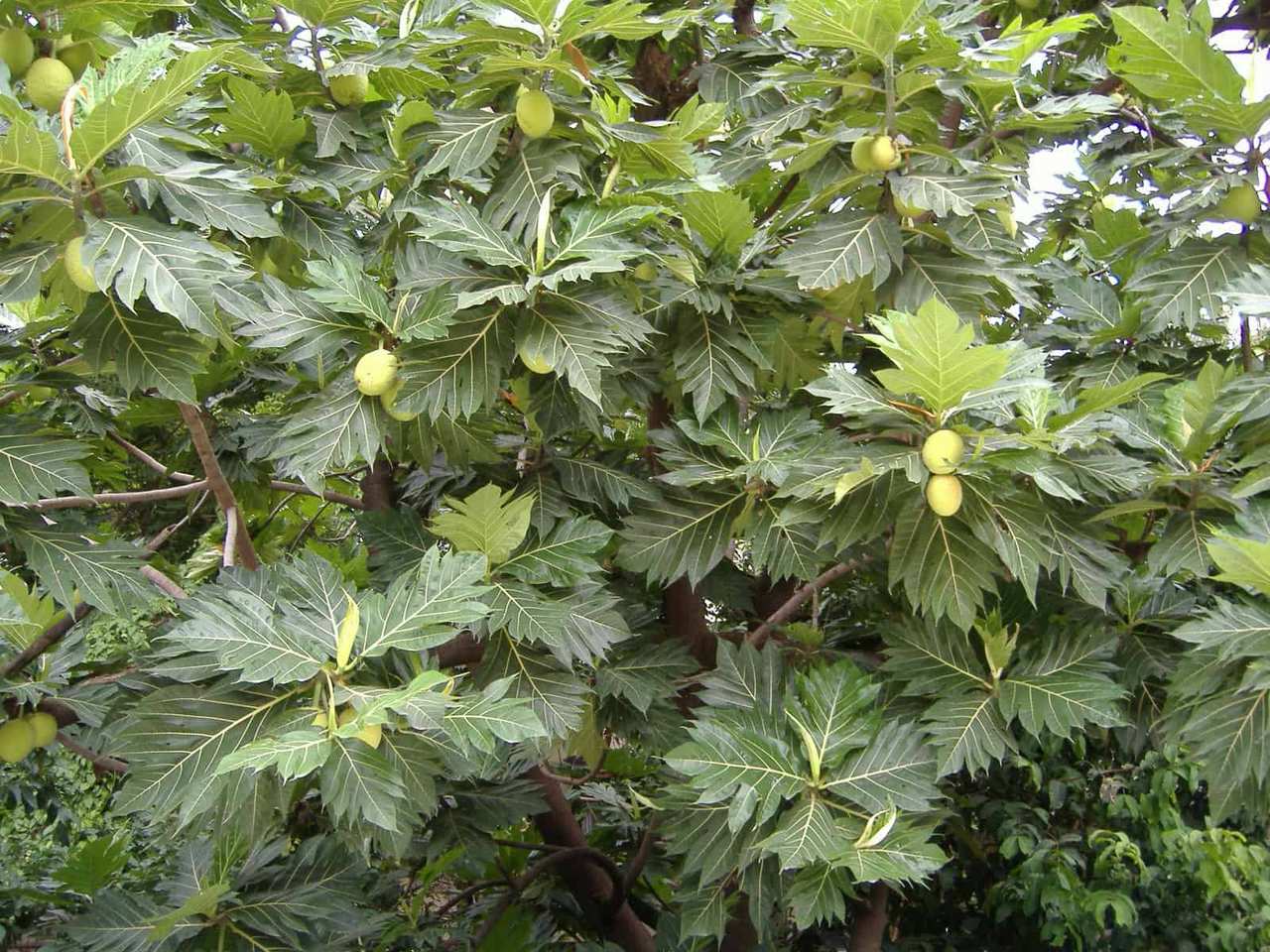
The first time I cut open a ripe jackfruit, I did it wrong. No gloves, no oiled knife, no newspaper on the counter. Within sixty seconds my hands were coated in a pale, rubbery latex that dried into something between contact cement and a second skin, and I spent the next twenty minutes trying to scrub it off with cooking oil while the fruit just sat there, fragrant and patient, as if it had seen this exact scene ten thousand times before. Here's the thing nobody mentions in those breathless "pulled pork alternative" articles flooding the internet: jackfruit is not a passive ingredient. It is a 100-pound cauliflorous fruit that grows directly from the trunk of a tree that can hit 60 feet tall, and it will absolutely humble you if you come to it unprepared.
What gets me about jackfruit, though, is the contradiction at its core. The same fruit that has fed hundreds of millions of people across South and Southeast Asia for at least four millennia[1] is simultaneously being discovered, rebranded, and sold back to the world as a novelty meat substitute, often by people who've never grown one, never coaxed a graft to take, never stood under a mature tree and looked up at the improbable architecture of it. That tension matters for anyone thinking about actually planting this tree, because how you understand jackfruit shapes everything: which variety you choose, how you fit it into a food forest, whether you treat it as a crop or a keystone.
I've grown jackfruit in zone 9b Central Florida, where every hard winter becomes a negotiation, and I've watched gardeners in frost-free climates underestimate just how big and demanding a mature tree gets. Neither extreme serves the plant well. So let's start from the beginning.
Jackfruit Origin, History, and Traditional Uses
Botanical Background and Visual Characteristics
Jackfruit (Artocarpus heterophyllus) is native to the tropical rainforests of South and Southeast Asia, with its center of origin in the Western Ghats of southwestern India, Sri Lanka, and Bangladesh.[2][3][4] It's a plant that evolved in warm, humid, monsoon-driven environments with high annual rainfall and no real dry season, thriving at altitudes generally below 1,000 meters.[5] Domestication began in that same Western Ghats homeland somewhere between 2000 and 3000 BCE, with wild populations still persisting in India and Sri Lanka today.[6][7] That's a 4,000-year human partnership, and it shows in the genetic diversity across the native range, which is a direct product of the species' cross-pollinating reproductive system and its long tenure alongside people who selected for different flavors, textures, and uses.[8] The diversity in cultivars we see today is baked into that history.
After years of designing food forests in humid subtropical Florida, I can tell you that the first time you stand under a mature jackfruit tree, the scale recalibrates your expectations. Trees reach 9 to 21 meters tall with broad, rounded canopies stretching 6 to 15 meters wide, and trunks that can swell to a meter and a half in diameter.[9][7] The bark is rough and deeply fissured, gray to dark brown, and if you nick it, milky white latex bleeds out immediately. That latex is a hallmark of the Moraceae family, shared by figs and breadfruit, both of which I've worked with extensively, and it's one of the fastest field identification clues you've got.[10] The leaves are glossy, leathery, elliptic to oblong, 10 to 25 centimeters long, with prominent pinnate venation that makes them easy to distinguish from related species.[9][11] A single mature tree becomes a true keystone in the landscape, providing dense shade, a constant supply of leaf litter, and structural habitat for an entire understory community.
What really stops people in their tracks is the cauliflory. Jackfruit doesn't tuck its fruits at the branch tips like most trees; it grows them directly on the trunk and older branches, massive knobbly syncarps formed from hundreds of fused flowers, ranging from 30 to 90 centimeters long and weighing anywhere from 2 to 55 kilograms.[5][12] These trees are also impressively long-lived, reaching fruiting maturity 3 to 5 years from seed and continuing to produce for 50 to 100 years or more.[13][14] Close relatives like Chempedak (Artocarpus integer) share the latex and cauliflory but carry larger leaves and smaller fruits, while Monkey Jack (Artocarpus lacucha) is a smaller tree with globose fruits that barely hint at jackfruit's scale.[15][16] Knowing the genus helps; once you've identified one Artocarpus, the family resemblance across the others clicks into place.
Jackfruit in History and Culture
Jackfruit's documented human history runs deep. It appears in ancient Indian texts including the Ramayana, and Ayurvedic Samhita manuscripts dating back to around 300 BCE record uses for bark, roots, leaves, and latex as treatments for dysentery, diabetes, toothache, wounds, and skin conditions.[17][18] From South Asia, it traveled along trade routes into Southeast Asia, with cultivation in Java documented by the 7th century, then spread further into Africa, the Caribbean, and Latin America through Portuguese and Spanish colonial trade between the 16th and 19th centuries.[19][20]
Virtually every part of the tree has been woven into daily life across that range. Ripe fruit is eaten fresh or cooked into curries and desserts; unripe fruit serves as a meat substitute. Seeds are boiled or roasted as a nutritious starch-and-protein staple. Leaves wrap food and brew medicinal teas. Bark and roots act as astringents for diarrhea. Latex addresses wounds, snakebite, and adhesive needs. The wood, lightweight at 300 to 500 kg/m³, goes into furniture, musical instruments, and religious carvings.[21][22][23] Tribal groups in India including the Santals and Oraons have depended on it for both food and medicine. Malay communities employ it for asthma and ulcers. Philippine indigenous groups reach for it for fever and inflammation, and the tree carries symbolic weight in Hindu mythology, Thai festivals, and Buddhist offerings.[24][25]
Today, global production has climbed from 9.4 million tons in 2010 to over 15 million tons in 2020, driven largely by Western demand for jackfruit as a vegan meat alternative.[26][27] That growth brings real concerns around overharvesting, biodiversity loss, and cultural appropriation of the indigenous Asian knowledge that made this crop viable in the first place.[28] As someone who sources plants ethically for regenerative designs, I always make sure the jackfruit varieties I recommend come from nurseries that acknowledge the Asian communities whose traditional knowledge made this crop global. I've also seen how quickly expanding monocultures deplete soil, which is exactly why I advocate planting jackfruit within diverse, layered guilds where its deep roots and generous leaf litter actually build the system over time rather than drain it.
Remarkable Facts About the World's Largest Tree-Borne Fruit
Jackfruit holds the record as the largest tree-borne fruit on Earth. The record specimen, grown in the Philippines in 2016, weighed 55.28 kilograms.[7][29] In my own growing conditions in humid subtropical Florida, the fruits I've weighed more typically fall in the 15 to 35 pound range depending on irrigation, pollination success, and the specific tree, so the record specimens are genuinely extraordinary. Each of those massive fruits is a syncarp, meaning it's formed from hundreds of individual fused flowers rather than a single ovary, which is part of why the structure inside is so complex and why a ripe jackfruit smells like a crowd rather than an individual.[30][31]
Pollination is carried out primarily by insects including bees, flies, and gall midges drawn to the flowers' scent, and the species generally relies on cross-pollination, though some parthenocarpic cultivars can set fruit without it.[32][33] The tree's chemical defenses are equally interesting: the resinous bark and latex actively deter herbivores and pathogens, which partly explains its resilience in a range of growing conditions.[23] What it can't tolerate is frost; temperatures below 7°C (45°F) cause real damage, and poorly drained soils set off Phytophthora root rot faster than almost any other stressor.[34][35] Anyone who has stood under a fruiting jackfruit with 30-pound syncarps pressing out from the trunk in every direction understands intuitively why this tree has commanded human attention for four millennia.
Jackfruit Varieties and Sourcing
Notable Jackfruit Cultivars and Their Characteristics
With over 100 recognized varieties globally, jackfruit has been shaped by thousands of years of selection across South and Southeast Asia into a fruit with almost bewildering range.[36][37] The foundational Indian classification still used today splits cultivars into two camps: Varikka types, which are sweet, firm, and meant for fresh eating, and Koozha types, which are softer and more acidic, preferred for cooking. I find this framework genuinely useful when advising growers. If someone wants a dessert fruit to eat out of hand, I steer them toward a Varikka type. If they're primarily cooking with unripe flesh and want reliable pulp, a Koozha or similar culinary type makes more sense.
Among Indian cultivars, Cochin stands out for its early bearing, high yield, disease resistance, and wind tolerance, with Muttom Varikka and Thottappalli also respected for eating quality.[36] The research-station releases Co 1 and Co 2 pushed things further: Co 2 is notably seedless with high pulp content, a trait that modern breeding programs are actively chasing for commercial viability.[38][8] I've grown a Cochin-type seedling alongside a grafted Black Gold in zone 9, and the Cochin showed noticeably faster canopy development and earlier fruit set through our humid summers. For growers in Florida or similar climates, that growth rate difference matters.
For US growers, the Florida-adapted cultivars get the most attention. Black Gold produces sweet fruits in the 10-20 lb range with strong yields up to 100 fruits per tree annually.[39][40] Thai varieties like Golden Pillow grow rapidly and produce fruits in the 5-15 lb range, while Nang Kaew is valued for its distinctive crispy texture.[41] Across all cultivars, growth typically runs 1-3 feet per year during establishment, though Cochin and Golden Pillow trend toward the faster end of that range.[40] Under good conditions, mature trees can yield 100-500 fruits per year depending on variety and site.[40][42]
The genetic diversity behind these numbers is remarkable, with cultivars differing in tree size, leaf morphology, fruit weight (anywhere from 5 to 100 lbs), growth habit, and climate adaptation.[43][44] Preserving that diversity matters. ICAR and CATIE maintain ex-situ germplasm collections, and in-situ protection efforts continue in India, but home gardeners growing named heirloom cultivars rather than anonymous seedlings contribute something real to on-farm biodiversity.[8][7] The related Monkey Jack (Artocarpus lacucha) offers an instructive contrast: it has no formal cultivar development at all, surviving on local landraces and informal regional selections, a reminder of how intensively jackfruit itself has been domesticated over millennia.[16]
Sourcing Jackfruit Plants, Seeds, and Fruit
Fresh jackfruit imports into the US reached roughly 1,500 metric tons in 2023, supplied primarily by Vietnam, the Philippines, and India.[45][46] Domestic production is essentially negligible, limited to small plantings in Hawaii and Florida.[47] That gap explains why most people in the US first encounter jackfruit as a canned, frozen, or dried product rather than fresh, and it's not just a supply issue. USDA APHIS biosecurity restrictions, combined with the fruit's short shelf life, high shipping weight, and inconsistent quality at scale, make fresh whole jackfruit logistically difficult to move reliably.[48][49] When you do find it fresh, Asian grocery stores are your best bet, alongside chains like Whole Foods that have expanded their tropical fruit sections.[50]
For those wanting to grow their own, small trees and seeds are available from US vendors including Tropica Exotics, Miami Tropicals, Rare Plant Futurist, and Baker Creek Heirloom Seeds, with young trees (1-5 ft) typically running $25-$150 and seed packets around $5-$20. I've ordered jackfruit trees multiple times and learned to plan well ahead: live plant shipping is subject to state phytosanitary restrictions, and availability is genuinely seasonal. Starting from seed has become my reliable fallback when nursery stock is scarce, though the propagation tradeoffs there are covered in the next section. When nursery stock is available, check multiple vendors before assuming something is sold out permanently; stock turns over unpredictably.
Jackfruit Propagation and Planting
Every propagation decision you make with jackfruit traces back to one unusual biological fact hiding inside each seed. Understanding it early saves a lot of frustration later.
Understanding Jackfruit Seeds: Polyembryony, Morphology, and Recalcitrant Nature
Jackfruit seeds are polyembryonic, meaning a single seed can contain multiple embryos, typically two to five, some zygotic and some nucellar.[51][52] The nucellar embryos are clonal copies of the mother tree, genetically identical. The zygotic ones are sexual recombinants, which means they can look and fruit like anything. I've grown out batches of jackfruit seedlings from the same fruit and watched some grow into near-identical siblings while others shot off in completely different directions in leaf shape, vigor, and eventual fruit character. That variability is baked into the biology, and it's exactly why seed propagation alone doesn't cut it if you want reliable results.
The seeds themselves are ellipsoid to obovoid, 2 to 5 cm long, with a thin white sarcotesta surrounding a hard dark brown testa and two thick white cotyledons that make up roughly 95% of the seed mass.[53][54] They're large and substantial, nothing like the papery orthodox seeds I'm used to from the vegetable garden. But they're also recalcitrant, which means they can't be dried and stored like tomato or pepper seeds. They're sensitive to desiccation, lose viability within two to four weeks at ambient conditions, and need to stay moist, ideally in sand, vermiculite, or sphagnum moss at cool but not cold temperatures (around 4 to 20°C) if you're not sowing immediately.[55][56][30] Fresh seeds sown right away germinate at 70 to 90%.[14] Wait too long, and that rate drops fast. Treat them like you'd treat a ripe avocado: don't store them, plant them.
Propagation Methods: From Grafting to Tissue Culture
Because nucellar embryos produce clonal seedlings and zygotic ones introduce unpredictability, seed-grown trees are commercially avoided for fruit production and are used almost exclusively to grow rootstocks for grafting.[57][14][58] Grafting superior scions onto one to two year old seedling rootstocks, using cleft or side-veneer techniques during the active growing season, delivers true-to-type fruit quality, consistency, and disease resistance with 70 to 90% success.[59][60][57] I've found that hitting the upper end of that range consistently comes down to one thing: cambium alignment. Get the layers matched cleanly and seal the graft promptly, and jackfruit grafts take readily.
Air layering (marcotting) is a strong alternative, especially for propagating a superior tree you don't want to disturb. Done during the monsoon period when tissues are active, it achieves 60 to 90% success in two to three months and lets you skip the rootstock-scion relationship entirely.[14][61] Cuttings are possible but genuinely difficult. Semi-hardwood sections of 15 to 25 cm with three to five nodes, treated with 2,000 to 5,000 ppm IBA, root at only 30 to 60% under high humidity conditions over four to eight weeks.[14][62] Tissue culture can produce disease-free plants at scale but requires laboratory infrastructure that puts it firmly outside the home grower's toolkit.[63] For most people, grafting is the answer.
Germination Timeline and Conditions
Optimal germination happens at 25 to 35°C with high humidity, and fresh seeds can show epicotyledonous emergence in as little as five to ten days, with full germination taking two to eight weeks.[14] The gap between a seed-grown tree and a grafted one extends well beyond the nursery stage. Seedlings typically take three to eight years to bear their first fruit, with most sources clustering around three to five under good conditions.[64][65][66] Grafted trees begin fruiting in two to four years, often closer to two or three in warm climates.[40] I've started both seed and grafted stock side by side, and the time savings from grafting are not marginal. They're the difference between harvesting your first fruit this decade and waiting to find out whether the tree your seed produced is even worth keeping.
Soil, Site Selection, and Planting Technique
Drainage is the absolute non-negotiable. Jackfruit is highly susceptible to Phytophthora root rot in poorly drained soils, and waterlogging at any life stage can be fatal.[67][40] I learned this the hard way preparing a heavy-clay site in Central Florida: building raised beds made a measurable difference in first-year survival that no amount of careful watering could have compensated for on flat ground. The tree prefers well-drained, fertile loamy or sandy loam soils with a pH of 5.5 to 7.5, optimal between 6.0 and 7.0, at least 1 to 1.5 m deep to accommodate a taproot that can extend 2 to 3 m down.[67][36][68] Aim for 2 to 5% organic matter and avoid compaction above 1.4 g/cm³, which restricts that taproot significantly. For nursery seedlings, a 1:1:1 mix of sand, coco peat, and perlite with incorporated organic matter keeps moisture consistent without tipping into saturation.[69][70]
Young seedlings prefer partial shade or dappled light initially, transitioning to full sun of six to eight hours as they establish; mature trees occupy the upper canopy in their native rainforest habitat and will underperform in heavy shade.[71][59] One thing I wish someone had told me early on is how much jackfruit seedlings in their first four to six weeks resemble young mango. I now label every pot obsessively.
Spacing and Orchard Establishment
These trees get large. Mature jackfruit reaches 10 to 20 m in height with a canopy spread of 7.6 to 9.1 m, and they get there faster than most people expect.[40][72] Standard spacing is 10 to 12 m, with orchard plantings sometimes going to 10 to 15 m to give canopies room to develop fully.[73] High-density plantings at 6 to 8 m are possible but commit you to intensive pruning from day one, best reserved for dwarf cultivars. Stake young saplings at planting and shape the canopy early; the rapid juvenile growth can produce a sprawling framework that's much harder to manage if you wait. The related breadnut (Artocarpus camansi) follows a similar pattern, spaced 6 to 9 m apart in deep well-drained soils, transplanted in spring once soil temperatures clear 21°C, confirming that generous spacing and drainage are genus-wide requirements, not just jackfruit quirks.[74][75] Give grafted trees the space they need up front, and you'll spend far less time fighting an overcrowded canopy later, while getting fruit years sooner than a seedling would deliver.
Jackfruit Care Guide: Sunlight, Water, Feeding, Temperature, and Pruning
Every cultural decision you make with a jackfruit tree is essentially an attempt to replicate its native Southeast Asian rainforest home: warm, humid, fertile, and bright. Get those four conditions right and the tree rewards you generously. Drift too far from any of them and the symptoms show up fast, usually in the leaves first.
Sunlight Requirements
Jackfruit wants full sun, at least six to eight hours of direct light daily for strong growth and reliable fruit production.[76][77] It can tolerate some shade, but the trade-offs are real: smaller fruit, reduced yields, and the leggy, reaching growth habit of a plant stretching toward light it can't find.[76][78] Chronic low light causes leaf chlorosis and premature drop; the canopy thins and fruit development stalls.[40]
I've noticed in my Central Florida plantings that afternoon shade during the peak of summer can actually help young seedlings. Trees grown under 30% shade cloth in my hottest weeks come out noticeably greener and less stressed than those in full exposure from day one. But that's a temporary concession for establishment. Once a tree is pushing active growth, restricting light below six solid hours cuts fruit production noticeably. On the other end, extreme heat above 40°C triggers its own set of problems: leaf scorch, wilting, and flower drop, particularly on young trees and at fruiting time.[79]
Watering Needs
Jackfruit's native range receives 1,500 to 3,000 mm of rain annually, though it can manage on as little as 900 mm with supplemental irrigation.[80][81] Young trees need one to two inches of water per week, with seedlings requiring consistent moisture every two to three days.[82][65] Once established, mature trees are moderately drought-tolerant and can go four to six weeks without irrigation, but they'll perform better with a deep soak every seven to fourteen days during dry spells.[83][59]
The failure mode on both ends is worth knowing cold. Overwatering causes yellowing leaves and stunted growth, and it opens the door to Phytophthora root rot, which can kill a young tree quickly. Underwatering shows up as wilting, leaf curl, and fruit that doesn't size up properly.[65][84] I've lost young trees to root rot after Florida's summer deluges, which is why I now rely on raised planting beds, drip irrigation to keep foliage dry, and three to six inches of organic mulch at the base to buffer both moisture and temperature.[65][82]
Fertilizer and Nutrient Management
Jackfruit is a heavy feeder, and it doesn't hide that fact. Optimal soil pH runs 5.5 to 7.5 with an ideal window of 6.0 to 6.5, in fertile, well-drained loamy soil with solid organic matter content.[85][86] Young trees in their first three years need higher-nitrogen feeding, roughly 0.5 to 1 kg of balanced fertilizer split across four to six applications per year, with rates scaling up as the canopy expands.[87][88] Mature bearing trees shift to a balanced NPK formula (10-10-10 or 16-8-24 are both used successfully) at five to ten kilograms total annually, split into three to four applications timed to avoid the driest months and the flowering window.[88][89]
My own soil tests on sandy Florida ground consistently show potassium washing out after summer rains, so I lean toward the higher-K formulas in the second half of the year. Integrating 10 to 20 kg of compost or 20 to 50 kg of well-rotted manure annually builds the organic baseline that makes chemical inputs more effective and less prone to causing burn.[90][91] I'd also strongly recommend a soil and leaf test every two to three years rather than guessing at rates. Deficiency symptoms are specific enough to be diagnostic: pale older leaves signal nitrogen trouble, purplish-toned foliage points to phosphorus, marginal scorch on older leaves suggests potassium, and interveinal chlorosis on young growth is usually iron.[41][92] I once had zinc rosetting show up on a tree in sandy soil; a single foliar spray of chelated zinc cleared it up within a few weeks. Finally, never fertilize during drought or at flowering, and always water in after any application. Excess nitrogen produces lush soft growth that pests find irresistible.[88][65]
Frost Tolerance and Cold Protection
This is the non-negotiable. Jackfruit is strictly tropical, comfortably grown in USDA zones 10b through 12. It can survive a brief dip to 28 to 32°F, but any true frost or sustained exposure below freezing damages leaves, buds, stems, and developing fruit, and it can kill a young tree outright.[67][65][13] I learned this the hard way in zone 9b when an unexpected frost set a promising young tree back by a full growing season. That experience changed how I work in marginal climates entirely.
Now I always plant jackfruit on the south side of a structure or wall where it can capture reflected heat, mulch heavily around the base, and keep trees in their first three years in large containers that can be moved into a greenhouse or bright indoor space when temperatures threaten to drop below 60°F.[67][40] Frost cloth over small trees buys a few degrees on a cold night. None of these moves make zone 9b truly safe, but they stack the odds considerably in your favor.
Heat Tolerance
Jackfruit thrives between 25 and 38°C, with 27 to 32°C as the sweet spot, and it's rated for AHS Heat Zone 12.[93][94] Once temperatures push above 40°C, the stress response kicks in: leaf scorch, wilting, flower drop, and poor fruit set with reduced sugar content. Seedlings and trees in flower or fruit are especially vulnerable at these extremes.[95][96]
Consistent irrigation, three to six inches of mulch, and temporary 30% shade cloth on young trees during the worst summer weeks all help considerably.[95][97] That shade cloth recommendation comes from watching the difference in my own nursery stock; the protected seedlings are visibly greener and grow faster than those baking in full summer exposure.
Pruning, Maintenance, and Seasonal Rhythm
Train a young jackfruit tree in its first two to three years to a central leader with three to five well-spaced scaffold branches. The goal is an open canopy that allows light and air into the interior, which makes harvest accessible and keeps fungal pressure down.[40][65] Mature trees need annual pruning after harvest to remove dead, diseased, or crossing wood and to keep canopy height to around four to six meters where fruit is actually reachable.[40] Thin developing fruits to about four to six inches apart to improve individual fruit size and quality, pull basal suckers regularly, and maintain that mulch layer.[59][82]
Timing pruning cuts matters more than most growers realize. I made the mistake early on of pruning during the wet season and watched disease enter fresh wounds on multiple trees. Now I wait for the dry period right after the main harvest; wounds close faster, fungal risk drops sharply, and the trees have been healthier for it ever since. Jackfruit is evergreen with continuous vegetative growth in truly tropical climates, with peak flowering typically occurring during the monsoon season (June through August in India) and the potential for year-round fruit in consistently warm, humid conditions.[98][99] There's no dormant season to hide behind, which means every cultural input, from feeding to pruning, needs to be timed deliberately rather than seasonally by habit.
Harvesting Jackfruit: Timing, Technique, and Flavor Rewards
Jackfruit rewards patience in a very literal sense. Grafted trees typically fruit in 2-4 years while seedling-grown trees can take anywhere from 3-8 years before you see your first fruit.[40] Once the tree finally flowers, you're still looking at another 90-120 days before that fruit is ready to pick.[40][100] In subtropical gardens like mine in Florida, that puts the harvest window squarely in June through September.[40] It's a long game, but the payoff is real.
When to Harvest Jackfruit: Maturity Cues and Seasonal Timing
I've learned to read the fruit rather than the calendar. The most reliable cue, the one I now wait for without fail, is the first whiff of that sweet, fruity aroma drifting from the canopy. Early in my growing experience I pulled a fruit that looked ready based on color alone, and it sat on the counter for two weeks without developing any real flavor. Now I wait. The full maturity checklist includes a color shift from deep green to yellowish-green or light brown, spines that flatten and soften from their younger pointed state, noticeably less sticky latex when you scratch the skin, and that unmistakable pineapple-banana scent beginning to build.[40][91] Full yellow skin and soft texture signal complete ripeness on the tree, but that's actually too late for harvest since controlled off-tree ripening gives far better results.[101]
Safe Harvesting Techniques for Heavy, Tree-Borne Fruit
Here's the part people underestimate until they're standing under a tree staring up at a fruit the size of a large watermelon wedged against the trunk eight feet off the ground. These fruits run 10-100 pounds.[40][91] Think of lowering a prize pumpkin from a ladder and you're in the right mental territory. Cut the stem 1-2 inches from the trunk with a sharp, sanitized knife or long-pole pruner, and have a second person ready to support the fruit as it comes free.[40][91] A fruit crashing to the ground isn't just bruised; it's essentially ruined. Store harvested fruit at 13-15°C with high humidity for up to 20 days, and keep it well away from the refrigerator since temperatures below 12°C cause chilling injury.[102] I learned that particular lesson the hard way with a stunning 'Black Gold' fruit that came out of the fridge with discolored flesh and zero flavor development.
Post-Harvest Handling and Flavor Development
Watching a jackfruit ripen on the counter is genuinely one of the more dramatic things that happens in a food garden. The flesh transforms enzymatically from starchy and firm, perfect for savory cooking as a meat substitute, into something intensely sweet, creamy, and tropical as sugars and aromatic esters develop.[103][104] Over 100 volatile compounds drive that ripe aroma, with esters making up 40-50% of the blend; ethyl butanoate and butyl acetate are the key players behind those candy-sweet pineapple and bubblegum notes.[105] I'll warn you: the smell fills a kitchen fast. My family has strong opinions about where the ripening fruit lives during that final stage.
Sweetness varies considerably by cultivar. Fibrous types like Koozha measure around 15-20 Brix while selections like Golden Nugget push 25-30.[105][40] After growing both types I now plant at least one of each: a sweeter dessert selection for fresh eating and a firmer-fleshed variety I can harvest young for savory applications.[40] The related chempedak offers a useful size contrast, its fruits running just 10-20 cm long with softer spines and a custard-like texture with distinct mango undertones in the aroma.[106][107] But jackfruit's sheer scale and that dramatic ripening arc are in a category of their own.
Jackfruit Preparation and Uses: From Sweet Pulp to Savory Meat Substitute
Culinary Uses and Flavor Profiles of Jackfruit
Almost every part of this tree is edible. Ripe arils, unripe flesh, seeds, young leaves, tender shoots, flowers, and young stems all have genuine roles in cooking.[108][109][110] That range is remarkable for a single species, and it's the reason I keep coming back to jackfruit as a permaculture cornerstone rather than a novelty crop.
Ripe jackfruit flesh is something you really have to taste to believe. The flavor sits somewhere between pineapple, mango, banana, and pear, with threads of honey and coconut running through it, the texture moist and fibrous and dripping.[111] It works beautifully in Thai kaeng khanon, Filipino ginataang langka with coconut milk, and turón, though honestly I've eaten it straight off the pod with nothing else and been perfectly happy. Unripe jackfruit is almost the opposite: dense, neutral, faintly artichoke-like, with a fibrous pull when cooked that genuinely mimics pulled pork.[13] It absorbs bold spices and sauces brilliantly, which is why it's become the default plant-based meat substitute in so many jackfruit recipes circulating right now. Chempedak behaves similarly unripe but has a richer, almost custardy sweetness when ripe; monkey jack stays smaller and more sweet-sour, less intensely tropical.[112] Knowing your Artocarpus species matters when you're planning a genus-diverse food forest guild.
Before you cut into a fresh jackfruit, oil your hands and your knife. The latex sap is intensely sticky and mildly irritating to skin and eyes, and I've learned this lesson more than once. Green or partially ripe fruits bleed far more than fully ripe ones, but even ripe flesh can leave you with gummy fingers for hours if you go in bare-handed. Soap and warm water help; cooking oil on the skin first helps more.
The seeds deserve more attention than they usually get in jackfruit recipes. Raw seeds contain cyanogenic glycosides and other antinutrients that need heat to neutralize, so always cook them first by boiling for 20 to 30 minutes, roasting, or pressure cooking.[113][114] Once cooked, they turn genuinely delicious: starchy and creamy with a flavor somewhere between chestnut and sweet potato. Breadnut seeds (Artocarpus camansi) follow the same principle, eaten boiled or roasted like chestnuts.[115][116] I've also experimented with grinding dried, boiled jackfruit seeds into a gluten-free flour for baking. The trick is drying them thoroughly at low heat before grinding; seeds with residual moisture clump and won't mill cleanly.[113] Young leaves and shoots are edible too, cooked like spinach or stirred into stir-fries, though boiling is worth the extra step to reduce oxalates.[110]
If you're ripening a harvested fruit at home, keep it at warm room temperature, around 25 to 30°C, with good humidity for three to five days.[117][118] In Florida's humid summers, mine ripen faster than that, so I check daily once the aroma starts building. Sliced arils dry well at 60 to 70°C down to about 15 to 20% moisture content, which concentrates the sweetness considerably and extends shelf life significantly.[117][119]
Non-Food Uses of Jackfruit Wood, Bark, Latex, and Traditional Medicine
The tree's usefulness doesn't stop at the kitchen. Jackfruit wood is moderately dense and durable, valued for furniture, construction, paneling, and carving, sometimes used as a teak substitute.[120] Bark fibers have traditionally been twisted into rope and coarse fabric, and the latex yields natural dyes that have colored textiles across South and Southeast Asia for generations.[120] For a permaculture designer, a tree that feeds you, shelters wildlife, stabilizes soil, and then gives you timber and craft materials at the end of its productive life is about as complete a plant as you can grow. Ayurvedic tradition also draws on jackfruit's anti-inflammatory and digestive properties, with documented historical use for conditions like asthma and diarrhea.[121] I primarily use jackfruit as food, but I've noticed that family members with mild stomach sensitivity tend to tolerate the cooked seeds and ripe flesh well, which aligns with that traditional reputation for digestive support.
Jackfruit Health Benefits and Medicinal Uses
Traditional Medicinal Uses Across Plant Parts
What strikes me every time I dig into jackfruit's medicinal history is just how thoroughly traditional practitioners mapped this tree. Every part had a job. In Ayurveda, jackfruit falls under phala varga and is used to balance kapha and pitta doshas in preparations for anemia, wounds, and respiratory issues.[122] Across South and Southeast Asian traditions including Siddha and regional folk systems, bark and root decoctions addressed dysentery and diarrhea, leaf preparations were used for diabetes and inflammation, latex was applied topically for skin conditions and wounds, and seeds were given for intestinal parasites.[123][124] Specific traditional dosages for leaf decoctions targeting blood sugar ran around 50 to 100 ml daily, while bark decoctions for diarrhea were typically taken twice a day.[125][126]
This pattern of whole-plant utilization runs through the wider genus too. Breadnut leaves were used in Pacific traditions for fever, diarrhea, and postpartum recovery, while the bark served as a wound poultice.[127] Chempedak parallels jackfruit closely, with its latex used for warts and fungal infections and its fruit recommended for anemia.[128] Monkey Jack extends the range further into rheumatism and snakebite treatment.[129] What cultures knew for millennia across this entire genus is now gaining genuine laboratory support.
Scientific Validation and Pharmacological Activities
Preclinical research has validated several of jackfruit's traditional applications with real mechanistic detail. Polyphenols, flavonoids, and vitamins in the fruit scavenge free radicals and modulate oxidative stress pathways, while specific compounds like artocarpin inhibit COX-2 to produce measurable anti-inflammatory effects.[130][131] Extracts also show antimicrobial activity against pathogens including Staphylococcus aureus and E. coli.[132] The anti-diabetic evidence is particularly interesting: jackfruit compounds inhibit the α-amylase and α-glucosidase enzymes responsible for postprandial blood sugar spikes, and small-scale human trials using seed powder have shown preliminary glycemic benefit in type 2 diabetes patients, though these studies are modest in size and the research hasn't scaled to large clinical trials yet.[133][134][135] I always tell gardeners who are managing blood sugar to talk with their doctor before relying on jackfruit leaf tea therapeutically; the preclinical data is genuinely promising, but it isn't a substitute for medical guidance.
Beyond these core activities, jackfruit shows cytotoxicity against breast and colon cancer cell lines in vitro, hepatoprotective effects in rat models, and documented analgesic, diuretic, and wound-healing properties.[136][137][138] Nearly all this data comes from cell assays and animal models; the human evidence remains limited to those small glycemic trials.[139][140]
Key Phytochemicals and Their Roles
Jackfruit's chemistry is genuinely complex. The most studied compounds are its prenylated flavonoids, particularly artocarpin, cycloheterophyllin, artonin E, and artocarpanone, alongside quercetin, kaempferol, rutin, and isoquercitrin. Researchers have documented over 100 secondary metabolites in the species, including stilbenoids, arylbenzofurans, alkaloids, terpenoids, tannins, and coumarins.[141][142][143]
Distribution across plant parts matters practically. Leaves concentrate flavonoids and phenolics like quercetin and kaempferol, which connect directly to the traditional uses for diabetes and inflammation. Seeds are rich in gallic acid and catechin. Bark yields the prenylated artocarpin that drives much of the anticancer and antimicrobial research. Fruit peel contributes phenolic acids.[112][144] Growing conditions including soil pH, temperature, and season all influence how concentrated these metabolites become, which I find fascinating from a grower's perspective: the chemistry of your fruit is partly a product of how you manage your soil.[145] Quercetin, abundant in both leaves and pulp, modulates inflammatory and antioxidant pathways by inhibiting NF-κB and promoting Nrf2 signaling, while the Artin M lectin found in jackfruit activates innate immunity through TLR-2 binding.[146][147]
Nutritional Profile of Pulp and Seeds
There are three edible parts worth knowing: ripe pulp, unripe flesh, and seeds, each with a distinct nutritional character. Ripe pulp (a typical serving runs 100 to 165 grams) delivers 95 kcal per 100g, with 23g of carbohydrates, 1.5g of fiber, and a genuinely useful mineral package: 448mg of potassium, 29mg of magnesium, 13.7mg of vitamin C, and 0.33mg of vitamin B6, along with folate, calcium, and trace iron.[148] My clients in Florida who grow jackfruit alongside bananas appreciate the potassium density; it fits naturally into the high-potassium tropical diet those food forests are already producing.
Seeds are significantly more calorie-dense at around 187 kcal per 100g, with 38g of starch, 6.2g of fiber, and notably higher calcium (98mg) and magnesium (75mg) than the pulp.[149] Raw seeds contain lectins, tannins, and trypsin inhibitors that interfere with digestion, but boiling or roasting reduces these antinutrients by 50 to 70% and meaningfully improves bioavailability.[150][151] The first time I tried raw seeds out of curiosity I ended up with a very uncomfortable afternoon, so I never skip that cooking step now. Beyond macros, the pulp also contains rutin, quercetin, catechins, and carotenoids including beta-carotene and lycopene, which bridge the nutritional value of jackfruit directly into the antioxidant and anti-diabetic activities described above, though the supporting evidence remains primarily preclinical.[152]
Safety Considerations and Practical Guidance
The USDA classifies jackfruit as non-toxic, and it has an exceptionally long safety record as a traditional food across multiple cultures.[114][153] That said, a few genuine precautions deserve clear attention. The milky latex from cut fruit and stems can cause contact dermatitis and skin irritation.[154] I'd compare it to working with figs: you may not react the first time, but cumulative exposure can sensitize you. Wear gloves when cutting into unripe fruit especially. If you have a latex allergy, I'd strongly recommend consulting an allergist before eating jackfruit at all since cross-reactivity in latex-fruit syndrome is well-documented and not worth testing casually.[155]
Medication interactions are worth flagging for anyone using jackfruit therapeutically rather than just eating it as food. Its demonstrated hypoglycemic effects can amplify antidiabetic medications, and antiplatelet activity in seed and latex extracts raises caution around anticoagulants. The high potassium content could also interact with potassium-sparing diuretics.[156] Jackfruit is considered safe in moderate amounts during pregnancy, though those with latex-fruit syndrome should check with a healthcare provider first, and large amounts may cause gastrointestinal discomfort.[153] For pets, it's not highly toxic but can upset digestion if they get into it.[157] In my years working with Artocarpus species, gloves during harvest, proper seed cooking, and a little awareness of latex exposure cover the vast majority of risks most home growers will ever encounter.
Jackfruit Pests and Diseases
Jackfruit earns a moderate resistance rating overall, somewhere around 6 out of 10, but that score comes with a serious caveat: in the humid tropical and subtropical conditions where the tree actually thrives, disease pressure can escalate fast.[40][158] The same warmth and moisture that make jackfruit so productive create ideal conditions for fungal pathogens, and the tree's massive fruit loads give insects plenty of targets. The saving grace is the tree's own toolkit: that milky latex that oozes the moment you nick a leaf or green fruit (and will cement itself to your forearms if you're not wearing gloves, trust me) contains irritant enzymes that genuinely deter borers, and the phenolics and prenylated flavonoids like artocarpin in the foliage add antifeedant activity on top of that.[159][160] The thick, spiny exocarp is its own armor. When cultural conditions are right, these defenses hold up well. When they're not, you can lose 30 to 50 percent of your fruit before you know what happened.
Common Diseases of Jackfruit
Fungal disease is the primary threat, and anthracnose, caused by Colletotrichum gloeosporioides, is usually the first one growers encounter. It produces dark lesions on leaves, stems, and developing fruit, and it absolutely thrives above 80% relative humidity at temperatures between 25 and 30°C, the exact conditions of a wet tropical summer.[161] I've learned to walk my rows in early summer specifically looking for those first lesions, because catching anthracnose early is what separates minor defoliation from significant fruit drop. Fruit rot compounds the problem, with Rhizopus stolonifer, Phytophthora species, and Colletotrichum all capable of turning fruit soft and watery or brown-rotted, particularly where drainage is poor.[40][162]
Root rot from Phytophthora palmivora or Pythium is the one that truly worries me in wet years. Yellowing leaves and a declining canopy are often the first visible signs, by which point the root damage is already serious, and yield losses of up to 30% are possible in waterlogged conditions.[163] I think of jackfruit the same way I think of avocado in this respect: both are magnificent trees that will quietly die in heavy, saturated soil while looking perfectly fine above the collar for weeks. Raised beds or mounded planting positions aren't optional for either species in clay-heavy sites. Keeping soil pH between 6.0 and 7.5 with good drainage dramatically reduces this risk.[97]
Beyond the big three fungal diseases, pink disease (Erythricium salmonicolor) can cause bark cracking and crusty pink growth on stressed branches, and Fusarium wilt produces characteristic vascular discoloration internally. Bacterial issues from Erwinia or Xanthomonas show up as cankers and oozing dieback, while viral problems like vein clearing and mosaic patterns cause stunting that can be mistaken for nutritional deficiency.[40] The related chempedak (Artocarpus integer) shares most of these vulnerabilities and adds high susceptibility to leaf spot from Pestalotiopsis and Cercospora in humid conditions, which is a useful reminder that the whole Artocarpus genus rewards careful airflow management.[164] For growers choosing trees, cultivars like Indian 'Co-1' and 'Co-2' show real tolerance to Phytophthora rot and leaf spot, while 'Black Gold' from Australia has demonstrated fewer trunk infection issues.[165] In my own designs, I prioritize 'Black Gold' or 'Co-1' types precisely because of this track record, treating resistant variety selection as the first line of defense before any spray program is even considered.
Major Insect Pests of Jackfruit
Jackfruit's pest resistance is low to moderate, and the insect pressure list is genuinely broad. Fruit borers (Batrachedra spp., Diaphania caesalis) can infest 25 to 50% of fruits in badly managed orchards, and fruit flies (Bactrocera dorsalis and relatives) account for up to 20% losses during warm months. Mealybugs (Planococcus citri) and scale insects (Aulacaspis tubercularis, Aspidiotus destructor) often exceed 50% prevalence in humid conditions and set the stage for sooty mold by coating surfaces with honeydew. Root-knot nematodes (Meloidogyne incognita) add a below-ground challenge in sandy or poorly drained soils, appearing at 10 to 30% incidence where conditions favor them.[40][166]
The latex and phenolic compounds provide real, measurable insect deterrence, but no variety is immune.[167] Indian 'Co-1' and 'Co-J 2' show moderate resistance to fruit borers, and Philippine selections like 'NCRI-3' and Bangladeshi 'Khaja' perform better than average under pest pressure.[168][169] Tolerant cultivars combined with regular monitoring are the foundation of keeping losses manageable; left unaddressed, combined pest and disease pressure can claim 30 to 50% of a season's fruit.[159]
Prevention and Integrated Management
Cultural practices come first, always. Spacing trees at 10 to 12 meters promotes the airflow that keeps anthracnose and fruit rot from establishing, improving drainage addresses the single biggest driver of root rot, and consistent pruning to remove infected wood combined with orchard sanitation to clear fallen fruit breaks the cycle before pathogens can build up.[170][97] In my experience, an early-morning walk through the orchard once a week, eyes on the fruit and undersides of leaves, catches problems when they're still manageable. No spray program substitutes for that.
Within an IPM framework, biological and organic tools handle most situations well. Trichoderma viride and Pseudomonas fluorescens applied as soil amendments target root rot pathogens, Bacillus subtilis works on foliar diseases, and neem oil covers a broad range of both fungal and insect pressure.[14][171] Parasitic wasps like Trichogramma spp. help with borers, pheromone traps give early warning on fruit fly activity, and hand-bagging young fruits is tedious but remarkably effective for protecting individual specimens without any chemistry at all.[166][172] When monitoring confirms that thresholds have been crossed, spinosad or copper-based fungicides applied at 15 to 20 day intervals during the rainy season are effective targeted options, with metalaxyl or fosetyl-Al soil drenches reserved for confirmed root rot cases.[40] Starting with a resistant cultivar, maintaining drainage, and committing to regular observation will keep most jackfruit trees productive with minimal intervention in all but the worst seasons.
Jackfruit in Permaculture Design
Before you plant a jackfruit, you need to be honest with yourself about where you live. This tree has clear preferences, and unlike some plants that will gamely tolerate marginal conditions, a young jackfruit in the wrong climate can simply die on you over a single cold night. Getting the climate piece right is the foundation on which every other design decision rests.
Climate and Hardiness Zones for Growing Jackfruit
Jackfruit is solidly a zones 10-12 tree, with zones 10-11 being the sweet spot for reliable long-term performance.[173][174] Optimal temperatures run between 25-35°C (77-95°F), and while mature trees can handle brief heat spikes up to around 40°C if humidity stays high, cold is the real limiting factor: temperatures below -2°C (28°F) cause damage, and anything below 10°C warrants active frost protection.[2][40][7] The tree wants at least 50 inches of rain annually, ideally 70-100 inches, with humidity in the 60-90% range and shelter from direct salt spray.[98][7]
I grow in zone 9b in Central Florida, which is technically outside the reliable range, and I won't pretend that's a casual undertaking. Young trees are meaningfully more cold-sensitive than established ones, which is a critical distinction.[174][40] What's worked for me is treating the first two winters as a real project: frost blankets on hand, trees sited against a south-facing wall or fence that holds daytime heat, and heavy mulch over the root zone. That combination has let me pull trees through our occasional dips into the upper 20s. Once a jackfruit gets some size on it, the calculus shifts in your favor, but hedging your bets on siting from day one makes the difference between losing a tree and celebrating your first harvest.
Breadnut (Artocarpus camansi), a close relative, shares the same hard floor of around -2°C and the same zones 10-12 prescription,[69] so there's no real hardiness advantage there. Monkey jack (Artocarpus lacucha) does show a bit more flexibility, tolerating drier spells and wider rainfall variation from 1,000-3,000 mm annually at elevations up to 1,500 m,[16] which makes it worth knowing if you're designing in drier tropical zones. Jackfruit itself is cultivated outside its native Asian range in Florida, Hawaii, the Caribbean, and Australia, and it carries low invasive potential in the U.S. due to its climate limitations.[7][175]
Ecosystem Functions and Guild Roles
One thing I want to correct upfront: jackfruit does not fix nitrogen. It's a Moraceae, not a legume, and I've seen enough garden forums confidently claim otherwise to feel like it's worth saying plainly. What it does do is mine deep soil layers as a dynamic accumulator, pulling up potassium and cycling it back through leaf litter as the seasons turn.[176] I pair mine with actual nitrogen-fixers in the guild to keep the system balanced, because the tree is a heavy feeder and that gap matters over time.
Beyond nitrogen, the ecological resume here is genuinely impressive. The deep root system stabilizes slopes and riverbanks, making jackfruit a useful choice anywhere erosion control is part of the design brief.[177][178] The same deep roots mean those slope plantings double as dynamic mineral accumulators, with leaf fall returning carbon and nutrients to surface layers year-round.[179] The canopy supports epiphytes and invertebrate microhabitats, and the fruit feeds frugivorous birds, mammals, and insects that carry seeds outward through the landscape.[177][180] High biomass output also means a steady supply of mulch and material for carbon sequestration in place.[177]
Pollination is where jackfruit asks something of the grower in cultivated settings. The tree is monoecious with protogynous dichogamy, meaning female flowers mature before male ones to encourage cross-pollination,[181][2] with pollination handled by a mix of wind and dipteran flies like gall midges and biting midges, plus occasional bees and wasps.[182] In my experience, those insect visitors are deeply inconsistent. Some mornings I watch plenty of activity; other seasons barely anything shows up. When natural pollination efficiency drops due to habitat fragmentation, drought, or pesticide use, the tree can still set parthenocarpic fruit, but those seedless fruits are typically smaller and inferior in quality.[183] The fix I've settled into is hand-pollination with a soft brush in the early morning, transferring pollen from male to female flowers, which can achieve 70-90% fruit set.[182][59] Planting flowering herbs like basil and marigolds nearby also helps pull in whatever pollinators the season offers.[184]
Forest Layer Placement and Companion Planting
In the wild, jackfruit reaches 20-30 meters or more. In cultivation, expect 10-20 meters, with dwarf selections coming in around 6-10 meters,[185][98] which opens up guild options for tighter spaces. Either way, this is a canopy or emergent layer plant, and the dense shade it casts is something you're designing around as much as with. I've found the experience comparable to working under a large mango: certain understory companions genuinely thrive in that filtered light, coffee and cocoa being the classic pairings,[186][187] while light-hungry annuals and most herbs quickly struggle. Knowing this before you plant saves a lot of reshuffling later.
Jackfruit also functions as a pioneer and gap-filler in tropical forest regeneration, and that adaptability carries over into permaculture design.[186] The canopy provides windbreak protection for more sensitive species planted in its lee, while the leaf litter accumulates into a rich mulch layer that I've come to think of as one of the tree's most underappreciated outputs. Those deep roots stabilize any slope I've planted the tree on, and the organic matter cycling from above keeps surface soil biology active without any extra intervention. It may also form mycorrhizal associations that further support guild health, though the specifics aren't yet well documented.[188] What I can say from practice is that the system around a well-sited jackfruit tends to feel alive: birds in the canopy, fungi in the litter, and a microclimate that makes the whole guild more resilient than its individual parts suggest.
The Tree That Made Me Rethink What "Too Big" Means
I almost talked a client out of planting one once. The canopy, the fruit size, the latex on everything, the sheer commitment of it. She planted it anyway, and years later I stood under it holding a fruit heavier than my cat, eating warm ripe arils straight from the section she'd cut open, and I didn't say a word. Some plants just outlast your hesitation.
Sources 188
- Jackfruit and Its Many Functional Components as Related to Human Health: A Review ↩
- Jackfruit - Wikipedia ↩
- Artocarpus heterophyllus - Useful Tropical Plants ↩
- Kew Gardens - Plants of the World Online for Artocarpus heterophyllus ↩
- Jackfruit: Botany, Uses, and Ecology ↩
- Origin and Domestication of Jackfruit ↩
- Jackfruit - Artocarpus heterophyllus ↩
- Genetic Diversity and Conservation of Jackfruit ↩
- Artocarpus heterophyllus - Missouri Botanical Garden ↩
- Artocarpus heterophyllus (Jackfruit) ↩
- Artocarpus heterophyllus - Flora of China ↩
- Missouri Botanical Garden Plant Finder ↩
- Artocarpus heterophyllus - Missouri Botanical Garden ↩
- Jackfruit Growing in the Florida Home Landscape ↩
- Artocarpus integer - Useful Tropical Plants ↩
- Artocarpus lacucha - Useful Tropical Plants Database ↩
- Ancient Indian Medicinal Texts and Plants ↩
- Ayurvedic Uses of Artocarpus heterophyllus in India ↩
- Archaeobotany of Southeast Asia ↩
- The Jackfruit: Its Culture and Utilization ↩
- Traditional Uses of Jackfruit in the Philippines ↩
- Jackfruit (Artocarpus heterophyllus): A Review of Its Traditional Uses and Phytochemistry ↩
- Jackfruit (Artocarpus heterophyllus) - Wood Properties and Uses ↩
- Ethnobotany of Jackfruit in India ↩
- Cultural Significance of Jackfruit in Southeast Asia ↩
- FAO Report on Tropical Fruit Production Trends ↩
- Sustainability Challenges in Jackfruit Production ↩
- Ethical Issues in Global Jackfruit Trade ↩
- Jackfruit Cultivation and Varieties ↩
- The Jackfruit (Artocarpus heterophyllus): Its Culture and Utilization ↩
- Jackfruit (Artocarpus heterophyllus) - Description ↩
- Pollination Biology of Artocarpus heterophyllus ↩
- USDA PLANTS Profile: Artocarpus heterophyllus ↩
- Jackfruit Production in Florida ↩
- Physiology and Ecology of Jackfruit ↩
- Jackfruit Varieties in India ↩
- Cultivars of Jackfruit ↩
- Breeding Jackfruit for Improved Varieties ↩
- Jackfruit Production in Florida ↩
- Jackfruit Varieties and Cultivation ↩
- Growing Jackfruit in Hawaii ↩
- Jackfruit Production in India ↩
- Artocarpus heterophyllus - Kew Science ↩
- Jackfruit Cultivars and Variability - FAO ↩
- U.S. Fruit and Vegetable Import Data 2022 ↩
- Tropical Fruits: World Markets and Trade ↩
- Horticultural Crops: Bearing and Non-Bearing Acres 2022 ↩
- Import Requirements for Fresh Fruits and Vegetables ↩
- Jackfruit (Artocarpus heterophyllus) Postharvest Handling ↩
- US Retail Trends for Exotic Fruits ↩
- Polyembryony in Artocarpus heterophyllus Lam. ↩
- Seed Embryology and Polyembryony in Jackfruit (Artocarpus heterophyllus) ↩
- Morphological Characterization of Jackfruit (Artocarpus heterophyllus Lam.) Genotypes ↩
- Seed Morphology of Artocarpus heterophyllus ↩
- Seed Storage Behaviour of Artocarpus heterophyllus ↩
- Recalcitrant Seeds: Biology and Storage ↩
- Jackfruit Production in Sri Lanka ↩
- Propagation of Jackfruit (Artocarpus heterophyllus Lam.) ↩
- Propagation of Jackfruit by Grafting ↩
- Grafting Techniques for Artocarpus Species ↩
- Vegetative Propagation of Jackfruit by Air Layering ↩
- Rooting of Jackfruit Cuttings with IBA ↩
- Micropropagation of Artocarpus heterophyllus ↩
- Jackfruit Production in India ↩
- Growing Jackfruit Trees from Seed ↩
- Artocarpus heterophyllus - Jackfruit ↩
- Jackfruit Production in Florida ↩
- Artocarpus heterophyllus - USDA Plant Guide ↩
- Jackfruit Cultivation - University of Florida IFAS Extension ↩
- Soil Management for Jackfruit - FAO Tropical Fruits Manual ↩
- Jackfruit (Artocarpus heterophyllus) - Useful Tropical Plants Database ↩
- California Rare Fruit Growers, Inc., Jackfruit Fruit Facts ↩
- Jackfruit Cultivation - ICAR-Indian Institute of Horticultural Research ↩
- Breadnut (Artocarpus camansi) Production and Utilization ↩
- Breadfruit and Relatives - Agroforestry Guide ↩
- Jackfruit Growing Guide - University of Florida IFAS Extension ↩
- Artocarpus heterophyllus - Missouri Botanical Garden ↩
- Jackfruit Cultivation - FAO Agriculture and Food Systems ↩
- Abiotic Stress in Tropical Fruits ↩
- Jackfruit: The Tropical Fruit with Endless Possibilities ↩
- Jackfruit Cultivation in Florida ↩
- Jackfruit Production Guide ↩
- Royal Horticultural Society - Jackfruit ↩
- Jackfruit Tree Care - Watering and Drought Tolerance ↩
- Jackfruit Cultivation Guide - University of Florida IFAS Extension ↩
- FAO - Jackfruit Cultivation Guidelines ↩
- Jackfruit Production Guide - University of the Philippines Los Baños ↩
- Jackfruit Production in Florida - University of Florida IFAS Extension ↩
- NPK Requirements for Artocarpus heterophyllus - Journal of Horticultural Science ↩
- Soil Fertility Management in Jackfruit Orchards - Philippine Council for Agriculture ↩
- Nutrient Management for Jackfruit - FAO Tropical Fruits Manual ↩
- Diagnosing Nutrient Deficiencies in Tropical Fruits ↩
- Jackfruit Growing in the Florida Home Landscape ↩
- Artocarpus heterophyllus - Jackfruit ↩
- Heat Stress Effects on Tropical Fruit Trees: A Review ↩
- Physiological Responses of Artocarpus heterophyllus to High Temperature ↩
- Jackfruit Cultivation and Stress Management ↩
- Artocarpus heterophyllus - Missouri Botanical Garden ↩
- Phenology of Artocarpus heterophyllus ↩
- Jackfruit Growing in the Florida Home Landscape ↩
- Harvesting and Ripening of Jackfruit ↩
- Postharvest Management of Fruits ↩
- Effect of Ripeness on Jackfruit Volatile Composition ↩
- Volatile Compounds in the Fruit of Jackfruit (Artocarpus heterophyllus L.) ↩
- Volatile Compounds and Sensory Characteristics of Jackfruit (Artocarpus heterophyllus Lam.) ↩
- Volatile Compounds of Chempedak (Artocarpus integer) Fruit ↩
- Chempedak Fruit Description - Fruits of Warm Climates ↩
- Missouri Botanical Garden Plant Finder ↩
- USDA PLANTS Database ↩
- Royal Horticultural Society ↩
- Kew Science - Artocarpus heterophyllus ↩
- Nutritional Composition and Antioxidant Activity of Artocarpus lacucha Fruit ↩
- Processing and Nutritional Composition of Jackfruit Seeds ↩
- USDA PLANTS Database - Artocarpus heterophyllus ↩
- Artocarpus camansi - Wikipedia ↩
- Breadfruit and Breadnut: Similarities and Differences - University of Hawaii ↩
- Jackfruit Post-Harvest Management ↩
- Postharvest Handling of Jackfruit ↩
- Guidelines for Jackfruit Storage and Ripening ↩
- Uses of Jackfruit Wood and Bark ↩
- Traditional Medicinal Uses of Jackfruit in Asia ↩
- Jackfruit in Ayurveda: Therapeutic Applications ↩
- Ethnobotanical Uses of Artocarpus heterophyllus in Traditional Medicine ↩
- Ethnobotanical Uses of Jackfruit in India ↩
- Jackfruit (Artocarpus heterophyllus) and Diabetes: Traditional Uses and Pharmacology ↩
- Ethnopharmacological Review of Artocarpus heterophyllus ↩
- Journal of Ethnopharmacology - Ethnobotanical Study in Papua New Guinea ↩
- Mahidol University (Thailand) – Traditional Herbal Medicine Database ↩
- Ethnomedicinal Survey of Medicinal Plants Used by Indigenous Communities in Nepal ↩
- Pharmacological potential of Artocarpus heterophyllus Lam.: A comprehensive review ↩
- Antioxidant and Anti-inflammatory Properties of Jackfruit ↩
- Antimicrobial and wound healing properties of jackfruit extracts ↩
- Antidiabetic Activity of Jackfruit Seed Starch ↩
- Jackfruit in Diabetes Management: Traditional and Scientific Perspectives ↩
- Jackfruit (Artocarpus heterophyllus) seed powder: An effective functional dietary fiber for chronic diabetic management. ↩
- Anticancer Potential of Artocarpus heterophyllus ↩
- Hepatoprotective Effect of Artocarpus heterophyllus in Rats ↩
- Analgesic, diuretic, and antispasmodic effects of Artocarpus heterophyllus ↩
- Medicinal properties of Artocarpus heterophyllus: A review ↩
- Phytochemical and Pharmacological Aspects of Jackfruit ↩
- Phytochemical and Pharmacological Review of Artocarpus heterophyllus ↩
- Prenylated Flavonoids from Artocarpus heterophyllus with Anticancer Activity ↩
- Secondary Metabolites of Jackfruit: A Comprehensive Review ↩
- Secondary Metabolites from Artocarpus heterophyllus Bark ↩
- Influence of Environmental Factors on Secondary Metabolites in Artocarpus integer ↩
- Quercetin modulates NF-κB and Nrf2 pathways in Artocarpus heterophyllus ↩
- Immunomodulatory activity of lectin from Artocarpus heterophyllus ↩
- USDA FoodData Central - Jackfruit, raw ↩
- Nutritional Composition of Jackfruit Seeds ↩
- Effects of Cooking on Anti-nutritional Factors in Jackfruit Seeds ↩
- Nutritional and Toxicological Aspects of Jackfruit Seeds ↩
- Phytochemical and pharmacological importance of jackfruit (Artocarpus heterophyllus Lam.) - A Review ↩
- Artocarpus heterophyllus: A Review of Its Phytochemistry and Pharmacology ↩
- Contact Dermatitis from Jackfruit Latex ↩
- Latex-Fruit Syndrome and Jackfruit Allergies ↩
- Pharmacological Activities of Artocarpus heterophyllus ↩
- Jackfruit Toxicity in Pets ↩
- Jackfruit Diseases and Management ↩
- Chemical Composition and Bioactivity of Artocarpus heterophyllus ↩
- Latex as a Defense Mechanism in Moraceae Family Plants ↩
- Jackfruit Diseases and Pests ↩
- Phytophthora Diseases in Tropical Fruits ↩
- Phytophthora Root Rot in Tropical Fruits Including Jackfruit - FAO Review ↩
- Management of Fungal Diseases in Chempedak Orchards ↩
- Jackfruit Cultivation in India ↩
- CABI Datasheet: Artocarpus heterophyllus Pests ↩
- Secondary Metabolites from Jackfruit and Their Insecticidal Properties ↩
- Jackfruit Production in India ↩
- Philippine Jackfruit Varieties ↩
- Jackfruit and Relatives: Diseases and Pests ↩
- Biological Control in Fruit Crops ↩
- Jackfruit Pest Management - Horticulture Extension ↩
- USDA Plants Database - Artocarpus heterophyllus ↩
- Jackfruit Growing in the Florida Home Landscape ↩
- Invasive Plant Atlas - Jackfruit ↩
- Jackfruit in Permaculture - Permaculture Research Institute ↩
- Ecological Role of Jackfruit in Tropical Forests ↩
- Soil and Erosion Management with Fruit Trees ↩
- Biodiversity and Nutrient Cycling in Jackfruit Agroforestry ↩
- Seed Dispersal by Animals in Tropical Forests ↩
- Flowering and Pollination in Artocarpus heterophyllus ↩
- Pollination Biology of Jackfruit (Artocarpus heterophyllus Lam.) ↩
- ScienceDirect: Artocarpus heterophyllus Overview ↩
- Companion Planting for Tropical Orchards ↩
- Jackfruit: The Tree and Its Uses ↩
- Jackfruit in Agroforestry Systems - World Agroforestry Centre ↩
- Artocarpus heterophyllus in Agroforestry - FAO ↩
- Nutritional Composition of Jackfruit - USDA FoodData Central ↩
About the Author
Timothee is a 28-year-old Naturalist, Agricultural Specialist, and Author. He believes that environmental writing provides the information necessary for the cultural transformation needed to stabilize the climate.