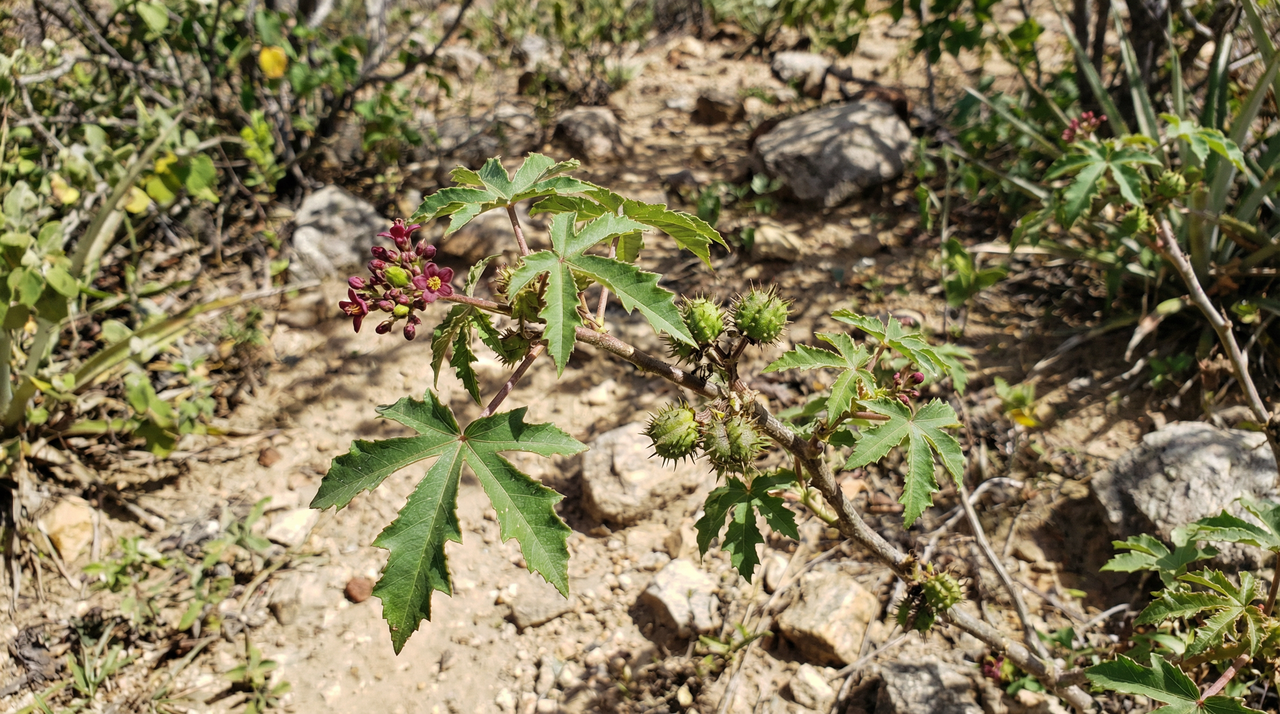
There was a moment, maybe a decade ago, when Jatropha curcas was going to save the world. I mean that almost literally. Governments, development banks, and biofuel startups were planting it by the millions of acres across sub-Saharan Africa, India, and Southeast Asia, pitching it as the miracle crop that would grow on "wasteland," require almost no water, and pump out diesel-grade oil while sequestering carbon and lifting rural farmers out of poverty. I watched the hype build from a distance, skeptical the way you get skeptical after enough seasons of watching silver-bullet plants get oversold. And then, more or less on schedule, the whole thing quietly collapsed.[1] Yields were inconsistent. The "wasteland" turned out to need decent soil and water after all. And the seeds, famously, are toxic enough to kill a child.
What nobody tells you is that the collapse of the biofuel dream didn't make Jatropha less interesting. If anything, it stripped away the hype and left the actual plant, which is genuinely remarkable in ways that have nothing to do with jet fuel. I've used it in dry-climate permaculture designs as a living fence and erosion anchor, watched it shrug off drought conditions that had everything else in the system looking desperate, and I've handled its milky latex with the same careful respect I give any Euphorbiaceae. This is a plant with a long, complicated, continent-crossing history, a pharmacological profile that researchers are still actively untangling, and a set of real ecological functions that make it worth understanding. Just not, under any circumstances, worth eating.
Jatropha Origin, History, and Botanical Background
Jatropha curcas is a plant with a genuinely globe-trotting biography. Native to Mesoamerica, with its center of diversity concentrated in the Mexican states of Oaxaca and Chiapas, it was carried across the tropics by Portuguese traders in the 16th century and is now naturalized across Africa, South Asia, and Southeast Asia.[2][3][4] Colonial botanical records document the plant as early as the 16th century through Francisco Hernández's Spanish accounts, with Linnaeus formally naming it in Species Plantarum in 1753.[5][6] The Caribbean populations you sometimes see cited as native are almost certainly introductions, not original range.
Botanical Characteristics of Jatropha curcas
The scientific name of jatropha, Jatropha curcas, places it firmly in the family Euphorbiaceae, a relationship that explains a lot about its biology. The common names tell a more colorful story: Physic Nut (for its notorious purgative properties), Barbados nut, and Poison nut all reflect the dual nature of a plant that heals and harms depending on the dose and preparation.[7][8]
As a tropical perennial, it lives long. Under good conditions, a jatropha shrub can persist for 20 to 50 years, with productive yields typically sustained across the first 20 to 30 of those.[9][10] What makes it so useful in regenerative systems is its polycarpic habit: it flowers and fruits repeatedly across its lifespan, and can begin producing within one to two years of planting.[11][12] I think of it the way I think about pigeon pea: not glamorous, but a workhorse that keeps delivering once it's settled in. The broader Jatropha genus spans a wide native range, from J. fournieri and J. multifida through Mexico and the Caribbean to the curious case of Jatropha verniciflua, which turns out to be a taxonomic ghost. That name actually refers to Toxicodendron vernicifluum, the East Asian Varnish Tree, a species with no real relationship to our subject beyond the misplaced label.[13][14]
Visual Features and Identification of Jatropha
In the field, jatropha is easy to recognize once you know what to look for. It typically reaches 2 to 6 meters tall, though plants in their native Mesoamerican habitats can push toward 10 meters, with a spreading to upright habit, alternate palmately lobed leaves (usually 3 to 7 lobes, 6 to 15 centimeters across), and stems that start smooth and green before maturing to grayish-brown and rough.[15][16] The deep taproot and lateral root system are what give it that impressive drought tolerance. I've noticed in my own design work that plants on leaner, drier soils stay compact and almost shrubby, while well-watered specimens in rich substrate can surprise you with how vigorous they get.
The flowers are small, greenish-yellow to red, arranged in axillary cymes, and the fruits are trilocular capsules that shift from green through yellow to black as they ripen, each holding two to three mottled seeds.[17][18] The single most reliable identification cue, though, is the milky white latex that bleeds from any cut stem or leaf.[15][19] That latex, combined with the lobed leaves and spineless stems, distinguishes it quickly from thornier Euphorbiaceae relatives. The plant also sheds its leaves during dry periods as a deliberate water-conservation response, so don't be alarmed by a deciduous-looking shrub in the dry season.[20] Related species like J. multifida (with dramatically larger lobed leaves up to 30 centimeters and bright red flowers) and J. fournieri (evergreen, simple elliptic leaves, scarlet blooms) show just how morphologically varied the genus is despite sharing those Euphorbiaceae hallmarks.[21][22]
Traditional and Cultural Uses Across Continents
Long before the biodiesel industry discovered jatropha, Aztec and Mayan communities were using it as medicine. Seeds, leaves, bark, and roots all had roles: treating skin ailments, digestive problems, wounds, snakebites, and as a purgative when nothing else was available.[3][23] As the plant spread through Portuguese trade networks, those medicinal traditions traveled with it and adapted. Across Africa, Asia, and Latin America, leaf poultices were applied to wounds and inflamed joints, bark decoctions used for fever and diarrhea, and seed preparations deployed, cautiously, for purgative effects.[24][25]
The cultural layers go deeper than medicine. In West Africa it earned the nickname "African candlewood" for use as torch fuel and in purification ceremonies; in South Asian Ayurvedic traditions it was planted to ward off negative energies; in parts of Southeast Asia it was grown near homes as protection against lightning.[26][27] In my consulting work, I always flag the toxicity front and center whenever a client asks about traditional preparations. The purgative reputation is genuinely ancient and cross-cultural, but that history doesn't make home experimentation safe. Traditional practitioners worked within knowledge systems developed over generations; a leaf decoction prepared carelessly is not the same thing.
Modern biofuel interest since the late 20th century has in many places disrupted or displaced that traditional knowledge continuity.[3] What fascinates me about this plant as a designer is exactly that tension between healer and hazard, a theme that runs through its entire documented history across four continents.
Fun Facts and Modern Paradoxes of Jatropha
The early 2000s biofuel boom around jatropha reminds me of every other "miracle" permaculture plant I've watched get overhyped then quietly abandoned. The pitch was compelling: seeds containing 30 to 40 percent oil by weight, a plant that grows on marginal land with minimal inputs, and yields projected at 1.5 to 3 tons of seed per hectare.[28][29] What actually happened in commercial plantings was lower yields, high labor costs, serious toxicity management challenges, and real ecological concerns.[30] The plant performed well on marginal soils in the sense that it survived; it did not deliver consistent returns.
That vigorous survival instinct is, of course, exactly why jatropha has become invasive in parts of Hawaii, Australia, Africa, and across Pacific Island ecosystems, forming dense thickets that crowd out native species.[31][32][33] It's managed as invasive in Hawaii but is not currently listed as federally noxious in the US, a regulatory gap worth knowing if you're considering it for a warm-climate hedge. And then there's the genus's taxonomic curiosity: the name Jatropha verniciflua turns out to belong not to any true Jatropha at all, but to the East Asian Varnish Tree (Toxicodendron vernicifluum), whose sap has been used for urushi lacquer with Neolithic evidence stretching back around 7,000 years.[34][35] Getting identification right matters enormously with this genus. The consequences of confusing relatives in the Euphorbiaceae family are not trivial.
Jatropha Varieties and Where to Buy Them
Notable Varieties and Breeding Lines of Jatropha curcas
Jatropha curcas doesn't really have a cultivar catalog the way a rose or tomato does. What exists instead is a patchwork of improved landrace selections and breeding lines developed almost entirely around biofuel goals, not garden performance or flavor. After reading through a stack of breeding papers and growing a few of the low-toxicity Indian selections side by side, I can tell you the differences are real and worth understanding before you source anything.
The major programs have focused on four traits: yield, drought tolerance, regional adaptation, and toxicity reduction. The Rajendra series out of India (Rajendra Jatropha-1 and -2), African selections like Gbi, Brazilian lines from Embrapa, and Mexican non-toxic accessions represent the most developed germplasm available.[36][37][38][39] Improved lines are typically bred to stay between 2 and 4 meters for easier harvesting, compared to wild types that push 3 to 6 meters.[40] Seed oil content in high-yielding selections like 'Darima' and certain African accessions averages 35 to 40%, with improved cultivars potentially yielding 3,000 to 5,000 kg per hectare versus 500 to 1,000 in unimproved wild stock.[41] Those numbers come from optimal conditions, so treat them as ceilings rather than guarantees until you've trialed a line in your own climate.
The most consequential variable is phorbol ester concentration. Wild types can carry up to 5 mg/g; the best low-toxicity lines get that below 0.1 mg/g through mutation breeding, marker-assisted selection, and hybridization.[42][43] I noticed visible differences in sap irritation between high-toxicity and low-phorbol accessions when I grew them side by side, which tells me those reductions are physiologically real. The honest trade-off is that cultivated lines tend to be more vulnerable to leafhoppers, stem cankers, and root rot than their wild counterparts, which retain stronger evolutionary pest defenses.
On the ornamental end of the genus, the compact 'Variegata' form of Jatropha fournieri tops out around 1 to 2 meters with cream-and-green foliage and is primarily a landscape curiosity rather than a seed producer.[44][15] The scale difference between a tidy 1-meter variegated shrub and a 4-meter biofuel jatropha is worth keeping in mind for smaller Florida landscapes. One final nomenclature warning: if you see anything sold as "Varnish Tree (Jatropha verniciflua)," walk away. That's actually Toxicodendron vernicifluum, a completely unrelated East Asian lacquer tree in the Anacardiaceae family with severely allergenic sap.[45][46] I always check nomenclature before recommending anything, and that one has tripped up more than a few buyers.
Sourcing Jatropha Plants and Seeds
Jatropha curcas is not something you'll find at a typical garden center. In the US, it's available mainly through specialty tropical nurseries and online seed suppliers including Top Tropicals, Sheffield's Seed Company, Logee's, and occasional Etsy listings.[47][48] It's classified as an introduced species in Florida, Texas, and California and appears on state invasive watch lists, so check your local regulations before ordering.[4][49] Seed packets typically run $5 to $15 for 10 to 50 seeds; live one-gallon plants go for $20 to $40. International orders add $10 to $50 in shipping and require a phytosanitary certificate for USDA APHIS compliance.[50][51]
I only buy jatropha from nurseries that provide clear toxicity disclosures. The seeds look deceptively like edible nuts, which is a serious risk around children and pets. There's no uniform federal labeling mandate for toxic ornamentals, but some states including California do require seller warnings, and nurseries can face liability if they don't disclose adequately.[52][53] If a supplier can't tell you the toxicity profile or provenance of what they're selling, that's a reason to look elsewhere. For ornamental relatives like the variegated Nettlespurge, TradeWindsFruit.com, Plant Delights Nursery, and Missouri Botanical Garden referrals are your best starting points.[15][54]
Jatropha Propagation and Planting Guide
Getting jatropha established is honestly more straightforward than the plant's reputation suggests, but there are a few places where skipping the details costs you real time and real seed. The biggest one is storage.
Seed Characteristics, Storage, and Viability
Jatropha curcas seeds are orthodox, meaning they tolerate being dried down to 5-8% moisture and can stay viable for 5-10 years or longer when sealed in airtight containers with desiccants at 5-10°C.[55][56][57] That sounds reassuring until you factor in the oil. With a seed oil content of 40-50%, jatropha seeds go rancid fast if moisture creeps above 10% or relative humidity rises past 75%, and they're prone to Aspergillus and Fusarium contamination under those conditions.[58][59] Provenance matters too: Mexican and African seed sources typically hold 80-95% viability after 3-5 years, while some Indian cultivars can drop to 50-70% in the same window.[41][60]
I lost two batches of seed to mold in my first Florida summer before I started treating jatropha seed the way I treat my pepper seed: refrigerator, silica packets, sealed jar. Now I also run a quick tetrazolium test on a sample before I commit to a sowing -- it stains living embryo tissue and takes the guesswork out of whether the seed is worth planting.[61][62] X-ray radiography works too for bulk assessment if you have access to it, revealing embryo fill and mechanical damage without destroying the seed.[63]
Propagation Methods for Jatropha
The seeds themselves are 1.5-2 cm long, dark brown-black, with a hard woody coat that slows water uptake. A quick nick with a file or an overnight soak speeds things up considerably; scarified seed sown at 25-30°C germinates at 70-90% within 7-14 days. Always wear gloves when you're handling seed or taking cuttings -- jatropha sap and seeds contain irritants and curcin, and I keep all of it away from kids and pets without exception.
That said, most serious growers don't rely on seed for production plants, and there's a good reason for it. Semi-hardwood stem cuttings treated with IBA root in 4-6 weeks at 60-80% success and come out true to type.[64] Cleft or whip-and-tongue grafting onto a suitable rootstock achieves 70-85% success and is the preferred route for propagating elite genetics where yield and oil quality matter.[65] Both methods give you plants that fruit earlier than seedlings, which I'll come back to in the timeline below. One brief note on genus confusion: any propagation information referencing "Jatropha verniciflua" is actually describing the completely unrelated lacquer tree, Toxicodendron vernicifluum (Anacardiaceae), and should be disregarded entirely for jatropha work.[66] And if you're working with Jatropha fournieri, know that its seeds behave as recalcitrant or intermediate, requiring 20-30% moisture, cool temperatures, and losing viability within 6-18 months, so standard dry storage will kill them fast.[67][68]
Soil Requirements and Site Selection
Jatropha curcas will grow in sandy loam through clay loam, tolerates pH anywhere from 5.0 to 9.0 (optimal 6.5-7.5), handles modest salinity up to 8-10 dS/m, and can push through soils with as little as 0.5% organic matter.[4][69][59] What it absolutely will not tolerate is standing water. Its taproot can reach 3-5 m deep, and waterlogged soil around that root system invites rot fast.[70] Drainage is the non-negotiable.
I always run a soil test before planting, even in sandy Florida ground. I've grown jatropha in both high-pH sandy sites and heavier amended clay, and the plant survived both, but when I brought a pH 8.0 planting back down to 6.8 with sulfur (0.5-1 t/ha is the standard rate for alkaline soils), seed production in that spot roughly doubled the following season. Lime at 1-4 t/ha corrects overly acid soils, and a biochar-plus-compost amendment at 5-10 t/ha makes a noticeable difference on genuinely degraded sites.[71] The plant is a pioneer, but it responds to thoughtful preparation. Full sun -- 6-8 hours of direct light -- is a firm requirement; this is a species native to tropical dry forest, not forest edge.[15][72]
Spacing, Planting Technique, and Initial Care
Spacing decisions for jatropha depend heavily on what you're actually trying to accomplish. Commercial biofuel plantings typically use a 2 m × 2 m grid (roughly 2,500 plants per hectare), while mechanical harvest rows open up to 4-6 m and intercropping alleys go wider still at 4-8 m.[73][74] For living fences, plants go in at 0.5-1 m centers, and that's where I've made my own mistake. I once put a hedgerow in at 50 cm centers in zone 9B and within two seasons had a dense, impenetrable barrier that was also trapping humidity and showing fungal lesions by midsummer. I now use 75-100 cm and weave in other guild plants to fill the gaps -- the fence forms more slowly but stays healthier. Mature plants reach 3-6 m tall with a 2.5-4.5 m canopy spread, so closer spacing really does translate directly into pest and disease pressure over time.[75][76]
In zone 9B I transplant seedlings outdoors only after the last frost threat has passed and nighttime temperatures are holding above 50°F. Seedlings started indoors at 75-85°F in a well-draining mix germinate in 2-4 weeks and go into the ground at 6-12 inches tall.[77][78] For the first year or two, water every 7-10 days -- deep and infrequent, not frequent and shallow. I use a half-strength 10-20-10 fertilizer every 4-6 weeks during that establishment phase; the higher phosphorus encourages root development rather than the soft, lush foliage that tends to attract pests in warm, humid climates.
Timeline from Planting to First Harvest
Seed-grown jatropha typically flowers within 4-6 months and reaches first seed harvest somewhere between one and two years under optimal tropical conditions.[64][79] Grafted plants accelerate that considerably, often flowering in 6-9 months and producing a meaningful yield within the first or second year.[65] That compressed timeline is the real argument for vegetative propagation when you're starting a production planting rather than a specimen hedge. In Central Florida, the lower end of these ranges is achievable in a warm, protected microclimate, but plan around the upper end to avoid frustration. Seed-grown stock rewards patience; grafted stock rewards the investment in sourcing quality material upfront.
Jatropha Care Guide
Caring for jatropha is really a study in extremes. The plant shrugs off drought conditions that would wilt most shrubs, yet a single night of hard frost can kill it outright. It tolerates poor, marginal soils but punishes overwatering without hesitation. And it asks you to work up close with something that can seriously hurt you if you're careless. Once you understand those poles, though, jatropha is a surprisingly low-maintenance plant to grow.
Sunlight Requirements for Jatropha
Jatropha curcas evolved in tropical dry forests under full, unrelenting sun, and it needs that same exposure in cultivation. Six to eight hours of direct sunlight daily is the baseline for good growth and seed production.[80][81] Shade it and the plant will tell you quickly: etiolated, stretched stems, yellowing older leaves, poor flowering, and almost no seed set.[82]
The trickier situation is full sun combined with intense heat, which causes photoinhibition, leaf scorch along margins, and a measurable drop in photosynthetic efficiency.[83] I've watched young jatropha transplants in my Central Florida garden curl and bronze in afternoon summer sun the same way new mango or avocado seedlings do. The fix isn't shade long-term; it's a transitional buffer. A 30-50% shade cloth during the first season, reflective mulch at the root zone, and positioning taller companion plants to block the worst of the late-afternoon angle gets young plants established without sacrificing the sun exposure mature specimens need.[84][85]
Water Needs and Drought Tolerance
Once established, jatropha's drought tolerance is genuinely impressive. It can survive on as little as 300 mm of annual rainfall and endure 40-60 dry days without irrigation; optimal growth sits in the 500-800 mm rainfall range. In practice, I think of it like a well-rooted rosemary or established lantana: you can mostly ignore it during a dry spell and it will be fine. The first season is different. Young plants need deep, infrequent watering to drive roots down, and I make a point of letting the soil dry meaningfully between sessions rather than keeping it consistently moist.
The absolute rule with jatropha is drainage. Waterlogging causes root rot fast, and yellowing followed by rapid decline is the usual result. Excellent drainage is non-negotiable, whether you're planting in-ground or in a container. I've never managed to save a jatropha that sat in wet soil for more than a week during warm weather.
Fertilizing Jatropha: A Moderate Feeder on Marginal Soils
Jatropha curcas is a moderate feeder, and the word "moderate" matters here. One of the most consistent lessons I've drawn from trial, error, and eventual soil testing is that over-fertilizing these plants, especially with nitrogen, produces exactly what you don't want: lush, dark-green foliage, delayed flowering, and seeds that never develop properly. For productive plants, balanced NPK fertilization is useful, with annual rates in the range of 60-150 kg N/ha, 40-60 kg P/ha, and 40-150 kg K/ha split across applications.[86][87] But those numbers mean very little without a soil test to know where you're starting.
Stage matters, too. During establishment and flowering, lean toward higher phosphorus (something like a 10-20-10 ratio) to support root development and fruit set. During fruiting, a potassium-forward formula improves oil content in the seeds.[88][89] Learn to read deficiency symptoms before you reach for a fertilizer bag: uniform chlorosis on older leaves points to nitrogen; bronze or dark-green older leaves with delayed flowering suggest phosphorus shortage; marginal necrosis and leaf curl on older growth indicates potassium deficiency; interveinal chlorosis on young leaves, especially in alkaline soils, is usually iron.[90][91] Excess nitrogen brings its own problems: delayed flowering, pest-attracting succulent growth, and reduced seed oil content; excess phosphorus can trigger iron or zinc lockout.[92] Soil testing first, fertilizer second.
The plant tolerates pH 6.0-8.5 (optimal 6.5-7.5), handles salinity up to EC 8 dS/m in some conditions, and responds well to organic amendments. Incorporating jatropha seed cake into the soil improves long-term fertility more durably than synthetics alone.[93][94] For ornamental Nettlespurge (Jatropha fournieri), feeding needs are lighter: a balanced 10-10-10 at half strength every four to six weeks during the growing season does the job, and high-nitrogen formulas specifically reduce flowering on that species.[95][96]
Frost Tolerance and Cold Protection
Jatropha curcas is a tender tropical with no real frost hardiness. It's reliably suited to USDA zones 9b-11, tolerating brief dips to around 25°F (-4°C) at best, with optimal growth between 20-30°C.[97][20] Cold damage shows up as leaf yellowing, bronzing, or purpling first, then necrosis and drop, then stem dieback. Hard freezes kill young plants outright and often kill established ones to the ground.[98]
A quick taxonomy note before you go looking for cold-hardy jatropha relatives: references to "Jatropha verniciflua" or Varnish Tree typically mean Toxicodendron vernicifluum, which is an entirely unrelated plant hardy in zones 6-9 and not a true jatropha at all.[15] Don't let that naming confusion lead you astray.
In zone 9b, I treat jatropha the way I treat tender citrus or plumeria: heavy mulch over the root zone going into winter, frost cloth or old bedsheets on cold nights, and container specimens moved indoors above 50°F when a hard freeze threatens.[99] Some breeding programs have pushed cold tolerance marginally further, with select genotypes surviving brief exposure to around -4°C, but those lines aren't widely available yet.[100]
Heat Tolerance and Heat-Stress Mitigation
On the other end of the thermal spectrum, jatropha curcas handles heat that would devastate most temperate crops, surviving air temperatures up to 45-50°C in arid conditions and rated for AHS Heat Zone 10 and above.[101][102] But there are real thresholds. Photosynthesis slows above 35°C, metabolic damage accumulates during prolonged exposure above 40°C, and nights below 15-20°C undermine recovery from daytime heat stress. The symptoms to watch for are wilting, browning leaf margins, chlorosis, curling, flower drop, and reduced seed set.[103]
Central Florida summers put the plant squarely in that stress window for weeks at a time. What I've found works: 5-10 cm of organic mulch to buffer soil temperature, drip irrigation of around 20-30 liters per plant per week during peak heat (applied early morning or evening, not midday), and shade cloth for first-year transplants.[103][104] Indian and Mexican accessions tend to handle high heat better than other sources, which is worth considering when selecting planting stock.[104] Ornamental Nettlespurge (J. fournieri) is rated for AHS Heat Zones 10-12, though its seedlings and flowers are sensitive above 32-35°C, with impacts on pollen viability and fruit set.[105][106]
Pruning, Maintenance, and Safety Considerations
I'll be direct here: every part of this plant is toxic. Curcin in the seeds, irritant latex throughout the sap. I always wear gloves, long sleeves, and eye protection when I prune or harvest jatropha. The latex causes significant skin irritation and the seeds are seriously toxic if ingested.[15] Wash skin immediately if you get sap on it. Keep children and pets away during any work on this plant. That's not boilerplate; it's a real constraint on how you handle routine maintenance.
With safety sorted, pruning itself is straightforward. For jatropha curcas, the best timing is annually after seed harvest, or in late winter before new growth flushes. Remove dead, diseased, or crossing branches; top at 1-2 meters to keep the plant accessible and to improve light and airflow through the canopy. On young plants, light tip pruning encourages branching and a bushier form rather than a lanky single stem. In plantation settings, cutting back to 80-100 cm height aids harvest and has been shown to increase yields by 15-30% in some cultivars.[107][108] Good airflow from regular pruning also reduces the conditions that favor fungal disease, a point worth keeping in mind even if you're growing just one or two plants.
For ornamental Nettlespurge, prune in late winter or lightly after flowering. Container specimens benefit from annual reduction by up to one-third to maintain a manageable 4-6 foot height, and staking is worth doing in windy sites.[109] For both species, apply 2-3 inches of organic mulch around the base, keeping it clear of the stem, to hold moisture and moderate soil temperature. In marginal cold zones, push that mulch depth to 4-6 inches before the first expected frost and combine it with frost cloth for extra insurance.[110]
Seasonal Rhythm of Jatropha
In tropical and subtropical climates, jatropha curcas grows year-round but its energy clearly follows rainfall. The wet season drives the main vegetative flush and flowering push, typically March through September, with fruiting running from roughly June into December depending on location.[111][112] In my Central Florida garden, that rhythm is driven much more by rain than by temperature swings, and I've learned to let the plant set the calendar rather than following a fixed schedule.
During dry-season dormancy, ease back on both irrigation and feeding. Resume when rains return and you see the plant pushing new growth. This natural pause is also why post-harvest pruning in the late dry season makes sense: you're cutting back just before the plant's own flush of energy, so it responds by branching aggressively into the new growing period. Follow the plant's cues and the rest of the care guide slots into place around it.
Harvesting Jatropha Seeds and Oil
Timeline: From Planting to First and Peak Yields
Patience is the first tool you need for jatropha. Plants grown from seed will give you a look at their first fruits within 12-18 months, but don't count on meaningful production until year three or four.[113][64] Grafted or well-managed specimens tend to hit their stride around years four to five, which is when yield becomes genuinely reliable.[114] Once a flower sets, you're looking at roughly 60-90 days to harvest-ready fruit, with the seeds reaching peak oil content and dry weight somewhere in that 50-70 day window post-flowering.[115][64] Seasonality varies considerably by region: in India the harvest window runs roughly August through November, while tropical African zones tend toward September through December.[116][117] In equatorial climates the plant can flower and fruit year-round, but in semi-arid zones the rhythm ties firmly to the dry period that follows the rains, typically three to five months after the rainy season starts.[117][118] In my experience growing in humid subtropical conditions, that post-rain dry spell is genuinely useful: capsules yellow predictably and the lower ambient humidity gives you a head start on drying seeds before mold becomes a problem.
Maturity Cues and Optimal Harvest Windows
The visual signal is clear once you know to look for it. Capsules shift from green to yellow and begin to split, and at that point the seeds inside are hard, dark, and at peak oil content.[119][117] Don't wait for full dehiscence. Jatropha capsules open explosively and scatter seeds well beyond reach, so you want to catch them just as the splitting starts.[120] The catch is that ripening across a single plant is never uniform; some clusters are ready while others are still weeks out. Plan on multiple passes through the harvest season, checking weekly at minimum. It's a rhythm similar to harvesting okra or dry beans, where you can't walk through once and call it done.
Harvest Technique, Post-Harvest Handling, and Storage
Hand-pick capsules when they're yellow and just beginning to crack, collecting them before the seeds launch.[119][120] I wear gloves every single time. The latex in every part of this plant is not gentle on skin, and the seeds carry enough phorbol esters that I'm not interested in casual contact. Short sessions over several weeks beat one long push at the end of the season.
Once you've got capsules in hand, thresh them to remove pods, sort out any debris, and spread the seeds in a shaded area for a day or two to begin curing.[121] From there, shade-dry for one to two weeks until moisture content drops to 8-12%, ideally below 10%. Direct sun will overheat the seeds and compromise oil quality.[121] In my experience, seeds dried carefully to that low-moisture target press noticeably cleaner oil, which matters whether you're running them through a cold press for biodiesel or rendering soap stock. Store the dried seeds at 10-20°C in airtight containers with relative humidity kept below 60-70%; under those conditions viability holds for up to two years.[121]
Seed Yield, Toxicity, and Sensory Profile
Everything harvested from Jatropha curcas goes to oil extraction or non-food uses, and the seed's sensory profile explains why. Raw seeds are bitter, astringent, and leave an unpleasant aftertaste; the volatile compounds driving that aroma include hexanal, octanal, and nonanal.[122] The kernels themselves are soft and mealy with a greasy, oily mouthfeel that reflects an oil content of 30-40% or more.[123] Refined jatropha oil does shift toward a mild, neutral-to-nutty profile, but raw oil remains pungent and bitter, and the seed cake left after extraction is more bitter still.[124]
None of that is an invitation to taste-test. Phorbol esters and curcin make these seeds genuinely dangerous; ingestion causes severe gastrointestinal distress and can be fatal.[125][126] The combination is no joke -- even a few raw seeds have sent people to the hospital. I keep seeds away from children and livestock without exception, and gloves go on before I touch anything.
Geographic origin and cultivar selection do affect both oil yield and toxin load. Tropical African and Asian accessions frequently produce oil in the 35-40% range with lower phorbol ester concentrations, while Central American and Mexican wild types tend to run higher on toxicity.[127] Some breeding programs have developed low-phorbol lines specifically for biofuel production, and if you're sourcing plants for any application that edges toward oil use, those selections are worth seeking out.[128] Most plants in home landscapes remain firmly in the toxic-wild-type category, which means the preparation section's detoxification protocols apply in full.
Jatropha Preparation and Uses
I want to be direct before anything else: jatropha is not a plant you experiment with casually. Every part of Jatropha curcas contains curcin, a toxalbumin, and phorbol esters that act as potent irritants and tumor promoters, with the highest concentrations packed into the seeds.[129][130] Ingesting as few as three to five seeds can kill a child, and adults are not safe either: clinical case reports describe rapid-onset hemorrhagic diarrhea, severe vomiting, circulatory collapse, and multi-organ failure following seed ingestion, with phorbol-ester oral LD50 values as low as 0.2 mg/kg.[130][131] The seeds contain an impressive nutritional profile on paper, 20-30% protein, 50-60% oil rich in oleic and linoleic fatty acids, and meaningful levels of vitamin E, but that profile is purely academic until the toxins are gone, and they are never fully gone.[132] If you're growing it, post signage. If children or pets are nearby, reconsider placement entirely.
Culinary Uses and Toxicity Risks of Jatropha curcas
The traditional culinary record for this jatropha fruit is thin and hedged with hazard. Sporadic ethnobotanical records document emergency use of young leaves as famine food in parts of Africa, India, and Latin America, and occasional consumption of roasted, dehusked seeds as a snack in Mexico and Central America, but these are never staple practices.[133][134] Traditional processing, prolonged boiling, roasting at 150-200 °C for 20-60 minutes, lime soaking, fermentation, can reduce phorbol esters by up to 90%, but that number does not mean safe.[135] I think about this the way I think about bitter cassava: the difference is that generations of refinement have made cassava processing reliable and replicable. Jatropha detoxification remains experimental, and the FAO, USDA, and WHO all classify this species as unsuitable for human or animal consumption without expert processing, partly because the long-term carcinogenic risk from residual phorbol esters is still poorly understood.[69][136] I would never plant this near a kitchen garden. The misidentification risk alone, since its palmate leaves and milky sap cause it to be confused with cassava and castor bean in the field, makes proximity to food systems genuinely dangerous.[129]
Traditional Medicinal Preparations from Jatropha
Traditional healing systems across Africa, Asia, and Latin America have worked with this plant for centuries, and the preparations they developed are specific: leaf decoctions taken at 50-100 mL daily for fever, jaundice, and joint pain; seed oil applied topically for eczema, ringworm, and skin infections; root-bark decoctions used in African systems for malaria and diarrhea; and fresh latex painted directly onto warts.[24][25] Related species follow similar patterns: in Caribbean traditions, Nettlespurge (Jatropha fournieri) leaves are prepared as poultices for wounds and rheumatism and as decoctions for coughs, though internal use carries the same risks from diterpenoid esters.[137] I respect this ethnobotanical knowledge, but I treat these preparations as historical records rather than how-to guides. Even when using the oil topically, I wear gloves and keep everything away from eyes and mucous membranes. The same chemistry that makes jatropha leaves worth studying as a source of anti-inflammatory and antimicrobial compounds makes a careless preparation genuinely dangerous. If you're considering any medicinal use of jatropha, stop and consult someone with deep training in medicinal plant chemistry. The research is not there yet to support home experimentation.
Non-Food and Industrial Uses of Jatropha
The dominant modern story for jatropha uses is biodiesel. The seed oil, extracted at 30-40% content and potentially yielding 1-5 tonnes per hectare, became the feedstock of a global biofuel boom that promised energy independence for tropical nations.[138] I evaluated it seriously as a potential oil crop years ago and ultimately set it aside for home-scale use once I understood that the press-cake remaining after oil extraction stays persistently toxic, eliminating its value as animal feed and creating a disposal problem most small growers aren't equipped to handle. Historically, before the biodiesel era, the oil fueled lamps, lubricated machinery, and entered global trade in the 19th and early 20th centuries; leaf extracts served as veterinary pesticides against livestock ectoparasites.[24][7] Where I've found it genuinely useful in my own design work is as a living fence. Growing 1-2 meters per year with dense branching and foliage toxic enough to reliably deter livestock, it creates a fast, stockproof boundary that also functions as a firebreak in dry savannas, and I always pair it with clear signage for human safety.[27] One clarification worth making here: the Varnish Tree sometimes linked to jatropha in older literature is actually Toxicodendron vernicifluum, an entirely unrelated genus. Its urushiol-rich sap has been refined for over 7,000 years into the durable lacquer behind Chinese, Japanese, and Korean lacquerware traditions, a remarkable cultural heritage, but the sap causes severe allergic contact dermatitis and the species has no place in permaculture design.[139] The only thing it shares with jatropha is a reputation for demanding serious respect from anyone who handles it.
Jatropha Health Benefits and Medicinal Uses
Jatropha has a long and genuinely impressive medicinal history, and I want to honor that before I get to the part where I tell you to keep it well away from your medicine cabinet. Across Africa, Asia, and Latin America, communities have used Jatropha curcas for centuries to treat rheumatism, skin diseases, infections, diabetes, wounds, and intestinal parasites, with Ayurvedic practitioners focusing on dermatological applications and Caribbean healers emphasizing its antimicrobial properties.[140][141][142] That's not folk superstition; it's a signal that the plant is biologically active. The research backs that up, even if it also explains why you shouldn't experiment casually.
Traditional Medicinal Uses of Jatropha
The traditional record is consistent enough across widely separated cultures that researchers took notice. Leaf decoctions for fever and skin infections, latex applied to wounds, root preparations for digestive complaints, these uses appear from West Africa to South Asia to the Caribbean with enough overlap that they point toward real pharmacological activity rather than coincidence. That said, traditional use always involved people who understood the plant intimately, including how to prepare it, what dose made sense, and what to avoid.
Key Phytochemicals in Jatropha: Phorbol Esters, Curcin, and Flavonoids
The chemistry here is genuinely fascinating, and understanding it explains everything about why Jatropha is both promising and dangerous. The plant's signature compounds are diterpenoid phorbol esters, concentrated most heavily in seed kernels at up to 5% of dry weight, though levels vary significantly by cultivar and growing conditions, with lower concentrations in leaves and stems.[143][144] Alongside those are curcin, a ribosome-inactivating protein structurally similar to ricin, plus flavonoids, alkaloids, cyanogenic glycosides, and lectins. I think of the phytochemical variability a bit like how drought stress concentrates essential oils in Mediterranean herbs; the plant's environment and genetics both matter enormously for what ends up in the tissue, and that variability makes standardization extremely difficult.
Related species show some useful contrasts. Jatropha fournieri carries a flavonoid-rich profile including apigenin, luteolin, quercetin, and kaempferol derivatives, along with diterpenes and saponins, but at generally lower toxicity levels than J. curcas.[24] One quick taxonomy note for anyone who's come across references to "Jatropha verniciflua" or the Varnish Tree in medicinal literature: that plant is actually Toxicodendron vernicifluum, an Anacardiaceae species whose active compound is urushiol, not phorbol esters.[145][146] I always cross-check botanical databases like USDA GRIN when names like that come up; the family difference alone (Euphorbiaceae versus Anacardiaceae) is a major red flag that you're looking at completely different chemistry.
Pharmacological Research and Potential Benefits
The preclinical data on jatropha leaf benefits and related compounds is genuinely impressive in breadth. Leaf extracts have shown anti-inflammatory effects in animal models comparable to diclofenac, suppressing cytokines like TNF-α and IL-6 as well as COX-2 and NF-κB pathways, alongside strong free radical scavenging in standard DPPH and ABTS assays.[147][148] Antimicrobial studies show activity against Staphylococcus aureus and E. coli, with flavonoids and diterpenes disrupting microbial membranes.[149][150] Rodent models also point to analgesic and diuretic activity, lending some scientific weight to traditional uses for pain and edema.[151] Topical applications have accelerated wound closure and collagen deposition in excision models, likely driven by curcain proteases.[152] Anti-diabetic effects via α-glucosidase inhibition and GLUT4 translocation have been demonstrated in rodents,[153] and hepatoprotective activity involves Nrf2-mediated reduction of oxidative stress.[154] Anticancer work is perhaps the most striking: curcin induces apoptosis in breast and colon cancer cell lines through caspase activation and p53 upregulation.[155][156]
All of that is preclinical. Human clinical data for Jatropha curcas is extremely limited, with no large-scale trials confirming efficacy or safety in people.[157] The preclinical promise is genuinely exciting, but without robust human trials, I wouldn't recommend any medicinal use beyond established traditional contexts under expert guidance. That's not vague hedging; it's the honest state of the research.
Nutritional Profile of Jatropha
Seeds do contain 25-35% oil and roughly 20-25% protein, and leaves carry vitamins A and C along with some minerals. None of that matters practically, because all parts of the plant are toxic and there's no established safe way for a home gardener to prepare any part of it as food. This is not a permaculture food crop. The nutritional content is a data point, not an invitation.
Safety Concerns and Toxicity of Jatropha
I want to be direct here because this part deserves it. Every part of Jatropha curcas is toxic. Phorbol esters activate protein kinase C in ways that cause severe cellular disruption, and curcin, structurally analogous to ricin, inactivates ribosomes. Symptoms of poisoning include nausea, vomiting, diarrhea, abdominal pain, and dehydration, with serious cases progressing to cardiovascular collapse or organ damage. The LD50 sits around 25-50 mg/kg in mammals, and documented human and livestock poisoning cases are not rare.[158][159][160]
The latex from stems and leaves causes contact dermatitis and eye irritation; I've worked with this plant in landscape designs and always wear gloves without exception because that milky sap is not something you want on your hands or anywhere near your face.[161][162] The seeds are visually attractive to children and animals, which means placement in any garden needs to account for that. Heat and fermentation can reduce phorbol ester levels but don't reliably eliminate them, and there is no established safe internal dosage. Respecting what this plant can do in a landscape is reasonable; experimenting with it medicinally at home is not.
Jatropha Pests and Diseases
For a plant that produces milky latex laced with phorbol esters and bristles with trichomes on its leaves and stems, jatropha starts with a serious defensive advantage over most garden shrubs.[163][164] In fifteen years of working with Jatropha and related euphorbs, I've never needed synthetic pesticides when the cultural basics are in place. The plant's own chemistry does most of the heavy lifting.
Natural Pest Resistance in Jatropha curcas
Generalist feeders like scarab beetles and grasshoppers tend to leave jatropha alone, and resistance to leafhoppers and aphids is reasonably good, though it does vary by genotype and environment.[127] Where jatropha really shines is in polyculture. Diverse plantings support the predators and parasitoids that knock back whatever pressure does build up, an advantage that essentially disappears in monoculture systems.[165] From a permaculture standpoint, this is exactly the kind of argument for companion planting that's easy to demonstrate in the field.
Common Insect Pests and Their Management
The chemical armor has real gaps. Specialized pests have evolved right past it: fruit borers (Heliothis spp.), pod borers (Taragama iwasaki), weevils (Apion spp.), whiteflies (Bemisia tabaci), and mealybugs (Phenacoccus solenopsis) can all cause meaningful damage, and in humid tropical conditions susceptible strains have reported yield losses of 30 to 50 percent.[127][166] Whiteflies deserve extra attention because they vector Jatropha mosaic virus, so what looks like a minor sap-sucking problem can turn into something systemic. I label seedlings carefully in the first season because early aphid stress looks remarkably like a nutrient deficiency, and misdiagnosing it leads to the wrong response entirely. Related species aren't immune either: Jatropha fournieri picks up spider mites and leaf beetles, so don't assume the genus offers uniform protection.[167] Breeding programs have produced cultivars like 'Darasa', 'Gajavellu', and 'Chitakuta' with improved tolerance to leaf miners, aphids, and fruit borers, which is worth knowing when you're sourcing planting material.[168]
Major Diseases Affecting Jatropha
Fungal problems are where jatropha's defenses fall shortest. Leaf spot from Cercospora jatrophae or Alternaria spp. shows up as necrotic lesions on the foliage, and powdery mildew can appear in humid, poorly ventilated conditions.[169] The more serious threat is below ground: Rhizoctonia, Fusarium, Macrophomina, and especially Phytophthora spp. can cause root and stem rots that kill plants quickly when drainage is poor or soils stay waterlogged.[170] Bacterial wilt from Ralstonia solanacearum and root-knot nematodes (Meloidogyne spp.) round out the disease picture, causing galling and stunting that's easy to miss until a plant fails to perform.[169] Colletotrichum anthracnose affects both J. fournieri and J. verniciflua as well, so jatropha tree fungus problems aren't unique to the anchor species.[171]
Genetic Variation, Breeding, and Integrated Management Strategies
Resistance to foliar pathogens varies considerably by genotype; certain Mexican and African accessions show notably higher tolerance, though resistance to soil-borne pathogens like Phytophthora remains generally low across the board.[172] For client plantings, I default to locally adapted, higher-tolerance accessions rather than untested biofuel varieties sourced from distant programs. USDA, ICAR, and CAZRI have released lines like JC-1 and JC-12 with improved disease tolerance, and that kind of documented breeding history matters when you're choosing what to put in the ground.[173][174]
On the management side, the same well-drained, open planting sites that prevent Phytophthora root rot also happen to make jatropha a strong guild member with drought-tolerant companions. A disease weakness becomes a design constraint that pushes you toward better plant communities. Post-monsoon pruning with sanitized tools to open up airflow has kept leaf-spot incidence negligible in my experience without any fungicide inputs.[175] Beyond pruning, the integrated toolkit includes maintaining 2 to 2.5 meter spacing, applying Trichoderma as a soil inoculant, using neem extracts for sap-sucking outbreaks, and practicing strict sanitation.[176][177] Early detection and a call to local extension have consistently outperformed blanket sprays in every jatropha planting I've been involved with.
Jatropha in Permaculture Design
Jatropha curcas is not a food plant, and I want to say that upfront, because everything about how you use it in a design flows from that fact. What it is, though, is a genuinely tough pioneer for marginal situations where other shrubs would give up. I've worked it into boundary plantings on compacted, nutrient-stripped soils where establishing something like elderberry would have required years of soil-building first. Jatropha just gets on with it.
Ecosystem Functions and Soil Stabilization
The plant earns its place on degraded land through a combination of physical and ecological resilience. Its extensive deep root system binds slopes and reduces erosion in arid and semi-arid conditions, and researchers have looked seriously at its potential for phytoremediation of heavy metals in contaminated soils.[10][178] It doesn't fix nitrogen, so it fills a different niche than, say, a Leucaena hedge, but on truly degraded ground where nitrogen-fixers struggle to establish, Jatropha's tolerance for poor soils can make it the right first move.
Beyond soil work, it contributes meaningfully to pollinator habitat. Honey bees, large carpenter bees (Xylocopa spp.), stingless bees, butterflies, and flies all forage on its flowers.[8] I've noticed that interplanting with other flowering shrubs in the same guild consistently draws more carpenter bee activity, which matters because the plant is monoecious and many populations show some degree of self-incompatibility. Cross-pollination between multiple plants is critical for good seed set, and optimal conditions sit around 25-35°C with 60-80% humidity. Planting a single clone and expecting a biofuel harvest is a lesson in disappointment. Plant at least a few genetically distinct individuals and surround them with other flowering species, and the system rewards you.
Forest Layer Placement and Guild Integration
In a food forest framework, Jatropha curcas belongs firmly in the shrub layer, typically reaching 3-6 meters at maturity.[4][179] Its taproot can reach 5-6 meters deep to access groundwater,[180] which makes it excellent for windbreaks and living fences on the system's boundary, where its root depth is an asset rather than a competition problem.
Keep it well away from your productive growing zones. I learned this the direct way: reduced germination in understory plants near a Jatropha hedge sent me digging into the research, and sure enough, allelopathic effects from Jatropha extracts have been documented to inhibit seed germination in neighboring species.[181][182] Combine that with the plant's whole-body toxicity, and the design principle becomes simple: use it on edges, fences, and disturbed margins, not woven through a food-producing guild.
For genus breadth, a couple of relatives are worth knowing. Nettlespurge (Jatropha fournieri) tops out at 1.8-4.5 meters with moderate shade tolerance and shallower fibrous roots,[183][184] which can make it a more manageable sub-canopy option where you want the ornamental interest without the full anchor of J. curcas. Jatropha cordifolia fills a similar understory or sub-canopy slot at 3-6 meters.[185] Neither replaces J. curcas for the hard-site pioneer role, but they're worth considering if your goals are more ornamental or if site constraints favor something shorter.
Climate Adaptation and Hardiness Zones
Jatropha curcas is rated for USDA zones 9-11, with genuinely optimal performance in zones 10-11 where frost is rare or absent.[15][186] In zone 9b, where I garden in Central Florida, it's viable but it asks for thoughtfulness. Brief dips to 28-30°F (-2 to -1°C) are survivable; anything prolonged below freezing will cause leaf damage and dieback, and temperatures below 25°F (-4°C) can kill the plant outright.[15][186][187] The cold stress isn't just cosmetic; it disrupts photosynthesis, degrades chlorophyll, and causes membrane damage from ice crystal formation.[188]
What I've observed is that mature, established plants in protected microclimates, tucked against a south-facing masonry wall or sitting within an urban heat pocket, routinely shrug off frosts that take out younger specimens in more exposed positions. The root mass seems to matter a lot. Young plants in their first winter are the most vulnerable, so get them through that season with frost cloth and a warm placement, and your chances improve considerably. The jatropha biofuel literature almost exclusively models zone 10-12 performance, but growers working with jatropha as biofuel feedstock in zone 9b can make it work with that extra layer of microclimate attention.
The broader climate picture is generous within its range. The plant tolerates annual rainfall anywhere from 250-1,500 mm, handles temperatures up to 40-45°C, and once established, its deep taproot system makes it impressively drought-tolerant.[10][189] The failure point in humid subtropical climates is almost always too much moisture, not too little; waterlogging and excessive humidity invite root rot and fungal disease fast. Where containers or restricted drainage make sense for pushing it into a marginal zone, excellent drainage in the growing medium is non-negotiable.[190][191]
The Plant That Taught Me to Respect "Useful" More Carefully
I've stood next to Jatropha on three continents now, and it always looks the same: unbothered, thriving in places where nothing else bothers trying. That toughness is genuinely impressive. But I've also watched it escape a site I didn't fence well enough, and that memory follows me. It's a plant I keep in my design toolkit, not because it's easy, but because working with something this uncompromising has made me a more careful designer across the board.
Sources 191
- Jatropha: From wonder crop to biofuel bust ↩
- Jatropha curcas L. - Kew Plants of the World Online ↩
- The Origin and Early Dispersal of Jatropha curcas ↩
- Jatropha curcas ↩
- Species Plantarum by Carl Linnaeus (1753) ↩
- Colonial Encounters with New World Plants: The Case of Jatropha ↩
- Jatropha curcas: Botanical Profile ↩
- Jatropha curcas - USDA PLANTS Database ↩
- Jatropha curcas - Wikipedia ↩
- Physic Nut (Jatropha curcas L.) Cultivation, Utilization and its Role in Improving Livelihoods in Arid and Semi-Arid Regions ↩
- Missouri Botanical Garden Plant Finder ↩
- Jatropha Cultivation Guide ↩
- Kew Science - Plants of the World Online: Jatropha verniciflua ↩
- Toxicodendron vernicifluum - Missouri Botanical Garden Tropicos ↩
- Jatropha curcas ↩
- Jatropha curcas L. ↩
- The Botany of Jatropha curcas L. (Euphorbiaceae) ↩
- Botanical Description of Jatropha curcas ↩
- Jatropha curcas ↩
- Jatropha: A Multipurpose Plant ↩
- Jatropha multifida ↩
- Jatropha fournieri ↩
- Traditional Medicinal Uses of Jatropha curcas in Latin America ↩
- Ethnobotanical Uses of Jatropha curcas in Africa ↩
- Traditional Uses of Jatropha curcas in Folk Medicine ↩
- FAO Annotated Jatropha curcas Bibliography ↩
- Jatropha curcas: A Multipurpose Plant with Considerable Potential ↩
- Jatropha curcas: A Potential Source for Biodiesel Production ↩
- Prospects for Jatropha curcas as a biodiesel feedstock ↩
- Jatropha: A Promising Crop for Bioenergy, But Challenges Remain ↩
- Jatropha curcas L. (Euphorbiaceae): An Overview of Genetics, Phylogeny, Traditional Uses and Biofuel Potential ↩
- Jatropha curcas in the Global Invasive Species Database ↩
- Ecological Impacts of Jatropha curcas in Hawaii ↩
- Plants of the World Online (POWO) ↩
- The Lacquer Tree: History and Uses in East Asia ↩
- Breeding Strategies for Jatropha curcas: A Review ↩
- Development of Low-Toxicity Jatropha Varieties ↩
- Jatropha curcas: From Global Hype to Local Opportunity ↩
- Genetic Improvement of Jatropha in Brazil ↩
- Jatropha curcas L. (Physic Nut): a Review on its Botany, Uses and Cultivation ↩
- Genetic Diversity and Oil Content in Jatropha curcas ↩
- Phorbol Esters in Jatropha curcas: Toxicity and Detoxification ↩
- Non-Toxic Jatropha curcas: Opportunities and Challenges ↩
- Jatropha Species and Cultivars ↩
- Missouri Botanical Garden Plant Finder ↩
- Plants of the World Online (Kew) ↩
- Jatropha Curcas - Physic Nut ↩
- Jatropha Curcas Seeds ↩
- Jatropha - UF/IFAS Invasive Alert ↩
- Seeds of Jatropha curcas ↩
- Importation of Seeds into the United States ↩
- Toxicity of Jatropha curcas ↩
- California Nursery Labeling Regulations ↩
- Rare Jatropha Varieties ↩
- Seed Storage of Jatropha curcas L.: Viability and Longevity Under Different Conditions ↩
- Orthodox Seed Storage Behavior in Jatropha curcas: Effects of Temperature and Moisture ↩
- Genebank Standards ↩
- Physicochemical Basis of Non-Edible Oilseed Storage Stability ↩
- UF/IFAS Assessment of Jatropha curcas as a Biofuel Source ↩
- Germplasm Conservation of Jatropha curcas: Storage and Viability ↩
- Viability Assessment of Jatropha curcas L. Seeds by Different Methods ↩
- Tetrazolium Testing for Seed Viability in Jatropha curcas ↩
- X-ray Radiography for Jatropha Seed Assessment ↩
- Jatropha: An Alternative for Sustainable Biofuels Production ↩
- Grafting Techniques for Jatropha curcas to Enhance Productivity ↩
- Plants of the World Online - Toxicodendron vernicifluum ↩
- Recalcitrant seeds: a case study with Jatropha species ↩
- Seed longevity and storage in the genus Jatropha ↩
- Jatropha curcas: A Multipurpose Plant for Energy and More ↩
- Jatropha curcas Growth and Nutrient Uptake as Affected by Soil pH and Al and Mn Toxicity ↩
- Effects of Biochar on Jatropha curcas Growth and Soil Properties ↩
- Growing Jatropha in the United States ↩
- Jatropha curcas: A Multipurpose Plant for Biofuel and More ↩
- Planting Density and Spacing for Jatropha Plantations ↩
- Root System Architecture of Jatropha curcas ↩
- Effect of Plant Density on Productivity and Disease Incidence in Jatropha curcas ↩
- Jatropha ↩
- Jatropha curcas Growing Guide ↩
- Propagation and Cultivation of Jatropha curcas ↩
- Physiological Responses of Jatropha curcas to Light Intensity ↩
- Agronomic Practices for Jatropha curcas ↩
- Shade Tolerance and Growth Characteristics of Physic Nut (Jatropha curcas L.) ↩
- Photoinhibition and Recovery of Jatropha curcas Under High Light and Temperature Stress ↩
- Cultivation of Jatropha curcas under Semi-Arid Conditions: Heat Stress Mitigation Strategies ↩
- Shade Netting and Irrigation Effects on Jatropha curcas in High-Temperature Environments ↩
- Nutrient Management for Jatropha curcas L. ↩
- Fertilization Management in Jatropha Plantations ↩
- University of Florida IFAS Extension - Jatropha care for biofuel production ↩
- Oil yield response to fertilization in Jatropha curcas L. ↩
- Nutrient management of Jatropha curcas L.: a critical review ↩
- Micronutrient Deficiencies in Jatropha curcas: Symptoms and Management ↩
- Nutrient Management in Jatropha curcas ↩
- Soil Requirements for Jatropha curcas ↩
- Effect of Jatropha Seed Cake on Soil Fertility and Crop Yield ↩
- Jatropha fournieri ↩
- Fertilizing Ornamental Shrubs ↩
- Jatropha curcas ↩
- Frost Damage Symptoms in Tropical Plants: Case Study of Jatropha curcas ↩
- Frost Protection for Horticultural Crops ↩
- Cold Tolerance of Jatropha curcas L. Genotypes ↩
- Characterization of heat-shock response in Jatropha curcas L. under thermal stress ↩
- Agro-climatic requirements of Jatropha curcas L. ↩
- Mulching and Irrigation Effects on Jatropha curcas Under Drought and Heat ↩
- Mitigation of Heat Stress in Jatropha curcas Using Shade Nets ↩
- AHS Heat Zone Map ↩
- Heat Stress Impacts on Flowering and Fruiting in Tropical Euphorbiaceae ↩
- Pruning and training practices for Jatropha curcas under rainfed conditions in India ↩
- Pruning Ornamental Shrubs: Jatropha ↩
- Growing Jatropha in Containers ↩
- Jatropha Care Guide ↩
- Jatropha cordifolia (Physic Nut) ↩
- Phenology of Jatropha Species in the Caribbean ↩
- Jatropha curcas - USDA PLANTS Database ↩
- Propagation and Cultivation of Jatropha curcas ↩
- Phenology and Seed Development in Jatropha curcas ↩
- Cultivation of Jatropha curcas in India: Harvesting Practices ↩
- Jatropha curcas: A Multipurpose Plant for Energy and Agriculture ↩
- Biofuel Crop Production in Sub-Saharan Africa: Jatropha Insights ↩
- Jatropha curcas (Physic Nut) ↩
- Jatropha Cultivation and Harvesting Guide ↩
- Post-Harvest Handling of Jatropha Curcas Seeds ↩
- Volatile Compounds from Jatropha curcas L. Seeds ↩
- Processing and utilization of Jatropha curcas seeds ↩
- Sensory Evaluation of Jatropha curcas Seed Cake ↩
- Toxicity of Jatropha curcas: An Overview ↩
- Toxicity of Jatropha and Related Species ↩
- Geographic Variation in Jatropha curcas Chemical Composition ↩
- Cultivar Differences in Secondary Metabolites of Jatropha ↩
- Jatropha curcas L. (physic nut): Botany, uses, and toxicology ↩
- Toxicity of Jatropha curcas and Its Management ↩
- Toxicity of Jatropha curcas: A Review ↩
- Nutritional and Anti-nutritional Composition of Jatropha curcas Seeds and Seed Cake ↩
- Traditional Uses of Jatropha curcas L. by Tribal Communities in India ↩
- Jatropha curcas in Latin American Ethnobotany and Food Practices ↩
- Detoxification Methods for Jatropha curcas Seeds: A Review ↩
- Natural Toxins in Food: Jatropha curcas ↩
- Medicinal Plants of the Caribbean ↩
- Sustainability Assessment of Jatropha Cultivation for Biofuel ↩
- Urushi: The Art of Japanese Lacquer ↩
- Ethnobotanical uses and pharmacological profile of Jatropha curcas Linn - PubMed ↩
- Traditional uses and pharmacological activities of Jatropha curcas L: A review - DOAJ ↩
- Ethnobotany and Medicinal Uses of Jatropha Species ↩
- Secondary Metabolites of Jatropha curcas L.: A Review ↩
- Ecological and biochemical aspects of Jatropha curcas secondary metabolites ↩
- FLORA of China - Rhus verniciflua ↩
- USDA GRIN Taxonomy ↩
- Anti-inflammatory Activity of Jatropha curcas ↩
- Frontiers in Pharmacology: Anti-inflammatory and Antioxidant Activities of Jatropha curcas ↩
- Antioxidant and Antimicrobial Properties ↩
- Antibacterial and antioxidant potential of Jatropha curcas L. leaf extract - Pharmacognosy Magazine ↩
- Analgesic and Diuretic Effects in Rodents ↩
- Wound Healing Potential of Jatropha curcas ↩
- Anti-diabetic Effects and Mechanisms of Jatropha curcas ↩
- Pharmacological Activities of Jatropha curcas: A Review ↩
- Anticancer Potential of Jatropha curcas: Molecular Mechanisms ↩
- Curcin from Jatropha curcas Induces Apoptosis in Human Cancer Cells ↩
- Jatropha curcas L. as a Medicinal Plant: A Review ↩
- Jatropha curcas L. (Barbados nut): Botany, Uses, and Toxicity ↩
- Toxicity of Jatropha curcas: A Review ↩
- Phorbol Esters from Jatropha curcas L. Seed Oil: Structure and Biological Activities ↩
- Toxicity of Phorbol Esters in Jatropha curcas ↩
- Toxicity of Jatropha and Related Species ↩
- Chemical and morphological defenses in Jatropha curcas against insect pests ↩
- Role of trichomes and latex in insect resistance of Jatropha curcas ↩
- Integrated pest management in Jatropha curcas plantations ↩
- Field Evaluation of Jatropha curcas Resistance to Major Pests ↩
- Chemical Defense Mechanisms in Jatropha Species ↩
- Breeding Jatropha curcas L. for Biofuel Production: A Review ↩
- Diseases of Jatropha curcas: A Review ↩
- Phytophthora Root Rot of Jatropha curcas ↩
- Diseases of Jatropha Species in Tropical Agriculture ↩
- Genetic Diversity and Disease Resistance in Jatropha curcas ↩
- USDA ARS Research on Jatropha Diseases ↩
- Improved Jatropha Varieties in India - CAZRI ↩
- Integrated Pest Management for Jatropha ↩
- Jatropha curcas: Cultivation Guide ↩
- Pest and Disease Management in Jatropha Plantations ↩
- Agroforestry and Traditional Uses of Jatropha in Asia ↩
- Jatropha curcas L. ↩
- Root system architecture and water uptake of Jatropha curcas in dryland conditions ↩
- Allelopathic Effects of Jatropha curcas Extracts on Seed Germination ↩
- Impact of Jatropha curcas on Understory Vegetation in Semi-Arid Regions ↩
- Jatropha fournieri ↩
- Jatropha fournieri ↩
- Jatropha cordifolia ↩
- Physic Nut (Jatropha curcas) ↩
- Jatropha Care and Growing Guide ↩
- Physiological Responses of Jatropha curcas to Low Temperature Stress ↩
- Temperature Tolerance in Jatropha curcas ↩
- Growing Jatropha for Biodiesel ↩
- Frost Tolerance and Damage in Jatropha curcas: Implications for Biofuel Production ↩