Here's something that stopped me cold the first time I read it: kava has been consumed daily by millions of people across the Pacific for roughly 3,000 years, and in all that time, the plant has never once produced a viable seed in cultivation.[1] Every single plant alive today is a clone, passed hand to hand, cutting to cutting, across generations of Pacific Islander farmers who kept this sterile shrub alive through sheer intentionality. No seeds, no wild reproduction, no survival without humans. That's not a footnote; it reframes everything about what kava is and why it matters.
Most people encounter kava as a powder in a health food store or a drink at a kava bar, which is a bit like meeting someone only at their office job. The real story is a plant so deeply entangled with human community that it literally cannot exist without us, traded by Austronesian voyagers across thousands of miles of open ocean, used to settle disputes, welcome strangers, and mark every moment that matters in Fijian and Vanuatuan life, all without the social chaos that fermented drinks tend to produce. It relaxes without intoxicating, loosens without erasing. That particular quality is not an accident of chemistry; it's exactly why people selected, propagated, and protected it for three millennia.
Growing it asks a lot of you in return.
Origin and History of Kava (Piper methysticum)
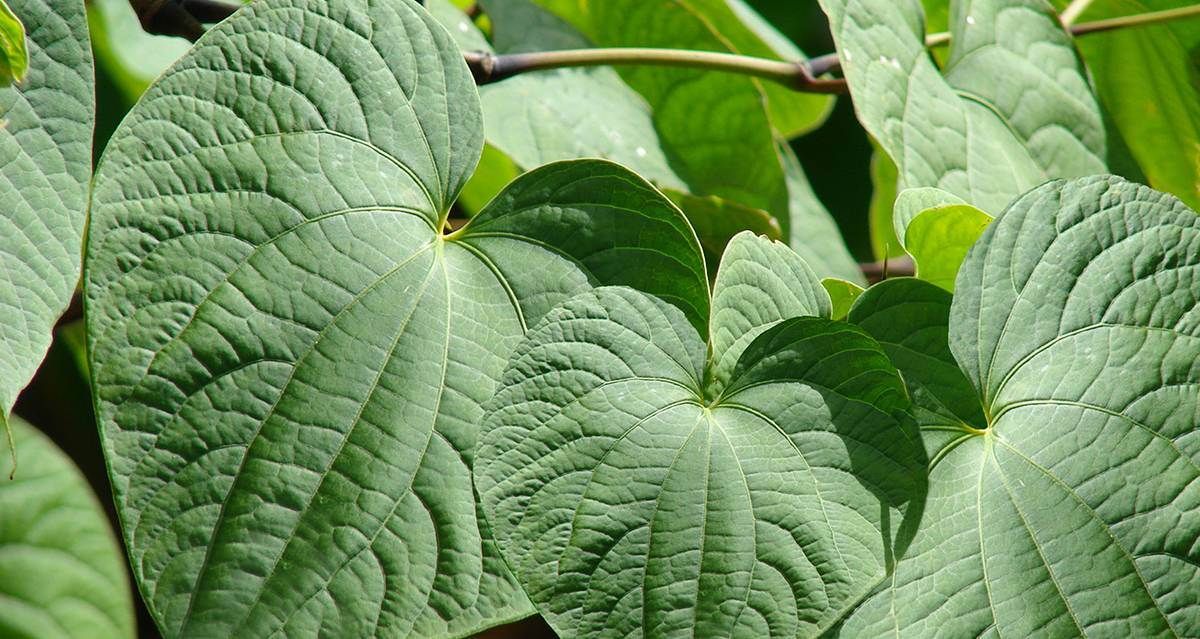
Kava is a long-lived polycarpic perennial shrub in the Piperaceae family, and if you've spent any time around it, you already know it doesn't behave quite like anything else in that genus.[2][3] It's classified as an introduced species in the US with no established wild populations, which means every plant you encounter here came from intentional cultivation.[3] One practical thing worth knowing before you source it: kava is sometimes confused with black pepper (Piper nigrum) and other Piper relatives, but the non-climbing, upright shrub form and those distinctly heart-shaped leaves with strong venation make it identifiable once you know what you're looking at.[4]
Botanical Background and Visual Characteristics
In the landscape, kava typically reaches 1.8 to 3 meters tall with a 1 to 2 meter spread, its erect jointed stems becoming woody as they mature.[5][6] I've seen established plants take on an almost bamboo-like silhouette once those jointed stems thicken up, which gives kava a striking architectural presence in a tropical understory planting. The leaves are glossy dark green on top and lighter beneath, cordate in shape, 10 to 20 centimeters long, with small inconspicuous flowers held in spike-like inflorescences and fruit that ripens to a bright orange drupe.[7][8]
The real story, though, is underground. Kava's shallow, fibrous root system produces thick horizontal rhizomes, 2 to 5 centimeters in diameter and up to a meter long, that store the kavalactones responsible for everything the plant is known for.[7][9] In my experience growing related Piper species, that aromatic intensity in the roots deepens noticeably with age and consistent moisture, which maps directly onto why traditional quality assessments favor mature, well-grown plants. Noble cultivars tend toward more upright growth with larger leaves, though drier conditions will shrink the foliage regardless of genetics.[9] For context on how varied this genus can be: New Zealand's kawakawa (Piper excelsum) is a dioecious tree reaching 6 to 10 meters with a lifespan averaging 75 years, a completely different growth habit and climate niche from tropical kava's shrubby form.[10][11]
Traditional, Cultural, and Ceremonial Uses
Kava's cultural roots run deep. Archaeological evidence from Vanuatu places its use at roughly 3,000 years ago, with possible origins tied to Austronesian migrations around 2000 BC.[12][13] Across Vanuatu, Fiji, Tonga, and Samoa, the beverage prepared from its rhizomes became a foundation of ceremonial life: it fosters relaxation and mild euphoria without impairing cognition, making it uniquely suited to conflict resolution, ancestor veneration, and marking life transitions.[14][15] A drink that relaxes the body, clears the mind, and signals welcome to a guest is a remarkable social technology, and Pacific communities built entire ritual frameworks around it.
European documentation began with Captain Cook's voyages in the late 18th century, with specific accounts recorded by 1792.[16] Cook's botanists also encountered kawakawa in New Zealand in 1769, and the contrast is telling: Māori traditional medicine (rongoa) focused on the leaves rather than roots, using infusions and poultices for digestive and anti-inflammatory purposes, a completely different relationship with a closely related genus.[17][18] The Piper family, in other words, has shaped human community on two different island systems in two entirely different ways.
Modern kava commerce has introduced real complications. Import bans across Europe, Canada, and Japan between 1990 and 2003 were triggered by hepatotoxicity concerns, later traced to poor processing practices and use of aerial plant parts rather than traditional root preparations.[19] As a horticulturist who cares about sourcing ethics, I feel strongly that commercialization without meaningful benefit-sharing violates the spirit of the Nagoya Protocol and disrespects the communities who stewarded this plant for millennia. That's not a peripheral concern; it's central to what regenerative practice actually means.
Fun Facts and Conservation Notes
Kava hasn't been formally assessed on the IUCN Red List, but it faces real regional pressure from habitat loss, deforestation, and feral pigs in its Pacific island range.[20] More quietly worrying to me is the genetic erosion from intensive monoculture: because kava is propagated almost entirely by clonal cuttings, its commercial varieties represent a dangerously narrow genetic base, with added environmental costs from water use and agrochemical runoff in major growing regions.[19][21]
Kawakawa, by contrast, offers a fascinating ecological counterpoint. Its characteristic holey leaves, created by the kawakawa looper moth (Cleora scriptaria), are prized in Māori culture and considered a mark of a thriving plant, which I find genuinely delightful as someone who usually spends time convincing people that insect damage isn't always catastrophic.[10][22] Its chemical defenses rely on polygodial rather than kavalactones, and its bird-dispersed berries connect it to kereru and tui in ways that kava's sterile, clonally reproduced system simply doesn't replicate.[23] The genus is wide. Kava just happens to occupy the most culturally consequential corner of it.
Kava Varieties and How to Source Them
Noble Kava Cultivars, Chemotypes, and Kawakawa Relatives
The Pacific kava world is far richer than most buyers realize. Vanuatu alone holds over 80 named cultivars and landraces,[24][25] with Fiji, Tonga, Samoa, and Hawaii contributing additional genetic lines,[24][26] all loosely sorted into two camps: noble varieties suited for regular ceremonial use, and tudei (two-day) types that produce heavier, longer-lasting effects and are not recommended for frequent consumption.[24][27] If you're sourcing plants or powder, the noble-versus-tudei distinction is the first thing to get straight.
Borogu from Vanuatu is the noble cultivar you'll see referenced most often, and for good reason. Its kavalactone profile leans toward higher kavain and dihydrokavain, which produces a balanced, gentle calm without the leaden sedation that makes tudei varieties problematic.[26][25] A young Borogu plant in my hand looks and smells like a close cousin of black pepper (Piper nigrum), same glossy heart-shaped leaves, same faintly spicy scent when you bruise a stem, which tracks given they share a genus. But the root chemistry is where the real story lives.
That chemistry is encoded in a six-digit chemotype code representing the relative concentrations of six major kavalactones: kavain, dihydrokavain, methysticin, dihydromethysticin, yangonin, and desmethoxyyangonin.[28][27][9] Chemotype 426 runs strongly sedative; chemotype 164 leans more uplifting. Home growers can't exactly send a root sample to a lab, so I tell people to buy from reputable Pacific-sourced stock, confirm the cultivar name before purchasing, and then pay attention to effects over time as indirect confirmation of what you've actually got.
Kawakawa (Piper excelsum) from New Zealand deserves a brief mention because it causes real buyer confusion. It doesn't follow the chemotype model at all.[10] Its cultivars like the variegated 'Marginata' and compact 'Sportsman' are selected for landscape and traditional Maori medicine use, not kavalactone content.[29] The two plants are related but not interchangeable. I grow both and they make excellent conservatory companions, though kawakawa is noticeably more cold-tolerant and grows at a different pace entirely.
Buying Live Kava Plants, Cuttings, and Seeds in the United States
Live plants and rooted cuttings are your most practical path to kava in the U.S. Specialty tropical nurseries in Hawaii and Florida ship rooted cuttings (typically 6 to 12 inches) and established potted specimens to most continental states,[30][31][32] with cuttings running $25 to $50, potted plants around $20 to $40, and smaller seedlings at $15 to $35.[33][34] I've ordered from Hawaiian suppliers several times and learned the hard way that cuttings arriving in winter often show up cold-stressed and sulky. Spring or early summer delivery is worth waiting for, so the plants can go straight into warm, humid conditions and establish without a fight.
Seed is technically available from some online retailers at $5 to $10 a packet,[35] but verified kava seed is uncommon in the U.S. because commercial propagation has always been vegetative, and FDA advisories around liver toxicity have steered market attention firmly toward live plants rather than extracts or seed.[36][37] On that note: I keep kava in my own garden but I don't prepare or sell medicinal products from it. The hepatotoxicity data are real enough that I treat kava as a special-occasion plant rather than daily tea. Federal cultivation and possession are permitted, and USDA APHIS allows importation with a phytosanitary certificate,[38][39] though state-level sales restrictions vary, so check locally before you buy.
Kawakawa follows similar specialty-nursery channels through sources like Logee's, Plant Delights, and One Green World, with young plants in the $15 to $50 range and seed packets at $5 to $15.[40][41][42] Importation from New Zealand requires USDA APHIS permits and phytosanitary compliance.[38] Climate fit ultimately decides whether either purchase is worthwhile: kava is a strict zones 10 to 11 plant, while kawakawa handles zones 9 to 11 with more flexibility. Botanical gardens like Missouri Botanical and Fairchild Tropical are good resources for cultivation information,[43][44] but they don't sell plants, so you'll be working the nursery circuit regardless.
How to Propagate and Plant Kava (Piper methysticum)
Kava is one of those plants that teaches you something fundamental about botany before you've even gotten your hands dirty. Unlike the black peppercorns you grind at home, kava rarely sets viable seed in cultivation. Most commercial cultivars are effectively sterile, and even when seeds do form, germination rates hover between 10 and 50% under ideal conditions.[45][46] The seeds are also recalcitrant, meaning they cannot tolerate drying or cold storage and must be sown immediately after harvest or they're done.[47][48] I've never bothered attempting seed propagation because fresh viable material is nearly impossible to source outside of active Pacific Island plantations. Every kava plant I grow traces back to a cutting from a trusted source, and that's the norm for the entire industry.
Why Kava Is Almost Always Propagated Vegetatively
Stem cuttings are where the real action is. Semi-hardwood cuttings 10 to 30 cm long with two to five nodes, treated with 1,000 to 3,000 ppm IBA rooting hormone and stuck into a sterile, free-draining medium like perlite and peat or sand and vermiculite, achieve 60 to 95% rooting success.[49][50][51] The critical variables are temperature (24 to 29°C) and humidity (80 to 90%). I've started kava cuttings multiple times in humid subtropical conditions, and the single biggest improvement I ever made was moving from an open bench to a simple mist propagator. Strike rates jumped noticeably. Without consistent humidity, callusing stalls and you lose cuttings that would otherwise root fine. Under optimal conditions, rooting happens in four to eight weeks.[52]
Rhizome division is a reliable alternative, especially when you're working with an established plant and want to replicate a specific chemotype without lab access. Tissue culture (micropropagation) scales this further and produces disease-free stock, which matters a great deal given kava's susceptibility to soil-borne pathogens. Grafting, by contrast, isn't worth attempting; success rates sit below 20% and there's no practical reason to pursue it when cuttings work so well.[52][53][54] For context within the broader Piper genus, kawakawa (Piper excelsum) seeds are small, dark, bird-dispersed, and also recalcitrant, though they germinate in two to four weeks when sown fresh with viability lasting up to six months under cool, moist storage.[55][56] Even so, semi-hardwood cuttings remain the more reliable method for both species.
Soil, Site, and Light Requirements for Establishment
If propagation is the easy part of growing kava, site preparation is where growers make their costliest mistakes. Kava evolved on volcanic Pacific soils: deep, fertile, well-structured, and free-draining. It needs a minimum soil depth of 1 to 1.5 m, organic matter in the 3 to 6% range, and a pH of 5.5 to 7.0, with 6.0 to 6.5 being the sweet spot.[57][58] Heavy clay, compacted ground, or alkaline soils above pH 7.5 set the stage for root rot and nutrient lockout.[59] I learned this the hard way early on: I lost a batch of young plants to what looked like iron deficiency but turned out to be pH drift into the low 7s. The leaves went pale and chlorotic, and I spent weeks second-guessing my fertilizer program before a soil test revealed the real problem. Now I test before planting, every time, without exception.
Fertility needs are moderate. Pre-plant fertilization around 100 to 200 kg/ha nitrogen, 50 to 100 kg/ha phosphorus, and 150 to 250 kg/ha potassium is a reasonable starting framework, adjusted by soil test.[60][61] Organic matter amendments improve both fertility and structure without compromising the drainage that kava absolutely requires. On the light question: kava is an understory plant, full stop. Direct sun scorches the leaves and can reduce kavalactone production, while too little light leads to chlorosis, legginess, and stunted growth.[62][63] I grow mine under 30 to 40% shade cloth and the foliage is noticeably healthier and the root aroma more pronounced than in the sunnier trials I ran earlier. High humidity (80 to 90%) and wind protection are equally non-negotiable during the establishment phase, when the plant has limited root volume to buffer stress.
Spacing, Planting Technique, and Early Care
Mature kava plants reach 1.8 to 3 m tall, occasionally up to nearly 5 m, with a spread of 0.9 to 1.8 m and a genuinely dense canopy.[64][43] Standard spacing is 1 to 2 m within rows and 1.5 to 3 m between rows, giving roots room to develop and allowing airflow around the base.[65] I planted my first planting too close, around 1 m on center in all directions, and spent the second year selectively removing plants when I noticed foliar crowding and poor airflow at the base. The lesson stuck: give each plant its breathing room early, because fungal issues at the crown are much easier to prevent than treat. Young plants in exposed or windy sites should be staked until the root system can anchor them properly.
Plant during the warm, wet season once soil temperatures are consistently above 21°C.[66] For growers asking whether you can grow kava in the US outside Hawaii or southern Florida, the honest answer is yes, but only in containers or with serious microclimate work. A large container of at least 50 to 100 liters with a mix of roughly 50% quality potting soil, 30% compost, 10% perlite, and 10% peat mimics the volcanic loam kava prefers while keeping drainage sharp.[67] Raised beds with organic amendments work well in the ground for zone 10 and 11 gardeners. Either way, the payoff from getting establishment right is a plant that grows steadily toward the three-to-five-year root harvest window without the setbacks that poor drainage or a cramped site almost guarantee.
Kava Care Guide: Sunlight, Water, Feeding, Temperature, and Maintenance
Kava rewards growers who understand what it is at its core: a tropical understory shrub that evolved on humid Pacific island floors, beneath a broken canopy, with consistent warmth and never a frost. Get those fundamentals right and the plant thrives. Ignore them and no amount of fertilizer will save it.
Sunlight Requirements for Healthy Kava Growth
Young kava plants are genuinely sensitive to direct sun, and I've seen first-time growers lose a whole nursery bed to leaf scorch within a week of pulling the shade cloth. I run 40-50% shade over my Florida kava beds through summer, and I've found that's the sweet spot: enough light to push good root development, not so much that the leaves crisp and the plant redirects energy into damage repair. Commercial growers in the Pacific often go higher, using 40-60% shade to mimic natural forest understory conditions,[68][69] and I think that's the right instinct for anyone starting cuttings. As plants mature they can handle more sun, but I'd still keep them under 30-50% shade cloth or beneath a light canopy.[70] Kawakawa, the New Zealand relative, is also partial-shade preferring,[71] so the genus has some consistency there, though the two plants want very different climates overall.
Watering Needs and Drought Tolerance
Kava wants the equivalent of a Pacific wet season year-round: 60-100 inches of annual rainfall, high humidity, and never a dry stretch long enough to stress the roots.[6][72] The shallow, fibrous root system only extends 12-18 inches deep,[73] so unlike ginger, which can reach down for moisture in a dry week, kava can't. I keep the top two inches consistently damp and rely on thick organic mulch to buffer the swings that trigger nutrient lockout. A weekly deep watering is the general baseline, but in containers or during dry spells I water more often.[70][74]
The diagnostic symptoms are worth memorizing. Overwatering shows first on the lower leaves as yellowing or browning, often with a foul soil smell; underwatering produces drooping, tip necrosis, and limp leaf margins.[70][75] Neither is fatal if caught quickly, but drainage problems will be covered more in the pests and diseases section because root rot is where poor watering decisions ultimately land.
Fertilizer and Nutrient Management for Kava
This is where the care details really matter for anyone growing kava for its roots rather than just as a tropical ornamental. Kava is a moderate to heavy feeder, and the nutrient balance directly affects kavalactone content, not just plant size.[76] Standard guidance calls for 100-200 kg/ha of nitrogen, 50-100 kg/ha phosphorus, and 100-150 kg/ha potassium annually, split across two or three applications every three to four months.[77] Potassium can go higher, up to 200-400 kg/ha, specifically for disease resistance and kavalactone production.[78] After several seasons of soil testing I've settled on targeting the higher end of the potassium range, around 250-300 ppm, because the difference in leaf health is visible and the root aroma at harvest seems more complex. Excess nitrogen is the trap to avoid: it pushes lush, fast top growth while actually reducing root kavalactone content.[79]
For deficiency diagnosis: yellow leaves mean nitrogen, purple or reddish tints indicate phosphorus trouble, and mottled or necrotic spots point to potassium or magnesium shortage.[76] Iron deficiency shows as interveinal chlorosis on young leaves; boron shortage produces brittle stems and tip necrosis.[78] Optimal soil pH runs 5.5-7.0.[80] Because the roots are so shallow, salt buildup from synthetic fertilizers shows up fast as browning leaf tips and chlorosis,[81] which is why I prefer compost, aged manure, and fish emulsion and soil-test every six months.
Heat and Frost Tolerance of Kava
Kava's comfort zone is 70-95°F, with root development peaking at 72-82°F.[82] Above 90°F the plant starts showing stress, and sustained heat above 95°F can reduce root biomass by up to 40% while impairing kavalactone production.[83] When my summers push past 92°F I keep young plants under shade and sometimes run a misting line, because heat plus low humidity combined is the fastest way to lose a new planting. The 30-50% shade cloth that protects from leaf scorch does double duty here as temperature management. USDA zones 10-12 are where kava genuinely thrives outdoors year-round.[43]
Frost Protection and Overwintering Strategies
Cold is the hard boundary. Kava suffers damage below 50°F and a single frost, even a brief one, can be fatal.[7][84] I learned this the unpleasant way a few years back when an unexpected 48°F night left my young potted plant with soft, blackened leaf margins that never fully recovered. Now I move every container indoors by mid-October without exception, into a bright sunroom or heated greenhouse where nights stay reliably above 60°F. For most North American growers, containers are the only realistic option outside zones 11-12.[85] Kawakawa, for comparison, handles light frosts down to around 14-23°F[86] and is hardy in zones 8-10,[87] which illustrates just how much more tropical kava is by comparison. The two plants are not interchangeable for cold climates, full stop.
Pruning, Maintenance, and Seasonal Care
Light pruning is genuinely worth doing. Removing dead or overcrowded stems and trimming lateral shoots once a year, ideally in early spring or just after harvest, can boost root yields by 20-30%.[88][89] I've been doing this with my three-year-old plants and the difference in root weight at harvest has been measurable. The key word is light: heavy pruning stresses a plant whose shallow roots are already doing a lot of work to support the canopy. Every leaf is photosynthetic real estate. Keep mulch thick, 3-4 inches of wood chips or straw, to protect those shallow roots from temperature swings and retain moisture between waterings. Specific pest and disease management is covered in the next section, but the best maintenance practice is keeping drainage perfect and airflow good.
Seasonal Rhythm and Long-Term Lifespan
Patience is honestly the hardest part of growing kava. Plants started from stem cuttings typically take 3-5 years to reach harvest maturity,[90] with root yields peaking around year four at 3-5 tons of fresh root per hectare.[91] Commercial operations typically harvest somewhere between years three and eight.[92] If you're not uprooting the whole plant, a well-maintained kava can live 10-20 years in cultivation, and wild specimens have reportedly reached 40.[93] The long timeline means every decision you make in years one and two, about shade, soil fertility, moisture, and cold protection, compounds forward into root quality at harvest. Specific timing cues for when and how to dig are covered in the harvesting section.
Harvesting Kava Roots at Peak Potency
Kava is not a crop that rewards impatience. From the day you plant a cutting, you're committing to a multi-year relationship before you'll see a harvestable root, and I've learned the hard way with slow-maturing tropicals that good record-keeping is essential. Label every plant by cultivar and planting year, because the visual cues that signal readiness can be easy to second-guess without a timeline to reference.
When to Harvest Kava: 3 to 5 Years and Maturity Signs
The standard window is 3 to 5 years of growth, once plants reach roughly 1.5 to 2 meters tall, start showing yellowing leaves, and the lateral roots have reached 2 to 5 cm in diameter and weigh 1 to 3 kg each.[94][95] That window also happens to be when kavalactone content peaks; wait too long and potency actually begins to decline.[96][97] Pacific growers in Vanuatu and Fiji time harvest to the drier months from April through August, which makes good practical sense since lower ambient humidity immediately reduces the mold risk during drying.[98][99] Treat "3 to 5 years" as a starting range rather than a fixed calendar date, because optimal harvest age shifts with cultivar.[100] I'd encourage any grower to feel the root diameter and firmness rather than just counting years. Compare that approach with kawakawa (Piper excelsum), whose leaves and fruit can be harvested on a cycle of weeks to a few months[10]; the two Piper relatives demand completely different patience.
How to Harvest and Process Kava Roots Sustainably
The traditional method is hand-digging, and there's good reason it stayed traditional: mechanical tools risk bruising or severing the lateral roots that hold most of the kavalactone content. Once out of the ground, you wash the roots thoroughly, slice or chip them, and dry everything down below 10 to 12% moisture to prevent mold from destroying the batch.[101][95] Fresh root yield from a mature plant typically runs 20 to 40 kg, which dries down to just 20 to 30% of that original weight.[102] Getting that moisture target right is genuinely the make-or-break step; in humid conditions I'd reach for a low-heat dehydrator or a well-ventilated shaded rack over direct sun, which can degrade the aromatic compounds you've spent years cultivating.
For long-term productivity, harvest only the lateral roots and replant the crown rather than pulling the whole plant.[21][94] I think of it the same way I think about dividing perennial herbs: you take what the plant can spare, leave the growing point intact, and the next cycle comes back faster and stronger. One planting, managed this way, can yield for many years. Kawakawa, by contrast, is harvested much more lightly, with no more than 20 to 30% of foliage removed per plant at a time using clean secateurs, and the leaves go straight to fresh use or gentle shade-drying to preserve their essential oils.[10] Two different plants, two completely different harvest rhythms, both asking you to pay attention and take only what the plant is ready to give.
Kava Preparation, Culinary Uses, and Medicinal Applications
Traditional Kava Beverage Preparation and Flavor Profile
Pacific Island communities have prepared kava the same essential way for thousands of years: the roots are cleaned, peeled to remove the outer bark, then pounded or ground into a paste, mixed with water or coconut milk, and strained through cloth into a communal bowl.[103][104] Only the roots and rhizomes are used; the leaves belong to wound care, not the cup.[103] Water extraction is the traditional choice for good reason: it draws out kavalactones while leaving behind many of the compounds concentrated in the aerial parts that contribute to toxicity concerns.[105]
The first sip is genuinely strange if you're not expecting it. The flavor is earthy, woody, and bitter with a peppery edge, and within seconds your lips and tongue go slightly numb.[106] The aroma is rooty and pungent with faint spice underneath.[107] The mouthfeel is silty, almost muddy, from the fine particles that make it through even a good straining cloth.[108] The aftertaste is dry and astringent, with the numbing effect lingering well after you've swallowed.[109] In my own experiments with different noble cultivars, I've found that fresh roots produce noticeably smoother, less harsh results than older dried powder; if your first bowl tastes like straight dirt and bites back, the material may be old. The flavor does vary meaningfully by cultivar because kavalactone chemotypes directly affect taste profiles,[110] which is one more reason sourcing from someone who knows their cultivars matters.
Traditional pairings make the experience more approachable. Coconut milk softens perceived bitterness when used as the preparation medium, and citrus (lemon or lime squeezed in at straining time) cuts through the muddy quality nicely.[111][112] Ginger is another traditional companion that adds warmth without overwhelming the root's character.[113] I learned early on that squeezing half a lime into the straining cloth while kneading transforms the kava drink from something you endure into something you actually want to finish.
Kava vs. Kawakawa: Contrast in a Related Piper Species
I grow kawakawa (Piper excelsum) alongside kava wherever the climate allows, and the contrast between them is a good reminder that the Piper genus covers a lot of culinary ground. Kawakawa's edible parts are the leaves, used fresh or dried in Maori cuisine for teas, seasonings, wrapping meats, and flavoring stews.[22][114] Raw, they hit with a sharp peppery-citrus heat that I'd describe as black pepper crossed with lemon zest; dry them and that sharpness mellows into something earthier and toastier.[115] The plant also produces small orange-red fruits with a sweet-sour flavor sometimes compared to pineapple or blackberries.[10] There is a mild numbing sensation in the leaves, but it comes from different compounds entirely (myristicin, elemicin, and polygodial rather than kavalactones), which is why the two plants have very different safety and use profiles despite being botanical relatives.[116]
Medicinal Preparations, Dosage, and Responsible Use
The research on preparation method and safety is consistent and clear: traditional cold-water or aqueous extraction of dried noble kava root carries significantly lower toxicity risk than solvent-based or ethanolic extracts.[117] I always source from suppliers who provide chemotype information, and I stick to root-only material. Stems and leaves are off the table. Typical kavalactone targets for traditional beverage use fall in the 70 to 250 mg daily range, with aqueous extraction pulling only around 3 to 5 percent of available kavalactones, while standardized extracts deliver more consistent levels but also warrant more caution.[103] The deeper pharmacology and hepatotoxicity evidence is covered in the health benefits section; the short version here is: noble cultivars, water preparation, root only, and consult your healthcare provider if you're on any medications.
Kawakawa preparations offer a gentler entry point into the Piper genus for everyday use. Traditional methods include infusions (one to two teaspoons of dried leaves steeped ten to fifteen minutes), tinctures, and poultices, with general guidance sitting around one to three grams of dried leaf per day.[118] Its polygodial-based chemistry and milder safety profile make it a reasonable daily herb where kava is better reserved for intentional, occasional use with real respect for tradition and dosage.
Kava Health Benefits and Medicinal Uses
Few plants carry the weight of ceremony, community, and medicine that kava does. Across Fiji, Samoa, Vanuatu, and dozens of other Pacific Island cultures, the prepared root beverage has been central to life for millennia: welcoming guests, honoring chiefs, resolving disputes, and easing the body toward rest.[119][120] That's a remarkable range of functions for a single root, and it points to something genuinely worth understanding. Before diving into the research, though, one clarification I always make with clients: kawakawa (Piper excelsum), the New Zealand native in the same genus, does not share kava's pharmacology. It's used traditionally by Maori for skin ailments, digestive complaints, and toothache[121][122], and it's sometimes confused with horopito (Pseudowintera colorata), a completely unrelated plant. Neither one replaces kava. They're different plants with different chemistry and different uses.
Traditional Pacific Uses and Cultural Significance
The traditional applications of kava map almost perfectly onto what modern research has since tried to validate. Pacific healers used it for anxiety, insomnia, and muscle tension, but also as a diuretic, expectorant, wound aid, and postpartum support.[123][124] What strikes me about this list is how coherent it is once you understand the chemistry: a root that relaxes smooth muscle, calms the nervous system, and has mild antimicrobial and anti-inflammatory properties would logically find use across all of those conditions. This wasn't guesswork. It was empirical medicine developed across generations, refined through careful cultivar selection and preparation methods that, as we'll see, turn out to matter enormously for safety.
Key Phytochemicals: Kavalactones and Flavokavains
The chemistry behind kava's effects centers on six alpha-pyrone compounds called kavalactones: kavain, dihydrokavain, methysticin, dihydromethysticin, yangonin, and desmethoxyyangonin.[125] In high-quality noble roots, these compounds comprise 6 to 20 percent of dry root weight, with kavain typically making up 20 to 40 percent of the total kavalactone fraction.[126][127] Concentrations vary significantly by cultivar, soil, plant age, season, and processing method. In my work with medicinal plant guilds, I've seen firsthand how volcanic, nutrient-rich soils can dramatically influence secondary metabolite production, something Pacific Island growers understood intuitively for centuries before we had the analytical tools to confirm it.
Also present in smaller amounts are flavokavains A, B, and C, chalcone derivatives that account for roughly 0.1 to 2 percent of dry root weight, with higher concentrations in non-noble varieties.[128] These compounds are associated with cytotoxic and potentially chemopreventive effects rather than sedation or anxiety relief, and they're one reason cultivar selection matters so much. Kawakawa, by contrast, contains no meaningful kavalactones at all; its bioactive profile runs through polygodial, myristicin, elemicin, and flavonoids[121] -- a completely different pharmacological conversation.
Anxiolytic Effects and Clinical Evidence
The strongest, most consistent clinical evidence for kava sits squarely in anxiety reduction. Systematic reviews and meta-analyses of randomized controlled trials show moderate but meaningful efficacy for generalized anxiety disorder, with some studies finding effects comparable to benzodiazepines and a significantly lower risk of dependence.[129][130][131] The mechanism is well understood: kavalactones, especially kavain, dihydrokavain, and methysticin, act as positive allosteric modulators at GABA-A receptors, inhibit reuptake of dopamine, serotonin, and norepinephrine, and interact with voltage-gated ion channels.[132][133] Yangonin contributes a mild euphoric quality through CB1 receptor agonism.[134] The net effect is that the brain dials down anxiety without the heavy sedation or addiction risk that comes with pharmaceutical options. That's a meaningful distinction, though it does not mean kava is without risk, as I'll get to shortly.
Other Pharmacological Properties
Beyond anxiety, preclinical research points to a broader pharmacological picture. Kava extracts show anti-inflammatory activity through NF-κB inhibition and cytokine reduction, free-radical scavenging antioxidant properties, antimicrobial activity against Staphylococcus aureus, analgesic effects in animal models, antispasmodic activity through smooth-muscle relaxation, and mild diuretic and wound-healing properties in animal studies.[135][136][137] These findings are promising and help explain the breadth of traditional applications, but I want to be clear: nearly all of this evidence is preclinical. The anxiety data has RCTs behind it. The anti-inflammatory and antimicrobial data does not, at least not yet. That's not a reason to dismiss it, just a reason to hold it at appropriate confidence.
Nutritional Profile: More Pharmacology Than Nutrition
Kava is not a food plant. When I work with clients interested in medicinal plants, I'm always direct about this: you're not drinking kava for calories or vitamins; you're consuming it for kavalactones. The root doesn't even appear in USDA FoodData Central as a standard food item.[138][139] Dried root does contain roughly 60 to 70 grams of carbohydrates per 100 grams (mostly starch), meaningful amounts of potassium (800 to 1320 mg), magnesium, and calcium, and about 3 to 10 grams each of protein and fat.[140][141] Vitamins are negligible. The only parts worth consuming are the lateral roots and tubers; stems and leaves contain far lower kavalactone concentrations and are not traditionally used.[139]
Kawakawa is a genuinely different story nutritionally. Its leaves, used as a peppery spice or tea, provide modest protein, vitamin C (50 to 100 mg per 100 grams fresh), and a range of polyphenols from essential oils, polygodial, myristicin, and flavonoids.[142] I've used kawakawa leaves in small amounts as a culinary herb and the peppery, tingling sensation is pleasant in moderation, though noticeable if overused. But it has no anxiolytic kavalactones and cannot substitute for kava in any medicinal context.
Safety Considerations and Hepatotoxicity Risks
Here's where I won't soften the language. Kava is associated with rare but serious liver damage, including hepatitis, cirrhosis, liver failure, transplantation, and death. The FDA issued a consumer advisory in 2002 following approximately 25 reported cases in the US and Europe.[143][144] The risk is highest with ethanolic or acetonic extracts, with products using stems or leaves rather than roots, with non-noble (tudei) cultivars, with adulterated products, with pre-existing liver disease, and with concurrent use of alcohol or hepatotoxic medications. Pipermethystine, found in leaves and stems, and certain flavokavains have both been implicated.[117] Noble-root water extracts, prepared and used the way Pacific Island communities have for generations, carry the best safety record by a wide margin.
After reviewing the FDA cases and WHO assessments, I only recommend noble-root, water-extracted kava from reputable suppliers, and I never suggest long-term daily use without liver monitoring. That's not hedging; the clinical record is clear that short-term use is far safer. Safe dosage is generally 70 to 250 mg kavalactones per day, with a ceiling of 300 mg, and use should stay within a 5 to 8 week window with periodic liver-function checks.[145][146][147] And I tell every client directly: if you're on any medications processed by the liver, especially those metabolized by CYP3A4, CYP2C9, or CYP2E1, talk to your doctor first. The inhibition data on these pathways is too consistent to ignore.[148] Kava is also contraindicated in pregnancy, during breastfeeding, and for anyone with a history of liver disease.[149] Common side effects include drowsiness, gastrointestinal upset, and fatigue; chronic heavy use can produce kava dermopathy, a reversible dry, scaly skin condition.[150]
Kawakawa carries a much milder risk profile with no significant hepatotoxicity linked to kavalactones (it has none). Its concerns are different: oral irritation from polygodial, potential neurotoxic effects from myristicin and elemicin at high doses, mildly poisonous red berries, and pregnancy caution due to possible emmenagogue effects.[151][152] In small culinary amounts it's generally considered safe, but confusing it with kava, or thinking it delivers equivalent effects, is both a pharmacological and safety error worth avoiding.
Kava Pests and Diseases
Kava isn't defenseless. The same chemistry that makes its roots medicinally valuable gives the plant a real edge against many of the insects that would otherwise make short work of a slow-growing tropical shrub. But that armor has gaps, and a few specific threats, especially below ground, can undermine even a beautifully established planting.
Natural Chemical Defenses in Kava and Kawakawa
Kavalactones, phenolics, and piperine-like compounds work together to disrupt insect nervous systems, inhibit acetylcholinesterase, and reduce palatability enough that many generalist herbivores simply move on.[153][154] Leaf trichomes reinforce this by secreting eugenol and alpha-pinene, compounds with demonstrated larvicidal activity against aphids and mosquito larvae.[155] Kawakawa takes this further: its polygodial content gives it stronger antimicrobial and insect-deterrent properties than most Piper relatives, which is part of why it holds up so well against foliar pathogens in New Zealand conditions where kava wouldn't survive the winters anyway.[156] Knowing this biochemical foundation matters because it explains which threats the plant handles on its own and which ones actually need your attention.
Common Pests of Kava
The pests that break through are mostly sap feeders and root feeders: aphids, mealybugs (Planococcus citri), spider mites, scale insects, kava leaf beetles, and root-knot nematodes (Meloidogyne spp.).[157][158] Spider mites in particular tend to flare in drier spells. I've watched them explode on kava during an unexpectedly dry stretch in my shade garden, the leaf stippling showing up fast once soil moisture dropped and airflow was poor. Improving shade, irrigation consistency, and releasing predatory mites early turned it around without any chemical intervention. Kawakawa growers face a different specialist: the kawakawa looper caterpillar (Cleora scriptaria), which has actually adapted to sequester the plant's own chemical defenses, turning the plant's armor into its own protection.[159] That's the thing about plant chemistry, it deters generalists but rarely stops a specialist that co-evolved alongside it.
For IPM, I've stopped reaching for broad-spectrum sprays on kava and its relatives. Neem oil, insecticidal soaps, and regular ladybug and parasitic wasp releases keep aphid and mealybug pressure consistently low while preserving the leaf chemistry that matters for later use.[158][160] Monitoring is the real work; by the time visible damage is extensive, you're already behind.
Key Diseases and Management Strategies
Phytophthora root rot is the disease that ends kava plantings. Caused primarily by Phytophthora cinnamomi and P. colocasiae, it thrives in waterlogged, poorly drained soils and spreads readily through vegetatively propagated material, which is almost every cutting in circulation.[161][162] Hawaiian cultivars show measurably better resistance than Fijian types, attributed to root lignification, thicker periderm layers, and kavalactone profile differences.[163] Working with growers who use pathogen-tested tissue culture stock has shown me just how much healthier those plants stay compared to traditionally passed cuttings. It's one of the simplest ways to break the disease cycle before it starts.
Foliar diseases, including anthracnose (Colletotrichum gloeosporioides) and Cercospora leaf spot, can chip away at photosynthetic area under humid, stagnant conditions.[164] Kawakawa's waxy leaves and polygodial content give it noticeably stronger foliar resistance, though both species share susceptibility to Phytophthora where drainage fails.[165] In my experience with Piper species generally, even a modest drainage improvement, a raised bed, coarse mulch, slightly elevated planting mound, makes a measurable difference in root health, far more than any fungicide. Good air circulation, partial shade that matches the plant's understory nature, and clean propagation material address the majority of disease risk before any problem has a chance to take hold.[166][167]
Kava in Permaculture Design
Kava is one of those plants that teaches you exactly where it wants to live, and it is not subtle about the lesson. Every functional role it plays in a permaculture system flows directly from the tropical understory it evolved in across the Pacific Islands. Get the environment right and it earns its place beautifully. Push it outside those conditions and it sulks, stalls, or simply dies. Designing with kava means designing around its needs first.
Climate and Growing Zones for Kava
Kava wants warmth, humidity, and reliable moisture in roughly equal measure. It grows best between 20°C and 35°C, and temperatures below about 10°C start causing real damage.[168][169] Annual rainfall requirements run 1500 to 3000 mm, and that moisture needs to arrive consistently rather than in seasonal pulses, because kava has essentially no drought tolerance.[168] This is a plant that evolved where rain is a constant companion, not an occasional visitor.
USDA zones 10 and 11 are the realistic home range, though some growers in zone 9 manage with microclimates, heavy mulching, and containers they can move under cover when temperatures drop.[169][3][170] I garden in zone 9B in Central Florida, and I'll be honest: keeping anything this frost-sensitive alive through a cold snap requires real commitment. A covered patio, proximity to a masonry wall, and a thick mulch blanket over the root zone are minimum investments for a marginal-zone attempt. A greenhouse is the realistic route if you want a plant that thrives rather than merely survives.
For context on how far the Piper genus can stretch, its relative kawakawa (Piper excelsum) handles zones 8B to 10 and tolerates minimum temperatures down to around -5°C to -10°C, making it suitable for coastal California or even a protected Pacific Northwest site.[10][171] The two are not interchangeable, but knowing that range exists shows that the genus has more climatic flexibility than kava alone would suggest. One more thing before you invest in microclimate infrastructure: check your local regulations. Kava's psychoactive properties mean some jurisdictions restrict or permit its cultivation, and I always verify local rules before planting anything with that kind of legal history.
Ecosystem Functions and Benefits
Kava is native to the shaded understory of lowland tropical rainforests across Fiji, Vanuatu, Tonga, and Samoa, growing in deep, fertile, organically rich soils up to about 500 meters elevation.[172][173] That native habitat context explains its functional role in designed systems. Its fibrous root system actively holds soil and resists erosion on sloped ground, and the dense leaf litter it drops contributes organic matter and cycles nutrients back to the soil surface, though it does not fix nitrogen.[172][173][174] Pair it with a nitrogen-fixer like Gliricidia sepium in the guild and you cover that gap neatly.
The chemistry that makes kava valuable to humans also does real ecological work. Kavalactones and related compounds in the leaves and roots provide natural pest-repellent properties, which reduces pest pressure on neighboring plants in a polyculture.[175] Kawakawa operates similarly in this respect, historically used by Māori to deter mosquitoes, and its leaf litter enriches soil with potassium, nitrogen, phosphorus, calcium, and magnesium as it breaks down.[176][177] For pollinators, kava flowers are small, dense-spiked, and primarily insect-pollinated by thrips, flies, and beetles, but natural pollination success rates are low, often under 10%, because the plant is predominantly dioecious.[178][179] That low success rate is precisely why commercial cultivation skips seed production entirely in favor of vegetative propagation. In humid Florida conditions, I'd count the pollinator support as a guild bonus rather than a production strategy. In Pacific agroforestry, kava's naturalization risk is considered low, having spread only modestly in Hawaii and Guam, so it is not the kind of plant that will run away from you.[175][180]
The cultural dimension matters too. Kava carries deep ceremonial and medicinal significance across Pacific Island cultures, and designing with it carries an obligation to honor that context rather than treat it as just another shrub.[181][182] On the safety side, the liver-risk research from prolonged use is real, and I personally focus on kava's ecological role in a guild rather than treating my garden plants as a medicinal supply chain.
Forest Layer Placement and Guilds
Kava belongs in the shrub or understory layer, growing 1 to 4 meters tall under a canopy of taller companions.[7] It tolerates 30 to 50% shade comfortably, and that filtered light can actually enhance kavalactone production in the roots.[183] I've noticed with similar shade-adapted plants in my own food forest that the ones grown under 40% shade cloth or beneath a banana canopy produce noticeably more aromatic foliage than those in full sun, and the peer-reviewed data on kava suggests the same dynamic is at work in the roots. This is a plant that rewards being placed where it evolved, not where it's merely convenient.
Traditional Pacific agroforestry already figured this out centuries ago, intercropping kava beneath coconut and breadfruit canopies in systems that are essentially permaculture by any reasonable definition.[184][185] Adding Gliricidia sepium as a nitrogen-fixing companion completes the nutrient cycle that kava's non-fixing roots can't manage alone. Kava also forms mycorrhizal associations that improve phosphorus uptake and give some buffer against moisture stress, and its roots may suppress weeds through mild allelopathic effects.[186][184] I learned the hard way with a couple of understory plantings that crowding kava against aggressive competitors stresses its fibrous root system fast; give it room to spread laterally and it rewards you.
In a well-designed tropical guild, agroforestry yields of 2 to 5 tons of dry rhizomes per hectare are achievable after three to four years.[187] For gardeners outside zones 10 and 11, the honest answer is that container growing with greenhouse backup is the only reliable path to a healthy specimen.[188] The plant is worth the effort, but only if the environment is genuinely on its side.
The Night Kava Slowed Me Down Long Enough to Actually Listen
I'm not someone who sits still easily, but the first time I shared a bowl of proper Borogu preparation with a Fijian colleague after a long field day, something shifted. No fog, no loss of clarity; just a quieting. That's stayed with me. Growing kava now feels less like cultivating a medicinal crop and more like keeping a reminder in the ground that patience, slowness, and community aren't things to optimize away.
Sources
- Kava (Piper methysticum Forst. f.): phytochemistry, ethnobotany and pharmacology ↩
- Kew's Plants of the World Online ↩
- USDA PLANTS Database: Piper methysticum ↩
- Kava (Piper methysticum): Botany and Chemistry ↩
- Piper methysticum - Plant Finder ↩
- Kava (Piper methysticum) - University of Hawaii ↩
- Piper methysticum - Wikipedia ↩
- Kava (Piper methysticum) - Kew Royal Botanic Gardens ↩
- Kava (Piper methysticum) - Botanical Description ↩
- Kawakawa (Piper excelsum) - New Zealand Plant Conservation Network ↩
- Kawakawa - Piper excelsum ↩
- Archaeological Evidence for Kava Use in Ancient Vanuatu ↩
- Kava: The Pacific Elixir ↩
- The Kava Ceremony in Fiji: Symbolism and Social Structure ↩
- Kava in the Pacific Islands: A Comprehensive Review ↩
- Captain Cook's Voyages: The Kava Ceremony ↩
- The Botany of the Voyage of H.M.S. Endeavour ↩
- Kawakawa - Te Ara Encyclopedia of New Zealand ↩
- FAO Technical Guide on Cultivation of Kava ↩
- Conservation Status of Piper methysticum in the Pacific ↩
- Sustainable Harvesting Practices for Kava ↩
- Kawakawa: Ecology and Distribution ↩
- Chemical Composition and Antifeedant Activity of Piper excelsum ↩
- Kava: Traditional Medicine in the South Pacific ↩
- Chemotypes of Piper methysticum Forst. f. (Kava) from Vanuatu ↩
- Kava: The Traditional Drink of the Pacific Islands ↩
- Chemotypes of Piper methysticum Forst. (Kava) in Hawaii ↩
- Kavalactone Content and Chemotype Classification ↩
- Kawakawa (Piper excelsum) - Cultivation and Varieties ↩
- Growing Kava in the US ↩
- Kava Plant Care and Availability ↩
- Piper methysticum - Kava ↩
- Kava Plants and Cuttings for Sale ↩
- Tropical Plants: Kava Varieties ↩
- Piper Methysticum - Kava Kava - 10 Seeds ↩
- Kava - Questions and Answers on Kava (Piper methysticum) for Consumers ↩
- FDA Warns Consumers About Health Risk from Consumption of Kava Products ↩
- Importation of Plants and Plant Products ↩
- Phytosanitary Certificates ↩
- Piper excelsum - Kawakawa ↩
- Exotic Plants for Sale: Piper excelsum ↩
- Kawakawa (Piper excelsum) Plant Profile ↩
- Piper methysticum ↩
- Kava (Piper methysticum) ↩
- Propagation of Kava - University of Hawaii ↩
- The Biology of Kava (Piper methysticum Forst. & Forst. f.) ↩
- Recalcitrant Seeds: Biology, Storage and Conservation ↩
- Millennium Seed Bank: Piper methysticum ↩
- Propagation of Kava (Piper methysticum Forst.) ↩
- Propagation Methods for Piper methysticum ↩
- Kava Cultivation Guide ↩
- Propagation of Kava (Piper methysticum) ↩
- Tissue Culture of Piper methysticum ↩
- Grafting in Piper Species: Techniques and Compatibility ↩
- Germination and Storage of Horopito (Piper excelsum) Seeds ↩
- Seed Storage Behaviour of New Zealand Native Plants ↩
- Ecological and agronomic aspects of kava (Piper methysticum Forst. f.) in Vanuatu ↩
- Kava (Piper methysticum) Production and Crop Management ↩
- Soil Requirements for Kava Cultivation ↩
- Kava (Piper methysticum) Production and Management ↩
- Soil Requirements for Kava Cultivation in the Pacific ↩
- Kava Cultivation Guide - University of Hawaii ↩
- Piper methysticum - North Carolina Extension Gardener Plant Toolbox ↩
- Kava Cultivation Guide - University of Hawaii ↩
- Kava (Piper methysticum) Production and Crop Management ↩
- Kava Cultivation Guide - University of Hawaii ↩
- Kava Cultivation and Processing Manual ↩
- Kava (Piper methysticum) Production in the Pacific Islands ↩
- Traditional and Modern Kava Farming Techniques ↩
- Kava Plant Care - Gardening Know How ↩
- Growing Piper excelsum: A Guide to Horopito Cultivation ↩
- Kava Cultivation in the Pacific Islands ↩
- Royal Horticultural Society (RHS) - Piper methysticum ↩
- Kava Cultivation Guide - Pacific Community (SPC) ↩
- Kava Plant Care: Watering and Common Problems ↩
- Kava (Piper methysticum) Production and Marketing ↩
- Kava Cultivation Guide - University of Hawaii ↩
- Kava Cultivation Guide - University of Hawaii ↩
- Nutrient Deficiencies in Piper Crops ↩
- Kava (Piper methysticum) Production and Processing ↩
- Kava (Piper methysticum) Production and Utilization ↩
- Kava (Piper methysticum) Production and Crop Management ↩
- Environmental Factors Affecting Growth and Yield of Kava (Piper methysticum Forst.) ↩
- University of Hawaii College of Tropical Agriculture and Human Resources - Kava ↩
- USDA Plants Database - Piper methysticum ↩
- Kawakawa (Piper excelsum) Plant Profile ↩
- USDA Hardiness Zone for Piper excelsum ↩
- Kava Cultivation Guide ↩
- Piper methysticum Horticulture ↩
- Kava Cultivation Guide - University of Hawaii ↩
- Pacific Community (SPC) Agronomy Guide ↩
- Kava Cultivation Guide - University of Hawaii ↩
- Missouri Botanical Garden Plant Finder ↩
- Kava (Piper methysticum) Production and Management ↩
- Kava Production in Hawaii ↩
- Kavalactone Content in Piper methysticum Roots at Different Maturity Stages ↩
- Kava (Piper methysticum): A Botanical and Pharmacological Review ↩
- Kava Cultivation in Fiji: Traditional Practices ↩
- Traditional Kava Cultivation and Harvesting in the Pacific Islands ↩
- Piper methysticum ↩
- Traditional Kava Farming in the Pacific Islands ↩
- Kava: Harvesting and Processing ↩
- Kava (Piper methysticum) - Traditional Preparation and Use ↩
- Kava Root Processing Methods - Ethnobotany Journal ↩
- Ethnobotany of Piper methysticum ↩
- The Sensory Evaluation of Kava (Piper methysticum) ↩
- Sensory and Chemical Characteristics of Kava (Piper methysticum) Extracts ↩
- Kavalactones and the kava-kava beverage ↩
- Traditional vs. Modern Kava Preparations: A Comparative Analysis ↩
- Chemotypes of Piper methysticum Forst. (Kava) in Different Pacific Islands ↩
- University of Hawaii's H Cricket Kava Production Guide ↩
- Sensory Analysis of Kava Beverage Additives (Peer-Reviewed Research) ↩
- The Pacific Community (SPC) Kava Cultivation Guide ↩
- Kawakawa (Piper excelsum) - Uses and Properties ↩
- Research Paper (Pillay et al., 2005) - Chemotaxonomy of New Zealand Piper ↩
- Chemical Constituents and Pharmacology of the Aristolochiaceae, Piperaceae and Similar Families ↩
- PMC - An Update on Kava-Induced Hepatotoxicity and the Role of Quality Assurance ↩
- Horopito (Pseudowintera colorata): A Review of the Traditional Uses and Pharmacology ↩
- Kava: Traditional and Contemporary Use ↩
- Cultural Significance of Kava in Fiji and Vanuatu ↩
- Phytochemical Analysis and Biological Activities of Piper excelsum ↩
- Traditional Maori Healing and Medicinal Plants ↩
- Traditional Uses of Kava in Pacific Island Medicine ↩
- Medicinal Plants of the Pacific: Kava Uses ↩
- Phytochemistry of Piper methysticum (kava). Review of the literature ↩
- Evaluation of geographical and cultivar variations... ↩
- Kavalactones and the kava-kava (Piper methysticum Forst. f.) - ethnopharmacological, phytochemical and pharmacological review ↩
- Flavokavains from Piper methysticum: A Review of their Pharmacological Activities ↩
- Kava for the treatment of generalised anxiety disorder (GAD): a systematic review and meta-analysis ↩
- Kava extract versus placebo for treating anxiety ↩
- Kava for the treatment of generalised anxiety disorder (Cochrane Review) ↩
- Molecular Mechanisms of Kavalactone Action on GABA_A Receptors ↩
- Monoamine reuptake inhibition in kava ↩
- Kava compounds as novel agonists... ↩
- Anti-inflammatory Activity of Piper methysticum Extracts ↩
- Antioxidant and Antimicrobial Properties of Kava ↩
- Analgesic Effects of Kava in Animal Models ↩
- USDA FoodData Central Search for Kava ↩
- Kava (Piper methysticum Forst.)—Current Knowledge on an Ancient Herbal Drug ↩
- Chemical Composition of Kava (Piper methysticum) ↩
- Mineral Content of Kava (Piper methysticum) Roots ↩
- Kawakawa (Piper excelsum) - Nutritional and Medicinal Properties ↩
- FDA Consumer Advisory on Kava-Containing Products ↩
- Kava | LiverTox | NCBI Bookshelf ↩
- NIH Kava Fact Sheet ↩
- American Herbal Products Association Kava Position Statement ↩
- WHO Report on Kava Safety ↩
- Drug Interactions with Kava | Medscape ↩
- Kava (Piper methysticum) | Drugs and Lactation Database (LactMed) ↩
- Kava Dermopathy and Chronic Effects ↩
- Toxicity and Safety of Piper excelsum ↩
- Composition and safety evaluation of tea from New Zealand kawakawa (Piper excelsum) ↩
- Insecticidal Activity of Kavalactones from Piper methysticum ↩
- Phenolics and Insect Resistance in Kava Plants ↩
- Trichome Morphology and Defense in Piper methysticum ↩
- Antifungal Properties of Polygodial from Piper excelsum ↩
- Insect Pests of Kava in Hawaii ↩
- Kava Cultivation in Hawaii: Pest and Disease Management ↩
- Kawakawa Looper - Cleora scriptaria ↩
- Field Trials on Kava Insect Damage ↩
- Phytophthora diseases of kava (Piper methysticum) ↩
- Disease transmission in vegetatively propagated kava ↩
- Varietal resistance of kava (Piper methysticum) to Phytophthora root rot ↩
- Diseases of Piper methysticum (kava) ↩
- Diseases of Horopito (Piper excelsum) ↩
- Integrated management of kava diseases ↩
- Effect of shade on kava disease development ↩
- Water Requirements of Kava (Piper methysticum Forst. f.) ↩
- Cultivation Overview ↩
- Kava Cultivation Guide - University of Hawaii ↩
- Piper excelsum (Kawakawa) ↩
- Kava (Piper methysticum) - USDA Forest Service ↩
- Ecological Aspects of Kava Cultivation in the Pacific Islands - FAO ↩
- Soil Conservation Practices with Kava in Fiji ↩
- Ecological Roles of Kava in Pacific Agroecosystems ↩
- Ecological Role of Kawakawa in New Zealand Forests - Landcare Research ↩
- Mineral Accumulation in Native New Zealand Plants - Journal of Ecology ↩
- Pollination Biology of Piper methysticum ↩
- Pollination Biology of Piper methysticum (Piperaceae) in Vanuatu ↩
- USDA PLANTS Database: Piper methysticum ↩
- Missouri Botanical Garden - Piper methysticum ↩
- Kawakawa: The people's remedy - Te Ara Encyclopedia of New Zealand ↩
- Shade Tolerance and Intercropping Potential of Kava ↩
- Kava (Piper methysticum) Production and Agroforestry in the Pacific ↩
- Traditional Agroforestry Systems in Fiji: The Role of Kava ↩
- Mycorrhizal Associations in Piper methysticum ↩
- Kava Yield and Agroforestry Study - FAO ↩
- Growing Kava in the United States - University of Hawaii Extension ↩
About the Author
I can't put words to the feelings when I try to articulate the vast, silent, richness nature offers us, and it humbles me every time I interact with her. This is why I have devoted myself to trying to understand, protect, and share her story with all eager to listen.