The sea bean in my hand had probably been floating for two years before it washed up on a Florida beach. That's not poetic license; Entada rheedii seeds are engineered by evolution to survive open-ocean drift for years, sometimes decades, their hard brown coats so impermeable that the Atlantic and Indian Oceans are essentially delivery systems.[1] I've held seeds from herbarium collections and seeds pulled fresh from cracked pods, and they feel almost identical, dense and slightly warm, like something that knows it has somewhere to be. What stops most gardeners cold is learning that the same coat keeping seawater out is also what makes germination nearly impossible without a saw or a file. You're not planting this seed so much as negotiating with it.
Here's the part that surprises people: this is also the plant that Zulu and Xhosa healers have used for generations to induce vivid, ancestral dreams, not as metaphor, but as a literal preparation consumed before sleep during initiation rituals.[2] The same seed that crossed an ocean is also a key to the dream world, depending on who's holding it and what they know about how to prepare it. That tension, between the ecological and the ceremonial, between the wandering and the rooted, is what makes sea bean one of the more genuinely strange plants I've encountered in twenty years of working with tropical systems.
Sea Bean Origin, History, and Cultural Significance
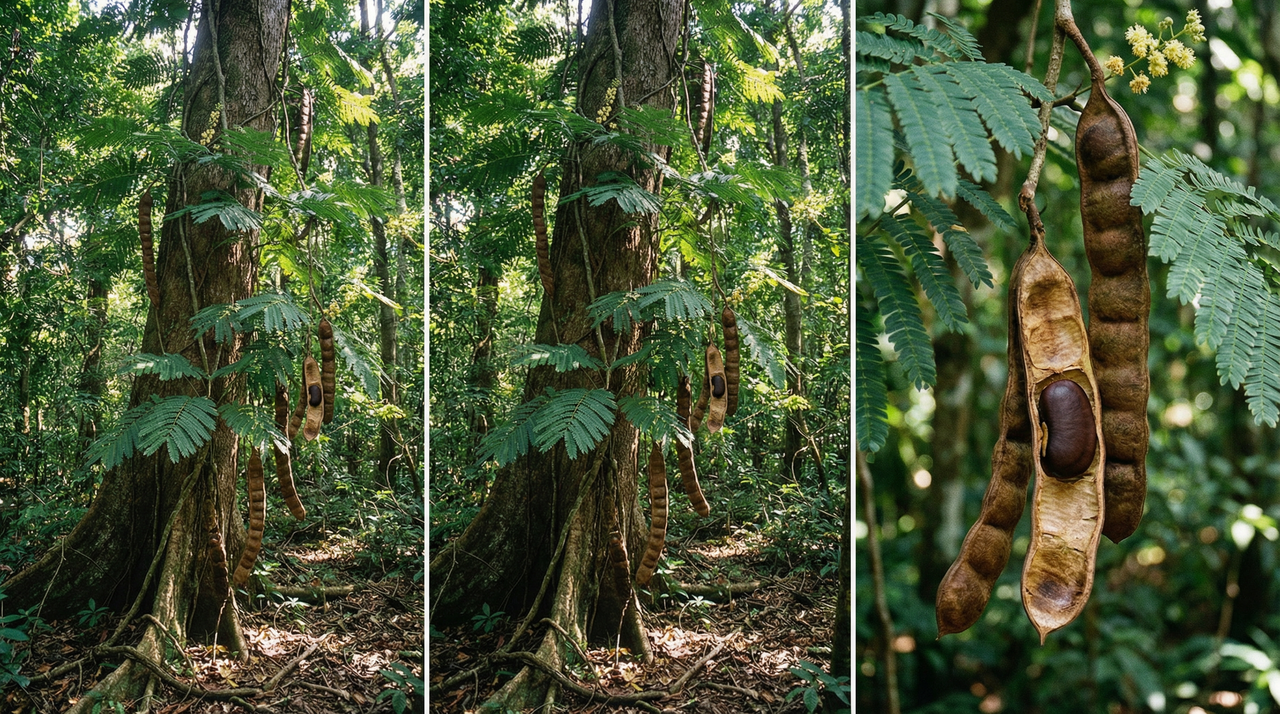
There are plants that make you stop and reconsider what you thought you knew about scale. Entada rheedii is one of them. This massive woody liana, a member of the Fabaceae family native to tropical Africa, Madagascar, and parts of Asia and northern Australia, can send stems climbing 20 to 40 meters into the forest canopy using tendrils to haul itself up whatever host tree it finds willing.[3][4] It's polycarpic, meaning it fruits repeatedly over a lifetime that can exceed 100 years under decent conditions, sometimes stretching toward 150 to 200 in ideal habitat.[4] It doesn't even begin flowering until it's 5 to 10 years old, at which point it starts producing those extraordinary twisted strap-like pods, some reaching 4 meters in length, packed with 8 to 20 flattened, disc-shaped seeds.[5][6] When I first saw one of these pods at a botanical garden in South Florida, I thought someone had staged a prop. The scale is genuinely hard to process.
Botanical Background and Visual Characteristics of Entada rheedii
Up close, this plant rewards attention. Stems can reach 20 centimeters in diameter with rough, grayish-brown lenticellate bark. The leaves are alternate and bipinnate, up to 60 centimeters long, with multiple pairs of pinnae bearing small elliptic leaflets that give the whole canopy a fern-like softness completely at odds with the sheer brawn of the vine below. Flowers are papilionaceous and purple-red to maroon, appearing in panicles or racemes, and the seeds themselves are 3 to 6 centimeters across, hard, glossy brown, and shaped like a lens.[7][6]
The genus includes several close relatives worth knowing, partly because they share the same general habit and partly because their seeds turn up in the same drift-seed contexts and can be genuinely confusing. Entada gigas, the sea heart, has slightly larger heart-shaped seeds (5 to 6 centimeters) and white to pale yellow flowers; Entada phaseoloides, the matchbox bean, runs 20 to 30 meters across tropical Africa through to the Pacific islands; Entada spicata, the snake bean, stays strictly African and produces smaller pods with just 1 to 3 seeds.[8][9] I once spent a good twenty minutes on a Florida beach convinced I'd found an E. rheedii only to realize from the hilum shape and seed diameter that I had E. gigas. The diagnostic details matter, especially because some drift seeds that superficially resemble Entada, like Abrus precatorius, are acutely toxic and should never be handled casually.[10][11] Hard coat, prominent hilum, 3 to 6 centimeter diameter, and reddish-brown lens shape are your key identifiers for E. rheedii specifically.[12]
All Entada species share the Fabaceae family's nitrogen-fixing partnership with Rhizobia bacteria and develop deep taproots with lateral fibrous roots built for stability in sandy, coastal, or periodically flooded soils.[13][14] In my own work designing tropical food forest guilds, I've watched large legumes like these transform nutrient-poor coastal patches into genuinely fertile micro-habitats within a few seasons. The nitrogen fixation isn't incidental; it's structural to how the whole system functions.
Traditional and Cultural Uses Across Africa and Beyond
Entada rheedii has a documented history stretching back to Hendrik Adriaan van Rheede tot Drakenstein's Hortus Malabaricus, compiled between 1678 and 1693, where it appeared as 'Gila' from India's Malabar coast. Carl Peter Thunberg formally named it in Flora Capensis in 1823.[15][16] Its native range spans from Senegal to South Africa and Madagascar, with spread into tropical Asia, Pacific islands, and the Americas carried partly by ocean currents and partly by human trade.[17]
Across that range, the plant earned a reputation that goes well beyond the merely botanical. Among Zulu, Xhosa, Yoruba, Pygmy communities in Gabon, and other groups across sub-Saharan Africa, seeds of E. rheedii are used ritually to induce vivid, lucid, or prophetic dreams for ancestral communication, divination, initiation rites, and healing ceremonies.[18][19] Seeds may be chewed, prepared as snuff, or incorporated into other preparations, typically only after scarification and prolonged soaking to reduce their inherent toxicity.[20] I approach this aspect of the plant with genuine respect and care. My knowledge comes from reading the primary ethnobotanical literature and conversations with indigenous knowledge keepers, and I grow E. rheedii for its ecological value and seed beauty rather than for any psychoactive application. The alkaloids involved, including entadamide compounds and tryptamines, are real and potentially dangerous without proper preparation.[21]
Traditional medicinal applications of bark, roots, and seeds are equally broad, covering wound healing, inflammation, rheumatism, digestive complaints including diarrhea and dysentery, fever, headaches, skin conditions, and snakebites, among others.[22][23] These are traditional uses rather than clinical claims, and the health benefits section of this profile covers what the research actually shows. Seeds are also crafted into beads, jewelry, amulets, snuff boxes, and protective talismans, and they move through African markets as trade goods.[24] Overharvesting combined with coastal deforestation poses real local pressure, even though the species sits at Least Concern on the IUCN Red List globally.[25] In my designs I always source sea bean seeds from cultivated or sustainably collected stock rather than wild coastal populations, because collection pressure compounds habitat loss in ways the global status rating doesn't fully capture.
Fun Facts: Sea Beans, Dream Herbs, and Oceanic Journeys
The trait that most explains why Entada rheedii has captured imaginations so far beyond its native range is the seed itself. Each one contains an internal air chamber and a coat dense enough to float in seawater for one to five or more years without losing viability, which means these seeds travel across oceans, riding currents for thousands of kilometers before washing ashore as what beachcombers call sea beans or lucky sea beans.[26][27] I've found them on subtropical beaches and used the moment to talk about plant migration, ocean geography, and the strange intelligence encoded in a seed coat. Few teaching props I've ever used have sparked more genuine curiosity than holding one of these travelers in your palm and explaining where it's been.
Beyond the drama of dispersal, the plant itself is an ecological contributor wherever it grows. Its nitrogen-fixing roots improve surrounding soil fertility, its salt tolerance makes it a genuine pioneer on disturbed coastal ground, its flowers support pollinators including carpenter bees, and it provides habitat structure in tropical forest systems.[28][29] The African Dream Herb identity, earned through centuries of ritual use across Zulu, Xhosa, and other traditions, sits alongside its ecological roles rather than replacing them.[30] What strikes me most, having worked with a lot of large tropical legumes, is how consistently people underestimate these plants until they're standing next to a pod the length of a surfboard. Then the questions start, and they rarely stop.
Sea Bean Varieties and Sourcing
Taxonomic Varieties of Entada rheedii
Unlike many cultivated food plants, sea bean hasn't been domesticated into a catalog of named varieties. What exists instead is a clean subspecies picture: Entada rheedii has two recognized subspecies, E. rheedii subsp. rheedii from southern Africa and E. rheedii subsp. barteri from West and East Africa, with the latter producing noticeably larger pods.[31][4] After growing this plant from scarified seed multiple times, I've noticed that seeds sold simply as "sea bean" or "African dream herb" tend to be the larger-podded subsp. barteri, which you won't know for certain until those first dramatic pods start forming. It's a fun thing to watch unfold.
Beyond those two subspecies, no distinct cultivars are widely documented.[31] That tracks with what I've seen across many tropical legumes I work with, including certain Inga and Acacia species: when a plant hasn't been pulled into commercial agriculture, horticultural selection just hasn't happened. The related snake bean (Entada spicata) follows the same pattern, recognized as a single species with no cultivars and no subspecies, sometimes listed under the synonym Entada scheffleri.[32][33] For practical purposes, the subspecies distinction in E. rheedii is the main taxonomic story, and it rarely changes what a home grower needs to do.
Where to Buy Sea Bean Seeds and Plants
Seeds are where almost all commercial availability lives. A small packet of five to ten Entada rheedii seeds typically runs $5 to $15, with single seeds priced around $8 to $12 and larger offerings up to $50 depending on the vendor. Live plants from specialty nurseries start around $40 for young seedlings, with mature specimens reaching $30 to $100 once shipping factors in. Reputable sources in the U.S. include World Seed Supply, Rare Exotic Seeds, and select Etsy sellers; in Florida, Fairchild Tropical Botanic Garden and listings through the Florida Native Plant Society are worth checking.[4][34][35][36] Seeds are sold for planting or as collectibles and jewelry components; vendors are clear that they're not for consumption.
The good news on the regulatory side: Entada rheedii carries no CITES restrictions and isn't listed under the U.S. Endangered Species Act or the Lacey Act.[37][38] Importing seeds or plants is legally permitted, but USDA APHIS phytosanitary certificates are required for most plant materials, and general declarations apply to larger seed quantities.[39] I've imported enough tropical material to say plainly: the phytosanitary certificate is non-negotiable for viable seed. Skip it and you risk your order being delayed or destroyed at customs.
The harder reality is sustainability. Most seeds on the market are wild-collected in tropical Africa and Asia during the dry season between October and March,[40] and I've seen what rising demand does to slow-growing large-seeded legumes in the wild. A good buying practice I stick to is checking whether the vendor provides both scarification instructions and provenance information; reputable ethnobotanical sellers can usually tell you where the seed came from and how it was collected. Sustainable sourcing emphasizes selective harvesting that doesn't damage mature trees, community-managed collection programs, and a gradual shift toward cultivated stock.[41] Buying from vendors who can document that chain is the most concrete way to support that shift. Entada spicata seeds are available through some of the same niche vendors at comparable prices, though they're far less commonly offered and follow the same APHIS import rules with no CITES restrictions.[42]
Sea Bean Propagation and Planting Guide
The first time you hold a fresh Entada rheedii seed, you understand immediately why it's spent millennia crossing oceans. It's heavy, almost disconcertingly so, with a glossy dark-brown coat that feels almost lacquered. Each seed runs roughly 3-5 cm long and 2-4 cm wide,[4][43] with air spaces built into that hard testa that keep it buoyant through years of oceanic travel. That same impermeable coat, brilliant for drift dispersal, is exactly what makes germination so stubbornly difficult in the garden.
Seed Characteristics and Scarification Requirements
Handle these seeds carefully and keep them away from children and pets. The raw seeds contain rotenone and saponins that are potent enough to cause serious harm if ingested.[44] I keep mine labeled and stored out of reach from the moment they arrive.
Inside that beautiful shell sits a monoembryonic embryo with two thick cotyledons, a radicle, and a plumule.[45][46] None of that will go anywhere until you break the physical dormancy. Effective options include mechanically nicking or filing the coat opposite the hilum, a brief soak in 80-90°C water for one to two minutes followed by a 24-hour soak in room-temperature water, or sulfuric acid scarification for those with lab access.[47][48] I usually go with the nick-and-soak method, similar to what I do with hard-coated native beans in the Fabaceae family. After that 24-hour soak, discard any seeds that float; they're almost certainly non-viable.[47]
Work with fresh seed whenever possible. E. rheedii behaves as a recalcitrant-to-intermediate species, meaning it can't tolerate drying below roughly 30-50% moisture content without losing viability.[49][50] Fresh seeds test at 80-95% viability, but that window closes quickly if seeds are stored dry.[51] The related E. gigas is a different story entirely; it has orthodox storage behavior and can remain viable for 20-50 years or more under cool, dry conditions,[52][53] which is how E. gigas drift seeds washed up on European beaches can still germinate after floating across the Atlantic. I've actually germinated E. gigas seeds collected as beach drift without knowing how long they'd been at sea. E. rheedii doesn't give you that luxury.
Germination Timeline and Conditions
Once scarified, sow seeds 2-5 cm deep in a well-drained sandy loam or sand-peat mix and maintain temperatures of 25-30°C with humidity around 70-80%.[4][54] Germination is epigeal, so you'll see the cotyledons push up above the soil surface. Expect sprouts in two to four weeks under ideal conditions, with success rates of 50-80%.[46]
The first year or two, growth is vigorous and shrubby, adding 1-2 m annually before the vine commits to climbing.[55] I mark planting year on my nursery tags because that fast early growth is deceptive; visitors to my garden often assume a plant is mature when it's still years away from flowering. Under cultivation, expect 3-5 years to first flowering and fruiting,[56] compared to 7-10 years in the wild. Plant this one with the long view firmly in mind.
Soil, Site Selection, and Spacing Needs
Drainage is the non-negotiable requirement. E. rheedii needs well-drained sandy or loamy soil with a pH of 5.5-7.5 and at least 1 m of depth for its extensive root system; heavy clay and waterlogging cause root rot quickly.[4][57] I treat this exactly as I would any deep-rooted Fabaceae that resents wet feet. The good news is that its nitrogen-fixing root nodules mean it can establish on genuinely poor soils without heavy amendment, which makes it a useful pioneer in restoration contexts. Coastal gardeners in Florida will appreciate that it also tolerates moderate salt exposure and performs well across a rainfall range of 800-2500 mm annually.[4][58] Young plants need watering every two to three days until they're well rooted, after which drought tolerance improves considerably.[58] Give it six to eight hours of direct sun daily; partial shade is acceptable in extreme heat but reduces vigor.[4]
Planting Technique, Support, and Long-Term Timeline
This vine will eventually reach 20-30 m, and that reality should shape every planting decision from day one.[4] In agroforestry systems, allow 10-15 m between plants within rows and 10-20 m between rows; for trellis or pergola cultivation, 3-6 m spacing is workable if supports are genuinely robust.[59][60] I've learned the hard way that retrofitting support structures once a sea bean gets going is far more work than installing permanent ones at planting time. Use established trees, heavy poles, or sturdy pergolas rated for serious weight from the outset.
Seeds go in 2-5 cm deep in individual deep pots or directly into a prepared site after scarification.[61] Semi-hardwood cuttings treated with IBA at 1000-5000 ppm are possible if you want to clone a specific plant, but the rooting requirements (mist, 25-30°C, 70-80% humidity for four to eight weeks) make seed propagation considerably more forgiving for most growers.[61][62] Either way, the plant you're committing to is one that will take three to five years to produce those extraordinary pods. If you're planting a sea bean, you're planting for someone you'll still be talking to in half a decade, probably yourself standing in a much larger garden.
Sea Bean Care Guide
Getting sea bean to thrive long-term comes down to understanding what it already knows how to do. Entada rheedii evolved in coastal and riverine tropical forests where conditions swing dramatically between wet and dry, hot and hotter. Match those rhythms and this plant rewards you with decades of growth. Fight them and you'll lose every time.
Sunlight Requirements for Optimal Growth
Sea bean wants light, and plenty of it. For vigorous growth and eventual flowering, aim for at least 6 to 8 hours of direct sun daily.[63][57] The catch is that young seedlings are genuinely sensitive to intense sun exposure; without some afternoon shade in the first months, you risk leaf scorch and photoinhibition that sets back an already slow-establishing plant.[64] Mature plants handle full exposure well. The problems cut both ways though: too much shade produces etiolated, weak growth that never climbs with any conviction, while excessive sun bleaches and scorches the foliage.[4] I always label my young sea bean seedlings clearly, because in that first season they can look deceptively like a less vigorous vine and it's easy to accidentally mis-site or over-shade something you think needs protection.
Watering Needs and Drought Tolerance
Young plants and seedlings need consistently moist soil; don't let them dry out between waterings. Once established, shift to deep irrigation every 7 to 10 days during active growth.[4] Mature sea bean can handle a dry spell of 2 to 4 weeks without obvious stress, but push past that and you'll see wilting, leaf browning and drop, and distorted pods.[65] What surprises most growers is that overwatering is just as damaging. During the dry-season semi-dormancy that mirrors its native habitat, pull back to watering only every 2 to 4 weeks, or whenever the soil dries out completely.[66] Yellowing leaves, soft stems, and root rot are the warning signs that you've been too generous with the hose. For container specimens, a fast-draining mix with ample drainage holes is non-negotiable, and I'd encourage checking soil moisture with your fingers rather than watering on a fixed schedule.[67]
Heat and Frost Tolerance
Sea bean is a USDA zones 10 to 12 plant through and through, happiest with daytime temperatures between 77 and 95°F and capable of handling brief spikes near 104 to 113°F once its roots are established.[68][4] In my experience with deeply rooted tropical legumes, established plants handle hot, humid summers with less drama than you'd expect; the root system finds moisture well below the surface when you ease off irrigation. Under real heat stress, the plant closes its stomata, reduces photosynthesis, and activates stress proteins to protect itself.[69] Protect young plants with 30 to 50% shade cloth for the first 6 to 12 months, mulch the root zone heavily to keep soil temperatures down, and give plants 10 to 15 meters of spacing for adequate air circulation.[70]
On frost, there is no ambiguity. Temperatures below 50°F damage leaves and stems; anything at or below freezing is likely fatal, and this species has none of the cold adaptations, thick bark or true dormancy, that would help it recover.[71][72] I bring my container-grown sea bean into a bright sunroom at 65°F every winter without exception; anything colder and I've lost plants. If you're on the warm edge of zone 9, a thick mulch blanket around the crown and a sheltered microclimate might get an established plant through a brief cold snap, but don't count on it.[73]
Fertilizer and Nutrient Management
Here's where sea bean's legume identity changes the whole conversation. It fixes nitrogen through symbiotic rhizobia, which means pushing high-nitrogen fertilizers at an established plant actually works against you; it suppresses nodulation and drives leafy growth at the expense of flowers and seeds.[74] Once I've confirmed a plant is nodulating well, I essentially stop thinking about nitrogen. It's self-sufficient. What it does need is phosphorus for flowering and nodule function, and potassium for pod quality and stress tolerance.[75] A low-nitrogen, high-PK slow-release fertilizer like a 5-10-10 or 10-20-20 applied at 50 to 100 grams per mature plant once or twice during active growth is plenty; always soil-test before adding anything, and lean on compost or aged manure in sandy coastal soils where nutrients flush out fast.[76] Micronutrients matter too: molybdenum drives the nitrogenase enzyme that makes nitrogen fixation possible, and iron keeps nodules and chlorophyll functioning.[77] Deficiency symptoms to watch for include:
- yellowing from iron deficiency
- stunted growth from low phosphorus
- crispy leaf margins from potassium shortage
Seasonal Rhythm and Maintenance
In its native West African range, sea bean is deciduous to semi-deciduous through the dry season, then flushes vigorously when rains return around May. Flowering peaks between August and December.[79] In stable coastal cultivation outside that range, flowering can be more sporadic, but understanding this wet-dry cycle still shapes everything: heavy watering and light feeding belong to the growing season, reduced water and no fertilizer belong to the rest period. Related species like Entada gigas shift this window, flowering in the dry season instead, which illustrates how variable the genus can be across geographies.[80] Expect slow initial growth, around 0.5 to 1 meter per year, with serious climbing and reproductive output typically arriving only after 2 to 3 years of establishment. I tell gardeners it's comparable to waiting for a passionfruit vine to hit its stride, but on a longer timeline and with a much bigger payoff when it finally gets going.
Harvesting Sea Beans: Timing, Technique, and Yields
When to Harvest Sea Bean Pods
The first thing to accept about harvesting sea bean is that you're almost certainly not doing it this year. Under cultivation, vines typically need 3-5 years to reach first flowering; in the wild, that timeline stretches to 7-10.[81][82] That's part of why I now start multiple vines in different micro-sites whenever I'm working in a zone 10-12 system. Staggering establishment dates means staggering future harvests, and with a plant this slow to mature, future-you will thank present-you for the foresight.
Once a vine finally commits to fruiting, patience is still the game. Pods require 4-6 months to develop after flowering, and the harvest window falls squarely in the dry season, typically November through March depending on region.[4][83] The related snake bean (Entada spicata) follows a similar pattern, with pods maturing late dry to early wet season across West and East Africa, confirming this as a genus-wide rhythm rather than a quirk of one species.[84] What signals readiness: the pods shift from green to a dry brown or black, the structure goes noticeably brittle, and the seeds rattle inside.[4][85] That rattle, echoing inside a pod that can run a full two meters long, is genuinely unmistakable once you've heard it. I've learned not to harvest even a week early; seeds collected before the pod fully dries are harder to scarify and germinate reliably.
Harvesting Technique for Large Woody Pods
These are not pods you casually pluck and tuck into a basket. The woody structure is formidable, and while fully dried sea bean pods sometimes split on their own, more often you're reaching for a saw or a sturdy knife to open them.[86][85] I've learned to wear gloves; the edges of a splitting pod can be surprisingly sharp, and the last thing you want is to fumble and scatter seeds across the ground. Each pod holds 10-20 large, hard, dark seeds,[4] which sounds modest until you're holding a pod the size of a decorative ribbon and realizing the yield per vine is genuinely substantial. Think of opening a dried catalpa pod, then scale it up considerably. The seeds themselves are the primary harvest target, whether for propagation or the traditional uses covered elsewhere in this profile, and they reward the physical work involved in getting to them.
Sea Bean (Entada rheedii) Preparation and Uses
Raw sea bean seeds are not food, and they are not something I would experiment with casually or encourage anyone else to. The seeds contain cytisine and other alkaloids, cyanogenic glycosides, lectins, and a tannin load that can hit 20-30% of dry weight.[87][6] Eating an inadequately processed seed risks nausea, vomiting, gastrointestinal distress, and potentially convulsions. The same saponins that make these seeds effective fish poison in West African tradition are exactly why internal use without proper preparation is genuinely dangerous.
Food Safety and Traditional Culinary Preparation of Sea Bean Seeds
The only documented food history for Entada rheedii comes from West Africa, and even there it is famine food, not everyday eating. The processing pipeline is laborious by design: seven to ten days of soaking with daily water changes, followed by repeated boilings in fresh water, then drying and roasting, and sometimes fermentation afterward.[88][89][90] Each step leaches out bitter tannins and toxic alkaloids. Skip any stage and the margin of safety collapses. I've read the ethnobotanical accounts and spoken with foragers familiar with African traditions, and my honest assessment is that this process is a skilled, traditional craft rather than kitchen chemistry anyone should improvise.
Once fully detoxified, the seeds can be ground into a coarse flour for porridges, soups, and stews, and they carry a reasonable nutritional profile, roughly 20% protein with useful carbohydrates and minerals.[89] The few processed samples I've smelled carry an unexpectedly pleasant chocolate-vanilla note from vanillin, but the lingering astringency underneath it is a reminder of what you're dealing with.[91][92] The texture is woody and mucilaginous, the baseline flavor bitter and astringent. Entada gigas has been similarly processed into flour or a roasted coffee substitute in some Caribbean and South American traditions, though bitterness persists even there.[93] The seed oil is rich in oleic and linoleic acids but too bitter and low-yield to be edible, and leaves, pods, and roots are not used as food at all.[94] Any sea bean recipe or sea bean salad recipe you might encounter online should be viewed with serious skepticism unless it comes with a very detailed, expert-guided processing protocol attached.
Medicinal Preparations and Dosages
Traditional medicinal preparations begin with cracking the hard seed coat, then decocting the kernel for ten to twenty minutes, or drying and powdering it.[95][96] Starting doses in the ethnobotanical record are low, around 0.5 to 1 gram of prepared kernel, with higher amounts reliably causing nausea. That is my non-negotiable rule with any Entada species: start at the floor of the traditional range and stop at the first sign of distress. Related species follow broadly similar protocols; Entada phaseoloides preparations run to 50-100 mL decoction twice daily or 1-3 g powder, while Entada gigas is typically boiled or roasted before any internal use.[97] The multi-step detoxification used for food doubles as a toxicity-reduction step for medicinal preparations, which says something elegant about how traditional knowledge bridges those two categories. For contraindications and full toxicity data, the health benefits section covers the pharmacological picture in depth.
Non-Food and Traditional Uses
If I'm being honest about how I actually relate to sea beans, it starts on the beach, not in the kitchen. The first time I found an Entada rheedii seed washed up on a Florida shoreline, the sheer size and weight of it made immediate sense of why these seeds have been carved into beads, worn as amulets, and traded across continents for centuries.[98][99] In West and Southern African traditions, these seeds have long served as dream-induction tools and spiritual vision objects, and as talismans and lucky charms.[98] Entada spicata shares similar ritual and fish-poison uses across its range.[9] For most of the genus, these non-culinary roles are far more prominent than any food application, and they carry their own preparation requirements. I treat sea bean first as a fascinating ecological object and cultural artifact, and only second as a potential food or medicine, always with expert guidance and never casually.
Sea Bean Health Benefits and Medicinal Uses
Among Zulu and Xhosa healers, Entada rheedii has long held a specific and revered role: the boiled kernel prepared as a dream tea, consumed to induce vivid, lucid dreams understood as communication with ancestors.[100][101] Related species like E. spicata share this oneirogenic reputation across multiple African ethnic groups.[102] It's a compelling story. My honest take, though, is that the sedative and anxiolytic activity documented in preclinical models probably explains a lot of those dream reports more than any true oneirogenic mechanism does.
Traditional and Modern Medicinal Applications
The traditional therapeutic scope of sea bean extends well beyond dreams. Bark and leaf decoctions are used for inflammation, rheumatism, and fever; pods are applied topically to skin infections; the plant is employed as an anthelmintic and emetic, and for wound healing, pain, diarrhea, and gastrointestinal complaints.[103][104] Closely related species mirror this breadth: E. gigas for headaches, colds, fevers, and respiratory issues; E. phaseoloides for rheumatism, diarrhea, and skin infections; E. spicata covering an even wider range including malaria, toothache, and rashes.[105][106][102]
Preclinical research lends some support to these traditions. Seed extracts show antioxidant activity, antimicrobial effects against Staphylococcus aureus and Candida albicans, reduced nociception in analgesic models, accelerated wound epithelialization and collagen deposition, and anti-inflammatory activity via COX-2 inhibition.[107][23][108][109] Sedative and anxiolytic findings include prolonged pentobarbital-induced sleep and reduced locomotor activity in animal models.[110] E. spicata adds mechanistic depth through NF-κB inhibition, COX-2 suppression, MAPK modulation, and Nrf2 pathway activation with enhanced antioxidant enzyme expression.[111][112] All of this, though, comes from in-vitro work and animal models. No large-scale human clinical trials exist for any Entada species.[113][104] When I'm advising on plants with traditional medicinal reputations, I always prioritize peer-reviewed ethnopharmacological reviews and animal model data over anecdotal reports, and even then I'm cautious. The gap between laboratory findings and clinical efficacy is real and wide.
Key Phytochemical Compounds
The bioactivity of sea bean traces back to a well-characterized phytochemical profile. Seeds are richest in alkaloids (including cyclopeptide alkaloids rheediin and entadamide, plus trigonelline and rattanine) and triterpenoid saponins at 2-5% of seed weight. Leaves concentrate flavonoids such as quercetin, kaempferol, and rutin. Phenolic compounds, including gallic acid derivatives reaching up to 150 mg GAE/g in roots, along with tannins, steroids, and mannose/glucose-binding lectins round out the picture.[114][115][116][117]
Early sources sometimes conflate Entada with Mucuna and claim significant L-DOPA content; the verified phytochemical literature shows no meaningful L-DOPA in E. rheedii.[114] Claims of DMT are similarly unsupported and likely arise from confusion with other species.[118] As someone who has handled saponin-heavy legumes in the field, I'd also note that the lectin and saponin concentrations here are significant, which is precisely why the same compounds driving antimicrobial and anti-inflammatory activity in the lab are dangerous without proper processing.
Nutritional Profile of Processed Seeds
In famine-prone regions of Africa, properly processed seeds have served as an emergency food source, ground into flour for porridge or flatbread in small portions of around 1-2 grams per serving.[91][119] The nutritional composition of those processed seeds is, on paper, respectable: 18-35% protein with essential amino acids including lysine and methionine, 40-60% carbohydrate (mainly starch), 3-10% fat (predominantly unsaturated oleic and linoleic acids), 10-15% fiber, and solid mineral content including potassium (450-1000 mg/100g), calcium, magnesium, iron, and zinc.[120][121] E. gigas seeds carry a higher fat fraction of 5-25% and its young pods are reportedly edible after boiling.[122]
Those numbers don't tell the whole story. Antinutritional factors including tannins, saponins, and lectins reduce digestibility and must be substantially reduced through multi-day processing before any of that nutrition becomes bioavailable or safe.[123] Sea bean is not a modern superfood candidate and carries no comprehensive entries in USDA or FAO databases.[124] It belongs firmly in the category of famine-era survival food, not everyday eating.
Safety Considerations and Toxicity
Raw sea bean seeds are genuinely dangerous. The same lectins (causing hemagglutination), saponins (hemolytic, up to 5% of seed weight), tannins, and alkaloids that drive the plant's bioactivity become acutely toxic without processing.[125][126] Ingestion of raw material can produce severe gastrointestinal distress, hemolytic anemia, neurological symptoms including dizziness and seizures, and respiratory distress.[127][91] Contact with raw material can also cause dermatitis. E. gigas and E. spicata carry similar risks.[97]
In my work with cautionary plants, I've learned that lectins and saponins demand real respect. Traditional processing is not optional: soaking for 3-5 days with frequent water changes, repeated boiling totaling up to 48 hours, and often roasting or fermentation are all required to denature these compounds to a safe level.[128][129] Even processed extracts show low acute toxicity in rodent models (LD50 >2000 mg/kg), but that data cannot be extrapolated to casual human use.[130] The plant is contraindicated in pregnancy (uterotonic and emetic risk), lactation, children, and individuals with liver or kidney issues, G6PD deficiency, gastrointestinal disorders, or legume allergies, and it may interact with anticoagulants, antidiabetics, and immunosuppressants.[131][97] Entada rheedii is not recognized as safe by the FDA or EMA, no standardized therapeutic dosage exists, and all internal use remains experimental. Proper botanical identification matters enormously here, because look-alikes within the genus carry their own risk profiles.[128] Professional medical supervision is not a recommendation I make lightly, but with sea bean, I make it without hesitation.
Sea Bean Pests and Diseases
Sea bean holds its own surprisingly well against pests and diseases in the wild. Its bark, leaves, seeds, and pods are loaded with tannins, phenolics, flavonoids, and saponins that actively deter feeding insects, bind to proteins, and disrupt digestion.[132][133] Having grown a fair number of tropical legumes, I can say that sea bean's chemical defenses are noticeably more robust than most common beans in the Fabaceae. That baseline resilience is real. The catch is that it's conditional: put a young plant in soggy soil, crowd it so airflow suffers, or stress it through drought followed by waterlogging, and the defenses start to erode fast.[134][135] Species-specific research on Entada rheedii pathogens is limited, so most guidance here draws on related Entada species and the broader Fabaceae literature.[134][136] When problems arise, consulting local tropical extension services is genuinely worth it.
Common Fungal Diseases and Prevention
Fungi are the main threat, and drainage is the single biggest lever you have. Root rot from Fusarium, Phytophthora, or Pythium moves fast in waterlogged soil, and young seedlings are the most vulnerable.[137][138] I've watched sea bean seedlings look absolutely fine one week and collapse the next after a patch of standing water I didn't catch in time. That experience reinforced something I now treat as non-negotiable: if the soil doesn't drain freely, don't plant there.
Above ground, the humid season brings leaf spot diseases, primarily Cercospora species including C. entadae, which produce necrotic lesions and can trigger significant defoliation if left unchecked.[139][140] Anthracnose from Colletotrichum species and rust pustules from Uredo entadae or related species appear under the same conditions: too much moisture, too little airflow.[141][142] Seeds in storage face Aspergillus and Penicillium, especially if pods or seeds have been physically damaged by insects creating entry points for secondary infection.[143] Bacterial, viral, and nematode diseases are rarely reported for this species, which is one less thing to worry about.[134]
There are no named disease-resistant cultivars; sea bean's resilience comes from its native habitat adaptation, not any breeding program.[64] Your best tools are cultural: well-drained soil, generous spacing for airflow, overhead irrigation avoided, infected debris removed promptly, and clean propagation material from the start.[144] Copper- or sulfur-based fungicides exist as a last resort for established infections, but I'd exhaust every cultural option first.[144]
Insect Pests and Natural Defenses
The same tannin-and-saponin chemistry that deters disease also discourages a lot of insects, and mature vines experience relatively light herbivory pressure because of it.[145][146] Juveniles are a different story. Leaf beetles in the Chrysomelidae family, along with caterpillars from Noctuidae and Sphingidae, can strip up to 80% of foliage during rainy seasons in East Africa.[147][148] Aphids, wood borers, and termites also show up, though termites tend to target sapwood more than the hardened heartwood.[149]
Seeds deserve special attention. Bruchid beetles, pod borers like Maruca vitrata, and rodents can destroy 30-80% of seeds in natural settings.[150][151] In my own propagation work I monitor pods closely from the moment they start to mature, because bruchid damage can accumulate quickly even in small batches. Those percentage figures aren't abstract; I've cracked open pods expecting ten viable seeds and found half already compromised. If you're saving seed, check early and often.
Since no pest-resistant cultivars exist for sea bean, the approach is straightforward integrated pest management: regular monitoring, good spacing, sanitation, and neem oil or biological controls for insect pressure before reaching for anything stronger.[144][152] Once a sea bean vine reaches maturity, its chemical defenses do most of the work. Patient growers who get the site and early care right will find they're mostly just watching a self-sufficient climber do its thing.
Sea Bean in Permaculture Design
Before you fall in love with this plant's story and start thinking about where to put one, you need to answer one question honestly: do you actually garden in the right climate? Sea bean is a committed tropical, suited only to USDA zones 10-12.[4][153] It can tolerate a brief brush with temperatures near freezing, somewhere in the 28-32°F range depending on the source, but prolonged cold below about 41-50°F will cause serious damage or outright kill it.[4][63] Its real comfort zone is 68-95°F with high humidity above 70% and annual rainfall in the 800-2500 mm range.[4][6] In its native range it occupies riverine forests, coastal edges, and disturbed secondary growth, which tells you a lot about where it wants to sit in a designed system.[55][154]
Climate and Hardiness Zones for Sea Bean
I've seen vines on my property near a brackish retention pond survive a brief dip to 28°F that killed unprotected seedlings 200 meters inland. That microclimate difference matters. Coastal breezes and thermal mass near water can effectively extend the useful range by half a zone, which is why you sometimes see sea bean persisting in protected spots at the southern fringe of zone 9b. But I wouldn't count on it. Any genuine freeze event will cause dieback, and the related Entada gigas confirms this pattern, with seed production and vigor dropping markedly below 68°F and any sub-freezing event triggering dieback even in otherwise protected spots.[155][156] Entada spicata shares the zones 10-12 preference but is even stricter about dry seasons, struggling if drought extends beyond three to four months.[9] The anchor species is more forgiving once established, handling six to eight month dry seasons with moderate drought tolerance, though it prefers staying below 800-1000 m elevation.[4] If you're in Central Florida, coastal Hawaii, or a similarly buffered tropical-edge climate, you're in the conversation. Everyone else is not.
Ecosystem Functions and Biodiversity Support
The ecological case for including sea bean in a food forest starts with the soil. As a Fabaceae member, it fixes atmospheric nitrogen through root-nodule rhizobia while also forming mycorrhizal associations that pull phosphorus into the system.[29][157][158] I've worked with plenty of nitrogen-fixers, pigeon pea, leucaena, various acacias, and the fertility benefit here is real and comparable. The difference is scale and canopy influence. The leaf litter this vine drops in a dry season is genuinely substantial, and the crown supports epiphytes, birds, insects, and decomposers in ways that a shrubby species simply cannot.[159][160] On slopes and coastal dunes where erosion is a real problem, its root system and pioneer habit make it a serious stabilizer.[159]
The pollinator story is one of my favorite things to observe. On warm mornings, the loud buzzing of Xylocopa carpenter bees working the cream-colored racemes is one of the most distinctive sounds in a tropical garden; it's a reliable sign the vine has hit flowering size. Carpenter bees are the primary pollinators, drawn by nectar, scent, and buzz-pollination adaptations, and the plant's self-incompatibility means it's actively promoting genetic outcrossing rather than selfing.[161][162] The related Entada spicata pulls a slightly broader pollinator guild that may include butterflies and beetles, though I'll note that direct pollinator studies on Entada rheedii specifically are sparse, and much of what we know is inferred from genus-level patterns.[163]
One function you need to think about carefully is hydrochorous dispersal. Those large, buoyant pods are brilliant for long-distance genetic connectivity in wild systems, but in a non-native coastal landscape like Florida or parts of Australia, they are also an invasive-potential concern.[164][55] Having watched how quickly seeds colonize disturbed coastal edges here, I now plant sea bean only inside managed food-forest boundaries and actively monitor for seedlings downslope or near drainage channels. Its companion-planting value alongside fruit trees, bananas, cacao, or vegetables is genuine,[29][165] but you earn that fertility by staying attentive.
Forest Layer, Guild Placement, and Management
Sea bean occupies a genuinely unusual position in a designed forest: it can be either a freestanding pioneer tree reaching 15-30 m in open or disturbed sites, or a liana that climbs a host tree into the canopy and emergent layers, where the vine form can push past 50 m.[166][6] This dual habit is a genus-wide pattern; Entada gigas, phaseoloides, africana, and spicata all follow the same strategy of climbing toward light rather than investing energy in a self-supporting trunk, except when they find themselves in open ground.[167][168] For a permaculture designer, that flexibility is both an asset and a warning.
The practical lesson I had to learn the hard way is that this vine will find your weakest support and use it. I now place sea bean on the sunny southwest side of a mature mango or avocado, where it can climb into the canopy without casting shade on understory vegetables, and the fertility it drops as leaf litter each dry season benefits the whole guild. The nitrogen-fixing value is real and worth designing around, but the vigorous growth demands both a genuinely sturdy support structure and a commitment to regular pruning to prevent it from overtopping smaller guild members.[169][170] Compared to pigeon pea or leucaena, where a hard cut keeps things manageable, sea bean in liana form requires a different level of engagement. Give it a role, give it a structure, and check in on it regularly; it will reward that attention with one of the most ecologically productive canopy relationships a tropical food forest can offer.
The Seed That Crossed an Ocean Before It Crossed My Path
I still keep the first sea bean I ever found on a Florida beach in a small bowl on my desk. Before I knew what it was, I just knew I didn't want to put it down. There's something quietly humbling about holding a seed that's been carried by currents for months, maybe years, that carries ceremony and ancestral memory in the cultures that have always known it, and that asks nothing of you except patience. I never did plant that one.
Sources 170
- Sea Beans and Nickar Nuts: A Handbook of Exotic Seeds and Fruits ↩
- Medicinal plants used by traditional healers in South Africa ↩
- Plants of the World Online ↩
- Entada rheedii - Useful Tropical Plants Database ↩
- Flora of Tropical East Africa ↩
- Entada rheedii ↩
- Entada rheedii Description ↩
- Entada gigas - Wikipedia ↩
- Entada spicata - Useful Tropical Plants Database ↩
- Sea Beans and Drift Seeds Identification Guide ↩
- Sea Beans: Identification Guide ↩
- Entada - A Review of the Genus ↩
- Nitrogen Fixation in Tropical Legumes ↩
- Salt Tolerance in Coastal Legumes: The Case of Entada rheedii ↩
- Hortus Malabaricus ↩
- Flora Capensis ↩
- Kew Science - Plants of the World Online ↩
- Ethnobotany of Entada rheedii ↩
- Traditional Uses of Entada rheedii in West Africa ↩
- Ethnobotanical Uses of Entada rheedii in East Africa ↩
- Traditional Use & Toxicity of 'Dream Bean' (Entada spp.) ↩
- Ethnobotany of Entada rheedii in Africa ↩
- Traditional Medicine in Mozambique: The Role of Entada Species ↩
- African Ethnobotany: Plants in Traditional Medicine ↩
- IUCN Red List: Entada rheedii ↩
- Sea Beans: Fascinating Flotsam of the Seashore ↩
- Long-Distance Dispersal of Plants by Ocean Currents ↩
- Liana Ecology in Tropical Forests ↩
- World Agroforestry: Entada rheedii ↩
- African Dream Herbs: Traditional Uses and Botany ↩
- Fabaceae of the World - Entada ↩
- Entada spicata (Harms) Brenan ↩
- Tropicos Database: Entada spicata ↩
- Entada rheedii Seeds (African Dream Herb) ↩
- Entada rheedii Seeds ↩
- Entada rheedii in Florida Nurseries ↩
- CITES Appendices ↩
- Endangered Species Act Listed Plants ↩
- Plant Import Regulations ↩
- Entada rheedii - IUCN Red List Assessment ↩
- Sustainable Seed Harvesting Guidelines for Tropical Legumes ↩
- Entada Spicata Seeds (Snuff Box Sea Bean) ↩
- Plants of the World Online ↩
- Toxicity of Entada Species - Poison Control Database ↩
- Seed Morphology and Anatomy of Entada rheedii ↩
- Germination of Entada Seeds: Breaking Seed Coat Dormancy ↩
- Propagation of Entada rheedii Seeds ↩
- Seed Germination and Scarification Techniques for Legumes ↩
- Seed Storage Behaviour of Entada rheedii ↩
- Millennium Seed Bank Partnership: Species Information - Entada rheedii ↩
- Seed Dormancy and Germination in Entada rheedii ↩
- Seed Storage Behaviour of Entada gigas ↩
- Longevity of Sea Dispersed Seeds: Entada gigas ↩
- Propagation Guide for Sea Beans (Entada spp.) ↩
- Propagation and Cultivation of Entada species ↩
- Tropical Lianas: Growth and Reproduction ↩
- Entada rheedii ↩
- African Dream Root (Entada rheedii) ↩
- Agroforestry Species: Entada rheedii ↩
- Cultivation of Lianas in Tropical Gardens - FAO Guidelines ↩
- Vegetative Propagation Methods for Entada Species ↩
- Propagation and Cultivation of Entada Species ↩
- Missouri Botanical Garden - Entada rheedii ↩
- Growing Entada rheedii: Care Guide ↩
- Plants of the World Online - Entada rheedii ↩
- Entada rheedii Care Guide ↩
- Missouri Botanical Garden - Entada rheedii ↩
- USDA Plant Hardiness Zone Map ↩
- Physiological Responses of Tropical Trees to Heat and Drought Stress ↩
- Germination Ecology of Entada rheedii ↩
- USDA Plants Database - Entada rheedii ↩
- Frost Tolerance of Tropical Trees ↩
- Growing Entada rheedii: Tropical Vine Care ↩
- Nitrogen Fixation in Tropical Legumes ↩
- Entada rheedii: Distribution and Ecology ↩
- Fertilization Recommendations for Legumes ↩
- Micronutrients in Legume Nitrogen Fixation ↩
- Mycorrhizal Associations in Legumes: Entada rheedii ↩
- Tropicos: Entada rheedii ↩
- Plants of the World Online - Entada gigas ↩
- Reproductive Biology of Entada rheedii in Tropical Forests ↩
- Phenology and Fruit Development in Legume Trees ↩
- Entada rheedii: The African Dream Root Tree ↩
- Entada spicata: Propagation and Cultivation Guide ↩
- Propagation and Harvesting of Entada Seeds ↩
- Harvesting and Propagation of Sea Beans ↩
- Toxicity of Entada Seeds ↩
- Ethnobotanical Survey of Entada rheedii in Northern Ghana ↩
- FAO - Useful Plants of West Tropical Africa ↩
- Detoxification Methods for Legume Seeds Containing Cyanogenic Glycosides ↩
- Ethnobotany of Entada rheedii: Traditional Uses and Sensory Properties ↩
- African Dream Herbs: Traditional Uses of Entada rheedii and Relatives ↩
- Traditional Uses of Matayabá (Entada gigas) in Indigenous Diets ↩
- Seed Oil Analysis of Leguminous Plants Including Entada rheedii ↩
- Zulu Medicinal Plants: Entada rheedii ↩
- African Dream Root: Preparation and Effects ↩
- Entada gigas (L.) Fawc. & Rendle: A Review of Its Phytochemistry, Pharmacology and Toxicology ↩
- Ethnobotany of Entada rheedii in West Africa ↩
- Entada rheedii: The African Dream Herb ↩
- Pharmacological Properties of Entada rheedii Seeds ↩
- Ethnobotany and Traditional Uses of Entada rheedii in Africa ↩
- Entada spicata ↩
- Entada rheedii: A Review on Phytochemistry and Pharmacological Activities ↩
- Traditional Uses of Entada rheedii in African Medicine ↩
- Ethnobotanical Uses of Entada gigas in the Caribbean ↩
- Medicinal Plants of India: Entada phaseoloides ↩
- Antioxidant and Anti-inflammatory Properties of Entada rheedii Seed Extracts ↩
- Phytochemical Analysis and Analgesic Activity of Entada rheedii ↩
- In Vivo Anti-inflammatory and Wound Healing Effects of Entada rheedii ↩
- Sedative and Anxiolytic Activities of Entada rheedii Seed Extract ↩
- Anti-inflammatory Effects of Entada spicata in Experimental Models ↩
- Nrf2 activation by Entada spicata in oxidative stress-induced inflammation ↩
- Pharmacological Review of Entada Species ↩
- Phytochemical and pharmacological review of Entada rheedii ↩
- Cyclopeptide alkaloids from Entada rheedii seeds ↩
- Saponins from Entada rheedii seeds: Isolation and bioactivity ↩
- Isolation and Characterization of Lectin from Seeds of Entada rheedii ↩
- Phenolic Compounds in Fruits of Entada rheedii and Their Antioxidant Potential ↩
- Traditional Food Plants of Kenya ↩
- Nutritional and antinutritional composition of Entada rheedii seeds ↩
- Fatty acid and amino acid profiles of Entada rheedii seeds ↩
- Nutritional Composition of Entada gigas Seeds ↩
- Nutritional and Anti-nutritional Composition of Entada spp. Seeds ↩
- Underutilized Legumes: Entada Species as Food Plants ↩
- Phytochemical and Pharmacological Review of Entada rheedii ↩
- Toxic Plants of Africa ↩
- Toxicity of Entada rheedii seeds - PubMed ↩
- Traditional Uses and Safety of Entada rheedii in Africa ↩
- Toxicity Studies on Entada rheedii Seed Extracts ↩
- Phytochemical and pharmacological profile of Entada rheedii: a review ↩
- Toxicity of Legume Seeds: Entada Species ↩
- Biochemical Defenses in Fabaceae: Insect Resistance in Entada rheedii ↩
- Phenolics and Tannins in Entada rheedii: Antiherbivory Roles ↩
- Entada rheedii: A Review of Botanical and Ecological Aspects ↩
- Entada rheedii - The African Dream Tree ↩
- Pest and Disease Management in Fabaceae ↩
- Sea Beans and Drift Seeds: Entada Species ↩
- Phytophthora Root Rot in Woody Ornamentals ↩
- Fungal Pathogens of Entada rheedii in Southeast Asia ↩
- Fungal Pathogens of Fabaceae in Southeast Asia ↩
- Anthracnose Diseases of Trees ↩
- Diseases of Tropical Legumes: Focus on Entada Species ↩
- Management of Seed-Borne Diseases in Leguminous Trees ↩
- Integrated Pest and Disease Management for Tropical Plants ↩
- Seed Defense in Sea Beans: Saponins and Insect Resistance ↩
- Ant-Plant Interactions in Fabaceae ↩
- Pest and Disease Management in Tropical Trees: Focus on Entada Species ↩
- Insect Pests of Tropical Woody Legumes ↩
- Pests and Diseases of Tropical Trees ↩
- Bruchid Beetles and Their Management in Seed Storage ↩
- CABI - African cotton stainer on Entada phaseoloides ↩
- Integrated Pest Management for Horticultural Crops ↩
- USDA PLANTS Database - Entada rheedii ↩
- Entada rheedii in Florida - IFAS Extension ↩
- Journal of Plant Ecology and Evolution (GMIRC): Physiological responses of Entada gigas ↩
- Fairchild Tropical Botanic Garden: Cultivation Data for Entada gigas ↩
- Nitrogen Fixation in Tropical Legumes ↩
- Mycorrhizal Associations in Tropical Legumes ↩
- Ecological Role of Entada rheedii in Coastal Forests ↩
- Ecological Roles of Vines in Tropical Forests ↩
- Floral Biology and Breeding Systems in Legumes ↩
- Pollination Biology of Entada rheedii ↩
- Pollination Ecology of Endemic Plants in Mauritius ↩
- Invasive Potential of Tropical Trees in Coastal Ecosystems ↩
- Cultivation Guide for Entada rheedii ↩
- Entada rheedii - Useful Tropical Plants ↩
- Plants of the World Online - Entada gigas ↩
- Entada phaseoloides (L.) Merr. | Plants of the World Online | Kew Science ↩
- Ecological Studies on Climbing Plants ↩
- Entada africana - Useful Tropical Plants ↩