Nobody warned me that crushing a single leaf of this plant would stop me mid-stride. The first time I ran my fingers along a branch of Vitex negundo in a Florida restoration planting, that sharp, camphoraceous hit, somewhere between a pharmacy and a pine forest, told me everything I needed to know about why this shrub has been used medicinally for over two thousand years.[1] Plants that smell like that aren't messing around. The volatile oils you're detecting aren't incidental; they're the plant's entire defense strategy made airborne, and it turns out they're also the reason Ayurvedic practitioners called it Nirgundi and built whole treatment protocols around its leaves.
What I find genuinely fascinating, and a little humbling, is that a shrub revered in Indian and Chinese medicine for millennia is still mostly unknown to American gardeners beyond the occasional landscape curiosity. We grow its close cousin Vitex agnus-castus everywhere, but negundo rarely gets a fair hearing. That's worth correcting, because this plant is doing a lot more in a permaculture system than most people realize, and carries a few serious caveats that deserve equal attention.
Chinese Chaste Tree Origin and History
Botanical Background and Native Habitat of Vitex negundo
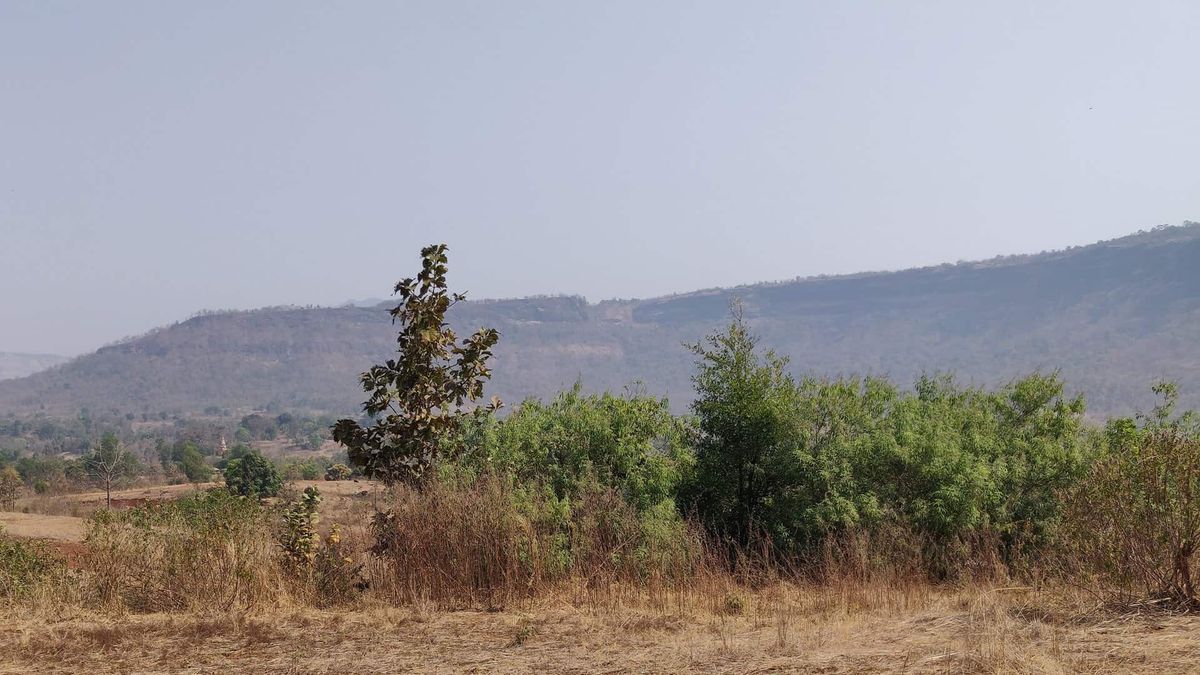
Chinese chaste tree is a deciduous shrub or small tree native to tropical and subtropical Asia, at home along moist riverbanks, forest edges, roadsides, and disturbed slopes from sea level up to about 1,500 meters across India, China, Japan, Malaysia, and much of the Indian subcontinent.[2][3][4] What catches my eye when I first describe this plant to clients is how happily it occupies disturbed ground -- it's a true pioneer, wired to move in fast wherever a slope has slipped or a forest edge has opened up. That restlessness is built into its biology: under favorable conditions it flowers within one to two years from seed, and as a polycarpic perennial it keeps reproducing for decades, typically living 20 to 50 years with significant morphological plasticity shaping everything from leaf size to hairiness depending on local conditions.[5][6] Vitex negundo thrives between 15 and 40°C, tolerating light frost but preferring warm, humid conditions, which is why it has naturalized across the warmer parts of the world, including the southeastern United States.[7][8]
Traditional and Cultural Uses in Ayurveda, TCM, and Beyond
The human relationship with this plant runs deep. Vitex negundo has been documented in formal medical literature for over 2,000 years, appearing as Nirgundi in the Ayurvedic Charaka Samhita (around 300 BCE to 200 CE) and under a parallel entry in the Chinese Shennong Bencao Jing (circa 200 to 250 CE).[9][10] Both Ayurveda and Traditional Chinese Medicine reached for it with similar instincts: relief from arthritis, rheumatism, respiratory trouble, and pain, drawing on its anti-inflammatory and analgesic properties across very different theoretical frameworks.[11][12] I find that kind of cross-cultural convergence genuinely compelling; when healers on opposite sides of a continent independently document the same plant for the same conditions over millennia, you start to pay attention.
In India its significance goes well beyond the pharmacy. Associated with Lord Shiva, its branches appear in rituals, purification rites, and festivals, and living hedges of Vitex negundo have long symbolized protection and healing around homesteads.[13] Healers in the Philippines have applied it to respiratory ailments; in parts of Africa the leaves treat wounds and fevers.[14] That geographic breadth of use is impressive, though it's also part of how this plant ended up everywhere. Carried by colonial trade, traditional medicine networks, and ornamental interest from the 19th century onward, it has become invasive in Florida, Hawaii, parts of Australia, and South Africa, where it holds a Category 1b invader designation, spreading via bird- and water-dispersed seeds to form dense thickets that crowd out native vegetation.[15][6] Carl Linnaeus formally described it in Species Plantarum in 1753, which is when Western botany caught up with what Asian healers had known for ages.[16]
Visual Characteristics and Ecological Adaptations
In the field, Chinese chaste tree is hard to mistake. It grows as a spreading, multi-stemmed shrub or small tree, typically 3 to 6 meters tall, with young stems that are distinctly square in cross-section and covered in soft, downy hair.[4][17] The leaves are opposite and palmately compound, usually with three to five lanceolate, serrated leaflets 5 to 12 centimeters long.[4][18] Crush one and you'll get an immediately recognizable camphor-like scent, somewhere between rosemary and sage but sharper, and that aroma is a useful identification clue long before the plant flowers. Summer brings dense terminal panicles up to 30 centimeters long packed with small, fragrant, bluish-purple to lavender tubular flowers, followed by small spherical drupes that ripen to purplish-black.[4][19] Those dark fruits are exactly what the birds are after, which is a big part of why this plant has traveled so far from home.
Fun Facts: Resilience, Invasiveness, and Lifespan
The same traits that earned Vitex negundo a place in 2,000 years of medicine also explain why it can be such a handful outside its native range. It tolerates drought through deep roots, osmotic adjustment, and biochemical stress responses, and handles salt concentrations up to 8 to 10 dS/m through ion exclusion mechanisms that most shrubs can't manage.[20][21] In my designs I've seen how quickly this plant colonizes disturbed ground; the same vigor that makes it excellent for erosion control on steep slopes demands real respect near natural areas. Add in that 1 to 2 year window to first flowering and you understand why it has spread so successfully wherever it's been introduced.[7]
Geographic variation adds another layer of complexity. The variety heterophylla, concentrated in southern China and Southeast Asia, shows notably different leaf morphology and phytochemical profiles from the widespread typical form, which partly explains why traditional applications differ so much across its range.[22][7] A plant with such a long track record of genuine benefit simply needs thoughtful placement in modern permaculture systems, where its resilience works for us rather than against the local ecology.
Chinese Chaste Tree Varieties and Where to Buy
Notable Varieties and Cultivars of Vitex negundo
The Vitex negundo plant you'll encounter in most nurseries is the straight species: a deciduous shrub or small tree topping out around 10-15 feet with a similar spread, though I've seen well-established specimens push toward 20 feet in ideal conditions.[4] Crushing a leaf releases that unmistakable camphor-earthy scent from volatile compounds like β-caryophyllene and sabinene, and honestly, that's the first thing I do whenever I brush past one in the landscape.[23][24] The lavender-blue flower spikes arrive June through August and are genuinely showy.[4]
Taxonomically, two varieties are recognized: var. negundo is the widespread typical form most gardeners will grow, while var. heterophylla (found primarily in southern China, India, and Southeast Asia) shows notably variable leaflet sizes and shapes across a single plant.[25][26] Vitex negundo var heterophylla is far less common in US nursery trade. What you're more likely to find are ornamental cultivars: 'Purpurea' (sometimes listed as 'Purple') offers purple-tinged foliage and flowers; 'Variegata' brings cream or yellow leaf margins; 'Silver Spire' produces silvery-white blooms; and 'Dolphin' is a compact, clump-forming selection with variegated leaves.[27] I've grown the straight species and 'Purpurea' side by side, and the purple-leaved form stayed noticeably more compact through Central Florida summers, which matters if you're working a tighter polyculture bed.
If you're gardening in Florida or parts of Texas, the seedy standard forms carry real spread risk since the species naturalizes readily on disturbed ground.[28] Having watched it self-seed aggressively in zone 9, I'd steer toward the more compact cultivars there and deadhead consistently. Check with your local extension office before planting near natural areas.
Sourcing Chinese Chaste Tree Plants and Seeds
Vitex negundo carries no CITES restrictions and holds no federal noxious weed status in the US, so it's legally available nationwide.[29][30] Demand has picked up steadily as medicinal herb gardens and pollinator plantings have grown more popular,[31] so specialist nurseries focusing on medicinal or ornamental plants are your best bet. Expect to pay roughly $10-25 for a one-gallon pot and $5-15 for a seed packet.[31] If you want a specific cultivar like 'Purpurea,' go vegetative: semi-hardwood cuttings taken in summer root reliably in 4-6 weeks,[31] which is exactly how I've built out my own stock. It's a low-cost path to more plants, and the success rate is high enough that I'd rather propagate than hunt for nursery inventory. The plant is happy in zones 7-11 with full sun and well-drained soil,[32] so most gardeners in the warm half of the country have real options here.
Propagating and Planting Chinese Chaste Tree (Vitex negundo)
How you multiply Chinese chaste tree shapes everything that follows: how long until flowering, how consistent your plants look, how much genetic diversity you're building into a guild. I've approached this differently depending on the project, and understanding the full menu of options first makes the decision much easier. Vitex negundo can be grown from seeds, semi-hardwood stem cuttings, air layering, grafting, root cuttings, or tissue culture, each with different success rates, timelines, and practical demands.[33][34]
Propagation Methods
For most home growers, semi-hardwood cuttings are the practical sweet spot. Take 10-15 cm stems in late summer or early fall, treat the cut ends with 1000-3000 ppm IBA, and stick them in a perlite/peat mix under intermittent mist at 21-24°C soil temperature. Done right, you're looking at 70-90% rooting in three to six weeks.[35][36][33] In my work designing medicinal guilds, cuttings are my default when I need a predictable shrub form and reliable flowering density. The plants are genetically identical to the parent, which matters when you've selected for a specific fragrance or leaf type.
If you have access to a mature plant you love, air layering is even more reliable. Wound a mature branch, apply IBA, wrap with moist sphagnum, and you'll see roots in four to six weeks at 80-95% success.[33] It's more hands-on than cuttings but produces a larger, more established transplant from the start.
Seed is a different story entirely, and one I find genuinely exciting. Vitex negundo is predominantly outcrossing,[37] so seedlings carry real genetic diversity. In permaculture guild design that's not a drawback, it's an asset -- varied genotypes mean the system as a whole is more resilient to pest pressure or unusual weather. The other thing that surprised me when I first started germinating these seeds is polyembryony: each seed can carry two to five nucellar embryos,[38] which means you sometimes get a small cluster of vigorous seedlings from a single sowing. It feels like bonus plants every time, and I've adjusted my seeding rates downward because of it.
Tissue culture using nodal explants on MS medium with BAP and NAA achieves 70-90% multiplication for disease-free plants at commercial scale,[39][33] but that's nursery territory. Grafting onto compatible Vitex rootstocks works at 60-80% in the dormant season[40] and can be useful for specific selections. Root cuttings are least reliable at 40-60% and mostly useful for managing suckers.[33] One propagation-environment caution worth flagging regardless of method: high humidity raises the risk of powdery mildew and root rot, so use clean stock and watch for aphids, whiteflies, and scale on tender new growth.[4]
Germination and Timeline to Fruiting
The seeds are small dark drupes with a hard endocarp, and that coat is what stands between you and germination.[38][41] Scarification is non-negotiable: a hot water soak, dilute acid treatment, or GA3 application breaks physiological dormancy and lifts germination rates into the 30-80% range depending on seed freshness.[33][42] Sow at 20-30°C with light exposure and good drainage, and pretreated fresh seed typically emerges in two to four weeks.[43][44] I always label seed rows right away because in those first few weeks the cotyledons can look uncannily like small basil or sage seedlings. Colored marker flags per batch have saved me more than once.
The main trade-off with seed is time. Seed-grown plants typically flower in their second year and may take one to three years (sometimes up to five) to fruit under optimal conditions.[45] Cuttings and grafted plants shorten that to two to four years. If you're designing a medicinal shrub layer that you want productive within a couple of seasons, cuttings win. If you're seeding an edge or a slope where diversity and self-selection matter more than uniformity, the seed route makes real ecological sense. For long-term storage, these are orthodox seeds that hold viability well at low moisture and freezing temperatures,[46] so banking a season's harvest is entirely practical.
Soil, Site Selection, and Planting Technique
Chinese chaste tree earned its pioneer reputation honestly. It establishes in loamy, sandy loam, clay, and genuinely poor or disturbed ground without complaint,[4][47] and it performs surprisingly well in containers with a simple mix of 50% potting soil, 30% perlite, and 20% compost.[4] The one non-negotiable: drainage. After I lost an early specimen to what I initially misread as nutrient deficiency but was actually root rot from a poorly draining clay pocket, I now raise beds or mix in generous perlite any time the native soil holds moisture. Waterlogging will kill it.[4]
For pH, aim for 6.0-7.5. The plant tolerates a wider range of 5.5-8.5, but below 6.0 you risk manganese toxicity and leaf necrosis, while above 7.5 iron chlorosis can appear.[42][45] A quick soil test before planting and a lime or sulfur amendment if needed saves a lot of head-scratching later.
Sun is where Vitex negundo responds much like rosemary: full sun produces the best flowering and the most aromatic foliage, while shade leads to etiolated growth and sparse blooms.[4][48] Young transplants appreciate afternoon protection in intense heat until their roots are established, but plan for a minimum of six direct hours daily at maturity. In warm, humid zones like the southeastern U.S., this fast-grower reaches 10-20 feet tall and wide at 2-3 feet per year,[49][50] so give it room: 3-5 feet apart for a hedge, 6-10 feet for mass plantings, and 8-12 feet for specimens or windbreak use.[49] I always note that spacing decisions also carry an ecological responsibility in zones 8-11 where the plant can naturalize; I monitor spread and keep it away from natural areas or waterways where bird-dispersed seeds might establish outside the garden.[4][51]
Plant in spring after the last frost date. In that first year, deep watering two to three times per week keeps the root zone moist without saturation while the plant develops its drought-coping infrastructure.[52] Get through that establishment window successfully and you end up with a genuinely self-reliant shrub -- one of the most rewarding transitions in a food forest planting.
Chinese Chaste Tree Care Guide
Here's the thing about Chinese chaste tree that I wish more gardeners knew upfront: the work is front-loaded. Get a young plant through its first season with consistent moisture and good drainage, and you'll spend the next decade barely thinking about it. That contrast between attentive start and hands-off maturity is what makes Vitex negundo such a rewarding choice for food forests and medicinal guilds.
Water Needs and Drought Tolerance
Once established, Chinese chaste tree is impressively self-sufficient. Mature plants can go four to six weeks without supplemental water in well-drained soil.[4][53] I've watched established specimens in my landscape go five weeks without rain during Central Florida's dry spring and show nothing more than minor tip wilting. That's real drought tolerance, not the marketing-copy kind.
Getting to that point requires patience. During the first growing season, plan on about an inch of water per week, applied deeply to encourage roots to chase moisture downward rather than staying shallow.[4] Keep the soil consistently moist but never waterlogged; overwatering triggers yellowing leaves, wilting despite wet soil, and eventually root rot, while underwatering shows up as browning leaf edges, leaf drop, and stunted growth.[4][54] A two- to three-inch layer of organic mulch pulled back slightly from the base solves most of these problems at once by regulating moisture, moderating soil temperature, and reducing the need for overhead irrigation that can invite fungal issues.[55] Container plants dry out faster than anything in-ground, so check those more frequently through summer.
Feeding and Nutrient Requirements
Vitex negundo is a moderate feeder. It grows vigorously but it doesn't demand the kind of heavy fertilization you'd throw at citrus.[56] For medicinal plantings especially, I prefer organic inputs because they keep the leaf and flower material cleaner for harvest. Farmyard manure or vermicompost worked in at planting sets a strong foundation, and a 2:1:1 NPK ratio supports the balance of vegetative growth, root and flower development, and stress tolerance that this shrub needs through the season.[57]
Split your nitrogen application across growth stages rather than dumping it all at once: roughly half during the vegetative flush, thirty percent as flowering ramps up, and the remainder during fruiting.[58] If you see yellowing on older leaves, that's a nitrogen signal. Purplish leaf color points to phosphorus deficiency, scorched leaf margins to potassium, and interveinal chlorosis on young growth to iron, which looks very similar to what I see on my gardenias and responds just as well to chelated iron foliar spray.[59][60] A soil test before planting takes the guesswork out of all of this.
Sunlight, Soil, and Site Preferences
Chinese chaste tree wants full sun and soil that drains reliably. It adapts across loamy, sandy, and even clay soils with a preferred pH of 6.0 to 7.5, though it tolerates a wider range from 5.5 to 8.0.[55] Poor drainage is genuinely the bigger risk in humid subtropical gardens; a slope or raised bed beats a flat, compacted site every time. Shade reduces flowering noticeably, so in food forest layering, position it where it gets at least six hours of direct light.
Heat and Frost Tolerance
Rated for USDA zones 8 through 11 and AHS heat zones 7 through 10, Chinese chaste tree handles serious summer heat.[61][62] Its Asian native range includes some ferociously hot monsoon summers, so daytime temperatures up to 40°C (104°F) with nighttime recovery above 15°C are within its tolerance window. Above that threshold, though, seedlings and plants in active flower are vulnerable to scorch, wilting, and flower drop.[20] I protect young plants with 40% shade cloth once temperatures climb past 95°F in June, and I run irrigation in early morning rather than midday to give roots a moisture buffer before peak heat hits.
On the cold end, established plants tolerate brief dips to around -12°C (10°F), and the RHS H4 rating reflects performance down to -10°C in sheltered positions.[61][63] In zone 7 microclimates, stems may die back to the ground in a hard winter, but the roots typically resprout with real vigor come spring, especially with three to four inches of mulch over the root zone and a southern-exposure planting site for warmth.[61][64] Frost damage shows up as blackened or scorched leaf edges, most visibly on the newest growth. After watching my zone 9B plant take a late-spring cold snap that blackened all that tender new growth, I now hold off on any light shaping until I'm genuinely confident cold nights are behind us.
Pruning, Maintenance, and Seasonal Rhythm
The yearly cadence for Chinese chaste tree is straightforward: active growth through spring and summer, flowers from May through July, fruit in late summer and early fall, then leaf drop and winter dormancy.[4] That rhythm makes pruning decisions intuitive once you've spent a season watching the plant.
The main pruning window is late winter or early spring before new growth breaks. Since this shrub flowers on new wood, a hard cutback in late winter actually improves bloom, not suppresses it. A lighter shaping pass after the summer flush of flowers keeps things tidy without removing next season's potential.[65][48] Every three to five years, I remove up to a third of the oldest stems back to outward-facing buds. The plants that have gotten this renewal treatment consistently push out denser growth and more flowers the following season, and the improved airflow through the canopy is a genuine bonus for keeping fungal issues at bay. For medicinal growers, this practice also keeps the vitex negundo leaf production cycling through vigorous, younger wood rather than letting energy disperse into unproductive older structure. Post-frost cleanup fits naturally into this same late-winter window, so the cold season's damage assessment and annual pruning become one efficient task. Get these basics dialed in and Chinese chaste tree rewards you with years of reliable performance for next to nothing in ongoing effort.
Harvesting Chinese Chaste Tree
Vitex negundo is a fast-growing deciduous shrub reaching 3-5 meters, with aromatic leaves and lavender summer flowers that give way to small drupes once pollination is complete.[66][67] Its preference for full sun and well-drained soil[66] is the same energy budget that drives that quick transition from bloom to fruit, which is why timing your harvest is so climate-dependent.
When and How to Harvest Vitex negundo Fruits and Seeds
The window from flower to ripe fruit runs 30-45 days in tropical regions and stretches to 45-60 days in temperate climates, strongly shaped by temperature, humidity, and day length.[68] In South and Southeast Asia fruiting peaks June through September, often aligning with the tail end of monsoon rains,[69][70] while temperate growers in zones 8b-11 in the U.S. are generally watching for ripe fruit in July and August, with cooler regions pushing into September.[71] Optimal fruit set happens between 25-30°C, and once autumn days shorten in temperate climates the cycle simply stops.[70]
I'll be honest: I came to harvesting this plant late. For my first couple of seasons I was growing it purely as an ornamental and a pollinator magnet, and it wasn't until I started reading more deeply into its medicinal history that I realized I'd been watching viable seed drop to the ground and feed the birds. A learning moment I'm happy to pass along.
The ripeness cues are unambiguous once you know them. Fruits shift from green to a glossy dark purple or black, soften just slightly under your thumb, and detach from the stem with almost no resistance.[72] That easy detachment is the cue I trust most; I've gone in too early before when the color looked right but the seeds were still soft and pale inside. If you're harvesting for seed rather than medicinal fruit, wait longer still -- until the fruit has dried enough that the seed rattles inside the husk. That rattle test has consistently given me germination rates in the 80-90% range the following spring, which makes patience genuinely worth it. If the timeline between flowering and fully harvest-ready seed feels long, it's because you're waiting for the fruit to fully dry down after ripening, not just color up. For North American growers, the phenological data here draws heavily from Asian research since this plant is grown almost entirely as an ornamental in the U.S. and commercial harvest records are sparse,[71] but the visual cues translate perfectly regardless of where you're growing it.
Chinese Chaste Tree Preparation and Uses
Limited Culinary Uses and Flavor Profile
Let me be upfront: Vitex negundo is not a plant you forage casually and toss into a salad. [73][74] The leaves carry a bitter, pungent profile with strong camphor-minty and eucalyptus-lemon notes, and their rough, fuzzy texture makes raw consumption genuinely unpleasant, not just unappealing.[75][76] Raw consumption also risks mild gastrointestinal upset, and the same bioactive flavonoids and alkaloids responsible for its medicinal potency can cause side effects in quantity.[77][78]
That said, some rural communities across India and Southeast Asia do use young leaves as an occasional vegetable, blanched thoroughly and then boiled, steamed, or stirred into soups.[79][80] I find this ethnobotanical fact genuinely interesting, especially because blanching transforms that sharp camphor-mint aroma into something almost pleasantly herbal, similar to how a good parboil takes the aggressive edge off wild mustard greens. It's a traditional practice worth knowing about, not a recipe recommendation. The seeds have also been roasted as a caffeine-free coffee substitute in parts of Asia, which I'd file under "worth trying once."[79] These are ethnobotanical curiosities, shaped by centuries of careful rural knowledge, rather than mainstream culinary applications.
Traditional Medicinal Preparations and Dosages
For medicinal use, harvest timing matters more than most growers expect. Leaves collected in the morning just before flowering, when they're 3-5 months old, carry the highest essential oil concentration.[81] Post-harvest, shade-dry everything at 30-40°C rather than in direct sun; shade drying measurably preserves vitexin and key isoflavones that sun exposure degrades.[82] Store the dried material in airtight containers away from light and heat.
The most accessible home preparation is a simple decoction: 10-20 g of dried herb simmered in water, taken as 50-100 ml two to three times daily.[83][84] Leaf powder (500-1000 mg) or tincture (5-10 drops) are the other standard forms, with adult dosages generally sitting at 2-4 g of leaf powder or 3-6 g of dried leaf per day.[85] I always start at the lower end of any new herbal preparation and recommend you do the same, especially with a plant carrying real contraindications. Children require medical supervision entirely.
Non-Food Applications in Permaculture and Craft
Honestly, this is where Chinese chaste tree earns its keep in a regenerative design. I often site it along the edges of food forests or hedgerows specifically so the insect-repellent leaves are within easy reach; a simple leaf spray made from a strong decoction works against mosquitoes and stored-product insects, thanks to its iridoid glycosides and volatile compounds. The essential oil, rich in sabinene, 1,8-cineole, and limonene, is pressed into aromatherapy and cosmetic formulations for exactly the same antimicrobial and repellent properties.[86]
Beyond that, the plant is a genuine material resource. The wood is hard and durable, used for tool handles, agricultural implements, and low-smoke fuel.[87] Bark fibers yield material strong enough for rope, baskets, and coarse cloth, while leaves and roots produce a yellowish dye for fabric and matting.[87] In a closed-loop system, that's medicine, pest management, structural material, fiber, and natural dye from a single drought-tolerant shrub that largely tends itself once established. The culinary applications may be modest, but the rest of the picture is hard to argue with.
Chinese Chaste Tree Health Benefits and Medicinal Uses
What draws me to Chinese chaste tree medicinally isn't any single compound or isolated study; it's the way an entire constellation of phytochemicals works together, which is exactly what you'd expect from a plant that's been refined through thousands of years of human use across multiple healing traditions simultaneously.
Key Phytochemicals in Vitex negundo: Flavonoids, Iridoids, and Essential Oils
Vitex negundo produces an impressive range of secondary metabolites across its different tissues. The flavonoid fraction includes casticin, vitexin, isovitexin, orientin, and various luteolin derivatives; the iridoid glycosides include agnuside and negundoside; and the terpenoid fraction runs from β-caryophyllene and sabinene through limonene and into more complex diterpenoids like negundin and vitedoin, with phenolic acids and alkaloids rounding out the profile.[88][89][90][91] That isn't a trivial list. Researchers have identified over a hundred compounds across the plant's various parts, but for practical purposes the flavonoids and iridoids do most of the heavy lifting.
Those compounds translate into measurable activity. Leaf extracts show phenolic content in the range of 20 to 50 mg GAE per gram, strong free radical scavenging, meaningful antimicrobial activity against Gram-positive bacteria, and cytotoxic effects against cancer cell lines like HeLa, with casticin reaching IC50 values below 50 μg/mL in laboratory assays.[92][93][94] After growing and harvesting this plant for several seasons, I've noticed that leaves picked in early morning from plants in well-drained loamy soil yield noticeably more aromatic tea than those from sandy or heavily shaded spots, which makes sense given how dramatically phytochemical concentrations shift with geography, altitude, season, soil type, and growth stage.[95][96][97] Indian populations tend to be richer in sabinene-dominant monoterpenes while Chinese and Thai variants run higher in sesquiterpenes, which matters if you're sourcing material for a specific preparation. The same compounds driving these benefits can cause irritation when misused, something I'll return to in the safety section.
Traditional and Modern Medicinal Research on Vitex negundo
Known as Nirgundi in Ayurveda, Lagundi in the Philippines, and Xiang Jiteng in TCM, this plant carries one of the broadest pharmacological dossiers I've encountered in a single shrub: anti-inflammatory, antioxidant, antimicrobial, analgesic, hepatoprotective, neuroprotective, antidiabetic, anticancer, diuretic, expectorant, sedative, anxiolytic, wound-healing, and immunomodulatory properties have all been documented.[98][99][100]
The anti-inflammatory core is probably its most thoroughly studied dimension. Vitex negundo extracts inhibit NF-κB signaling, suppress pro-inflammatory cytokines like TNF-α and IL-6, and downregulate both COX-2 and iNOS, while simultaneously activating Nrf2 to boost the body's own antioxidant enzymes including SOD, CAT, and GPx.[101][102] That mechanistic picture maps almost perfectly onto the classical Ayurvedic description of Nirgundi as a "pain-relieving and wind-dispelling" herb for arthritis and rheumatic conditions, and it's part of why I trust this plant's traditional record. CNS effects come through GABAergic potentiation, explaining the sedative and anxiolytic applications; hepatoprotective effects involve Nrf2/HO-1 pathway activation to reduce lipid peroxidation; antidiabetic activity includes α-glucosidase inhibition and improved insulin sensitivity; and emerging anticancer research points to apoptosis induction through caspase activation and MAPK, AMPK, and PI3K/Akt pathway modulation.[103][104][105][106]
Leaves are the most common preparation vehicle: decoctions, poultices, and infused oils for arthritis, wounds, and respiratory ailments. Roots, bark, flowers, and fruits step in for more targeted roles like fever management or digestive support.[107][108] Most of the mechanistic work is preclinical, meaning in-vitro and animal studies; robust human clinical trials are still thin on the ground.[109] While I rely on the strong traditional record and this body of acute safety data, I always tell clients that for ongoing daily use we still need more large-scale studies. In the meantime I rotate its use in my own herbal regimens rather than treating it as an everyday supplement.
Nutritional Profile of Chinese Chaste Tree
Chinese chaste tree is primarily a medicinal herb, not a food crop, and I'd encourage you to hold that framing firmly. Leaves and fruits have been consumed occasionally in parts of Asia and Africa, particularly during food shortages,[98][110] but that context matters. The leaves do contain meaningful concentrations of protein (roughly 12.5g per 100g fresh weight), fiber (8.4g), vitamin C (45 to 68mg), modest vitamin A from beta-carotene, and minerals including calcium in the 1200 to 1500mg range, iron at 8 to 12mg, and potassium around 800 to 1000mg.[111][112][113] These are typical ranges, not standardized figures, and processing (drying, boiling) shifts both the nutrition and the bioactive profile meaningfully.
The same phytochemicals that deliver antioxidant punch comparable to ascorbic acid also explain why raw leaves consumed in quantity can cause gastrointestinal distress.[114][115] I occasionally add small amounts of dried, processed leaf to herbal tea blends, but I always process it first and pay attention to how my body responds. Treat the nutritional data here as context for understanding why communities have used this plant historically, not as a green light to eat it freely.
Safety Considerations and Potential Side Effects
The good news on Vitex negundo safety is genuinely reassuring. Oral acute toxicity is very low: the LD50 in rats has been measured at 7,580 mg/kg, well into the "practically non-toxic" range, and there are no documented cases of severe human poisoning at traditional therapeutic doses of around 3 to 6 grams per day of leaf powder or 20 to 30 grams dried leaf as decoction.[116][117] The plant is hepatoprotective rather than hepatotoxic, actively supporting liver function rather than stressing it,[118] and it's not listed as toxic to dogs or cats by the ASPCA.
Excessive doses or raw unprocessed material can bring on nausea, vomiting, diarrhea, headache, or contact dermatitis in sensitive individuals, the last one particularly linked to essential oil constituents like linalool and sabinene.[119][120] Possible drug interactions are worth discussing with a healthcare provider if you're on hormone therapies, contraceptives, sedatives, dopamine-related medications, antidiabetics, or antihypertensives.[121] And on pregnancy: I do not use or recommend Vitex negundo medicinally for anyone who is pregnant or trying to conceive. The documented uterine stimulant effect and hormonal activity are consistent across both traditional texts and modern pharmacology, and that's not a risk worth taking.
Correct identification also matters practically. Crushing a leaf of Vitex negundo releases a sharp, peppery, almost camphor-like scent that's instantly distinctive; Lantana camara, which is genuinely toxic and can look superficially similar at a distance, has a very different unpleasant smell and produces small fleshy berries rather than dry drupes.[122][123] If you've handled both, you won't confuse them; if you haven't, learn the scent before you harvest anything. I always label my Vitex harvests carefully, start any new client on low doses, and source from sustainably cultivated stock rather than wild-harvested material to avoid both misidentification risk and overharvesting pressure.[108][124]
Pests and Diseases of Chinese Chaste Tree
Natural Pest Resistance and Common Insect Pests
Chinese chaste tree is genuinely one of the tougher plants I work with, and that resilience isn't accidental. Vitex negundo produces an arsenal of flavonoids, terpenoids, alkaloids, and essential oils that actively deter and repel insects, backed by glandular trichomes on leaf surfaces that make feeding and egg-laying physically unpleasant for many species, and endophytic microbes in the plant's tissues that trigger systemic resistance from the inside out.[125][126][127][128] The same chemistry that makes the leaves medicinally valuable actively repels mosquitoes, stored grain pests, stem borers, and defoliating insects, resulting in infestation rates well below those of more susceptible crops growing alongside it.[129][126]
That said, pest-free isn't the same as pest-immune. In its introduced range across the southern US, aphids (primarily Myzus persicae) and spider mites (Tetranychus urticae) show up more readily than they do in native Asian populations, along with the occasional whitefly, scale insect, or caterpillar.[130][131] Drought stress is the main trigger I've noticed; during a particularly dry summer I'll see mite activity spike, and now I mulch heavily and keep a close eye on plants in exposed spots during heat waves. Consistent moisture, even in a drought-tolerant shrub, keeps the defenses up. Watch for leaf curl and yellowing from aphids, stippling and bronzing from mites, or sooty mold tracking a scale infestation. Spot any of those early and a strong blast of water usually handles it before things escalate. Its natural pest-repelling properties are also why it earns a place in integrated pest management plantings across tropical agriculture, reducing synthetic inputs for neighboring crops.[125]
Disease Resistance and Common Fungal and Bacterial Issues
The same phytochemicals responsible for the pest resistance also give Chinese chaste tree moderate to high resistance against fungal pathogens specifically.[83] I've grown Salvia alongside Vitex under identical conditions and watched powdery mildew carve through the Salvia while the Vitex next to it barely showed a spot. That kind of Lamiaceae-family tolerance is real and observable, not just a research footnote.[132][133]
Foliar problems do appear when conditions tip against the plant. Leaf spot (from Cercospora, Alternaria, or Pestalotiopsis) shows as brown circular spots with yellow halos; powdery mildew presents as the familiar white coating; rust leaves orange or brown pustules on leaf surfaces. All three are humidity-driven, worsened by crowding and poor airflow.[134][135] I learned this firsthand: a dense planting I didn't thin one season developed noticeable powdery mildew. The following year I opened up the canopy, improved airflow, and the problem simply didn't return. Below the soil line, root rot from Phytophthora or Pythium and Verticillium wilt both show up in waterlogged or poorly drained situations, and bacterial blight (Xanthomonas spp.) can follow overhead watering or extended high humidity.[136][134][137] Acidic soils below pH 5.5 compound the risk for most of these. Severe outbreaks and actual plant loss are uncommon and almost always involve stacked stresses: bad drainage plus overcrowding plus temperature extremes outside the 20-30°C comfort zone.[132][138] There are no commercially bred disease-resistant cultivars to rely on here; management is entirely about cultural practice, which means the grower's choices matter more than genetics.[139][140]
Integrated Pest Management for Vitex negundo
In my established plantings, I rarely reach for any spray at all. Proper spacing for airflow, soil kept in the pH 6.0-8.0 range with good drainage, drip irrigation instead of overhead watering, a consistent mulch layer, and annual pruning to open the canopy (all covered in the care guide) collectively prevent nearly everything named above.[141][61] Remove infected debris promptly, monitor during humid spells and dry ones alike, and you're ahead of most problems before they become problems. If something does get away from you, copper-based fungicides address bacterial and leaf spot issues while sulfur-based options handle powdery mildew; systemic treatments exist for severe vascular disease, but should be a last resort after all cultural steps have been tried.[142] A well-sited Chinese chaste tree in zones 8-11 is about as low-maintenance as a woody shrub gets.
Chinese Chaste Tree in Permaculture Design
If you've spent any time designing food forests or medicinal guilds in the US South, you already know how hard it is to find a shrub that genuinely earns its keep on multiple fronts. Chinese chaste tree has become one of my go-to answers to that problem, and the more I work with it, the more I appreciate how much it brings to a system. But it comes with real responsibilities, particularly around where you choose to site it, so let me walk you through both sides of that equation.
Climate Adaptation and Hardiness Zones
Vitex negundo is comfortable in USDA zones 7b through 11, with its best performance in zones 8 through 11 where summers are long and winters are mild.[143][4] It can handle minimum temperatures down to around 5°F (-15°C), though you'll see flowering vigor drop off noticeably once you dip below 20°F (-7°C).[143] In colder zones, it often dies back to the crown and pushes vigorous new growth from the roots in spring. I've watched that happen firsthand in Central Florida after a hard cold snap: the stems look dead for weeks, you start thinking it's gone, and then suddenly you have this flush of fresh growth coming up from the base. My advice is to wait until late spring before cutting the damaged stems, because cutting too early can stress the root system right when it's trying to recover.
For rainfall, it tolerates a remarkably wide band, from about 500 to 2500 mm annually, with an optimal range around 1000 to 1500 mm.[143][144] Once established, it handles drought and heat up to 104°F (40°C) without complaint.[145] It thrives across southern California, Texas, and Florida, and I'd liken its drought resilience to butterfly bush (Buddleja), another strong pollinator magnet, but Vitex negundo holds up far better through dry spells once its root system is established. For gardeners on the West Coast, there's some reassurance in the data: it's not listed on the California Invasive Plant Council watch list, though it can self-seed and produce volunteer seedlings if you're not paying attention.[146]
If you're in zone 7 and feeling ambitious, it is doable, but give it every advantage: a south-facing microclimate, heavy mulch over the root zone in autumn, and a sheltered spot out of harsh winds.[61] Consult your local extension service too, because soil type and site maturity can shift the hardiness calculus considerably.
Ecosystem Functions and Biodiversity Support
Chinese chaste tree is a dynamic accumulator, pulling up potassium and phosphorus in particular, and depositing them back into the topsoil layer through leaf fall.[147] I notice this most concretely in my compost piles: those aromatic leaves break down quickly, and the finished compost from a pile with a lot of Vitex material has a noticeably rich, dark quality that shows up in the surrounding beds. That litter layer also feeds soil microbial communities, which matters a lot in disturbed sites where you're trying to rebuild structure from scratch.[148] Its root system helps hold riverbanks and slopes against erosion, making it genuinely useful on challenging terrain where other shrubs struggle to establish.[149]
The pollinator story is where it really shines from a biodiversity standpoint. Those dense terminal panicles of bluish-purple flowers bloom from May through October, and peak nectar production in the morning pulls in honeybees, carpenter bees, butterflies, and syrphid flies.[150][151] That five-month bloom window is exceptional. As a companion plant near food crops that need pollination, it earns its footprint many times over. The berries also feed birds and small mammals through autumn and winter, and those same berries are part of the seed-dispersal picture worth monitoring.[152]
The allelopathic properties are worth knowing about too: root exudates and leaf extracts suppress competing weeds, which is genuinely useful on a disturbed site but something to factor in when you're planning companion plantings nearby.[153] Keep sensitive groundcovers and shallow-rooted herbs at a respectful distance. Beyond pollinator and soil services, it finds use in hedges, windbreaks, and butterfly gardens, and its wood, fiber, and essential oils add non-food outputs to any system.[154][155] Its traditional medicinal uses are substantial, but those are covered in the health benefits section.
Forest Layer, Guild Placement, and Management Considerations
Structurally, Vitex negundo fits the shrub to small tree layer, typically running 2 to 5 meters tall, occasionally reaching 7 meters in ideal conditions.[143][156] That spreading, open canopy makes it a good candidate for the understory edge of a food forest, placed where it catches full sun, supports pollinators for neighboring fruit trees, and sheds nutrient-rich leaves into the system. It's a pioneer by nature, and that fast-growth habit is an asset when you're working with degraded ground or a freshly disturbed site that needs fast vegetative cover and root stabilization.[157]
One thing to be clear about: it's not a nitrogen fixer. It belongs to the Lamiaceae family, not the legumes, so don't slot it in expecting that particular service.[158] It likely forms arbuscular mycorrhizal associations that improve its own nutrient uptake, which helps explain how it performs well in poor soils without external inputs.[159] Pair it with a nitrogen fixer like a Leucaena or a Canavalia groundcover if your guild needs that function. I've also used it as a nurse shrub alongside slower-establishing medicinal perennials, where its canopy provides a bit of protection while the other plants find their footing.
The invasiveness question demands honest attention. In Florida, Hawaii, and parts of Australia, Vitex negundo has demonstrated the capacity to form dense thickets in disturbed habitats, and that's not a risk to wave away.[155][153] My practical advice: during the first two growing seasons, watch self-seeding carefully, and if containment is a concern, harvest berries before they fully ripen so they don't make their way into adjacent habitats via birds. In Florida specifically, I'd encourage anyone considering this plant to check current regional guidance before planting near natural areas. In drier climates and managed gardens where you stay attentive, it integrates beautifully. The key is that attentiveness, which is really just good permaculture practice applied consistently.
The Plant That Taught Me to Sit with Ambiguity
I still think about the first time I cut back a mature Vitex negundo in late winter, down to almost nothing, convinced I'd gone too far. Six weeks later it had leafed out so completely I couldn't find a single bare stem. There's something quietly instructive about a plant that refuses to need you the way you expected. I've since stopped trying to resolve the tension between "invasive" and "irreplaceable" and started letting that tension do its work on how I design.
Sources
- Vitex negundo: A review of its traditional uses, phytochemistry and pharmacology ↩
- Vitex negundo - Five-leaved chaste tree ↩
- Vitex negundo ↩
- Vitex negundo ↩
- Vitex negundo at Missouri Botanical Garden ↩
- Vitex negundo - UF/IFAS Assessment ↩
- Vitex negundo: A Comprehensive Review ↩
- Vitex negundo ↩
- Traditional Uses and Medicinal Potential of Vitex negundo L. - A Review ↩
- Nirgundi (Vitex negundo): Botanical and Therapeutic Profile ↩
- Vitex negundo: A Review on Phytochemical and Pharmacological Activities ↩
- Vitex negundo in Traditional Chinese Medicine ↩
- Cultural and Medicinal Significance of Vitex negundo in India ↩
- Ethnobotanical Survey of Medicinal Plants in India and Bangladesh ↩
- Vitex negundo L. ↩
- Species Plantarum by Carl Linnaeus (1753) ↩
- Vitex negundo L. ↩
- Vitex negundo - Kew Royal Botanic Gardens ↩
- Vitex negundo - Plants of the World Online (Kew Science) ↩
- Drought Tolerance Mechanisms in Vitex negundo ↩
- Salinity Stress Response in Vitex negundo ↩
- Vitex negundo ↩
- Chemical Composition and Biological Activities of Vitex negundo ↩
- Essential Oils of Vitex negundo: A Review ↩
- Vitex negundo - Kew Science Plants of the World Online ↩
- Vitex negundo Varieties and Distribution - Flora of China ↩
- Vitex negundo - RHS Gardening ↩
- IFAS Extension, University of Florida ↩
- CITES Species+ ↩
- Federal Noxious Weeds List ↩
- Nirgundi (Vitex negundo): Cultivation and Uses ↩
- Vitex negundo ↩
- Propagation Techniques of Vitex negundo: A Review ↩
- Vegetative Propagation of Medicinal Plants: Focus on Vitex negundo ↩
- Vitex negundo Propagation Guidelines ↩
- How to Propagate Vitex negundo ↩
- Breeding System and Pollination Ecology of Vitex Species ↩
- Morphological Characterization of Vitex negundo Seeds ↩
- In Vitro Propagation of Vitex negundo L. ↩
- Missouri Botanical Garden Plant Finder - Vitex negundo ↩
- Flora of China: Vitex negundo ↩
- Vitex negundo (Chaste Tree) Propagation ↩
- Seed Germination and Dormancy in Vitex negundo ↩
- Manual of Seed Handling in Genebanks ↩
- Vitex negundo: Propagation and Cultivation ↩
- Seed Storage of Tropical Tree Species ↩
- Flora of China - Vitex negundo ↩
- Growing Vitex negundo: Light and Care Guide ↩
- Vitex negundo: Plant Profile ↩
- Missouri Botanical Garden Plant Finder ↩
- Five-leaved Chaste Tree ↩
- Vitex negundo - Royal Horticultural Society ↩
- Drought-Tolerant Shrubs: Vitex Species ↩
- Drought Stress Symptoms in Ornamental Plants ↩
- Vitex negundo L. ↩
- Missouri Botanical Garden Plant Finder ↩
- Cultivation Practices of Vitex negundo ↩
- Vitex negundo Cultivation Guide ↩
- Nutrient Deficiency Symptoms in Plants ↩
- Nutrient Deficiencies in Woody Plants ↩
- Vitex negundo Plant Profile ↩
- Vitex negundo - Five-leaved Chaste Tree ↩
- Royal Horticultural Society - Vitex negundo ↩
- Frost Tolerance of Tropical Plants - University of Florida IFAS Extension ↩
- Pruning Vitex negundo ↩
- Vitex negundo ↩
- Vitex negundo L. ↩
- Phenology of Vitex negundo L. in Tropical Asia ↩
- Vitex negundo L.: Phytochemistry, pharmacology and ayurvedic uses ↩
- Phenology and reproductive biology of Vitex negundo in Northeast India ↩
- Vitex negundo - Missouri Botanical Garden PlantFinder ↩
- Vitex negundo: A Review on Phytochemistry and Pharmacological Aspects ↩
- Vitex negundo: A Review on Phytochemistry and Pharmacological Aspects ↩
- Traditional Uses and Medicinal Potential of Vitex negundo - A Review ↩
- Pharmacognostic Standardization of Leaves of Vitex negundo Linn. ↩
- Vitex negundo L.: Phytochemicals, Ethnopharmacology and Challenges for Chemoprevention ↩
- Vitex negundo: Phytochemistry, Pharmacology and Ayurvedic Uses ↩
- Vitex negundo: A Review on Phytochemistry and Pharmacological Aspects ↩
- Medicinal and Food Uses of Vitex Species in Asia ↩
- Edible and Medicinal Plants of Asia ↩
- Vitex negundo: A Review on Phytochemistry and Pharmacological Aspects ↩
- Harvesting and Post-Harvest Management of Medicinal Plants ↩
- Vitex negundo: A Review on Phytochemistry and Pharmacological Activities ↩
- Herbal Medicine: Biomolecular and Clinical Aspects - Vitex negundo ↩
- Vitex Negundo: A Review on Phytochemistry and Pharmacological Activities ↩
- Vitex negundo: A Review on Phytochemistry and Pharmacological Aspects ↩
- Multipurpose Uses of Vitex negundo in Rural India ↩
- Phytochemical and Pharmacological Profile of Vitex negundo: A Review ↩
- Iridoid Glycosides from Vitex negundo and Their Bioactivities ↩
- Essential Oil Composition and Antioxidant Activity of Vitex negundo ↩
- Phytochemical and Pharmacological Importance of Vitex negundo - A Review ↩
- Anti-inflammatory Flavonoids from Vitex negundo ↩
- Antimicrobial and Cytotoxic Activities of Vitex negundo Extracts ↩
- Phenolic Compounds in Vitex negundo: Antioxidant Review ↩
- Geographic Variation in Phytochemicals of Vitex negundo ↩
- Seasonal Variation in the Essential Oil Composition of Vitex negundo ↩
- Phytochemical Variability in Vitex negundo Across Geographical Regions ↩
- Pharmacological Review on Vitex negundo: A Newly Emerging Medicinal Plant ↩
- Vitex negundo: A Review on Phytochemistry, Pharmacology and Traditional Uses ↩
- Anti-inflammatory Activity of Vitex negundo - A Review ↩
- Anti-inflammatory and antioxidant activities of Vitex negundo leaf extracts ↩
- Phytochemicals of Vitex negundo: Mechanisms involving NF-κB and Nrf2 ↩
- Sedative and Anxiolytic Activities of Vitex Negundo in Rodents ↩
- Hepatoprotective Effects and Phytochemistry ↩
- Anticancer Effects: Apoptosis Induction by V. negundo Extracts ↩
- α-Glucosidase inhibitory effects of Vitex negundo extracts ↩
- Vitex negundo: A Review on Phytochemical and Pharmacological Investigations ↩
- Modern Therapeutic Applications of Vitex negundo Extracts ↩
- Systematic Review of Clinical Studies on Nirgundi (Vitex negundo) ↩
- Nutritional and Nutraceutical Potential of Vitex negundo: A Review ↩
- Nutritional Composition of Vitex negundo Leaves ↩
- Phytochemical Screening and Antioxidant Activity of Vitex negundo Leaves ↩
- Mineral Content Analysis in Medicinal Plants: Focus on Nirgundi ↩
- Nutritional and Nutritional Analysis of Nirgundi (Vitex negundo) ↩
- Vitex negundo Bibliographia ↩
- Safety, Toxicity, and Clinical Trials of Vitex negundo ↩
- Acute and subchronic toxicity studies of Vitex negundo in rodents ↩
- Hepatoprotective effect of Vitex negundo against carbon tetrachloride-induced liver damage ↩
- Vitex negundo: A Review on Its Phytochemistry and Pharmacological Activities ↩
- Safety evaluation of Nirgundi (Vitex negundo) in traditional medicine ↩
- Herbal Medicine: Biomolecular and Clinical Aspects - Vitex negundo ↩
- Lantana camara Identification and Toxicity ↩
- Common Look-Alikes of Medicinal Plants in India ↩
- Sustainable harvesting of medicinal plants in India ↩
- Insecticidal Activity of Vitex negundo Leaf Extracts Against Stored Grain Pests ↩
- Pest Resistance and Bioactive Compounds in Vitex negundo ↩
- Trichome Morphology and Defense in Vitex Species ↩
- Endophytic Microbes and Plant Defense Against Herbivores ↩
- Vitex negundo: A multipurpose plant ↩
- Common Pests and Diseases of Vitex Species ↩
- Vitex negundo: A Review on Phytochemistry and Pharmacological Aspects ↩
- Vitex negundo: Cultivation and Pest Management ↩
- Diseases of Lamiaceae Family Plants ↩
- Diseases of Vitex negundo: A Review ↩
- Pests and Diseases of Vitex Species - University of Florida IFAS Extension ↩
- Management of Root Rot in Tropical Shrubs ↩
- Bacterial Blight of Vitex negundo ↩
- Demographic Outcomes of Plant Disease in Vitex negundo ↩
- Vitex negundo Plant Profile ↩
- Pests and Diseases of Vitex negundo ↩
- Disease Management in Woody Ornamentals ↩
- Pest and Disease Management in Medicinal Plants: Vitex negundo ↩
- Vitex negundo - Useful Tropical Plants Database ↩
- Vitex negundo L.: Phytochemistry, Ethnobotany, Pharmacology and its Clinical Applications ↩
- Vitex negundo L. ↩
- Vitex negundo ↩
- Vitex negundo: Ecological and Medicinal Importance ↩
- Nirgundi (Vitex negundo) in Traditional and Modern Permaculture ↩
- Ecological Role of Vitex negundo in Riparian Ecosystems ↩
- Vitex negundo - Missouri Botanical Garden ↩
- Compositional diversity of insect fauna visiting the flowers of three species of Vitex in Delhi ↩
- Ecological Roles of Vitex negundo in Indian Forests ↩
- Allelopathic Potential of Vitex negundo L. Against Some Weeds ↩
- Vitex negundo - Plant Finder ↩
- Vitex negundo (five-leaved chaste tree) ↩
- Flora of China: Vitex negundo ↩
- Vitex negundo L. ↩
- Vitex negundo L. ↩
- Agroforestry Species: Vitex negundo ↩
About the Author
Samiksha is a Certified Permaculture Designer and Teacher. Raised on a regenerative farm, she has over 20 years of experience learning and growing with local and indigenous communities.