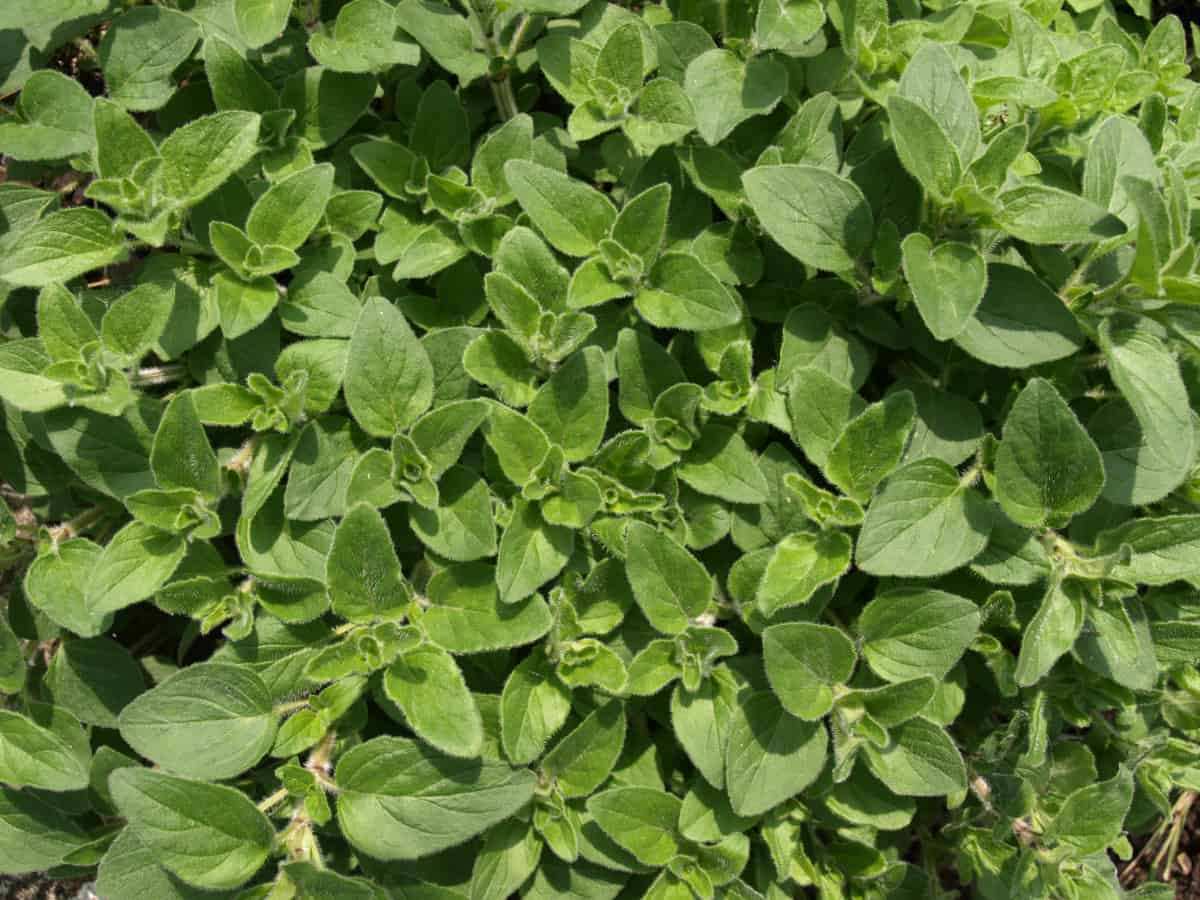
Most people think they know oregano. It's the jar in the spice cabinet, the thing that makes pizza smell like pizza. But the first time I rubbed a fresh leaf between my fingers in an actual garden, the scent that hit me was almost nothing like what I'd been shaking onto tomato sauce my whole life. Not because the plant was different, but because I was finally smelling it alive, the volatile oils fully intact, sharp and almost medicinal, with a warmth that builds in the back of your throat. That moment is what hooked me on growing it myself, and it's also the thing I now use to explain to every new gardener why fresh and dried oregano aren't really the same ingredient.
Here's the contradiction that keeps surprising people: oregano is one of the very few herbs that gets more potent when you dry it, not less.[1] The heat and slow moisture loss concentrate the essential oils rather than dispersing them, which is why a pinch of good dried oregano can outmuscle a whole handful of the fresh stuff in a long-simmered sauce. Understanding that one fact changes how you grow it, when you harvest it, and honestly, how much of it you plant. In my experience, the answer to that last one is always more than you think you'll need.
Oregano Origin, History, and Botanical Background
If you've ever grown oregano in lean, gravelly soil and watched it absolutely thrive while neighboring herbs struggled, you've witnessed exactly the conditions it evolved for. Origanum vulgare is native to the Mediterranean region, Western and Northern Eurasia, and parts of North Africa, where it colonizes sunny, rocky slopes, scrublands, and the kind of poor, calcareous, well-drained soils that would discourage most kitchen garden plants.[2][3][4] That origin story matters in the garden, because every cultural preference oregano has, from its hatred of waterlogged roots to its insistence on full sun, traces back to those hillside habitats.
Native Habitat and Botanical Characteristics of Oregano
Oregano is a short-lived polycarpic perennial, meaning it flowers and sets seed every year without dying, and can persist anywhere from three to ten or more years under good conditions.[3][2][5] It's naturalized across more than 40 U.S. states, showing up in disturbed roadsides and waste places with the easy confidence of a plant that knows how to make itself at home.[3][6] That adaptability is a feature in the garden, but it points to a harder truth about the plant's wild populations: oregano in Greece and Turkey is under real pressure from overharvesting, with slow recovery rates that can lead to local extinctions.[7] I never wild-harvest, and I always start from reputable nursery cultivars rather than collected seed or transplants of uncertain origin. It's a small choice, but it's the right one.
The genus is broader than most gardeners realize. Syrian oregano (Origanum syriacum) grows on rocky calcareous slopes up to 1,800 meters across Syria, Lebanon, Israel, Jordan, and Turkey, while Spartan oregano (Origanum minutiflorum) clings to a narrow band of limestone habitat in southwestern Turkey and is listed as endangered.[8][9][10] These aren't curiosities; they're relatives that deepen our understanding of what this genus can do and why conservation of their native habitats genuinely matters.
Visual Identification Features of Oregano and Related Species
The first thing I do with any unknown plant I suspect might be oregano is crush a leaf to check for its unmistakable warm, slightly peppery scent. The plant itself is thoroughly Lamiaceae in its presentation: square, erect stems, opposite ovate leaves one to four centimeters long, and glandular-hairy surfaces dotted with oil glands that give the leaves their characteristic soft, fuzzy texture.[11][12][13] Plants grow 30 to 90 centimeters tall with small pink to purple flowers in dense terminal spikes from midsummer into early fall, and the fruits are tiny brown ovoid nutlets tucked inside a persistent calyx.[14][15] I grow a common Italian-type and a Greek strain side by side, and the Greek type is consistently more pungent in full sun, something that makes complete sense once you understand how much carvacrol concentration varies with light and growing conditions.
Marjoram (Origanum majorana) looks and smells notably different: a rounder, more compact plant with softly gray-green leaves, a sweeter minty fragrance, and white to pale pink flowers.[2][16] Syrian oregano has elliptical-ovate leaves with a strong oregano-like aroma and stems that turn woody at the base with age, while Spartan oregano stays compact at 15 to 30 centimeters with very small leaves and dense white to pale lilac flower spikes.[17][18] Knowing those differences matters when you're choosing what to put next to what in a polyculture bed, and I'll admit I reach for marjoram's gentler leaves in recipes where I want something more floral and less assertive.
Traditional, Cultural, and Mythological Uses of Oregano
Greek mythology attributed oregano to Aphrodite, who created it to bring strength, joy, and happiness; wedding garlands were woven from it as symbols of love and protection, while Romans burned it in funerary rites to purify the air and evoke eternal life.[19][20] Hippocrates, Dioscorides, and later Avicenna all documented it for respiratory, digestive, and wound care, and from there it traveled the world through Roman trade routes, Moorish expansion, and eventually European colonization.[21][22] Those traditional uses echo through every Mediterranean kitchen today, and I find something grounding about growing a plant that's been tended by humans with such continuity.
Syrian oregano adds a particularly layered history—widely identified as biblical hyssop, the "ezov" mentioned in Exodus and Psalms for ritual purification, and it's the primary herb in Levantine za'atar, that foundational blend of sesame, sumac, and olive oil spread across manakish flatbread.[23][24][25] Marjoram was used in ancient Egyptian embalming around 1500 BCE and found its way into Greek and Roman wreaths before settling into medieval European monastic gardens for both culinary and medicinal purposes.[26][27] Contemporary concerns about sustainability, taxonomic confusion between wild and cultivated forms, and the overharvesting of high-carvacrol subspecies in native Mediterranean habitats[21] make it clear that choosing ethically sourced, cultivated plants isn't just a gardening preference. It's a responsibility to a plant with a very long and meaningful human story.
Fun Facts and Ecological Roles of Oregano
That intoxicating scent isn't just there for our pleasure. Oregano's essential oil is dominated by carvacrol (50 to 85%), with supporting compounds including thymol, p-cymene, and γ-terpinene.[28][29] These volatiles evolved as a defense against herbivores and pathogens while simultaneously functioning as a pollinator beacon for bees, hoverflies, and butterflies.[30] On top of that, it functions as a hardy groundcover that stabilizes soil, suppresses weeds through allelopathy, and tolerates temperatures down to -20°C across USDA zones 5 to 9.[31][32] In my Florida garden the scent is almost aggressive when I brush against the plants on a hot summer afternoon, a reminder that the plant is working hard, deploying its chemistry against the heat in much the same way it does on a Mediterranean hillside. Marjoram runs milder, with a monoterpene-rich oil dominated by terpinen-4-ol and linalool, and prefers warmer zones 9 to 11, while Syrian oregano counters drought with deep roots and waxy cuticles that trace back to the same arid limestone habitats that gave it its biblical reputation.[33][34][35]
Oregano Varieties and Cultivars
Notable Varieties of Oregano, Marjoram, and Syrian Oregano
Origanum vulgare is the botanical anchor for this whole conversation: a perennial Lamiaceae native to the Mediterranean and Western Eurasia[3][36] that tops out around one to two feet tall and spreads one to three feet wide in a clump-forming, somewhat sprawling habit.[37] It's reliably hardy in zones 5 through 9, with protected spots occasionally pushing it into zone 4.[37] Sweet marjoram and Syrian oregano exist in the same genus but live quite different lives: marjoram is tender, happiest in zones 9 to 11 or grown as an annual in cooler gardens, while Syrian oregano falls somewhere in between at zones 8 to 11.[38][39]
Within O. vulgare, the choice that matters most for cooks is subspecies. Greek oregano (subsp. hirtum) carries 60 to 80% carvacrol in its essential oil, which translates to that sharp, peppery, almost throat-catching pungency you associate with a good wood-fired pizza or a proper Greek salad.[40][41] What gets sold as Italian oregano is typically subsp. vulgare, and it's genuinely different: more thymol, lower carvacrol, softer and more floral.[42] I've grown both side by side, and after drying a harvest from each I now only save seed from the Greek type. The flavor gap once you open those jars is not subtle. The cultivar list within O. vulgare runs long, from ornamental selections like Aureum (gold foliage) and Purpurascens (purple-tinged leaves) to the tidy Compacta form I've used as edging in herb garden designs where a softer mounding habit reads beautifully against stone paths.[43][44] For pure kitchen use, though, those ornamental types take a back seat to Greek and Hot and Spicy. Breeding efforts for the species focus on exactly that tension: flavor intensity and compactness for productive selections, ornamental variegation for landscape ones.[45]
Where to Buy Oregano Plants and Seeds
Common oregano is genuinely easy to find. Seed packets run $3 to $7, four-inch pots land at $5 to $12, and larger harvest-ready plants go for $9 to $18 at most garden centers, with a premium for organic stock.[46][47][48] I always buy certified organic starts when I can. Oregano is a plant I'm pinching and throwing into food constantly, so minimizing pesticide residues on the foliage is a practical concern, not just a values one.[49]
The flavor sourcing question matters more than the purchasing channel. Look for plants or seeds explicitly labeled as Greek oregano or O. vulgare subsp. hirtum if you want that signature Mediterranean punch. Adulteration is genuinely common in dried oregano and essential oils, and botanical purity in what you grow from is the most reliable way to guarantee you end up with the flavor you're after.[50] For sweet marjoram, the same mainstream suppliers carry it without much trouble.[51] Syrian oregano is a different story: it's a specialty item, and I've had the best luck sourcing true-to-type plants through Richters, Plant Delights, or Mountain Valley Growers, where plants run $5 to $15 and seeds $3 to $10.[52][53][54] Oregano is naturalized across more than 45 US states and carries no invasive or noxious designation anywhere, so there are no import restrictions to worry about on seed.[3][55] Time your purchase for spring planting after last frost, typically March through May, and you'll get the establishment window the plant wants.[56]
Oregano Propagation and Planting Guide
Propagation Methods for Reliable Results
Oregano gives you plenty of options: seeds, stem cuttings, division, layering, and even tissue culture for the truly ambitious.[44][57] But if you've ever grown a batch of oregano from seed and wondered why half the plants smell like dried grass while the others are pungent enough to clear a room, you've already discovered the catch. Origanum vulgare outcrosses readily, so seed-grown plants can vary wildly in essential oil content and flavor.[58] For consistent, kitchen-worthy plants, vegetative propagation is the way to go.
Stem cuttings are my first choice. Softwood or semi-ripe cuttings root in two to four weeks in moist, well-draining media, with success rates running 80 to 95%.[59][60] I've started Greek oregano and Syrian za'atar from cuttings in my Central Florida food forest and typically see roots within two to three weeks under intermittent mist. Division works just as well for established plants and should happen every three to four years anyway to keep clumps vigorous; spring or fall are both fine for timing.[44] Seeds still have their place, especially when you want to grow large quantities or explore new-to-you selections, but go in knowing the flavor lottery is real.
When you do sow, surface-sow or barely cover the seeds (no deeper than 1/8 inch) because they need light to germinate.[59][61] Keep the media at 65 to 75°F and expect sprouts in seven to twenty-one days with germination rates of 70 to 90% under good conditions.[44]
Understanding Oregano Seeds: Morphology, Viability, and Storage
The seeds themselves are tiny, 0.5 to 2.0 mm long, oval to elliptical, dark brown to nearly black with a smooth to faintly ridged surface.[62][63] They're schizocarpic, meaning each fruit splits into two little units called mericarps. I mix mine with a pinch of dry sand before sowing because they vanish into a dark growing tray otherwise and you end up with a crowded clump in one corner and nothing in the rest. Sweet marjoram seeds are similarly small and reniform, often producing two to four embryos per seed, while Syrian oregano seeds run slightly more elongated and reddish-brown with a reticulate surface texture.[64] All three germinate on the same basic timeline, but cuttings remain the practical choice when cultivar identity matters.
Oregano seeds are orthodox, meaning they tolerate drying down and cold storage without dying.[65] At home, stored cool (4 to 10°C), dry (below 40% relative humidity), and in a sealed container, they hold viable for three to five years.[66][67] I keep a small jar in the refrigerator and sow ten seeds each spring just to check. A third-year batch I stored well still hit around 70% germination, which tells me the fridge method actually works. Under seed-bank conditions with frozen storage and very low moisture content, viability can extend to twenty years or more,[68] but for most of us the refrigerator is plenty. If you want to be more rigorous, the tetrazolium test stains living seed tissue red within a few hours and gives a quick read on lot quality without waiting for germination.[69]
Soil, Site, and Planting Requirements
Oregano evolved on rocky Mediterranean slopes, calcareous grasslands, and limestone-rich scrubland where soils are lean, fast-draining, and often nutrient-poor.[63][3] Replicate that, and the plant practically takes care of itself. It wants sandy loam, loam, or gritty soil with a pH between 6.0 and 8.0 (the sweet spot being 6.5 to 7.5), six to eight hours of direct sun, low organic matter, and absolutely no standing water.[44][2] I grow it alongside rosemary and lavender in my Central Florida beds specifically because they share that drainage requirement; if a spot is too wet for lavender, oregano will struggle there too.
Soil pH profoundly matters here. When it drops below 6.0, I've watched plants go pale, stop putting on new growth, and develop the generalized chlorosis and stunting that come from poor root development in acidic conditions.[70] A lime application usually brings visible recovery within three weeks. On the alkaline side, above pH 8.0, you'll see interveinal chlorosis and curled leaf margins instead. For heavy clay soils, amend with sand or grit before planting; in containers, a mix of roughly 50% potting soil, 25% perlite, and 25% coarse sand works well.[71] Go easy on compost; excess fertility dilutes the essential oils that make oregano worth growing in the first place.[72] The same goes for reduced sun; shade doesn't just slow growth, it actively diminishes flavor.
Syrian oregano wants even more alkalinity, thriving in limestone-rich soils up to pH 8.5 with roots going down 12 to 24 inches.[73][74] Sweet marjoram is more forgiving of lighter soils but prefers a narrower pH window around 6.0 to 7.5. Spartan oregano is a high-elevation Turkish limestone specialist that's genuinely difficult to cultivate outside its native habitat, so temper expectations if you're experimenting with it.[75]
Spacing, Timing, and Planting Technique
Space common oregano 12 to 18 inches apart with 18 to 24 inches between rows.[44][59] That may feel generous when you're looking at a small transplant, but mature plants reach 12 to 24 inches in both height and spread, and crowding is one of the fastest routes to powdery mildew. Good airflow is prevention. Plant in spring after the last frost date, once soil temperature holds at 60 to 70°F.[2]
Syrian oregano spreads a bit wider at maturity, and I give it closer to 18 to 24 inches between plants with row spacing up to 36 inches in my guild plantings,[76] partly because its more upright habit can shade lower groundcover companions if things get tight. In containers, one plant per 12-inch pot with strong bottom drainage handles most species fine.[77] For seedlings started indoors, harden off transplants carefully before planting out, and always use sterile media; damping-off moves fast in young oregano seedlings when airflow is poor. One thing I've learned the hard way: label your rows in the first season. Seedlings of different Origanum species look nearly identical at the cotyledon stage, and trying to reconstruct which flat was which is a frustrating exercise you only want to do once.
Oregano Care Guide: Growing and Maintaining Origanum vulgare
Caring for oregano comes down to one principle I've repeated to every gardening student I've worked with: stop trying to pamper it. This is a plant that evolved on rocky, sun-blasted Mediterranean hillsides where soils are lean, rainfall is seasonal, and nobody's adding compost. The closer you can get to those conditions, the better your oregano will taste and behave.
Sunlight Requirements for Flavor and Compact Growth
Oregano needs at least 6-8 hours of direct sun daily, and this isn't just about keeping the plant alive.[45][2] Sun exposure directly drives essential oil production, which is what gives oregano its punch. After years of growing it across different exposures in my garden, I can tell you that plants getting less than six hours become noticeably less aromatic, the stems get lanky and pale, and the leaves lose that characteristic resinous quality.[78][79] If you're growing indoors, a south-facing window can work short-term, but be honest about the light levels; supplemental grow lighting is often necessary to maintain any real vigor.[78]
Water Needs and Drought Tolerance
Once established, oregano is genuinely drought-tolerant, a trait that goes back to its origins on dry Mediterranean hillsides.[2][63] During the first few weeks after planting, water moderately to help roots establish. After that, I use a simple finger test before reaching for the hose: if the top inch or two of soil still feels damp, I leave it alone. About an inch of water per week covers most situations when rainfall is short, but I regularly go longer between waterings in my established beds without any complaint from the plants.[2][45]
Overwatering is by far the more common mistake. Too much moisture invites root rot from pathogens like Pythium and Phytophthora, with warning signs that include yellowing leaves, wilting despite wet soil, and a foul smell coming from the root zone.[2][80] Underwatering shows up differently: leaves curl, margins go brown, and growth slows, but those symptoms are usually reversible if you catch them early.[81] The plant tolerates a soil pH anywhere from 6.0 to 8.0, with the sweet spot around 6.5 to 7.5.[82]
Soil and Feeding: Why Less Is More for Oregano
Oregano is a light feeder, and lean soil is genuinely an asset here.[83] I used to fertilize my potted oregano fairly generously and ended up with lush, attractive plants that tasted like almost nothing, an experience that maps directly to the research: excess nitrogen reduces concentrations of carvacrol and thymol, the compounds responsible for flavor and aroma.[84][85] For established garden beds, I've found that a light topdressing of compost in spring is all they need, if that.[86] Container plants are a different story; a diluted balanced fertilizer (around half-strength 10-10-10) every four to six weeks during active growth keeps things ticking without pushing lush, bland growth.[44] If you do see interveinal yellowing or stunted growth, that can indicate iron, manganese, or zinc deficiency, which affects oil composition alongside general health.[87]
Heat and Frost Tolerance in Mediterranean Herbs
Oregano grows best between 65-80°F and handles short heat spikes up to around 104°F without much drama.[88] Prolonged temperatures above 86°F are where stress shows up as leaf scorch, tip browning, and wilting, especially in young transplants.[89] In my hot-summer gardens I use 30-50% shade cloth on new transplants until they've toughened up, then remove it once they're established. Timing irrigation to early morning, keeping a couple inches of mulch over the root zone (pulled back from stems), and choosing heat-adapted cultivars like Greek oregano all help keep plants productive through summer peaks.[90]
Frost Protection and Winter Care
Common oregano is reliably hardy in USDA zones 5-9, with some varieties pushing into zone 4, tolerating temperatures down to around -15°C to -20°C.[3][91] That hardiness is a major reason I favor it over close relatives; sweet marjoram is only reliably perennial in zones 9-11 and requires constant winter management further north, while Syrian oregano needs zone 7 at minimum and struggles below zone 8.[2][92]
My winter protection routine is simple: I wait for the first hard frost before applying 2-4 inches of straw or leaf mulch around the crown, keeping it away from the stems themselves to prevent rot.[44][93] That timing matters; mulching too early can trap warmth and delay dormancy. If frost catches a plant unprepared, the signs are blackened, mushy leaves and brittle stems, but don't panic. The woody base and roots almost always survive, and new growth will emerge from them in spring once you trim away the dead tissue.[94] Drainage remains the single biggest factor in winter survival; a waterlogged crown will kill oregano faster than cold temperatures alone.
Pruning, Maintenance, and Seasonal Rhythm
Oregano is a short-lived perennial, typically productive for three to five years before the woody base becomes too dense and output drops off.[3][7] It flowers each season from June through September, dies back to its woody crown in winter, and returns from that base each spring. I've come to look forward to that emergence: when I see fresh growth pushing up from the crown in early April, that's my cue to get out the snips.
Each spring, once new growth is clearly underway, I cut the whole plant back by about one-third.[44][2] The response is reliably bushier, denser growth than if I'd left it alone. Through the growing season I pinch tips every four to six weeks to keep plants compact and delay flowering, which maintains that peak-oil moment a bit longer. Heavy pruning in fall or winter is the one thing to avoid; it removes the protective top-growth the crown needs and can set back recovery significantly. A light layer of organic mulch kept an inch or two from the stems rounds out the maintenance calendar, holding moisture, suppressing weeds, and protecting roots through both summer heat and winter cold.[45][95]
How to Harvest Oregano
After some early mistakes overharvesting young plants and ending up with stubby, woody regrowth that took weeks to recover, I now rely on two things above a calendar: the bud stage and my nose. Oregano (Origanum vulgare) is ready for a serious cut around 80-90 days from seed, once plants carry at least 6 sets of leaves and stand 6-12 inches tall.[56][96] But that's just the baseline. What the calendar can't tell you is whether your particular plant, in your particular summer, is already pushing toward bloom ahead of schedule.
Timing and Cues for Peak Flavor
Peak oil concentration arrives just before the plant opens its flowers. What you're looking for is tight, closed buds with 50-70% still unopened, vibrant green leaves, and a sharp, almost aggressive fragrance when you bruise a leaf between your fingers.[97][98][50] If the smell is faint or grassy rather than punchy, wait a few more days. That fragrance test has never steered me wrong.
Timing within the day matters too. I cut between 8 and 10 in the morning on dry, sunny days, after the dew has evaporated but before the midday heat drives off the volatile oils.[99][44] I learned this the hard way with a batch I cut after a humid Florida morning that hadn't fully dried out. The whole bundle developed mold before it could dry properly, cementing my rule of dry days only, full stop.
In the Northern Hemisphere the prime window runs July through September, but leaves stay harvestable for 30-60 days after bloom before the plant starts to die back.[83][100] Because it's a perennial, you'll get multiple harvests across that window rather than one all-or-nothing cut. Sweet marjoram follows a comparable 60-90 day timeline, while Syrian oregano may only support light harvesting in its first year before hitting full stride in year two.[101][102]
Harvesting Technique and Yield
The rule I follow without exception: never take more than a third of the plant at once. Cut stems about a third of the way down, just above a leaf node, using clean and sharp shears.[44][37][98] That cut above a node is what triggers the branching response that keeps the plant dense and productive rather than leggy. This kind of harvest doubles as the pruning work I'd be doing anyway, so it's genuinely two tasks in one.
Leaves are the main prize, though I'll collect a few flowers to dry for teas and garnishes.[2][103] With regular light harvesting across a long growing season, a few well-established plants can yield 1-2 pounds of leaves annually across up to three harvests.[104] That's genuinely more than most households go through in a year, which is exactly why drying makes sense.
Fresh vs. Dried Flavor and Uses
Fresh oregano has an herbaceous, mildly earthy bite with grassy undertones and a hint of mint. Dry it, and everything changes. The carvacrol and thymol concentrate as moisture leaves, and what was pleasant becomes pungent, warm, almost balsamic.[37][105] In my experience, leaves harvested during a hot Central Florida summer dry into something noticeably more intense than early-season cuts from the same plant, which makes sense given what heat does to oil production.
Once dried, the leaves turn brittle and crumbly, making them easy to crumble straight into sauces, rubs, and stews[3][106] -- a texture that feels designed for the kitchen. Store dried oregano in an airtight container away from light and heat and it holds its potency for up to a year.[103] The contrast with dried marjoram is worth knowing: marjoram's sweeter, citrusy notes mellow further when dried, while Syrian oregano intensifies into something more phenolic and thyme-adjacent.[107][108] That Syrian profile is exactly what I taste in good za'atar blends -- earthy, spicy, and nothing like the mild stuff sold in most grocery store jars. Growing and drying your own is the only way to get there reliably.
Oregano Preparation and Uses
Culinary Uses of Oregano and Related Species
One thing I love about oregano is how generous the plant is. Every above-ground part of Origanum vulgare is edible: leaves, stems, flowers, and seeds.[3][2] The related species like marjoram, Syrian oregano, and Cretan oregano focus on leaves and flowers, with stems often too woody to eat directly, though I'll get to a clever use for those later.[109]
Fresh leaves work beautifully raw in salads or scattered as a garnish, but drying is where the real magic happens. After years of bundling stems and hanging them in my Florida breezeway, I can tell you: the carvacrol aroma gets dramatically more intense than anything you'll find in a grocery store jar.[44] That's because carvacrol drives oregano's bold, pungent, earthy punch and can make up 50 to 80 percent of the essential oil.[110] Shade-dry at 30 to 40°C, skip washing before you hang them (moisture invites mold), and stored properly the dried herb holds its aroma for up to a year.[111] Marjoram's gentle sweetness reminds me of a softer cousin to the bold oregano I reach for on pizza, while Syrian oregano's minty, camphoraceous bite makes za'atar unmistakable the moment you smell it.[112][113]
That potency carries real nutritional weight too. Dried oregano delivers impressive levels of vitamin K, calcium, iron, and manganese alongside rosmarinic acid and carvacrol, the two phenolic compounds behind its documented antioxidant and antimicrobial activity in preclinical research.[114][115][116] Even used in everyday herb quantities these concentrations add up.
In the kitchen, oregano is at home across Italian pasta sauces, Greek grilled meats, and Mexican beans and chili, pairing naturally with garlic, tomatoes, lemon, and olive oil.[117][118] A solid chimichurri recipe built on oregano alongside parsley and garlic shows you how far the herb travels from its Mediterranean home. Add it toward the end of cooking to preserve those volatile oils; long simmered sauces are the one exception where I actually prefer dried over fresh, since the heat mellows the bitterness beautifully.[2] Syrian oregano pairs especially well with lamb, eggplant, and flatbreads and is the defining herb in za'atar alongside sumac and sesame; marjoram finds its niche in herbes de Provence and with poultry.[119] For infused oils and herbal vinegars, use sparingly and refrigerate promptly to avoid botulism risk.[120]
One safety note I always share: oregano can be confused with wall germander (Teucrium chamaedrys), which contains hepatotoxic compounds.[121] I double-check leaf shape and scent before every harvest. The few seconds it takes to confirm are absolutely worth it.
Medicinal Preparations from Oregano
For home medicinal use, the traditional approach is refreshingly simple: steep 1 to 2 grams of dried leaves per cup of boiling water for 5 to 10 minutes and drink two to three cups daily as a tea for digestive or respiratory support.[122] I harvest just as the first flowers begin to open, which is when essential oil concentration peaks, then dry that batch specifically for tea.[122] Essential oil is a different matter entirely: it's highly concentrated, and internal use means 1 to 3 drops diluted in a carrier oil, up to three times daily, not straight from the bottle.[44] Anyone using it therapeutically, especially during pregnancy or alongside medications, should consult a professional, as the health benefits section covers in detail.
Non-Food Uses and Traditional Applications
Those tough, woody stems I mentioned earlier aren't waste. Bundle them into a bouquet garni or drop them into a long-simmering broth for flavor, then discard before serving.[44][111] Beyond the kitchen, oregano's antimicrobial and aromatic properties have supported everything from ritual purification (especially Syrian oregano)[123] to herbal vinegars and folk crafts.[2] In my own garden, spent stems go into the compost or occasionally as aromatic mulch around neighboring herbs. For a plant this generous, the respectful move is to use every bit and let nothing go to waste.
Oregano Health Benefits and Medicinal Uses
Oregano has been doing medicinal work long before anyone ran a clinical trial on it. Across Mediterranean, Levantine, and European traditions, Origanum vulgare and its relatives were brewed as teas, pressed into poultices, and inhaled as steam for respiratory complaints, digestive cramps, urinary tract discomfort, and skin infections.[124][125][126] What I find compelling is how consistent those uses are across cultures that had no contact with each other. That kind of convergence usually means the plant is actually doing something.
Traditional and Modern Medicinal Applications of Oregano
Modern preclinical research has largely validated the direction of those traditions. Origanum vulgare essential oil shows broad-spectrum antimicrobial activity, particularly against Gram-positive bacteria and Candida species, along with documented antioxidant and anti-inflammatory effects.[110][127] In animal models, oregano extracts have shown reduced inflammatory markers including TNF-α and IL-6, improved insulin sensitivity, and reduced blood glucose in diabetic rats; in vitro studies have observed inhibition of breast and colon cancer cell lines.[128][129][130] Those results are genuinely promising, though they're still based on in vitro and animal data rather than high-quality human clinical trials.[131] I always tell clients to hold the excitement lightly until human trial data catches up.
The genus gets more interesting when you look at related species. Marjoram (Origanum majorana) has been used traditionally as a nervine and antispasmodic, and there's solid preclinical support for that: its anxiolytic activity appears to work through GABAergic pathways, its analgesic effects through COX enzyme inhibition, and its antispasmodic action through calcium channel blocking.[132][133] I use marjoram tea with some clients dealing with stress and mild digestive tension; it produces a gentle calming effect similar to chamomile but sweeter and less bitter. Syrian oregano (Origanum syriacum) and Cretan oregano (Origanum onites) share the high carvacrol dominance of common oregano and show comparable antioxidant, antimicrobial, and anti-inflammatory profiles in preclinical models.[134][135]
Key Phytochemicals in Oregano: Carvacrol, Thymol, and Rosmarinic Acid
The bioactivity traces back to a relatively tight cluster of compounds. Origanum vulgare essential oil is typically 50-80% carvacrol and thymol, two phenolic monoterpenes accompanied by p-cymene and γ-terpinene; the oil itself makes up roughly 1-4% of the leaf's dry weight.[110][136] Beyond the oil, the plant produces rosmarinic acid, flavonoids including apigenin, luteolin, and quercetin, and various phenolic acids, with the distribution shifting depending on which part you're analyzing: leaves are richest in essential oils, flowers concentrate flavonoids, and roots hold more phenolics.[137]
What I've noticed growing multiple oregano chemotypes in my garden is that plants harvested during hot, dry stretches produce noticeably more pungent leaves with a longer kitchen shelf-life. That tracks with the research: drought stress and high temperatures concentrate essential oil constituents, and harvesting at the flowering stage generally maximizes the bioactive profile.[138][139] The chemistry these plants make isn't decorative; it evolved as defense against herbivores and pathogens, and it's the same chemistry that ends up doing work in the kitchen and the clinic. Marjoram diverges here, with linalool and terpinen-4-ol dominating its oil rather than carvacrol, while Syrian and Spartan types swing back toward carvacrol at 50-90%, explaining both their intense flavor and their strong antioxidant capacity.[140][113]
Nutritional Profile and Antioxidant Density
A single gram of fresh oregano delivers about 2.65 kcal, 16.3 mg of vitamin K (roughly 14% of daily value), plus meaningful iron and B6.[141] Dried oregano amplifies that considerably: per 100 g you're looking at 1,597 mg calcium, 36.8 mg iron, and 2,210 mg potassium, alongside 42.5 g of fiber.[142] Nobody is eating 100 g of dried oregano in one sitting, but even a pinch adds real micronutrient density alongside the phenolic antioxidants. Dried marjoram goes further still on several counts: 1,990 mg calcium, 82.71 mg iron, and an extraordinary 6,215 µg vitamin K per 100 g, with flavonoids and phenolic acids that push its antioxidant capacity higher.[143]
How you handle the herb matters. Drying concentrates minerals but degrades heat-sensitive vitamins like C; steaming preserves more phenolics than boiling; freeze-drying retains the most volatile oil.[144][145] I learned this the hard way years ago, losing a whole season's harvest of volatile oils to a hot-air dehydrator set too high. Now I dry small batches at low temperature and store them in airtight glass away from light. It's a small thing that makes a real difference in both flavor and biological value.
Safety Considerations for Culinary and Medicinal Use
Culinary oregano is classified GRAS by the FDA, and the fresh or dried herb is nontoxic at typical cooking amounts.[146][3] Concentrated essential oil is a different category entirely. Carvacrol has an oral LD50 in rats of around 810 mg/kg, and at high or undiluted doses the oil can irritate skin, inflame mucous membranes, cause GI upset, and in rare cases provoke allergic dermatitis or seizures.[147] For therapeutic use, professional guidance on dilution (typically 1-5% topically or 100-200 mg/day internally for short periods) isn't optional; it's practical.[148]
If you take warfarin or other blood thinners, consult your doctor before using oregano medicinally; the research on carvacrol's effect on CYP enzymes is clear enough that I advise caution rather than guesswork.[149] The same goes for diabetes medications, given the blood-glucose effects seen in preclinical models. Marjoram carries an additional contraindication during pregnancy due to potential uterine stimulation.[150] Pet owners should know that oregano essential oil is toxic to dogs and cats, capable of causing vomiting, diarrhea, lethargy, or neurological symptoms.[151] I keep my oregano and marjoram pots on a high shelf in my propagation area because even a curious cat chewing on a leaf can end up with an upset stomach. Culinary pinches of dried herb on their own? Low risk, real benefit. Medicinal-grade oils? Treat them with the same respect you'd give any potent botanical extract.
Oregano Pests and Diseases
Natural Disease Resistance and Common Fungal Issues
The same carvacrol and thymol that make oregano worth growing in the first place also make it remarkably hard to kill with pathogens. Those essential oils have documented antimicrobial activity against a broad spectrum of fungi and bacteria,[152][110] and the glandular trichomes covering the leaves are a physical barrier on top of that chemical one. Verticillium wilt, bacterial wilt, and most viral infections are simply not meaningful threats to this plant.[153] So when something does go wrong with an oregano plant, I've learned to look at my own practices before blaming the pathogen.
Root rot is the one disease that can genuinely take down a healthy plant, and it's almost always a grower error. Phytophthora, Pythium, and Rhizoctonia all become problems when soil stays waterlogged.[154][155] Every case of root rot I've diagnosed in my own garden traced back to a spot that held standing water for more than two days after rain. Fixing the drainage fixed the problem permanently. Powdery mildew and downy mildew can appear when humidity climbs above 70% or temperatures push past 77°F, showing up as yellowing leaves or grayish-white fuzz on leaf undersides.[156][157] I've grown Greek oregano for years in humid conditions, and once plants reach mature size with good airflow between them, the mildew essentially disappears even through rainy summers.
Spacing plants 12 to 18 inches apart, watering at the base rather than overhead, and removing any infected debris are the core cultural fixes.[158][159] Cultivar choice matters too. Greek oregano handles humid conditions well, while common marjoram is noticeably more vulnerable to Fusarium wilt and Alternaria leaf spot. Spartan oregano, with carvacrol levels reaching 80 to 90%, shows strong resistance to Fusarium, Phytophthora, and downy mildew.[139][160] If disease pressure ever persists despite corrected cultural conditions, copper-based fungicides are a last resort, but in my experience most oregano disease problems disappear once drainage and airflow are sorted.[161]
Pest Resistance and Integrated Management
Oregano's aromatic oils don't just deter pathogens; they actively repel many pest insects too. Carvacrol and thymol have documented insecticidal, repellent, and antifeedant effects,[162][163] and mycorrhizal associations can boost those defensive volatiles even further.[164] I interplant oregano with tomatoes and brassicas specifically to take advantage of this, and it noticeably reduces aphid and whitefly pressure on neighboring plants.[165]
That said, a stressed oregano plant is still worth watching. Aphids cause leaf curling and stunting, spider mites leave stippling and fine webbing, and thrips, flea beetles, whiteflies, and leafminers can all show up when air circulation is poor or the plant is struggling.[166][167] My Greek oregano almost never sees aphids, while marjoram planted nearby needs monitoring for green peach aphids in warm weather.[168] Spartan oregano's high carvacrol content (70 to 95% in some accessions) shows larvicidal and acaricidal activity in lab studies,[169] which matches what I notice in the garden: the hottest-smelling plants at harvest are reliably the least pest-bothered ones.
First response to any pest outbreak should always be cultural: check spacing, improve airflow, pull weeds, and knock aphids off with a firm spray of water. Ladybugs and other predatory insects handle a surprising amount of the remaining pressure on their own. If you do need to intervene, insecticidal soap, neem oil, or yellow sticky traps for flying pests are all effective organic options before anything more targeted.[170][59] I almost never reach for neem on oregano because the cultural fixes work so well, but when I have used it on a spider-mite outbreak it cleared up in one thorough application. A healthy, well-sited plant is genuinely its own best defense.
Oregano in Permaculture Design
Most herbs earn their place in a food forest through one or two functions. Oregano earns it through about six. I've been weaving Origanum species into guild plantings for years, and what keeps bringing me back to this genus is the way its ecology and its culinary value reinforce each other rather than trade off. The same essential oil chemistry that makes it pungent in the kitchen is what draws pollinators, repels pests, and inhibits competing weeds. That kind of multi-layered function is exactly what permaculture design asks for.
Climate Preferences and Hardiness Zones for Oregano
Common oregano is a Mediterranean native, evolved for hot dry summers, mild wet winters, and rocky calcareous soils with serious drainage.[171][172] It thrives in low humidity and tolerates natural precipitation as low as 10-15 inches per year once established, though it handles up to about 30 inches in its native range.[42][13] In terms of cold hardiness, it's tougher than most gardeners expect: USDA zones 5-9, with some sources pushing it to zone 4, tolerating lows around -20°F when drainage is excellent.[2][173] That last qualifier matters more than the temperature number. I've watched plants sail through hard winters in well-drained gravel beds and rot out in milder ones where water sat around the crown.
One thing I've observed across multiple plantings is that plants under mild drought stress in full sun consistently produce the most aromatic foliage. That tracks with the research: environmental stressors like high heat and limited moisture push essential oil yields up to 2-3% of dry weight.[42] So the lean, sunny, slightly challenging spot you might worry is too harsh is often exactly where oregano does its best work, for the kitchen and for the ecosystem.
The other Origanum species each occupy a narrower climate window. Sweet marjoram is only perennial in zones 9-11 and treated as an annual nearly everywhere else, preferring moderate humidity and cooler growing temperatures than common oregano.[2][101] Syrian oregano sits in zones 8-10 with solid heat tolerance but prefers warm, dry winters and can survive briefly to about 10°F with protection.[9][174] Spartan oregano (Origanum minutiflorum) is more cold-tolerant than its relatives at zones 6-9, handling brief dips to around -10°F, though it's a Vulnerable endemic from Turkey's Taurus Mountains[175][176] and I'd source it only from reputable botanical suppliers rather than the commercial herb trade. For most designers in temperate North America, common oregano is the workhorse, with marjoram as a warm-season annual accent and Syrian oregano reserved for zone 8+ sites where you want that higher-carvacrol punch in a za'atar-style planting.
Ecosystem Functions and Benefits of Oregano
Oregano's essential oils, dominated by carvacrol and thymol, do a lot of the heavy lifting in a guild setting. They've been shown to repel aphids, whiteflies, cabbage moths, spider mites, flea beetles, and mosquitoes.[177][178] That makes it a genuinely useful companion plant for tomatoes, peppers, basil, and brassicas, crops that tend to attract exactly those pests.[179] I've watched the difference in my own designs: plots that included oregano as a border or understory herb consistently showed less aphid pressure on adjacent tomatoes than plots without it. While it's hard to say definitively if oregano is solely responsible, the correlation is consistent enough that I keep planting it there.
Beyond pest dynamics, oregano contributes to soil health through its perennial root system, which stabilizes slopes, reduces erosion, and adds organic matter via leaf litter.[180] It also functions as a dynamic accumulator, drawing up iron, zinc, calcium, and potassium, and its roots associate with arbuscular mycorrhizal fungi, which supports the broader soil food web rather than just the individual plant.[181][182] Syrian oregano shows particularly high mycorrhizal colonization rates of 40-70%, which is one reason I'd consider it in drier Mediterranean-style guilds even outside culinary use.[181]
The pollinator story is one of my favorite things about this plant, which flowers from June through September, offering tubular, nectar-rich blooms that bees account for up to 80% of visits to in Mediterranean ecosystems, with bumblebees, honeybees, and solitary bees all well-represented.[183][184] Hoverflies and butterflies supplement that pollination activity, and the late-summer bloom timing fills a gap when many spring and early-summer flowering herbs have finished.[183] In my designs, the dense flower spikes become a genuine bee magnet by August, and the increased bumblebee and solitary bee activity around nearby tomatoes and brassicas is visible. Reducing pesticide use near oregano is worth prioritizing: habitat fragmentation and pesticide pressure have been linked to 20-40% reductions in pollinator visitation rates and up to 50% drops in seed set.[185]
Common oregano does have mild allelopathic effects from its essential oils that can slow germination or suppress growth of nearby plants, with O. vulgare and O. minutiflorum showing the stronger effect.[186] Established perennials handle this fine in my experience, but I'd be cautious about direct-seeding small-seeded annuals directly into an oregano mat. Common oregano has also naturalized widely across North America and is considered invasive in parts of Maryland and Washington, while marjoram, Syrian oregano, and Spartan oregano pose much lower ecological risk.[187][3] My approach is to use common oregano in contained beds or deliberately as a groundcover where that spreading habit is the whole point, rather than letting it self-seed into wild edges.
Oregano in Forest Layers and Guilds
Origanum vulgare belongs in the herbaceous groundcover layer, which matches its native habitat in Mediterranean garrigue and maquis: open rocky slopes, forest edges, disturbed areas where it receives full sun and competes on its own terms.[3][188] Mature plants stay between one and three feet tall with a spreading, mat-forming habit that outcompetes weeds through sheer density rather than any particular aggression toward its neighbors.[2][189] Like thyme, it forms a fragrant, low mat that suppresses weeds while its upright flower stalks still let light reach smaller herbs tucked in nearby, which is how I tend to place it: as a sun-facing edge plant or slope stabilizer adjacent to taller guild members rather than tucked into shade.
Spartan oregano offers the same groundcover function in a more compact 15-30 cm mound form, with the highest carvacrol content in the genus (up to 90%) making it especially interesting for pest management functions in a guild.[190] Given its Vulnerable conservation status, I grow it primarily for biodiversity value and targeted pest control rather than harvesting bulk material.[176] Sweet marjoram, with its shallower roots and more tender constitution, works well as a warm-season annual fill plant in the same layer without significant competition with perennial guild members.[191]
The principle that ties this all together is drainage and sun. Oregano succeeds in food forest guilds where those two conditions are met, and it fails where they aren't, regardless of what else you do right. Get the site selection correct, choose the Origanum species that matches your hardiness zone and goals, and you'll have a guild member that earns its space through soil health, pest ecology, pollinator support, and kitchen productivity all at once.
The Herb That Made Me Stop Buying Spices Entirely
I still remember pinching a stem from my first Greek oregano plant, rubbing the leaves between my fingers, and thinking: nothing in any grocery store has ever smelled like this. That gap between what I'd been using and what I was holding stopped me cold. It's been years since a jar of dried oregano came through my kitchen door, and honestly, I'm not sure I could go back even if I tried.
Sources 191
- Effect of drying on the volatiles and antioxidant activity of Origanum vulgare ↩
- Missouri Botanical Garden - Origanum vulgare ↩
- USDA PLANTS Database - Origanum vulgare ↩
- Plants of the World Online - Origanum vulgare ↩
- Royal Horticultural Society - Oregano ↩
- Invasive Plant Atlas of the United States ↩
- Kew Science - Plants of the World Online: Origanum vulgare ↩
- Plants of the World Online - Origanum syriacum ↩
- Flora of Israel: Origanum syriacum ↩
- IUCN Red List: Origanum minutiflorum ↩
- Royal Horticultural Society - Origanum vulgare ↩
- Missouri Botanical Garden - Origanum vulgare ↩
- North Carolina Extension Gardener Plant Toolbox - Origanum vulgare ↩
- Flora of North America - Origanum vulgare ↩
- USDA PLANTS Database - Origanum vulgare ↩
- Kew Science - Origanum syriacum ↩
- Kew Science - Origanum minutiflorum ↩
- Morphology of Turkish Oregano Species ↩
- Oregano in Ancient Greek Mythology and Customs ↩
- Herbs in Roman Funeral Practices ↩
- Journal of Ethnopharmacology - Traditional uses and bioactivity of Origanum vulgare ↩
- Ethnobotany of Origanum vulgare in the Mediterranean ↩
- Plants of the Bible: Origanum syriacum ↩
- Za'atar: A Middle Eastern Spice Mix with Medicinal Properties ↩
- Biblical Hyssop: Botanical Identity and Uses ↩
- The Life and Loves of Marjoram ↩
- Herbs in Medieval Europe ↩
- Chemical Composition and Antioxidant Properties of Essential Oils from Origanum vulgare L. ↩
- Origanum vulgare L. Essential Oils: Composition and Bioactivity ↩
- Ecological Roles of Volatile Organic Compounds in Plant-Herbivore and Plant-Pollinator Interactions ↩
- Missouri Botanical Garden - Origanum vulgare ↩
- Ecological Adaptations of Mediterranean Herbs ↩
- USDA PLANTS Database - Origanum majorana ↩
- Essential Oils of Origanum majorana L. ↩
- Plants of the World Online - Origanum syriacum ↩
- Wikipedia - Origanum vulgare (Native Range and History) ↩
- Origanum vulgare - Plant Finder ↩
- Herb Gardening: Marjoram Varieties ↩
- Origanum syriacum - Biblical Hyssop ↩
- Essential Oil Composition of Origanum vulgare subsp. hirtum ↩
- Chemical Composition of Oregano Essential Oils ↩
- Essential Oil Composition of Origanum vulgare from Different Regions ↩
- Origanum vulgare - RHS Gardening ↩
- RHS Herbs: Oregano Cultivars ↩
- Royal Horticultural Society - Oregano Cultivars ↩
- Oregano Plants for Sale ↩
- Origanum vulgare Availability ↩
- Oregano Plant 4 in. ↩
- Spices Program: Pesticide Residue Chemistry and Monitoring ↩
- Herbs for the Kitchen Garden: Oregano ↩
- Sweet Marjoram Seeds ↩
- Origanum syriacum - Syrian Oregano ↩
- Origanum syriacum ↩
- Lebanese Oregano Starter Plants ↩
- Noxious Weed List ↩
- Growing Oregano ↩
- Propagation of Oregano: Seeds vs. Cuttings ↩
- Genetic Diversity in Origanum vulgare ↩
- University of Minnesota Extension: Growing Oregano ↩
- Vegetative Propagation of Herbs ↩
- Missouri Botanical Garden: Origanum ↩
- Flora of North America: Origanum vulgare ↩
- Kew: Botanical Description of Oregano Seeds ↩
- Plants of the World Online: Origanum majorana ↩
- Seed Storage of Horticultural Crops ↩
- Germination and Storage of Oregano Seeds ↩
- FAO Seed Storage Guidelines ↩
- Kew Millennium Seed Bank Guidelines ↩
- Tetrazolium Testing of Seeds ↩
- Missouri Botanical Garden: Oregano ↩
- University of Minnesota Extension: Growing Herbs ↩
- Effect of Light Intensity on Essential Oil in Origanum ↩
- RHS: Origanum syriacum ↩
- Missouri Botanical Garden: Origanum syriacum ↩
- Flora of Turkey: Origanum minutiflorum ↩
- North Carolina Extension: Origanum syriacum ↩
- University of Minnesota Extension: Growing Marjoram ↩
- University of Florida IFAS Extension - Herb Gardening ↩
- UC Master Gardener Program - Growing Herbs ↩
- UC IPM - Oregano Care and Pests ↩
- RHS Gardening - Origanum vulgare ↩
- UC Davis Oregano Production Guide ↩
- The Old Farmer's Almanac - Oregano Growing Guide ↩
- Nutrient Management for Oregano Production - University of Minnesota Extension ↩
- Effect of Fertilizers on Essential Oil Yield in Origanum vulgare ↩
- University of Minnesota Extension - Fertilizing Herbs ↩
- Effect of Micronutrients on Essential Oil of Oregano ↩
- AHS Heat Zone Map and Plant Ratings ↩
- Heat Stress in Aromatic Plants ↩
- TAMU AgriLife - Herb Gardening in Hot Climates ↩
- Missouri Botanical Garden - Origanum vulgare ↩
- RHS - Origanum syriacum ↩
- University of Minnesota Extension - Cold Hardiness of Herbs ↩
- University of Maryland Extension - Cold Injury in Perennial Herbs ↩
- Penn State Extension - Oregano in the Garden ↩
- Oregano in the Garden ↩
- Herbs: Oregano ↩
- Herb Garden: Origanum vulgare ↩
- Marjoram Cultivation and Harvest ↩
- Origanum vulgare (Oregano) Plant Guide ↩
- How to Grow Marjoram ↩
- Origanum syriacum - Growing Guide ↩
- Harvesting and Storage of Oregano Species ↩
- Oregano Production and Marketing ↩
- Origanum vulgare (Oregano) ↩
- Royal Horticultural Society - Oregano ↩
- Marjoram - Wikipedia ↩
- The Aroma Profile of Syrian Oregano (Origanum syriacum) ↩
- Journal of Ethnopharmacology - Review on Origanum Species ↩
- Chemical Composition and Antioxidant Properties of Essential Oils from Origanum vulgare ↩
- Kew Science - Origanum vulgare ↩
- Phytochemical Composition and Antioxidant Activity of Origanum majorana ↩
- Chemical Composition and Antioxidant Activity of Essential Oil from Origanum syriacum ↩
- USDA FoodData Central - Spices, oregano, dried ↩
- Carvacrol: Health Benefits and Molecular Mechanisms ↩
- Rosmarinic Acid: A Review of Its Health-Promoting Properties ↩
- Oregano in Mediterranean Cuisine ↩
- Flavor Pairings for Oregano ↩
- Missouri Botanical Garden Plant Finder - Origanum syriacum ↩
- Herbal Medicine: Biomolecular and Clinical Aspects: Oregano Safety ↩
- Teucrium chamaedrys (Wall Germander) Toxicity ↩
- European Medicines Agency (EMA) - Oregano Oil Assessment Report ↩
- Biblical Hyssop (Origanum syriacum) Revisited ↩
- Traditional Uses and Pharmacological Properties of Origanum majorana L. ↩
- Ethnopharmacological survey of medicinal herbs in Jordan, the Ajloun Heights region. ↩
- Traditional uses and ethnopharmacology of oregano species in the Mediterranean ↩
- Antimicrobial Activity of Origanum vulgare Essential Oil ↩
- Anticancer Potential of Carvacrol from Oregano ↩
- Anti-Inflammatory Effects of Oregano in Preclinical Models ↩
- Antidiabetic Effects of Origanum vulgare in Animal Studies ↩
- National Center for Complementary and Integrative Health - Oregano Oil ↩
- Anxiolytic and sedative effects of the essential oil of Origanum majorana L. in mice ↩
- Analgesic and Antispasmodic Activities of Origanum majorana ↩
- Chemical Composition and Biological Activities of Origanum syriacum Essential Oil ↩
- Phytochemical profile and biological activities of Origanum onites ↩
- Chemical composition and bioactivity of Origanum vulgare ↩
- Secondary Metabolites in Origanum vulgare L.: Distribution Among Plant Organs ↩
- Seasonal Changes in Oregano Essential Oil Yield and Composition ↩
- Geographic Variation in Essential Oil Composition of Origanum vulgare ↩
- Origanum majorana Essential Oil: A Review on Its Phytochemical Composition and Biological Activities ↩
- USDA FoodData Central - Oregano, raw ↩
- USDA FoodData Central - Spices, oregano, dried ↩
- USDA FoodData Central - Spices, marjoram, dried ↩
- Journal of Agricultural and Food Chemistry: Impact of Drying Methods on Oregano Essential Oil Composition ↩
- LWT - Food Science and Technology: Vitamin and Antioxidant Retention in Herbs After Cooking ↩
- FDA GRAS Status for Oregano ↩
- Toxicity of Carvacrol - PubMed Review ↩
- EMA Monograph on Origanum vulgare ↩
- Interactions between Oregano and Warfarin ↩
- Marjoram - Drugs and Lactation Database (LactMed) ↩
- ASPCA - Toxic and Non-Toxic Plants: Oregano ↩
- Journal of Essential Oil Research - Antimicrobial Properties of Oregano ↩
- Diseases of Herbs: Origanum Species ↩
- Common Diseases of Herbs - University of Minnesota Extension ↩
- Fungal Diseases of Herbs ↩
- Powdery Mildew on Herbs ↩
- Downy Mildew Management in Herbs - Penn State Extension ↩
- Herb Production Guide - University of Maryland Extension ↩
- UC IPM: Oregano Pest Management Guidelines ↩
- Origanum minutiflorum: Phytochemical Profile and Bioactivity ↩
- Oregano Disease Management - USDA ARS ↩
- Chemical and Physical Plant Defences Against Insect Herbivores: Lessons from Oregano ↩
- Trichome-Mediated Defenses in Lamiaceae Plants Including Oregano ↩
- Mycorrhizal Symbiosis Enhances Insect Resistance in Marjoram ↩
- Natural Pest Management Using Aromatic Herbs like Oregano ↩
- Pests of Herbs - University of California Agriculture and Natural Resources ↩
- Oregano: Insect and Mite Pests - Colorado State University Extension ↩
- USDA PLANTS Database Profile: Origanum majorana ↩
- Chemical Composition and Acaricidal Activity of Essential Oil from Origanum minutiflorum Against Tetranychus urticae ↩
- Integrated Pest Management for Herbs ↩
- Plants of the World Online (Kew Gardens) ↩
- Missouri Botanical Garden Plant Finder ↩
- USDA Plant Hardiness Zone Map ↩
- Royal Horticultural Society - Origanum syriacum ↩
- Origanum minutiflorum - Missouri Botanical Garden ↩
- IUCN Red List - Origanum minutiflorum ↩
- Oregano Oil Benefits and Uses ↩
- Essential Oils from Origanum majorana as Natural Insect Repellents ↩
- Companion Planting with Herbs - University of California Agriculture and Natural Resources ↩
- Ecological Role of Aromatic Plants in Mediterranean Ecosystems ↩
- Mycorrhizal associations in Mediterranean aromatic plants ↩
- Permaculture Research Institute - Dynamic Accumulators ↩
- Pollination Ecology of Origanum vulgare in Mediterranean Ecosystems ↩
- Bee Pollination of Oregano Flowers ↩
- Impacts of Climate Change on Plant-Pollinator Interactions ↩
- Allelopathy in Oregano Species - Journal of Chemical Ecology ↩
- Invasive Plant Atlas ↩
- Plants of the World Online (Kew Gardens) ↩
- Royal Horticultural Society - Origanum vulgare ↩
- Chemical Composition and Biological Activities of Origanum minutiflorum ↩
- Marjoram (Origanum majorana) - Herbaceous Plants - Missouri Botanical Garden ↩
About the Author
I have always been fascinated by different ecosystems and environments, and the art and science of growing. I have learned, practiced and observed the more natural forms of food production in a variety of environments.