
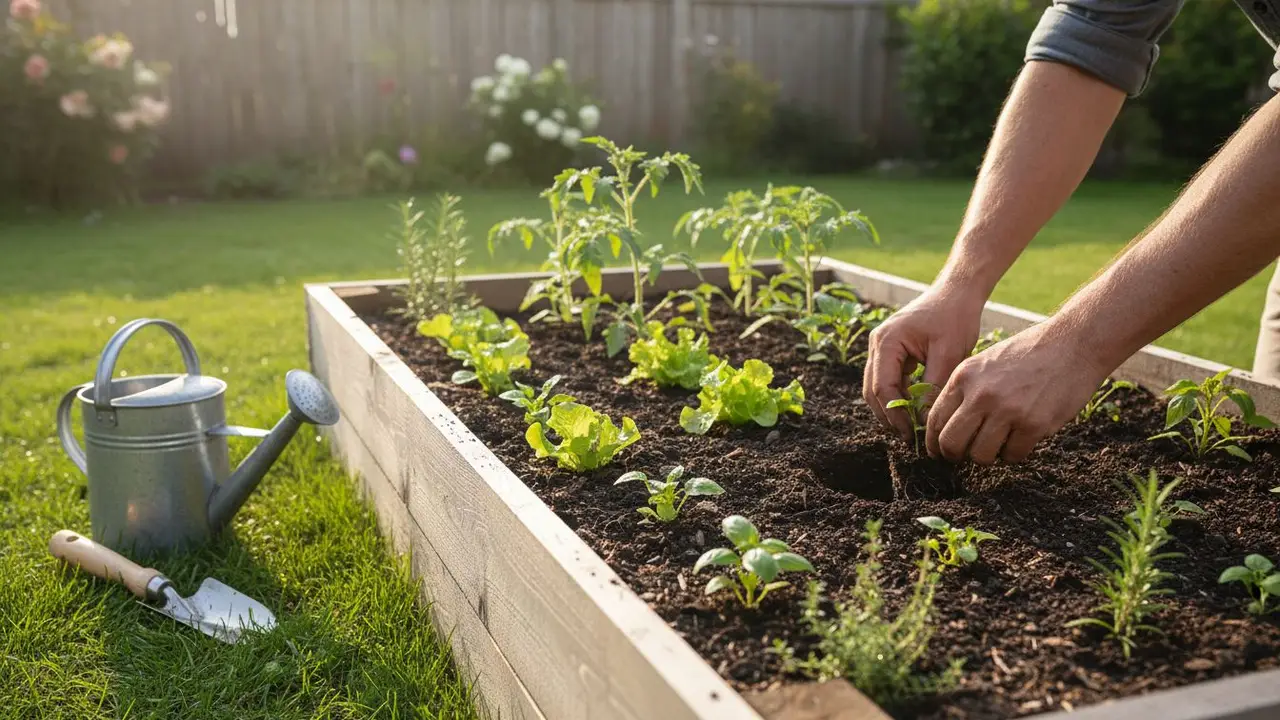
Growing your own food is one of the most rewarding things you will ever do, and it is far easier to begin than most people imagine. Learning how to start a vegetable garden gives you fresh vegetables steps from your kitchen door, a deeper connection to the seasons, and a skill that pays you back for the rest of your life. It can feel daunting at first, with so much advice to sort through, but the fundamentals are genuinely simple, and the single best piece of guidance for a beginner is to start small and grow from there. This guide walks through the essential steps in order, and points you to a deeper guide for each one as you are ready. Follow them, and you will be harvesting your own food this very season.
1. Choose a Sunny Spot
Sunlight is the most important ingredient in a vegetable garden, so before anything else, find your sunniest ground. Most vegetables want at least six to eight hours of direct sun a day, and the fruiting crops everyone dreams of growing, tomatoes, peppers, squash, need the most; leafy greens and herbs will tolerate a bit less. Spend a day noticing where the sun falls in your yard, then site the garden in the brightest, best-drained spot you can, ideally close to the house and a water source, because the garden you walk past every day is the one you will actually tend. If your only options are shady, do not despair; simply lean toward leafy greens and herbs, which cope with less sun, and save the sun-hungry tomatoes for your brightest corner or a pot you can move.
2. Start Small
If there is one mistake nearly every beginner makes, mine included, it is starting too big. An ambitious first garden quickly becomes a weedy, overwhelming chore, and many a new gardener gives up before the first harvest. A small, well-tended plot will always outperform, and out-enjoy, a large neglected one. Begin with a single modest bed, a few containers, or a small corner of the yard, and know that you can always expand next year. My own gardening only truly clicked the season I shrank an overgrown plot down to one bed I could actually keep up with.
3. Decide on Beds, Rows, or Containers
There are three basic ways to grow, and any of them works. Growing in the ground in simple rows or beds is the cheapest route and lets you build soil over a large area. Raised beds are an excellent choice for beginners, giving you control over the soil, good drainage, tidy edges, and less bending, which makes them ideal where your native ground is poor, compacted, or wet. And if you have no yard at all, container gardening lets you raise a surprising amount of food on a patio, balcony, or doorstep. For most new gardeners I suggest one small raised or no-dig bed, or a cluster of containers if ground is short.
4. Build Healthy Soil
Here is the secret that separates thriving gardens from struggling ones: feed the soil, not the plant. Healthy, living soil grows healthy plants that largely look after themselves. Start by getting to know your ground with a simple soil test for pH and nutrients, then build fertility by adding plenty of compost. The easiest and best approach is the no-dig method, where you spread compost on the surface and let the soil life work it in rather than tilling, which protects the soil's structure and its living web. If you are gardening on heavy clay, a little work to improve it pays off for years; and in containers, always use a proper potting mix rather than garden soil.
5. Choose What to Grow
The best rule for choosing crops is simple: grow what you love to eat. Beyond that, start with easy, fast, forgiving vegetables that reward a beginner with quick success and build confidence. My own first-season wins, the crops that hooked me, were radishes (ready in a month), lettuce and salad greens, bush beans, zucchini, cucumbers, carrots, cherry tomatoes, and a pot of herbs like basil. Save the fussier crops, cauliflower, celery, and the like, for later. You can buy young transplants for slow starters like tomatoes and peppers, and sow the easy, fast growers such as beans, radishes, and lettuce directly from seed, or get a jump on the season by starting seeds indoors.
6. Learn Your Timing
Vegetables are ruled by the calendar, and the frame for the whole season is your frost dates. Cool-season crops like lettuce, peas, and radishes go in early, weeks before the last spring frost, while warm-season crops like tomatoes, squash, and beans must wait until after that frost has passed and the soil has warmed. Beyond that, let the seed packet be your guide, since it tells you the planting depth, spacing, and days to maturity for each crop. And to keep the harvest coming all season rather than in one glut, sow short rows of quick crops every couple of weeks, a technique called succession planting.
7. Plant, Water, and Mulch
With your beds ready and your crops chosen, planting is the fun part: set seeds and transplants at the depth and spacing the packet calls for, and water them in gently. From there, consistent watering is the single most important thing you can do for a young garden. Aim to keep the soil evenly moist, roughly an inch of water a week, watering deeply at the base of the plants in the morning rather than sprinkling the leaves; a drip or soaker system makes this effortless. I nearly lost my seedlings to erratic watering one early summer, and learned that deep, regular water is what carries a garden through. Finally, spread a layer of mulch around your plants to hold that moisture, smother weeds, and feed the soil, and give hungry crops an occasional boost with a balanced organic fertilizer.
8. Keep It Healthy
A little regular attention keeps a garden thriving. Weed little and often before weeds get established, a job that mulch dramatically reduces. Lean on prevention rather than cure for problems: healthy soil, correct spacing, and good airflow head off most of the trouble covered in my guide to preventing plant disease, and a prevention-first, habitat-based approach handles the rest through organic pest control. From your second year on, move your crop families to different beds each season through crop rotation to keep pests and diseases from building up. Michigan State University Extension's overview of starting a vegetable garden and Clemson's guide to planning a garden are both excellent companions as you go. Above all, visit the garden often; the daily habit of simply looking is how you catch small problems early and, more importantly, how you fall in love with growing.
Common Beginner Mistakes to Avoid
A handful of familiar missteps trip up most first-time gardeners, and knowing them in advance saves a great deal of frustration.
- Planting too much, too soon. The classic error, and worth repeating: start small and expand only once you have the hang of it.
- Neglecting the soil. I spent my first season pouring fertilizer onto plants growing in poor, lifeless dirt and wondering why they sulked; the moment I began building the soil with compost, everything changed. Feed the soil first.
- Crowding the plants. Tiny seedlings tempt you to set them close together, but they need the full spacing the packet calls for so air and light can reach them; overcrowding invites disease and shrinks the harvest.
- Watering erratically. Deep and consistent always beats frequent and shallow.
- Planting tender crops too early. A late frost will flatten unprotected tomatoes and squash, so wait until it has safely passed.
- Giving up after a setback. A failed crop is a lesson, not a verdict, and every gardener has plenty of them.
Your First Season and Beyond
The most important thing to remember is that every gardener, no matter how experienced, kills plants and has crops fail; that is not failure but how you learn, so do not let the fear of getting it wrong keep you from starting. Begin small, keep it simple, and enjoy the process. As your confidence grows, so can your garden: you might add more beds, stretch the year with season extension, plant berries and fruit, or learn to preserve your harvest. But all of that begins with a single, achievable first step. This weekend, find your sunniest spot, build one small bed or fill a few pots with good soil, and plant a handful of easy crops. A few months from now you will be eating food you grew yourself, and you will understand why so many of us never stop. For more on growing food of every kind, our gardening library has a guide for every step of the way.
Sources
About the Author
Lucas is a writer and researcher focused on sustainable agriculture and permaculture practices.